
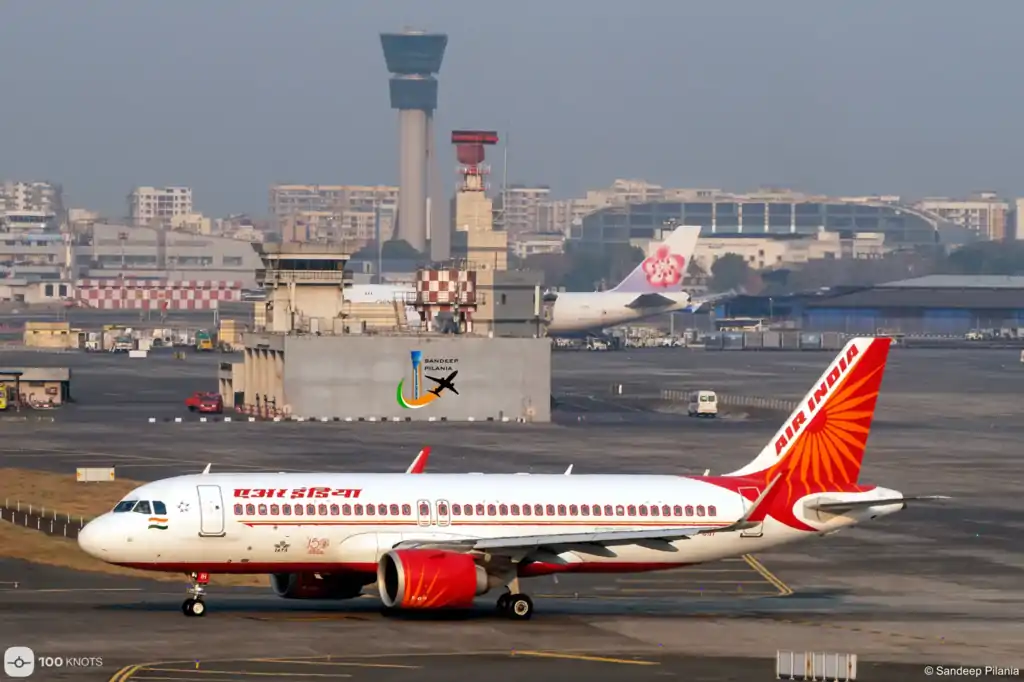
Despite the soaring demand in the world's fastest-growing aviation market, Indian airlines are bracing for a challenging fiscal year 2025. According to CAPA India, a top aviation consultancy, the industry is expected to post a significant loss of between $400 million to $600 million, surpassing the previous year's loss of $300 million to $400 million. This anticipated downturn comes even as market leader IndiGo recorded a profit in the last fiscal year.
Rising Costs Amid High Demand
Increasing Operational Costs
CAPA India projects that overall airline costs will rise by 3.8% in fiscal 2025. The consultancy did not specify the cost increase for the previous year, but the current forecast suggests that escalating operational expenses are a major concern for the industry. These costs encompass fuel prices, maintenance, labor, and airport fees, which collectively threaten to erode profit margins despite the booming demand.
Supply Crunch and High Fares
India's aviation sector has been grappling with a supply crunch, where the demand for flights surpasses the available planes. This imbalance has allowed airlines to charge higher fares, leading to record yields. CAPA India predicts this trend of high yields—defined as the average amount paid by a passenger to fly one kilometer—to continue in the short term, with an expected rise of approximately 1% for fiscal 2025. Passenger load factors (PLF), a measure of how full flights are, are also expected to remain high at 85%.
Fleet Expansion and Market Dynamics
Addition of New Aircraft
To alleviate the supply crunch, Indian airlines are set to add 84 aircraft to their fleet in the current year, increasing the total number of planes to 812 from 728 as of March. This expansion is part of a broader trend, with airlines planning to more than double their fleet size by 2030. The anticipated fleet growth is driven by massive orders placed with Airbus and Boeing, signaling long-term confidence in market growth.
Dominance of Key Players
India's aviation market is predominantly controlled by low-cost carrier IndiGo, which commands a 60% market share. The Air India group, comprising two budget carriers and two full-service carriers (Air India and Vistara), holds around 30% of the market. Together, these major players have over a thousand aircraft on order, positioning themselves for significant future growth.
Passenger Traffic Growth
Domestic and International Expansion
CAPA India estimates domestic passenger traffic to increase to 161 million to 164 million, up from approximately 154 million. International traffic is also expected to grow, reaching 75 million to 78 million. This expansion reflects the robust demand for air travel within and outside India, driven by a growing middle class and increasing economic activity.
Conclusion: Navigating Through Turbulence
While Indian airlines are poised for growth with rising passenger traffic and expanding fleets, the industry faces significant challenges due to increasing operational costs. The balance between managing these costs and capitalizing on the high demand will be crucial for the financial health of airlines. As the industry navigates through this turbulent phase, strategic planning and efficient cost management will be key to sustaining profitability in the rapidly evolving Indian aviation market.
With Inputs from Reuters

Read next
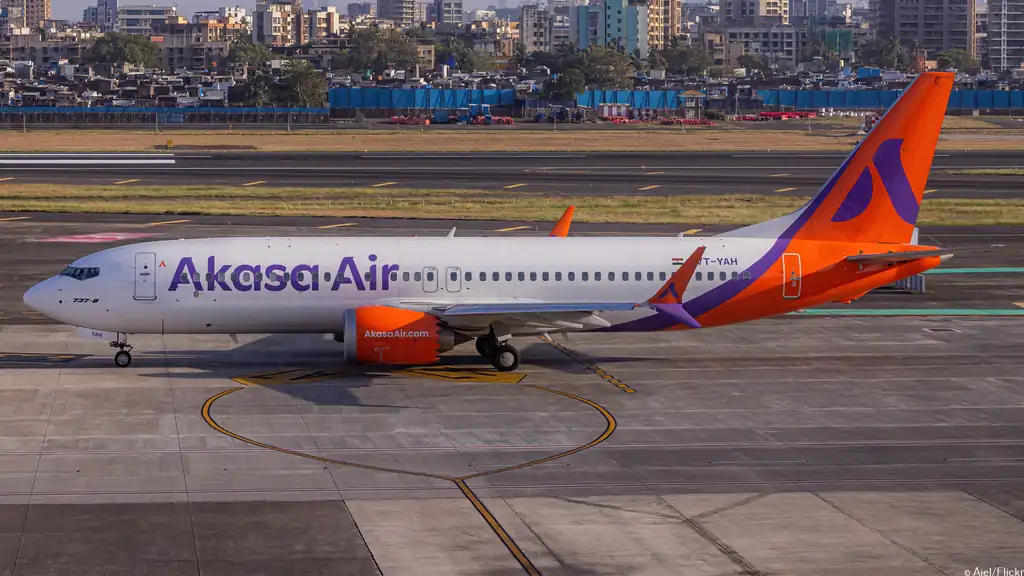
In a significant move that underscores its ambitious growth plans, Akasa Air, India's newest airline, is set to receive deliveries of Boeing's 737 MAX 10 planes by the summer of 2027. The announcement, made by Akasa's CEO Vinay Dube, aligns with the airline's strategy to expand its international footprint, having commenced international flights in March.
Strategic Fleet Expansion with Boeing Orders
Earlier this year, Akasa Air placed a substantial order for 150 Boeing 737 MAX narrow-body planes, including both MAX 10 and MAX 8-200 versions. While the exact split between the two models was not disclosed, this acquisition is a clear indicator of Akasa's commitment to expanding its operational capacity and enhancing its service offerings. The new fleet is expected to significantly bolster the airline's ability to compete in both domestic and international markets.
Navigating Certification Challenges
The journey to integrating the 737 MAX 10 into Akasa's fleet is not without its challenges. The U.S. Federal Aviation Administration (FAA) raised concerns about the model's certification following an incident in January involving a 737 MAX 9. Despite these hurdles, Akasa remains optimistic, banking on Boeing's assurances and the expected certification of the MAX 10 by 2027. This confidence contrasts with sentiments from other airlines like Delta Air Lines and United Airlines, which have expressed reservations and even adjusted their orders in light of the delays.
Rising Market Share in a Competitive Landscape
Despite being a relatively new player in the Indian aviation market, Akasa Air has shown impressive growth. As of the March-quarter, the airline captured a 4.5% market share, up from 3% a year earlier. While still trailing behind major competitors like IndiGo, SpiceJet, Vistara, and Air India, this increase reflects Akasa's growing presence and customer base in the industry.
Current Fleet and Operational Focus
Currently, Akasa Air operates a fleet of 24 aircraft, all of which are Boeing 737 MAX planes. This uniform fleet strategy allows for operational efficiencies and streamlined maintenance processes, positioning Akasa well to scale up as new aircraft are integrated into its lineup.
Looking Ahead: Akasa's Vision for 2027 and Beyond
With the anticipated arrival of the 737 MAX 10, Akasa Air is gearing up for a new phase of growth. The larger, more efficient MAX 10 will enable the airline to offer more routes and frequencies, particularly on international sectors where demand is rising. This strategic expansion aligns with Akasa's broader vision of becoming a key player in the global aviation market.
Conclusion: A Bright Horizon for Akasa Air
As Akasa Air awaits the delivery of its new Boeing 737 MAX 10 planes, the airline's future looks promising. With a growing market share, a robust fleet expansion plan, and a clear focus on international growth, Akasa Air is well on its way to establishing itself as a significant force in the aviation industry. The coming years will be crucial as the airline navigates regulatory challenges and continues to build on its early successes.
With Inputs from Reuters
Read next

The Association of Professional Flight Attendants (APFA), representing over 23,000 flight attendants at American Airlines, has unanimously rejected the latest proposal from the airline. This decision marks a significant escalation in the ongoing labor dispute, highlighting the growing tensions between the flight attendants and their employer.
Proposal Rejected: The Union's Firm Stance
Earlier on Wednesday, American Airlines' CEO Robert Isom announced a proposal that included immediate wage increases of 17% and a new formula for higher profit sharing in 2024. Despite these offers, the APFA dismissed the proposal, stating it fell short of a comprehensive agreement addressing all their concerns.
"American Airlines Flight Attendants want and need a complete contract addressing all our concerns," the union emphasized. They highlighted that the offer of a raise was insufficient without a full contract agreement.
The Call for a Complete Contract
The union's rejection of the proposal underscores their demand for an industry-leading contract that goes beyond mere wage increases. The APFA has made it clear that they seek comprehensive improvements in their working conditions, benefits, and overall compensation.
"We have a strike vote authorization of 99.47 percent, have picketed for months, and have demonstrated our resolve and solidarity. Our message has been crystal clear: we need an industry-leading contract," the APFA declared.
The Background: A Long Time Coming
The current round of negotiations began in January 2020 but was interrupted by the COVID-19 pandemic. Talks resumed in June 2021, yet progress has been slow and contentious. Flight attendants have not received a pay raise in over five years, and their demands reflect a desire to address not only financial compensation but also the challenging conditions they've endured, particularly during the pandemic.
Striking for Change: The Union's Next Steps
As negotiations continue to stall, the union has asked its members to prepare for a potential strike. Last month's negotiations failed to yield an agreement, prompting the APFA to seek a release from federally mediated negotiations. The union asserts that American Airlines' offers do not adequately address the current economic environment and the challenges faced by flight attendants.
A High-Stakes Showdown
The situation remains tense as both sides prepare for the next round of negotiations scheduled for next week. With a potential strike looming, the outcome of these talks could have significant implications for American Airlines and its operations. The APFA's demand for a 33% immediate raise underscores the urgency and seriousness of their position.
Conclusion: Navigating the Future
As the standoff between American Airlines and its flight attendants continues, the broader industry and the traveling public watch closely. The union's unwavering stance for a comprehensive contract reflects broader labor trends where workers are increasingly vocal about their demands for fair compensation and better working conditions. The upcoming negotiations will be pivotal in determining whether an agreement can be reached or if a strike will disrupt the skies.
With Inputs from Reuters
Read next
Are Electric Vehicles the Future of Airport Transportation? BLR Airport Thinks So!
Abhishek Nayar
07 Jun 2024

This World Environment Day, Kempegowda International Airport Bengaluru (BLR Airport) has taken a significant leap in its sustainability efforts by introducing a fleet of electric vehicle (EV) Airport Taxis. This initiative, in collaboration with Refex eVeelz, marks a notable transition from traditional fuel-based taxis to environmentally friendly alternatives.
The New EV Fleet: A Green Milestone

BLR Airport's new EV fleet consists of 175 compact SUVs, representing over 50 percent of the total taxi fleet at the airport. This move aims to significantly reduce carbon emissions, contributing to a cleaner environment. The impact extends beyond the immediate airport vicinity, benefiting the broader community and setting a precedent for other airports.
Beyond Transportation: A Holistic Approach to Sustainability
In addition to launching the EV taxis, BLR Airport commemorated World Environment Day by planting 100 trees on its campus. This initiative underscores the airport’s dedication to enhancing green spaces, providing shade, and creating a more pleasant environment for everyone.
Leadership Speaks: Commitment to Sustainability
Hari Marar, Managing Director & CEO of Bangalore International Airport Ltd, emphasized the airport’s commitment to sustainability. “At BIAL, our commitment to sustainability drives us to consistently implement initiatives that benefit the environment. The introduction of our EV taxi fleet and the tree planting drive are significant strides towards reducing our carbon footprint and enhancing the green spaces within our airport. These initiatives positively contribute to the ecosystem and improve the overall experience for our passengers and benefit the local community.”
Refex Group’s Vision for Green Mobility
Anil Jain, Managing Director of Refex Group, highlighted the mission of their Green Mobility vertical. “Refex’s Green Mobility vertical is on a mission to provide reliable, safe, and cleaner options of commute through Refex eVeelz. Our 100% company-owned and leased EV fleet, our driver partners, and our processes provide a safe and eco-friendly commuting experience.”
User-Friendly and Inclusive Travel

Travelers can conveniently book the new EV taxis at the airport taxi stands in both terminals or through the BLR Pulse mobile application. The redesigned EV taxis come in two distinctive colors: teal, symbolizing the airport’s commitment to sustainability, and pink, designated for female passengers and operated by female drivers. This thoughtful feature amplifies safety and inclusivity for all travelers. Additionally, each passenger receives a complimentary "Pink Card" containing emergency contact numbers for the Duty Manager, local police, and ambulance services, enhancing safety measures.
A Vision for the Future
BIAL's long-term vision includes transitioning all vehicles at BLR Airport to sustainable options. This vision follows the successful implementation of semi-robotic aircraft towing vehicles and EVs on both the airside and landside. These initiatives not only prioritize passenger well-being but also contribute to broader environmental goals, fostering a greener future for all.
Conclusion: Paving the Way for Green Airports
BLR Airport’s initiatives highlight a significant shift towards sustainable transportation and environmental stewardship. As more airports worldwide look to reduce their carbon footprint, BLR Airport sets a compelling example of how integrating green technologies can benefit both the environment and the traveling public. Will other airports follow suit and make the leap towards a more sustainable future? Only time will tell, but BLR Airport’s pioneering efforts are certainly paving the way.
Read next


On World Environment Day, Jaideep Mirchandani, chairman of global aviation major Sky One, has made a compelling case for the aviation industry to adopt comprehensive sustainability measures beyond just Sustainable Aviation Fuels (SAF). As India's aviation sector continues to soar, its environmental impact, particularly in terms of greenhouse gas emissions, is becoming increasingly significant. Mirchandani outlines a multifaceted approach to foster environmentally responsible practices within the industry.
The Carbon Conundrum in Aviation
India's rapid growth in air travel is accompanied by a substantial increase in carbon emissions. The aviation sector is intrinsically carbon-intensive, with projections indicating that emissions will rise significantly due to expanding fleet sizes and increased passenger demand. This underscores the urgent need for sustainable practices to mitigate environmental damage.
The Role of Sustainable Aviation Fuels (SAF)
Sustainable Aviation Fuels (SAF) have been identified as a critical element in reducing carbon emissions. However, current SAF production is minimal, accounting for only 0.1% of total aviation fuel. The International Energy Agency forecasts that SAF production could rise to 10% by 2030 and 20% by 2040. Given this gradual adoption, it is clear that relying solely on SAF is not sufficient.
Embracing Fuel-Efficient Aircraft
Mirchandani emphasizes the importance of leasing and investing in fuel-efficient aircraft. These aircraft consume less fuel and produce fewer emissions, contributing to a more sustainable aviation sector. Additionally, there is a need for ongoing research and development in electric and hybrid aircraft technologies to further reduce the carbon footprint.
Enhancing Aerodynamics and Technology Integration
Improving aircraft design to reduce drag and integrating cutting-edge technological tools into navigation systems can significantly enhance fuel efficiency and minimize delays. These measures are essential for creating a more environmentally friendly aviation industry.
Sustainable Practices in Maintenance, Repair, and Overhaul (MRO)
The MRO sector offers numerous opportunities for promoting sustainability. By investing in energy-efficient technologies and minimizing waste generation, airlines can make a substantial impact. Implementing practices such as recycling, reusing materials, and using biodegradable cleaning agents, water-based paints, and non-toxic hydraulic fluids can ensure compliance with regulatory requirements and reduce environmental impact.
Responsible Disposal and Repurposing of Used Parts
For parts that cannot be recycled, Mirchandani advocates for environmentally responsible disposal techniques such as thermal treatment or chemical neutralization. Furthermore, airlines can explore options for repurposing or refurbishing parts for alternative applications. This involves finding new uses for parts or restoring them to a usable condition, extending their lifespan, and reducing the need for new replacements.
Conclusion: A Call to Action for the Aviation Industry
As the aviation sector in India continues to grow, it is imperative to implement comprehensive and sustainable measures. Jaideep Mirchandani’s vision for a greener aviation industry encompasses not only the gradual adoption of SAF but also the adoption of fuel-efficient aircraft, advanced aerodynamics, innovative MRO practices, and responsible disposal of used parts. By embracing these strategies, airlines can significantly reduce their carbon footprint and contribute to a more sustainable future for aviation.
Engaging the Aviation Community
Mirchandani's call to action serves as a crucial reminder for all stakeholders in the aviation industry to prioritize sustainability. By implementing these diverse measures, the industry can navigate towards a greener future, ensuring that the growth of aviation does not come at the expense of our planet.
By focusing on holistic and sustainable practices, the aviation industry can lead the way in reducing carbon emissions and promoting environmental stewardship.
Read next

SriLankan Cargo, the air cargo division of SriLankan Airlines, has recently taken a significant leap forward in enhancing customer experience with its reinvented service delivery framework and revamped website. With a strong focus on customer satisfaction, the new service model categorizes delivery under Freshness Class, Wellness Class, Precious Class, and Guardian Class to ensure premium care for customers and their consignments.
Unveiling the New Service Model
Chaminda Perera, Head of Cargo of SriLankan Airlines, proudly announced the innovative product verticals as the culmination of their collective focus, dedication, and creativity. He emphasized that the goal is to serve customers better by setting new standards in airfreight services, coupled with the innate warmth and friendliness of their people.
The Four Classes of Service
Freshness Class:

- Prioritizes the rapid transit and advanced cold chain management of perishable goods.
- Ensures that fresh produce and other perishables maintain their quality throughout the journey.
Wellness Class:

- Focuses on the safe and quick transportation of pharmaceuticals and medical supplies.
- Utilizes state-of-the-art cold chain technology to maintain the potency of medicines.
Precious Class:

- Offers the highest degree of security for valuable and sensitive cargo.
- Guarantees safe handling and transportation of high-value items such as jewelry and art.
Guardian Class:

- Provides comprehensive care and comfort for pets and other live animals during air transport.
- Ensures a stress-free and humane journey for animal cargo.
Enhanced Customer Support and Tracking
To enhance customer support, SriLankan Cargo has introduced a 24/7 service hotline at +94197 33 3344, allowing customers to reach out at any time of the day. Additionally, customers will receive regular tracking updates on their shipments, ensuring transparency and peace of mind.
Redesigned Website for Seamless Experience
The redesigned website is a key component of the new service framework, offering users a wealth of information for making informed shipping decisions. From finding the perfect flight schedule to calculating chargeable weight and requesting air cargo charter services, the website promises to be the quickest source of information for SriLankan Cargo products.
Expanding Global Reach
SriLankan Cargo provides connectivity across the Middle East, Europe, South Asia, Southeast Asia, the Far East, and Australia. By leveraging road and partner networks, the company offers customers the flexibility to move cargo beyond the destinations directly served by SriLankan Airlines. With top-notch storage facilities and cargo handling equipment, SriLankan Cargo is a one-stop solution for any type of consignment.
Industry Support and Future Prospects
Ruwan Waidyaratne, Managing Director of Hayleys Advantis, expressed his support for SriLankan Cargo’s initiatives, praising the national carrier for introducing value-added products amid ongoing challenges. He wished the company every success as it forges ahead into the future.
For more detailed information and to explore the new services, visit SriLankan Cargo's website.
Engaging with SriLankan Cargo
SriLankan Cargo’s new service delivery framework and website are set to revolutionize the airfreight industry by providing customers with consistent, premium care, and a seamless experience. Whether you're shipping fresh produce, valuable items, pharmaceuticals, or live animals, SriLankan Cargo has tailored solutions to meet your needs, ensuring that your cargo arrives safely and efficiently.
By transforming their service model and enhancing customer support, SriLankan Cargo is not only meeting but exceeding customer expectations in the competitive airfreight industry.
Comment