
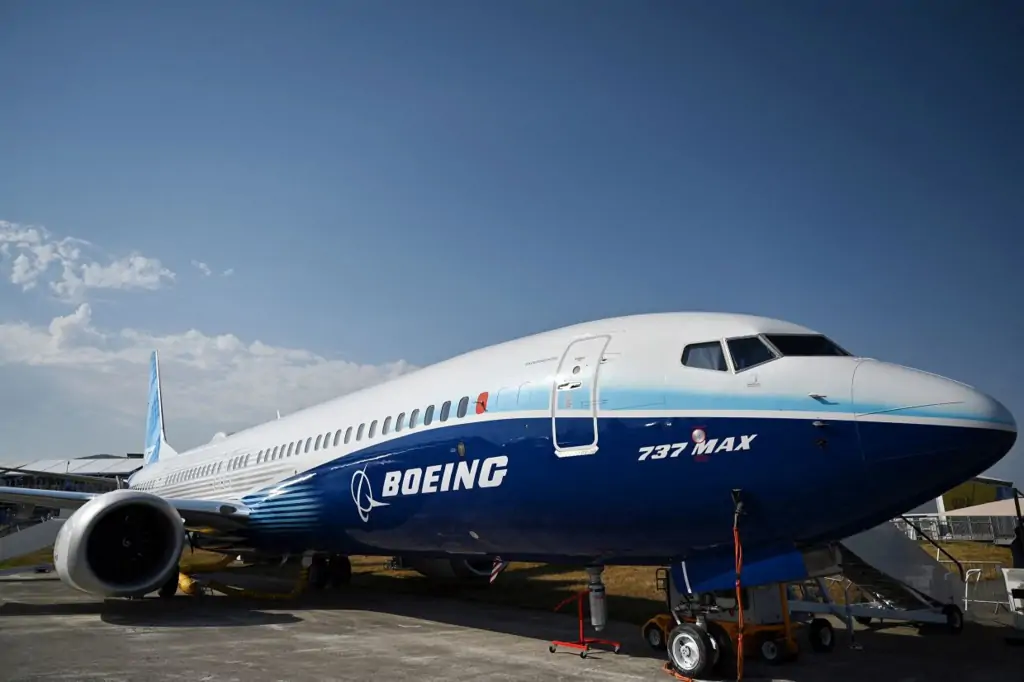
Boeing, one of the world’s largest aerospace companies, has recently informed suppliers of a significant delay in a key production milestone for its 737 jet family. This decision comes amid ongoing challenges that have plagued the company, affecting its output and financial outlook. What does this mean for Boeing and the aviation industry at large?
Boeing's Revised Production Timeline
In a recent communication with industry suppliers, Boeing announced that the production rate for its 737 jets would reach 42 units per month by September, a three-month delay from the previously set target of June. This adjustment indicates that Boeing anticipates continued difficulties in meeting its production goals.
The new supplier schedule also outlines future targets, with a goal of producing 47 units per month by March 2025 and 52 units per month by September 2025. These targets have also been postponed by three months from the initial projections.
Causes of the Delay
The delay stems from multiple factors, including regulatory scrutiny, supply chain constraints, and production issues. A significant incident in January, where a door plug blew off an Alaska Airlines jetliner mid-flight, has intensified scrutiny from regulators, airlines, and lawmakers. This incident has further compounded Boeing’s existing challenges, slowing down its production process.
Analysts note that while Boeing’s supplier master schedule provides expectations for production rates, actual production has been lagging due to these regulatory and supply chain pressures. The delay in the production milestone suggests that Boeing does not foresee an immediate resolution to these supply pressures.
Broader Industry Impact
Boeing’s struggles are not occurring in isolation. Rival Airbus, the world’s largest planemaker, is also experiencing disruptions due to shortages of parts and labor. This indicates a broader trend within the aerospace industry, where supply chain issues and labor shortages are creating significant hurdles for production.
Financial Implications
Boeing’s revised production schedule is likely to have financial repercussions. Last month, the company announced that it would burn, rather than generate, cash in 2024. Additionally, deliveries, which were expected to increase in the second quarter, will not see the anticipated boost. These financial challenges could impact Boeing’s overall market position and investor confidence.
Looking Forward
The delay in reaching production milestones raises critical questions about Boeing’s ability to navigate its current crisis and return to a stable production rate. As the company works to address regulatory concerns and supply chain issues, the broader aerospace industry will be closely watching Boeing’s next moves.
Will Boeing manage to overcome these production delays and stabilize its output? How will these challenges affect its competition with Airbus? Only time will tell, but one thing is certain: the aviation industry is in a period of significant uncertainty and transformation.
Conclusion
Boeing’s announcement of a delay in a key production milestone for its 737 jet family underscores the significant challenges the company faces. From regulatory scrutiny to supply chain issues, these delays have far-reaching implications for Boeing and the broader aerospace industry. As Boeing navigates these turbulent times, the industry will be keenly observing its strategies and outcomes, waiting to see if the company can rise above these challenges and secure its position in the market.
With Inputs from Reuters

Read next

Global airlines are setting their sights on India, betting big on the South Asian giant's burgeoning travel market. With its rapidly expanding aviation sector, India was the focal point at the recent International Air Transport Association (IATA) summit in Dubai, where industry leaders and analysts discussed the country's potential as one of the hottest travel markets over the next decade.
Record-Breaking Growth in Domestic and International Travel
India's domestic air travel market is on a meteoric rise, projected to double from a record 152 million passengers in 2023 to 300 million by the end of the decade. International traffic is expected to grow even faster, reaching 160 million passengers by 2030 from 64 million in 2022, according to aviation research group CAPA India. This explosive growth has positioned India as a key player on the global aviation stage.
Airlines Betting Big on India
To capitalize on this growth, major international carriers are expanding their presence in India. Turkish Airlines is considering new routes between Antalya and India, potentially through its joint venture with Lufthansa, Sun Express, or its Indian codeshare partner, IndiGo. Hungary-based budget airline Wizz Air is also eyeing its first foray into the Indian market, planning to launch flights next year.
Domestic Giants Expanding Fleets
India's leading airlines, IndiGo and Air India, are responding to the growing demand with record orders for new aircraft. The country's total aircraft fleet is expected to more than double, from around 700 planes currently to over 1,500 by 2030. This expansion is largely driven by sale and leaseback deals, making India an attractive destination for aircraft lessors.
Government Support and Infrastructure Development
The Indian government is supporting this growth with a $12 billion investment in new and upgraded airports across the country. This infrastructure development is crucial to accommodate the increasing number of flights and passengers. "India is taking its place on the world stage," said IndiGo CEO Pieter Elbers, emphasizing the country's strategic importance in global aviation.
The Challenges of Market Access
Despite the optimism, some international airlines are facing challenges in accessing the Indian market. Emirates and Turkish Airlines have expressed frustration over limited flight capacity rights, as the Indian government prioritizes domestic carriers. Emirates President Tim Clark warned that restricting foreign carriers could compromise India's economic growth.
A Growing Diaspora and Youthful Travelers
Much of India's travel growth is expected to stem from its vast diaspora of 35 million people, predominantly residing in North America, Europe, and South Africa. Additionally, a rising cohort of young, adventurous Indian travelers with increasing disposable incomes is contributing to the surge in demand.
A Decade of Unprecedented Growth
Independent aviation analyst Brendan Sobie predicts that the coming decade will be India's era of growth, mirroring the travel boom China experienced in the years leading up to the COVID-19 pandemic. This optimism is echoed by industry leaders who see India as a land of opportunities, driven by a unique combination of market demand and supportive government policies.
Conclusion: India's Soaring Future
With robust growth projections, substantial investments in infrastructure, and strategic expansion by both domestic and international airlines, India's aviation market is poised for unprecedented growth. As global airlines flock to tap into this dynamic market, India is set to become a central hub in the global aviation landscape, offering immense opportunities for growth and development. The sky is truly the limit for India's travel industry.
With Inputs from Reuters
Read next
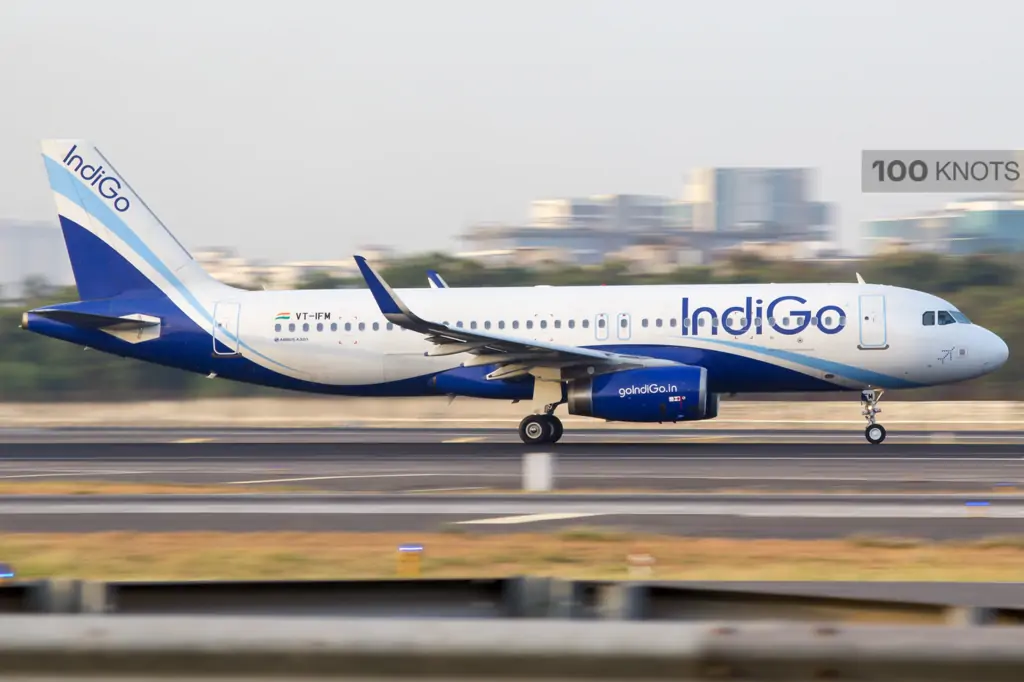
InterGlobe Aviation, the parent company of India’s leading low-cost airline, IndiGo, announced a significant development on Friday. The airline disclosed that it will receive a "customized" compensation package from International Aero Engines (IAE), an affiliate of Pratt & Whitney, for the continued grounding of several aircraft due to engine supply issues.
A Strategic Amendment for Compensation
On June 14, 2024, IndiGo finalized an amendment to its existing agreement with IAE, which ensures compensation tailored to the unique challenges faced by the airline. This adjustment addresses the financial and operational strain caused by a substantial number of grounded aircraft, which has been a significant concern for the airline's operations.
The Grounded Aircraft Crisis
The grounding of aircraft has been a pressing issue for IndiGo. As of February, the airline reported that the number of grounded planes was in the mid-70s, a significant portion of its fleet. This situation has been primarily attributed to ongoing supply chain disruptions and engine availability problems from Pratt & Whitney.
Financial Impact and Recovery
Despite the operational challenges, IndiGo remains the only profit-making domestic carrier in India. The airline reported a more than twofold increase in profit after tax to ?1,894.8 crore in the March quarter. This remarkable growth has been driven by higher passenger traffic, increased capacity, and a favorable external environment.
For the fiscal year 2024, IndiGo posted a net profit of ?8,172.5 crore on a record total income of ?18,505.1 crore. This robust financial performance underscores the airline's resilience and efficient management amidst challenging conditions.
Fleet and Market Position
As of the end of March, IndiGo's fleet consisted of 367 aircraft, including 13 on damp lease. Despite the grounded aircraft issue, IndiGo has maintained a dominant position in the Indian aviation market. According to the latest data released by the Directorate General of Civil Aviation (DGCA) on Friday, the airline’s domestic market share rose to 61.6% in May.
Conclusion
The customized compensation from Pratt & Whitney’s affiliate is a crucial step for IndiGo in managing its grounded aircraft situation. While the exact amount of compensation has not been disclosed, this agreement signifies a collaborative effort to mitigate the operational disruptions and ensure the airline’s continued growth and profitability. With a strong financial performance and a dominant market position, IndiGo continues to navigate through challenges, reinforcing its status as India's leading budget carrier.
Read next
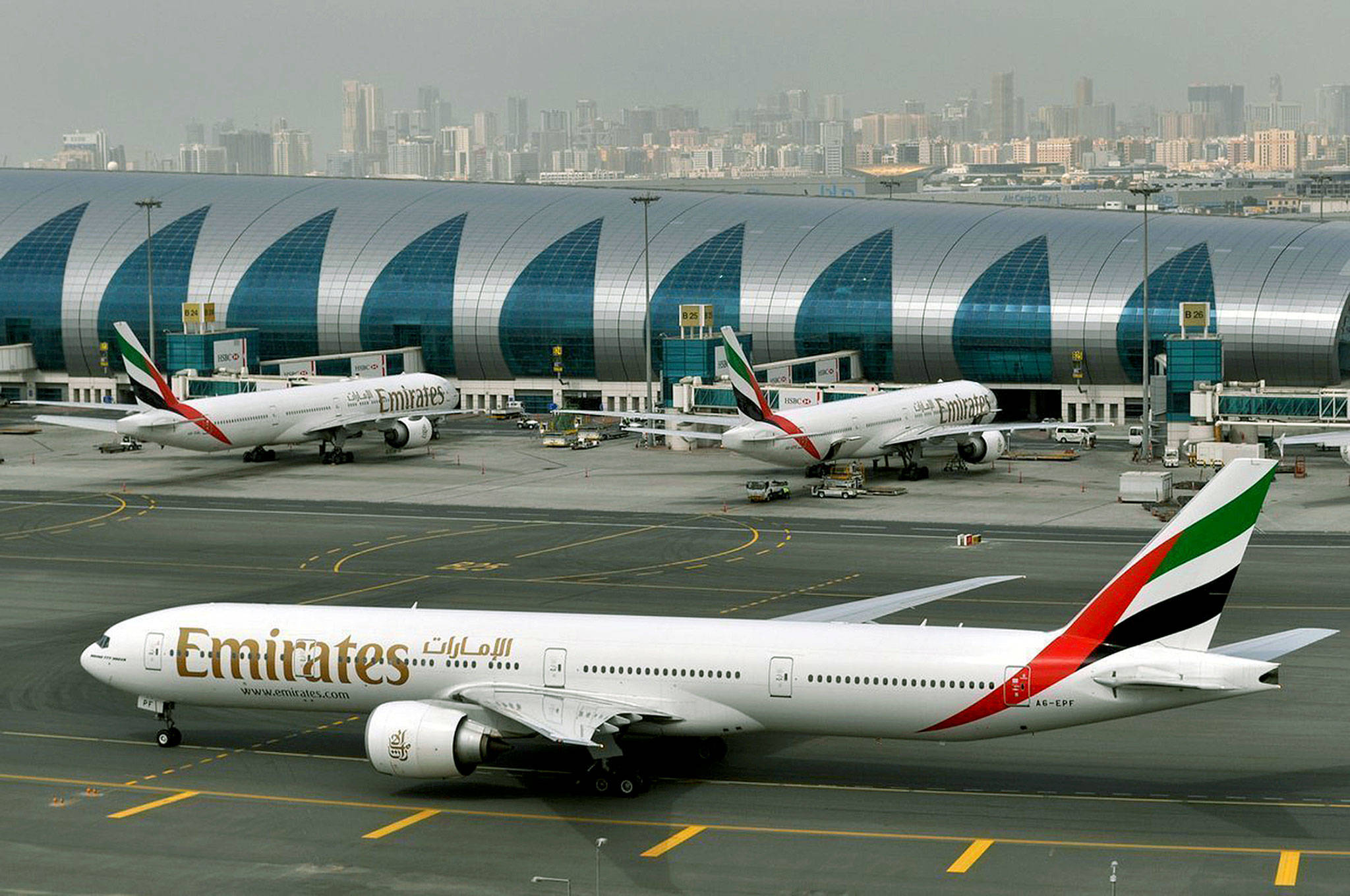
In a significant move that underscores the critical importance of adhering to aviation regulations, the U.S. Transportation Department has imposed a $1.5 million fine on Emirates. The penalty, announced on Thursday, addresses the airline's operation of flights carrying JetBlue Airways’ designator code in prohibited airspace, violating federal rules and a previous consent order.
The Infraction: A Timeline of Events
Unauthorized Airspace Operations
Between December 2021 and August 2022, Emirates conducted numerous flights from the United Arab Emirates to the United States. These flights, carrying JetBlue’s designator code, traversed areas restricted by the Federal Aviation Administration (FAA). Specifically, the flights operated below the altitude limits set within the Baghdad Flight Information Region, a no-go zone for U.S. carriers and their code share partners without special authorization.
Previous Violations and Consent Order
This isn't the first time Emirates has run afoul of FAA regulations. In October 2020, the airline was fined for similar breaches and agreed to a consent order. Under this agreement, Emirates paid $200,000 and was warned of an additional $200,000 penalty if they violated the order within a year. The recent infractions thus not only constitute a breach of FAA rules but also a violation of the 2020 consent order, leading to the current substantial fine.
Emirates' Defense: Safety Over Compliance?
Air Traffic Control Directions
In its defense, Emirates stated that the flights in question operated at lower altitudes due to explicit instructions from air traffic control (ATC). The airline emphasized that their pilots complied with ATC instructions, which is standard procedure under international aviation regulations to ensure safety.
Safety Concerns and Legal Obligations
The airline reiterated its commitment to safety, arguing that disregarding ATC instructions could have led to severe safety risks, including potential collisions. “Our pilots duly followed ATC instructions, a decision fully aligned with international aviation regulations for safety reasons,” an Emirates spokesperson said. The airline contended that pilots are legally bound to adhere to ATC commands to avoid significant safety implications.
JetBlue's Position: A Silent Partner

JetBlue, which ended its code share agreement with Emirates in 2022, declined to comment on the issue. Their silence leaves many questions unanswered about their awareness and involvement in the flight operations that led to the violations.
The Future: Compliance and Consequences
Potential for Additional Fines
The U.S. Transportation Department warned that Emirates could face an additional $300,000 fine if it breaches the regulations again within a year. This stipulation emphasizes the importance of strict compliance with FAA guidelines for all international carriers operating in U.S. airspace.
Enhanced Operational Protocols
In response to the fine, Emirates has assured that it no longer operates flights with U.S. carrier codes over Iraqi airspace. The airline highlighted its commitment to the safety of passengers, employees, and other airspace users, aiming to prevent future violations by adhering more rigorously to airspace restrictions.
Conclusion: A Lesson in Aviation Compliance
The hefty fine imposed on Emirates serves as a stark reminder of the complexities and stringent requirements of international aviation regulations. It highlights the critical balance between compliance and safety, demonstrating the severe repercussions airlines face when regulations are breached. As the aviation industry continues to evolve, adherence to such guidelines will remain paramount to ensure the safety and security of all airspace users.
With Inputs from Reuters
Read next
FAA and EASA Join Forces: The Future of Airplane Certification and Safety
Abhishek Nayar
15 Jun 2024

In an era where aviation safety has become paramount, the Federal Aviation Administration (FAA) and the European Union Aviation Safety Agency (EASA) have taken a significant step towards ensuring safer skies. Following a three-day joint meeting in Washington, the two agencies announced a renewed commitment to collaborate on new airplane certification, aiming to establish a unified strategic direction that benefits the global aviation system.
The Catalyst: Tragedies That Shook the Aviation World
The impetus for this enhanced cooperation stems from the tragic crashes of two Boeing 737 MAX aircraft in 2018 and 2019, which resulted in the loss of 346 lives. These incidents highlighted critical gaps in oversight and transparency, prompting regulators worldwide to tighten their scrutiny of new airplane certifications.
A New Era of Collaboration
FAA Administrator Mike Whitaker emphasized the importance of this partnership, stating, "As we look to the next decade, establishing a unified strategic direction based on information sharing and collaboration with our international partners will meet the needs of our global aviation system of the future." This sentiment was echoed by EASA Executive Director Florian Guillermet, who stressed the necessity for international regulators to work together to meet safety requirements consistently.
Key Initiatives for Safety and Certification
The FAA and EASA have outlined several key initiatives to enhance their collaboration:
- Joint Certification Activities: Both agencies have pledged to deepen proactive collaboration on certification activities, ensuring that new aircraft meet stringent safety standards.
- Information Sharing: Strengthening the exchange of safety oversight information is a top priority. This will enable both agencies to rely on each other’s expertise, reducing duplication of efforts and fostering a risk-based approach.
- Observer Roles in Safety Audits: Guillermet proposed that the FAA act as an observer on safety audits, including those of European aircraft manufacturer Airbus, to further bolster mutual trust and oversight.
Scrutinizing New Aircraft: The MAX and Beyond
The FAA's heightened scrutiny extends to new variants of the Boeing 737 MAX, including the MAX 7, which is not expected to receive certification until 2025 at the earliest. This delay follows Boeing’s withdrawal of a request for a key safety exemption. Additionally, Boeing’s 777X, a more fuel-efficient version of its popular 777 widebody, is under rigorous review. EASA has specifically requested changes to the flight controls of the 777X to enhance safety.
Learning from the Past: Major Design Changes
In a move reflecting lessons learned from the MAX tragedies, the FAA adopted a new aircraft certification policy in November. This policy mandates that key flight control design changes, such as the anti-stall system implicated in the MAX crashes, be considered "major." The Maneuvering Characteristics Augmentation System (MCAS), which was linked to both fatal accidents, was not fully disclosed to the FAA by Boeing, highlighting the critical need for complete transparency in the certification process.
Looking Ahead: A Safer Future for Aviation
The renewed collaboration between the FAA and EASA marks a significant milestone in the quest for aviation safety. By leveraging their combined expertise and fostering a culture of transparency and mutual reliance, these regulatory bodies aim to create a safer, more reliable aviation environment for passengers and operators worldwide. As the global aviation landscape continues to evolve, such partnerships will be crucial in navigating the challenges and ensuring the highest standards of safety are consistently met.
With Inputs from Reuters
Read next
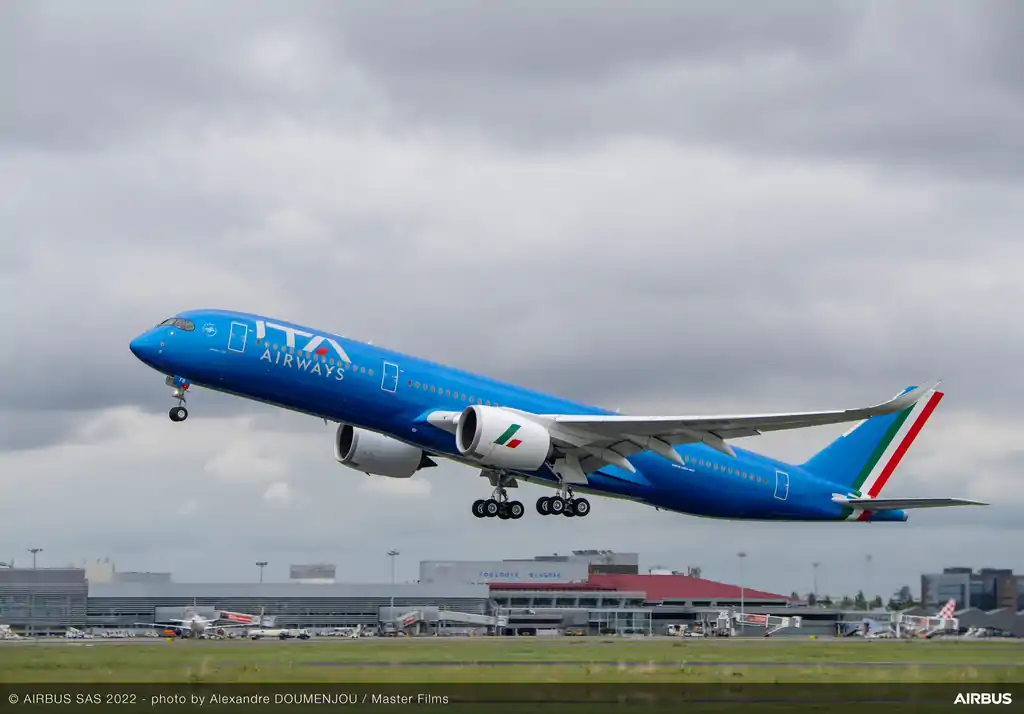
In a significant development within the European aviation industry, Lufthansa is poised to secure EU antitrust approval for its bid to acquire a substantial stake in the state-owned Italian airline ITA Airways. This strategic move is set to enhance Lufthansa’s presence in the highly competitive Italian and southern Mediterranean market.
A Boost for Italian Aviation?
The potential EU approval marks a major milestone for Italy, which has invested heavily in ITA’s predecessor, Alitalia, over the years. Securing this deal would not only bolster Italy's aviation sector but also signify a pivotal win for the government, which has struggled to maintain the profitability of its national carrier.
Lufthansa’s Strategic Bid

Lufthansa is eyeing a 41% stake in ITA Airways, a move aimed at strengthening its foothold in the lucrative Mediterranean region. This acquisition is part of Lufthansa's broader strategy to expand its network and leverage ITA’s market position to enhance connectivity and service offerings in the region.
EU Approval: A Work in Progress
While the European Commission, the EU’s competition authority, has not yet made a final decision, sources close to the matter indicate a favorable outcome. The Commission has set a deadline of July 4 to conclude its review, during which Lufthansa is fine-tuning remedies to address any lingering antitrust concerns.
Addressing Competition Concerns
To mitigate potential competition issues, Lufthansa has proposed several concessions. Notably, it will refrain from integrating ITA into its joint venture with United Airlines and Air Canada for a period of two years. Additionally, Lufthansa has committed to maintaining certain ITA short-haul routes to Germany, Belgium, Switzerland, and Austria. To further alleviate competitive pressures, Lufthansa will also cede 40 slots at Milan Linate airport to low-cost carriers easyJet and Volotea.
Industry Implications
This acquisition, if approved, could significantly alter the dynamics of the European aviation market. For Lufthansa, this deal represents an opportunity to reinforce its market dominance and optimize its route network. For ITA, it offers a chance to stabilize its operations and benefit from Lufthansa’s extensive experience and resources.
Awaiting the Final Verdict
As the July 4 deadline approaches, all eyes are on the European Commission’s final decision. Should the deal receive the green light, it will set a precedent for future airline mergers and acquisitions within the EU. Moreover, it will highlight the delicate balance between fostering competition and allowing market consolidation to ensure the sustainability of key players in the aviation industry.
Conclusion
Lufthansa’s potential acquisition of ITA Airways is more than a business transaction; it is a strategic maneuver that could reshape the landscape of European air travel. As both companies await the final decision, the aviation industry and travelers alike anticipate the possible benefits and challenges this merger might bring. Will this be a transformative moment for European aviation, or will it face unforeseen hurdles? The answer lies in the hands of EU regulators.
With Inputs from Reuters
Comment