

With aircraft contrails painting temporary white streaks across blue skies and jet engines releasing invisible gases into the atmosphere, the true environmental cost of air travel has remained frustratingly elusive to measure accurately.
Current emission measurement tools have been like trying to determine inadequate data. This measurement challenge has created a blind spot in our understanding of aviation's climate impact, potentially undermining global efforts to achieve meaningful decarbonization.
Current Industry Emission Tracking Methods
Major travel platforms have started implementing emission disclosure systems to provide passengers with environmental impact information.
Google Flights, for instance, displays lifecycle greenhouse gas estimates alongside flight options, categorising each journey as having higher, typical, lower, or unknown emissions relative to similar routes. These estimates derive from 2 primary sources that aim to standardise emission calculations across the industry.
From July 2025 onward, Google prioritises the EASA Flight Emissions Label when available, which utilises airlines' own verified historical data for specific routes. This voluntary standard allows participating airlines to provide standardised emission estimates directly to consumers through integrated platforms. When EASA data isn't accessible, Google employs its Travel Impact Model (TIM), a sophisticated calculation system overseen by sustainability and aviation experts. TIM combines publicly available and licensed datasets with current scientific research and internationally recognised measurement standards.
Both EASA and TIM have committed to methodology alignment, enabling fair comparison between their respective estimates. However, these systems maintain certain limitations, such as displaying sustainable aviation fuel reductions separately from main carbon dioxide equivalent calculations rather than incorporating them into comprehensive impact assessments.

Problem with Current Emission Calculations
The aviation sector's environmental accounting has significant flaws that extend far beyond simple carbon dioxide measurements.
Traditional carbon calculators employed by airlines and booking platforms typically rely on basic distance-based calculations, creating an incomplete picture of aviation's actual climate impact.
These conventional tools systematically ignore crucial climate-warming factors, including contrail formation, nitrogen oxide emissions, and cloud formation effects. This oversight represents more than a minor technical shortcoming – it fundamentally underestimates aviation's contribution to global warming, potentially by substantial margins.
The United Kingdom exemplifies this growing concern, where aviation emissions now account for nearly 7% of the country's national greenhouse gas output. Projections indicate this figure could climb to 9% by 2025 and reach 11% by 2030 as other economic sectors successfully reduce their carbon footprints.

ATP-DEC: New Standard for Measurement
Addressing these critical gaps, researchers from Therme Group and the University of Surrey have developed the Air Travel Passenger Dynamic Emissions Calculator (ATP-DEC). This innovative tool represents a fundamental shift from traditional measurement approaches by incorporating comprehensive lifecycle analysis with real-world operational data.
ATP-DEC distinguishes itself through its holistic methodology, which accounts for the impacts of-
- Aircraft manufacturing
- Fuel processing emissions
- Airport infrastructure
- In-flight services
- Passenger seating classes
- Non-carbon dioxide climate effects
The calculator also incorporates dynamic factors such as actual flight paths, including route diversions due to geopolitical restrictions like airspace closures.
Extensive validation testing across more than 30,000 actual flights has demonstrated ATP-DEC's exceptional accuracy, achieving a mean absolute percentage error of approximately 0.5%. This precision level significantly exceeds existing tools from major aviation organisations and tech companies.

Global Implications
The timing of ATP-DEC's development aligns perfectly with increasing regulatory scrutiny worldwide. The UK Civil Aviation Authority is considering requirements for airlines to disclose passenger carbon footprints during booking processes, while the EU's ReFuelEU initiative pushes for sustainable aviation fuel adoption despite supply challenges.
Unlike proprietary tools with unclear methodologies, ATP-DEC offers complete transparency through peer-reviewed academic validation. This approach provides regulators with defensible data for policy decisions, audit processes, and carbon disclosure requirements.
The calculator's global applicability extends beyond European markets, supporting various national decarbonization strategies from Japan's domestic sustainable fuel production targets to Singapore's passenger levy system for funding cleaner aviation fuels.
Path Forward
ATP-DEC's developers have designed the tool to work alongside innovative financing mechanisms, particularly the Carbon Tokenomics Model (CTM). This blockchain-based approach aims to channel consumer micro-investments into green aviation projects, potentially accelerating sustainable fuel production and deployment.
This integrated approach addresses a fundamental challenge in aviation decarbonization: bridging the gap between measurement accuracy and actionable financing for environmental solutions. By combining precise emissions calculation with accessible green investment opportunities, the system creates a comprehensive framework for industry transformation.

Read next

India’s aviation regulator, the DGCA, released a detailed draft circular on Fatigue Risk Management System (FRMS) on September 4, 2025 — a science-forward attempt to move beyond rigid duty-hour limits. The Federation of Indian Pilots (FIP) fired back on Monday, calling the draft “fundamentally flawed” and asking the regulator to withdraw it, saying it ignores ground realities and legal safeguards. The DGCA invited stakeholder comments until September 15.
Why the DGCA tried FRMS: science, data — and perhaps optimism
FRMS is the modern toolset aviation regulators and airlines use worldwide to manage fatigue by combining scientific models, data-driven monitoring, and performance checks — instead of relying solely on prescriptive flight-duty hour rules.
DGCA’s draft says FRMS would complement the existing Flight Duty Time Limitation (FDTL) rules and allow operators flexibility to manage crew fatigue with monitored, evidence-based programs. The draft also lays out documentation, accountable-manager approvals, and monitoring requirements.
Why pilots are wary (and loud about it)
The Federation of Indian Pilots argues the draft:
- Was produced at a bad time (during phased implementation of new FDTL rules),
- Skips important legal processes and protections, and
- Fails to include an independent, expert voice of the flight crew — a key ingredient in any FRMS that actually protects safety, not profits.
In short, FIP warns the draft could become a blueprint for “regulatory ambiguity and commercial exploitation” that may reduce safety margins rather than improve them. They’ve formally urged the DGCA to withdraw and instead work in partnership with pilot bodies to build a legally sound, practical FRMS.
The background: FDTL changes that already have everyone talking
This row isn’t happening in a vacuum. India’s FDTL reforms — introduced earlier and partly phased in — include raising weekly rest periods from 36 to 48 hours, widening night duty windows, and cutting the allowed number of night landings per pilot (reportedly down to two in the stricter phase).
Some parts of the new limits came into effect in June, with the remaining changes set to come into force in November 2025. Airlines such as IndiGo and Air India have told the regulator they have operational concerns about the pace and impact of these changes.
Two competing — and valid — safety logics
- Prescriptive FDTL rules: simple, enforceable, and clear. If pilots must have X hours rest, you can audit compliance easily. But prescriptive rules can be blunt and inflexible.
- FRMS (performance-based): potentially smarter — it can adapt crew rostering to circadian science and real operational patterns, but it demands strong data systems, transparent oversight, independent crew representation, and time to implement properly.
FIP’s fear is that an FRMS rushed in while airlines and regulators are still adapting to the new FDTL baseline could be used to sidestep stricter prescriptive limits rather than to genuinely reduce fatigue. That’s a legitimate concern: a bad FRMS is worse than a cautious, clear FDTL rule.

Practical problems on the tarmac (and why pilots call it “ignoring realities”)
- Crew supply and rostering: tighter rest requirements already mean airlines need more pilots or fewer flights. A complex FRMS requires strong rostering software and data pipelines many operators don’t yet have.
- Legal clarity: pilots want written protection — who’s accountable when FRMS decisions are made? What happens if a company’s FRMS metrics and the crew’s lived fatigue disagree? FIP says the draft paper leaves gaps.
- Independence and trust: FRMS only works if crew voices are truly independent and heard — pilots fear “consultation” that’s purely cosmetic.
Where this could go next (and what a sane path looks like)
A constructive route would be:
- Pause adoption until the DGCA and pilot bodies co-design FRMS minimums.
- Create short-term bridge rules that preserve prescriptive protections while trial FRMS pilots on willing carriers.
- Mandate independent crew representation in any FRMS governance and transparent public reporting of fatigue-related metrics.
- Give smaller operators technical assistance and a realistic timeline to implement digital monitoring and training.
Those steps reduce the chance that FRMS becomes a loophole rather than a safety booster. Several experts and some industry commentators note that when properly implemented and audited, FRMS can be world-class — but only with time, trust, and teeth.
A few light-hearted observations (because aviation needs levity)
Pilots have long histories of counting sheep between airports — it’s only fair they get the science to count which sheep are best for sleep.
“We need more rest” is not usually a rallying cry for more coffee — but expect coffee companies to secretly cheer if rostering gets tougher.
If regulators, pilots and airlines can hold a meeting without someone dropping a spreadsheet and blaming a simulator, that will be progress. Progress celebrated with (extra) rest, obviously.
Final read — why you should care
This is about safety and sanity: passengers want well-rested pilots; pilots want rules that protect them and passengers; airlines want reliability. An FRMS adopted without crew trust or legal clarity risks producing the opposite of its intention — the illusion of modernity with worse outcomes. The DGCA’s next steps — and whether it listens to pilots’ concerns — will determine whether India’s skies get safer or just busier with memo-writing.
TL; DR
- DGCA released a draft FRMS circular on September 4, 2025; stakeholder comments were invited till Sept 15.
- Federation of Indian Pilots (FIP) has asked DGCA to withdraw the draft, calling it legally and operationally flawed and warning it could erode safety margins.
- This debate happens amid new FDTL rules (weekly rest to 48 hours, tighter night limits) that were phased in from June with more changes due in November 2025; airlines have raised implementation concerns.
- FRMS can be excellent if implemented slowly, transparently, with independent crew representation and strong audits — rushed FRMS risks becoming a loophole.
- Practical fix: pause -- co-design with pilots -- pilot FRMS trials with strict oversight -- scale with support and clear legal protections.
Read next
SpiceJet’s Autumn Plot Twist — 8 More Boeings, One Big Winter Hype (and a Side of “We’ll Fix the Parts”)

Abhishek Nayar
16 Sep 2025
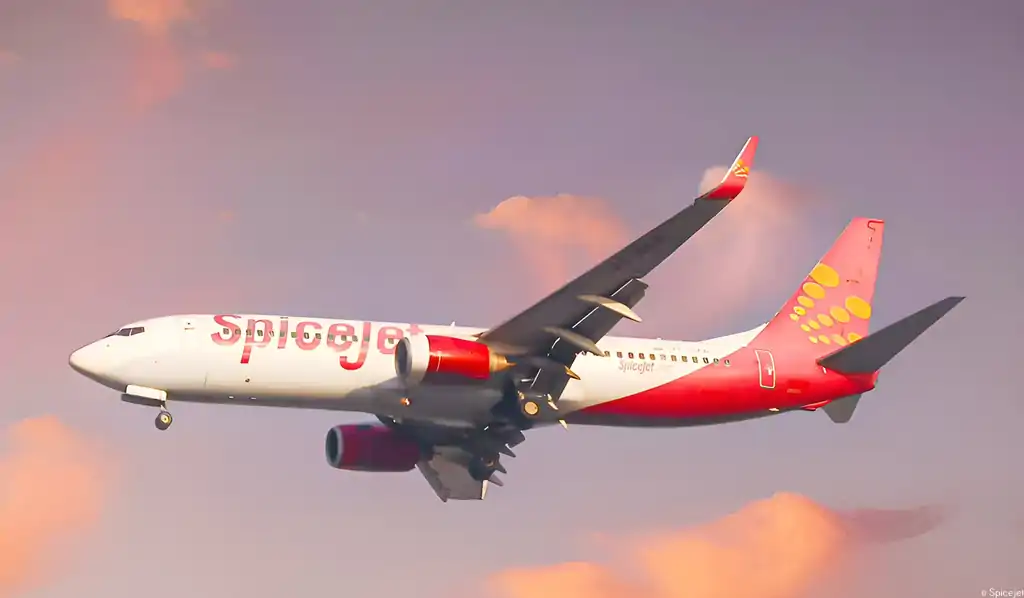
Budget carrier SpiceJet has just signed lease agreements for eight more Boeing 737s — bringing its planned winter additions to 18 aircraft — as it gears up for the festival-and-winter travel crush. This is part of a broader, aggressive scaling push that includes earlier leasing deals and promises to massively ramp daily flights.
What happened (the short, headline-friendly version)
SpiceJet announced it has tied up leases for eight additional Boeing 737 aircraft, pushing the airline’s announced fleet inductions to 18 for the Winter Schedule 2025. The airline says these additions will help bump up frequencies on key routes and handle surging passenger demand during the festive season.
Why now? Because Indians love to travel during festivals (and seats sell themselves)
October–December is the busiest stretch for India’s skies — weddings, festivals, a thousand Instagram pilgrimages — and airlines that don’t boost capacity risk selling only aisle seats to the gods. SpiceJet’s CBO, Debojo Maharshi, framed the eight-aircraft signing as an instrument to “enhance frequencies on key routes” and meet demand for the winter/holiday season. Expect more flights, and yes, more khichdi-carrying aunties on board.
The numbers that matter (and sound impressive at parties)
- +8: Latest Boeing 737 leases signed (this pushed planned new inductions to 18).
- +10: Earlier lease agreements covered 10 Boeing 737s that were scheduled to join from October 2025 — together these explain the 18 total.
- Ambition: SpiceJet has publicly hinted at adding 25 aircraft for the winter program and nearly tripling daily flights — from about 100 now to around 280 daily flights. That’s bold, and makes for very busy shift charts for crews.
Where are the planes coming from — and what type of leases?
Much of this expansion is happening via short-term leasing (including damp/dry leases) — i.e., the airline is borrowing aircraft (sometimes with crew) from European and other lessors to quickly scale up capacity for the season. This is a common, pragmatic play for airlines that need fast scale without long-term capital outlay.
The fine print / reality check (because aviation never lets you fly without small print)

SpiceJet’s rapid growth plans come after a bumpy period: the airline raised Rs.3,000 crore in a capital raising last year and its chairman Ajay Singh had earlier said the carrier aimed to operate 40 aircraft by March, a plan that ran into trouble because aircraft and spare-part shortages delayed restorations and deliveries. In short: ambitions are big, market supply is frenetic.
SpiceJet has been navigating financial and operational headwinds — including lessor disputes and losses — even as it signs new leases and settles some past claims. So, while the fleet talk is bullish, the airline is also juggling legacy issues in parallel.
What this means for passengers (good, and selectively ecstatic)
- More seats and frequencies on popular domestic routes — fewer “sold out” messages and more options to fly home for Diwali.
- Short-term leased planes can mean quick fixes, but occasionally there are differences in onboard features and in-flight service style — think same airline, slightly different personalities.
- If SpiceJet nails the supply-chain fixes (parts, engineers, crew rostering), travelers should see smoother schedules; if not, quick expansion can produce teething troubles (delays, swaps).
One-liners for airline-nerd group chats
- “SpiceJet: adding capacity faster than my playlist adds sad break-up songs.”
- “18 new planned inductions — because the skies need more red-tails and the runway needs more drama.”
(Yes, aviation puns are a thing — and yes, we’re here for it.)
Bottom line
SpiceJet’s eight-plane signing is a clear play for volume and market share during India’s busiest travel season. It’s a high-stakes juggling act: lease quickly to serve demand now, while simultaneously fixing the supply-chain and legacy issues that slowed the airline earlier. If everything clicks, passengers get more flights and lower fuss; if not, expect classic airline suspense (delays, swaps, and the occasional inflight menu mystery).
TL; DR
- SpiceJet signed leases for 8 Boeing 737s, taking planned winter additions to 18 aircraft.
- These follow earlier lease deals for 10 Boeing 737s expected from October 2025.
- The airline aims to add up to 25 aircraft and nearly triple daily flights (to ~280/day) for Winter 2025.
- Expansion is fueled mainly by short-term leasing and a ?3,000 crore capital raise last year; past plans (40 aircraft by March) were delayed due to spare-part/aircraft shortages.
- Verdict: Ambitious and timely — but operational execution (parts, crew, lessor relationships) will make or break the festive-season promise
Read next
Is SpiceJet Playing Payroll Favorites — Or Just Doing a “Phased Disbursement” Tightrope Act?
Abhishek Nayar
15 Sep 2025

In September 2025 multiple reports say SpiceJet has been paying junior staff (salaries up to Rs.55,000) on time, while many mid- and senior-level employees — mostly assistant managers and above — have been seeing their paychecks land 10–15 days late.
The airline’s FY25 annual report also shows it gave an interest-free advance of Rs.32 crore to Chairman Ajay Singh, which the company says is being adjusted from his subsequent salaries. Meanwhile the airline reported losses in recent quarters and has many aircraft still grounded.
What actually happened (the receipts, receipts)
- Senior staff — typically those drawing above Rs.55,000 a month — have reportedly experienced repeated delays in salary payments over the past few months, with delays generally in the 10–15-day range. Meanwhile, employees paid up to Rs.55,000 reportedly received their August pay.
- SpiceJet’s FY25 annual report confirms the airline had 6,484 employees (4,894 permanent staff) and discloses an interest-free advance of Rs.32 crore to Ajay Singh for a five-year period; the company says the advance was adjusted from his subsequent salaries (April and May 2025) and that the board approved the arrangement.
Cue the eyebrow-raise: Rs.32 crore to the chairman while others wait?
It’s an attention-grabber line: one end of the company is stretching cash to cover senior salaries later, and on the other end, there’s a large, interest-free advance to the CMD. SpiceJet’s annual report describes this advance as board-approved and not prejudicial to the company’s interest — in corporate governance speak that’s the equivalent of saying “trust us, we checked the math.” Critics will still squint at the optics.
The bigger money picture (why payroll became a juggling act)
SpiceJet has not been immune to the industry’s turbulence. Recent quarterly results showed a loss (the June quarter reported a net loss figure cited in coverage), and fleet utilization has been constrained — analysts and trackers reported only a fraction of the airline’s fleet in the air on some recent days (sources put the number of operational aircraft much lower than total fleet).
Lower utilization + maintenance/grounding costs = tighter cash flow, and payroll is sadly one of the visible places where that tightness shows.
Company line: “Phased disbursement schedule”
SpiceJet has characterized the delays as part of a “phased disbursement schedule” during “lean” periods, saying the payments roll out over a few days and that operational and fleet costs have been a driver. In plain English: the airline says it’s deliberate, scheduled, and temporary. Employees and unions tend to prefer “on time and predictable,” though — which is a different color of temporary.
Employee perspective (imagine your bank balance doing an air-show)
For junior staff, getting paid on time is relief; for higher-paid staff who budget on the assumption of punctual pay, a recurring 10–15-day lag can be frustrating — mortgage or loan EMIs don’t care about corporate phrasing. There’s also an intangible morale cost: when news headlines shout about big advances to top management at the same time salaries trickle out late for others, it’s hard not to feel a little… left on the tarmac.
Why this matters beyond HR drama
- Operational risk: unhappy staff — especially among managers who keep operations smooth — can amplify delay and safety risks if left unaddressed.
- Reputation risk: prospective recruits and partner’s notice. A payroll hiccup plus governance eyebrow-raisers = negative PR.
- Investor and regulator attention: board approvals for large advances and public reporting of operational constraints invite scrutiny.
(Also, no airline likes being the subject line of “Will they pay me?” text threads.)
What could SpiceJet do (and what stakeholders might watch)

- Reconfirm and publicize an exact payroll calendar so staff can plan.
- Offer short-term interest-free payroll advances for affected employees (yes, it costs cash today but helps morale).
- Improve transparency about cashflow plans and aircraft re-entry schedules to reassure staff and markets.
- Investors and regulators will likely watch upcoming quarterly results, fleet-in-service numbers and any board disclosures about liquidity.
A little humor (because we all need it):
If SpiceJet is running a “phased disbursement schedule,” maybe next they’ll phase their coffee machine: first espresso for junior staff, then decaf for senior managers. Kidding — please don’t actually do that.
What to watch next (the flight-plan)
- Any official follow-up from SpiceJet clarifying exact timelines for pending payments.
- Investor/market reaction to the FY25 disclosures and the airline’s June-quarter performance.
- Fleet operational updates — more planes in the air would mean revenue pickup and less payroll pressure.
TL; DR
- SpiceJet has reportedly paid employees earning up to Rs.55,000 for August; many higher-paid staff are seeing 10–15-day delays.
- The airline’s FY25 report shows 6,484 employees (4,894 permanent) and an interest-free advance of Rs.32 crore to CMD Ajay Singh, adjusted from later salaries per the company.
- SpiceJet says delays are due to a “phased disbursement schedule” during a lean period; the airline has also reported losses and lower fleet utilization recently.
- Optics suck when top management gets big advances while others wait; watch next earnings, fleet updates, and any clearer payroll calendar from the company.
Read next
Wanted: The Secret Playbook — How AIESL Is Chasing Aircraft Manuals to Keep India’s MRO Dreams Airborne
Abhishek Nayar
15 Sep 2025
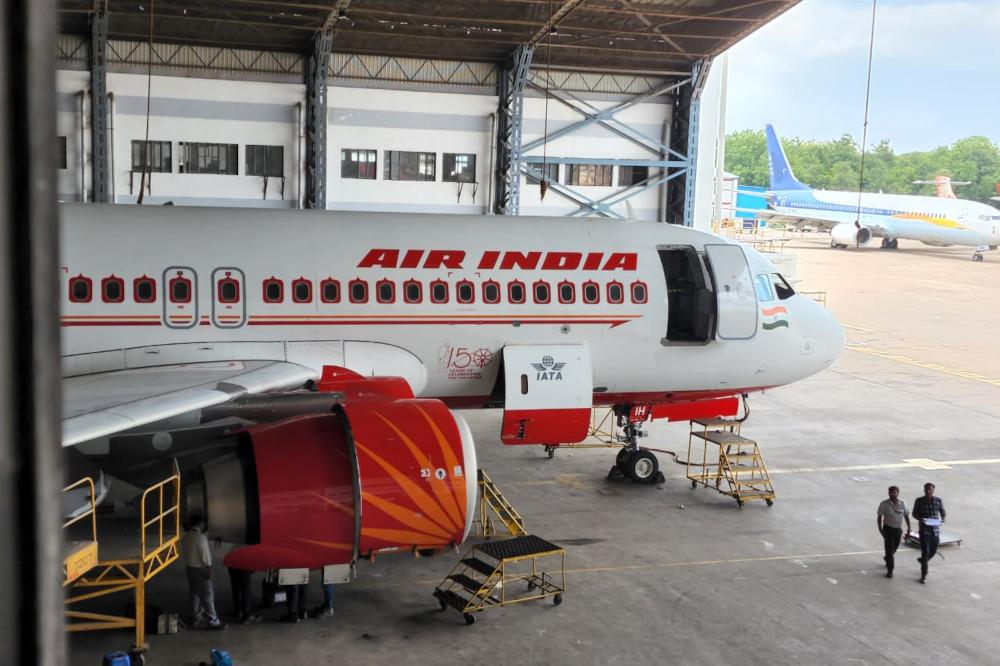
Picture this: you run a busy workshop that rebuilds fancy Swiss watches — but the watchmaker decided to keep the repair manual in a vault overseas. That, in a nutshell, is the delightful bureaucratic puzzle AI Engineering Services Ltd (AIESL) is now trying to solve — and yes, there’s a plan B: find friends who already have the keys.
Why the fuss? (Spoiler: manuals = magic)

AIESL, once part of state-run Air India before the airline’s sale to the Tata Group in January 2022, now finds itself without direct access to certain proprietary manuals and the constantly updated technical literature that OEMs provide for high-end component overhauls. Without those documents, doing complex, certified repairs on engines and avionics becomes legally and technically dicey. So AIESL is hunting for strategic partners who can legally provide access to that IP — or, put bluntly, to the secret playbook.
AIESL in a nutshell (facilities, scale and ambitions)
AIESL is a significant player in India’s MRO (maintenance, repair and overhaul) ecosystem — it runs major facilities across the country (Delhi, Nashik, Nagpur, Mumbai, Kolkata, Hyderabad and Thiruvananthapuram), serves domestic and foreign carriers, and employs thousands. The company says it wants to grow revenue through better utilization of its line and base facilities and by grabbing higher-value component work that currently flows overseas.
The IP chokehold: why OEM manuals matter so much
OEMs (original equipment manufacturers) don’t just make parts — they often control the manuals, training data, design documents and software tools required to certify complex repairs. That control can make it hard for an independent MRO to offer advanced services unless it has an explicit licence or partnership with the OEM. NITI Aayog’s MRO report flagged this exact tension — rising OEM presence in the aftermarket and their IP control has been a long-standing industry challenge and a material barrier to building an indigenous, high-value MRO industry in India.
What AIESL is doing (the move to buddy-up)
Rather than wage a legal war or try to reverse-engineer manuals (the latter is both risky and illegal), AIESL’s realistic playbook is partnership. Officials say the company is open to strategic tie-ups that would give it legitimate access to proprietary technical literature — an investment that’s costly but “critical” to sustain advanced capabilities. At the same time, AIESL is intensifying outreach to domestic airlines, collaborating with other MROs to share overflow work, and courting foreign carriers to maximize utilization of its facilities.
The larger runway: India’s MRO opportunity
India is one of the world’s fastest-growing aviation markets. With domestic carriers having hundreds — even over a thousand — planes on order and passenger numbers still climbing, the demand for in-country maintenance is poised to explode. Estimates and government studies project meaningful growth for the MRO market over the coming decade, turning this into a rare combo: strategic industrial policy + clear commercial demand. If AIESL and other Indian MROs can capture more of the aftermarket, the upside is higher domestic employment, forex retention, and technology transfer.
The tricky economics: getting IP rights is expensive... and political
Securing OEM licenses or creating joint ventures costs money and often requires concessions (revenue share, training obligations, or restrictive clauses). For a state-owned MRO that split off from a privatized carrier, negotiating favorable terms is both a commercial and political balancing act — you want capability without handing over sovereignty on servicing. The win condition? A deal that lets AIESL perform advanced work while building homegrown expertise and scale.
Who wins if this goes well (and who might not)
- Winners: Indian MRO ecosystem (jobs, skills), airlines (lower costs and faster turn-times), AIESL (higher-margin work), and — eventually — Indian OEM suppliers.
- Losers (or uncomfortable): OEMs who prefer the aftermarket revenue flowing through their authorized channels, and overseas MRO hubs that currently soak up India’s component work.
A small reality check
Think of the situation as a romantic comedy where the hero (AIESL) broke up with their ex (Air India privatized) and now finds out some of their shared possessions — the instruction manuals — are locked away. There’s awkward negotiation, some dramatic pleas, and, if the script goes Hollywood, a reconciliation of sorts where partners and IP holders help build a happily-ever-after MRO industry. Cue the swelling violins.
Fast fixes vs. long-term strategy
- Short-term: partner with airlines or third-party aggregators who already have authorized access; share overflow work with other domestic MROs to keep hangars busy.
- Long-term: secure licensing agreements or deeper JV arrangements with OEMs, invest in people and tooling, push for policy nudges that encourage OEMs to localize training/data, and encourage airlines to retain more work domestically.
What policymakers and industry should watch
- Transparency in IP terms — can India negotiate standard licensing terms that encourage localization?
- Skills pipeline — technician training and certified programs will be critical.
- Aggregators vs in-house — airlines often find it operationally simpler to pass component work to aggregators who send it overseas; changing that behaviour is key.
- Regulatory nudges — incentives for OEMs to share more documentation locally could be game-changing.
Final verdict
AIESL’s pursuit of partners to gain legal access to proprietary aircraft manuals is less about drama and more about survival and ambition: survival of shop-floor capabilities that depend on OEM-controlled IP — and ambition to turn India’s growing fleet into high-quality, local MRO business. If they get the partnerships right (and the government and airlines play supportive roles), India might keep a lot more maintenance work — and money — in-country. If not, the work will continue to leak overseas and India’s MRO aspirations will be delayed.
TL; DR
- AIESL is actively seeking strategic partners to gain legal access to proprietary aircraft manuals and technical literature necessary for high-end component overhauls.
- The issue stems partly from AIESL’s separation from Air India after the latter’s sale to Tata Group in Jan 2022, which changed access to some records/IP.
- OEM control over manuals and design data is a structural barrier for independent MROs — flagged in NITI Aayog’s MRO report.
- India’s MRO market is growing (strong fleet orders and optimistic forecasts); capturing more aftermarket work locally has big economic upside.
- AIESL already has a national footprint (Delhi, Nashik, Nagpur, Mumbai, Kolkata, Hyderabad, Thiruvananthapuram) and is ready to convert hangar space into higher-value work — if it can secure IP access.
Read next

The golden age of aviation lives on in collective memory through images of elegantly dressed passengers sipping champagne at 35,000 feet, when flying was an event rather than mere transportation. Among the carriers that defined this era, none captured the public imagination quite like Pan American Airways, with its distinctive blue globe logo and promise of worldly sophistication.
After vanishing from the skies over 3 decades ago, this legendary brand is beginning luxury charter flights that have rekindled dreams of aviation glamour for a new generation of travellers!
Pan Am Airlines Legacy
Pan American Airways ceased operations on December 4, 1991, when its final flight departed Barbados for Miami aboard the Boeing 727 "Clipper Goodwill." This marked the end of an aviation empire that had dominated international travel for over 6 decades. Founded in 1927 as a modest service connecting Florida to Cuba, the airline transformed under Juan Trippe's visionary leadership during the 1930s, expanding across South America before conquering transatlantic routes.
The carrier pioneered numerous aviation firsts, including introducing the revolutionary Boeing 747 jumbo jet to commercial service. Pan Am's network stretched to iconic destinations worldwide, from Hong Kong's bustling terminals to Rio de Janeiro's beaches. The airline's crowning achievement came in 1977 during its 50th anniversary celebration, when Pan Am Flight 50 established a speed record for global circumnavigation while crossing both polar regions.
However, American airline deregulation, soaring fuel costs, and mounting financial pressures ultimately grounded the carrier permanently, leaving only memories of its distinctive "blue meatball" tail design.

Revival Dreams
The Pan Am brand experienced an unexpected renaissance in summer 2024 under Craig Carter, CEO of Pan American World Airways LLC, who acquired the trademark rights. The inaugural charter flight demonstrated remarkable market appetite for aviation nostalgia, with 35 passengers paying £45,000 each for a meticulously crafted journey aboard a leased Icelandair Boeing 757.
The six-day expedition departed New York's JFK airport, retracing historic transatlantic routes through Bermuda, Lisbon, Marseille, London, and Shannon. Every detail honoured Pan Am's heritage, from cabin crew wearing signature baby-blue uniforms to period-appropriate service standards. The experience proved so compelling that some passengers requested to sleep aboard the aircraft rather than disembark at destinations.
Carter reports that bookings sold out within three days, with passengers receiving enthusiastic receptions at every stop, including water-cannon salutes and crowds of aviation enthusiasts eager to witness the legendary livery's return.
Expansion Plans
The charter's success has emboldened Pan Am's leadership to pursue full scheduled service restoration.
Working alongside AVi8 Capital, an aviation consultancy, the company plans a methodical expansion beginning with charter operations before transitioning to regular passenger service. The initial fleet would comprise approximately four Airbus A320s, one Boeing 757, and an A330 for long-haul routes.
Carter envisions an exclusively premium carrier, potentially offering business-class-only configurations or economy seats with significantly enhanced legroom and comfort standards. The strategy targets transcontinental routes connecting major American cities like Miami, Los Angeles, and New York, focusing on markets with demonstrated demand for upscale air travel.
Additional charter services to African destinations and European Christmas markets are planned for the leased Boeing 757, maintaining momentum while regulatory approvals advance.

Lifestyle and Hospitality
Pan Am's revival extends far beyond aviation, encompassing a comprehensive lifestyle brand strategy. The company recently secured rights to operate a fixed-base operation at a Missouri airport, providing ground services including fueling, parking, and maintenance, with additional FBOs planned nationwide.
A Pan Am-branded Hilton hotel will open in Los Angeles next year, featuring an innovative "dinner theatre" concept within the adjacent Citadel shopping centre. This immersive restaurant recreates a 1970s Boeing 747 interior, complete with period-dressed cabin crew serving guests aboard a detailed aircraft replica.
Pan Am Travel, a premium travel agency, targets affluent leisure and business customers seeking elegant, glamorous experiences reminiscent of aviation's golden era. Strategic airport lounges across the country will further extend the brand's presence in travel infrastructure.
Industry Scepticism
Aviation industry experts express cautious scepticism about Pan Am's commercial viability beyond nostalgic charter operations. John Grant from OAG Aviation acknowledges the admirable spirit behind such ambitious projects while highlighting formidable challenges, including substantial startup costs, intense competition, and complex operational requirements.
Gilbert Ott, founder of frequent-flier website God Save the Points, warns that nostalgia alone cannot sustain long-term success against established carriers' high service standards. While recognising Pan Am's powerful brand recognition, he questions whether historical appeal can consistently fill aircraft seats.
Previous attempts at luxury aviation revival, including La Compagnie's decade-long Paris-New York service and Global Airlines' uncertain future following its Glasgow-New York inaugural flight, illustrate the sector's inherent difficulties.

Bottom Line
Pan Am's ambitious comeback represents more than corporate resurrection—it embodies a quest to restore aviation's lost glamour and sophistication. Beginning with a successful £45,000 charter flight that sold out in three days, the brand now pursues scheduled service restoration through premium aircraft acquisitions and comprehensive lifestyle expansion, including hotels, lounges, and immersive dining experiences.
However, industry experts remain sceptical about long-term viability, citing high startup costs, intense competition, and operational complexities that have challenged previous luxury aviation ventures. While CEO Craig Carter believes passengers will embrace Pan Am's promised premium experience, the ultimate test lies in whether nostalgic brand power can sustain commercial success in today's demanding aviation market, making Pan Am's journey from charter novelty to scheduled carrier one of the industry's most closely watched developments.
Comment