Why Did India's Aviation Watchdog Issue This Stern Warning to Air India Pilots?

Abhishek Nayar
02 Jan 2026
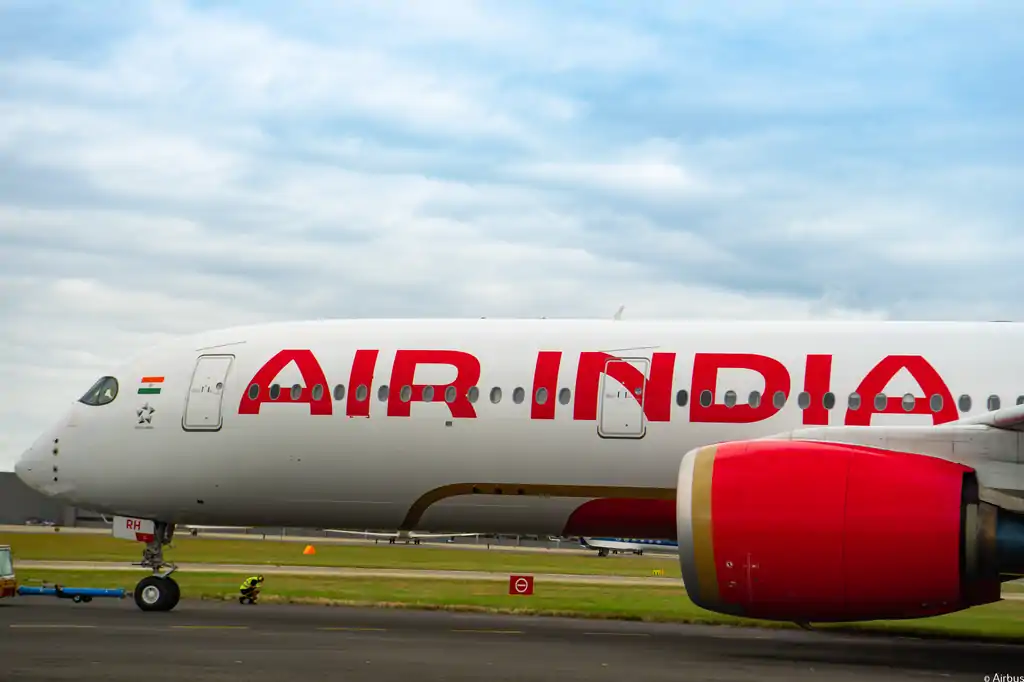
India's civil aviation regulator has taken an unusually serious step against Air India pilots, raising questions about what went wrong in the cockpit and whether passenger safety was compromised during recent flight operations.
The Regulatory Action
The Directorate General of Civil Aviation issued a show-cause notice on December 29, 2025, demanding answers from pilots involved in operating Flight AI-358 and its counterpart Flight AI-357. The regulatory body has given the flight crew fourteen days to explain why disciplinary action should not be taken against them for alleged breaches of aviation safety protocols.
What Happened During the Flight
The concerns center around a troubling sequence of events during one particular flight operation. The crew received multiple system warnings while the aircraft was in operation, which should have immediately raised red flags about the plane's airworthiness. Adding to the alarm, passengers and crew detected the smell of smoke near one of the aircraft doors, a potentially dangerous situation that typically requires immediate attention and investigation.
A Pattern of Technical Problems
The situation becomes more concerning when viewed against the aircraft's recent operational history. Records examined by the aviation regulator revealed that the same aircraft, bearing the registration number VT-ANI, had experienced similar technical malfunctions during five previous flights. This pattern suggests an ongoing mechanical issue that was not adequately addressed before the aircraft was cleared to continue flying.

The Core Allegations
The DGCA's notice centers on two main accusations against the flight crew. First, the regulator alleges that the aircraft was cleared for flight operations even though some of its safety equipment failed to meet the mandatory standards required for commercial aviation. Second, and perhaps more seriously, the pilots accepted the aircraft for operation despite having knowledge of the repeated technical problems and documented system weaknesses.
Questions About Pilot Decision-Making
The regulatory notice goes further in its criticism, stating that the crew demonstrated awareness of the aircraft's safety limitations. However, according to the DGCA, the pilots failed to properly assess how multiple faulty systems might interact and compound each other, potentially creating a more dangerous situation than any single malfunction would cause on its own.
What Happens Next
The pilots now have a two-week window to respond to the allegations and provide their explanation for the decisions made during these flight operations. The outcome of this investigation could have significant implications not only for the individuals involved but also for aviation safety protocols and enforcement across India's growing civil aviation sector.
Read next
Chinese Airlines Place Massive Airbus Orders While Boeing Watches From the Sidelines
Abhishek Nayar
30 Dec 2025
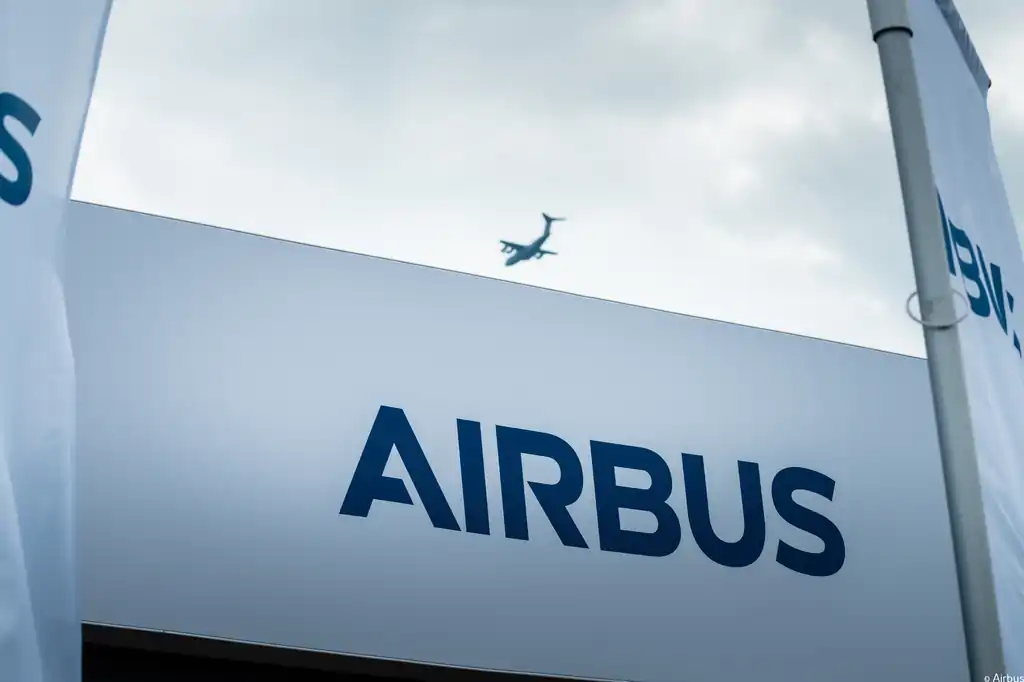
Two major Chinese carriers have thrown their weight behind European aircraft manufacturer Airbus with substantial purchase agreements that signal confidence in the region's aviation recovery and growth trajectory.
Spring Airlines and Juneyao Airlines jointly announced plans to acquire 55 Airbus A320-family aircraft on Monday through formal filings with the Shanghai Stock Exchange, representing a combined investment approaching $8.2 billion at list prices. The announcement arrives at a pivotal moment as Airbus continues navigating complex negotiations with Chinese authorities over a much larger potential deal.
The Details Behind the Dual Announcements
Budget carrier Spring Airlines has committed to purchasing 30 A320neo aircraft, with the transaction capped at $4.13 billion based on catalogue pricing. The delivery schedule spans a four-year window, with aircraft arriving in batches starting in 2028 and concluding in 2032. Meanwhile, Shanghai-based Juneyao Airlines revealed its intention to finalize an agreement for 25 A320-family jets valued at approximately $4.1 billion, following an identical delivery timeline through the end of 2032.
Both carriers emphasized in their regulatory filings that these agreements remain contingent upon securing necessary government approvals, a standard but crucial requirement in China's tightly controlled aviation sector.
Airbus's Ongoing China Challenge
These announcements represent a meaningful development for Airbus, though they fall short of the manufacturer's larger ambitions in the Chinese market. The European planemaker has been engaged in intermittent negotiations since 2024 attempting to secure a blockbuster order for 500 aircraft from China, a deal that would represent one of the industry's most significant transactions.
Earlier this month, Airbus achieved a partial breakthrough when Chinese authorities agreed to proceed with delivering 120 previously ordered jets. However, the company acknowledged it continues awaiting progress on the new orders that would constitute the 500-plane agreement.
The Broader Aviation Context
The timing of these purchases reflects growing confidence in Asian aviation markets. India's aviation sector has experienced parallel expansion, with the government confirming in July that six new air operators have received permits to commence operations since 2020, including several regional carriers. This regulatory approval wave underscores the broader trend of aviation growth across Asia as the industry rebounds and expands beyond pre-pandemic levels.
The A320 family remains the workhorse of short to medium-haul aviation worldwide, making these orders strategically important for both airlines as they position themselves for future passenger demand growth in China's recovering domestic and regional travel markets.
With Inputs from Reuters
Read next
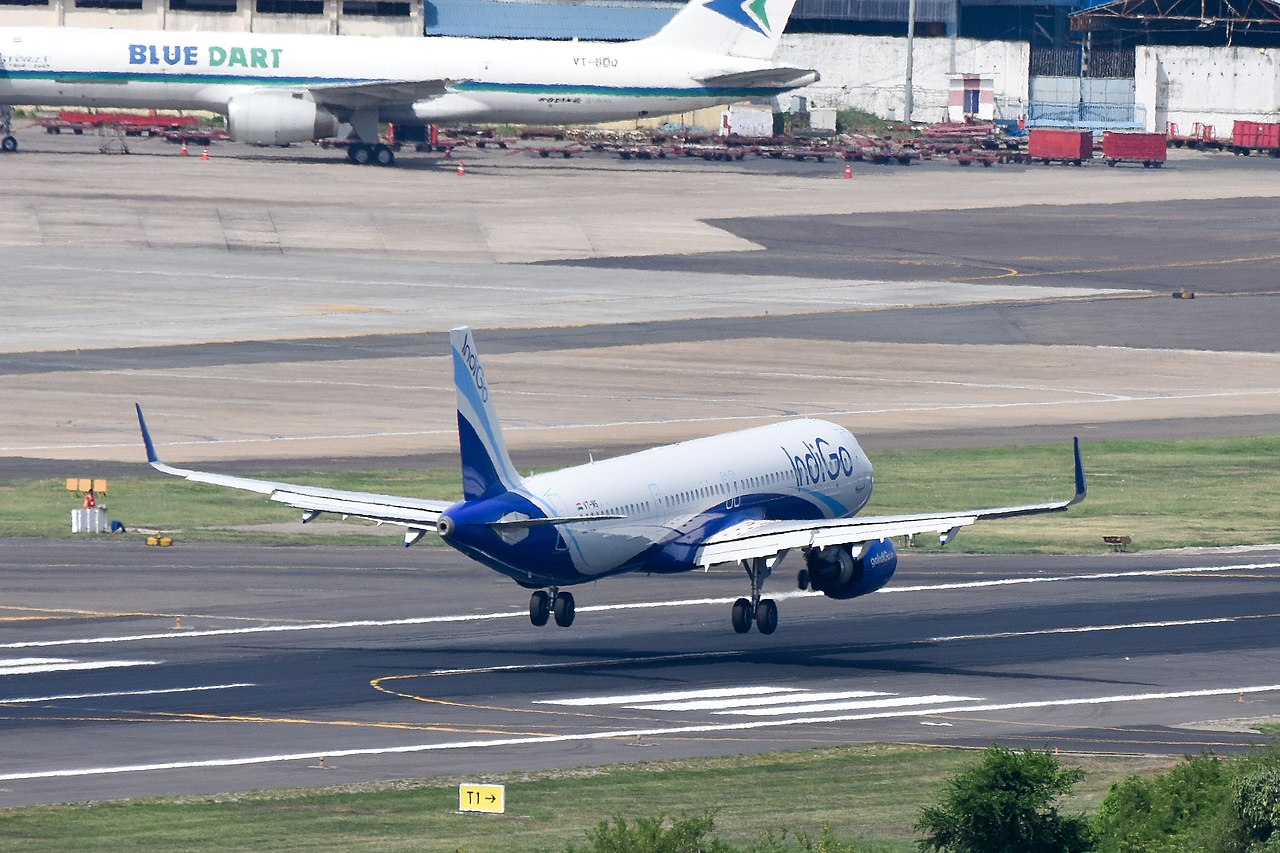
India's aviation giant IndiGo finds itself navigating turbulent skies as it attempts to rebuild pilot morale following one of the country's most severe operational meltdowns in recent memory. The airline's latest move to increase pilot compensation comes at a critical juncture, raising questions about whether financial incentives alone can restore confidence after thousands of stranded passengers and mounting regulatory pressure.
The Crisis That Grounded India's Largest Carrier
IndiGo's troubles erupted earlier this month when the airline was forced to cancel approximately 4,500 flights, a staggering number that left hundreds of thousands of passengers stranded across India. The cancellations transformed airports nationwide into scenes of chaos and frustration, with the root cause traced back to what insiders describe as poor roster planning. For an airline commanding a dominant 65 percent share of India's domestic market and employing roughly 5,000 pilots, the operational collapse represented not just a logistical failure but a wake-up call about deeper organizational challenges.
The fallout extended beyond passenger inconvenience. India's aviation regulator launched an investigation, appointing a special committee to examine the circumstances that precipitated the crisis. That committee has since submitted its findings to the civil aviation ministry. Moody's Ratings issued a stark warning that IndiGo could face significant financial damage from the triple blow of revenue losses, customer refunds, and penalties imposed by Indian authorities.
IndiGo's Response: Money and Meetings
In response to the crisis, IndiGo has rolled out new compensation measures for its pilot workforce, effective January 1. The airline is increasing layover allowances substantially, raising them to 3,000 rupees from 2,000 rupees for captains, while first officers will see their allowances climb to 1,500 rupees from 1,000 rupees. These changes were outlined in an email from Ashim Mittra, senior vice president for flight operations.
The airline has also addressed the practice of deadheading, where crew members travel as passengers to position themselves for upcoming duties. Captains will now receive 4,000 rupees instead of 3,000 rupees for such assignments, while first officers will see their deadheading allowance increase by 500 rupees to 2,000 rupees total.
These adjustments followed direct engagement between IndiGo executives and pilots at various bases across the country, suggesting the airline recognized the need for face-to-face dialogue beyond simply adjusting compensation figures.
The Broader Battle for Pilot Loyalty
IndiGo's challenges extend beyond internal roster management. Indian airlines are increasingly locked in competition with foreign carriers who entice pilots with promises of superior pay and improved quality of life. The poaching problem has grown severe enough that the Indian government has called for establishing a global code of conduct governing pilot hiring practices.
Meanwhile, regulatory interventions have sparked controversy. India temporarily relaxed certain rules around night duty for pilots to help IndiGo stabilize operations, drawing immediate criticism from pilot unions and safety advocates concerned about compromising aviation safety standards during a crisis.
With Inputs from Reuters
Read next
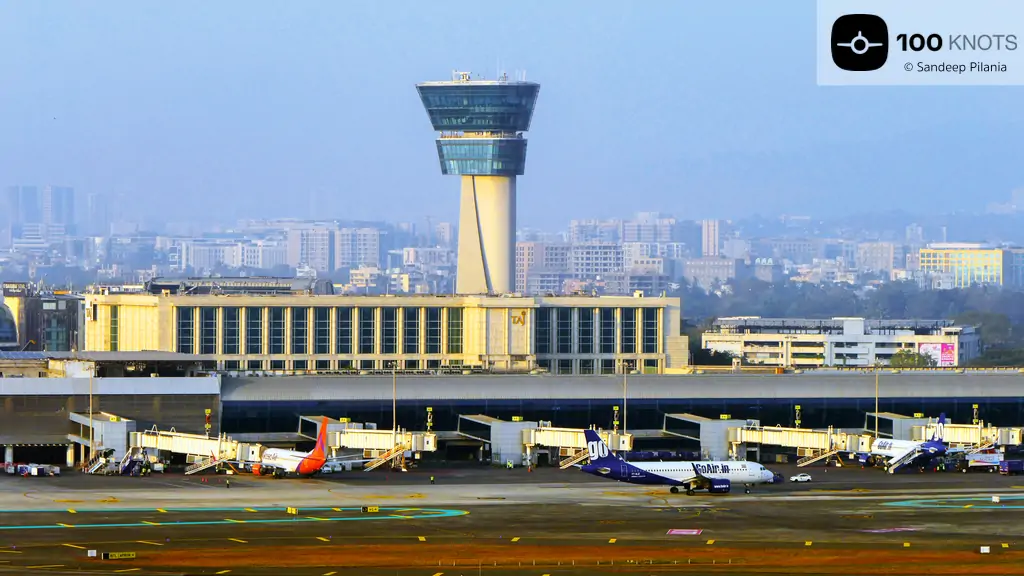
The skies over India are about to get a bit more crowded, and that's precisely what the government wants. In a development that signals a deliberate shift away from one airline's stranglehold on the market, India has granted initial clearance to two new carriers following a crisis that left tens of thousands of passengers stranded and exposed dangerous vulnerabilities in the nation's aviation sector.
The Crisis That Changed Everything
Earlier this month, IndiGo, India's aviation giant, stumbled in spectacular fashion. The country's largest airline canceled approximately 4,500 flights due to what officials described as poor staff planning. The cascading effect was immediate and severe: passengers found themselves stranded at airports across India, their travel plans thrown into disarray. The incident didn't just inconvenience travelers; it revealed a troubling reality about India's aviation landscape that had been hiding in plain sight.
A Market Dominated by One Player
IndiGo's dominance in Indian skies is staggering. The carrier commands roughly 65 percent of the market share, with its closest competitor, the Air India Group, trailing far behind at about 27 percent. The remaining scraps are divided among smaller carriers struggling to gain traction. This concentration of market power meant that when IndiGo faltered, the entire system felt the tremors.
Government Steps In
Recognizing the inherent risks of such market concentration, the civil aviation ministry moved quickly. On late Tuesday, Minister Ram Mohan Naidu announced via social media platform X that the government had issued "no-objection certificates" to two airlines: alHind Air and FlyExpress. The minister made clear that this wasn't just routine bureaucracy but part of a broader strategy to encourage genuine competition in what is currently the world's fastest-growing aviation market.
The New Entrants
According to its website, alHind Air is preparing to launch operations in southern India using a fleet of ATR Turboprop aircraft, which are well-suited for regional connectivity. The airline is currently working through the process of obtaining an Air Operator Certificate, the final regulatory hurdle before commercial operations can begin. Meanwhile, FlyExpress has been more cryptic, with only a "coming soon" banner gracing its website, leaving industry watchers curious about its specific plans.
A Growing Trend
This latest approval fits into a larger pattern. The government revealed to lawmakers in July that it has granted permits to six air operators since 2020, including several regional carriers. This steady stream of approvals suggests a sustained effort to diversify India's aviation sector, though critics argue the pace needs to accelerate given the market's rapid growth and IndiGo's entrenched position. The question now is whether these new entrants can establish meaningful footholds or if IndiGo's dominance will continue unchallenged.
With Inputs from Reuters
Read next
Can Britain's Rolls-Royce Make India Its Third Manufacturing Powerhouse After US and Germany?
Abhishek Nayar
29 Dec 2025
The prestigious British aero-engine manufacturer Rolls-Royce has announced ambitious plans to establish India as its third "home market" outside the United Kingdom, signaling what could become one of the most significant foreign investments in India's defense manufacturing sector. This strategic pivot comes as the company seeks to position itself at the heart of India's rapidly expanding military-industrial ecosystem.
The Vision Behind India's Elevation
Sashi Mukundan, who serves as executive vice president of Rolls-Royce India, revealed in a recent interview that the company is preparing for substantial investments across multiple sectors including jet engines, naval propulsion systems, land-based combat vehicles, and advanced engineering capabilities. The announcement carries particular weight because Rolls-Royce currently considers only the United States and Germany as home markets beyond Britain, where the company maintains extensive manufacturing facilities and deep operational roots.
The centerpiece of this expansion involves developing a next-generation aero engine specifically designed to power India's Advanced Medium Combat Aircraft, commonly known as the AMCA programme. This indigenous fighter jet represents India's ambitions to join the elite club of nations capable of producing fifth-generation combat aircraft entirely within their borders.
From Fighter Jets to Naval Dominance
What makes Rolls-Royce's proposition particularly intriguing is the potential spillover effect into naval applications. Mukundan explained that the company possesses a rare capability among global engine manufacturers: the ability to "marinize" aero engines, essentially adapting aircraft engine cores for use in naval propulsion systems. This technical expertise could prove invaluable for India's expanding naval fleet, particularly in developing electric propulsion capabilities that modern warships increasingly require.
The logic behind this dual-use approach addresses a fundamental economic challenge. Building a complete marine propulsion supply chain from scratch becomes financially unviable when naval quantities remain relatively small. However, if India develops the aero-engine core domestically, that same supply chain can efficiently support both aviation and maritime applications, making the entire venture economically sustainable.
Strategic Partnerships Taking Shape
The company plans to finalize two memoranda of understanding with Indian defense public sector undertakings. One agreement focuses on manufacturing engines for the Arjun main battle tanks, while the other targets engines for future combat vehicles that India's armed forces will deploy in coming decades.
Mukundan emphasized that intellectual property rights for any jointly developed engines would be co-owned with India, giving New Delhi strategic control over critical defense technology. All design work could be conducted within India with appropriate technology transfers, fundamentally different from traditional buyer-seller relationships that have characterized many previous defense deals.
Global Track Record Backing Bold Claims
Rolls-Royce's confidence stems from an impressive development history. The company has been certifying new engines every eighteen months across both commercial and combat applications. Their EJ200 engine powers the Eurofighter Typhoon with ninety kilonewton thrust capacity, while the company leads engine development for the Global Combat Aircraft Programme involving Britain, Japan, and Italy to create sixth-generation fighter capabilities.
Mukundan pointed to India's scale, policy clarity, and increasingly sophisticated industrial ecosystem as factors making this investment compelling beyond mere market access considerations, positioning the country as a genuine long-term strategic partner.
Read next
Pakistan's National Airline Finds a Buyer After Years of Struggle: What This Means for the Country's Economic Future
Abhishek Nayar
24 Dec 2025
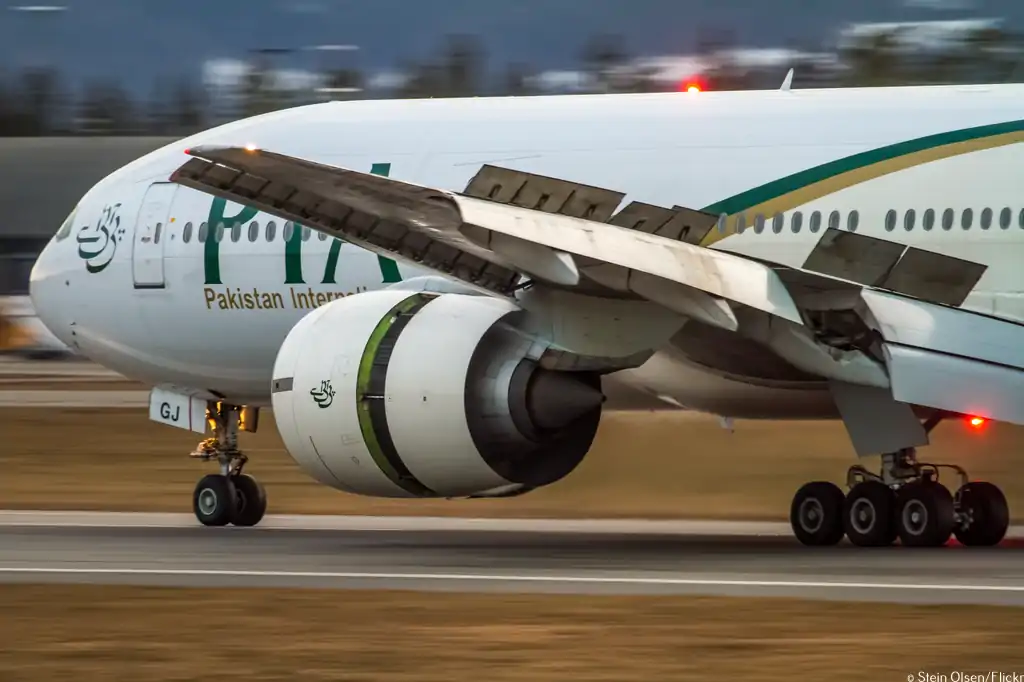
The journey to privatize Pakistan International Airlines finally reached a turning point on Tuesday when the Arif Habib Corporation-led consortium emerged victorious with a substantial bid that captured national attention and marked a historic moment for Pakistan's reform agenda.
A Dramatic Auction Unfolds on Live Television
The bidding process itself became a spectacle that gripped the nation. Cabinet members and viewers across Pakistan watched as three sealed envelopes were ceremoniously placed into a transparent box adorned with the country's national emblem. When officials cut open the box with scissors and revealed the bids, the Arif Habib Corporation consortium's offer of 135 billion Pakistani rupees, equivalent to $482.32 million, immediately stood out. This sparked an intense back-and-forth battle with the Lucky Cement-led group, while Air Blue's $95 million proposal fell short of the minimum threshold of approximately $357 million set for the 75 percent stake.
Understanding Why This Sale Matters Now
This auction represents the government's second attempt at selling the troubled airline, following a disappointing effort last year that attracted only one bidder offering a mere $36 million against a minimum price of $305 million for a smaller 60 percent stake. The renewed push forms part of Pakistan's broader commitment to economic reforms required after securing a crucial $7 billion bailout from the International Monetary Fund. The sale would mark Pakistan's first major privatization in nearly twenty years, signaling the government's determination to restructure loss-making state enterprises.
The Road Ahead for Pakistan's Flag Carrier
Shahid Habib, CEO at Arif Habib Limited, expressed confidence immediately following the auction, telling reporters that the consortium would transform PIA into one of the world's best airlines. However, significant hurdles remain before the deal closes. The winning consortium must pay 67 percent of its bid within 90 to 120 days, with the balance due a year later.
The airline's recent turnaround efforts have created more favorable conditions for this sale. Pakistan's government strategically assumed most of PIA's legacy debt, helping the carrier post its first pre-tax profit in two decades. Additionally, Britain and the European Union recently lifted a five-year ban that had excluded PIA from lucrative routes, substantially improving the airline's prospects and valuation.
Government officials revealed that the transaction structure remains flexible, with authorities open to selling up to 100 percent of PIA at a 15 percent premium above the 75 percent threshold. The airline is currently valued at 180 billion rupees by the government. This privatization effort extends beyond PIA, encompassing state-owned banks, power companies, and various other struggling enterprises as Pakistan pursues comprehensive economic restructuring.
With Inputs from Reuters
Comment