
When Budget Airlines Get the Budget Blues: Why Spirit Is Furloughing a Third of Its Flight Attendants

Abhishek Nayar
23 Sep 2025

Spirit Airlines — the U.S. ultra-low-cost carrier famous for buy-your-seat, buy-your-snack business model — is preparing to furlough about 1,800 flight attendants (roughly one-third of its cabin crew), effective Dec. 1, 2025, as the airline battles dwindling cash and mounting losses after filing for Chapter 11 protection for the second time in a year. The company is also cutting flying by about 25% year-over-year in November and is offering voluntary furloughs starting Nov. 1.
The plot twist no one wanted: second bankruptcy in a year
Spirit’s financial story in 2025 reads like a hangar full of postponed dreams. The carrier emerged from one Chapter 11 earlier in the year, but that reorganization didn’t “stick” — cash ran short again and losses piled up, prompting a second filing in late August. For a carrier built on razor-thin fares and tight operations, even small shocks (higher fuel, costly leases, less demand for bargain seats) are amplified.
Why that forces furloughs
Fewer planes and fewer flights = fewer flight hours = fewer crew needed. Spirit says it must “right-size” to match the smaller footprint — industry euphemism for “trim the payroll.” The airline leaned on voluntary measures first; more than 800 staff were already on voluntary leave, but it wasn’t enough to balance the books. So, involuntary furloughs are being prepared as a next step.
The human side: how this affects crew (and why unions matter)
The Association of Flight Attendants has acknowledged the grim arithmetic: cuts appear necessary because aircraft and flight hours have been cut so sharply. The union is coordinating preferential interviews with other airlines and highlighting that voluntary furlough windows (six months to a year) will open Nov. 1 — a slim lifeline for those who can take a break now instead of losing seniority later. Still, for many cabin crew this will be uncertainty wrapped in a plastic blanket.
The broader airline ecosystem: is ultra-low-cost flying dying?

Spirit’s struggles add fuel to a bigger industry question: can the ultra-low-cost model survive in today’s market? Bigger legacy carriers are chasing premium travelers and improving experience. Meanwhile, costs — aircraft leases, staffing, airport fees — keep climbing. If Spirit shrinks routes and sells assets, those cheap seats might become scarcer (or pricier) in some markets. That’s bad news for travelers who love a bare-bones $29 fare and good news for airlines chasing steadier margins.
Who’s NOT buying the chaos: United bows out
If you were wondering whether one of the big legacy carriers would swoop in and buy Spirit’s planes, slots or routes — not this time. United’s CEO has said the airline will not pursue Spirit’s assets, citing mismatch with their fleet and strategy. In other words: no dramatic “David buys Goliath’s discount routes” subplot here.
What this looks like at the airport
Expect fewer Spirit departures on some routes, suspended service in select cities, and stretched customer service as the airline copes. For passengers who fly Spirit regularly: check itineraries and prepare for cancellations or reroutes. For travel-hackers who thrive on connecting cheap fares: keep your eye on last-minute changes and — yes — even the best deal can come with a side of fragility.
A little levity for tired lungs
If airlines had frequent-flyer miles for stress, right now Spirit employees would be rich. But jokes aside: people will be affected. If you bump into a Spirit flight attendant at the airport, don’t ask for an upgrade — ask how they’re doing. (And maybe bring coffee. Negotiated morale boosts are underrated.)

What to watch next
- Nov. 1, 2025 — voluntary furlough window opens. Who opts in matters.
- Dec. 1, 2025 — planned effective date for involuntary furloughs if voluntary measures don’t hit targets.
- Bankruptcy court filings & restructuring plans — watch for asset sales, route suspensions, and whether any buyer re-enters the picture.
So…should you worry as a traveler?
Short answer: maybe, if you fly Spirit frequently. Long answer: keep travel insurance, monitor flights, and be ready to rebook. Cheap fares are great — until they vanish mid-trip. Airlines rarely collapse overnight, but network changes and fewer flights are real possibilities.
TL; DR (because life is short and so is airplane legroom)
- Spirit plans to furlough ~1,800 flight attendants (? one-third of the crew), effective Dec 1, 2025.
- This follows a second Chapter 11 filing in less than a year (filed late Aug. 2025).
- The airline will cut flying by ~25% year-over-year in November and is offering voluntary furloughs starting Nov. 1.
- The Association of Flight Attendants is coordinating job help and acknowledges the need for cuts.
- United Airlines says it will not bid for Spirit’s assets; don’t expect a quick takeover rescue.
With Inputs from Reuters
Read next
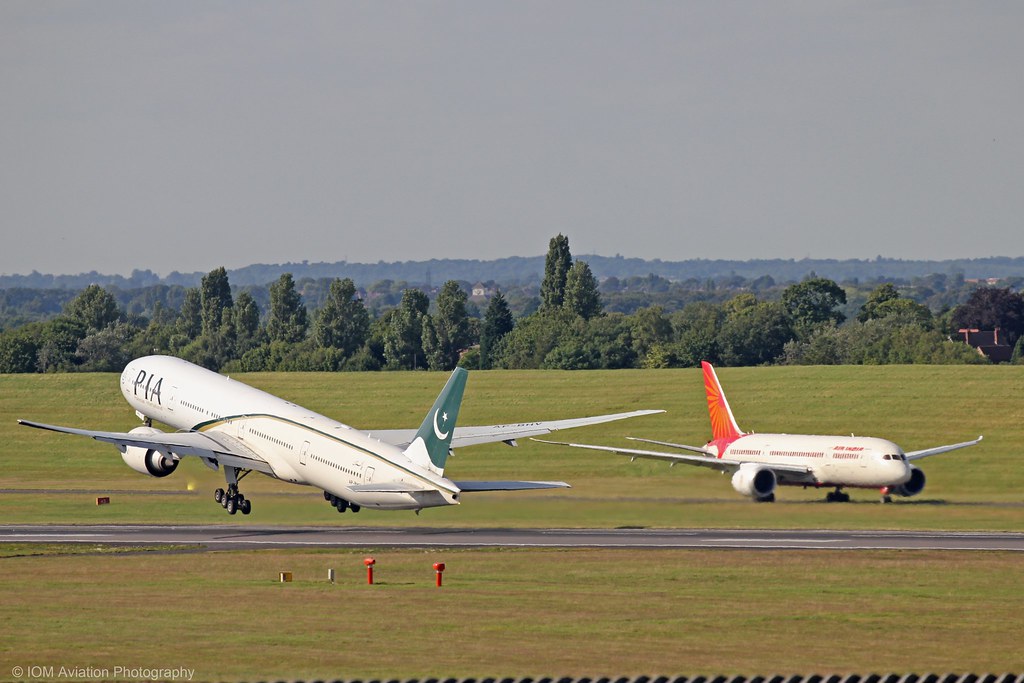
India has extended its airspace closure for Pakistani civilian and military aircraft until October 24, 2025, marking the latest chapter in a cross-border aviation dispute that has disrupted regional air travel for months.
Indian Airspace Closure for Pakistani Flights
The current aviation standoff traces its origins to the deadly Pahalgam terrorist attack on April 22, 2025, which claimed 26 lives in Jammu and Kashmir. Following the attack, India closed its airspace for planes operated, owned or leased by Pakistan airlines and operators, including military flights, with effect from April 30.
The attack triggered retaliatory measures extending beyond security responses. India's suspension of the Indus Water Treaty and expulsion of Pakistani diplomats created a diplomatic crisis that spilled over into aviation policy.
Reciprocal Restrictions
Pakistan responded in kind, implementing its own comprehensive airspace ban on Indian carriers, creating a bilateral aviation embargo. Both countries have issued separate NOTAMs to formalize these restrictions, with both sides renewing the measures monthly since April.
The closure affects all Pakistan-registered aircraft and those operated, owned, or leased by Pakistani airlines, including military flights. The airspace will remain closed till 0530 hours (IST) on October 24.

Impact on Airlines and Routes
The airspace closures have forced significant operational adjustments for airlines from both countries. Indian carriers like Air India and IndiGo have been severely affected as they navigate alternative routes to Europe, North America, and the Middle East that traditionally relied on Pakistani airspace.
Pakistan's airspace closure is forcing Indian airlines to alter established routing patterns, though industry analysts suggest that airfares may not necessarily increase as airlines adapt their operations. The restrictions have broader implications beyond bilateral flights, forcing numerous international carriers to modify their routing strategies and contributing to operational complexities for airlines serving the South Asian market.
Operational Complexities
Despite the severity of the situation, Pakistan has maintained selective restrictions rather than complete airspace closure. Several airways in the northern OPLR/Lahore FIR remain unavailable, although alternate routings are still possible. This selective approach demonstrates the technical complexity of airspace management during diplomatic crises.
The monthly renewal pattern suggests both countries are maintaining flexibility while avoiding permanent policy changes. The aviation dispute remains linked to the broader diplomatic standoff, with regular NOTAM extensions indicating no immediate resolution.

Broader Implications
The prolonged airspace closure represents more than a bilateral aviation dispute—it symbolizes the depth of mistrust between the nuclear neighbors. Pakistan closed its airspace to all Indian carriers and suspended trade, considering India's suspension of the water treaty an "act of war."
This aviation standoff recalls the 2019 Balakot crisis, when similar restrictions disrupted regional aviation. However, the current closure's duration and scope suggest a more entrenched position from both sides.
The international aviation community watches these developments closely, as South Asian airspace represents crucial corridors for global connectivity. The restrictions force airlines to develop contingency plans and alternative routing strategies that may have lasting impacts on regional aviation economics.
Looking Ahead
As both countries continue issuing monthly extensions, the aviation industry adapts to what appears to be a "new normal" in South Asian aviation. The resolution of this dispute will likely require broader diplomatic engagement between New Delhi and Islamabad.
Read next
Airbus, the global aerospace major you probably associate with sleek airliners and acronyms that make laypeople squint, is deepening its India playbook — and this time the headline is a classroom, a lab, and a full-blown R&D Centre of Excellence at Gati Shakti Vishwavidyalaya (GSV) in Vadodara, Gujarat. That’s not just corporate goodwill — it’s industrial matchmaking: design brains meeting manufacturing brawn.
Why Vadodara (and not, say, somewhere with better street food)?
Because GSV isn’t your average campus — it was created as India’s transport-and-logistics-focused university and already has a formal partnership track record with Airbus. Airbus first signed an MoU with GSV in 2023 and later committed to deeper academic engagement, including a Centre of Excellence and a Chair Professor for aerospace studies. Put differently: this is a planned, multi-year relationship — not a one-off PR photo-op.
What Airbus is bringing — and why India should do a happy dance
- An R&D Centre of Excellence: The new centre will sit inside a campus designed around transport and logistics — a strategic fit for aerospace R&D that needs both academic rigor and industry exposure.
- Supply-chain muscle: Airbus says it sources more than $1 billion worth of components from 100+ Indian suppliers — a number that signals India isn’t just a parts source, it’s a global export engine. Airbus’ leadership relayed this figure in discussions with Union Minister Ashwini Vaishnaw. Translation: India makes stuff the world wants.
- Digital & engineering depth in India: Airbus’ Bengaluru Digital Centre (its Information Management / Global Capability Centre) has been described as a backbone of its digital transformation and is one of the company’s largest digital hubs outside Toulouse — already home to thousands of employees and many IT specialists supporting Airbus worldwide. Expect heavy digital-engineering collaboration between the new R&D hub and Airbus’ existing India centres.
(And yes, someone will probably prototype an airplane dashboard that proudly displays “Made in Vadodara.”)

What this means for students, suppliers and the ecosystem
- Students get a runway to real projects. Imagine thesis projects co-designed with Airbus engineers, internships that aren’t just coffee runs, and possible fast-tracks into aerospace careers. That’s the academic payoff.
- SME suppliers gain credibility and scale. If Airbus already sources $1B+ from 100+ suppliers, local vendors that meet aerospace quality and certification standards can plug into global supply chains — and that’s export revenue, jobs, and skill-up cycles.
- India’s R&D footprint grows. Moving from contract manufacturing to in-country R&D signals maturation — from making widgets to inventing the widget’s future.
The fine print (because every love story has a small print clause)
- MoUs and CoE announcements are crucial first steps, but timelines, funding profiles, headcount targets and commercial projects will tell the real tale. Airbus has been active in India for years (MoU in 2023; CoE announced in 2024); this appears to be the next chapter rather than a sudden pivot.
- Building aerospace-grade R&D is slow and standards-heavy. Expect multi-year phasing: labs -- joint projects -- productization -- export programs. Patience, and policies that make certifications simpler, will speed it up.
A tiny dose of humor (because aerodynamics isn’t the only thing that should lift)
If GSV students start turning up with model aircraft and too much optimism, blame Airbus — and also: don’t be surprised if the campus canteen quietly renames samosas to “aero-samosas” in tribute (they’ll probably fly off the shelves).
Why this could be a genuine win-win
Airbus gets closer collaboration with talent and localized R&D, India deepens a high-value part of the aerospace supply chain, and students and suppliers receive exposure, training and export pathways. In strategic terms: it’s smart industrial policy meeting global corporate strategy — with a campus tea stall somewhere serving chai to brainstormers.
TL; DR
- Airbus will set up an R&D Centre of Excellence at Gati Shakti Vishwavidyalaya (GSV), strengthening campus–industry collaboration.
- The company says it sources $1 billion+ in components from 100+ Indian suppliers, underscoring India’s role in its global supply chain.
- Airbus’ Bengaluru Digital Centre / Global Capability Centre is a major hub for its digital transformation and will likely collaborate with the new R&D centre.
- Airbus has existing MoUs and partnerships with GSV (since 2023) and expanded commitments announced in 2024 — this is an evolution, not a one-off.
- Impact: more real-world projects for students, export opportunities for suppliers, and deeper aerospace R&D capability in India — but timelines will be multi-year and standards-intensive.
Read next
Who’s the Missing Co-Pilot? oneworld Eyes an Indian Partner as India’s Aviation Boom Takes Off
Abhishek Nayar
19 Sep 2025
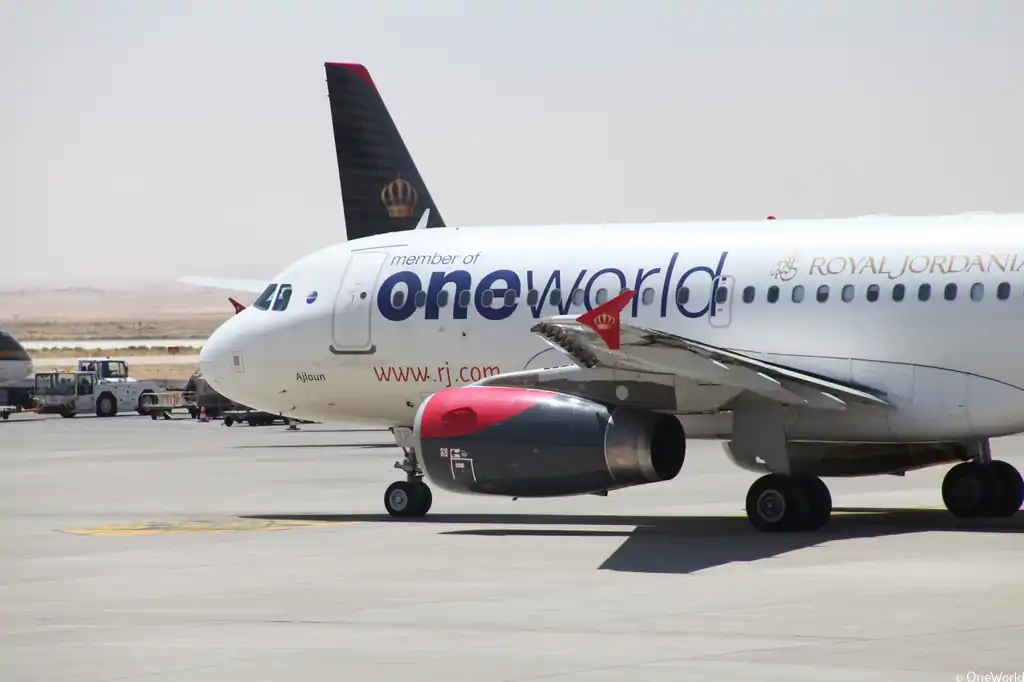
Imagine 15 global airlines—American, Qantas, British Airways and the rest—huddling over a map of India and whispering, “Which one of you wants the frequent-flyer biscuits?” That’s basically where oneworld finds itself right now: intrigued, selective, and quietly scheming.
The alliance’s CEO, Nat Pieper, told reporters at a Wings Club event in New York that India is on the group’s radar as a potential place to add a new member — but only if it fits the complicated puzzle that 15 carriers need to agree on.
Why India? Spoiler: People are flying. A lot.
India’s aviation market is one of the fastest-growing in the world: rising incomes, more routes, expanding tourism, and a massive domestic travel base. For an alliance like oneworld, that’s not just numbers — it’s seats to fill, loyalty program members to gain and valuable connectivity for long-haul flights that many members already operate into Indian gateways. With ten oneworld members already flying into India, the alliance sees both a commercial and strategic reason to deepen its presence.
The Membership Puzzle: It’s not just ‘add airline’ — it’s ‘fit everyone’
Adding a member to a global alliance is like adding a new instrument to an orchestra: great if it plays in tune, disastrous if it’s out of sync. Pieper stressed that any addition must work for the alliance and for each existing member — route overlaps, codeshares, slot access, frequent-flyer reciprocity, IT systems, and commercial interests all have to line up. That’s why moves that look simple on a map can take years in boardrooms.
Joint moves beyond membership: loyalty deals and lounges
Because many oneworld carriers already serve India, Pieper said the alliance is looking at creative, lower-friction options such as joint loyalty initiatives or shared lounge concepts to deepen the group’s footprint without immediately adding a full member. Think of it as dating before marriage: collaborate first, commit later.
Hawaiian’s cameo: the alliance’s roster is evolving

One clear upcoming change: Hawaiian Airlines — now under Alaska Air Group after the two carriers closed their transaction in 2024 — is expected to become a full oneworld member in 2026, which will expand the alliance’s North Pacific reach and add more interline and lounge possibilities. The Alaska–Hawaiian tie (completed in 2024) and Hawaiian’s planned 2026 entry add another wrinkle and opportunity to how oneworld configures partnerships worldwide.
What would an Indian partner bring (and ask for)?
An Indian member would bring:
- Massive domestic connectivity (feed for international flights).
- Access to one of the world’s largest and fastest-growing middle-class travel markets.
- Valuable codeshare and loyalty data to drive cross-selling.
But equally, an Indian airline would ask for:
- Meaningful route reciprocity and market access.
- Fair share of lounge and alliance benefits for its premium customers.
- Technical and commercial integration support (PSS, codeshares, IT).
This is why oneworld’s “we’re interested” sounds promising — but also deliberately cautious.
Playful speculation (with a strict “this is speculative” label)
Will oneworld pick a full-service flag carrier or get creative with a hybrid model? Alliances historically favor full-service partners for full membership, but clever interim options (loyalty reciprocity, joint lounges, or connect-partnerships) are increasingly attractive — especially in a market as diverse as India. Think of a phased approach: lounge passes and points swaps now, full membership later if the stars align.
If you like airline gossip, this is the part to watch: which commercial moves or loyalty tie-ups will show up first? Those moves will tell you much more about intent than a single press release.
What to watch next (so you can gossip knowledgeably)
- Any official oneworld announcement naming an Indian carrier (that would be a headline-maker).
- Loyalty program tie-ups — look for reciprocal status or mileage-earning announcements between oneworld members and Indian airlines.
- Lounge/airport collaboration plans at big hubs (Mumbai, Delhi, Bengaluru) — subtle, but telling.
Verdict — business, not romance (but still exciting)
oneworld’s flirtation with India is smart, pragmatic, and paced. The alliance isn’t rushing into a new full member the way a starry-eyed traveler rushes the buffet line — it’s testing compatibility, picking the right moment, and, as Pieper said, making sure any addition “works for the whole group.” Meanwhile, Hawaiian’s move into the alliance next year (and its 2024 acquisition by Alaska Air Group) is reshuffling pieces on the alliance chessboard, which makes the timing interesting.
Final nibble of humor (because aviation needs more of it)
If airlines had dating profiles, oneworld’s would read: “Global, well-connected, loves lounges. Looking for someone who’s got routes, loyalty, and a stable PSS. Must love codeshares and long-haul coffee.”
TL; DR
- oneworld is actively interested in an Indian partner as India’s market grows fast.
- Any new member must work for all existing 15 members — it’s complicated.
- The alliance may first pursue loyalty swaps or joint lounges as lower-risk options.
- Hawaiian (now part of Alaska Air Group) is expected to join oneworld in 2026; Alaska completed the Hawaiian deal in 2024.
- Watch for loyalty tie-ups and lounge announcements — they’ll be the first, quiet moves that show real intent.
With Inputs from Reuters
Read next
Can United Really Fall in Love with Spirit — or Is That a $15 Million Makeover and Two Years Too Many?

Sakshi Jain
17 Sep 2025
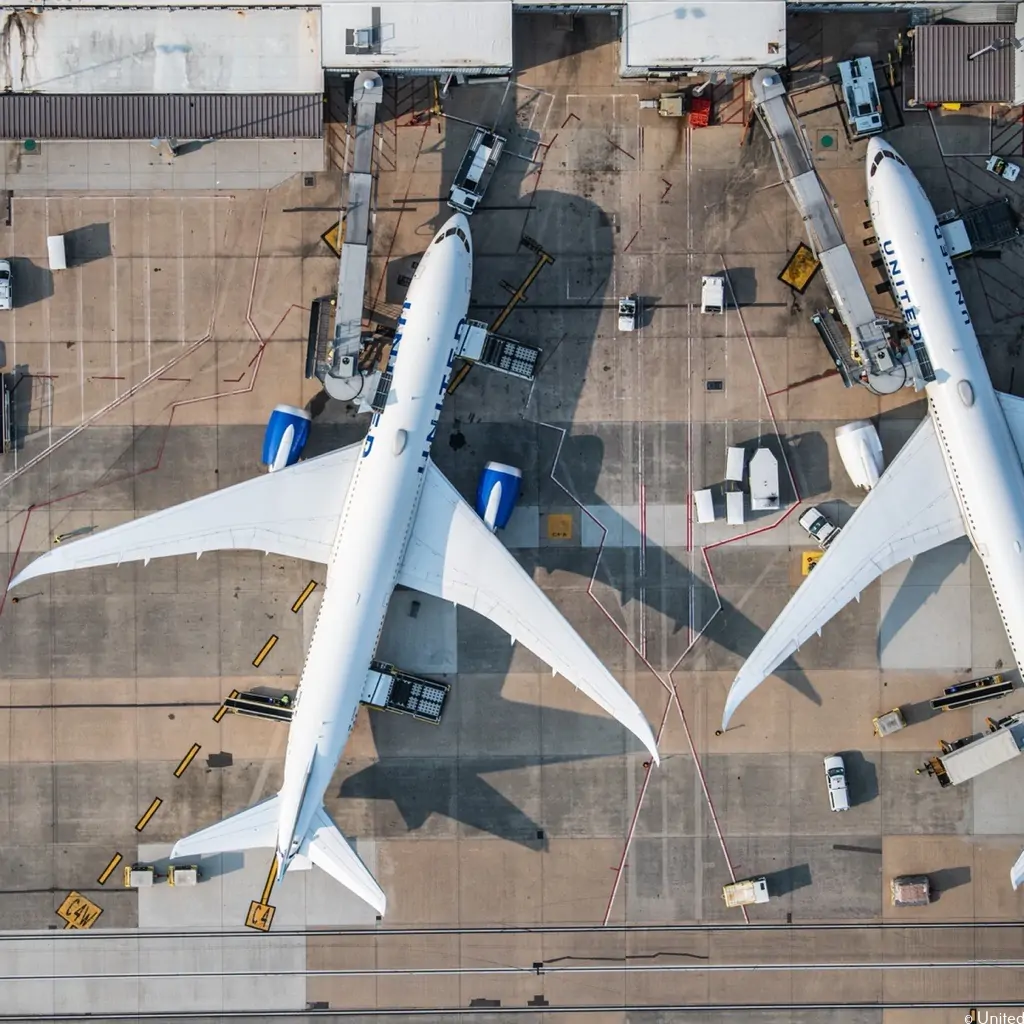
Imagine trying to fit a pair of flip-flops into a polished leather Oxford. That’s the mental image United Airlines CEO Scott Kirby painted this week when he explained why United won’t be chasing Spirit Airlines’ assets now that Spirit—again—finds itself in Chapter 11. The blunt answer? It’s expensive, messy and not exactly in United’s shoe size.
The short story: Spirit files, United shrugs (politely)
Spirit—America’s poster child for bare-bones, ultra-low-cost flying—filed for Chapter 11 protection on August 29, 2025, after a failed restructuring earlier in the year and mounting losses that left cash and credit stretched. The filing forces a re-think of its network and fleet, and naturally sent other carriers looking at freshly available planes, slots and routes.
Kirby’s response, in an interview: thanks, but no thanks. He said reconfiguring Spirit’s aircraft to United’s standards would take two to three years and cost roughly $15 million per airplane — a makeover bill that, for United, just doesn’t pencil out. He also pointed to gate scarcity in key Spirit markets (hello, Fort Lauderdale) as another practical barrier. Bottom line: “It’s not in our wheelhouse.”
Why $15 million per plane? (aka: the upholstery is not compatible)
Converting discount-carrier aircraft into something that fits a global network is more than repainting the tail:
- Cabin reconfiguration (seats, galleys, lavatories) to match United’s service model.
- Systems integration for avionics, maintenance procedures and crew training.
- Contract and lease headaches — not all planes are owned; lots are leased with strings attached.
Kirby’s point: even if the math works on paper for someone, for United the time and cash make it impractical.
United isn’t standing still — it’s just picking smaller battles

Instead of buying Spirit’s pieces, United has been expanding into some of the very markets Spirit serves. The carrier started selling seats on new flights to 15 cities formerly served by Spirit, positioning itself as an immediate alternative for passengers if Spirit shutters routes. The timing speaks: rather than a long, expensive merger, United chose quick route entries where demand exists.
The JetBlue factor and the JFK chessboard

United’s broader partnership with JetBlue — which offers shared frequent-flier benefits and access to JFK slots — complicates the takeover calculus. The alliance gives United route and slot benefits without the headaches of ownership, and Kirby indicated he isn’t convinced a full merger (and the “pain” that comes with it) is necessary. In short: partner where it helps, buy where it makes strategic sense — but Spirit’s puzzle pieces don’t slot into United’s map neatly.
Fleet talk: pilots, A350s and replacing old birds
Even as it declines to buy Spirit, United is planning for growth of a different kind:
- The airline aims to hire 2,500 pilots by the end of next year, anticipating Boeing deliveries and expansion.
- United still has an order for 45 Airbus A350-900s on its books but has deferred and considered conversions; Kirby said the company is still working on the decision and may announce more this year. The push to replace aging 767s and 777s is a driver in the background.
Who wins (and who should be nervous)?

Winners:
- Frontier and other nimble LCCs could snap up market share cheaply and quickly.
- Passengers in cities losing Spirit service get more options — United’s new routes among them.
- JetBlue (and United) by deepening partnership gains — slots, loyalty and network breadth without a merger’s headache.
Losers:
- Spirit shareholders and unsecured creditors face a messy, uncertain chapter.
- Budget-travel purists may see fares spike in some markets while incumbents re-balance capacity.
Humor aside: this is consolidation by attrition, not by romance. Airlines are picking the low-hassle fruit first — slots and routes — and leaving the expensive reworks on the pruning floor.
The bigger picture: Is cheap flying over?

Kirby played down doom-and-gloom for price-conscious travelers, reminding listeners that “lots of low-cost competition” remains in the U.S. The industry is simply bifurcating: some ultra-low-cost models may fail, others will survive or be picked off, and full-service carriers will selectively step in where it makes sense. Consumers will likely still find deals — but the era of every route being relentlessly cheap? That may be a memory of boomier times.
Final take — a playful metaphor (because why not)
Think of the airline industry as a giant wardrobe. Some carriers sell high-fashion suits (big global networks, premium cabins); some sell flip-flops (cheap, no-frills). United peeked at Spirit and decided it didn’t want to buy a whole flip-flop collection that would require a bespoke suit to wear. Instead, United bought a few pairs of shoes that fit and hired more tailors (pilots). Practical, if less dramatic.
TL; DR (for people who skim headlines and select fries)
- Spirit Airlines filed for Chapter 11 again (Aug 29, 2025) after continued losses and cash strain.
- United will not bid for Spirit’s assets — Kirby says reconfiguration would take 2–3 years and cost about $15M per plane.
- United is expanding into 15 cities previously served by Spirit instead of buying the airline’s fleet or routes.
- The United–JetBlue partnership gives United benefits (like JFK slots) without a merger — Kirby sees value in the alliance but isn’t pushing for an outright merger.
- United plans to hire ~2,500 pilots by end of next year and is still deciding on its A350 purchase options.
With Inputs from Reuters
Comment