
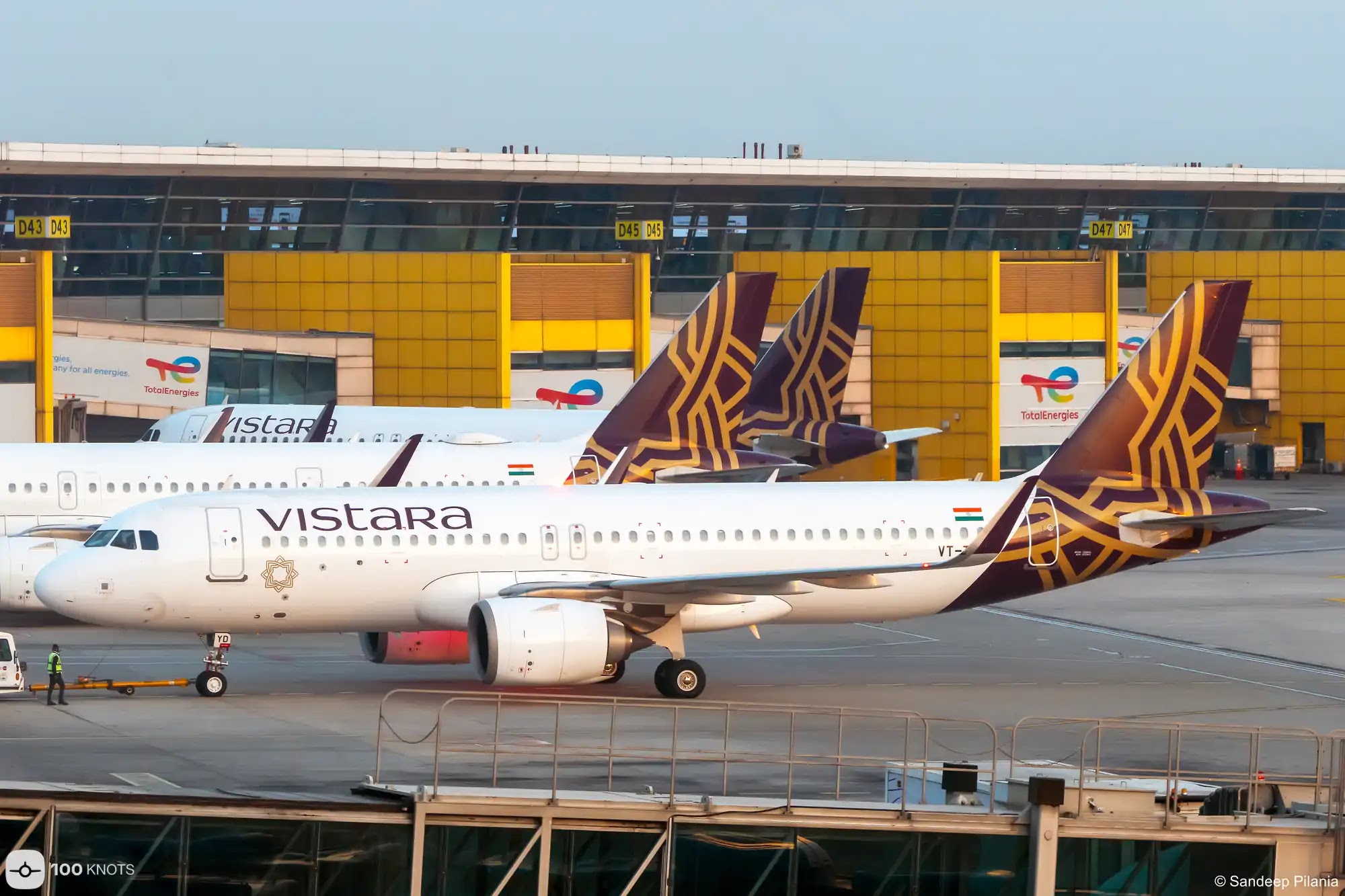
A catastrophe was narrowly averted at Delhi Airport when an alert pilot intervened just in the nick of time preventing two Vistara flights, each carrying approximately 150 passengers, from crashing into each other.
The episode occurred on a typical afternoon when the skies were busy with departures and arrivals. The first flight, a Vistara aircraft en route from Ahmedabad to Delhi, had successfully touched down and was directed by the Air Traffic Control (ATC) to cross an active runway on its way to the parking bay. Meanwhile, a second Vistara flight UK725, slated for a flight from Delhi to Bagdogra, was given clearance to take off from the same runway. The planes were 1.8 km, or 1,800 metres, apart, sources said, stressing that if the pilot had not warned ATC of the presence of the other plane, the outcome could have been disastrous.
Captain Sonu Gill, a seasoned pilot at the helm of the Ahmedabad-Delhi flight, spotted the impending danger when the two planes were a mere 1.8 kilometres apart. Captain Gill promptly alerted the ATC of the imminent clash averting the disaster.
What Happened?
According to the Directorate General of Civil Aviation (DGCA), the Vistara flight from Ahmedabad had followed instructions to cross the runway to its designated parking area. However, an ATC official "momentarily forgot" these instructions and greenlit the takeoff of the Delhi-Bagdogra flight from the same runway. “Both were permitted at the same time but ATC took control immediately. The ATC (Air Traffic Control) officer on duty asked Vistara flight to abort take-off,” an official told news agency ANI.
In a statement, the DGCA recounted the tense moments that unfolded: "An alert pilot in the aircraft crossing the runway (VTI926) alerted Air Traffic Control, and the aircraft on its take-off run (VTI725) was ordered to abort take-off." Protocol at the Delhi airport is that no aircraft or vehicle movement is allowed when a plane is in the process of take-off or landing.
The ATC official responsible for the potentially disastrous runway incursion was derostered. The Delhi-Bagdogra flight was deftly manoeuvred back from the active runway to its parking bay. It was refuelled to ensure that the plane had enough fuel to return to Delhi if the pilot encountered bad weather conditions at Bagdogra and braking systems were also checked.
According to airport officials, if the flight taking off had not stopped at the right time, a major accident could have happened. According to Standard Operating Procedure (SOP), no aircraft or vehicle movement is allowed during the process of take-off and landing. Sources said passengers became a little apprehensive when the pilot of the flight bound for Bagdogra announced that the plane would not take off due to instructions from ATC.
Previous Such Incidents
In 2021, an Air France Boeing 777 crossed an active runway in Mexico City without permission. The uncleared crossing took place around 800 meters beyond the runway's displaced threshold. The flight had not been cleared to cross the runway as it was occupied by a departing Aeroméxico Connect Embraer E190.
Earlier this year, a United Airlines Boeing 777 crossed an active runway in front of another aircraft landing. The near-miss incident also prompted the Federal Aviation Administration (FAA) to conduct an investigation and introduce a formal safety review.

Read next
Embraer E195-E2 Soars to New Heights: China Grants Type Certificate in Exciting Aviation Milestone!

Abhishek Nayar
24 Aug 2023

In the ever-evolving world of aviation, the Civil Aviation Administration of China (CAAC) has once again made headlines by granting the Embraer E195-E2, the largest member of the E-Jet series, its Type Certificate. This momentous achievement follows the CAAC's certification of the E190-E2 in November of last year, a milestone that was celebrated during the Zhuhai Air Show.
The Embraer E195-E2: A Marvel of Engineering
Unveiling the E-Jet Series
Embraer, the Brazilian aerospace company, has long been a symbol of innovation in the aviation industry. The E-Jet series is a testament to their commitment to excellence. This series, comprising various models, is renowned for its efficiency, performance, and cutting-edge technology.
E195-E2: The Crown Jewel
Among the E-Jet series, the E195-E2 stands out as the largest and most advanced aircraft. With a capacity of up to 146 passengers, this aircraft combines spaciousness with fuel efficiency. It boasts state-of-the-art Pratt & Whitney GTF engines that significantly reduce emissions and fuel consumption, making it an environmentally friendly choice.
The CAAC's Stamp of Approval
The CAAC's Type Certificate is a mark of quality and safety. It signifies that the E195-E2 has met all the stringent regulatory requirements set by the Chinese aviation authority. This certification opens up new horizons for Embraer in the Chinese market, which is one of the fastest-growing aviation markets globally.

Implications for the Aviation Industry
Strengthening Market Presence
The CAAC's certification of the E195-E2 is a strategic move that strengthens Embraer's market presence in China. This certification enables Embraer to offer its advanced aircraft to Chinese airlines, enhancing the diversity of the Chinese aviation fleet.
Fueling Growth
With its fuel-efficient design and eco-friendly technology, the E195-E2 aligns perfectly with the global aviation industry's sustainability goals. It not only reduces operational costs for airlines but also contributes to a greener aviation ecosystem.
Meeting Passenger Demand
As the Chinese aviation market continues to expand, there is a growing need for larger aircraft to cater to increasing passenger demand. The E195-E2, with its spacious cabin and advanced amenities, is well-equipped to meet this demand while ensuring passenger comfort.
Comments
"We're excited to now have both the E190-E2 and E195-E2 certified by CAAC, paving the way for sales in the Chinese market," commented Arjan Meijer, President and CEO of Embraer Commercial Aviation. "Our Chinese team is actively working with potential customers and is making good progress."
"There are significant opportunities in China for the E2, which provides complementary capacity to China's indigenous ARJ21 and C919 aircraft; combined, they provide flexible, efficient, and eco-friendly options for Chinese airlines, meeting the demand of the world's fast-growing air transportation market."
"It's another milestone for Embraer China's largest jet, the E195-E2, to be certified by CAAC," remarked Guo Qing, Managing Director and VP Commercial Aviation, Embraer China. "China is approaching carbon neutrality."
“The E195-E2 is the most eco-friendly aircraft in its class. With a maximum capacity of 146 passengers, the E195-E2 is the perfect size to profitably complement larger narrowbodies on lower density routes, linking regional airports and providing one-stop access to routes globally for travelers residing in secondary and tertiary towns."
"With both the Chinese and Brazilian governments reiterating their support for Embraer's activities in China during Brazilian President Lula's State visit to China," Guo continued, "I'm very optimistic about the opportunities in China."
Conclusion
The CAAC's Type Certificate for the Embraer E195-E2 is a significant milestone that paves the way for a brighter future in aviation. This achievement not only reinforces Embraer's reputation for excellence but also contributes to a more sustainable and efficient aviation industry. As we look to the skies, it is clear that the E195-E2 is poised to play a pivotal role in shaping the future of air travel.
With Inputs from Embraer
Read next
Unlocking the Skies: BOC Aviation's Innovative Lease Agreement with IndiGo for Ten Airbus A320neo Aircraft
Abhishek Nayar
24 Aug 2023
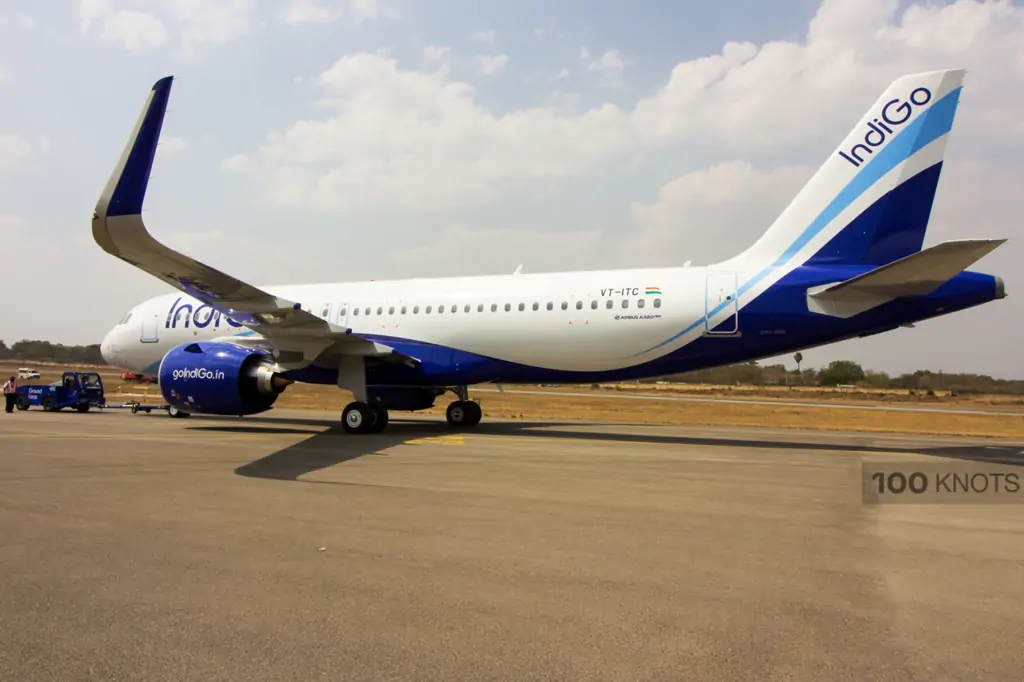
In the dynamic world of aviation, partnerships and agreements often mark significant milestones for airlines and aviation leasing companies alike. BOC Aviation Limited, commonly known as "BOC Aviation," has recently made headlines with its exciting announcement of a financing lease agreement with InterGlobe Aviation Ltd., also recognized as "IndiGo." This groundbreaking deal involves ten Airbus A320NEO aircraft, all powered by CFM LEAP-1A engines. The planned delivery of these ten aircraft is scheduled for the year 2023.
The Significance of the Agreement
Strengthening Fleet Expansion
IndiGo, one of India's largest and most prominent low-cost carriers, has long been on the lookout for opportunities to expand its fleet. In a fast-growing aviation market like India, having a modern and fuel-efficient fleet is crucial for maintaining a competitive edge. This lease agreement with BOC Aviation aligns perfectly with IndiGo's expansion strategy.
Fuel Efficiency and Sustainability
The Airbus A320NEO is renowned for its fuel efficiency and reduced carbon emissions. By opting for aircraft powered by CFM LEAP-1A engines, both BOC Aviation and IndiGo are contributing to a more sustainable future for the aviation industry. These engines are designed to be environmentally friendly while delivering outstanding performance.
BOC Aviation's Strategic Move
BOC Aviation, a leading global aircraft leasing company, has strategically invested in this agreement with IndiGo to further solidify its presence in the Asian aviation market. The company recognizes the immense potential of the Indian aviation sector and aims to be a key player in supporting its growth.
A Closer Look at the Aircraft
Airbus A320NEO: The Game Changer

The Airbus A320NEO is a game changer in the world of narrow-body aircraft. It boasts advanced aerodynamics and state-of-the-art engines, making it incredibly fuel-efficient. Passengers can also look forward to a more comfortable and spacious cabin, thanks to its innovative design.
CFM LEAP-1A Engines: Powering Efficiency
CFM LEAP-1A engines are the heart of these aircraft. They are known for their exceptional fuel efficiency, reduced noise levels, and lower emissions. IndiGo's decision to equip its A320NEO aircraft with these engines demonstrates a commitment to both operational excellence and environmental responsibility.
What Lies Ahead
Timely Delivery
The timely delivery of these ten Airbus A320NEO aircraft in 2023 is essential for IndiGo's expansion plans. The aviation industry is highly time-sensitive, and any delays in delivery can have ripple effects on an airline's operations.
Passenger Experience
With modern amenities and increased fuel efficiency, passengers traveling on these aircraft can expect a more comfortable and eco-friendly journey. This lease agreement is not only about numbers but also about enhancing the overall passenger experience.
Expanding Routes
IndiGo's expansion plans are likely to involve new domestic and international routes. The addition of these ten aircraft will enable the airline to tap into previously untapped markets and provide more connectivity options to travelers.
Comments
"We are delighted to be embarking on another transaction with our long-term customer IndiGo, allowing the airline to expand its fleet with the latest technology aircraft," commented Steven Townend, BOC Aviation's Deputy Managing Director and Chief Financial Officer. "This demonstrates our ability to deploy alternative financing structures in order to maintain long-term sustainable growth."
"With the lease agreement for these ten aircraft, we are pleased to strengthen our partnership with BOC Aviation." This expanded engagement with BOC Aviation is part of our domestic and worldwide market growth plan. "India is currently one of the world's fastest growing civil aviation markets, and these aircraft will assist IndiGo in consolidating its position in the region," remarked Riyaz Peer Mohamed, IndiGo's Chief Aircraft Acquisition and Financing Officer.
Conclusion
BOC Aviation's financing lease agreement with IndiGo for ten Airbus A320NEO aircraft is undoubtedly a win-win deal. It supports IndiGo's growth ambitions, contributes to a greener aviation industry, and strengthens BOC Aviation's position in the Asian market. As these aircraft take to the skies in 2023, passengers can look forward to a more sustainable and enjoyable flying experience.
With Inputs from BOC Aviation
Read next
Air Safety Alert: Rolls-Royce Trent 1000 Engine Issue Sparks Concerns and Modifications
Abhishek Nayar
24 Aug 2023
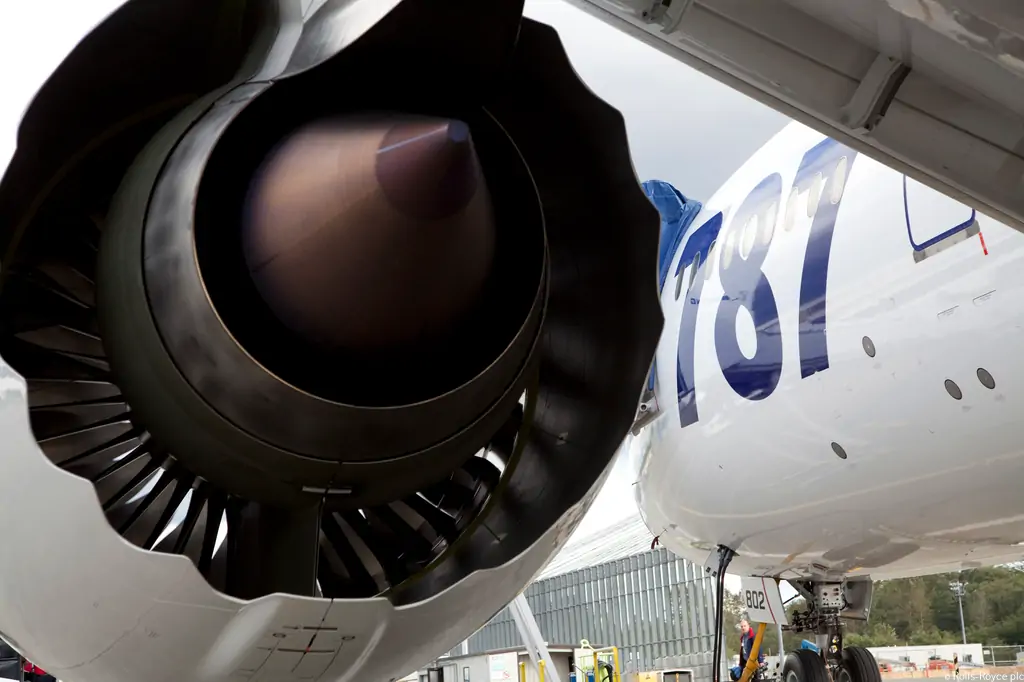
The aviation industry is no stranger to stringent safety regulations, and the European Union Aviation Safety Agency (EASA) has once again taken a significant step in ensuring the safety of air travel. In response to concerns over the Rolls-Royce Trent 1000 engine's low-pressure turbine (LPT) stage 1 blade assemblies, EASA has issued an Airworthiness Directive (AD). This directive highlights the critical nature of addressing potential safety issues promptly and effectively to maintain the highest standards of aviation safety.
A Critical Alert from Rolls-Royce
The genesis of this Airworthiness Directive can be traced back to Rolls-Royce's issuance of an Alert Non-Modification Service Bulletin (NMSB) Trent 1000 72-AK919. This bulletin specifically pertains to various modifications made to the Rolls-Royce Trent 1000 engine; an engine exclusively utilized on the Boeing 787. The content of this NMSB prompted the issuance of the AD by EASA, emphasizing the gravity of the situation. The directive will go into force on September 5, 2023.

Understanding the Concern
The focal point of the revised directive revolves around the LPT stage 1 blade assemblies, which are identified by Part Number (P/N) FW68788. These assemblies consist of a pair of blades that are welded together at the outer shroud. The concern that has triggered EASA's response is the occurrence of fractures and separation in the weld region of a limited number of these affected parts during engine inspections.
"If a significant number of blade pairs in a blade set are separated, this could change the vibration characteristics of the LPT stage 1 blade set and lead to the release of blade material during engine running," EASA added.
"As a result, secondary damage to the LPT module and subsequent in-flight engine shutdown might result in "reduced control of the aircraft," according to the regulator.
The Significance of the LPT Stage 1 Blade Assemblies
To comprehend the implications of this Airworthiness Directive fully, it's vital to understand the role played by the LPT stage 1 blade assemblies in the operation of the Rolls-Royce Trent 1000 engine. These assemblies are integral components of the engine's low-pressure turbine, a critical section responsible for extracting energy from the exhaust gases to power the engine itself. Any compromise in the structural integrity of these components could potentially lead to catastrophic failures in the engine, with far-reaching consequences.
Operators Dilemma
Operators are required by EASA to check and, if necessary, replace the affected parts. Airlines must examine the Trent 1000 LPT in the shop or while the engine is still on the wing at LPT stage 1 blade assemblies before the part surpasses 30,000 Flight Hours (FH) after initially being put on the engine or within 90 days of the AD's effective date. Following that, inspections must be performed at intervals of no more than 4,500 FHs.
EASA requires inspections before the engine is released back into service for parts that have reached or above the FH threshold and are fitted on engines at a repair shop on the directive's effective date.
However, if cracks or separation are discovered during inspections on an on-wing engine, but not on more than 32 blade pairs, inspection durations must be altered in accordance with the Rolls-Royce NMSB.
Following the implementation date of the AD, operators will be required to replace the damaged parts with new LPT stage 1 blade assemblies during each shop visit, according to EASA. However, the regulator has also permitted airlines to employ functioning engine parts.
Prioritizing Safety
The aviation industry operates under a strict philosophy: safety first. Any identified potential safety risk, no matter how isolated, is treated with the utmost urgency. Rolls-Royce's issuance of the NMSB and EASA's subsequent Airworthiness Directive demonstrate the industry's commitment to ensuring the safety of both passengers and crew members.
Responding to a Concern
The sequence of events leading to the issuance of this directive reflects the industry's proactive approach to safety. It begins with the diligent inspections carried out during routine maintenance checks. In the course of these inspections, reports of fractures and separation in the weld region of the LPT stage 1 blade assemblies surfaced. These reports, although limited in number, prompted immediate action.
Rolls-Royce, as the manufacturer of the Trent 1000 engine, took the responsible step of issuing the NMSB to address the situation. This bulletin contains vital information for operators and maintenance teams, outlining the modifications required to rectify the issue. It serves as a critical communication channel to ensure that all stakeholders are informed and can take appropriate action.

EASA's Role
The European Union Aviation Safety Agency, as a regulatory authority, plays a pivotal role in ensuring compliance with safety standards in the European aviation sector. EASA's response to the NMSB was swift and decisive. They recognized the potential risks associated with the issue and moved to issue the Airworthiness Directive.
The Scope of the Directive
EASA's directive not only underscores the importance of addressing the issue but also provides clear instructions on the actions to be taken. It outlines the inspection and modification requirements, ensuring that the affected components are thoroughly examined, and necessary adjustments are made to mitigate any risks.
Conclusion
In the dynamic world of aviation, safety is paramount. The issuance of an Airworthiness Directive by EASA in response to concerns over the Rolls-Royce Trent 1000 engine's low-pressure turbine stage 1 blade assemblies is a testament to the industry's unwavering commitment to safety. While incidents of fractures and separation may be rare, the industry's response is swift and comprehensive, leaving no room for compromise when it comes to passenger and crew safety.
Read next
Air India & AccesRail Collaborates to Expand Intermodal Connectivity Across 100+ European Cities
Radhika Bansal
23 Aug 2023
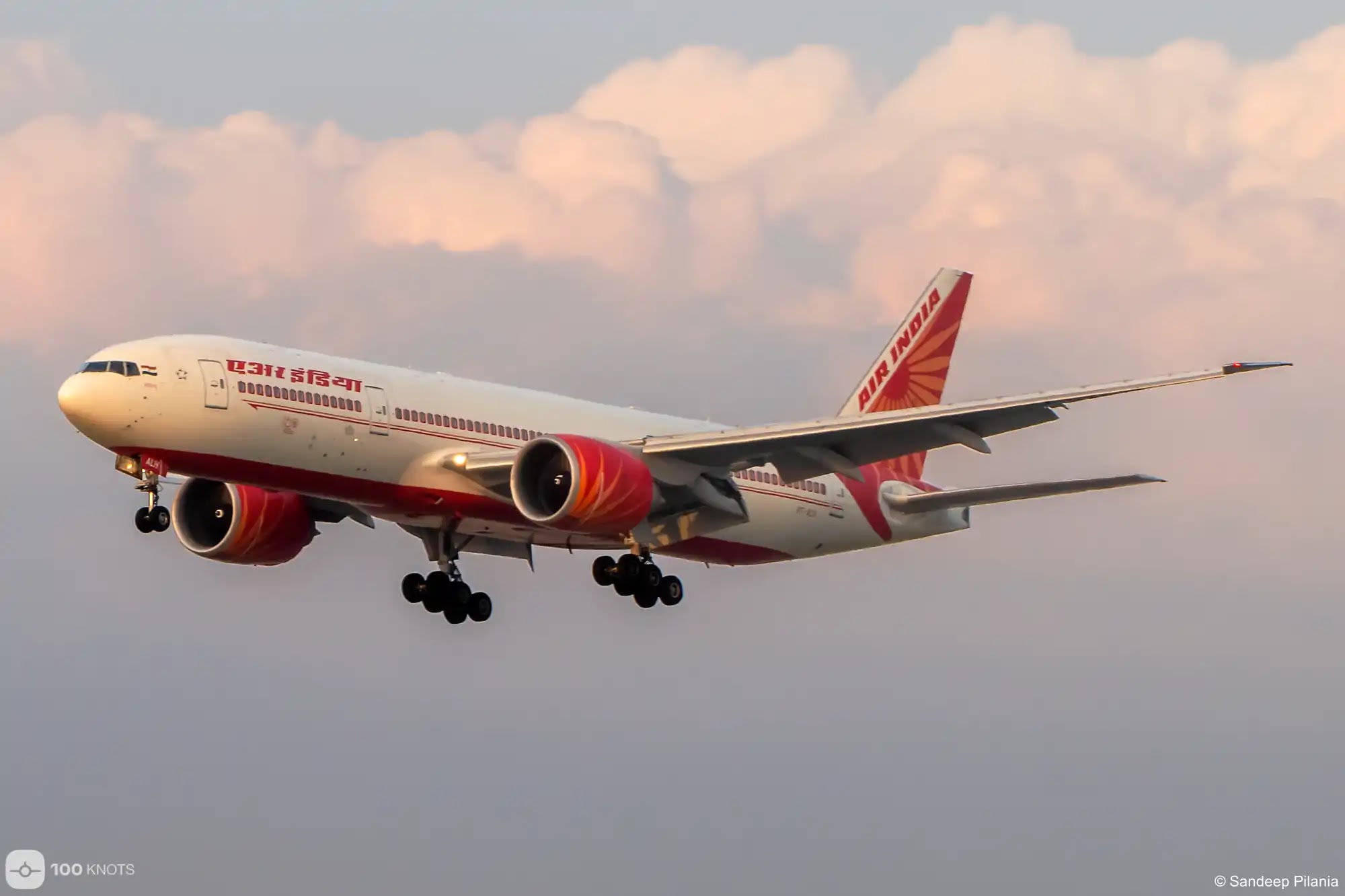
Air India passengers are in for a seamless travel experience across Europe as the airline announces a groundbreaking intermodal interline agreement with AccesRail. This partnership enables travellers to access a wide network of over 100 European cities via train and bus, all under a single ticket, while retaining the same baggage allowance as on Air India flights. This collaboration will notably benefit passengers, especially those aiming to reach smaller European cities lacking airport facilities.
The new pact empowers Air India passengers to embark on an intermodal journey, effortlessly connecting to cities and towns in Austria, Belgium, Germany, Czech Republic, Hungary, Italy, and the UK. Key European gateways for this expanded service include Amsterdam, Birmingham, London Heathrow, London Gatwick, Milan, and Vienna. AccesRail, an IATA travel partner with its unique designator code (9B), is the driving force behind making these intermodal journeys on a single ticket a reality.
Nipun Aggarwal, Air India’s Chief Commercial and Transformation Officer, stated, "The expansion of our global network is one of our key priorities in the ongoing, comprehensive transformation of Air India. This partnership with AccesRail not only helps us to provide our guests easy access to an extended network of destinations across Europe but also to bridge the gaps in connectivity between India and Europe. Augmenting our network with an intermodal approach also underlines our commitment to environmental sustainability."
Andrew Popescu, VP (Business Development) at AccesRail, also expressed his enthusiasm, saying, "We are excited to be launching our Air India-AccesRail cooperation and look forward to continuing with AI on a global scale with so many of our intermodal rail and coach partners. Through this enhanced AccesRail partnership, Air India will be able to, now and in the future, offer its customers more destinations and more possibilities in a more seamless fashion."
Connecting India to Europe
Air India's expanded network, facilitated by AccesRail, includes a roster of rail and bus operators such as Avanti West Coast (UK), Great Western Railways (UK), London North Eastern Railways (UK), National Express (UK), Trenitalia (Italy), ÖBB Austrian Railways (Austria), SNCB Belgian Railways, and Thalys (Netherlands/Belgium). This cohesive network aims to facilitate seamless travel to approximately 100 cities and towns, bridging the gap between airports and destinations without dedicated air travel infrastructure.
"Currently, intermodal tickets with Air India are available for booking through travel agents globally. The airline also plans to extend the facility to its own sales channels progressively," AI said in a statement. This strategic collaboration between Air India and AccesRail is set to redefine the European travel experience for passengers, providing them with a broader range of destinations and a more seamless journey, all while prioritizing sustainability and convenience.
With more airlines integrating air and rail connections globally, this market is growing rapidly. Earlier this year, Indian full-service carrier Vistara partnered with WorldTicket to offer Deutsche Bahn train network rail connections from Frankfurt to Germany and other European cities on a single itinerary. Last year Dutch flag carrier KLM started rail connections between Brussels and Paris using French 'TGV' high-speed trains. Lufthansa, Air France and Vueling Airlines are other global carriers that offer air-rail tickets for seamless connectivity from the airport to various cities throughout the country.
Read next
FAA's $121 Million Safety Boost: Transforming US Airports for Safer Skies
Abhishek Nayar
24 Aug 2023
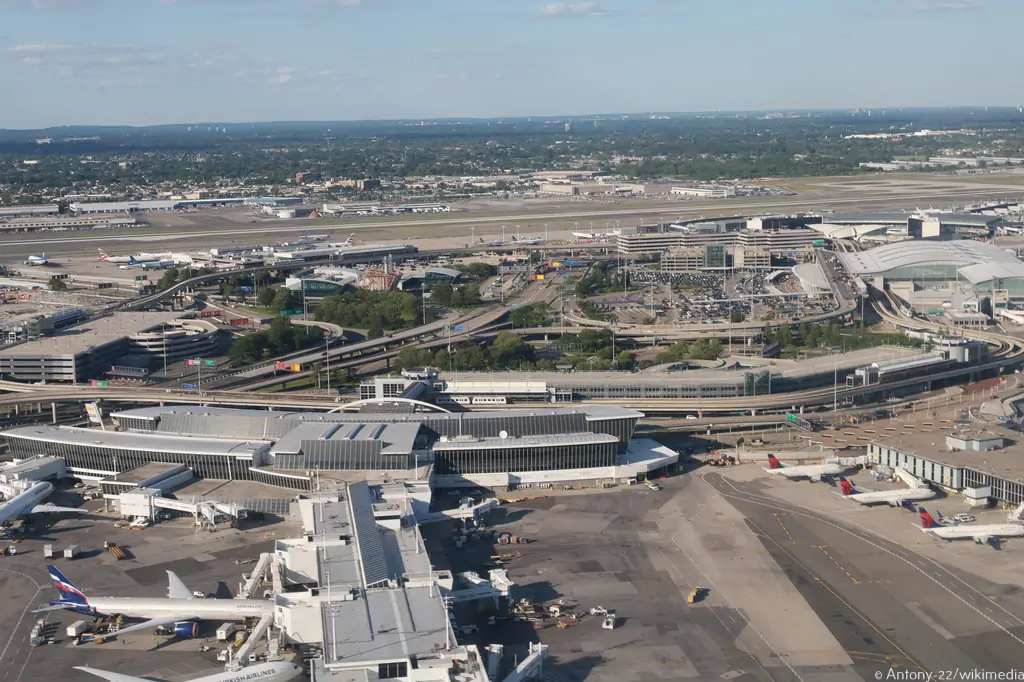
In a significant move to bolster aviation safety, the Federal Aviation Administration (FAA) of the United States has recently announced a substantial grant of more than $121 million to several airports across the nation. This substantial funding is earmarked for critical enhancements aimed at improving safety measures within these airports.
The primary focus areas for this grant include the reconfiguration of taxiways to eliminate confusion, the installation of advanced lighting systems, and the provision of greater flexibility on the airfield. This monumental decision, declared by the FAA on August 23, 2023, is set to have a profound impact on the safety and efficiency of air travel in the United States.
Ensuring Safe Taxiways
Taxiway Reconfiguration
One of the core aspects of this grant is the reconfiguration of taxiways at various US airports. Taxiways are the critical pathways used by aircraft to move between runways and terminals. However, outdated or confusing layouts can lead to runway incursions and potential accidents. To mitigate this, the FAA will utilize a portion of the grant to reconfigure these taxiways, making them more intuitive and safer for both pilots and ground personnel.
Along with the announcement, the FAA stated that it will support the simplification of the airfield layout at Boston Logan International Airport (BOS), the location of two near-miss incidents in 2023, as well as the layout at Ted Stevens Anchorage International Airport (ANC) in Alaska.
The FAA awarded such projects $44.9 million and $39.8 million, respectively. Six other airports received funds for improving their taxiways as well.
Illuminating the Way
Advanced Lighting Systems
Visibility is paramount in aviation. Inadequate lighting can pose serious risks, especially during adverse weather conditions or nighttime operations. The FAA recognizes this and has allocated funds to install state-of-the-art lighting systems at airports. These systems will not only enhance visibility during takeoffs and landings but will also guide aircraft safely along taxiways and runways, reducing the likelihood of accidents caused by poor visibility.

Flexibility for Enhanced Safety
Airfield Flexibility
Another vital aspect of this grant is the provision of greater flexibility on the airfield. The ability to adapt to changing circumstances is crucial for ensuring safety in the aviation industry. This funding will be used to create maneuverability within the airfield, allowing airports to better manage traffic, handle emergencies, and accommodate various aircraft types efficiently.
The FAA additionally stated that it has implemented numerous runway safety devices, including as Runway Status Lights and Airports Surface Detection Equipment, Model X (ASDE-X). The latter employs radar, multilateration, and satellite technologies to enable air traffic controllers to follow the movement of aircraft and other ground vehicles.
Airports in the United States have also begun employing ASDE-X Taxiway Arrival Prediction, which forecasts when flight crews will queue up to land on a taxiway and provides a visual and aural indication to air traffic controllers.
FAA's Commitment to Safety
Shannetta Griffin, the FAA's Associate Administrator for Airports, emphasized the agency's dedication to eradicating runway incursions and enhancing overall safety. She stated, "The FAA is serious about ending runway incursions, and we are putting substantial resources behind our efforts. In some cases, modifying or reconfiguring existing airfields is the best way to address safety risks - these grants directly address those situations."
With this substantial grant, the FAA is not only addressing immediate safety concerns but also taking proactive measures to ensure the long-term safety of air travel within the United States. This bold initiative reflects the FAA's commitment to passenger safety, and it is expected to have a far-reaching positive impact on the entire aviation industry.
Conclusion
The FAA's announcement of a $121 million grant to improve safety at US airports is a pivotal moment for aviation safety. By addressing key areas such as taxiway reconfiguration, advanced lighting systems, and airfield flexibility, the FAA is taking significant steps to enhance safety measures. This investment underscores the FAA's unwavering dedication to passenger safety and its commitment to reducing runway incursions and accidents within US airports.
With Inputs from FAA
Comment