

United Airlines is set to break its own record for pilot hires, signaling a robust recovery in the aviation industry post-pandemic. The airline, on track to exceed the 2,500 pilots recruited in 2022, has seen a significant surge in hiring, particularly in October, making it the leader in pilot recruitment in the US for 2023.
Record-Breaking Numbers in 2023
As of the end of October 2023, United Airlines has welcomed 2,296 new pilots, nearly matching the previous year's total. In a significant milestone, the carrier hired an unprecedented 270 pilots in October alone, marking one of the highest monthly recruitments in its history.
United Next Plan and Training Investments
A United Airlines spokesperson attributed this surge in hiring to the ambitious "United Next" plan. The airline aimed to hire 2,300 pilots in 2023 and is poised to surpass this target. The success is underpinned by substantial investments in training and recruitment initiatives, notably the United Aviate Academy (UAA) in Arizona, launched in January 2022. Additionally, a $100 million investment in expanding and upgrading the pilot training center in Denver, the world's largest facility of its kind, has contributed to the airline's ability to meet growing demand.
Workforce Expansion Beyond Pilots
United Airlines' workforce expansion extends beyond pilots, with over 11,000 new employees hired by the end of July 2023. This inclusive approach encompasses various roles, including flight attendants, technicians, and customer service personnel. The recent contract agreement with pilots, entailing a $10 billion increase in pay, reflects the company's commitment to fostering a positive work environment.
Fleet Expansion and Future Plans
In anticipation of a sizable fleet expansion in 2024, United Airlines plans to add up to 230 new aircraft. This expansion includes the introduction of Airbus A321neos, with the carrier set to operate its first commercial A321neo service from Houston to Chicago on November 30. The comprehensive fleet expansion strategy aims to induct approximately 700 new aircraft over the next decade, cementing United Airlines' position as a key player in the industry.
Industry Trends and Challenges
While United Airlines takes the lead in pilot recruitment, the broader industry experienced a slowdown in hiring during September and October. Airlines are grappling with the challenge of addressing shortages, particularly in maintaining a sufficient number of qualified captains. Regulations restricting mainline carriers from directly recruiting captains have led to a workaround, with airlines accelerating promotions of first officers to captain positions at a pace faster than usual.
Conclusion
United Airlines' impressive pilot recruitment figures in 2023 underscore its commitment to growth and excellence. The airline's strategic investments in training, expansion, and employee satisfaction position it as a leader in the aviation industry's recovery. As the airline gears up for an ambitious fleet expansion in the coming years, its success in navigating challenges and fostering a skilled workforce sets a precedent for the future of air travel.
With Inputs from FAPA, Airline Geeks

Read next
IndiGo Launches its AI Chatbot to Elevate its Customer Service Experience

Radhika Bansal
28 Nov 2023
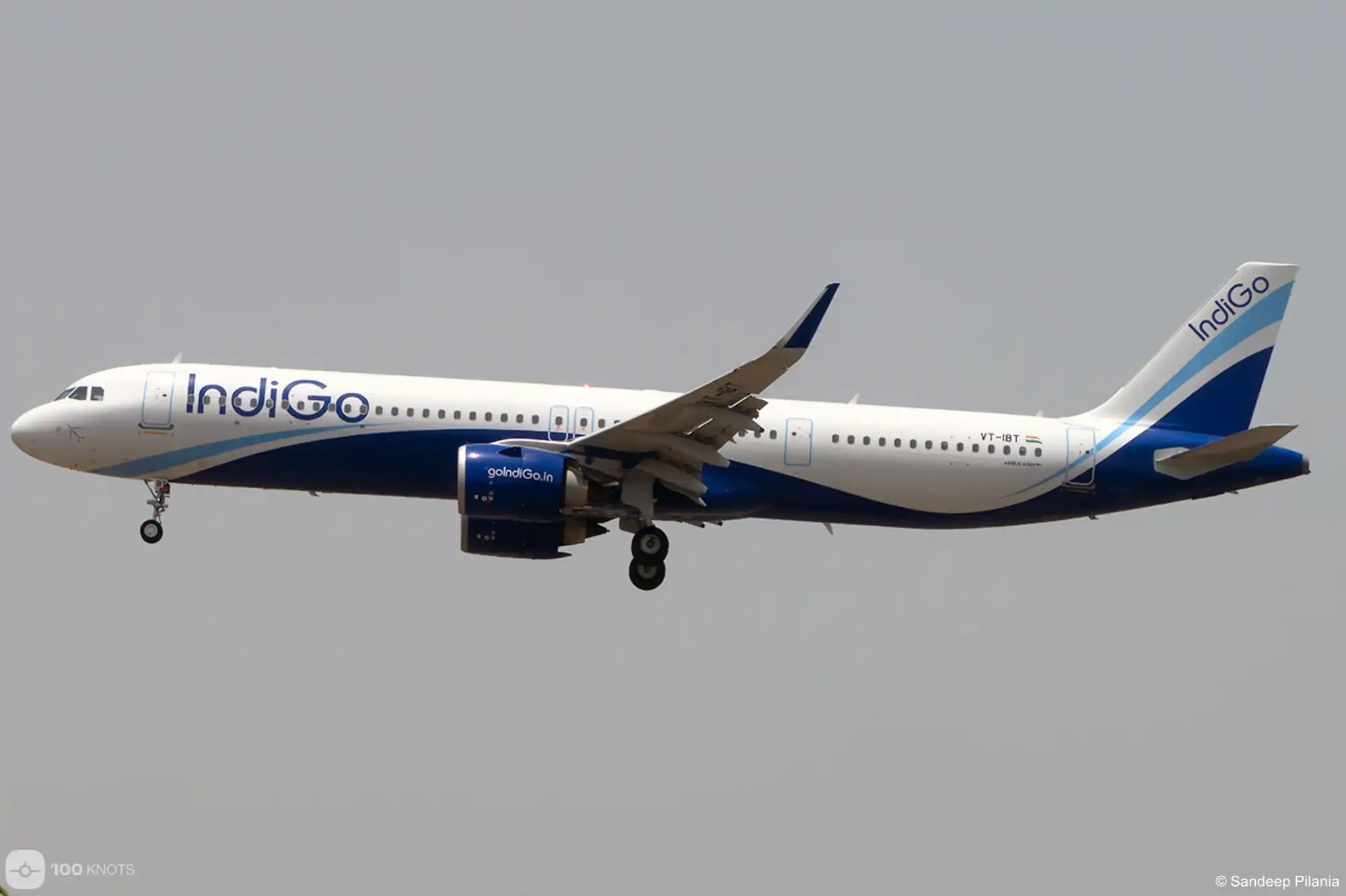
IndiGo announced on November 27 the launch of its AI chatbot, 6Eskai, which incorporates GPT-4 technology, to elevate its customer service experience. The airline revealed that the AI chat assistant, developed internally by its digital team in collaboration with Microsoft, has shown promising early results, a 75% reduction in the workload of customer service agents.
The airline said 6Eskai is designed to handle customer queries in ten different languages, adding it enables seamless ticket bookings across the airline's entire network. The airline further stated the AI chatbot employs natural language conversations.
IndiGo highlighted that with 1.7 trillion parameters, 6Eskai is equipped to handle a diverse range of tasks, from booking tickets and applying promotional discounts to facilitating web check-ins and assisting with seat selection. The AI chatbot is not limited to written or typed interactions; it can also understand verbal instructions using speech-to-text models, it said.
6ESkai is capable of booking tickets, applying promotional discounts, booking add-ons, performing web check-ins, helping in seat selection, planning trips, answering frequently asked questions, and connecting customers with an agent, IndiGo said. The chatbot can understand written or typed language and verbal instructions using speech-to-text models.
Summi Sharma, Senior Vice President ifly and Customer Experience, IndiGo said, "We are thrilled to introduce 6Eskai, our AI-driven chat assistant, as part of our ongoing commitment to enhancing customer experience. This innovative tool will offer seamless support to our passengers, providing quick and personalised assistance for their travel needs, reflecting IndiGo's dedication to technological advancements and customer-centric services."
"IndiGo's team of data scientists have painstakingly done thorough research on generative pre-trained transformers (GPT) and programmed the bot using extensive prompt engineering to mimic human behaviour, respond to emotions, and even infuse humour into interactions, ensuring a more engaging and entertaining experience for its customers," the airline said in a media release.
The airline anticipates a significant enhancement in customer satisfaction and increased operational efficiency with this AI solution.
Many airlines are using Artificial Intelligence (AI) driven solutions. A fortnight ago, Air India launched Maharaja, which too is powered by AI to assist passengers using Chatbot. IndiGo is among the first few airlines in the region to harness cutting-edge AI technology.
Read next
Indian Aviation Industry May See Grounding of Around 200 Aircraft by March 2024
Radhika Bansal
28 Nov 2023
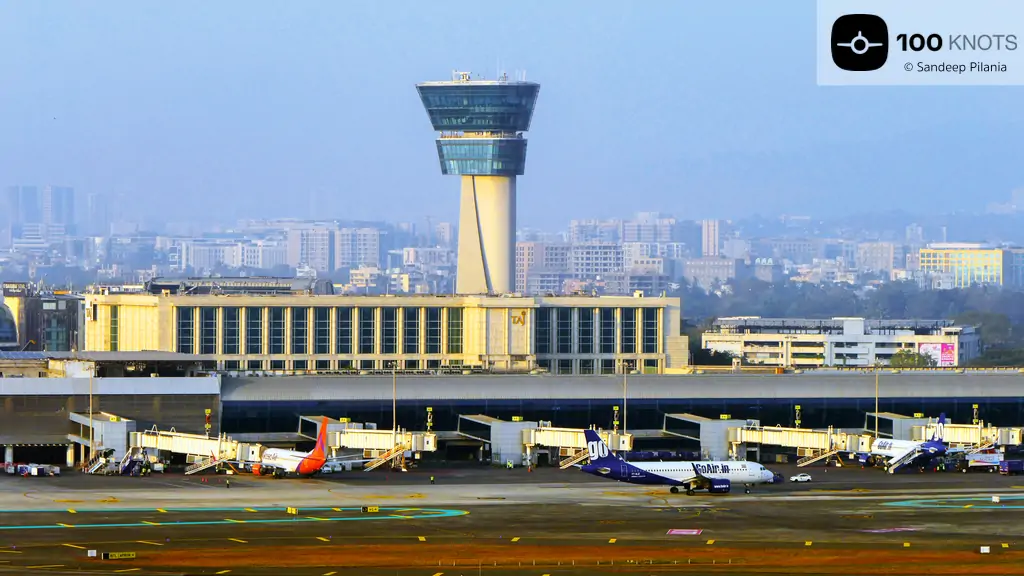
In its mid-year outlook, aviation consultancy firm CAPA India predicts that the Indian aviation industry may face the grounding of approximately 200 aircraft by the end of the current financial year. IndiGo, the largest airline in India, is expected to contribute over 90 grounded aircraft, followed by Air India and SpiceJet with 25-30 each. Go First has already grounded 54 aircraft since suspending flights in May.
Go First’s 54 planes were grounded after the airline filed for insolvency in May. IndiGo’s 45 A320Neo planes are grounded due to non-availability of engines (CAPA report puts the figure at 55), and the number is expected to rise by another 30-40 as the airline is expected to ground more planes for inspections in the first quarter of CY 2024. Yet despite the supply chain issues and Go First bankruptcy, domestic and international traffic will record growth this year, the consultancy said.
"This (groundings) is also creating a shortage of parking bays, with aircraft being parked at hangars and MROs. If the numbers increase, the parking challenges will become more acute," it stated.
Presently, more than 160 aircraft across Indian airlines are grounded, and this number is anticipated to rise due to IndiGo's current 55 grounded aircraft, according to CAPA. CAPA India projects that the sector's overall fleet size will approach 790 aircraft by March 2024, with 588 likely to be operational. Additionally, delays in aircraft deliveries are anticipated for Akasa Air, India's newest airline.
Rise in Air Passenger Traffic
In terms of passenger numbers, CAPA India forecasts domestic and international passenger traffic to reach around 155 million and 70 million, respectively, for the current financial year. The firm highlights supply chain issues as a critical risk, potentially impacting scheduled airline operations and the UDAN flight program.
As per the Airports Authority of India and Directorate General of Civil Aviation, Indian airports registered 57 million international passengers and the domestic air passenger traffic stood at 136 million passengers in 2022-23 (Apr-Mar).
"Supply chain issues are now a critical risk, and could have a deeper and more strategic impact than anticipated. This could for example impact the ability of mainline scheduled airlines to operate the UDAN flight," CAPA India said.
CAPA India also expects the wet lease aircraft fleet in India to reach around 30 by March, as IndiGo and SpiceJet adopt this model, leasing aircraft along with crew.
Despite capacity shortages, the research firm notes a return to normalcy in airfares, with average fares declining by 12.7% year-on-year in the September quarter of 2024. While some weakness is expected in the March quarter, full-year yields are projected to be approximately 3% lower year-on-year, potentially leading to higher losses for full-service carriers like Air India and Vistara.
In its March report, CAPA India had estimated domestic air passenger traffic at more than 160 million and international air passenger traffic at 72-75 million. As per the report, overall industry profitability is expected to be largely in line with our initial guidance of a loss of USD 1.6-1.8 billion, of which full-service carriers are expected to account for USD 1.4-1.5 billion and low-cost carriers at USD 200-300 million.
"Despite having a very challenging FY2024 from an operational perspective due to the Pratt & Whitney engine issues, IndiGo is expected to post a record profit of USD 500 million and will see its cash balances increase by USD 1.2+ billion," the report said.
CAPA India emphasises the continuing growth momentum in the market, with a greater focus on international operations receiving an increasing share of planned capacity.
Read next
Airbus to Expand Collaboration with Tata Advanced Systems to Broaden India's Defence Supply Chain
Radhika Bansal
28 Nov 2023
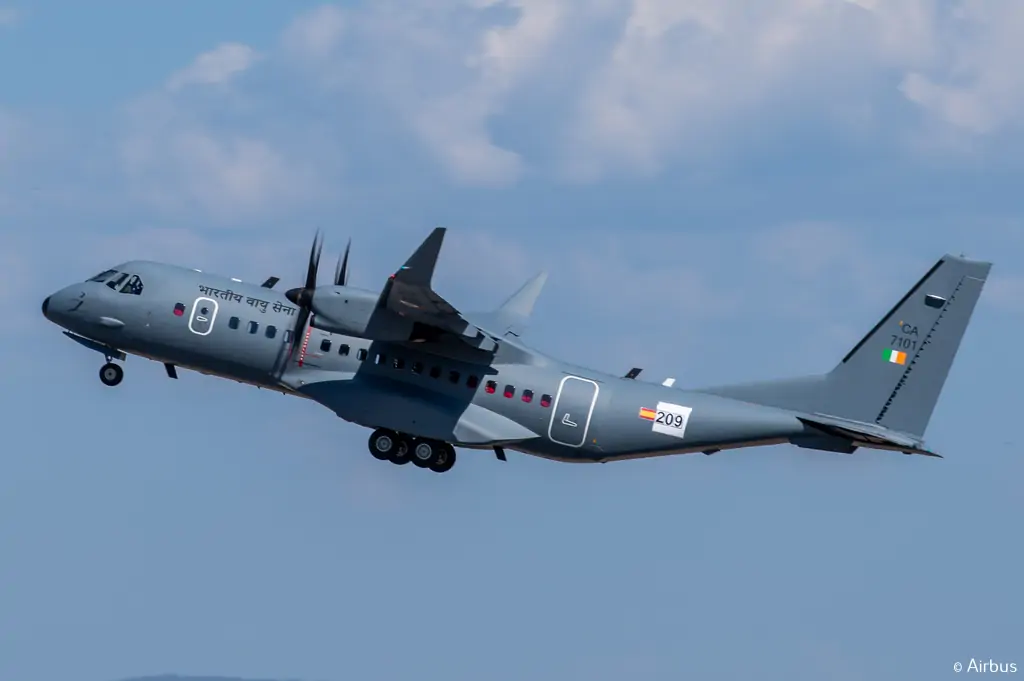
Airbus intends to expand its collaboration with Tata Advanced Systems to broaden India's defence supply chain and introduce new products aligned with the country's defence requirements, according to a report by Mint. The news was shared by Jorge Tamarit-Degenhardt, head of the C295 transport aircraft programme at Airbus.
According to the Mint report, the partnership will involve investments in developing capabilities, including raw material acquisition, manufacturing detailed parts, and establishing sub-assembly and assembly facilities. The initiative will unfold in phases, initially focusing on sourcing components like metallic and composite manufacturing technologies.
The primary focus in the early stages will be on metallic and composite manufacturing technologies, with a priority on electric harnesses to strengthen India's supply chain. The objective is to meet the demand for military transport aircraft as India replaces its ageing military transport fleet.
Airbus and Tata will invest in developing capabilities, including sourcing raw materials and manufacturing detailed parts or subcomponents, along with establishing sub-assembly and assembly facilities. The program will be in phases, with an initial focus on sourcing components such as metallic and composite manufacturing technologies. Airbus assists Tata by training them and qualifying their suppliers or MSMEs (micro, small, and medium enterprises). Whenever there is a gap, Airbus supports them.
IAF to Get 56 C295 Aircraft
In 2021, the Indian Air Force inked an agreement with Airbus for 56 C295 military transport aircraft valued at INR 21,395 crore. Airbus aims to leverage this supply chain for various defence platforms beyond transport aircraft, as the Indian military requires an estimated 100 aircraft. The collaboration anticipates delivering the first India-manufactured C295 in 2026 from their final assembly line in Vadodara, which will be operational by November 2024. Additionally, the component production for the aircraft has already started at the main constituent assembly facility in Hyderabad, Airbus said.
Under the deal, Airbus will deliver the first 16 aircraft in 'fly-away' condition from its final assembly line in Seville by 2025 and the subsequent 40 aircraft will be manufactured and assembled by Tata Advanced Systems (TASL) in India as part of an industrial partnership between the two companies.
The C295, in transport configuration and with an indigenous electronic warfare suite, will leave Airbus' production site in Seville for Delhi on September 15. It will be piloted by a joint IAF-Airbus crew. Indigenous Radar warning receiver and missile approach warning systems made by Bharat Electronics Limited (BEL) and countermeasure dispensing systems made by Bharat Dynamics Limited (BDL) have been certified and installed on the first aircraft.
This strategic partnership further aligns with India's efforts to establish a robust domestic defence supply chain, encouraging global defence companies to invest and manufacture in the country. Initiatives like indigenisation lists, Defence Acquisition Procedure 2020, and defence industrial corridors aim to facilitate foreign firms' entry, support startups, and boost research within India.
In tandem with Airbus's initiatives, Embraer is also considering setting up manufacturing operations within India, signalling a broader interest and confidence in the country’s potential as a hub for defence production.
(With Inputs from Mint)
Read next
On Monday, November 27, 2023, L3Harris Technologies, a prominent defense company, revealed its strategic move to sell its commercial aviation solutions business to private equity firm TJC L.P. for a substantial $800 million.
The deal, comprising a $700 million cash purchase price and a $100 million earnout based on specific financial performance targets for 2023 and 2024, signifies a significant development in the aerospace and defense industry.
Business Overview
The commercial aviation solutions business of L3Harris is a key player in the aviation sector, providing a range of services including pilot training, flight data analytics, avionics, and advanced air mobility products. With approximately 1,450 employees, the business has established itself as a leader in delivering innovative solutions to enhance aviation safety and efficiency.
Deal Structure
The $800 million deal is structured with a cash purchase price of $700 million and an additional $100 million earnout contingent upon the achievement of specified financial performance targets in 2023 and 2024. This arrangement reflects the confidence of both parties in the future growth and success of the commercial aviation solutions business.
Utilization of Proceeds
L3Harris outlined its capital allocation priorities in a statement, noting that the proceeds from the transaction will be used to repay debt. This strategic move aims to accelerate the company's timeline to achieve its debt leverage objectives, thereby strengthening its financial position and overall stability.
Financial Advisors
Morgan Stanley and Moelis & Co. played crucial roles as financial advisers to L3Harris in this transaction, providing expertise and guidance throughout the negotiation process. On the other side, J.P. Morgan Securities LLC advised TJC L.P., facilitating a smooth and informed transaction. The involvement of reputable financial institutions underscores the significance and complexity of the deal.
Closing Timeline
The transaction is expected to conclude in the first half of 2024, pending regulatory approvals and other customary closing conditions. The specified timeline indicates a well-thought-out and deliberate process to ensure a seamless transition of ownership.
Conclusion
The sale of L3Harris Technologies' commercial aviation solutions business to TJC L.P. for $800 million marks a strategic realignment of priorities for both companies. As L3Harris focuses on its core competencies and debt reduction, TJC L.P. sees an opportunity to invest in a leading player in the aviation solutions space. The deal reflects the dynamic nature of the aerospace and defense industry, with companies adapting to market trends and optimizing their portfolios for sustained growth.
With Inputs from Reuters
Read next
Cathay Pacific Leans Towards Airbus A350 Freighters in Fleet Renewal Decision
Abhishek Nayar
28 Nov 2023
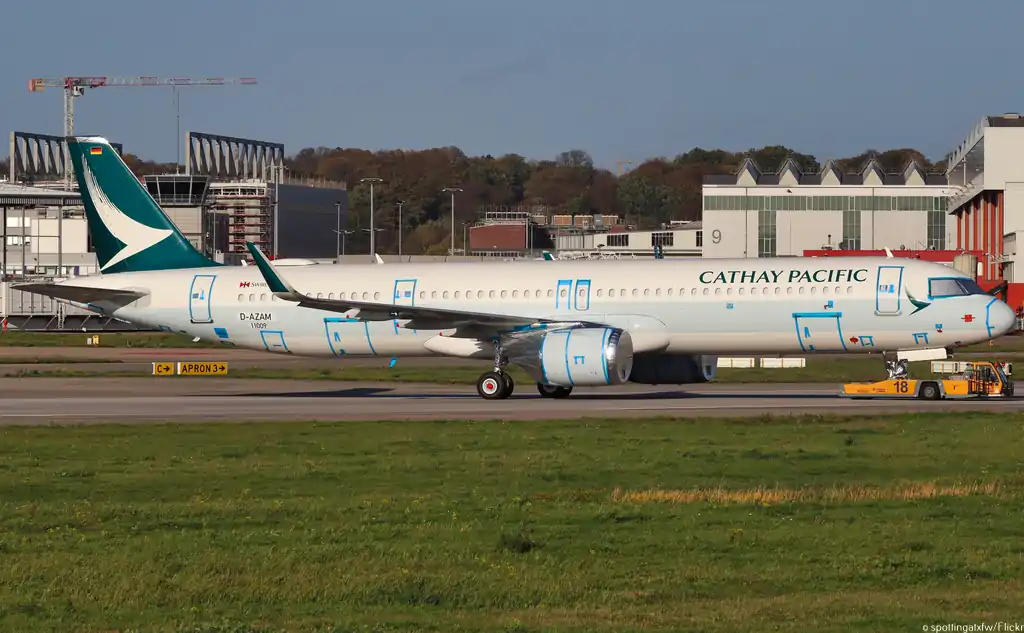
Cathay Pacific Airways Ltd., one of the world's top-five freight carriers, is reportedly leaning towards placing an order for around six Airbus A350 freighters as part of its fleet renewal strategy.
This decision comes after a period of evaluation in which the Hong Kong-based airline appeared to be favoring the Boeing 777-8F. The choice between these two aircraft has been closely watched, as it is considered a crucial test for both Airbus and Boeing in the highly competitive air freight market.
Background
Cathay Pacific, currently the world's fifth-largest air freight carrier, has been in the process of renewing the oldest section of its dedicated cargo fleet, which consists of Boeing 747 cargo jets. The airline's decision on whether to opt for the Airbus A350 freighters or the Boeing 777-8F has significant implications for both aircraft manufacturers. Earlier in the year, there were indications that Cathay Pacific was inclined towards the Boeing option, but a final decision was postponed.
Competitive Dynamics
The battle for Cathay Pacific's cargo business highlights the intense competition between Airbus and Boeing. The focus has been on comparing the all-freight version of Boeing's future 777X jet family with an upcoming cargo model of the existing Airbus A350. The fact that Cathay Pacific operates both the Airbus A350 and Boeing 777 passenger models adds an interesting dimension to the competition.
Cathay Pacific's Importance in Air Freight
As the third-largest traditional freight airline globally, Cathay Pacific plays a pivotal role in the air freight industry. The airline is surpassed only by Qatar Airways and Emirates in the traditional freight category when excluding specialist express parcel carriers FedEx and UPS. This underscores the significance of Cathay Pacific's fleet renewal decision, not only for the airline itself but also for the broader landscape of air cargo transportation.
Financial Implications
Industry sources suggest that Cathay Pacific's initial purchase could involve around half a dozen aircraft, with an estimated value of approximately $2 billion at list prices before factoring in traditional airline discounts. The financial aspect of this decision is crucial for both Airbus and Boeing, as securing orders from major carriers such as Cathay Pacific contributes significantly to their respective market positions.
Cathay Pacific's Statement
In August, Cathay Pacific informed analysts that it was actively exploring freighter options and "continuing to study various opportunities." Despite a softening in cargo demand, the airline emphasized that demand was still considerably higher than pre-pandemic levels, indicating a positive outlook for the air freight sector.
Conclusion
Cathay Pacific's imminent decision on whether to select Airbus A350 freighters or Boeing 777-8F aircraft marks a critical juncture in the competition between the two aviation giants. The outcome will not only influence Cathay Pacific's cargo operations but will also impact the broader dynamics of the global air freight industry.
As the airline navigates the challenges posed by changing market conditions, its choice between these two leading freighter aircraft will undoubtedly shape the future of its cargo fleet and contribute to the ongoing narrative of Airbus versus Boeing in the highly competitive aviation market.
With Inputs from Reuters
Comment