
UAE based pilot training institute’s Romanian acquisition expands Indian Student’s prospects

Radhika Bansal
16 Jul 2023

Aviation pioneer Jaideep Mirchandani, Founder and Group Chairman of SkyOne FZE and Aerosiva Holding Limited, has expanded the scope of pilot training facilities beyond the UAE - much to the delight of Indian aviation aspirants. Sharjah-based Pier Seven Aviation recently announced the acquisition by its parent entity, Aerosiva Holdings Ltd, of FLY LEVEL, a leading aviation training organization based in Bucharest, Romania.
This strategic move aims at providing comprehensive training solutions and further solidifies Pier Seven’s position as a global leader in aviation education. Given that most of Pier Seven's students are from India, this acquisition will provide fresh opportunities for aviation aspirants in India.
Jaideep Mirchandani commented on the acquisition, "We are delighted to welcome Fly Level into our aviation family. This acquisition aligns perfectly with our vision of providing high-quality training and education to aspiring aviation professionals.’
In the last five years, Pier Seven Aviation has successfully conducted 71 batches of A320 Type Rating training approved by the Directorate General of Civil Aviation (DGCA), successfully training almost 500 Indian pilots in various courses. The Sharjah-based institute offers complete training solutions from airport pick up upon landing to the final drop at the time of completion - making it the most preferred training institute for Indians in the UAE.
Mr. Mirchandani remarked, "Air travel in India is witnessing unparalleled growth and increasing the demand for pilots and crew. Most of the pilots enrolling with Pier Seven Aviation hail from India, and I hope that with this acquisition, we provide new horizons for aviation training. With FLY LEVEL's expertise and reputation, we are confident that together we can offer an even greater range of training programs and continue to shape the future of aviation.”
Sky One FZE's Pier Seven Aviation remains committed to delivering excellence in pilot training, nurturing a new generation of skilled and confident aviators. Saptarishi Sen, who completed his CPL from Florida, USA, chose Pier Seven Aviation for his A320 type training. He was drawn to the training center by its highly skilled trainers and comprehensive facilities. “Pier Seven Aviation offered me comprehensive packages that included state-of-the-art training, accommodation, transportation, and meals. Their holistic approach enabled me to focus entirely on enhancing my technical skills and gain a deeper understanding of the aviation industry," he said.
Talking about the facility's innovative simulation technology and a team of experienced instructors, Mr. Mirchandani added," I believe that it is crucial to offer tailored, flexible, and highly responsive solutions for pilot training. With our acquisition of FLY LEVEL, we are expanding our premier aviation training services beyond pilot training."
Pier Seven Aviation's state-of-the-art simulators, including A320 FFS, B737 FFS, B747-400 FFS, and A320 FTD, have been approved by EASA and other International Civil Aviation Organization (ICAO) Civil Aviation Authorities.
Read next
Air France-KLM Sign an €500 Million Agreement with Apollo for Air France Engineering Unit

Abhishek Nayar
15 Jul 2023

In an exciting development, Air France-KLM and Apollo Global Management have entered into a definitive agreement to secure financing for an Air France operating affiliate dedicated to the airline's Engineering and Maintenance activities. This partnership marks a significant step towards ensuring the growth and operational efficiency of Air France's critical functions.
The Importance of Engineering and Maintenance in Airline Operations
To ensure the safe and efficient functioning of an airline, robust Engineering and Maintenance activities are indispensable. These activities encompass everything from inspecting and repairing aircraft to managing the maintenance of critical components and systems. Air France recognizes the significance of investing in this sector to maintain the highest safety standards and operational excellence.
Air France-KLM and Apollo Global Management: A Strategic Collaboration
Air France-KLM, one of the world's leading airline groups, has joined forces with Apollo Global Management, a renowned alternative investment manager, to create a strategic collaboration aimed at strengthening Air France's Engineering and Maintenance activities. This partnership leverages Apollo's expertise and financial capabilities to provide crucial funding and support for the affiliate responsible for managing these operations.
Financing Air France's Engineering and Maintenance Affiliate
As part of the agreement, Apollo will raise €500 million in financing for the Air France operating affiliate dedicated to Engineering and Maintenance. This substantial investment will facilitate the acquisition and management of a pool of components essential for the smooth functioning of Air France's aircraft fleet. With improved access to capital, Air France will be better equipped to upgrade its maintenance infrastructure and ensure a high level of service reliability.
Enhancing Operational Efficiency and Growth Prospects
The collaboration between Air France-KLM and Apollo brings significant advantages for both parties involved. By securing the necessary funding, Air France can enhance its Engineering and Maintenance capabilities, resulting in improved operational efficiency. This, in turn, allows the airline to provide a seamless and reliable travel experience to its passengers while minimizing disruptions due to maintenance-related issues.
The Role of Apollo Global Management
Apollo Global Management, a leading investment manager, plays a crucial role in this partnership. With its extensive experience in alternative investments and deep understanding of the aviation industry, Apollo brings valuable insights and financial expertise to the table. By raising €500 million in financing, Apollo ensures that Air France's Engineering and Maintenance activities receive the necessary capital infusion for sustained growth and development.
"Apollo is pleased to continue to serve as a long-term strategic capital partner to Air France-KLM, demonstrating our ability to provide custom capital solutions like this to some of the world's leading companies," commented Apollo Partner Jamshid Ehsani. This deal will assist Air France-KLM in executing its objectives by providing a highly appealing investment. Our ability to develop inventive, scalable solutions at a variety of capital costs distinguishes us from many other platforms and provides appealing investment options for affiliated and third-party insurers, as well as other institutional customers."
The Future of Air France's Engineering and Maintenance Activities
Thanks to the collaboration between Air France-KLM and Apollo Global Management, the future of Air France's Engineering and Maintenance activities appears promising. The increased funding will enable Air France to make significant advancements in its maintenance infrastructure, ensuring the highest level of safety and reliability for its passengers.
Conclusion
The partnership between Air France-KLM and Apollo Global Management marks a pivotal moment for Air France's Engineering and Maintenance activities. With the €500 million in financing secured through Apollo-managed funds, Air France can strengthen its operations, enhance safety measures, and position itself for future growth. This collaboration reinforces Air France's commitment to delivering the highest standards of service and ensuring a seamless travel experience for its passengers.
With Inputs from Air France-KLM, Apollo
Read next
American Airlines and JetBlue to Wind Down their Northeast Alliance Following Court Ruling
Abhishek Nayar
15 Jul 2023

In a significant development, American Airlines and JetBlue Airways have announced the winding down of their Northeast Alliance partnership, following a U.S. judge's order to cease the collaboration. The alliance, which has been in effect for three years, allowed both airlines to coordinate flights and share revenue.
The Background of the Northeast Alliance Partnership
The Northeast Alliance partnership was established three years ago as a collaborative effort between American Airlines and JetBlue Airways. It aimed to enhance connectivity and improve the customer experience by coordinating flights and sharing revenue. The agreement allowed the two airlines to offer codeshare flights, enabling customers to book tickets that included flights on both carriers.
The Judge's Order and Its Impact
In May, a U.S. judge ordered American Airlines and JetBlue Airways to terminate their partnership due to concerns over potential antitrust violations. The judge's decision was based on the need to promote fair competition within the airline industry and protect consumer interests. As a result, the two airlines were compelled to dissolve their Northeast Alliance.
The Winding Down Process
American Airlines and JetBlue Airways have announced that the winding-down process of the Northeast Alliance will commence on July 21. During this process, the airlines will gradually discontinue the codeshare flights and revenue-sharing arrangements that were part of the partnership. Customers will no longer be able to book new codeshare flights on the respective airlines after this date.
Changes for American Airlines Customers
For customers of American Airlines, this dissolution means that they will no longer have access to codeshare flights operated by JetBlue Airways. This change may require American Airlines customers to review and adjust their travel plans, considering alternative routes and carriers to reach their desired destinations.
Changes for JetBlue Airways Customers
Similarly, JetBlue Airways customers will no longer be able to book codeshare flights on American Airlines. They will need to explore alternative options to reach destinations previously accessible through the partnership. JetBlue Airways will focus on its own flight operations and network to serve its customers effectively.
The Future of the Airlines' Relationship
The dissolution of the Northeast Alliance raises questions about the future relationship between American Airlines and JetBlue Airways. While the partnership has come to an end, it remains to be seen whether the airlines will explore other forms of collaboration in the future. The changing dynamics of the aviation industry and evolving customer demands may influence their decisions going forward.
Impact on Air Travel in the Northeast Region
The termination of the partnership between American Airlines and JetBlue Airways will have repercussions for air travel in the Northeast region of the United States. With the end of codeshare flights, customers may experience reduced connectivity and fewer options for reaching their destinations seamlessly. This development could prompt other airlines to reassess their operations in the region and potentially introduce new services to fill the void left by the dissolved partnership.
Customer Reactions and Concerns
The announcement of the winding down of the Northeast Alliance has generated mixed reactions among customers. While some travelers’ express disappointment over the loss of convenient connections and expanded flight options, others are hopeful that the change might lead to increased competition and better pricing in the long run. It is important for American Airlines and JetBlue Airways to address customer concerns and communicate alternative travel options effectively.
Alternative Options for Travelers
In light of the dissolution of the Northeast Alliance, customers of both American Airlines and JetBlue Airways are advised to explore alternative options to meet their travel needs. This may involve considering other airlines operating in the region, exploring direct flights, or utilizing connecting flights through different hubs. Travelers should also take advantage of online travel agencies and comparison platforms to find the most suitable and cost-effective itineraries.
Conclusion
The decision by American Airlines and JetBlue Airways to wind down their Northeast Alliance partnership marks a significant development in the airline industry. While this change brings uncertainties, it also presents opportunities for other airlines and travelers alike. As the dissolution takes effect on July 21, customers of both airlines must adapt to the new travel landscape and explore alternative options. By embracing the evolving dynamics of the aviation industry, travelers can continue to enjoy seamless and efficient air travel experiences in the Northeast region.
With Inputs form Reuters
Read next
How Airplane Contrails are Warming the Planet? And it’s Worse than You Think!
Abhishek Nayar
15 Jul 2023

Air travel has become an integral part of modern life, connecting people across the globe. However, the environmental impact of air travel extends beyond just carbon emissions. When we look up at the sky and see the trails left behind by airplanes, known as contrails, we often admire their beauty and marvel at the wonders of modern aviation. However, what many people are unaware of is that these delicate white streaks are not as harmless as they appear. In fact, airplane contrails have a significant impact on our planet's climate, contributing to global warming in ways that are even worse than we might think.
Understanding Contrails
Contrails, short for "condensation trails," are formed when hot exhaust gases from aircraft engines mix with the cold air in the upper atmosphere, about 25,000 feet, when that air is moist and colder than -40 degrees Celsius. This interaction causes water vapor to condense into ice crystals, forming the visible trails we see behind planes. Contrails can persist for hours, spreading out and forming thin cirrus clouds that reflect sunlight back into space.
The Relationship Between Contrails and Climate Change
The Formation Process of Contrails: Contrails form under specific atmospheric conditions, such as cold temperatures and high humidity at high altitudes. The exact conditions necessary for contrail formation vary, but they are most common at cruising altitudes where commercial airliners operate.
The Impact of Contrails on the Atmosphere: Contrails have a two-fold effect on the atmosphere. Firstly, they introduce additional particles, such as soot and sulfur compounds, into the upper atmosphere. Secondly, they alter the natural balance of moisture by adding significant amounts of water vapor.
The researchers used reliable aircraft data from 2006 to simulate the influence of global contrail cloud coverage. They then modelled the influence of contrail clouds until 2050, taking into consideration forecasts for future aircraft traffic and emissions. They discovered a threefold increase in their warming impact throughout that time, as reported in Atmospheric Chemistry and Physics.

The Warming Effect of Contrails
Greenhouse Gases and Radiative Forcing: Contrails contribute to global warming through the release of greenhouse gases, primarily carbon dioxide (CO2) and water vapor. These gases trap heat in the atmosphere, creating a phenomenon known as radiative forcing.
Amplification of Warming by Contrails: Contrails have a unique warming effect due to their ability to form cirrus clouds. These clouds act as a blanket, trapping heat radiating from the Earth's surface and preventing it from escaping into space. The warming effect caused by contrails is more significant than the impact of greenhouse gases alone.
The Magnitude of the Problem
Growth of Air Travel: With the increasing demand for air travel worldwide, the number of flights and contrails has risen dramatically. This growth exacerbates the impact of contrails on the climate system.
Contribution to Global Warming: Studies estimate that contrails' overall climate impact is responsible for approximately 5% of global warming. While this may seem relatively small compared to other sources, the rapid growth of the aviation industry makes contrails a significant contributor to climate change.
The Consequences of Contrails
Increased Cloud Cover: Contrails can spread out and form cirrus clouds, which can persist for hours or even days. These additional clouds contribute to increased cloud cover, altering the Earth's energy balance and further exacerbating global warming.
Regional Climate Effects: Contrails' impact on climate is not evenly distributed but has more pronounced effects in certain regions, such as heavily trafficked air corridors. These areas may experience localized temperature changes and altered precipitation patterns.
Feedback Loops and Climate Sensitivity: Contrails may contribute to positive feedback loops, where their warming effect leads to more contrail formation, resulting in further warming. This positive feedback loop can potentially amplify the overall climate sensitivity to contrails.

Mitigation and Future Solutions
Reducing Contrail Formation: Researchers and aviation experts are exploring various methods to reduce contrail formation. This includes optimizing flight paths to avoid regions conducive to contrail formation, adjusting engine combustion processes, and developing new engine technologies.
Alternative Aviation Technologies: Another approach to mitigating the impact of contrails is the development and adoption of alternative aviation technologies, such as electric aircraft and hydrogen-powered engines. These technologies aim to significantly reduce or eliminate the emissions associated with conventional jet engines.
Conclusion
In conclusion, airplane contrails are a visible sign of modern air travel and a contributor to global warming. The formation of contrails and their subsequent impact on the atmosphere magnify greenhouse gas warming, leading to regional and global climate change. As air travel continues to grow, it is crucial to develop and implement mitigation strategies to address the environmental consequences of contrails and pave the way for a more sustainable aviation industry.
With Inputs from CNN, Science, Yale Environment 360
Read next
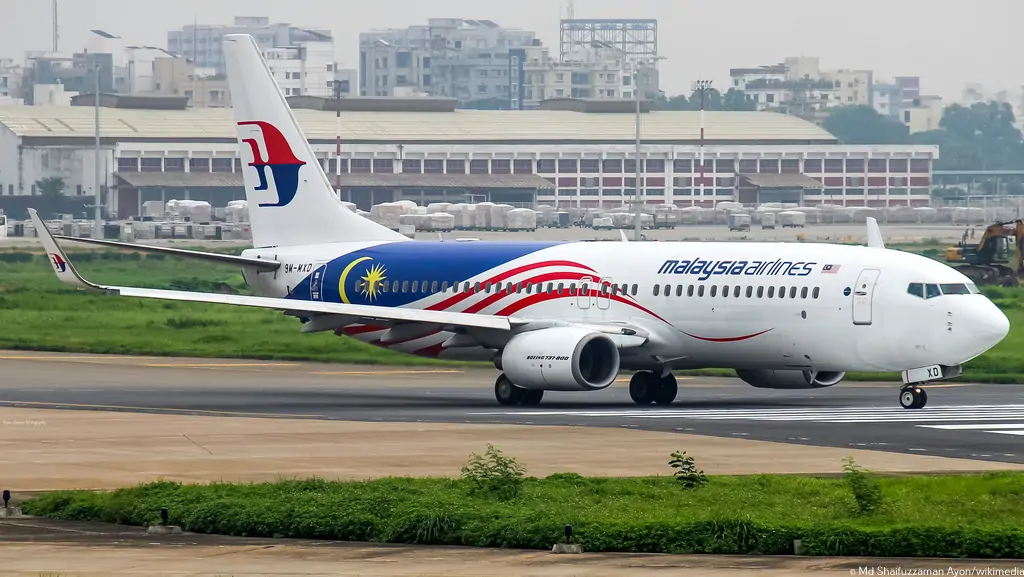
In the wake of the COVID-19 pandemic, airlines around the world have faced unprecedented challenges. The aviation industry took a severe hit, with travel restrictions and reduced passenger demand leading to a significant decline in air travel. As airlines gradually recover, it becomes clear that their commercial development plans may not align with those of the pre-pandemic era. A notable example of this is Malaysia Airlines, which has strategically increased its capacity to India, a market that has shown exceptional demand, surpassing even its top markets such as Australia and China.
Impact of the Pandemic on Airlines' Commercial Development Plans
The pandemic brought international travel to a standstill, causing airlines to face financial crises and operational challenges. As a result, many carriers had to reassess their commercial development plans to align with the evolving travel landscape. The recovery period offers an opportunity to realign priorities and explore new markets.
The Unique Case of Malaysia Airlines
Pre-Pandemic Commercial Development Plan
Before the pandemic, Malaysia Airlines had a diverse range of top markets, including Australia and China. These countries played a crucial role in the airline's network and revenue generation. However, the disruptions caused by the pandemic prompted Malaysia Airlines to reevaluate its market priorities.
Shift in Focus Towards India
One of the significant changes in Malaysia Airlines' commercial development plan is the increased focus on India. The carrier recognized the potential of the Indian market and strategically expanded its capacity to cater to the rising demand. Today, India has become Malaysia Airlines' top market, surpassing other traditionally strong markets.
Malaysia Airlines currently operates 55 weekly flights to six destinations in India. According to Lau, the objective is to increase it to 60 flights in response to increased demand from the country. The airline currently serves six Indian destinations: Delhi, Mumbai, Bengaluru, Hyderabad, Kochi, and Chennai, with aspirations to expand to more South Indian cities such as Trivandrum and Trichy.
Factors Contributing to the Increased Demand in India
Economic Growth and Rising Middle Class
India's economic growth and the expansion of its middle class have contributed to increased air travel demand. With a burgeoning population and a growing appetite for international travel, Indians have become an attractive market for airlines seeking to expand their operations.
Strengthened Bilateral Relations
The strengthening of bilateral relations between Malaysia and India has fostered closer ties and facilitated business and leisure travel between the two nations. This has created opportunities for Malaysia Airlines to tap into the demand for flights connecting major cities in both countries.
Enhanced Connectivity
Improved air connectivity, including the introduction of direct flights and increased frequency of flights between Malaysia and India, has further fueled demand. Passengers now have more options and flexibility, making travel between the two countries more convenient than ever before.
Comparison With Other Top Markets
While India has emerged as Malaysia Airlines' top market, it is essential to compare its growth with other significant markets such as Australia and China. Despite the increased capacity to India, Malaysia Airlines continues to serve these markets, albeit with different levels of emphasis. The shift in focus towards India does not imply neglecting other markets but rather leveraging the specific demand dynamics.
Future Implications and Opportunities
The strategic decision of Malaysia Airlines to prioritize the Indian market demonstrates the airline's ability to adapt and respond to changing market conditions. This move not only positions the carrier for growth but also opens up new opportunities for collaboration and partnerships between Malaysia and India. The airline industry is witnessing a transformation, and Malaysia Airlines' approach serves as a valuable case study for other carriers looking to redefine their commercial strategies in a post-pandemic world.
Conclusion
The recovery of airlines from the pandemic has necessitated a revaluation of their commercial development plans. Malaysia Airlines' increased focus on the Indian market showcases the flexibility and adaptability of airlines in response to changing market dynamics. By capitalizing on the growing demand from India, Malaysia Airlines has been able to establish itself as a leading carrier in this market.
With Inputs from Financial Express
Read next
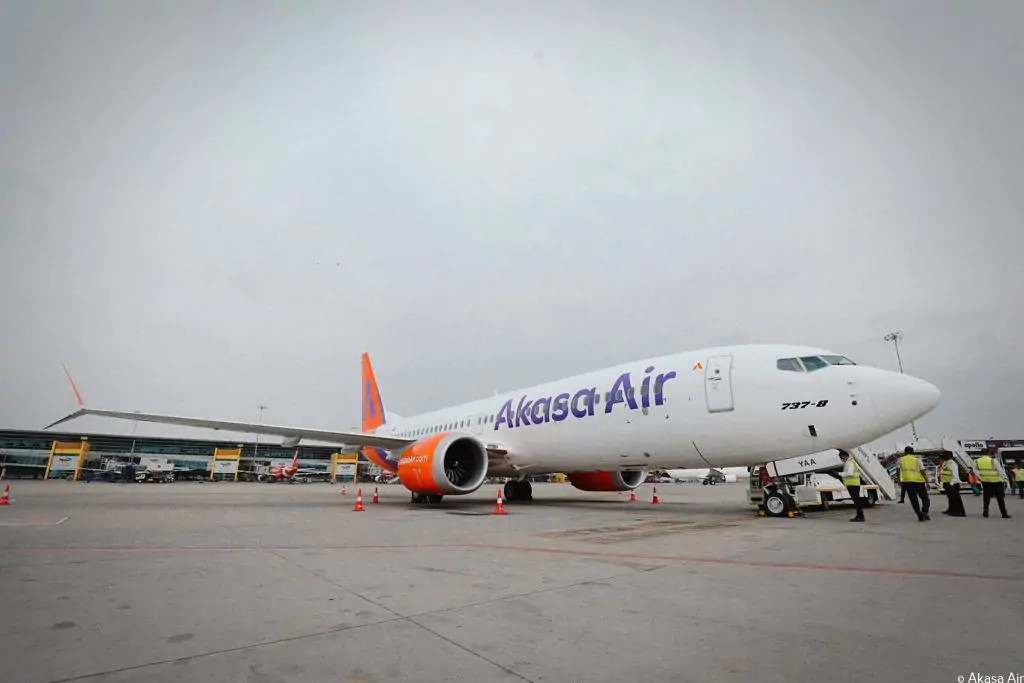
In a dynamic aviation market like India, Akasa Air has emerged as a rising star. With a vision to provide affordable and convenient air travel options, the airline has quickly gained traction since its inception.
Akasa Air's Growth Strategy
To meet the escalating demands of air travel, Akasa Air has devised a comprehensive growth strategy. The airline recognizes that to expand its services and cater to a broader customer base, it needs to strengthen its workforce. By recruiting 800 additional employees by the end of the fiscal year, Akasa Air aims to build a dedicated team capable of managing its growing operations effectively.
Akasa, which translates to "sky," employs over 3,000 people and controls 4.9% of India's aviation market, which is highly competitive and has seen numerous airlines collapse. Former tycoon Vijay Mallya's Kingfisher Airlines Ltd. and Jet Airways India Ltd. are among the companies buried there. Go Airlines India Ltd. is now grounded due to insolvency, while SpiceJet Ltd. is also under pressure following a string of losses.
Expanding the Workforce
Akasa Air's ambitious plan to hire 800 new employees is a significant step towards its expansion goals. The airline will be recruiting professionals from various fields, including pilots, cabin crew, ground staff, and maintenance personnel. This expansion will not only enhance the airline's operational capacity but also create new job opportunities, contributing to the economic growth of the country.
Akasa Air's Unique Selling Proposition
As a low-cost airline, Akasa Air distinguishes itself from its competitors in several ways. The airline focuses on delivering affordable travel options without compromising on quality or customer experience. By providing a single-class arrangement, Akasa Air ensures simplicity and cost-efficiency for its passengers.
Focus on Low-Cost Travel
Akasa Air's commitment to low-cost travel is a testament to its customer-centric approach. By optimizing its operations and minimizing unnecessary expenses, the airline offers competitive ticket prices. This strategy makes air travel accessible to a wider range of passengers, encouraging more people to explore the convenience of flying.
Route Expansion Plans
Akasa Air's route network covers a vast array of destinations within and outside India. The airline's focus on connecting South Asia, particularly the Middle East, Southeast Asia, Sri Lanka, Nepal, and Bangladesh, underscores its determination to cater to the region's travel needs. By expanding its international routes, Akasa Air aims to facilitate seamless travel for both business and leisure passengers.
Captivating Passengers with Excellent Service
While affordability is a key aspect of Akasa Air's appeal, the airline also emphasizes delivering exceptional service to its passengers. With well-trained cabin crew and ground staff, Akasa Air strives to create a pleasant and comfortable travel experience. From boarding to disembarking, the airline prioritizes customer satisfaction, ensuring that each passenger feels valued and well-cared-for.
Ensuring Safety and Reliability
Safety is of paramount importance in the aviation industry, and Akasa Air is committed to upholding the highest standards. The airline adheres to rigorous maintenance protocols and invests in cutting-edge technology to ensure the safety and reliability of its aircraft. By prioritizing safety, Akasa Air instils confidence in its passengers, making air travel a secure and dependable choice.
Sustainable Practices and Future Initiatives
Akasa Air recognizes the importance of sustainability and environmental responsibility. As the airline expands its operations, it aims to incorporate sustainable practices into its business model. From fuel-efficient aircraft to waste management strategies, Akasa Air is actively exploring ways to minimize its ecological footprint. By embracing sustainability, the airline demonstrates its dedication to a greener future for the aviation industry.
Conclusion
Akasa Air's rapid growth in the Indian aviation market has positioned it as a significant player. By envisioning expansion into international operations and bolstering its workforce, the airline is poised to reach new heights. With a focus on low-cost travel, exceptional service, and sustainability, Akasa Air continues to captivate passengers while prioritizing their needs. As the airline embarks on its ambitious journey, it seeks to redefine the flying experience and establish itself as a symbol of affordable and reliable air travel.
With Inputs from Bloomberg
Comment