
Turkish Airlines Outbids European Giants to Capture Quarter Stake in Spain's Air Europa

Abhishek Nayar
07 Nov 2025

Turkish Airlines has executed a strategic investment that reshapes European aviation dynamics. The carrier finalized an agreement to acquire approximately one-quarter ownership of Air Europa, marking one of the rare instances where a non-European airline has secured equity in a continental carrier.
The Financial Architecture Behind the Acquisition
The Istanbul-based carrier committed 300 million euros ($355 million) through convertible debt instruments. This financial structure will transform into an equity position representing between 25% and 27% of Air Europa once the conversion completes. The transaction framework, which both airlines originally negotiated in August, establishes Air Europa's total valuation at approximately 1.2 billion euros ($1.4 billion).
Complex Ownership Structure Emerges
The deal creates an intricate ownership landscape for the Madrid-based airline. Spain's Hidalgo family maintains majority control through their holding company Globalia, even as they orchestrate this partial divestment. International Airlines Group, the parent organization of British Airways, preserves its existing 20% stake by purchasing shares directly from Globalia rather than participating in the new capital injection. Turkish Airlines executives have explicitly stated they harbor no intentions to expand their ownership percentage beyond this initial acquisition.
Turkish Carrier Outmaneuvers European Competitors

Turkish Airlines emerged victorious in a competitive bidding process that attracted significant European aviation giants. The carrier successfully outbid both Lufthansa and Air France-KLM to secure the partnership with the Hidalgo family. This victory demonstrates Turkish Airlines' aggressive expansion strategy and its determination to establish deeper connections within European aviation markets.
Regulatory Timeline and Market Consolidation Context
The transaction awaits regulatory clearance from relevant aviation authorities, a process both airlines anticipate will require six to twelve months before completion. This investment reflects broader industry trends as European aviation undergoes consolidation. Airlines across the continent actively pursue acquisitions of smaller, financially challenged operators to strengthen their market positions in Europe's historically fragmented aviation landscape.
Air Europa Achieves Financial Milestone
Air Europa announced significant financial progress coinciding with the partnership revelation. The carrier repaid nearly 500 million euros borrowed from SEPI, Spain's state-owned industrial holding company, completing this obligation one full year ahead of the contractually mandated schedule. This early repayment demonstrates improved financial health and positions the airline favorably as it enters this new ownership arrangement.
The partnership between Turkish Airlines and Air Europa represents a pivotal moment in cross-continental aviation collaboration, potentially establishing precedents for future non-European investments in European carriers as the industry continues restructuring to address operational challenges and market fragmentation.
With Inputs from Reuters
Read next

Pilots flying over India's capital have confronted an alarming phenomenon this past week. Aircraft navigating Delhi's airspace have encountered severe GPS spoofing that floods their cockpit systems with fabricated navigation data, creating phantom obstacles and distorting their actual positions in the sky.
The Crisis Unfolds Over Delhi
The disruption has manifested within a sixty-nautical-mile radius surrounding Delhi throughout the previous week, air traffic controllers have confirmed. One pilot from a major airline revealed he faced GPS interference on every single flight he operated across six consecutive days last week. During his approach to Delhi airport, his navigation systems suddenly screamed warnings about terrain obstacles directly ahead, though the sky remained completely clear. Other crews received identical false alerts while departing the airport, causing delays at one of Asia's busiest aviation hubs.
Government Scrambles to Address the Threat
The Directorate General of Civil Aviation has seized control of investigating these incidents. Ministry of Civil Aviation Secretary S K Sinha convened an urgent meeting with DGCA Director General Faiz Kidwai on Thursday evening to address the crisis. A senior government official acknowledged authorities were actively probing the matter, though the source of the interference remains undetermined.
Air traffic controllers have resorted to manual interventions, directly guiding pilots through voice communication when their automated systems fail. Sources within air traffic control emphasized that while GPS spoofing commonly plagues India's border regions with Pakistan, such aggressive interference over Delhi represents an unprecedented development. No military exercises had been announced in the vicinity that would explain the disruptions, leaving authorities puzzled about the origin.
Understanding the Invisible Attack
Spoofing operates as a cyberattack that broadcasts counterfeit GPS signals designed to deceive navigation systems. Both the International Air Transport Association and the International Civil Aviation Organization have issued stark warnings that these disruptions represent a mounting threat to global aviation safety. Between 2021 and 2024, reported GPS signal loss incidents surged by 220 percent worldwide, with hotspots concentrated in western Russia, northern Iraq, and along India's borders with Pakistan and Myanmar.
The Indian government disclosed to Parliament in March 2025 that 465 GPS interference and spoofing incidents had struck border regions between November 2023 and February 2025, averaging one event daily. Most concentrated around Amritsar and Jammu areas.
Safety Systems Provide Protection
Despite the concerning nature of these attacks, aircraft remain protected through multiple backup systems. The Inertial Reference System continues functioning for up to five hours even when primary navigation fails, providing redundant safety layers. Pilots receive immediate alerts about GPS compromises through dedicated cockpit warnings, degraded performance indicators, and coordination with air traffic control.
The DGCA issued an advisory in November 2023 requiring airlines to establish standard operating procedures and submit bimonthly reports tracking spoofing incidents. In June, IATA and the European Union Aviation Safety Agency jointly published recommendations calling for enhanced reporting protocols, stricter controls on jamming devices, rapid GPS recovery systems, improved contingency procedures, and strengthened civil-military coordination to combat this growing aviation challenge.
With Inputs from The Hindu
Read next

IndiGo has signaled that its operational expenses will climb following the aviation regulator's implementation of stricter flight duty time limitations for pilots, with the second phase of these rules now in effect since November 1.
Financial Impact of Regulatory Changes
The airline's Chief Financial Officer Gaurav M Negi addressed analysts during the September quarter earnings call, outlining how multiple operational challenges will pressure the carrier's cost structure. Negi explained that the airline faces mounting expenses from three primary sources: grounded aircraft, temporary plane leasing arrangements, and the newly implemented Flight Duty Time Limitation norms. He acknowledged that despite the regulator softening its initial proposal, the revised rules still carry meaningful financial implications for the airline's operations.
Two-Phase Implementation Timeline
The Directorate General of Civil Aviation rolled out the new FDTL norms through a staggered approach. The watchdog activated the first batch of regulations on July 1, while the second set became operational on November 1. The regulator originally planned to implement all twenty-two proposed clauses in June 2024 but revised this timeline after industry feedback. The DGCA ultimately brought fifteen clauses into force during the July phase, reserving the remaining provisions for the November rollout.
Regulator Adjusts Night Landing Requirements
The civil aviation authority modified its stance on night operations in the second phase, permitting pilots to conduct more nighttime landings than the original framework allowed. This adjustment emerged after the DGCA submitted an affidavit to the Delhi High Court earlier this year, explaining its phased implementation strategy. However, pilot associations have voiced strong opposition to this relaxation, raising concerns about crew fatigue despite the additional rest time provisions embedded in the Civil Aviation Requirement 2024.
Grounded Fleet Compounds Cost Pressures
Negi highlighted that IndiGo's Aircraft On Ground situation presents another significant cost challenge. The airline currently keeps more than forty planes grounded, with this figure expected to remain elevated through year-end. IndiGo CEO Pieter Elbers expressed dissatisfaction with these groundings during a virtual media interaction on Tuesday, attributing the issue to persistent problems with Pratt & Whitney engines. Elbers offered a silver lining, noting that each passing day reduces the proportion of affected engines within IndiGo's total fleet.
Capacity Expansion Strategy
The carrier has turned to damp leasing arrangements to bolster its capacity while managing its grounded fleet. This approach involves leasing aircraft along with their crews, which Negi identified as another upward cost driver. IndiGo operates approximately 2,300 daily flights as India's dominant airline, making operational efficiency critical to its market position. The CFO maintained an optimistic outlook, projecting that stable or improving ticket yields will help counterbalance these escalating operational expenses.
Read next
Will Indian Pilots Finally Get the Rest They Need, or Will Airlines Keep Them Flying?
Abhishek Nayar
05 Nov 2025

The Association of Air Line Pilots (ALPA) India has raised serious concerns about aviation safety in the country, directing a pointed appeal to the Directorate General of Civil Aviation (DGCA) on Tuesday. The pilots' association demands that the regulator implement new flight duty time and rest period norms completely, without granting exceptions that could compromise pilot safety and passenger security.
Airlines' Commercial Interests Overshadowing Safety Concerns
ALPA India has accused the aviation regulator of prioritizing certain operators' commercial interests over its fundamental responsibility to ensure flight safety. The association argues that selective relaxations in implementing the revised Civil Aviation Requirement (CAR) 2024 undermine the DGCA's primary mandate. These dispensations and deferments have been granted without conducting meaningful consultations with pilots, who bear the direct burden of fatigue-related risks and understand the safety implications better than anyone else.
The Journey of Flight Duty Time Limitations Reform
The DGCA introduced revised Flight Duty Time Limitations (FDTL) in 2024 to provide pilots with increased rest periods between flights. Airlines initially opposed these regulations despite growing evidence about pilot fatigue affecting flight safety. The aviation industry had planned to implement the new norms starting June 1, 2024, but the timeline has since undergone multiple revisions.
Implementation Gets Delayed Through Court Proceedings
The implementation strategy took a dramatic turn when the DGCA appeared before the Delhi High Court earlier this year. In its affidavit, the regulator announced that the new FDTL norms would roll out in phases rather than all at once. This decision came after the Indian Commercial Pilots Association, Indian Pilots Guild, and Federation of Indian Pilots filed petitions before the court challenging aspects of the revised regulations. The court proceedings forced the DGCA to reconsider its implementation approach.
Partial Implementation Leaves Key Protections Pending
The regulator divided the 22 proposed clauses into two implementation phases. Fifteen clauses took effect on July 1 this year, providing some relief to pilots. However, seven crucial clauses remain pending, including a significant change that reduces night landings from six to two under the new norms. These remaining provisions were scheduled to become effective from November 1, but pilots now fear further delays or exemptions could weaken these critical safety measures.
Pilots Demand Complete Implementation Without Compromise
ALPA India insists that fragmentary implementation and selective exemptions defeat the purpose of the safety reforms. The association emphasizes that pilots directly experience the physical and mental toll of inadequate rest periods, making their input essential for crafting effective regulations. By bypassing consultations with these frontline aviation professionals, the DGCA risks implementing regulations that may look comprehensive on paper but fail to address real-world safety challenges that exhausted pilots face during critical flight operations.
Read next
Azul Airlines Breaks Through Financial Turbulence With Major Creditor Deal
Abhishek Nayar
03 Nov 2025

Brazilian carrier Azul has secured a pivotal settlement with its unsecured creditors, marking a decisive breakthrough in its financial rehabilitation efforts following its Chapter 11 bankruptcy filing this past May. The airline announced this development on Saturday, signaling progress in its quest to restore financial stability.
The Settlement's Strategic Importance
The agreement with unsecured creditors establishes a concrete framework for Azul's financial recovery. The airline emphasized in its official statement that this settlement creates a transparent roadmap for navigating its Chapter 11 proceedings, removing significant uncertainty that had clouded its restructuring efforts. This development addresses one of the most complex aspects of bankruptcy reorganization, as unsecured creditors typically face the most challenging negotiations in such proceedings.
Regional Aviation Crisis Context
Azul's bankruptcy filing positioned the carrier as the most recent Latin American airline to seek court protection from creditors. The region's aviation industry has witnessed multiple carriers collapsing under severe financial pressure that originated during the COVID-19 pandemic. The pandemic devastated air travel demand across Latin America, forcing airlines to operate with drastically reduced revenues while maintaining substantial fixed costs. Many carriers in the region struggled to recover as passenger numbers remained depressed and operational expenses soared due to inflation and currency fluctuations.
Timeline for Emergence
The Brazilian airline has maintained its optimistic outlook regarding its exit from Chapter 11 protection. Company representatives previously stated their expectation to complete the bankruptcy proceedings and emerge as a restructured entity in early 2026. This timeline suggests Azul anticipates finalizing remaining negotiations with other stakeholder groups and obtaining court approval for its reorganization plan within the coming months.
Understanding Chapter 11 Protection
The Chapter 11 process allows companies to continue operating while restructuring their debts under court supervision. This legal mechanism provides breathing room for distressed companies to negotiate with creditors, reduce obligations, and develop sustainable business models. For airlines like Azul, this protection proves particularly valuable because it prevents individual creditors from seizing aircraft or other critical assets while the company works toward comprehensive solutions.
Broader Implications
Saturday's announcement demonstrates Azul's progress in addressing its financial challenges systematically. The settlement with unsecured creditors removes a major obstacle in the restructuring process, though the airline still faces additional steps before completing its transformation. The company must finalize agreements with other stakeholder groups and satisfy court requirements before emerging from bankruptcy protection. Nevertheless, this creditor settlement represents tangible momentum in Azul's efforts to rebuild its financial foundation and resume normal operations as a viable competitor in Brazil's aviation market.
With Inputs from Reuters
Read next
Can India Transform Itself into the Global Air Cargo Powerhouse the World Needs?
Abhishek Nayar
03 Nov 2025
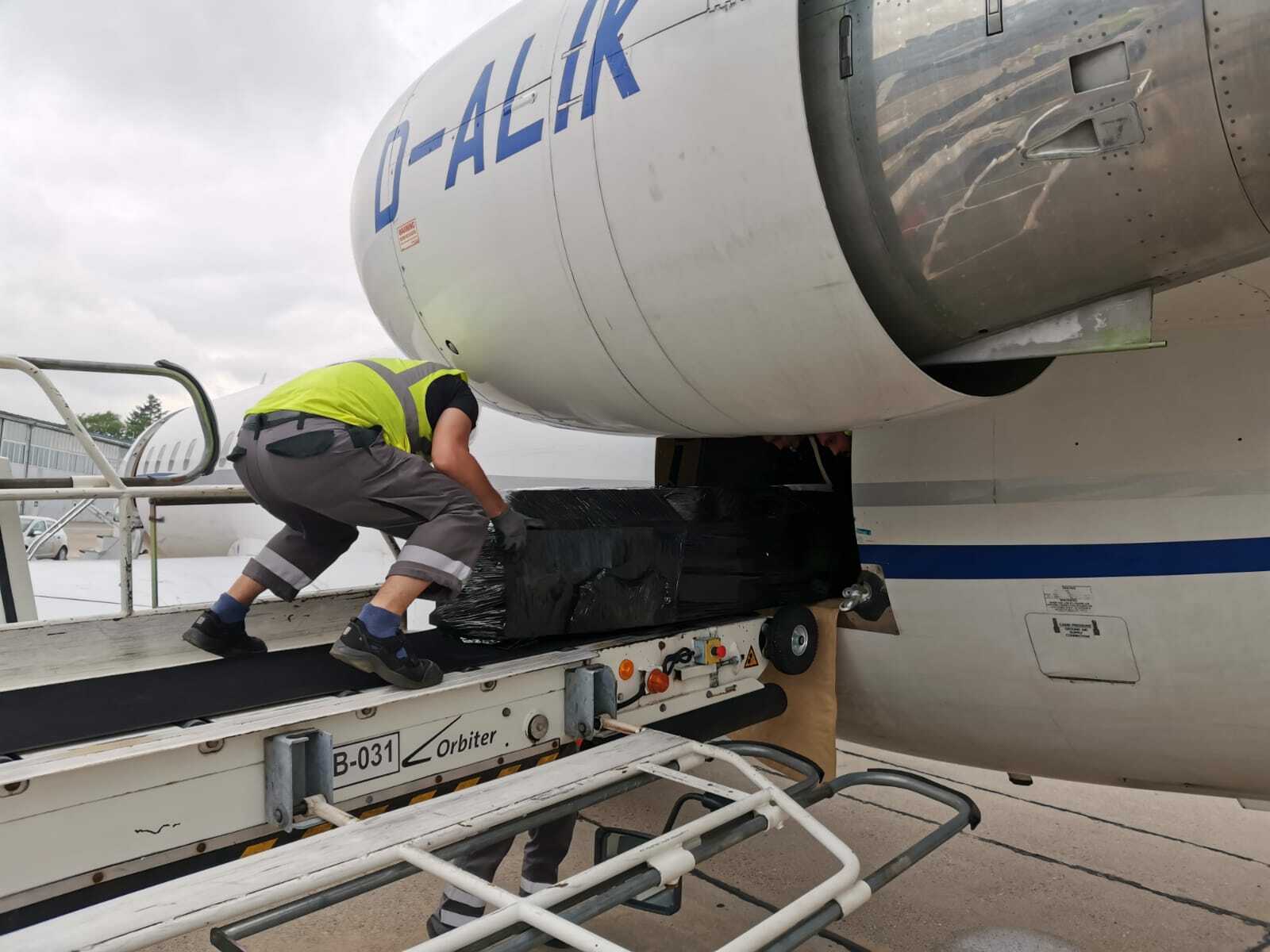
India stands at a critical juncture in its aviation history, positioning itself to capture a significant share of the global air cargo market. As the Chartered Institute of Logistics and Transport marks International Day of Supply Chain, Logistics and Transportation on November 3, industry leaders assess whether the nation possesses the ingredients necessary to emerge as the world's premier air cargo hub.
Regulatory Reforms Signal Shifting Priorities
The Bureau of Civil Aviation Security recently eliminated mandatory cargo re-screening requirements at transfer airports, streamlining operations across major transshipment centers including Mumbai, Delhi and Kolkata. This policy shift addresses long-standing bottlenecks that have hampered cargo movement efficiency. Jaideep Mirchandani, Group Chairman of Sky One, views this development as foundational to India's ambitious target of processing 10 million tonnes of cargo annually by 2030.
Mirchandani explains that reaching this milestone demands coordinated action across multiple dimensions. Policy reforms must advance in tandem with infrastructure expansion and digital transformation throughout the air cargo ecosystem. The success equation requires customs authorities, airports, airlines, shippers and freight forwarders to synchronize their operations, creating seamless cargo flows that meet international standards for speed and transparency.
Strategic Geography Meets Operational Ambition
India's geographical position offers inherent advantages that global hubs like Hong Kong and Dubai have long exploited. These established centers process massive transit cargo volumes, routing shipments across continents through their facilities. Mirchandani identifies transshipment development as a priority area where India can leverage its location between major trade corridors to capture regional cargo flows that currently bypass Indian airports.
Infrastructure Investment Accelerates Capacity Growth
Physical infrastructure expansion forms the backbone of India's cargo ambitions. Mirchandani highlights the newly inaugurated Navi Mumbai International Airport and the forthcoming Noida International Airport as transformative projects that will significantly expand national cargo handling capacity. These greenfield developments complement ongoing terminal expansions at existing airports, creating the physical foundation needed to accommodate projected volume increases.
Technology Reshapes Competitive Dynamics
Digital innovation emerges as a critical differentiator in modern cargo operations. Mirchandani emphasizes that blockchain, Internet of Things sensors and artificial intelligence can revolutionize process efficiency while reducing operational costs and enhancing transparency. India's booming e-commerce sector generates surging demand for reliable air cargo services, creating immediate opportunities for technology adoption that optimizes workflows and improves accuracy.
Balancing Growth with Sustainability
Mirchandani concludes that India must pursue a multidimensional strategy encompassing optimization, technological advancement, operational resilience, environmental stewardship and geographical advantage. Global cargo demand continues its rapid ascent, yet capacity limitations, cost structures and environmental imperatives create complex operational challenges. Smart capacity management, turnaround efficiency improvements, automation deployment and environmentally responsible practices will determine whether India realizes its potential. The question remains whether coordinated execution across public and private sectors can transform ambition into sustained competitive advantage in the global air cargo marketplace.
Comment