

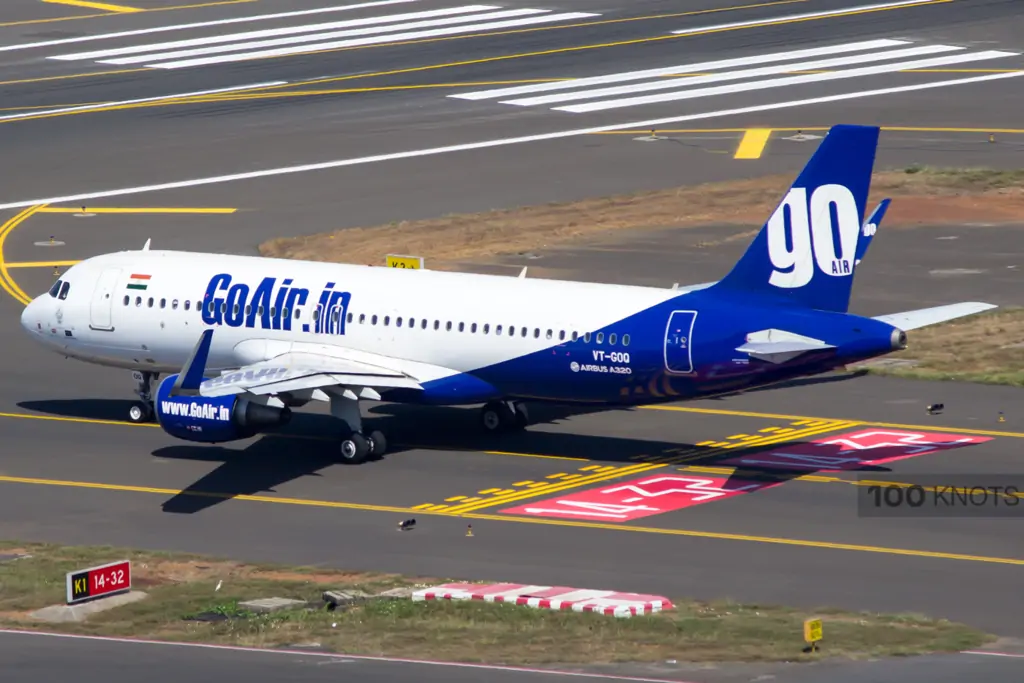
GoAir, once a prominent name in Indian aviation, finds itself in turbulent skies as it faces severe operational and financial challenges. Recently, the airline temporarily lost its airport slots and foreign bilateral rights to other major carriers like Air India and IndiGo, as reported by the Times of India (ToI). This move by the Civil Aviation Ministry aims to mitigate the impact on air passengers and ensure continuity in air travel services.
The Importance of Bilateral Air Services Agreements and Airport Slots
For airlines to operate international flights, countries must negotiate and sign a "bilateral air services agreement". These agreements determine the number of flights or seats permitted weekly between two countries. However, possessing flying rights alone is insufficient; airlines also require slots—specific dates and times for aircraft departures and arrivals—at both origin and destination airports. These slots are allocated by a committee comprising officials from the civil aviation ministry, the Directorate General of Civil Aviation (DGCA), airport operators, and airlines.
Redistribution of GoAir's Slots and Bilateral Rights
Following GoAir's bankruptcy, the Civil Aviation Ministry decided to redistribute the airline's slots and bilateral rights to help air passengers. Air India, Vistara, and IndiGo received a significant portion of GoAir's bilaterals, with Akasa Airlines also securing rights for destinations like Saudi Arabia, Kuwait, and Qatar. These reallocations have allowed other airlines to expand their international operations, providing relief to the industry and maintaining connectivity for passengers.
Rapid Expansion Plans of Other Airlines
The redistribution of slots and bilateral rights comes at a time when Tata Group's Air India and IndiGo are rapidly expanding their fleets, adding nearly one aircraft every week. AI Express and Akasa Airlines also plan to grow despite challenges posed by Boeing's issues with the B737 MAX aircraft, which both airlines have ordered. This expansion highlights the resilience and growth potential within the Indian aviation sector.
Financial Woes and Legal Battles
GoAir's financial troubles are deep-rooted, with the airline owing creditors over Rs 6,200 crore. Major creditors include Central Bank of India, Bank of Baroda, and IDBI Bank, with claims amounting to Rs 1,934 crore, Rs 1,744 crore, and Rs 75 crore, respectively. The airline is embroiled in a legal dispute with Pratt & Whitney (P&W) at the Singapore Court of Arbitration, seeking compensation of approximately Rs 8,000 crore. GoAir attributes its bankruptcy to P&W engine failures, which grounded many of its aircraft.
Strategic Withdrawal by EaseMyTrip
In a related development, Nishant Pitti, CEO of online travel company EaseMyTrip, announced the firm's decision to withdraw its bid for GoAir. The company intends to focus on its core areas of strength rather than diversifying into the troubled airline sector. Pitti emphasized their commitment to leveraging expertise and resources to achieve sustainable growth and success in their primary business domain.
Conclusion
The redistribution of GoAir's slots and bilateral rights marks a significant shift in the Indian aviation landscape. While it alleviates some challenges faced by passengers, it underscores the airline's ongoing financial and operational struggles. As Air India, IndiGo, and other carriers continue to expand, the future of GoAir remains uncertain, entangled in legal battles and mounting debts. The aviation industry, passengers, and stakeholders will keenly watch how these developments unfold.

Read next

In a significant legal development, the division bench of the Delhi High Court has directed SpiceJet Ltd, a prominent low-cost carrier in India, to return two Boeing aircraft and three aircraft engines to its lessor, TWC Aviation Capital. This ruling comes after the airline failed to pay dues amounting to $14 million, as determined by a UK court. The High Court's decision underscores the severe financial challenges facing SpiceJet and raises questions about the airline's future operations.
Background
The legal tussle between SpiceJet and TWC Aviation Capital began when the latter leased aircraft and engines to the airline in 2019 for a term of 12 months, with a basic rent of $180,000 per month. As SpiceJet failed to meet its lease payment obligations, TWC sought legal recourse from the High Court of Justice in England and Wales, which ruled in favor of the lessor. Subsequently, TWC approached the Delhi High Court to enforce the UK court's order.
Interim Orders and Division Bench's Ruling
On May 15, a single judge of the Delhi High Court issued an interim order directing SpiceJet to return the aircraft and engines to TWC by May 28. The airline appealed against this order, but the division bench comprising Justices Rajiv Shakdher and Amit Bansal dismissed the appeal on Monday, granting SpiceJet time until June 17 to comply with the order.
Arguments Presented
SpiceJet's Position
Senior counsel Amit Sibal, representing SpiceJet, argued that the Delhi High Court lacked jurisdiction to adjudicate the matter, suggesting that the issue of jurisdiction would be contested before the single judge. Sibal also highlighted the airline's precarious financial situation, proposing to pay $500,000 per week for the next five weeks as an alternative to immediate compliance. He emphasized the operational challenges posed by the removal of the engines, which constitute 7.5% of SpiceJet's fleet.
TWC's Position
Senior counsel Dayan Krishnan, representing TWC, underscored the lessor's favorable ruling from the UK court and criticized SpiceJet for non-compliance. Krishnan pointed out that SpiceJet had not only failed to pay the lease dues but had also cannibalized the leased aircraft and engines for parts to service other planes.
Court's Observations
During the hearing, Justice Shakdher noted that SpiceJet's outstanding dues amounted to Rs 120 crore. He expressed concern over the airline's practice of detaching engines from leased aircraft, which raised questions about compliance and operational integrity.
Implications for SpiceJet
The Delhi High Court's ruling places significant pressure on SpiceJet to settle its dues and return the leased assets, which could impact its operational capacity. The airline, already struggling to maintain its fleet, faces additional challenges in replacing the engines without disrupting its services.
Conclusion
The ongoing legal battle between SpiceJet and TWC Aviation Capital highlights the financial strains on the airline and the broader implications for its operations. As the June 17 deadline approaches, all eyes will be on SpiceJet's next steps and its ability to navigate these turbulent times. The resolution of this dispute will be crucial for the airline's future, as it strives to maintain its position in the competitive aviation market.
With Inputs from Economic Times
Read next


Cyclone Remal, a formidable tropical cyclone that recently swept through the Indian Ocean, has caused significant disruptions to air travel across several countries in its path. This article provides a detailed account of the impact on flight operations, the response from airlines and airports, and advice for affected travellers. As per reports, over 400 flights were suspended at Kolkata airport alone. Absolute numbers are still awaited and can only be confirmed by the airline operators.
Impact on Flight Operations
Cyclone Remal, with its powerful winds and torrential rains, has led to widespread cancellations and delays of flights. The most affected regions include coastal cities in India, Sri Lanka, the Maldives, and parts of Southeast Asia. Airports in major cities like Chennai, Colombo, and Malé have seen the most significant disruptions. Key impacts include:
Cancellations and Delays: Hundreds of flights have been cancelled or delayed as a safety precaution. Both domestic and international flights have been affected, with airlines prioritizing the safety of passengers and crew.
Diversions: Several flights enroute to affected areas have been diverted to alternative airports. For instance, flights destined for Chennai have been rerouted to Bengaluru or Hyderabad.
Grounded Aircraft: To prevent damage from strong winds and heavy rains, many aircraft have been grounded. Airports have taken measures to secure parked planes and ensure they are not at risk from the cyclone's impact.

Airlines’ Response
Airlines have taken proactive measures to minimize the inconvenience caused to passengers. Key responses include:
Waivers and Refunds: Many airlines have issued travel waivers, allowing passengers to change their travel dates without incurring additional fees. Full refunds are being offered for cancelled flights, providing some relief to affected travellers.
Communication and Support: Airlines have ramped up their customer support services, providing regular updates via social media, email, and SMS. Dedicated helplines have been set up to assist passengers with rebooking and other queries.
Additional Flights: In the aftermath of the cyclone, airlines are planning to schedule additional flights to accommodate stranded passengers and clear the backlog of travelers.
Airport Measures
Airports in the cyclone-affected regions have implemented several measures to ensure the safety and comfort of passengers:
Emergency Protocols: Enhanced emergency protocols have been activated, including the deployment of additional security and support staff to manage crowds and provide assistance.
Facilities and Amenities: Airports have kept essential services like food and beverage outlets, lounges, and medical facilities operational round-the-clock. Temporary accommodations have been arranged for passengers unable to leave the airport.
Infrastructure Safety: Efforts have been made to protect airport infrastructure from the cyclone's effects, including securing signage, reinforcing structures, and ensuring backup power supplies.
Advice for Affected Travellers
Travelers impacted by Cyclone Remal are advised to take the following steps:
Check Flight Status: Regularly monitor the status of your flight through airline websites, apps, or customer service channels. Expect changes and stay informed about the latest updates.
Flexible Travel Plans: Be prepared for changes to your travel itinerary. Consider flexible booking options and stay in touch with your airline for the latest information on rescheduled flights.
Stay Safe: Prioritize safety. If you are in a cyclone-affected area, follow local authorities' advice and take necessary precautions to protect yourself and your belongings.
Plan Ahead: For future travel, consider purchasing travel insurance that covers weather-related disruptions. This can provide additional security and financial protection.
Cyclone Remal has undeniably caused significant disruptions to air travel in the Indian Ocean region, impacting thousands of travellers. Airlines and airports have responded with measures to ensure safety and minimize inconvenience. Passengers are urged to stay informed and flexible in their travel plans, prioritizing safety above all. As the region recovers, efforts will continue to restore normal flight operations and assist those affected by this natural disaster.
Read next

The U.S. Transportation Security Administration (TSA) recently reported a historic milestone: screening 2.95 million airline passengers on a single day, Friday of Memorial Day weekend. This record-setting number signifies the beginning of what is anticipated to be a bustling summer travel season in the United States.
Surge in Airline Passengers Forecasted
Coinciding with Memorial Day, traditionally the start of the summer travel season, the record-breaking day aligns with predictions from Airlines for America, a group representing major U.S. airlines. They have forecasted a record summer travel season, with airlines expected to transport 271 million passengers, marking a 6.3% increase from the previous year.
Breaking Records Amid High Demand
The previous record of nearly 2.91 million passengers screened in a single day, set in November, was surpassed by the recent surge in travelers. Notably, five of the ten busiest travel days ever recorded have occurred since May 16 of this year, highlighting the increasing demand for air travel.
Airlines Ramp Up Operations
In response to the anticipated demand, U.S. carriers are gearing up to accommodate the influx of passengers. Airlines for America reported that U.S. carriers plan to operate over 26,000 daily flights this summer, an increase of nearly 1,400 flights compared to 2023. This expansion translates to a 5.6% increase in daily flights over last year's summer season, during which 255 million passengers were transported.
American Airlines

American Airlines is ramping up its operations significantly, with a 10% increase in flights this summer. The airline expects to carry nearly 3.9 million passengers on 36,000 flights over the May 23-May 28 Memorial Day travel period alone.
United Airlines

United Airlines is also forecasting record numbers, expecting to handle 3 million travelers during the Memorial Day period, an almost 10% increase from previous years, marking its highest number of travelers ever during this period.
Delta Air Lines

Delta Air Lines anticipates a 5% increase in customers during the Memorial Day weekend, with nearly 3 million passengers expected between May 23-27.
Challenges Amid Growth: FAA Staffing Shortages
Despite the optimistic outlook for summer travel, the Federal Aviation Administration (FAA) continues to grapple with a persistent shortage of air traffic controllers. This shortage has prompted some airlines to voluntarily reduce flights to New York last summer to mitigate congestion issues.
Extended Flight Requirements Cuts at NYC Airports
In response to staffing issues, the FAA extended cuts to minimum flight requirements at New York City-area airports through October. This extension is crucial, as airlines face the risk of losing their takeoff and landing slots at congested airports if they do not use them sufficiently. Major airlines have recently requested these cuts be extended further through October 2025 to better manage the congestion and staffing challenges.
Conclusion
The Memorial Day weekend has set a precedent for what is expected to be a record-breaking summer travel season in the U.S. As airlines increase their operations to meet the rising demand, ongoing challenges such as air traffic controller shortages continue to impact the industry. The unprecedented surge in travelers underscores the public's eagerness to return to the skies, promising an eventful summer for air travel.
With Inputs from Reuters
Read next
In a surprising turn of events, the promoters of EaseMyTrip, Nishant Pitti, and SpiceJet's Ajay Singh, have decided to withdraw their bid to acquire the bankrupt airline Go First. Pitti announced his decision on Saturday, emphasizing his intention to focus on other strategic priorities that align with EaseMyTrip's long-term vision. "After careful consideration, I have decided to withdraw from the GoAir bid in my personal capacity," Pitti stated. Ajay Singh has also opted out, according to sources familiar with the matter.
Impact on Go First's Revival
The withdrawal of the Singh-Pitti consortium, which had emerged as frontrunners with a bid of approximately ?1,600 crore, leaves Go First's future in a precarious position. This exit has cast significant doubt over the revival of the airline, which has been grounded since last year. The only remaining bid is from Sharjah-based Sky One, leaving Go First's stakeholders uncertain about the airline's future.
Legal and Financial Complications
Go First, previously owned by the Wadia Group, is currently entangled in a legal battle with Pratt & Whitney at the Singapore Court of Arbitration. The airline claims around ?8,000 crore in compensation, blaming its bankruptcy on the failure of P&W engines, which allegedly led to the grounding of many aircraft.
Despite several discussions, lenders and potential bidders have struggled to agree on a valuation for the bankrupt airline. This stalemate increases the likelihood of liquidation over revival. A recent Delhi High Court order allowing lessors to repossess their aircraft has further dented hopes of reviving Go First.
Bidder Concerns and Challenges
One significant concern for the bidders is the lack of detailed data on Go First's employees, complicating the due diligence process. Additionally, the repossession of aircraft by lessors adds uncertainty regarding access to the airline's airport slots and international flying rights. These slots, crucial for operations, are at risk of lapsing due to Go First's prolonged inactivity over consecutive summer and winter schedules.
"The bidders are quoting a price far below the expectations of the creditors' committee," a source revealed. The committee believes that pursuing legal action independently might yield a better financial outcome than accepting the current bids.
Strategic Shift for EaseMyTrip
Despite the setback, EaseMyTrip remains committed to delivering exceptional value and service, as emphasized by Pitti. The company has written off around ?54 crore in dues recoverable from Go First, indicating a strategic shift in focus. Pitti reiterated the company's dedication to navigating new opportunities and challenges, stating, "Our commitment to delivering exceptional value and service remains unwavering."
Conclusion
The withdrawal of the Singh-Pitti consortium places Go First in a critical situation, with its revival prospects dimming. As the airline grapples with legal battles, financial woes, and operational uncertainties, the aviation industry watches closely to see if Sky One's bid will provide a lifeline or if liquidation will become the inevitable outcome.
Read next

Ryanair Holdings remains confident in its long-term growth plans despite facing significant challenges due to delays in Boeing 737-8-200 deliveries. With ambitious plans for fleet expansion and passenger growth, the low-cost carrier (LCC) is adapting its strategies to ensure sustained performance while anticipating the arrival of the highly anticipated Boeing 737-10 aircraft in 2027.
Ryanair's Fleet Expansion and Challenges
Boeing 737-10 on Track for 2027

Ryanair is optimistic about receiving its first Boeing 737-10 in the first half of 2027. According to Chief Financial Officer Neil Sorahan, the certification process for the 737-10 is expected to be completed in the first half of 2025, following the certification of the 737-7 in late 2024 or early 2025. This timeline aligns with the expected deployment of the aircraft by US launch customers next year, positioning Ryanair to integrate the new jets into its fleet by spring 2027.
Order and Certification Delays
Ryanair has placed a firm order for 150 Boeing 737-10 aircraft, with options for an additional 150, making it the second-largest customer for the type globally. Despite the significant delays in certification, which have caused other carriers like United Airlines to express concerns, Ryanair remains committed to its order. The airline has even indicated its willingness to take over any delivery slots relinquished by other operators.
Current Capacity Challenges
Boeing 737-8-200 Delays

Ryanair's capacity growth plans have been hindered by production delays affecting the Boeing 737-8-200 variant. The airline currently operates 150 of these aircraft across its various AOCs, including Ryanair, Buzz (Poland), and Malta Air. However, it is facing a shortfall in deliveries, with only 158 expected by the end of July—23 fewer than contracted. The airline anticipates having 181 of the type by the end of November and aims to complete the remaining 29 deliveries by April 2025.
Lease Extensions for Airbus A320-200s

To mitigate the impact of these delays, Ryanair has extended the operating leases for three Airbus A320-200s in its Lauda Europe fleet. Originally set to expire during the winter of 2024/25, these leases have now been extended to 2028. Lauda Europe, Ryanair’s sole Airbus operator, currently manages a fleet of 27 A320-200s.
Financial Performance and Future Outlook
Passenger Growth and Financial Results
Despite the challenges, Ryanair expects its annual passenger throughput to grow by 8% to reach 198-200 million in the fiscal year from April 2024 to March 2025. This optimism is backed by a robust financial performance, with the airline posting a net profit of EUR 1.92 billion (USD 2.1 billion) for the 2024 fiscal year.
Compensation and Share Buyback
Ryanair anticipates "modest" compensation from Boeing for the delivery delays, although the exact terms remain confidential. In a strategic move to bolster shareholder value, the airline has announced a EUR 700 million (USD 760 million) share buyback program. Additionally, Ryanair is gradually increasing its EU ownership, which currently stands at 48%. Once it surpasses the 50% threshold, the airline plans to restore voting rights to all shareholders, including non-EU shareholders, ensuring compliance with EU ownership and control regulations.
Conclusion
Ryanair’s proactive measures to address delivery delays and extend leases underscore its commitment to maintaining capacity and growth. As it navigates these challenges, the airline remains poised for future expansion, bolstered by its firm orders for new aircraft and strategic financial initiatives. With a clear focus on long-term growth and resilience, Ryanair is well-positioned to continue its trajectory as one of the leading low-cost carriers in Europe.
With Inputs from ch-aviation
Comment