
Spirit and Frontier: Could Third Time Be the Charm for Ultra-Low-Cost Merger?

Abhishek Nayar
17 Dec 2025

The saga of Spirit Airlines and Frontier Group Holdings has taken another dramatic turn, with fresh merger discussions emerging just as Spirit navigates its second bankruptcy filing in less than a year. Bloomberg News reported Tuesday that the two ultra-low-cost carriers are once again exploring a combination that could reshape the budget airline landscape.
A Partnership Years in the Making
The courtship between Spirit and Frontier stretches back to at least 2022, yet a definitive agreement has consistently remained just out of reach. Their latest discussions gained momentum following a pivotal August meeting between Frontier Chairman Bill Franke and Spirit executives Dave Davis and Robert Milton, occurring mere days before Spirit filed for bankruptcy protection the second time around.
Why Previous Attempts Failed
The relationship hit significant roadblocks during Spirit's first bankruptcy earlier this year between January and February. Spirit rejected at least two merger proposals from Frontier during that period, including a substantial $2.16 billion offer. Spirit's leadership argued the bid undervalued the airline compared to previously discussed terms and demanded firmer commitments that Frontier would actually close the deal rather than abandon it midstream.
Industry sources revealed that Frontier's former leadership under CEO Barry Biffle harbored concerns about a full acquisition, worried that absorbing Spirit might severely strain Frontier's financial position.

Perfect Storm Driving Consolidation
Both carriers face mounting pressures that make merger talks increasingly urgent. Ultra-low-cost airlines are battling higher operating costs across their networks while simultaneously confronting aggressive competition from major U.S. carriers. These larger airlines can match budget fares more effectively, deploy additional capacity on profitable routes, and leverage extensive loyalty programs to defend their market share.
Spirit's Desperate Measures
Since August, Spirit has implemented dramatic cost-cutting initiatives. The airline has reduced its workforce, scaled back flight operations, withdrawn from fourteen airports, and terminated commitments on more than eighty aircraft leases. On Monday, Spirit secured an additional $100 million in emergency financing to sustain operations during its restructuring process under bankruptcy protection.
New Leadership, New Possibilities
The timing of these renewed merger discussions appears significant. Just one day before Bloomberg's report, Frontier announced the departure of longtime chief executive Barry Biffle, appointing insider James Dempsey as interim leader. This leadership transition may signal a fresh willingness to reconsider acquisition concerns that previously stalled negotiations.
Industry executives and analysts broadly regard a Frontier merger as Spirit's most realistic survival strategy. Spirit acknowledged this reality in October when it confirmed evaluating all strategic options, including potential sales or mergers, to maximize shareholder value.
According to Bloomberg's sources, a deal announcement could arrive as soon as this month, though talks remain fluid and could still collapse without reaching agreement. The outcome will determine whether Spirit emerges from bankruptcy as an independent carrier or finally consummates its years-long pursuit of partnership with Frontier.
With Inputs from Reuters
Read next
Why Are Indian Pilot Unions Dragging Airlines to Court Over Flight Hours?
Abhishek Nayar
17 Dec 2025
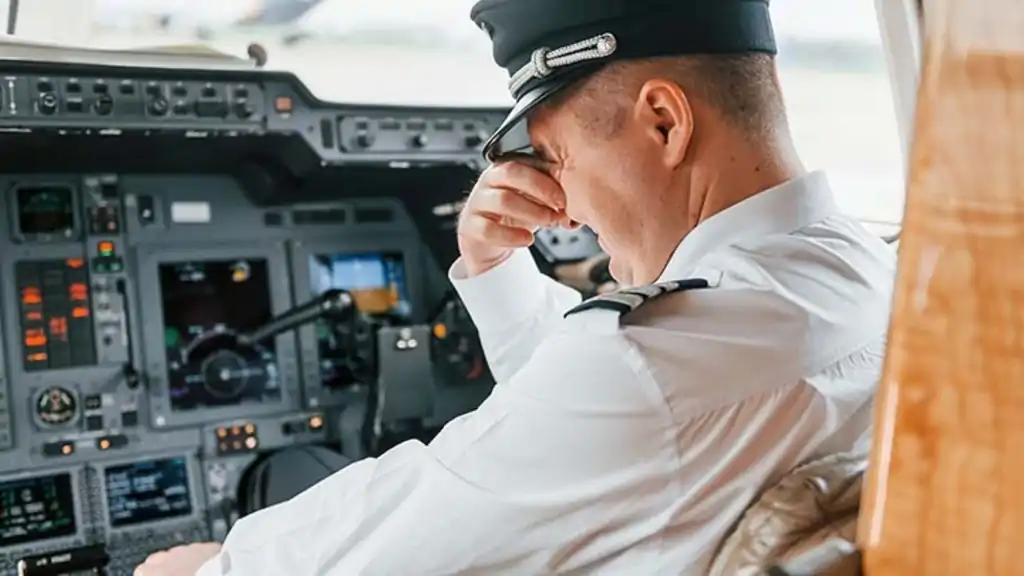
The skies over India's aviation sector grew turbulent this Tuesday when the Delhi High Court found itself mediating a heated dispute between pilot associations and the country's airlines. At the heart of this confrontation lies a question that touches every passenger who boards a flight: Are airlines compromising safety by pushing their pilots beyond prescribed limits?
The Court Steps In
The Delhi High Court has called upon India's civil aviation ministry and the Directorate General of Civil Aviation to explain themselves after two prominent pilot bodies filed contempt petitions. The Federation of Indian Pilots and the Indian Pilots Guild brought these petitions forward, alleging that regulatory authorities granted airlines improper exemptions from newly established flight duty time limitation rules.
These rules, which were outlined in the Civil Aviation Requirement policy of 2024, were designed to ensure pilots receive adequate rest periods and maintain optimal alertness while operating aircraft. The pilot associations argue that both the DGCA and the government failed to implement these regulations as promised, despite providing an undertaking to the court that they would do so.
What Triggered the Controversy
The contempt petitions specifically point to relaxations allegedly granted to major carriers in October 2025. Airlines named in these exemptions include Air India, IndiGo operated by InterGlobe Aviation, and SpiceJet. The pilot bodies contend that no exceptional circumstances existed that would justify deviating from the established safety protocols, maintaining that such relaxations directly compromise cockpit alertness and ultimately endanger passenger safety.
The IndiGo Connection
The situation gained particular urgency earlier this month when DGCA granted IndiGo a temporary one-time exemption from certain provisions related to night operations under the new rules. This decision came after India's largest airline faced a significant pilot shortage that forced the carrier to cancel thousands of flights, creating widespread inconvenience for passengers across the country.
The exemption appears to have been a practical response to an operational crisis, allowing IndiGo to continue functioning despite its staffing challenges. However, the pilot associations view this as a dangerous precedent that prioritizes operational convenience over the fundamental safety principles the new regulations were meant to protect.
The Bigger Picture
This legal confrontation highlights a persistent tension within India's rapidly expanding aviation sector. As airlines struggle to meet growing passenger demand while managing pilot availability, regulatory bodies face pressure to balance operational needs against safety imperatives. The pilot associations maintain that such compromises should never be made at the expense of flight safety, regardless of the operational challenges airlines face.
The court's decision to seek responses from the civil aviation ministry and DGCA signals that these concerns will receive serious judicial scrutiny. As India's aviation sector continues its growth trajectory, this case may well establish important precedents for how safety regulations are enforced when they conflict with operational pressures facing the industry.
With Inputs from Economic Times
Read next

India is preparing to transform its surplus ethanol capacity into a competitive advantage in the global sustainable aviation fuel market, with the country's first major production facilities expected to begin operations by 2029. Sameer Sinha, CEO of Sugar Business at Triveni Engineering and Industries Ltd, has revealed that India possesses unique strengths that could position it as an export powerhouse for this emerging green fuel.
The Carbon Advantage That Sets India Apart
The foundation of India's opportunity lies in a crucial environmental metric. Indian sugarcane-derived ethanol demonstrates significantly lower carbon intensity compared to Brazilian ethanol, currently the dominant player in global biofuel markets.
This means that using Indian ethanol to produce sustainable aviation fuel results in substantially greater pollution reduction than alternatives from competing nations. When compared to the United States, where maize-driven SAF production carries very high carbon intensity levels, India's sugarcane ethanol stands out as the cleanest option available.
This environmental superiority represents a powerful selling point as airlines worldwide face mounting pressure to reduce their carbon footprints.
Surplus Capacity Creates Perfect Timing
India currently finds itself in an ideal position due to strategic overcapacity in ethanol production. The country has built distillery infrastructure capable of supporting E30 to E35 ethanol blending in petrol, yet current usage stands at only E20 blending levels. This gap has created substantial surplus ethanol that needs productive applications.
The total distillery capacity reaches approximately 1,900 crore liters annually, split between 900 crore liters from sugar feedstock and 1,000 crore liters from grain feedstock. With contracted ethanol supply and alternative uses accounting for roughly 1,378 crore liters, India maintains a surplus exceeding 450 crore liters that could fuel SAF production without disrupting existing commitments.
Export Routes Take Shape
Sinha has identified clear geographic advantages for Indian SAF exports. On the eastern seaboard, India can target Southeast Asian countries, particularly Singapore, which serves as a major aviation hub requiring substantial fuel supplies. The western coast offers access to markets like Dubai, another critical aviation center.
These strategic locations would allow India to serve some of the world's busiest flight corridors with cleaner fuel alternatives.
The Investment and Timeline Reality
Establishing SAF production requires significant capital commitment. A facility with 80 tonne per day capacity demands approximately Rs 1,400 crore in investment and requires 200 kg per day ethanol supply.
However, Sinha emphasized that successful deployment depends heavily on government policy support, including guaranteed offtake arrangements, viable pricing structures, viability gap funding, and preferential pricing for early movers who take on the pioneer risks.
The timeline for transformation appears well-defined. Until 2029, India will operate with limited SAF production derived from used cooking oil, capable of achieving only one to two percent blending in aviation fuel.
The breakthrough will arrive in 2029 when alcohol-to-jet facilities become operational, assuming policy clarity emerges by the end of the current financial year. Over the following five years, demand for SAF on international flights is projected at 50 to 60 crore liters, requiring 120 crore liters of ethanol—a manageable fraction of available surplus that demonstrates why India holds this comparative advantage.
Read next
What Makes Lionel Messi's $15 Million Private Jet Perfect for His Global Lifestyle?
Abhishek Nayar
15 Dec 2025

Football superstar Lionel Messi travels the world in remarkable style, piloting through the skies in a Gulfstream V private jet that carries both luxury and deeply personal significance. The Argentine icon acquired this long-range aircraft in 2018 for approximately $15 million, according to Spanish newspaper Marca, transforming it into a flying testament to his family and legendary career.
Personal Touches That Set It Apart
The aircraft, registered in Argentina as LV-IRQ and built in 2004, bears unmistakable marks of Messi's identity. His famous number 10 adorns the tail section, while the boarding steps are engraved with names that matter most to him—his wife Antonela and their three sons Thiago, Mateo and Ciro. This wasn't Messi's first venture into private aviation, as he previously owned an Embraer Legacy 650 valued at around $35 million, demonstrating his long-standing appreciation for premium air travel.
Engineering Excellence Meets Comfort
The Gulfstream V represents a masterclass in aviation engineering and passenger comfort. Inside, travelers find a fully equipped kitchen, two bathrooms and sixteen seats with a clever design feature that converts them into eight beds for restful long-haul journeys. This configuration proves essential for someone like Messi, whose professional commitments constantly pull him across continents for club matches and international duties.
A Legacy Aircraft with Impressive Credentials
The Gulfstream V entered the aviation world in 1997 as an evolution of the Gulfstream IV, marking the manufacturer's bold entrance into the ultra-long-range jet segment where it competed directly with the Bombardier Global Express. After its maiden flight in November 1995 and FAA certification in April 1997, the model saw 193 units produced before transitioning to the Gulfstream G550.
Twin Rolls-Royce BR700-710-A1-10 turbofan engines, each generating 15,000 pounds of thrust, power the aircraft. Its advanced supercritical wing design enables it to carry 12,000 pounds more fuel than its predecessor, delivering the exceptional range and efficiency that attract high-profile global travelers.
From Sky-High Luxury to Ground-Level Chaos
While Messi navigates smoothly through the skies, his current India tour hit turbulence on the ground. Following appearances in Kolkata and Hyderabad, the football legend is scheduled to arrive in Mumbai on Sunday before concluding his GOAT Tour in Delhi on Monday.
However, Saturday's Kolkata event at Salt Lake Stadium descended into chaos when Messi departed earlier than anticipated, leaving disappointed fans furious. Attendees who paid substantial amounts directed their anger toward VIPs and politicians, including West Bengal sports minister Arup Biswas, accusing them of monopolizing Messi's time.
The frustration erupted into violence as fans hurled water bottles and chairs from stands, with some storming the field attempting to damage tents and goalposts.
With Inputs from Money Control
Read next
"Not a Single-Way Solution": Aviation Minister Defends Deregulation Amid Airfare Controversy
Abhishek Nayar
13 Dec 2025
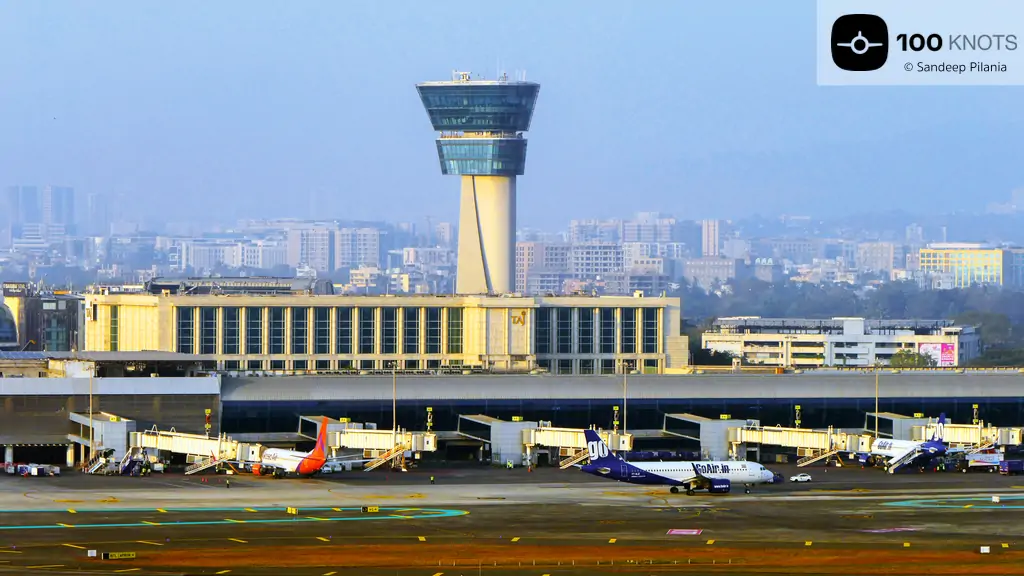
The debate over soaring airfares in India has reached Parliament, with Civil Aviation Minister K Rammohan Naidu defending the government's approach while acknowledging concerns about ticket prices that have left common travelers feeling the pinch.
The Parliamentary Showdown
On Friday, Minister Naidu addressed the Lok Sabha during a debate on a private member's resolution calling for appropriate measures to regulate airfares across the country. The resolution, moved by Congress member Shafi Parambil, was eventually withdrawn after the discussion, but not before sparking a heated exchange about the state of air travel accessibility in India.
The minister made his position clear from the outset. While the government possesses exclusive powers to cap airfares during extraordinary circumstances, such intervention cannot serve as a universal remedy for the complex challenges facing India's aviation sector. Naidu emphasized that domestic air ticket pricing remains comparable to other nations, making a nationwide cap on airfares unfeasible.
Balancing Market Forces and Consumer Protection
Naidu articulated a nuanced stance on regulation. According to the minister, deregulation remains fundamental to the civil aviation sector's growth, as it encourages new players to enter the market. However, he was quick to clarify that deregulation does not translate to unlimited freedom for airlines. The government retains intervention powers when circumstances demand action, as demonstrated earlier this month when the ministry-imposed distance-based caps on domestic airfares following IndiGo flight disruptions.
The minister presented compelling data to support his argument, stating that airfares have decreased by forty-three percent when adjusted for the Consumer Price Index and inflation. He claimed that compared to international trends, the rate of growth in Indian airfares has actually been negative in relative and real terms, though he did not specify the timeframe for this comparison.
Addressing the Aircraft Shortage Crisis
Perhaps the most significant bottleneck identified by Naidu is aircraft availability. Indian carriers currently have over seventeen hundred aircraft on order, but global supply chain problems continue delaying deliveries. The minister announced an ambitious solution: manufacturing planes domestically. Discussions are underway with Russia's Sukhoi for the SJ-100 regional aircraft, with Hindustan Aeronautics Limited already engaging through a memorandum of understanding to acquire technology for local production. Similar conversations are progressing with Brazilian manufacturer Embraer.
Opposition Voices Concerns
The debate featured sharp criticism from opposition members. Congress MP Varsha Gaikwad claimed that air travel has transformed from a comfort into a means of harassment and exploitation for common citizens. She cited examples of tickets that previously cost five to six thousand rupees now commanding prices of twenty-five to thirty thousand rupees, highlighting hidden charges and consolidation leading to monopolistic practices. Samajwadi Party's Ramashankar Rajbhar echoed these concerns about concentrated market control.
Minister Naidu revealed that state-owned Alliance Air has initiated a three-month pilot scheme offering fixed airfares, with the ministry monitoring its impact before potentially extending similar plans to private airlines, suggesting the government is actively exploring alternative regulatory frameworks.
Read next
Why Did IndiGo Face a Massive Rs 59 Crore GST Penalty Despite Claiming Strong Legal Grounds?
Abhishek Nayar
13 Dec 2025

IndiGo, India's largest airline by market share, found itself confronting a substantial financial challenge when tax authorities imposed a penalty exceeding Rs 58 crore. The carrier disclosed this development through a regulatory filing on Friday, immediately signaling its intention to mount a legal challenge against the order.
The Tax Authority's Action Against IndiGo
The Additional Commissioner of Central Goods and Services Tax operating under the Delhi South Commissionerate issued the penalty order targeting IndiGo's financial activities during the 2020-21 fiscal year. The exact amount reached Rs 58,74,99,439, representing one of the more significant GST-related enforcement actions against an airline in recent times. The department did not merely demand the payment of outstanding GST but also tacked on substantial penalties, amplifying the financial burden on the carrier.
IndiGo's Response and Legal Strategy
The airline wasted no time mounting its defense. IndiGo communicated to the Bombay Stock Exchange that it considers the tax authority's order fundamentally flawed. The company stated it believes the order contains errors and does not reflect the actual legal position. IndiGo has assembled external tax advisors who have reviewed the case thoroughly, and based on their professional assessment, the airline maintains it possesses strong grounds to contest the demand successfully.
The carrier announced it will challenge the order before the appropriate appellate authority, following the standard dispute resolution mechanism available under GST laws. This process typically involves presenting arguments before higher tax tribunals that can review and potentially overturn lower authorities' decisions.
Financial and Operational Impact Assessment
Despite the eye-catching penalty amount, IndiGo sought to reassure investors and stakeholders about the practical implications. The airline explicitly stated in its regulatory filing that the order would not create significant repercussions for its financial position, operational capabilities, or other business activities. This confidence stems partly from the carrier's robust financial health and partly from its conviction that the penalty will eventually be overturned through legal proceedings.
The company's measured response suggests it views this development as a procedural hurdle rather than a fundamental threat to its business model. IndiGo operates the largest domestic fleet in India and has maintained profitability even through challenging periods, providing it with resources to navigate such disputes.
What This Means for Aviation Taxation
This case highlights the ongoing complexities airlines face in GST compliance, particularly regarding services that span multiple categories and jurisdictions. The 2020-21 period, which this penalty covers, presented unique challenges as airlines navigated reduced operations during pandemic restrictions while managing their tax obligations. How IndiGo's appeal unfolds could establish important precedents for aviation sector taxation going forward.
Comment