
SpiceXpress To Receive USD 100 Million Funding From UK Based SRAM & MRAM Group

Radhika Bansal
16 May 2023
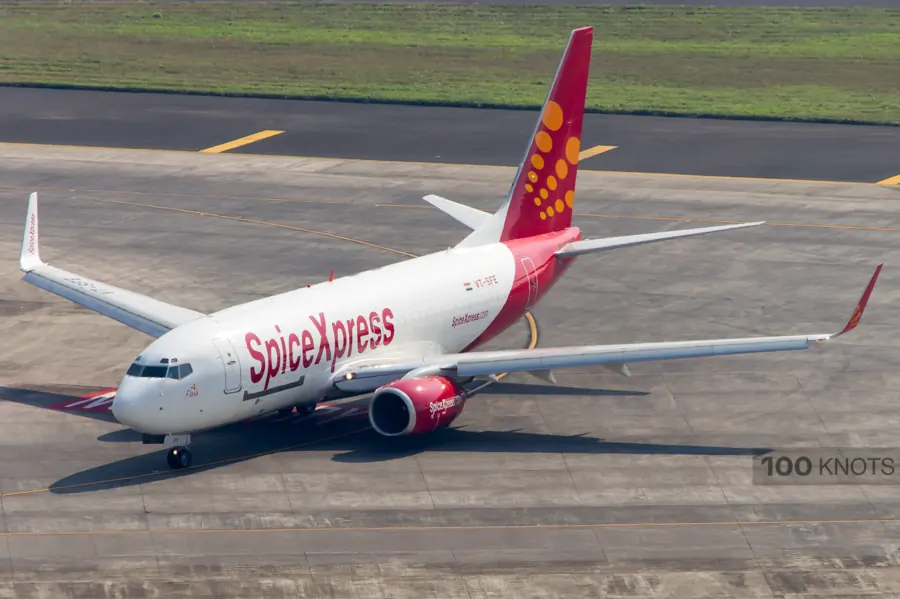
Budget carrier SpiceJet said its subsidiary SpiceXpress and Logistics will receive USD 100 million investment from a UK-based group. SpiceJet, which is facing financial headwinds and an insolvency plea by an aircraft lessor, had recently hived off SpiceXpress. Also, last week, the airline said it has no plans to file for insolvency and would invest USD 50 million to revive 25 grounded planes.
The United Kingdom-based SRAM & MRAM Group will invest USD 100 million in SpiceXpress. Both sides have signed a Memorandum of Understanding (MoU) as part of the investment deal, the airline said in a release on Monday. The MoU also comes after a debt restructuring agreement between the carrier and aircraft lessor Carlyle Aviation Partner wherein the latter bought a stake in SpiceXpress at an anticipated future valuation of USD 1.5 billion (INR 12,422 crore).
SpiceJet Chairman and Managing Director Ajay Singh said the USD 100 million investment should help SpiceXpress grow and expand and provide a more streamlined and efficient service to its customers.
SRAM & MRAM Group chairman Dr Sailesh Lachu Hiranandani said, “We are pleased to join hands with SpiceXpress in its promising future and growth story. We see excellent growth opportunities in India’s logistics and cargo space. We are confident thatSpiceXpress will contribute to India’s growth story. In a short time since its inception, the Company has shown exceptional growth in the nascent air cargo market. We see tremendous potential for the Company in India’s fast-growing cargo and logistics market.”
Who are SRAM & MRAM Group?
SRAM & MRAM Group has interests in agricultural and agro-food products, neural networks, artificial intelligence, hedge fund management, hospitality services and solutions, media and publishing, among other areas. Founded in 1995, SRAM & MRAM Group claims it has a footprint in five continents, with over 35 locations, over 300 employees with a sales turnaround of $800 million during FY17-18. Its latest financials could not be found on their website.
The UK-based group claims it has branch offices in Cambodia, South Africa, Indonesia, Malaysia, Bahrain, Georgia, India and Bangladesh. Its business interest ranges from technology, and agriculture to hospitality, said Sailesh Lachu Hiranandani, Chairman, SRAM & MRAM Group, “We see excellent growth opportunities in the logistics and cargo space in India.
SpiceJet separates its cargo arm
SpiceJet has completed the separation of its cargo and logistics division 'SpiceXpress' from the airline. The low-cost carrier entered into a Business Transfer Agreement with its subsidiary, SpiceXpress and Logistics Private Limited (SXPL), for transferring its cargo business undertaking as a going concern, on a slump sale basis. The hive-off which came into effect from April 1, 2023, is expected to strengthen SpiceJet's balance sheet, wipe out a substantial portion of the airline's negative net worth and unlock significant value for SpiceJet and its shareholders.
SpiceXpress reported a net profit of INR 51.4 crore for the April-December period of FY23. SpiceJet's cargo operations contributed to nearly 30% of its revenues in 2021-22 as revenue of INR 19,436.10 million was generated by the cargo business
Earlier on May 11, SpiceJet announced the revival of its grounded fleet with USD 50 million in funds received by the airline from the government’s Emergency Credit Line Guarantee Scheme (ECLGS) and internal cash accruals. The stock of SpiceJet has recorded a decline of 35% in the last one year and has fallen nearly 19% in 2023.
So far this month, lessors have sought the deregistration of five SpiceJet planes, a development that also comes against the backdrop of crisis-hit rival Go First shuttering operations and going for resolution proceedings under the insolvency law. The SpiceJet stock was trading at INR 30.27, up 2.33% on BSE.
Read next
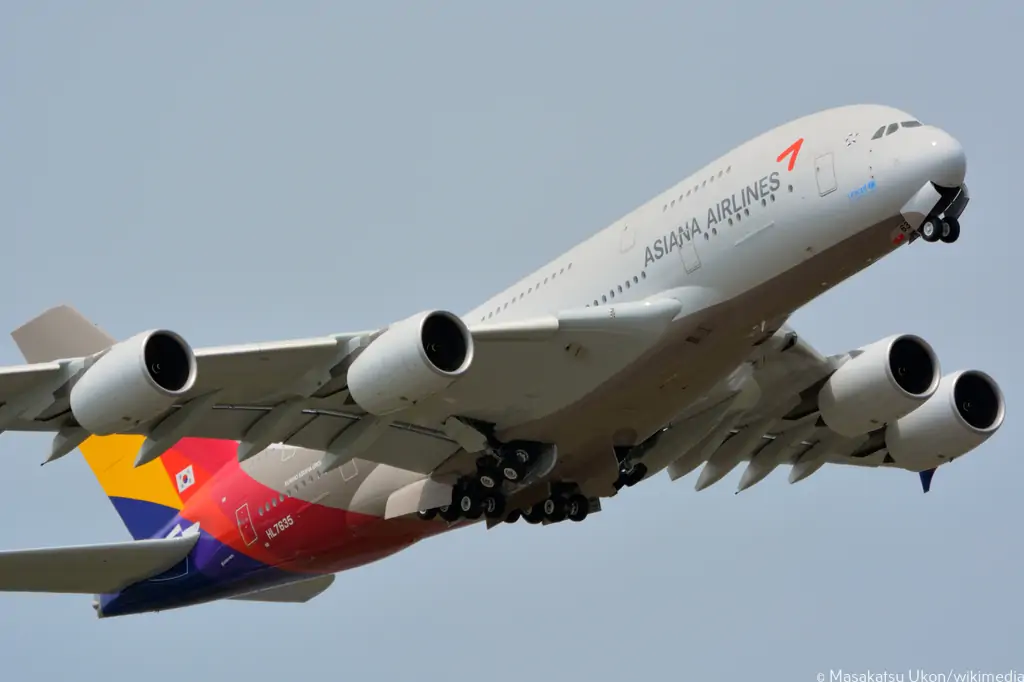
Asiana Airlines, one of South Korea's top carriers, has revealed a $40 million financial loss for the first quarter of the year. This poor financial performance has been linked mostly to the weak value of the South Korean won versus the US dollar, among other reasons impacting the airline sector.
Asiana Airlines Overview
Asiana Airlines, founded in 1988, has developed to become a prominent airline in South Korea and a globally recognized brand. It runs a huge fleet of aircraft, serving over 90 locations in Asia, Europe, North America, and Oceania with passenger and cargo services. The airline has received awards for its dedication to safety, customer service, and operational performance.
Present Situation
Asiana Airlines has long been a major participant in the aviation sector, providing local and international flights to a variety of locations throughout the world. However, like many other airlines, it has recently encountered severe obstacles as a result of the COVID-19 epidemic and other external circumstances.
Despite the favorable numbers in earnings and sales, Asiana Airlines' net losses increased to around KRW 54.36 billion ($40.6 million) this quarter, a significant rise from the KRW 46.55 billion ($34.8 million) registered in the same period last year. According to the airline, the devaluation of the local currency against the US dollar increased operational costs significantly. The dollar rose to an average of KRW 1,275.58 in the first quarter of this year, up from KRW 1,204.95 a year earlier, leaving the airline straining to make ends meet due to variable fuel expenses, among other factors. Asiana Airlines issued the following statement: "The Korean Won's depreciation against the US dollar increased the cost of jet fuel, maintenance, and other airport-related expenses." All of this weighed substantially on our quarterly profit."
Factors Affecting Asiana Airlines' Financial Performance
Exchange Rate Fluctuations
Asiana Airlines, being a worldwide airline, is subject to currency exchange rate swings. Exchange rates are important in the airline sector because they affect many areas of the company, such as ticket pricing, fuel expenses, and financial transactions. When the value of the home currency falls against major international currencies, such as the US dollar, it can have serious consequences for airlines.
The Effect of the South Korean Won's Depreciation Against the US Dollar
The South Korean won's depreciation versus the US dollar was a major contributor to Asiana Airlines' financial loss in the first quarter. The devaluation of the South Korean won has dramatically raised the airline's operational expenditures, as a considerable portion of its expenses are denominated in US dollars, such as fuel prices and aircraft lease payments. Furthermore, the weak won has impacted Korean travelers' purchasing capacity, resulting in a drop in passenger demand.
Analysis of Asiana Airlines' Net Loss in the First Quarter
Revenue Decline
Asiana Airlines' net loss might be ascribed in part to a decline in revenue during the first quarter. The COVID-19 pandemic has had a significant influence on the travel sector, resulting in lower worldwide air travel demand. Travel restrictions, quarantine procedures, and passenger worries about health and safety have all led to a decrease in Asiana Airlines' passenger numbers. This drop in demand has had a direct impact on the airline's income-generating activities.
Higher Operating Expenses
Along with a drop in income, Asiana Airlines has seen a rise in operational expenditures. As previously stated, the poor value of the South Korean won versus the US dollar has resulted in increased fuel and lease prices. Furthermore, to safeguard the well-being of passengers and workers during the epidemic, the airline had to undertake costly health and safety precautions. These higher operational expenditures have placed further strain on the company's financial performance and created difficulties for its profitability.
Asiana Airlines' Loss Mitigation Strategies
Asiana Airlines has tried many tactics and measures to solve financial issues and reduce losses.
Strategies for Cost-Cutting
The airline has prioritized cost-cutting initiatives in order to simplify its operations and increase efficiency. Renegotiating contracts with suppliers and vendors to achieve better terms, optimizing fuel usage using sophisticated flight planning systems, and applying workforce management tactics to optimize personnel levels are all part of this.
Revenue-Boosting Initiatives
Asiana Airlines has been looking at new ways to increase income. It has added new routes to popular locations, launched targeted marketing initiatives to entice travellers, and enhanced its customer loyalty programmes. In addition, the airline has been aggressively seeking partnerships and codeshare agreements with other airlines in order to extend its network and provide additional travel alternatives to its consumers.
Asiana Airlines' Long-Term Prospects
Asiana Airlines' future prospects are dependent on a number of things, including currency rate patterns and the airline's own objectives.
Exchange Rate Trend Predictions
While currency rates are susceptible to volatility and unpredictability, analysts expect that the South Korean won will gradually rebound versus the US dollar. As the global economy stabilizes and travel restrictions relax, demand for air travel is likely to rise steadily, benefiting Asiana Airlines' income. A higher won would also assist to reduce the financial strain created by the previous quarter's weak currency.
Financial Performance Enhancement Strategies
Asiana Airlines is dedicated to improving its financial performance by continuing to execute cost-cutting and revenue-increasing strategies. The airline tries to improve customer happiness while also adapting to shifting market realities. It also intends to invest in fleet modernization, fuel-efficient technology, and digital advances to improve operating efficiency and cut costs.
Conclusion
Asiana Airlines' net loss of $40 million in the first quarter can be ascribed to a variety of causes, including the poor value of the South Korean won against the US dollar. However, the airline is taking aggressive measures to reduce losses and strengthen its financial position. Asiana Airlines hopes to sail through these difficult times and emerge stronger in the future by implementing cost-cutting methods, increasing revenue creation, and responding to market conditions.
With Inputs from Yonhap News Agency
Read next

The renowned Swiss aircraft manufacturer Pilatus handed over the 2,000th PC-12 aircraft to PlaneSense®, a premier fractional aircraft ownership firm, in a landmark event for both Pilatus Aircraft Ltd. and PlaneSense®. This momentous milestone highlights the PC-12's enormous success and popularity as an aircraft known for its excellent performance, adaptability, and dependability. The handover event commemorated an enormous accomplishment in the aviation sector and emphasized the PC-12's continued growth.
PC-12's Significance
The PC-12 has a well-deserved reputation as a high-performance single-engine turboprop aircraft. Its distinct collection of characteristics and capabilities distinguishes it from other aircraft in its class. The PC-12 is well-known for its ability to fly from short runways, including grass and gravel strips, allowing it to reach distant and difficult areas where other aircraft cannot. Its adaptability allows it to perform a variety of missions, including executive travel, freight transportation, air ambulance services, and regional connections.
The Milestone of the 2,000th PC-12 Delivery
The delivery of the 2,000th PC-12 aircraft by Pilatus shows the model's constant success and demand. This achievement exemplifies the faith that consumers have placed in Pilatus and PlaneSense® throughout the years. It demonstrates how the industry recognizes the PC-12's outstanding capabilities and ability to offer consistent performance in a variety of operating situations.
Present Scenario
Pilatus today handed over the 2,000th PC-12 to PlaneSense®, its longstanding US client, in a major celebration at the company's headquarters in Stans, Switzerland, attended by over 2,000 personnel. The anniversary aircraft was given to PlaneSense® as a token of appreciation for its many years of devotion. It is yet another watershed moment in the history of the Swiss aircraft manufacturer. PlaneSense® has specialized in "fractional aircraft ownership" since 1995. Currently, the firm runs 43 PC-12s and eleven PC-24s. PlaneSense® and its customers have shown complete trust in Pilatus. "We are honored to receive the 2,000th PC-12," says George Antoniadis, Founder, President, and CEO of PlaneSense®. In 1995, we received our first PC-12, the 20th produced. This one-of-a-kind aircraft is the backbone of our business and has been critical to the PlaneSense® program's success. Our firms' mutual respect has maintained a healthy communication over the years, leading to the advancement of the PC-12 and the PlaneSense® program. For 28 years, our clients have appreciated the aircraft's adaptability, dependability, comfort, and efficiency. Our collaboration with Pilatus has been quite beneficial, and we look forward to growing it further in the coming years."
"Year after year, our PC-12 is, and will remain, the world's best-selling single-engine turboprop aircraft in its class with a pressurized cabin," remarked Markus Bucher, CEO of Pilatus, at the handover. We have continuously improved our best-seller over the years, and the current PC-12 is cutting-edge. Today, I am really delighted to be able to hand over the 2000th PC-12 to our incredibly loyal and reliable client, PlaneSense®. I am happy that we can count this very professional firm among our clients. PlaneSense® is a significant part of the PC-12's history, showing day in and day out that our tried-and-true, dependable, and safe aircraft is well-suited to the most demanding tasks. Simply put, it is the greatest aeroplane."
PlaneSense® and its Contribution to the Success
PlaneSense®, as the recipient of the 2,000th PC-12 aircraft, plays an important role in the PC-12's success story. The firm has been a long-term and renowned Pilatus customer, employing the PC-12 to offer fractional aircraft ownership and creative private flying options to its clients. PlaneSense® has used the capabilities of the PC-12 to create a one-of-a-kind and engaging travel experience for its clients, providing great service, convenience, and value.
PC-12's Key Features and Capabilities
The PC-12 aircraft has various distinguishing characteristics that contribute to its popularity and success. Its capacious cabin comfortably seats up to nine passengers, and it has a large cargo hold for baggage or freight. The upgraded avionics aboard the aircraft, including a contemporary cockpit, improve the pilot's safety and situational awareness. The range, cruising speed, and fuel efficiency of the PC-12 make it an excellent choice for both short- and long-distance flights, ensuring cost-effective operations for operators and owners.
Versatility and Performance Across Several Operations
The adaptability of the PC-12 is one of its most notable features. It adapts effortlessly between multiple operating tasks, making it a popular choice for a variety of sectors and missions. The PC-12 continuously offers great performance and versatility in a wide range of applications, from corporate travel and regional connections to medical evacuations and freight transportation. This adaptability has earned it a reputation as a go-to aircraft for operators looking for a dependable and versatile platform.
PC-12's Safety and Dependability
In aviation, safety and dependability are crucial, and the PC-12 aircraft meets these criteria. Pilatus designed and built the PC-12 with cutting-edge safety systems to ensure the best possible protection for passengers and crew. The aircraft is outfitted with modern equipment, such as a strong airframe, redundant systems, and extensive avionics, all of which contribute to its exceptional safety record. Furthermore, the PC-12 is subjected to rigorous testing and maintenance processes in accordance with strict standards and industry best practices to assure its dependability in all working situations.
Customer Testimonials and Satisfaction
The contentment of an aircraft's clients may be used to gauge its success. The PC-12, for example, has received great praise and affection from operators, owners, and passengers alike. Numerous testimonies emphasize the PC-12's cabin's remarkable comfort, quietness, and smoothness, which provide a pleasant and joyful flying experience. The aircraft’s low running costs, high dispatch dependability, and ease of maintenance are valued by operators. Passengers like the spaciousness, elegant furnishings, and ease of getting to their preferred locations.
PC-12's Future
With the delivery of the 2,000th PC-12, the future of this extraordinary aircraft appears bright. Pilatus continues to innovate and improve the PC-12's capabilities, adding new technologies and responding to customer input to guarantee its market relevance. As the need for efficient and flexible aircraft increases, the PC-12 is well-positioned to fulfil the changing demands of operators and owners in a variety of sectors.
Conclusion
The delivery of the 2,000th PC-12 aircraft to PlaneSense® is a significant milestone for Pilatus and demonstrates the continued success and attractiveness of this remarkable aircraft model. The adaptability, performance, safety, and dependability of the PC-12 have made it a popular choice for a wide range of missions and sectors. The PC-12 provides an unparalleled flying experience for both pilots and passengers, thanks to its expansive cabin, modern avionics, and exceptional capabilities. As Pilatus continues to develop and improve this extraordinary aircraft, the PC-12's future offers even more promise.
With Inputs form Pilatus
Read next
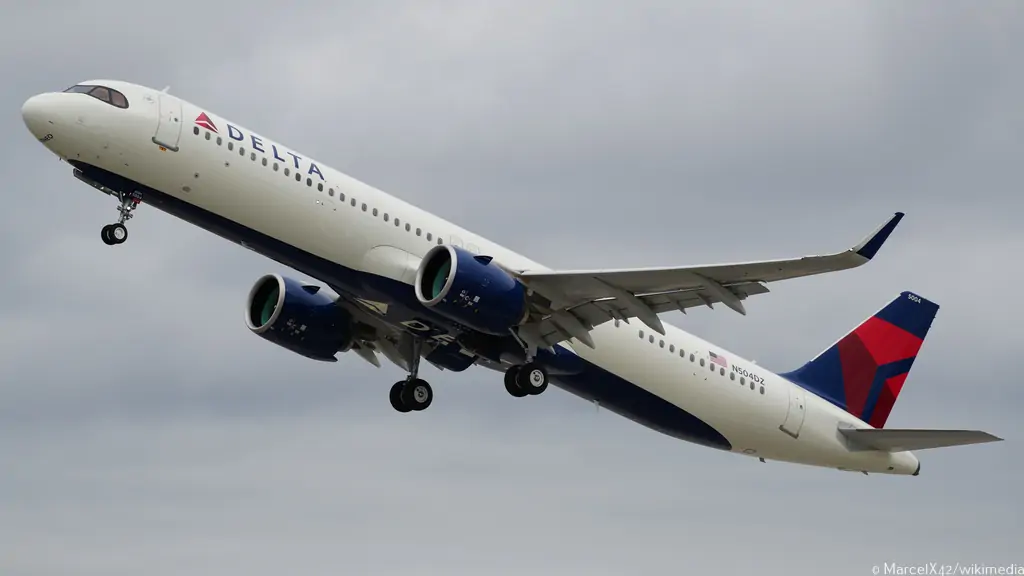
Delta Air Lines has established itself as a worldwide aviation industry leader, noted for its enormous route network, exceptional service, and devotion to customer satisfaction. Delta Air Lines continuously assesses its fleet composition, which includes a variety of aircraft types, to maintain maximum performance, efficiency, and passenger experience. It has been reported that it is contemplating placing a new widebody aircraft order with Airbus. This proposed order, which might centre on the Airbus A330Neo and A350 aircraft, has piqued the aviation industry's curiosity and conjecture.
Current Situation
Delta Air Lines, located in Atlanta, is said to be in discussions with Airbus about placing a large widebody order in the near future. This possible purchase is being driven by the current upswing in the travel industry. The airline plans to replace outdated aircraft with new twin-aisle jets and expand flights following the COVID-19 epidemic.
The airline is allegedly planning to acquire both Airbus A350 and A330NEO aircraft. Although no agreement has been reached, a possible deal may include dozens of aircraft. The airline has previously placed orders for 32 Airbus A330s and A350s, with sixteen of each. Both of these Airbus jets are now operated by Delta Air Lines. The airline now has 28 Airbus A350s in two variants.
Current Fleet and Intentions for Expansion
Before delving into Delta Air Lines' prospective widebody order, it's critical to understand the airline's present fleet makeup and development aspirations. Delta Air Lines now runs a diversified fleet of narrow-body and wide-body aircraft. For local and short-haul international flights, the airline predominantly uses Boeing 737 and Airbus A320 family aircraft. Delta Air Lines uses widebody aircraft such as the Boeing 767, Boeing 777, and Airbus A350 for long-haul international flights.
The Intrinsic Worth of Widebody Aircraft
Widebody aircraft are essential components of an airline's fleet, particularly for long-distance excursions. These aircraft have various advantages over their narrowbody counterparts, including expanded passenger capacity, superior fuel efficiency, and greater range. Widebody aircraft have a roomy cabin layout, which allows airlines to provide a variety of passenger amenities such as lie-flat seats, in-flight entertainment systems, and premium services.
The A330Neo and its Advantages
The Airbus A330Neo, a newer version of the popular A330, contains a number of improvements and enhancements that enhance efficiency, range, and passenger comfort. In comparison to its predecessor, the A330Neo has better aerodynamics, lower fuel consumption, and greater range capabilities.
The A350 and its Advantages
The Airbus A350, widely regarded as a game-changer in the widebody aircraft category, has cutting-edge technology, great fuel efficiency, and impressive range capabilities. The sophisticated composite materials, aerodynamic design, and cutting-edge engines of the aeroplane all contribute to reducing fuel consumption and carbon emissions.
Factors Influencing Delta Air Lines' Decision
Delta Air Lines' decision on a prospective widebody order might be influenced by a number of variables. First and foremost, the airline would compare the operational and economic benefits of the A330Neo and A350 to other viable choices. Fuel efficiency, maintenance costs, and overall performance will all be carefully considered.
Delta Air Lines' Operations May be Impacted
Delta Air Lines' operations and network will be significantly impacted by the introduction of new widebody aircraft such as the A330Neo and A350. The improved range capabilities of these aircraft would allow the airline to extend its long-haul services and explore new markets.
Competition from Boeing
Delta Air Lines' possible widebody deal highlights the battle between Airbus and Boeing. Both aircraft manufacturers have a significant presence in the widebody aircraft industry and are continually striving to provide airlines with novel options.
Conclusion
Finally, Delta Air Lines' probable consideration of a new widebody aircraft acquisition, specifically the Airbus A330Neo and A350, indicates the airline's commitment to fleet expansion and modernization. Widebody aircraft are vital for long-haul operations due to their advantages, such as greater capacity, fuel efficiency, and passenger comfort. Delta Air Lines’ decision will be impacted by considerations such as aircraft performance, operational compatibility, market demand, and competitiveness with Boeing.
Read next
Akasa Air Upgrades Its Training Academy; Opens India's First 'Open-Door' Trainer
Radhika Bansal
16 May 2023
Akasa Air has expanded its training and development centre, which can train more than 700 aviation professionals, including pilots, cabin crew, engineers, airport services, and security personnel. As the less-than-a-year-old carrier, which has over 2,500 staff, announced its expansion on Monday, Founder and CEO Vinay Dube said, “We are confident about our future and continue to invest in it. Nothing we do at Akasa is short-term in nature".
In recent days, the country's fast-growing civil aviation sector has witnessed turbulence with budget carrier Go First suspending flights since May 3 and later going into resolution proceedings under the insolvency law. This comes at a time when India has become the fastest-growing aviation market and third largest market globally after the US and China. Still, the country suffers from poor quality of aviation training and infrastructure, especially of pilots and co-pilots, experts have pointed out.
India's Only ‘Open-Door’ Training Academy
According to a release, Akasa Air has inaugurated the second phase of the Akasa Air Learning Academy (AALA) in Gurugram. In July 2022, Akasa Air invested in a 14,000 sq feet, dedicated learning academy. "This new facility adds another 20,000 square feet of world-class, technologically forward, learning capabilities for the modern aviation world. The expansion builds capabilities for Akasa Air to train over 700 future-ready aviation professionals," the release said.
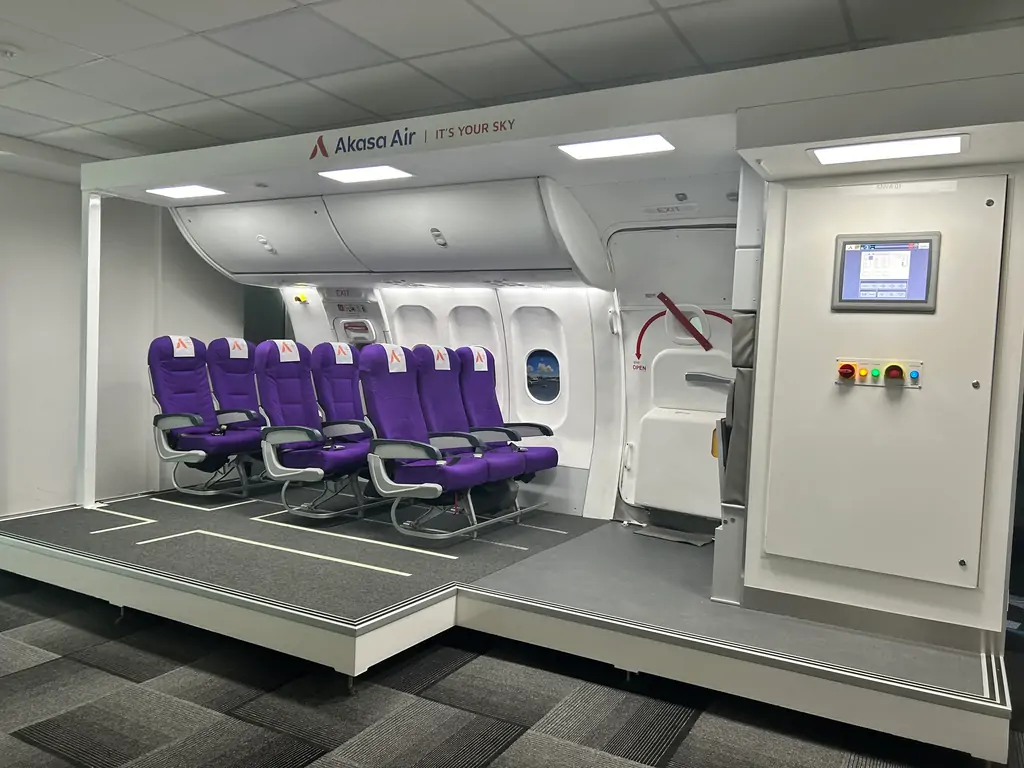
Akasa Air has inaugurated phase two of its training and development centre - Akasa Air Learning Academy (AALA) in Gurugram. The academy aims to enhance its capabilities in providing hands-on and experiential training to its employees, including pilots, cabin crew, engineers, airport services, and security personnel. The training centre, which opened in July 2022, now gets India’s only door trainer for next-generation aircraft.
The 14,000 sq ft, dedicated Learning Academy, now gets another 20,000 sq ft of additional space with world-class learning capabilities for the modern aviation world. The facilities equip the airline to offer regulatory and safety, service and operational training, including service excellence, leadership, communication, departure control system, safety & emergency procedures, first aid, and advanced computerised reservation & check-in training.
The state-of-the-art door trainer enables the cabin crew to practice normal and emergencies in a realistic environment. The hands-on operation, and practical training, on the Type I main door and Type III automatic over-wing exit is provided, in addition to the simulation of regular flight phase scenarios such as pushback, taxi, cruise, descent and landing along with pre-recorded announcements. The door trainer is equipped to simulate multi-scenario emergency situation management.
The trainer makes the training even more effective in real-world environments by matching the operational characteristics of the aircraft equipment and is designed to facilitate cabin crew with the highest possible levels of safety and emergency training.
Dube also said the significant financial investment it has made will pay rich dividends for multiple years to come. Indian airlines have placed an order for at least 1,115 planes to be delivered over the next decade, with a bulk of them expected to come in 2025 onwards. For instance, Akasa Air has placed an order for 72 Boeing 737 MAX airplanes.
About Akasa Air
Akasa Air, a brand of SNV Aviation Private Limited is an Indian low-cost airline headquartered in Mumbai, Maharashtra, India. It was founded by Vinay Dube and Aditya Ghosh with investor Rakesh Jhunjhunwala holding a 46% stake in the airline. The carrier launched its first commercial flight on August 7, 2022, and currently has a fleet of 19 planes. Akasa Air now flies to 17 cities, operating over 900 weekly flights across India, and will likely start overseas flights later this year. The airline will continue to grow its network to establish a strong pan-India presence focusing on the metro, Tier 2 & Tier 3 route connectivity. It has placed a firm order for 72 Boeing 737 MAX airplanes, powered by CFM fuel-efficient, LEAP-1B engines.
Being a low-cost airline, Akasa Air operates an all-economy configuration in their Boeing 737 Max variants, with a total of 189 or 174 passengers in the -8 variant and 197 in the -200 variant. To keep fares at a low price, the airline does not provide any in-flight meals, however, the airline operates Cafè Akasa, its own catering service where passengers can purchase food on board. The airline has no In-Flight Entertainment system. The airline offers passengers the "Flexi premium services" where passengers get food, seat selection, priority and lower costs for date changes and cancellations. This service is similar to other Low-Cost Carriers in India.
Read next
Cargolux B747 Landing Gear Detached Following Overweight Emergency Landing

Abhishek Nayar
16 May 2023
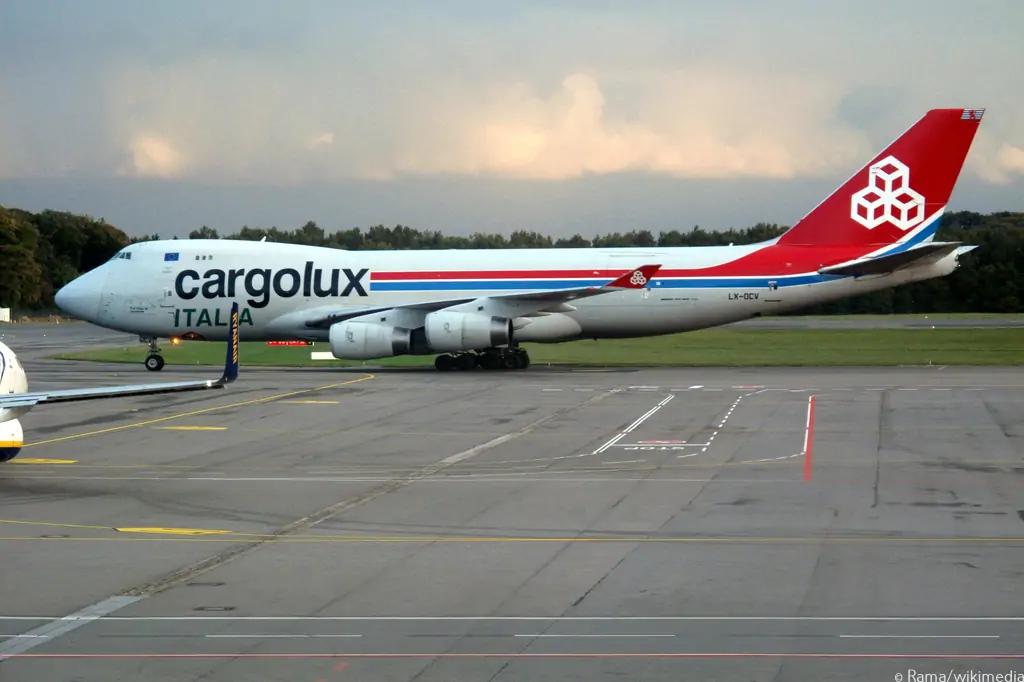
A Cargolux Boeing 747 freight airliner recently endured a horrific event when a portion of its landing gear broke off following an emergency landing, sending shockwaves across the aviation industry. Concerns have been expressed pertaining to safety procedures and the possible impact on freight transit as a result of the occurrence.
Cargolux Airlines: Background Information
Cargolux Airlines, based in Luxembourg, is one of the world's top cargo airlines, specialized in the global transportation of valuable and time-sensitive commodities. Cargolux has earned a reputation for its broad network and dedication to client satisfaction by focusing on dependability and efficiency.
Specifications for the Boeing 747 Aircraft
The Boeing 747, sometimes known as the "Queen of the Skies," is an iconic aircraft notable for its size and cargo capacity. It has been the backbone of Cargolux's fleet, allowing the airline to effectively transport enormous amounts of cargo across great distances. The Boeing 747 is known for its safety and dependability due to its modern systems and technology.
Current Scenario
Yesterday evening (Sunday, May 14th), a Cargolux Boeing 747 cargo aircraft flying from Luxembourg to Chicago was forced to return to its departure location after the aircraft's undercarriage failed to retract after take-off. Yesterday evening, the Cargolux Boeing B747-400F, registered LX-OCV, operated flight CV6847 from Luxembourg Findel Airport (LUX) to Chicago O'Hare Airport (ORD).
Crew Response and Safety Measures
This incident demonstrated the significance of stringent safety precautions and personnel training. The pilots and staff onboard displayed excellent professionalism and fast thinking while effectively managing the difficult situations. Their training, together with their adherence to established protocols, was critical in preventing a possible disaster.
Incident Investigation and Analysis
An inquiry was launched following the event to establish the underlying cause of the landing gear malfunction. Cargolux and aviation authority experts painstakingly investigated the aircraft, its maintenance records, and many operating elements. The inquiry sought to identify any technological faults, human mistakes, or other factors that may have played a role in the occurrence.
Cargolux's Safety Commitment
Cargolux Airlines has always prioritized safety, and the incident served as a clear reminder of the significance of strong safety precautions. The airline informed its customers and stakeholders that it would thoroughly investigate the occurrence and put in place the necessary procedures to prevent a repeat.
Future Enhancements and Preventive Actions
Cargolux is committed to making the necessary modifications to avoid a repeat of this situation. This involves a thorough examination of maintenance processes, increased inspections of crucial components, and tighter engagement with aircraft manufacturers to resolve any design flaws.
Conclusion
The loss of a portion of the Cargolux Boeing 747's landing gear during an emergency landing was a terrifying incident that underlined the necessity of safety in aviation operations. Cargolux was forced to rethink its safety processes, engage in training programmes, and work closely with regulatory agencies and aircraft manufacturers as a result of the incident. Cargolux is resolved to keep its commitment to safety and ensure the seamless and secure delivery of cargo throughout the world by adopting essential enhancements and preventative measures.
With Inputs from Twitter
Comment