
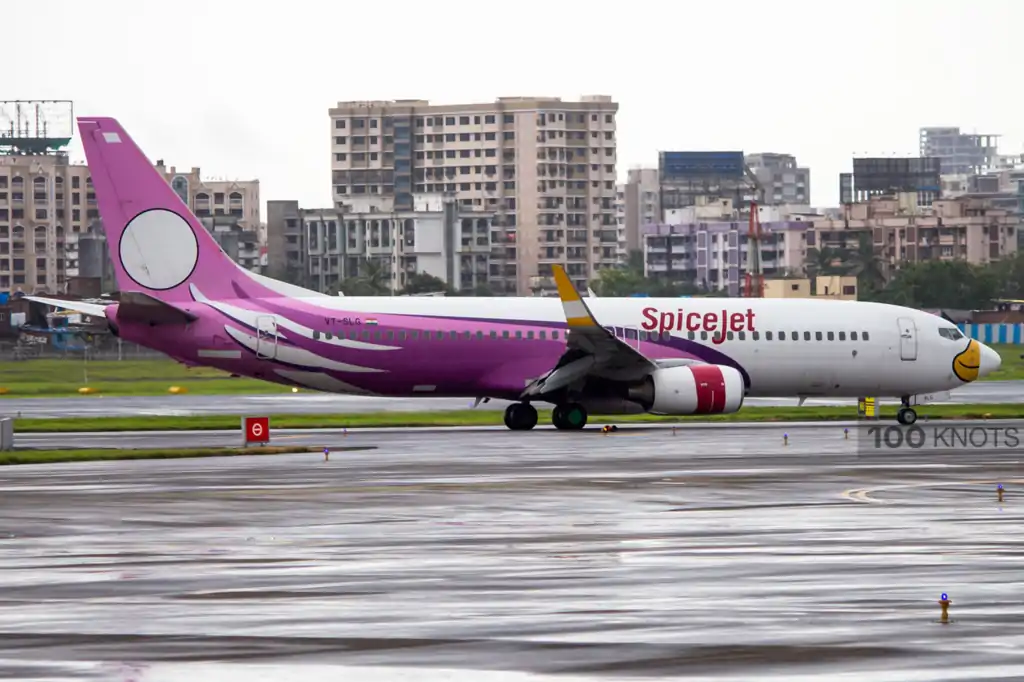
SpiceJet, India’s low-cost carrier, is marking a major milestone in its journey to fleet restoration with the re-induction of its first Boeing 737 MAX aircraft. Grounded for several months, these fuel-efficient planes are now set to transform the airline’s operations starting January 25, 2025. Here’s everything you need to know about this significant development.
Fleet Restoration Milestone
The airline has set an ambitious target to restore ten aircraft to service by mid-April 2025, including four Boeing 737 MAX planes. This marks a critical step in SpiceJet’s plan to bolster its operational capacity and return to full strength.
“The re-induction of our first grounded Boeing 737 MAX aircraft is a moment of immense pride and an important milestone for SpiceJet,” said Ajay Singh, Chairman and Managing Director. He emphasized the airline’s commitment to scaling new heights, offering exceptional service, and driving sustainable growth.
Collaboration with Industry Leaders
To ensure a smooth and efficient restoration process, SpiceJet has partnered with leading industry players:
- StandardAero Inc: A US-based engine maintenance, repair, and overhaul (MRO) provider.
- CFM International, Inc.: The original equipment manufacturer (OEM) for LEAP-1B engines, which power the 737 MAX aircraft.
These collaborations underscore SpiceJet’s dedication to maintaining high standards of safety, reliability, and efficiency.
Unlocking New Opportunities
The return of the 737 MAX planes brings several operational and financial benefits:
Fuel Efficiency and Cost Savings

The Boeing 737 MAX is renowned for its fuel-efficient design, which reduces fuel consumption and lowers operational costs. Additionally, these aircraft require less maintenance and enable higher utilization, translating to significant cost savings for the airline.
Expanding Market Reach
With the MAX aircraft back in the fleet, SpiceJet plans to serve high-demand international markets such as Jeddah and Riyadh. These planes’ enhanced range and performance capabilities allow the airline to operate without restrictions, opening up new opportunities for growth.
Looking Ahead
SpiceJet’s re-induction of the Boeing 737 MAX represents more than just fleet expansion—it’s a symbol of resilience and forward momentum. As the airline continues to restore its grounded fleet, passengers can look forward to improved service, expanded routes, and a commitment to sustainable growth.
Stay tuned as SpiceJet continues its journey to reclaim its place among India’s leading low-cost carriers. With innovation and dedication at the forefront, the skies are truly the limit for this resilient airline.

Read next

The Moscow City Tourism Committee has intensified its efforts to deepen collaboration with India’s outbound tourism sector, with a special emphasis on the Meetings, Incentives, Conferences, and Exhibitions (MICE) industry. This strategic focus highlights Moscow's ambition to solidify its position as a premier destination for both leisure and business tourism, with India emerging as a key partner.
A Surge in Indian Travelers to Moscow

India has been a leading contributor to Moscow’s tourism growth, especially after 2020, when it became one of the top non-CIS countries sending tourists to the Russian capital. This trend has shown remarkable resilience, with the first half of 2024 witnessing a 1.5-fold increase in Indian travelers compared to the same period in 2023. This surge, which brought 28,500 Indian visitors to Moscow, can largely be attributed to the introduction of the e-visa system in August 2023. The simplified visa process has significantly boosted accessibility for Indian passport holders, fostering increased MICE traffic from India to Russia.
Moscow's Commitment to Business Tourism
According to Evgeny Kozlov, First Deputy Head of the Office of the Mayor and the Government of Moscow and Chairman of the Moscow City Tourism Committee, the city’s tourism strategy extends beyond cultural, educational, and entertainment pursuits. Business tourism has become a vital economic driver for Moscow. By 2030, the city aims to attract 6 million foreign tourists annually, with significant contributions expected from regions such as the CIS, Asia-Pacific, India, and the Middle East.
Showcasing Moscow at OTM Mumbai 2025
Moscow is gearing up to captivate audiences at the OTM International Tourism Exhibition in Mumbai from January 30 to February 1, 2025. Over three days, the Russian capital will showcase its rich offerings in cultural, leisure, and business tourism.
Ahead of the exhibition, a Moscow Business Mission is set to take place on January 28, 2025, bringing together prominent representatives of Moscow’s tourism industry and approximately 80 Indian tour operators and stakeholders. This will be followed by a reception on January 29, hosted by the Moscow City Tourism Committee. High-ranking officials, including Ivan Fetisov, Consul General of the Russian Federation in Mumbai, Victor Gorelykh, Director of the Russian House in Mumbai, and Evgeny Kozlov, will attend to further strengthen ties with Indian partners.

Strategic Initiatives to Attract Indian Tourists
Recognizing India as a priority market, the Moscow City Tourism Committee has been actively implementing projects to attract Indian travelers. These initiatives include participating in major Indian tourism exhibitions such as BLTM, SATTE, OTM, and the MILT Congress. Additionally, Moscow organizes business missions and presentations in key Indian cities like Kolkata, Ahmedabad, Mumbai, and Chennai to build brand recognition and foster new connections.
In April 2024, Moscow hosted the "Shaping MICE Future" conference in Delhi, engaging over 100 Indian industry representatives. Moreover, the Moscow MICE Ambassadors program, launched in 2023 in partnership with the Network of Indian MICE Agents (NIMA), certified 50 participants in its first year and expanded to certify 200 Indian professionals by November 2024. This program has significantly bolstered connections between Moscow and India’s event industry.
Highlighting Recent Milestones
December 2024 saw Moscow host the second Meet Global MICE Congress: BRICS Edition, which attracted over 1,300 business tourism representatives from BRICS nations and the Global South. This event underscored Moscow’s growing appeal as a hub for international business tourism.
A Promising Future for Moscow-India MICE Tourism
With a combination of strategic initiatives, government support, and enhanced accessibility through the e-visa system, Moscow is poised to strengthen its ties with India’s outbound tourism market. As the city continues to attract more Indian travelers, particularly in the MICE sector, the partnership between Moscow and India promises to set new benchmarks in global tourism collaboration.
Read next
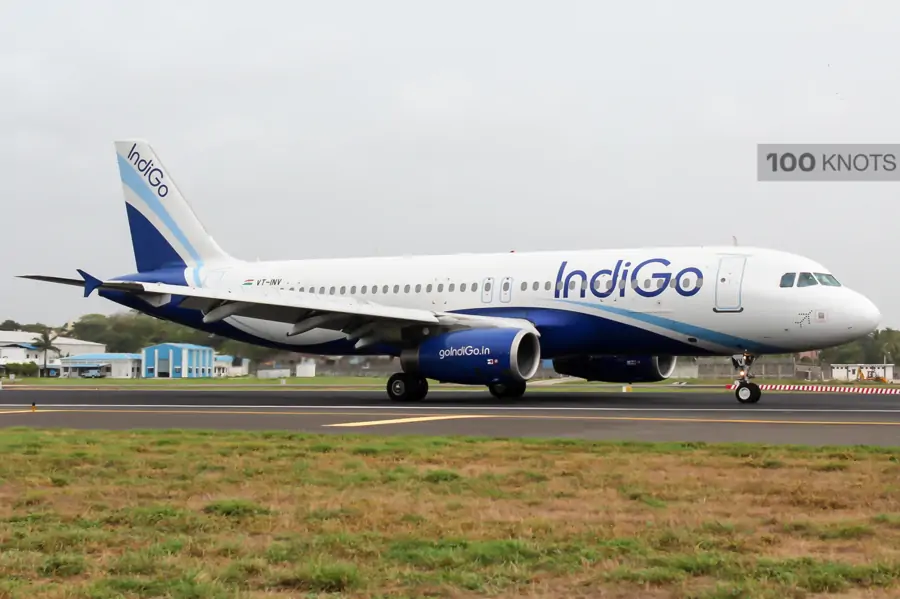
India’s leading low-cost carrier, IndiGo, is gearing up for a dynamic fourth quarter of the ongoing fiscal year, riding on strong air travel demand. While the airline forecasts impressive growth in capacity, it also braces for challenges such as declining yields and foreign exchange headwinds. Here’s a detailed look at IndiGo’s current scenario and future plans.
Rising Capacity with Airbus Deliveries
IndiGo is set to witness a 20% year-on-year increase in capacity, measured in available seat kilometers (ASK), for the January-March period. This growth is largely fueled by a steady stream of aircraft deliveries from Airbus. In 2024 alone, Airbus supplied IndiGo with 58 aircraft, reflecting the airline’s aggressive expansion strategy.
Yields Take a Hit Amid Capacity Surge
While the growth in capacity is a positive sign, IndiGo’s Chief Financial Officer, Gaurav Negi, has cautioned about a potential decline in yields. Yields, which measure average revenue per passenger per kilometer, are expected to drop by a low single-digit percentage compared to the previous year. This dip is attributed to the easing of capacity constraints, as engine-related groundings had previously propped up yields by limiting available seats.
Profit Decline in Q3 Despite Record Passenger Numbers
IndiGo reported a 19% drop in its third-quarter profit, primarily due to mounting foreign exchange losses. The airline flew a record 31.1 million passengers during this period, but the steep depreciation of the Indian rupee against the dollar took a toll on profitability. Payments for aircraft rentals, maintenance, and international operations, all made in dollars, compounded the financial strain.
Hedging Strategies and International Expansion
To mitigate foreign exchange risks, IndiGo plans to hedge most of its forex positions. Additionally, the airline is eyeing international expansion as a growth lever. Currently, international operations account for about 10% of its revenue. By adding long-haul routes and increasing foreign currency-denominated revenue, IndiGo aims to counterbalance the rupee’s depreciation.
Fleet and Market Dominance
With a fleet of approximately 437 aircraft, IndiGo commands a dominant 63% share of India’s domestic aviation market as of December. Despite the challenges, it remains one of India’s few profitable airlines and holds the title of Asia’s largest airline by market capitalization.
Grounded Fleet Recovery and Future Growth Outlook
IndiGo is optimistic about resolving its fleet grounding issues, with 40% of its grounded planes expected to be operational by April 2024. For the fiscal year 2025, the airline has projected ASK growth in the low double-digit percentage range, signaling continued expansion.
Looking Ahead
IndiGo’s ability to balance capacity growth with yield management and navigate foreign exchange challenges will be pivotal in sustaining its leadership in the aviation sector. As the airline expands its international footprint and bolsters its operational capabilities, it remains a key player in shaping India’s aviation landscape. Passengers, investors, and industry watchers will be closely following its performance in the coming months.
With Inputs from Reuters
Read next

Saudia, the national flag carrier of Saudi Arabia, concluded 2024 with exceptional growth, particularly in its international operations. The airline transported 20 million international guests on scheduled and additional flights, marking a 16% increase compared to 2023. Transit guest numbers also surged past 9.3 million, representing an impressive 18% annual growth.
These milestones highlight Saudia’s unwavering commitment to connecting the world to the Kingdom, aligning with the broader objectives of Saudi Vision 2030. The airline continues to support national goals in tourism, entertainment, sports, and Hajj and Umrah pilgrimage services.
A Year of Growth Across the Board
In total, Saudia carried 35 million guests in 2024, a 15% year-on-year increase. The airline operated 193,000 scheduled and additional flights, a 10% growth from the previous year, and achieved an 8.5% rise in total flight hours, reaching over 581,000 hours. Furthermore, Saudia maintained an on-time performance rate of 89.1%, a 2.7% improvement compared to 2023.
Guest satisfaction levels also improved significantly. The airline’s Net Promoter Score (NPS) reached 32.7, reflecting a 4.5% increase, indicative of higher guest satisfaction and a greater likelihood of travelers recommending Saudia to others.
Leadership Insights
His Excellency Eng. Ibrahim Al-Omar, Director General of Saudia Group, credited the airline’s remarkable achievements to its commitment to sustainable operational excellence and adherence to the highest international standards.
“Operating in the competitive aviation industry demands a constantly evolving strategy. Saudia’s growth is a testament to the dedication and hard work of our employees, as well as the strategic optimization of our aircraft fleet to deliver exceptional service,” he stated. “We have also made significant strides in enhancing our services and enriching the overall guest experience.”

Digital Transformation and Enhanced Guest Experience
As part of its digital transformation journey, Saudia reported a significant increase in guest engagement with modern technologies. Usage of the Saudia app surged by 40%, while the Government Digital Wallet (GovClick) contributed to an extraordinary 324% growth in digital service adoption.
These advancements underline Saudia’s commitment to enhancing customer convenience and streamlining travel experiences through digital innovation.
Future Ambitions: Fleet Expansion and Network Growth
Looking ahead, Saudia is determined to further strengthen its operational model, especially during peak travel seasons. With a current fleet of 147 aircraft, the airline plans to add 118 new aircraft in the coming years. This ambitious fleet expansion is part of Saudia’s broader strategy to increase seat capacity and extend its global network.
Commitment to Saudi Vision 2030
By connecting millions of international guests to Saudi Arabia and contributing to the Kingdom’s key sectors, Saudia continues to play a pivotal role in realizing the goals of Saudi Vision 2030. Through sustained growth, enhanced guest experiences, and ongoing innovation, the airline is poised to remain a vital player in the global aviation industry.
Conclusion
Saudia’s stellar performance in 2024 serves as a testament to its strategic planning, operational excellence, and customer-centric approach. As the airline looks to the future, its focus on innovation, expansion, and sustainable growth ensures it remains a leader in connecting the world to Saudi Arabia and beyond.
Read next
The Race to TAP: Why British Airways’ Parent IAG Could Win Big in Europe’s Airline Consolidation
Abhishek Nayar
25 Jan 2025

The Portuguese government’s decision to sell a stake in its national carrier, TAP Air Portugal, has set the stage for a high-stakes battle in Europe’s airline industry. With TAP valued at around $1 billion, major players like International Airlines Group (IAG), Lufthansa, and Air France-KLM are vying for a share, hoping to gain strategic access to the lucrative South American market and bolster their position in Southern Europe.
At the forefront of this competition is IAG, the British Airways-owner, which analysts and bankers predict is well-positioned to secure the deal. This move comes amidst growing consolidation in the European aviation sector, driven by rising costs and increasing competition from U.S., Gulf, and Asian carriers.
Why TAP Matters in the Global Aviation Landscape
Strategic Importance of TAP
TAP Air Portugal holds a unique position as a gateway to South America, particularly Brazil. The carrier’s extensive network in the region makes it an attractive asset for any European airline looking to expand its long-haul operations. Additionally, Lisbon’s geographic location is ideal for building a Southern European hub, offering connectivity to Africa, North America, and beyond.
Consolidation Trends in Europe
Data from airline industry analyst Cirium reveals that Europe’s aviation market is far more fragmented than that of the United States. While six airlines dominate 80% of U.S. capacity, 36 airlines share the same market share in Europe. This fragmentation has made consolidation a necessity for European carriers to achieve economies of scale and remain competitive globally.
The Players: IAG Leads the Pack
IAG’s Competitive Edge

IAG, which owns British Airways, Iberia, and Aer Lingus, has emerged as the frontrunner to acquire a stake in TAP. Analysts point to IAG’s success with Iberia in Madrid, where it established a strong hub for Southern Europe, as a template for what it could achieve with TAP in Lisbon.
Jonathan Sullivan, IAG’s chief corporate development officer, recently highlighted the group’s openness to acquiring a minority stake that could pave the way for a majority holding. Sullivan emphasized that TAP would retain its Portuguese identity, a critical factor for the Portuguese government.
Lufthansa’s Southern Ambitions

Lufthansa has also shown significant interest, lobbying Portuguese government officials in Lisbon as part of its efforts to expand its Southern European footprint. After acquiring a stake in ITA Airways, the German carrier is keen to add TAP to its portfolio. However, analysts believe that IAG’s existing synergies with Iberia give it a stronger case for integration.
Air France-KLM in the Mix

While Air France-KLM has expressed interest, it is seen as a less aggressive contender in the race for TAP. The Franco-Dutch group’s priorities may lie elsewhere, giving IAG and Lufthansa the upper hand.
What’s at Stake for Portugal?
National Identity and Economic Impact
Preserving TAP’s Portuguese identity is a key concern for government officials. IAG’s track record of maintaining the cultural and national heritage of its acquired airlines, such as Aer Lingus in Ireland, could work in its favor. Additionally, the sale is expected to bring significant economic benefits, including increased investment in TAP’s infrastructure and potential job creation.
Timeline and Process
Portugal’s infrastructure ministry has confirmed that the sale will take place this year, though formal talks are yet to begin. The government is currently assessing market interest and weighing its options for selling either a minority or majority stake.
What’s Next: The Path to Consolidation
Challenges Ahead
While IAG appears to be the strongest contender, challenges remain. High costs, regulatory approvals, and the need to satisfy all stakeholders could complicate the deal. Moreover, competition from Lufthansa and Air France-KLM adds pressure on IAG to present the most compelling proposal.
A Game-Changer for European Aviation
If IAG secures TAP, it could reshape the competitive landscape of European aviation. By building a multi-hub strategy in Southern Europe, IAG would not only strengthen its market position but also create a robust platform for transatlantic and South American operations.
Conclusion: A Defining Moment for TAP and Europe
The potential acquisition of TAP Air Portugal marks a critical juncture in the consolidation of Europe’s aviation industry. As IAG, Lufthansa, and Air France-KLM vie for control, the outcome of this sale could set the tone for future mergers and acquisitions in the region. With IAG’s proven track record and strategic vision, it appears poised to emerge as the winner in this high-stakes race—but only time will tell who will ultimately take off with TAP.
With Inputs from Reuters
Read next
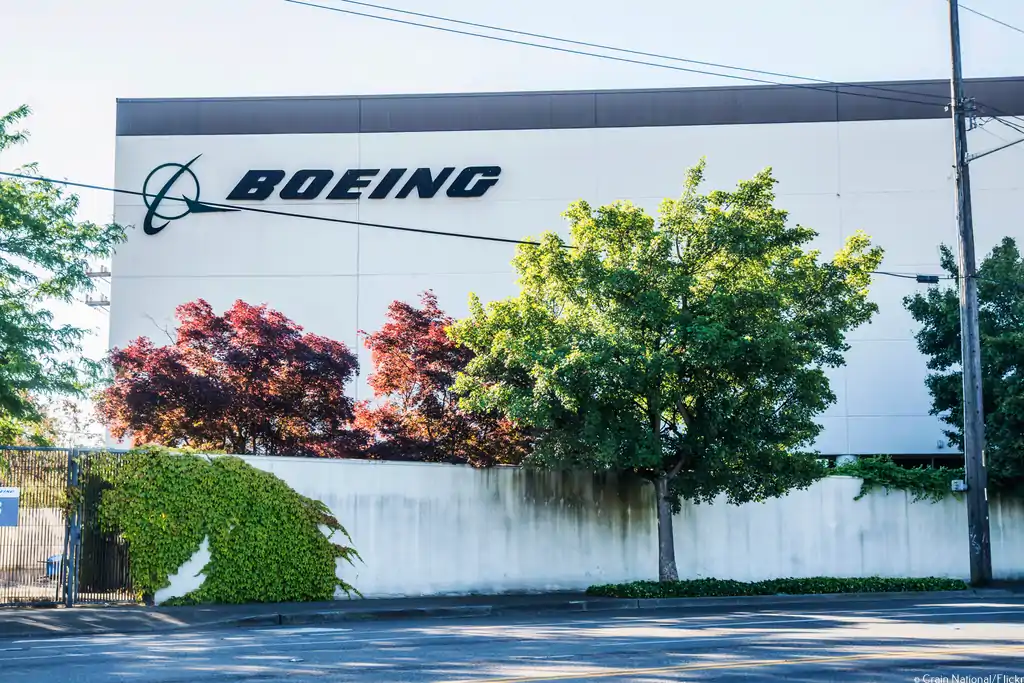
Boeing has sent shockwaves across the financial markets by warning of an expected fourth-quarter loss of approximately $4 billion, a figure nearly three times greater than Wall Street’s estimates. This announcement caps off a challenging year for the aerospace giant, marked by a production quality crisis, intensified regulatory oversight, persistent supply chain delays, and a crippling seven-week strike by U.S. West Coast factory workers.
The anticipated quarterly loss of $5.46 per share far exceeds analysts’ average prediction of a $1.84 loss, according to LSEG data. Boeing also projects quarterly revenue to come in at $15.2 billion, falling short of market expectations of $16.27 billion. Following this forecast, Boeing’s shares dropped by 3.5% in after-hours trading.
A Series of Setbacks Since 2019
Boeing’s financial struggles date back to 2019, when two fatal crashes of its 737 MAX exposed production quality issues and regulatory lapses. The subsequent grounding of the 737 MAX tarnished the company’s reputation and drained billions from its coffers.
The COVID-19 pandemic exacerbated the situation, crippling air travel demand and disrupting production lines. Adding to its woes, 2024 began with another public relations crisis after a mid-air panel failure on a 737 MAX jet.
The situation worsened throughout 2024, as a strike by over 33,000 factory workers halted production of its flagship aircraft, including the 737 MAX, 777, and 767 models. The company’s defense and space division also struggled, contributing to nearly $8 billion in losses over the first nine months of the year.
Impact of the Strike and Rising Costs

The seven-week strike, which ended in November, significantly affected Boeing’s operations. The company incurred a $900 million pre-tax earnings charge on its delayed 777X program due to higher labor costs from the new union contract. Additionally, a $200 million charge on its 767 program further strained its financial performance.
The strike’s ripple effects were felt in Boeing’s commercial division, which saw a sharp decline in jet deliveries, dropping to 348 units in 2024 from 528 the previous year. New jet orders also plummeted to less than half of 2023’s total, although a deal with Pegasus Airlines for 100 737 MAX planes offered a glimmer of hope.
CEO Kelly Ortberg’s Stabilization Efforts
Boeing’s new CEO, Kelly Ortberg, who took the helm in August, acknowledged the company’s “near-term challenges” but emphasized the steps taken to stabilize operations. Under his leadership, Boeing secured over $20 billion in capital and resumed production of its key aircraft programs following the resolution of the labor strike.
Despite these efforts, the company’s commercial airplanes division expects a steep fourth-quarter revenue decline to $4.8 billion, accompanied by an operating margin loss of 43.9%.
A Bleak Annual Outlook
Based on Boeing’s forecasts, its annual loss for 2024 could rival its record $12 billion loss in 2020. The financial pressure comes as the company reiterates its plan to deliver the first 777-9 aircraft by 2026, years behind its original schedule.
The Road Ahead: Can Boeing Weather the Storm?
Boeing’s challenges underscore the volatility of the aerospace industry. While the company has taken steps to address immediate issues, including the restart of production lines and securing major orders, its long-term recovery hinges on resolving production bottlenecks, enhancing quality control, and restoring customer confidence.
With mounting losses, delayed projects, and a fragile global economy, Boeing faces significant headwinds as it navigates the skies ahead. The coming months will determine whether it can regain its former status as a leader in the aviation industry or continue to grapple with turbulence.
With Inputs from Reuters
Comment