
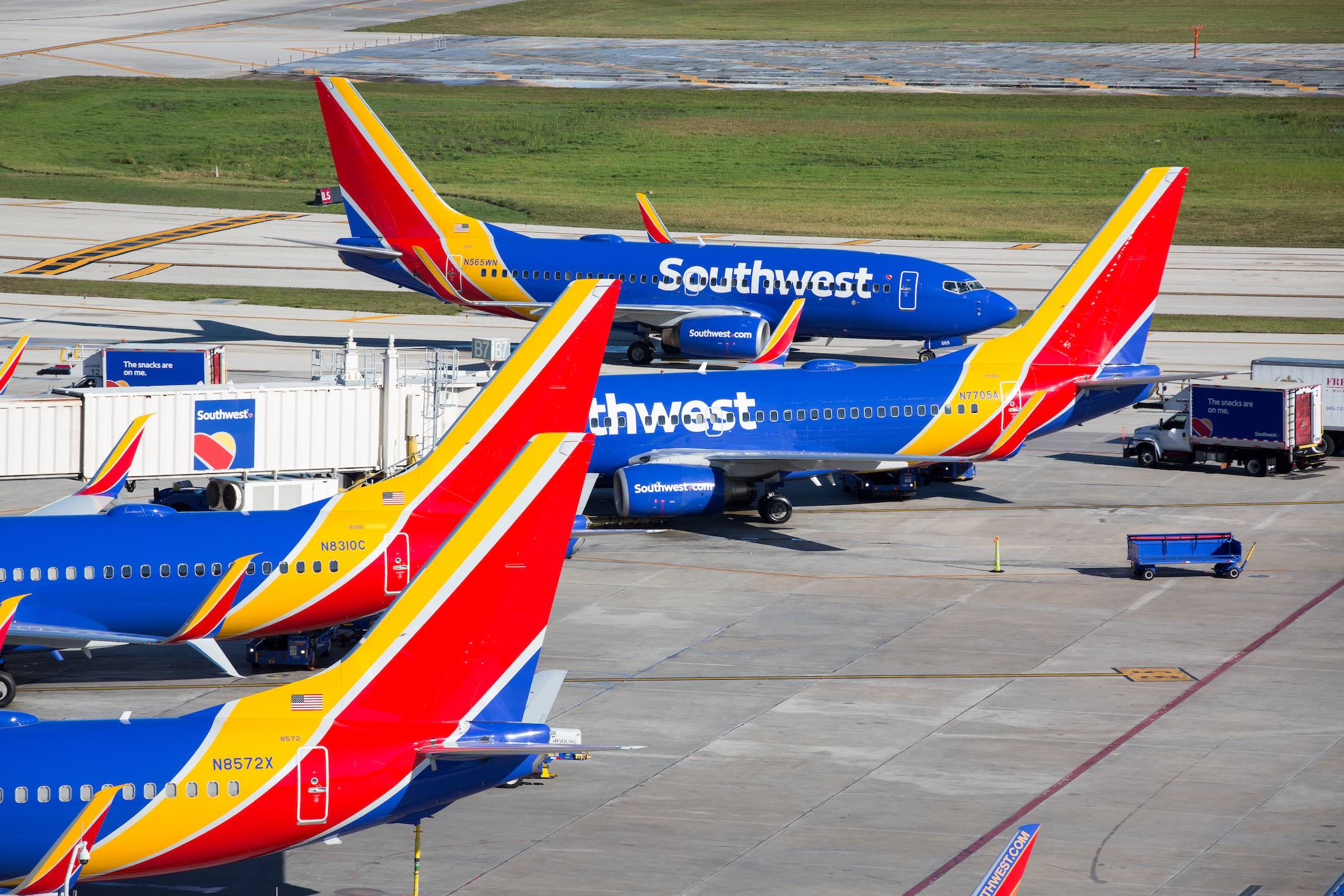
Southwest Airlines announced Monday that it will require plus-size travellers who cannot fit within their seat armrests to purchase an additional ticket in advance, starting January 27. The policy change represents a significant shift from the carrier's current customer-friendly approach and comes as part of broader operational transformations at the airline.
Departure from Current Flexibility
The airline currently offers plus-size passengers two options: purchasing an extra seat upfront with the possibility of receiving a refund afterwards, or requesting a complimentary additional seat at the airport. Under the new system, passengers who previously utilised the extra seat policy must purchase the second ticket during the booking process to guarantee space.
Southwest stated it made the change to ensure adequate seating availability for customers requiring extra space. However, the new policy eliminates the guarantee of refunds that passengers previously received, though refunds remain possible under specific conditions.

Strict Refund Requirements
The airline will issue refunds for second tickets only if three criteria are met: the flight must have available seats at departure time, both tickets must be purchased in the same booking class, and passengers must submit refund requests within 90 days of travel. This represents a more restrictive approach than the carrier's previous policy.
Passengers who fail to purchase an extra seat in advance will be required to buy one at the airport under the new rules. If the flight has reached capacity, the airline will rebook the passenger onto a different flight.
Industry Concerns
Jason Vaughn, an Orlando-based travel agent who operates Fat Travel Tested and shares travel advice for plus-size travellers, warned that the policy change will negatively affect passengers of all sizes. Vaughn explained that Southwest's existing policy created comfortable travel experiences for plus-size passengers while ensuring all travellers had sufficient personal space.
Vaughn characterised the change as another letdown for loyal Southwest customers, comparing it to recent brand alterations at Cracker Barrel that upset longtime patrons. He argued the airline has lost touch with its customer base and abandoned its distinctive identity.

Broader Transformation
The policy shift follows a series of changes at Southwest Airlines as the carrier faces pressure from activist investors to boost profitability and revenue. The airline ended its signature free checked baggage policy in May and introduced assigned seating on the same day as the extra seat policy announcement. These modifications mark a departure from the perks that previously distinguished Southwest from competing budget carriers.
Southwest also announced plans last year to charge fees for extra legroom seating and launch red-eye flights as it navigates financial challenges and investor demands for improved performance.

Read next
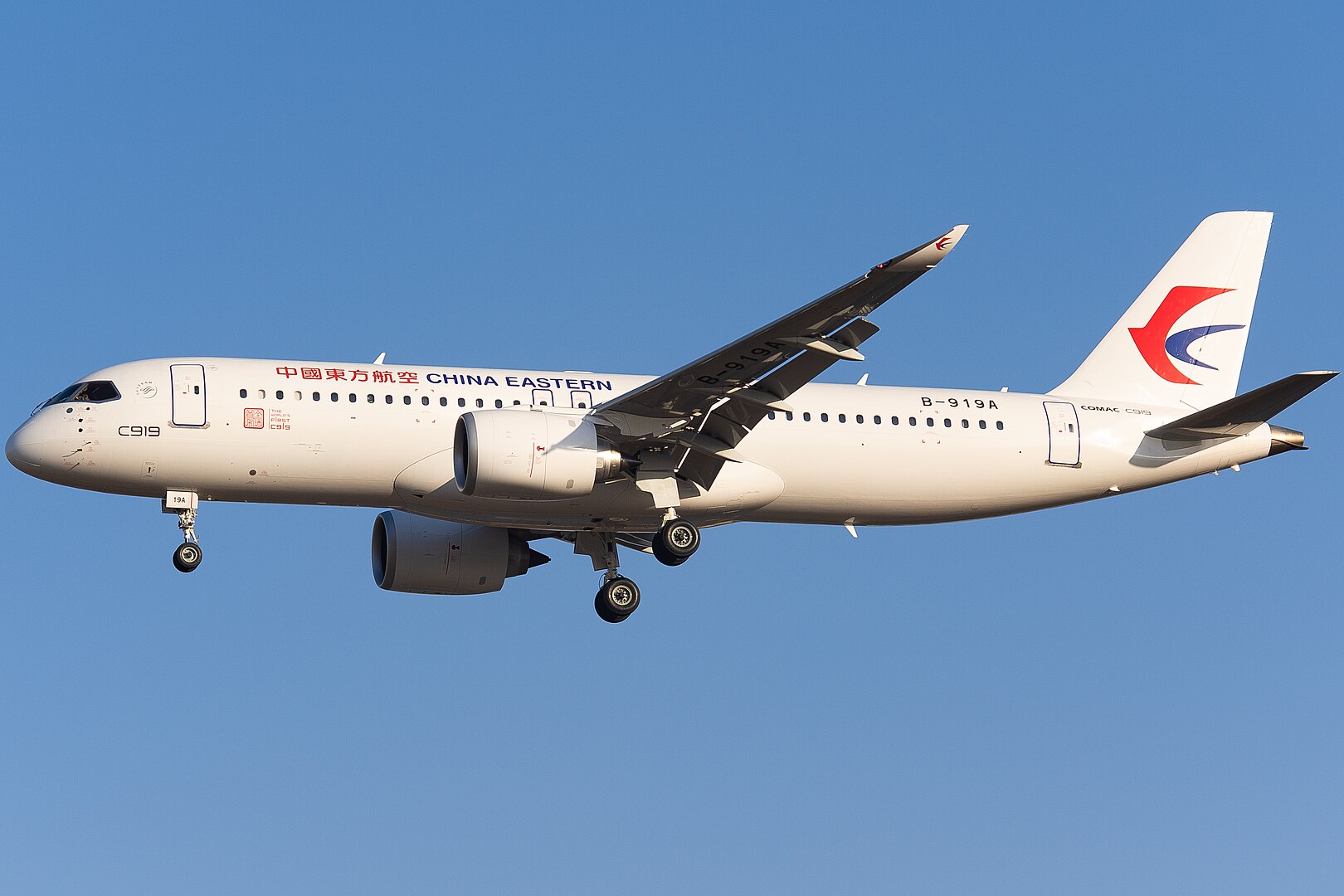
COMAC has secured the necessary approval from Brunei's aviation regulator to operate its aircraft in the Southeast Asian nation, marking another incremental step in the Chinese manufacturer's international expansion efforts. The regulator confirmed the certification through a recent publication, enabling COMAC to present its aircraft offerings to Brunei-based airlines.
Market Penetration Constraints
Brunei joins a small but growing list of countries authorising Chinese-manufactured aircraft operations. The approvals remain concentrated among nations considered Chinese allies and neighbouring markets rather than distant regions. This geographic limitation reflects COMAC's ongoing struggle to secure certifications beyond China's immediate sphere of influence, hampering its stated objective to capture market share from Airbus, Boeing, and Embraer.

Western Regulatories Block Major Orders
Western regulators maintain a cautious stance toward certifying COMAC aircraft, preventing the manufacturer from securing significant commercial orders outside China. This regulatory standoff stems from multiple concerns, including geopolitical tensions, spare parts availability, ongoing maintenance support capabilities, aircraft quality standards, and political considerations. Airlines cite these unresolved risks as primary reasons for avoiding COMAC purchases, despite the manufacturer's attractive delivery timelines resulting from smaller order backlogs compared to established competitors.
C919 Struggles to Challenge Airbus and Boeing Dominance
COMAC positions its C919 aircraft as a direct competitor to the Airbus A320neo and Boeing 737 MAX families. However, adoption remains overwhelmingly concentrated in China, with negligible international orders constituting the current backlog. The manufacturer's limited control over approval processes across different jurisdictions continues to restrict its global ambitions.

Recent Rejections
Korean Air rejected COMAC's proposal in 2025, citing unresolved operational hurdles and emphasising its established relationships with proven manufacturers, which it believed represented safer business decisions. Subsequently, U.S. lawmakers advised Ryanair against considering COMAC aircraft after Reuters revealed internal correspondence discussing potential purchases.
Despite Ryanair's frustration with Boeing's delivery challenges, as one of the American manufacturer's largest customers and a recipient of exclusively Boeing aircraft, the European low-cost carrier faces constraints due to a lack of European certification for Chinese aircraft. This regulatory gap prevents COMAC jets from operating across European markets and most Western territories, undermining any potential breakthrough with Western airlines, regardless of their dissatisfaction with current suppliers.
Read next
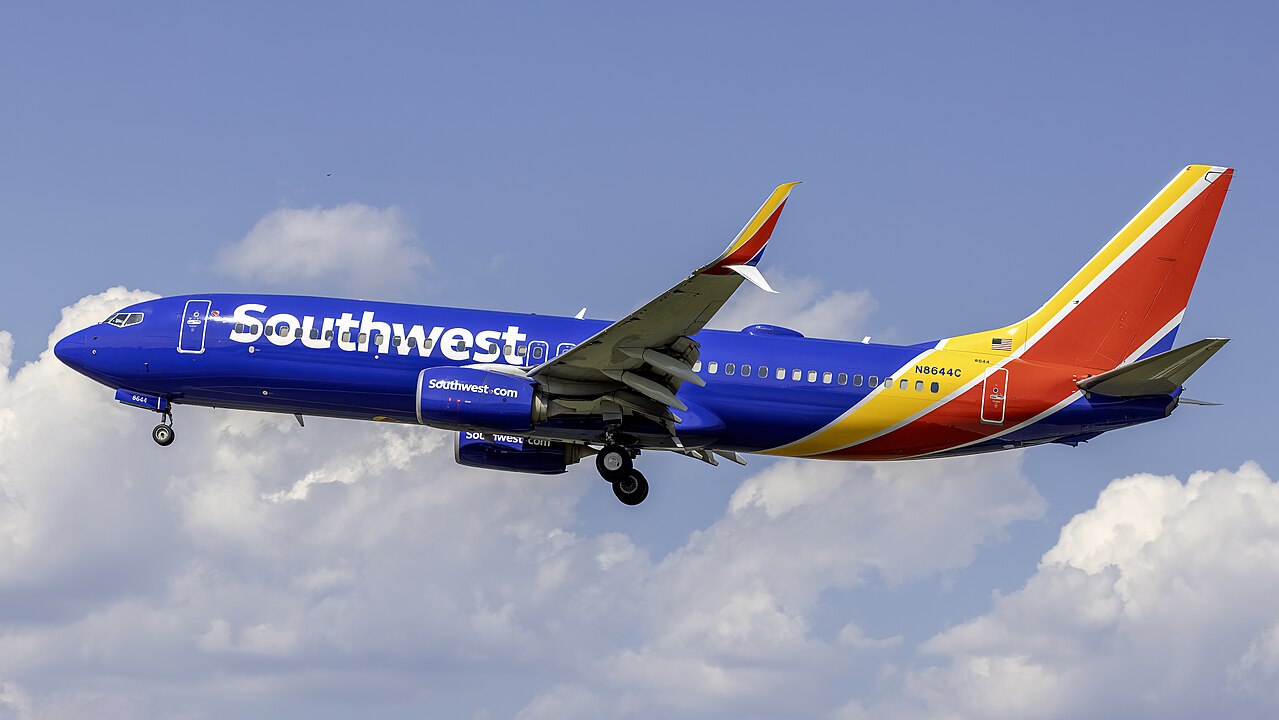
Southwest Airlines has launched its global innovation centre in Hyderabad, leveraging India's advanced technology talent and digital infrastructure to transform the city into a critical node in global aviation innovation.
The strategic expansion positions India as a leading aviation technology frontier while supporting Telangana's trillion-dollar economic vision through high-value job creation and increased foreign investment.
Southwest Airlines' Expansion into India
Southwest Airlines has established a global innovation centre in Hyderabad, marking a significant milestone in the airline's technology strategy. The facility solidifies Hyderabad's reputation as a dynamic technology hub and strengthens India's role in the global aviation ecosystem. The centre will advance next-generation solutions for business operations and technology-driven services while enhancing customer experience and operational efficiency.

Hyderabad: Aviation Technology Hub
Hyderabad has evolved from a vibrant technology centre into a preferred destination for aviation and technology collaborations. The city's strong infrastructure, world-class workforce, and forward-thinking policies attracted Southwest Airlines to establish its innovation base. This investment adds another major global brand to Hyderabad's growing portfolio and reinforces the state's ambition to become a trillion-dollar economy by 2034 through digital transformation and sustainable development.
Southwest selected Hyderabad for its deep pool of skilled IT professionals, seamless international connectivity, and government policies encouraging innovation-based investment. The city's reputation as a gateway to India's digital future makes it an ideal location for global companies expanding their technological presence.
Digital Transformation
The Hyderabad facility will focus on software development, data analytics, and operations research to enhance Southwest's digital evolution. These innovations will improve passenger service efficiency and sustainability while generating employment, boosting the local economy, and attracting further global investments in aviation technology. India's aviation industry has experienced consistent growth driven by increasing passenger demand, improved connectivity, and supportive regulatory frameworks, positioning the country as a global hub for aviation research and digital solutions.

Telangana's Trillion-Dollar Economic Vision
Telangana has outlined plans to achieve a USD 1 trillion economy by 2034 and USD 3 trillion by 2047 through innovation-led growth. Aviation technology partnerships like Southwest Airlines form an essential component of this vision. The state accelerates its transformation into an international digital innovation hub by attracting global aviation players, aligning with initiatives promoting smart infrastructure, sustainable development, and professional skill development.
Hyderabad's tech-driven economy, supported by policy reforms and a robust startup ecosystem, has established itself as a preferred base for innovation centres. Southwest Airlines' commitment demonstrates confidence in Telangana's potential to lead global digital transformation.
Technology Integration
The aviation sector increasingly depends on innovation, from predictive maintenance systems and digital flight planning to artificial intelligence-driven customer service platforms. Southwest's Hyderabad centre will integrate these technologies into operations while focusing on research that enhances safety, improves efficiency, and reduces environmental impact. The facility will develop technology minimising carbon footprints and optimising resource usage, supporting the airline's sustainability commitment.
The collaboration between international airlines and Indian technology experts will drive creative solutions shaping the future of air travel worldwide, highlighting Hyderabad's emergence as a leader in aviation technology.
Read next
In a pioneering move for the aviation industry, Qatar Airways has partnered with Grammy-winning music producer and entrepreneur Swizz Beatz to launch a revolutionary cultural platform. Announced at Art Basel Paris 2025, where Qatar Airways holds Premium Partner status across all five Art Basel exhibitions worldwide, this collaboration introduces the Qatar Airways Creative 100—an annual initiative designed to recognise the most impactful cultural influencers of our time.
Platform for Cultural Visionaries
The initiative stems from a collaboration with The Dean Collection, the art collective established by Swizz Beatz alongside Grammy-winning musician Alicia Keys. The platform will feature 100 creators spanning multiple disciplines, including art, design, music, technology, and sport.
The inaugural celebration is scheduled to take place during Art Basel Qatar in February 2026.
Initial inductees include South African DJ and producer Black Coffee, Olympic fencing champion Miles Chamley-Watson, Bang & Olufsen CEO Kristian Teär, AMBUSH co-founder and Dior Homme Jewellery Director Yoon Ahn, and Ferrari Chief Design Officer Flavio Manzoni. From the art world, sculptor Kennedy Yanko and visual artist Patrick Eugene have been recognised for their contributions exploring identity and cultural narratives.

Transforming the Travel Experience
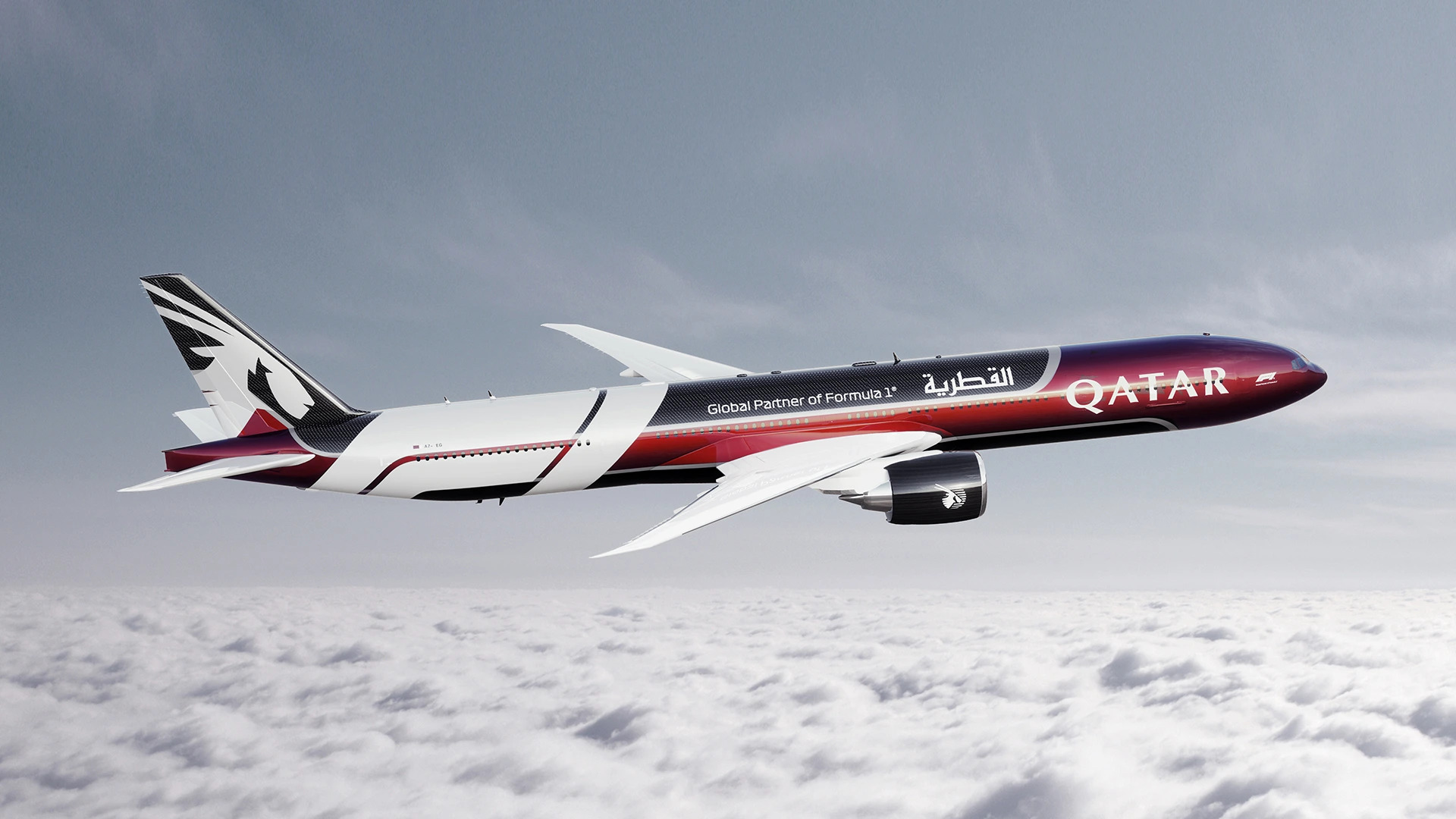
The partnership will influence passenger experiences through branded merchandise, onboard programming, and special activations. As their first creative expression, the collaborators unveiled a special Formula 1 livery design for the Boeing 777-300ER, honouring Qatar Airways' position as Global Airline Partner, with plans for a FIFA World Cup 2026 commemorative design to follow.
A dedicated digital platform will function as a cultural destination, presenting films, interviews, podcasts, and city guides curated by global creators. Privilege Club members will receive exclusive access to masterclasses conducted by Creative 100 honorees and priority invitations to prestigious cultural gatherings.
Industry Leaders Share Vision
Qatar Airways Group CEO Badr Mohammed Al-Meer emphasised that innovation drives every aspect of their operations. He stated that their alliance with Swizz Beatz embodies a mutual conviction that creativity possesses the capacity to inspire, connect, and revolutionise global connectivity. Swizz Beatz remarked that Qatar Airways transcends mere transportation, moving the entire world, making this collaboration feel organic.
Read next
Why Would India Make Lessors Pay an Airline’s Back Bills Before They Can Take Back Their Planes?

Abhishek Nayar
23 Oct 2025

Welcome to the bureaucratic version of musical chairs — except the chairs are Airbus and Boeing, and someone’s asking you to pay the electricity bill before you can sit down.
India’s draft aviation rules released in September have sent a shiver through global aircraft lessors by apparently requiring them to clear a distressed carrier’s taxes, wages and other dues before repossessing leased planes. That has lessors saying: “Wait, what?” — and the Aviation Working Group (AWG) has formally pushed back.
The short story (spoiler: it’s complicated)
India passed a law this year intended to make it easier for lessors to reclaim aircraft — a move meant to align domestic rules with global practice and reassure financiers. But the draft rules to implement that law appear to mandate that lessors first settle certain unpaid airline bills (wages, airport charges, taxes, even fuel in some cases) before they can take physical possession of the aircraft. That disconnect between law and draft rules has alarmed major leasing firms and plane-makers.
What the draft rules actually say (and why lessors winced)
- Bottom line: The draft says wages and government taxes owed by a distressed airline “shall have priority and would need to be cleared” by a lessor before repossession. The list of required clearances reportedly stretches to unpaid airport operator charges, landing fees and even fuel bills — items lessors say are not their responsibility and, in many cases, not directly tied to ownership of the aircraft.
- Lessors’ reaction: Global lessors represented by the AWG — which includes heavyweights like AerCap and Avolon, and influential manufacturers — say the rule is impractical and risks reversing the gains made by the earlier law designed to improve repossession certainty. They’ve submitted a confidential letter to India’s civil aviation ministry asking for reconsideration.
Why this matters — spoiler: because money talks (and so does trust)
- India = high-leasing market. Around 80% of India’s passenger fleet is leased — well above the global average — so how repossessions are handled substantially affects global financing costs for carriers flying in and out of India.
- Legal clarity drives leasing rates. If lessors face uncertain, potentially open-ended liabilities, they’ll charge higher rents or avoid the market — which could make flying in India more expensive or harder for smaller carriers.
Think of it like homeowner’s insurance: if the insurer suddenly had to pay the neighbor’s utility bills before returning the roof tiles, premiums would go up.
A not-so-distant horror show: Go First and the ghosts of bankruptcies past

The turbulence isn’t hypothetical. When Go First collapsed in 2023, lessors struggled to reclaim dozens of jets amid legal morasses and bankruptcy moratoria — which is partly why India moved to amend laws to protect leased aircraft from being frozen in insolvency processes. Past collapses like Kingfisher (2012) and Jet Airways (2019) also left unpaid government levies and staff dues in their wake — memories that are still shaping policy nerves.
So yes: policy-makers are trying to shield employees and government claims, but lessors worry the draft rules shift too much of the burden onto them and could slow down repossessions rather than speed them up.
Where both sides say they might meet in the middle
Industry sources say lessors are not entirely inflexible: some have been open to covering certain aircraft-specific charges for a short window (e.g., 30–60 days) while repossession is arranged — but they draw the line at being made retroactively liable for all historical airline debts unrelated to the asset. The AWG has framed its feedback as constructive and argued revisions “would materially benefit the Indian aviation sector.” Talks between AWG reps and ministry officials are expected.
What could happen next (three plausible flights of fancy)
- Rules are amended sensibly. Ministry clarifies liabilities are limited to aircraft-related, short-term operational charges — lessors sigh, deals continue, and the market calms. (Most optimistic scenario.)
- Rules stay as drafted. Lessors raise rates, become selective in India, or demand more protective contract language — which could increase financing costs for Indian carriers. (Not delightful.)
- Negotiated compromise. A middle ground where lessors cover a narrow, time-limited set of dues during repossession logistics, and historical debts remain with the carrier or estate. (Realistic and mostly boring — but stable.)
The human angle (because aircraft aren’t the only thing that flies)
Policy decisions here aren’t just balance-sheet moves. They touch on employees left unpaid in airline failures, airport operators chasing fees, and governments wanting tax revenue collected. Any fix will need to balance the rights of workers and public bodies with the simple economic fact that lessors won’t invest if legal risk makes the business untenable. In short: protect the people, but don’t scare off the people who finance the planes. Also: airplanes don’t like surprises, and neither do bankers.
What to watch (calendar & checkpoints)
- AWG–ministry talks (announced; timing: coming weeks).
- Finalization of the draft rules (public consultation closed Oct 17; rules not yet finalized).
- Any clarifications that explicitly limit lessor liability to aircraft-related operational charges or time-limited obligations.
A little levity before we taxi to the gate
If lessors wanted a drama-free repossession, they'd have asked for a rom-com script instead of legal rules. But since this is policy and not film, we’ll settle for the sequel where everyone reads the fine print and nobody has to wear a “Will Repossess for Coffee” sign at the airport.
TL; DR
- India’s draft rules (Sept) may force lessors to clear certain unpaid wages, taxes and airport bills before repossessing aircraft — AWG objects.
- This appears to clash with an earlier 2025 law that aimed to make repossession easier and align India with global norms.
- Lessors worry this could slow repossessions, raise financing costs and make India less attractive for leasing.
- The Go First (2023) and earlier airline failures show why both clarity and compassion (for unpaid workers) matter.
- Outcome to watch: AWG–ministry talks and whether final rules limit lessor liability to short-term, aircraft-related costs.
With Inputs from Reuters
Read next
Hole-y Progress: Boeing Gets the FAA’s Nod to Bump 737 MAX Output to 42 — Caution, Checks, and a Dash of Inventory Tetris
Abhishek Nayar
20 Oct 2025

After nearly two years of tight oversight, the Federal Aviation Administration on Friday cleared Boeing to increase 737 MAX production from 38 to 42 jets per month, saying inspectors had reviewed production lines and were satisfied the modest increase can be handled safely.
What changed (and why it matters)
Boeing had been operating under an unprecedented cap placed in January 2024 after a harrowing in-flight incident that exposed widespread production and quality control problems. The FAA’s decision to allow four more MAX jets a month is a major operational and financial turning point for Boeing — more deliveries means more of the big cheque that plane makers get at handover, which helps a company juggling high debt and years of losses.
The ugly trigger: what happened in January 2024
On January 5, 2024, Alaska Airlines Flight 1282 — a 737 MAX 9 — suffered an in-flight separation of a door plug at cruise altitude, causing rapid decompression. Investigators later found that the door plug had been reinstalled without the four retention bolts it needed, and the event revealed systemic lapses in production oversight. That incident is the proximate cause of the FAA’s production cap and the wider scrutiny of Boeing’s factory practices.
The FAA’s stripe-and-clipboard review
The FAA said its inspectors “conducted extensive reviews” of Boeing’s production lines before agreeing to the modest ramp. The Agency continues enhanced oversight, and the approval comes after Boeing had already been rebuilding its inspection and certification processes (including partial restoration of some airworthiness-certification privileges). The FAA’s messaging: incremental, cautious, and inspector-heavy.
Money, metrics, and the inventory cushion
Boeing is not just juggling nuts and bolts — it’s juggling billions. The company has reportedly stockpiled roughly $11 billion in raw materials as a buffer against erratic supply chains, and it’s carrying about $53 billion in debt, a far cry from the pre-crisis years. Wall Street forecasters expect Boeing to still lose money this year but to return to profitability in 2026 — so getting more jets out the door is very much a financial lifeline.

The fine, the ire, and the political soundtrack
Regulators haven’t been shy: the FAA proposed about $3.1 million in fines earlier, citing “hundreds” of quality-system violations at Boeing’s Renton plant and at Spirit AeroSystems’ Wichita facility, and critics in Congress argued that the fine is too small to change entrenched behaviors. Meanwhile, the Justice Department launched a criminal probe after the Alaska incident — so this is not just an inventory problem, it’s a reputational and legal one.
Can Boeing actually deliver (pun intended)?
Short answer: maybe — but not automatically. A few guardrails that make the ramp credible:
- Boeing has been adding capacity and equipment on the Seattle-area production lines and building inventory buffers to smooth supply volatility.
- Supply chain disruptions — from fasteners to engines to interiors — still bite unpredictably, but Boeing and suppliers say they’re better prepared than in earlier, more chaotic ramps. Analysts warn that sporadic supplier hiccups could still throttle output.
So yes, Boeing plans to boost output quickly — but real increases will depend on suppliers, inspectors, and the company sustaining quality discipline (no shortcuts, please).
A human ripple: passengers, pilots, and factory folks
Safety regulators stress that an increase in production rate must be matched by stronger, not laxer, quality controls. The Alaska Flight 1282 passengers lived through a terrifying event (thankfully without fatalities), and investigators’ findings left no doubt: these are human consequences, not just engineering footnotes. The FAA and NTSB attention remains intense; Boeing’s booster shots for production must not come at the expense of the basics.
How the industry sees it (quick takes)
- Airlines want more jets — cancellations, delays and higher fares downstream are costly.
- Investors want stability and a path back to profit (2026 is the hopeful target).
- Lawmakers & safety advocates want teeth in oversight and accountability beyond modest fines.

A little levity (because aircraft can be serious but we still need smiles)
If Boeing’s production floor were a kitchen, it’d be that busy restaurant where the head chef keeps yelling “four more!” while the sous-chef checks the bolts, the dishwasher hunts for screws in the sink, and the health inspector is sitting at a corner table with a very stern clipboard. Let’s hope the next Yelp review reads: “Great quality control, would fly again.”
What to watch next (short checklist)
- Will deliveries actually rise month-over-month as Boeing plans?
- Any follow-up enforcement from the FAA or DOJ actions related to the 2024 incident.
- Supplier bottlenecks — especially fasteners and specialized components — that could slow the ramp.
Final note
This isn’t the finish line — it’s a carefully supervised step forward. A production bump of four planes a month is meaningful for cash flow and deliveries, but that gain only matters if Boeing keeps the wins where they count: quality checks, honest reporting, and factory culture that prioritizes the lives that fly in its jets.
TL; DR
- FAA approved Boeing to raise 737 MAX production from 38 ? 42 jets/month.
- The cap dates to the January 2024 Alaska Airlines door-plug incident, where a plug separated and investigators found missing bolts.
- Boeing has been building inventory (?$11B in raw materials) and still carries roughly $53B in debt; analysts expect a return to profit in 2026 if deliveries stabilize.
- The FAA has proposed $3.1M in fines for safety violations uncovered in audits; critics say the penalty is too small.
- The ramp is allowed but careful: success depends on supplier reliability, sustained quality control, and continued regulatory oversight.
With Inputs from Reuters
Comment