
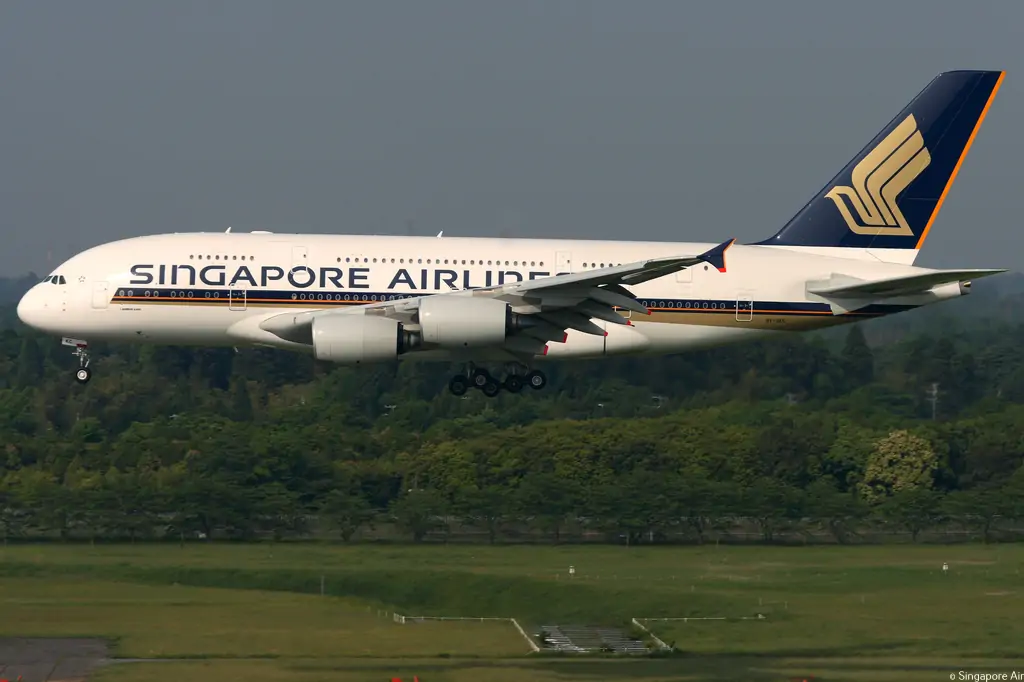
In the wake of the COVID-19 pandemic, the airline industry took a severe hit, with most carriers grappling with financial losses and operational challenges. However, amidst this turbulence, two major Asian airlines, Singapore Airlines and Cathay Pacific, have followed distinctly different trajectories.
While Singapore Airlines' stock has surged to three-year highs, demonstrating a robust recovery, Cathay Pacific's Hong Kong-listed shares have faced a significant decline.
Singapore Airlines: Soaring High

A Remarkable Comeback
Singapore Airlines, often hailed as a symbol of excellence in the airline industry, has made a remarkable comeback from the depths of the pandemic. The airline reported an annual profit of S$2.16 billion ($1.6 billion) for the fiscal year ending in March, marking a clear sign of its resurgence.
Singapore Airlines and its wholly-owned budget carrier Scoot carried 2.7 million passengers in April, an 85 percent rise year on year and close to the 3.1 million passengers carried in the same month in 2019.
Vaccination and Reopening
One key factor in Singapore Airlines' success has been Singapore's efficient vaccination drive and its decision to cautiously reopen its borders. As travelers regained confidence and international routes reopened, the airline quickly capitalized on the rising demand.
Focus on Cargo Operations
During the pandemic, Singapore Airlines shifted its focus to cargo operations, utilizing its fleet to transport essential goods. This pivot helped generate revenue during a time when passenger flights were severely restricted.
Exceptional Service and Safety Measures
Singapore Airlines' commitment to exceptional service and stringent safety measures played a crucial role in regaining passengers' trust. The airline's reputation for cleanliness and safety standards reassured travelers.
Cathay Pacific: Turbulent Times

A Precarious Position
In stark contrast to Singapore Airlines, Cathay Pacific has faced turbulent times. The airline's Hong Kong-listed shares plunged by over 40% from their peak in April 2019, a worrisome sign for stakeholders. Cathay Pacific handled 1.4 million passengers in April 2023, which is almost 44% of the amount recorded in April 2019.
Ongoing Losses
Cathay Pacific recorded a staggering loss of HK$6.5 billion ($830 million) for the fiscal year ending in March 2022. This substantial loss has continued to affect the airline's financial stability.
Hong Kong's Struggles
Hong Kong's extended lockdowns and stringent travel restrictions have posed significant challenges for Cathay Pacific. The city's dependence on international travel has hit the airline hard.
Uncertain Future
The uncertain outlook for Cathay Pacific is compounded by the fact that its stock has remained relatively flat since March 2022. The lack of upward movement is a source of concern for investors.
What Lies Ahead?
The Role of International Travel
The future of both airlines is intrinsically tied to the recovery of international travel. As countries continue to open up and travelers become more confident, both carriers have the potential for growth.
Adaptability and Innovation
Adaptability and innovation will be key for Cathay Pacific's recovery. The airline must find new revenue streams and adapt to changing market dynamics.
Maintaining Reputation
Singapore Airlines must continue to uphold its reputation for excellence in service and safety. Consistency in delivering a world-class experience will be essential to sustain its recovery.
Conclusion
In the post-pandemic landscape, Singapore Airlines and Cathay Pacific have experienced contrasting fortunes. While Singapore Airlines has soared to new heights with a strong profit and smart strategies, Cathay Pacific faces ongoing challenges and uncertainties. As the world slowly returns to normalcy, both airlines must navigate the ever-evolving aviation industry, making critical decisions that will shape their futures.
With Inputs from Aviation A2Z

Read next
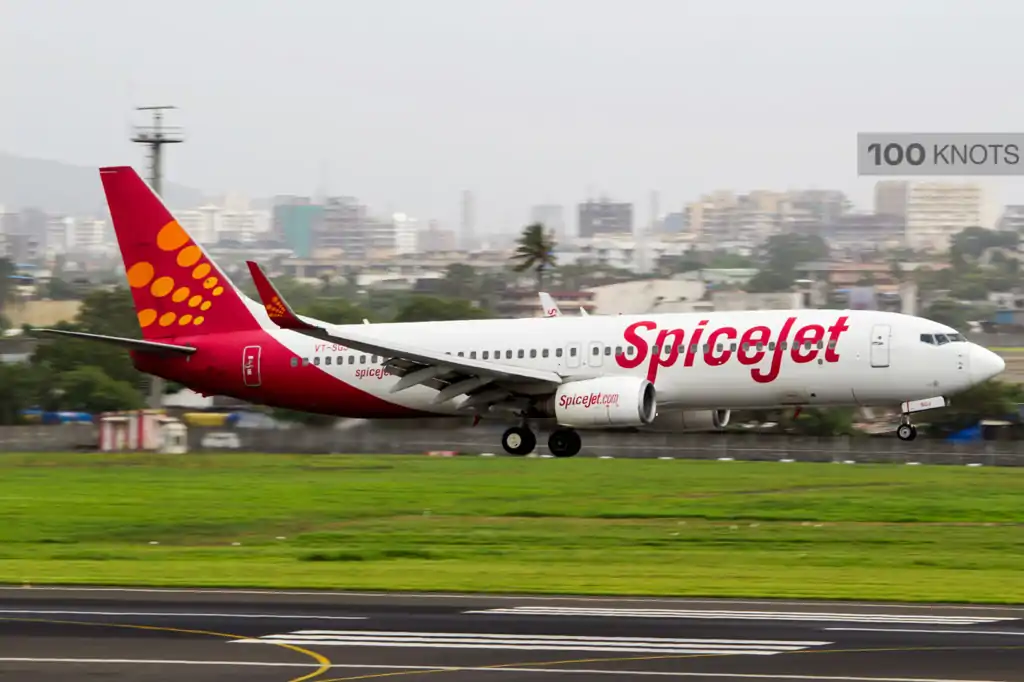
In the world of aviation, SpiceJet, an Indian budget airline, has been making headlines recently due to its unique approach to resolving financial troubles. Facing insolvency proceedings initiated by several lessors through the National Company Law Tribunal (NCLT), SpiceJet has turned to an unconventional strategy – offering equity shares in exchange for outstanding payments.
The Turbulent Skies for SpiceJet
Navigating Insolvency Proceedings
SpiceJet's financial struggles have been a subject of concern for some time now. With debts piling up and lessors initiating insolvency proceedings through NCLT, the airline found itself in dire straits.
The Unconventional Solution
In a bid to steer clear of the impending storm, SpiceJet decided to take an unconventional route. Instead of the traditional method of settling outstanding dues with cash, the airline proposed issuing equity shares to the lessors.
Aircastle's Rejection
One of the key players in this unfolding drama is Aircastle (Ireland) Ltd., a prominent aircraft lessor. SpiceJet's proposal to settle its debt with equity shares was met with rejection by Aircastle.
Carlyle Aviation Partners' Surprise Agreement
While Aircastle may have turned down SpiceJet's proposal, Carlyle Aviation Partners, another significant lessor, had a different stance. Carlyle decided to acquire a 5.91% ownership stake in the airline in exchange for its outstanding dues.

A Closer Look at SpiceJet's Equity Shares Approach
The Bold Strategy
SpiceJet's decision to offer equity shares as a form of reimbursement is a bold and unprecedented move in the aviation industry. This approach is not without its share of advantages and risks.
Advantages of Equity Shares
Strengthening Ownership: By issuing equity shares, SpiceJet can strengthen its ownership structure. This move can potentially lead to more stability and control over the airline's future.
Potential for Future Growth: Equity shares offer the lessors the opportunity to share in the airline's success and growth. If SpiceJet's fortunes turn around, the value of these shares could increase substantially.
Risks Involved
Dilution of Ownership: One of the primary risks associated with this strategy is the dilution of ownership. Existing shareholders may see their stakes reduced as new shareholders come on board.
Uncertain Future: Equity shares do not guarantee an immediate resolution to SpiceJet's financial troubles. The airline still faces the challenge of sustaining profitability in a competitive market.
Conclusion
SpiceJet's approach to tackling its financial woes with equity shares is a remarkable step in the aviation industry. While Aircastle's rejection raised questions, Carlyle Aviation Partners' agreement offers hope for the airline's revival. The road ahead remains uncertain, but one thing is clear: SpiceJet's innovative approach has sparked conversations about how airlines can weather financial storms.
With Inputs from Aviation A2Z
Read next
Mumbai Airport Awarded Level 4 Customer Experience Accreditation by Airports Council International

Radhika Bansal
09 Sep 2023
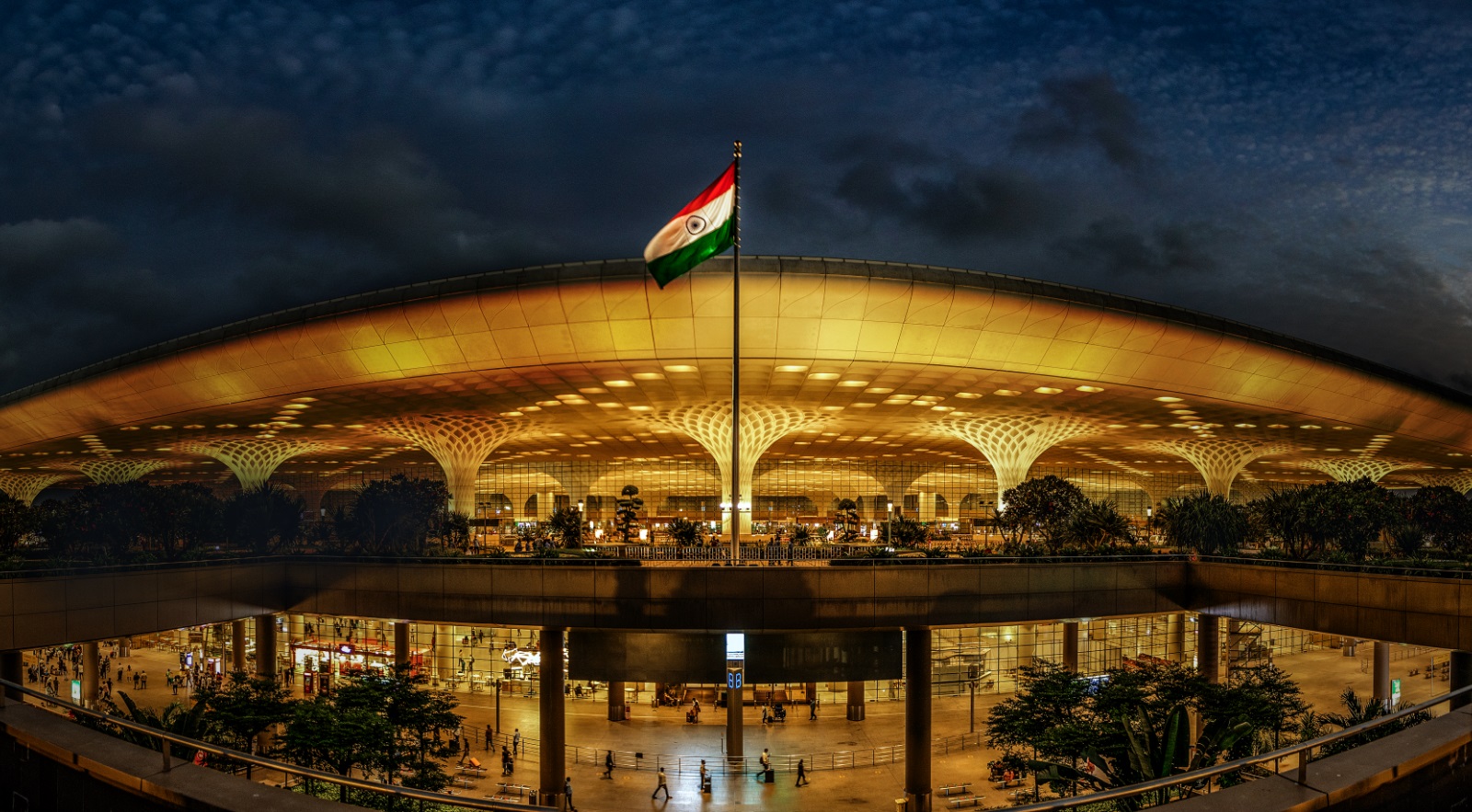
The Chhatrapati Shivaji Maharaj International Airport (CSMIA) has recently been awarded the Level 4 customer experience accreditation by the Airports Council International (ACI). The Mumbai Airport is now one of the only three airports that have attained this international recognition and the second in the Asia-Pacific region. Moreover, it is India's first international airport to attain this certification.
Securing Level 4 Accreditation by ACI underscores our relentless commitment to excellence at CSMIA. It represents not just an accomplishment, but an unwavering dedication to passenger satisfaction, environmental sustainability and operational excellence, according to a spokesperson of CSMIA.
The Mumbai Airport has elevated consumer experience in recent years owing to the major changes in its operations and this is one of the main reasons why it received the Level 4 ACI customer experience accreditation. It offers streamlined processes, and effective security screening via e-gates and valet parking services, among others for travellers.
In addition, CSMIA is known for providing improved navigation assistance and utilising video analytics to efficiently manage passenger processing wait times. Also, a digital display of flight updates in real-time helps passengers to know about the delays and other necessary information. The enhancements in services ensure customer satisfaction and reduced wait time facilitating comfortable and smooth journeys for passengers.
After infrastructural development over the years, the Mumbai Airport now has a space of 5,735 square metres dedicated to security screenings, which is significantly higher than the 4,570 sqm space that was allotted earlier. Moreover, it has recently created a domestic transfer security check area that spans over 328 sqm. CSMIA's Pre-Embarkation Security Check (PESC) facility offers a continuous processing area spanning roughly 2,075 sqm area, which makes it one of the largest in the country.
The Mumbai Airport also introduced the Domestic to Domestic (D2D) transfer facility. This innovation aims to ease transfer for passengers boarding connecting domestic flights. Therefore, this improvement helps customers in curbing the Minimum Connecting Time (MCT) and offers a top-notch travel experience for airline passengers.
Speaking on the occasion, CSMIA’s spokesperson said – “Securing Level 4 Accreditation by ACI underscores our relentless commitment to excellence at CSMIA. It represents not just an accomplishment, but our unwavering dedication to passenger satisfaction, environmental sustainability, and operational excellence. We look ahead with enthusiasm, ready to elevate travelling experiences and set new standards in global aviation.”
In September 2022, Mumbai Airport received Level 3 accreditation from ACI for customer experience. Mumbai International Airport Limited (MIAL) is managed by Adani Airport Holdings Limited (AAHL), a subsidiary of Adani Enterprises, the flagship company of the globally diversified Adani Group. MIAL is a Public-Private Partnership (PPP) venture between AAHL, holding a majority stake of 74%, and the Airports Authority of India, holding the rest 26%.
ACI’s Airport Customer Experience Professional
ACI World's Airport Customer Experience Accreditation program builds airports' long-term capacity to enhance customer experience management. Participating airports take part in a comprehensive review and training process that includes stakeholder and employee engagement and staff development. It is the only accreditation program in the airport industry to provide a 360? view of customer experience management.
Level 1 - Customer experience is an airport priority that is communicated internally and externally. The airport established a fundamental structure through understanding customer expectations, satisfaction, comments and complaints.
Level 2 - The airport is promoting a clear customer experience strategy and related tools. They are managed by a customer experience professional who contributes and facilitates a cross-functional group to co-lead the customer experience plan.
Level 3 - The airport has implemented an advanced customer experience strategy through multifaceted engagement: customers, employees and customer experience professionals
Level 4 - The airport has established a customer experience culture. All employees contribute to the understanding, improvement and shaping of the airport’s customers’ journey. Executives are considering customer experience as a major source of profit and are engaging all stakeholders to participate in airport community initiatives to delight airport customers.
Level 5 - The airport corporate strategy is the customer experience strategy. Key indicators, both strategic and operational, are based on what the customer is experiencing daily. The airport community is one behind the airport strategy.
Read next
Air India Seeking Approvals From Singapore Before Completing Merger With Vistara; Working on Backlog of Over 600 Legal Cases
Radhika Bansal
09 Sep 2023
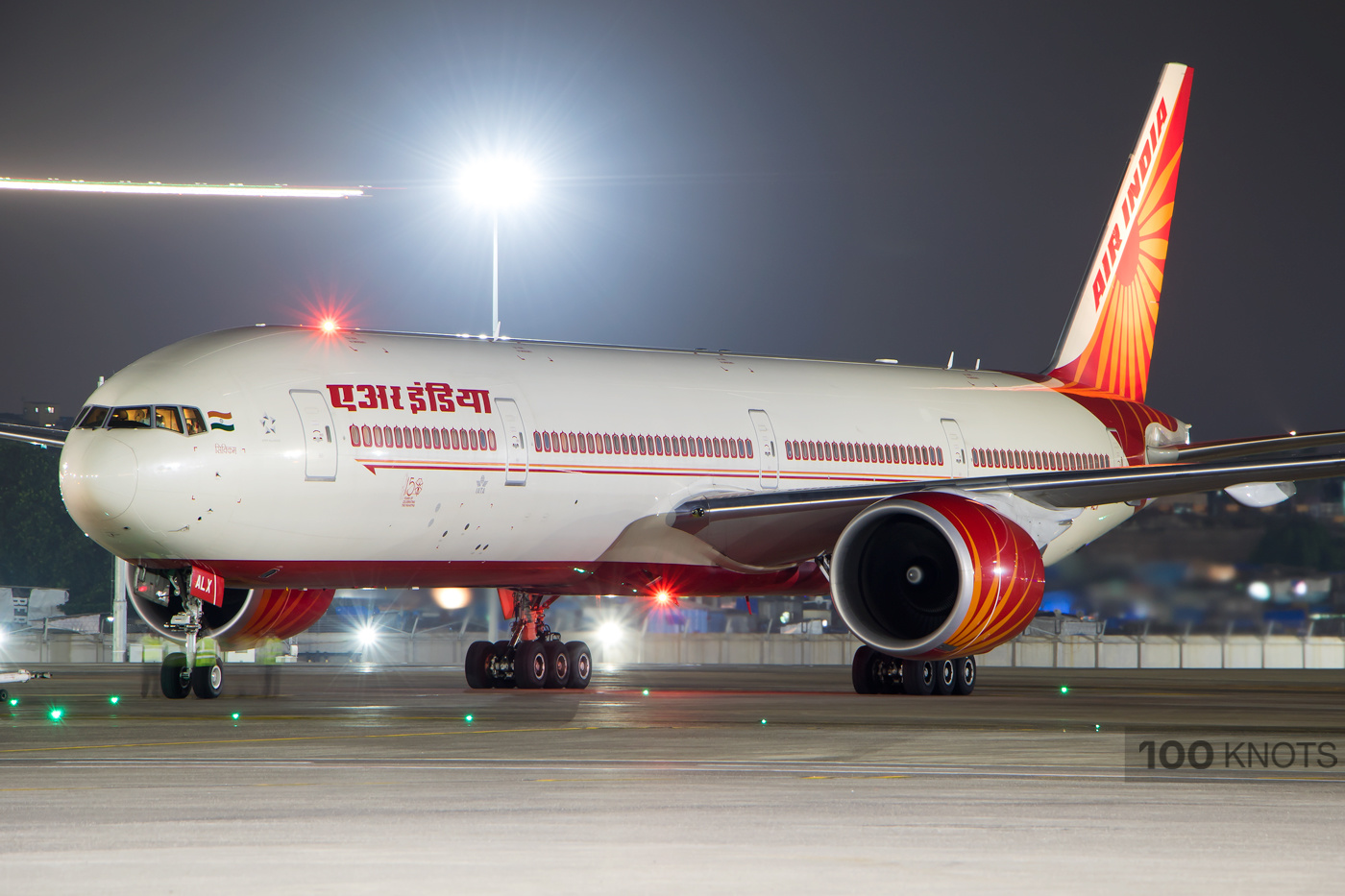
Air India, which recently received CCI's clearance for the Vistara merger, is working towards getting approval from competition regulators in Singapore and other jurisdictions for the deal, according to the airline's chief Campbell Wilson.
Tata Group acquired loss-making Air India and Air India Express from the government in January last year. The Competition Commission of India's approval of the planned merger of Vistara with Air India "is a welcome and important step toward the eventual integration of the four Tata airlines into two, one full service and one low cost though is not the only step," Campbell said in his weekly message to the employees on Friday.
"We also need approval from the competition regulators in some other jurisdictions, including Singapore, before we can fully press the accelerator," Wilson said, and added, "We are working toward this end." In the meantime, "we continue to plan for an integration that makes our future airline group even stronger than the sum of its parts," he said.
On September 1, CCI approved the proposed merger of Air India and Vistara subject to certain conditions. The deal will make Air India the country's largest international carrier and second-largest domestic carrier. Vistara and Air India are full-service carriers that are part of the Tata Group, and Singapore Airlines holds a 49% stake in Vistara. In November last year, Tata Group announced the merger of Vistara with Air India under a deal wherein Singapore Airlines will also acquire a 25.1% stake in Air India. The deal would mark a major consolidation in India's fast-growing aviation space.
Apart from the merger of these two full-service carriers into one entity, Tata Group is in the process of merging its domestic low-cost subsidiary AIX Connect (erstwhile AirAsia India) with its international budget arm Air India Express.
As of August 1, Air India had 74 Airbus and 53 Boeing planes in its fleet, according to aviation analytics firm Cirium. In February, Air India placed an order for 470 planes, with 250 from European plane maker Airbus and 220 from Boeing. This order represents the world's second-largest single-tranche aircraft purchase. The order with Boeing includes 190 B737Max, 20 B787s, and 10 B777s aircraft. The Airbus firm order comprises 210 A320 family aircraft and 40 A350 planes. A350, B777, and B787 are wide-body aircraft with larger fuel tanks, allowing them to cover long distances, such as India-North America routes.
Merger's Impact on the Indian Aviation Industry
Tata Sons-run had conveyed to the antitrust regulator Competition Commission of India (CCI) that a proposed merger of the two will not impact competition adversely as rivals are present on most routes that the combined entity will fly, according to a report. With the CCI approval in place, Air India and Vistara will start the process of aligning schedules and networks. The two sides will also undertake alignment of reservation systems, and loyalty programmes among other things.
Approval will also be required from the National Company Law Tribunal and other regulatory authorities and a full merger is expected by next June. The CCI approval has come subject to compliance with voluntary commitments offered by the parties. Air India has committed to make tweaks to its plan, said a source.
According to the DGCA data for July, Vistara has an 8.4% market share whereas Air India has a market share of 9.9%. AirAsia has a 7.5% stake. Together, Air India could have over 30% market share of Indian skies, second to IndiGo which has a market share of 63%.
.As per the latest available Vistara has 5500+ employees including 2500 pilots and cabin crews. In the previous fiscal alone, the airline hired over 2,100 employees in the reporting fiscal. The airline currently has a fleet of 60 aircraft, including 46 Airbus A320neo, 10 Airbus A321neo and 4 Boeing 787-9 Dreamliner aircraft and has flown more than 42 million customers since starting operations. Earlier this year, the Tata-owned Air India, which recently announced a massive order of 470 aircraft with Boeing and Airbus, now plans to hire over 4,200 cabin crew trainees and 900 pilots this year.
Air India Working on a Legal backlog
As Tata Group is in the process of integrating four airlines into two, Air India is working through a backlog of more than 600 legal cases filed by customers against the airline before privatisation, and some of the cases date back more than 15 years. In March last year, Minister of State for Civil Aviation VK Singh said that Air India has 2,657 cases pending against it in Indian and international courts on matters related to employee service and consumer complaints.
Wilson said that the team from customer experience and corporate legal has been working through a backlog of more than 600 legal cases filed by customers against the erstwhile (pre-privatisation) Air India, some of which date back more than 15 years. In the past few months, they have amicably resolved around one-quarter of the backlog and are steadily working through the rest. "Some customers have been so touched by this new effort that they have even written compliments appreciating our proactive outreach to resolve such long outstanding cases," said Wilson.
Read next
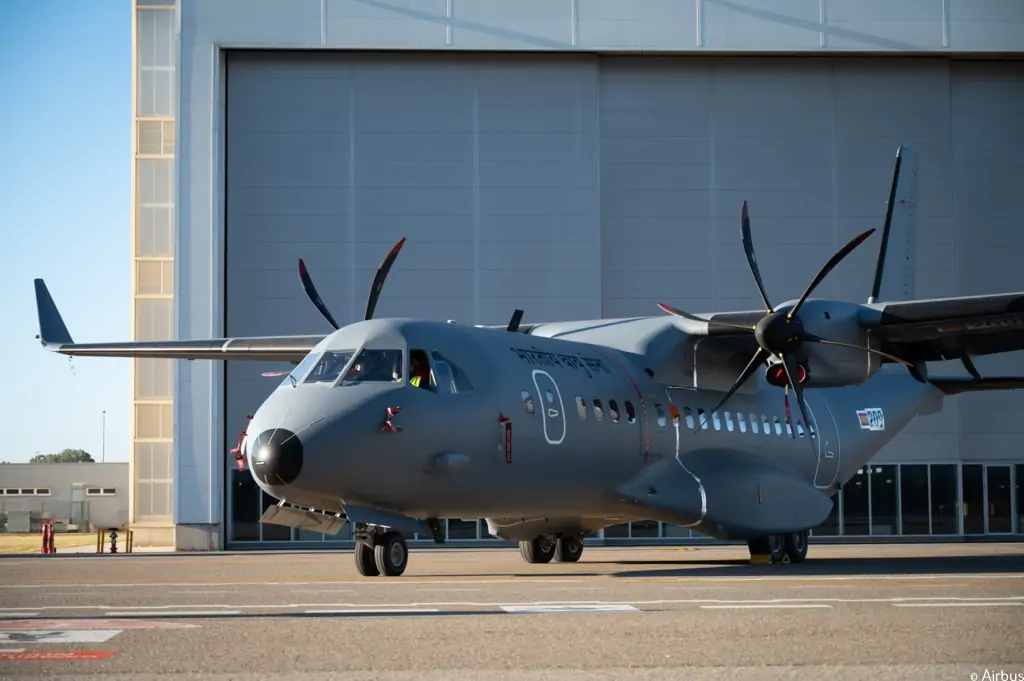
In a significant development in the aerospace industry, Airbus, the renowned French aerospace giant, is gearing up to deliver its first C295 aircraft to the Indian Air Force in September. To support this ambitious project and strengthen its ties with India, Airbus plans to employ an additional 2000 engineers from the country. This strategic move underlines Airbus's commitment to its 'Make-In-India' initiative and its dedication to enhancing the defense capabilities of the Indian armed forces.
The Airbus-India Partnership
Airbus's partnership with India has a long and fruitful history. The aerospace company has been actively involved in several projects, including the development and production of military aircraft, helicopters, and civilian airliners. This partnership not only boosts India's aerospace and defense capabilities but also provides a significant economic stimulus for the country.
The C295 Military Aircraft Project

The highlight of this collaboration is the C295 military aircraft project, which aims to provide the Indian Air Force with a versatile and powerful transport aircraft. This project aligns perfectly with the 'Make-In-India' initiative, as a substantial portion of the aircraft's manufacturing and assembly takes place within the country.
The C295 aircraft is renowned for its adaptability and efficiency. It can be customized for various missions, including troop transport, cargo transport, medical evacuation, and maritime patrol. Its versatility makes it an invaluable asset for the Indian Air Force, which requires aircraft capable of performing multiple roles effectively.
Airbus's Commitment to Expansion
Airbus's decision to employ an additional 2000 engineers from India is a testament to its dedication to the C295 project and its commitment to delivering high-quality aerospace solutions. These engineers will play a crucial role in various aspects of the project, including design, engineering, manufacturing, and quality control.
Remi Maillard's Announcement
Remi Maillard, President of Airbus India and Managing Director of South Asia, made the announcement during a press conference in New Delhi. He emphasized that Airbus is excited about the progress of the C295 project and the positive impact it will have on India's defense capabilities.
According to Maillard, "We have signed a contract with the Indian Air Force for 56 C295 aircraft, 40 of which will be fully manufactured, assembled, and maintained outside of India," Maillard told ET, adding that the remaining 16 aircraft will arrive in flyaway condition from Spain. "The Indian Air Force will receive the first C295 aircraft this month." The first C295 built in India will be delivered in September 2026."
"As of today, we employ more than 3000 engineers in our design centers," Remi remarked in answer to a query on whether Airbus desires to hire more Indians. "We will have about 5000 engineers by 2025."

Benefits for India
The employment of 2000 engineers from India brings several benefits to the country:
Job Creation: This move will generate employment opportunities for skilled engineers, contributing to India's economic growth.
Skill Development: Indian engineers will have the opportunity to work on a cutting-edge aerospace project, gaining valuable skills and expertise.
Technology Transfer: Airbus's collaboration with Indian engineers facilitates the transfer of advanced aerospace technology to the country.
Enhanced Defense Capabilities: The timely delivery of the C295 aircraft will bolster India's defense capabilities, ensuring readiness for various missions.
Global Recognition: India's involvement in a high-profile aerospace project enhances its reputation on the global stage.
Conclusion
Airbus's decision to employ 2000 engineers from India for the C295 project is a significant step towards strengthening the aerospace partnership between the company and the country. This move not only supports India's defense capabilities but also contributes to job creation, skill development, and technology transfer. As the first 'Make-In-India' C295 Military Aircraft prepares for delivery in September 2026, the collaboration between Airbus and India promises a bright future for the aerospace industry in the country.
With Inputs from Economic Times
Read next
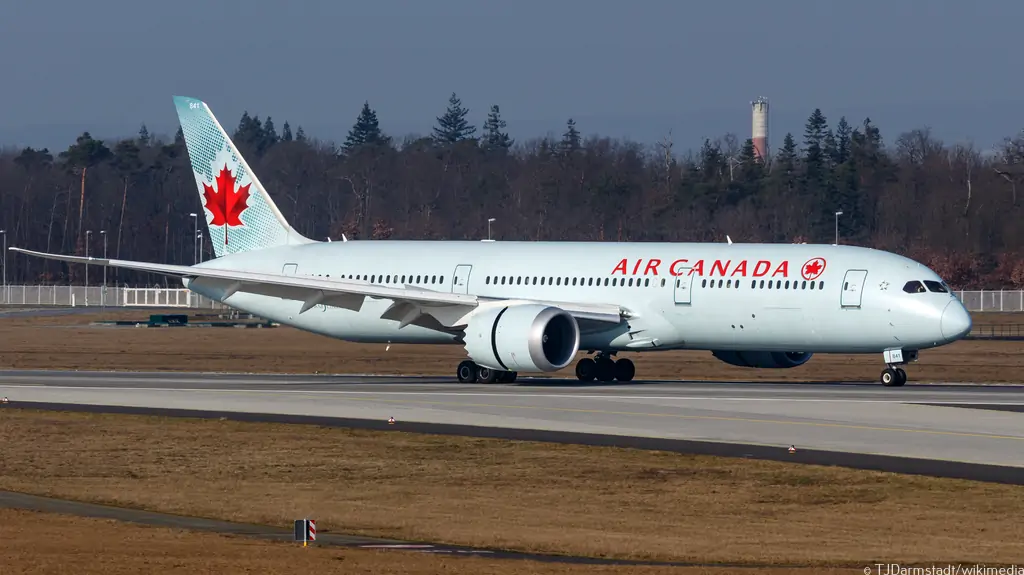
In a significant financial move, Air Canada announced on September 7, 2023, that it had taken steps to alleviate its financial burden by prepaying substantial loans. These loans, totaling approximately $462 million, were initially obtained from Export Development Canada (EDC) to facilitate the acquisition of 14 Airbus A220-300 aircraft.
Additionally, the airline also made a prepayment of approximately $127 million to the Export-Import Bank of the United States (ExIm) to fund the acquisition of four Boeing 787-8 aircraft.
Both transactions were made recently, with the first one occurring on August 30, 2023, and the second on September 6, 2023. However, these prepayments come with certain conditions, including accumulated interest and break costs, which we will delve into in this article.
The Importance of Loan Prepayments
Why Prepay Loans?
Air Canada's decision to prepay these substantial loans is a strategic financial move that can have a significant impact on the airline's future. Loan prepayments offer several advantages, such as:
Reducing Debt Burden: By prepaying loans, the airline can significantly reduce its outstanding debt, which can improve its financial stability and creditworthiness.
Lowering Interest Costs: Accumulated interest on loans can be substantial, and by prepaying them, Air Canada can save on interest expenses, allowing more financial flexibility for other operations.
Enhancing Liquidity: Loan prepayments can free up capital that would have been allocated to debt servicing, providing the airline with more liquidity for its day-to-day operations or further investments.
Understanding the Details
Loan Prepayment Breakdown
Let's break down Air Canada's recent loan prepayments:
Airbus A220-300 Aircraft

Air Canada initially secured loans from Export Development Canada (EDC) to acquire 14 Airbus A220-300 aircraft. On August 30, 2023, the airline prepaid approximately $462 million related to these loans. However, it's essential to note that this prepayment is not without its associated costs.
Break Costs
When a company decides to prepay a loan, there are often break costs involved. These costs compensate the lender for the interest income they would have earned if the loan had continued as per the original agreement. Air Canada will need to factor in these break costs when assessing the overall financial impact of the prepayment.
Boeing 787-8 Aircraft

In addition to the loans from EDC, Air Canada also prepaid approximately $127 million in financing previously provided by the Export-Import Bank of the United States (ExIm). These funds were initially acquired to support the acquisition of four Boeing 787-8 aircraft. The prepayment for this loan was made on September 6, 2023, and is also subject to accumulated interest.
The Broader Implications
A Strategic Move
Air Canada's decision to prepay these loans reflects its commitment to improving its financial position. By reducing its debt load and minimizing interest costs, the airline is setting the stage for a more financially secure future.
Positive Signal
These prepayments can also be seen as a positive signal to investors and creditors. It demonstrates Air Canada's ability and willingness to meet its financial obligations promptly.
Comments
"One of Air Canada's top priorities since the pandemic has been to deleverage, and we have now pre-paid approximately $1.87 billion in debt since late last year." This improves our balance sheet and gives us greater freedom to make strategic investments, such as improving the customer experience and continuing to upgrade our fleet, such as the previously announced acquisition of Canadian-made Airbus A220 aircraft."
"With our very solid liquidity position and cash flow, we will continue to seek additional opportunities to reduce debt." "We were pleased to partner with EDC to support the Canadian aerospace industry, and we gratefully acknowledge Exlm for facilitating our acquisition of Boeing aircraft," stated John Di Bert, Executive Vice President and Chief Financial Officer of Air Canada.
Conclusion
Air Canada's recent prepayments of loans from EDC and ExIm mark a significant step in the airline's financial journey. By strategically reducing debt and lowering interest costs, Air Canada is positioning itself for a more stable and prosperous future in the competitive airline industry.
With Inputs from Air Canada
Comment