
Russia and India Explore Joint Production of Aircraft Weapons for the IAF

Abhishek Nayar
14 Nov 2023
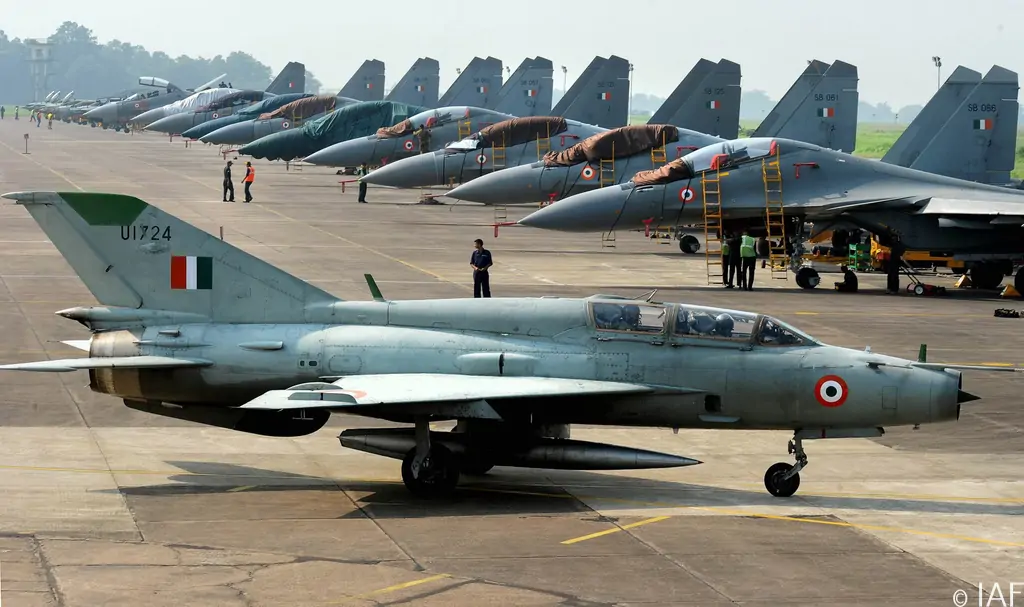
In a significant development, Russia's state-controlled arms exporter, Rosoboronexport, is in discussions with Indian enterprises to explore the possibility of joint production of aircraft weapons for the Indian Air Force (IAF). The collaboration aims to integrate these weapons into India's existing aviation fleet, marking another milestone in the longstanding defense partnership between the two nations.
Background
Russia has consistently held its position as India's largest arms supplier, contributing to 45% of India's defense imports in 2022, according to the Stockholm International Peace Research Institute (SIPRI). The strategic alliance has seen the exchange of various military equipment, including Su-30MKI fighter jets, tanks, armored vehicles, and shells.
Rosoboronexport's Role
Rosoboronexport's General Director, Alexander Mikheyev, expressed the organization's commitment to working with both private and public Indian enterprises. The goal is to establish joint production ventures for aviation weapons and seamlessly integrate them into the Indian Air Force's existing fleet. While specific details about the participating Indian companies and the potential start date of production remain undisclosed, the collaboration signifies a deepening of ties in the defense sector.
Current Collaboration
The joint production of the AK-203 Kalashnikov assault rifles, initiated at the beginning of the year, is a testament to the growing cooperation between India and Russia. This collaboration further strengthens the defense capabilities of the Indian armed forces and promotes self-sufficiency in manufacturing essential military equipment.
Strategic Importance
The discussions on aircraft weapons production underscore the strategic importance both nations attach to their defense ties. By fostering joint ventures, India aims to enhance its indigenous defense manufacturing capabilities, reducing reliance on foreign imports. Simultaneously, Russia solidifies its position as a key partner in supporting India's defense modernization efforts.
Future Prospects
As discussions progress, the joint production of aircraft weapons holds immense potential for the Indian defense industry. This collaboration could pave the way for advanced technologies and knowledge transfer, contributing to the overall development of India's defense ecosystem.
Conclusion
The ongoing talks between Rosoboronexport and Indian enterprises signify a significant step forward in the defense partnership between Russia and India. Joint production ventures for aircraft weapons have the potential to elevate the capabilities of the Indian Air Force, ensuring a more robust and self-reliant defense infrastructure. As the details of this collaboration unfold, it will be interesting to observe how this venture shapes the future trajectory of India's defense manufacturing landscape.
With Inputs from Reuters
Read next
Turkish Airlines Looking to Expand its Fleet With Large Aircraft Order at Dubai Airshow

Radhika Bansal
13 Nov 2023
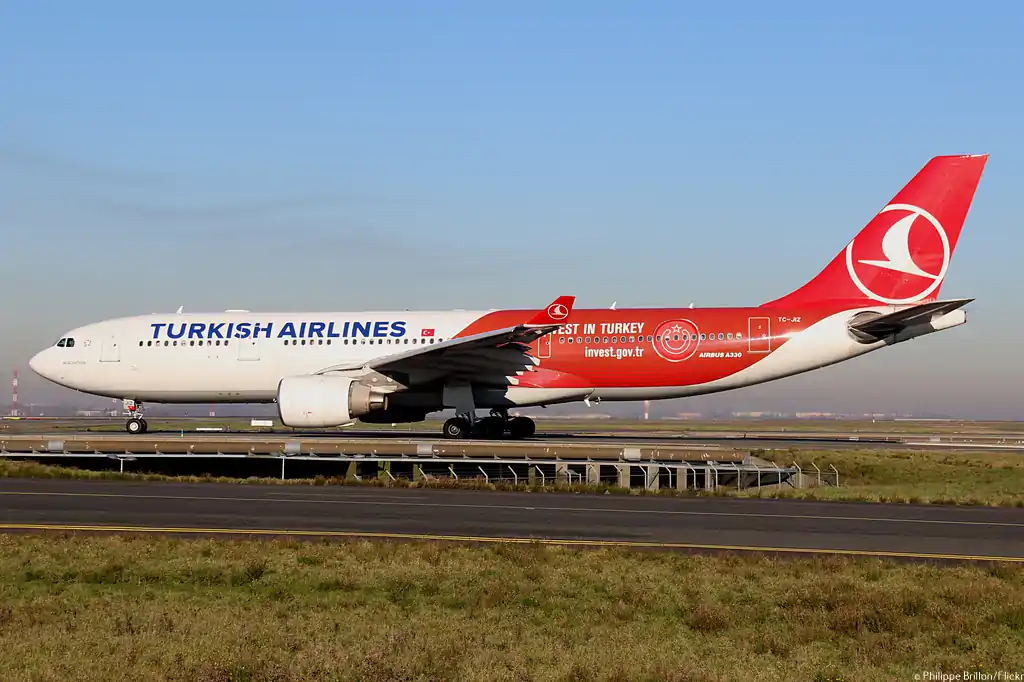
Turkish Airlines, the flag carrier of Turkey, is currently in discussions with Airbus to significantly expand its fleet through an order for 355 new aircraft. If finalized, this move could mark the airline’s largest order in its 90-year operational history.
The Istanbul-based airline is aiming to expand both its wide-body and narrow-body aircraft fleets with plans to add 85 A350-900s and 15 A350-1000s – the largest variant in the A350 family. Additionally, the historic order will potentially include five A350Fs dedicated to serving Turkish Airlines cargo operations, as reported by Anadolu news agency on November 10, 2023. 250 narrow-body A321neo aircraft are also planned to be ordered.
People familiar with the matter have confirmed to Turkish state-run media that the airline has already engaged in discussions with Rolls-Royce regarding the terms of supplying A350 spare engines and engine maintenance services.
This potentially record-breaking order in Turkish Airlines’ history will also significantly boost its narrow-body fleet capacity, with the carrier looking to add 250 A321neo jets as part of the deal.
In September 2023, Turkish Airlines unveiled an order for an additional ten A350-900 aircraft, bringing its total for this type to 40 at the time. This agreement followed a previous announcement in August 2023, where the airline committed to adding four -900 variant wide-bodies.
In May, Turkish Airlines chairman Ahmet Bolat said the company was planning to order a total of 600 new aircraft in June and they would be delivered within 10 years. Part of the order would be optional and the final order would depend on a government decision, expected in two months, he said in June. The airline also wants to expand its network to include destinations in Australia, for which it has been considering the 777X and the A350-1000. It is unclear whether the airline is still planning to order both models.
Talks with Boeing are also progressing, but industry sources believe an agreement may not be reached before the end of the show. A Boeing deal is understood to include several 737 MAXs alongside the widebodies. Turkish is targeting a fleet of around 800 aircraft by the year 2033 as it seeks to expand its hub in Istanbul.
Turkish currently has outstanding orders for 26 more A350-900s and 47 A321neos. The carrier also has 10 Boeing 787-9s still to be delivered—five in 2024, four in 2026 and one in 2027.
Currently, Turkish Airlines operates a mixed fleet consisting total of 339 aircraft from both Airbus and Boeing. This includes 14 Airbus A350-900s, 21 A330-200s, 36 A330-300s, 65 A321-200s, 41 A321neos, 12 A320-200s, and six A319-100s. The carrier also flies 35 Boeing 777-300ERs, eight 777F cargo airliners, and 21 Boeing 787-9 Dreamliner aircraft.
Read next
Emirates Close to Sign a Major Deal With Boeing for B777X at Dubai Airshow
Radhika Bansal
13 Nov 2023
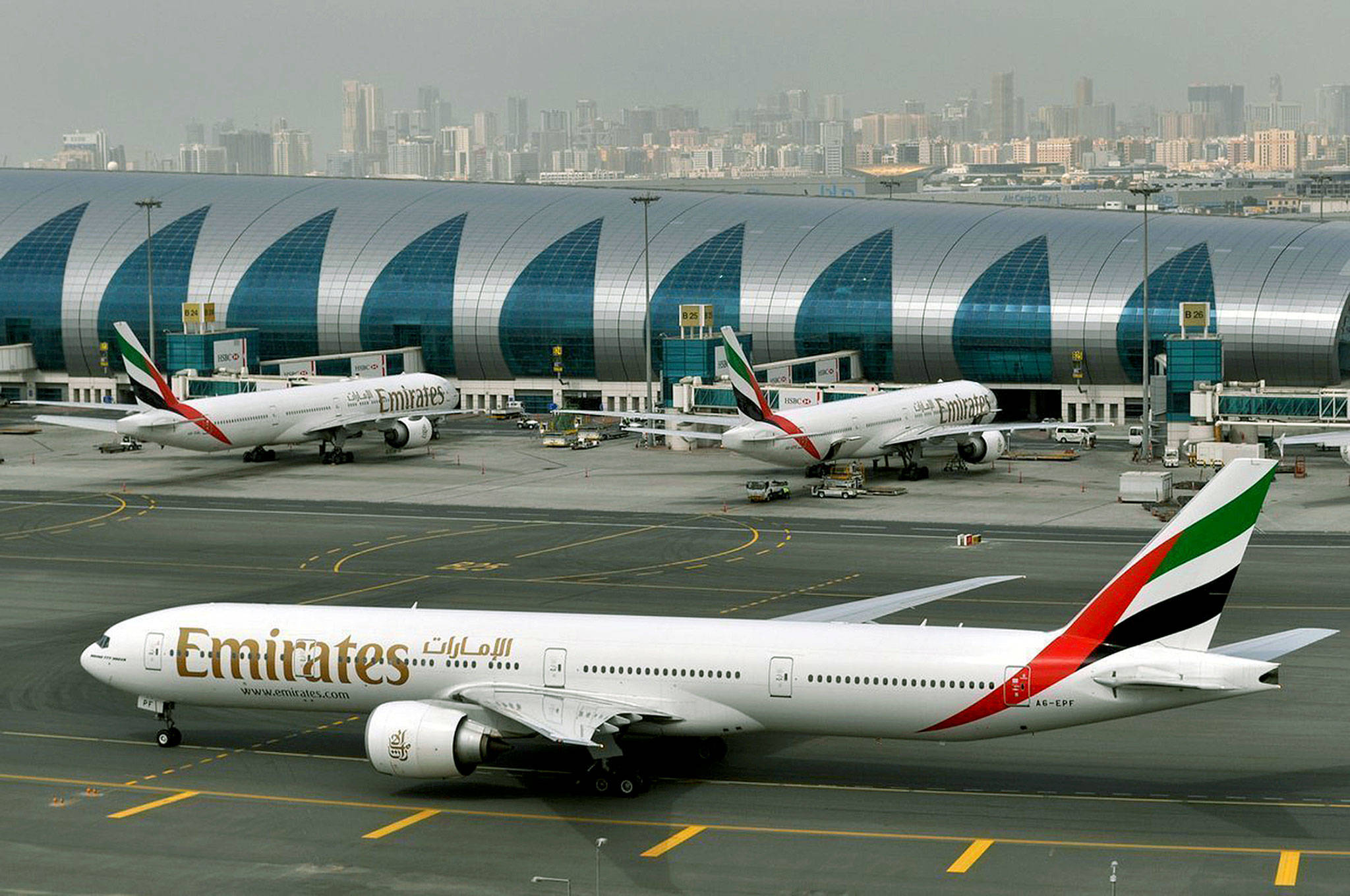
Boeing is closing in on a major order for its 777X widebody model from Emirates, according to people familiar with discussions, in what would provide an important boost to a program that’s years behind schedule. This would add to Emirates’ existing order backlog for 155 of the 777X aircraft.
Already the biggest buyer of the 777X, Emirates is poised to order a high double-digit number of the widebody, said the people, asking not to be identified as discussing private negotiations was quoted saying by Bloomberg. As part of the deal, regional affiliate FlyDubai could take on some orders for the smaller 787 Dreamliner earmarked for Emirates, the people said. Boeing and Emirates declined to comment.
An accord with the biggest international airline would be a vital endorsement of Boeing’s newest and largest aircraft, which has struggled to pull in sales as it remains behind schedule for entry into service. Any additional purchase of the plane, which comes with novel folding wing tips, would add to a backlog of 115 777X that Emirates previously ordered.
Emirates is also reportedly looking to add some of Boeing’s 787 aircraft to the order, as well as negotiating with Airbus for an order of A350 planes.
The state-owned carrier is among the largest operators of widebody aircraft, using its hub in Dubai as a global link between the US, Europe and Asia. With the Dubai Air Show kicking off today, the event will provide a backdrop for major deals as carriers rush to replenish and upgrade their fleets.
Sales of widebody aircraft have gained momentum back this year after the market for narrowbodies recovered more quickly from the COVID-19 pandemic. Industry officials estimate airlines worldwide are negotiating behind the scenes to buy some 700-800 new jets, including 200-300 of the world's largest, as they catch up on fleet replacement plans set aside during the pandemic.
Other operators likely to announce major commitments at the event include Turkish Airlines, which is close to an order for about 350 Airbus SE aircraft, including both narrow- and widebody jets, people close to the talks said earlier.
Expanding its fleet with widebody aircraft like the 787 would mark a strategic shift for FlyDubai, which now relies on the Boeing 737 single-aisles for shorter routes around the Middle East, parts of Africa and as far as Malaysia, according to the carrier’s website.
Emirates is also in negotiations with Airbus about an order for the European manufacturer’s flagship A350 aircraft. That purchase and the accord with Boeing are still under final negotiations, and terms of the deals and the timing of any announcements could change, the people cautioned.
New Freighter Orders also in Books
Emirates is torn between continuing with Boeing freighters or investing in an Airbus model as the airline looks to double its existing capacity over the next decade. According to Bloomberg, the United Arab Emirates flag carrier is weighing up the pros and cons of the Boeing 777-8 freighter and the Airbus A350F.
Emirates Divisional Senior Vice President at Emirates, Nabil Sultan, spoke to the news outlet at an industry conference in Singapore, where he indicated a decision may not be made for another four years. Sultan said that the carrier will “evaluate, hopefully by 2027, whether we require a different mix to what we have already”. Further capacity expansion will be achieved through converting some of the fleets’ Boeing 777-300ERs from commercial planes into cargo aircraft. Sultan also indicated that Emirates SkyCargo was seeing a rise in demand for its services following the COVID-19 pandemic.
According to ch-aviation.com, Emirates is currently waiting to increase its fleet of 11 777-200s with the delivery of five more. In May 2023, Emirates also announced the arrival of two new wet-leased Boeing 747-Fs. In total Emirates cargo division is expecting 15 more freighters to boost its fleet from announced orders and its freighter conversion program.
Emirates SkyCargo aims to replace its Airbus A380s over the next decade with widebody planes and convert 10 Boeing 777-300ER passenger jets for cargo use. This strategy is part of a broader effort to meet increasing demand for air freight services, particularly ahead of the Christmas season. In addition to these plans, Emirates has a backlog order of 200 widebody planes. The combination of these strategic moves underscores the airline's commitment to expanding its footprint in the global air cargo industry.
(With Inputs from Bloomberg)
Read next
Jetstar Announces Cabin Upgrade on its B787 Fleet; Considers Flights to India
Radhika Bansal
13 Nov 2023
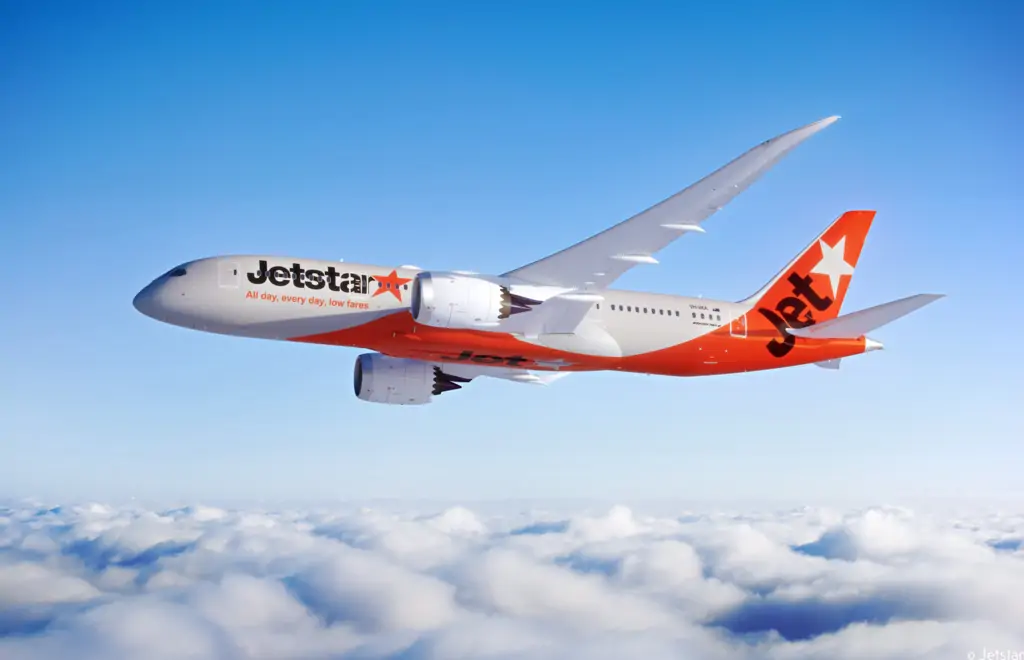
Jetstar has unveiled a multi-million-dollar cabin product upgrade for its Boeing 787-8 fleet, as it hints at expanding operations to South Asia and Africa.
The low-cost arm of Australia’s Qantas says the upgrade will see new economy- and business-class seats – both to be manufactured by Recaro – as well as onboard Wi-Fi connectivity and a dedicated crew rest area.
The first aircraft with the refreshed cabin will enter service in late 2025; retrofit works will be carried out during scheduled heavy maintenance. As part of the changes, the fleet will also receive an updated Jetstar livery to match the latest aircraft in the fleet, the Airbus A321neo LR.
Upgraded Seats
Jetstar will also more than double the number of business-class seats on its 787s – from the current 21 seats to 44. The airline says the move is “in response to growing customer demand for more choice and extra comfort when flying long-haul”. As a result, the total seat count on Jetstar’s 787s will now be 325, 10 fewer seats than the current configuration. The new Recaro seats in both classes will feature seat-back device holders, as well as power outlets.
To accommodate the extra business seats, the total number of seats across the aircraft (business and economy) will drop by 10 to 325. The airline operates its business class seats in a 2-3-2 formation and its economy seats in a 3-3-3 layout.
Enhanced on-board Connectivity
It seems that the Jetstar long-haul aircraft will gain inflight connectivity to allow passengers to stay connected in the air. This allows for surfing the internet or streaming content from Jetstar’s entertainment collection. Customers will be able to access in-flight connectivity using their own devices.
A supplier has not been identified at this time. In the past, Qantas has partnered with Viasat to deliver inflight connectivity. However, inflight screens that may exist on the aircraft will be removed to be more sustainable (and not pay for the maintenance of a seatback IFE system).
Direct Flights to India
Jetstar is looking beyond its current network, with them eyeballing direct flights from Australia as far as India, Sri Lanka or Africa. The addition of a crew rest area on the aircraft unlocks ”the possibility of exciting new destinations like Sri Lanka and India”, says airline chief Stephanie Tully.
Jetstar stresses that it has not made a decision on which new destinations it will deploy the type on. Adds Tully: “This multi-million-dollar fleet revamp will allow us to offer our customers more choice, comfort and amenities when flying longer distances internationally. Our existing 787 business class offering is extremely popular, so we’re doubling the number of business class seats, and to keep customers connected in the air, we’re introducing on-board Wi-Fi.”
According to Cirium fleets data, Jetstar has an in-service fleet of 11 787-8s, which are all powered by GEnx-1B engines. The aircraft, which operates medium- to long-haul flights to cities such as Tokyo, Seoul, Bangkok and Honolulu, is between eight and 10 years old and has operated more than 54,000 flights so far.
The B787 burns up to 25% less fuel than previous generation aircraft, with an equivalent reduction in carbon dioxide emissions. This is achieved through lighter-weight composite construction, modern engines, improved aerodynamics and state-of-the-art flying systems. To further reduce overall aircraft weight and fuel burn, the fleet’s current seat back screens will be removed, a change facilitated by the rollout of inflight wi-fi and content streaming to personal devices, and the new RECARO seats and exterior paint will also weigh less.
Comment