
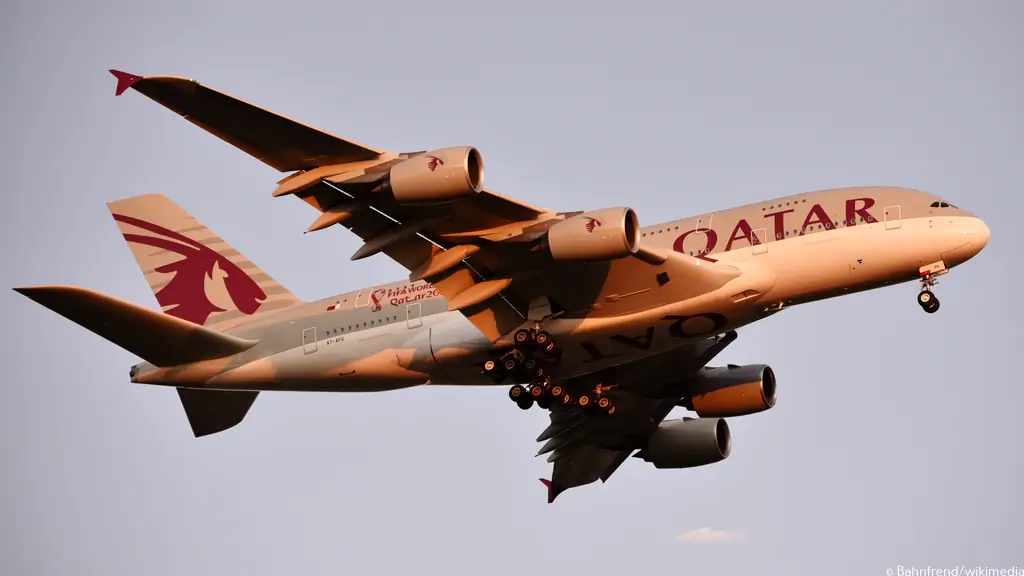
Qatar Airways, known for its world-class service and dedication to creating outstanding travel experiences, is expanding its summer operations by operating its largest aircraft, the Airbus A380, to Paris Charles de Gaulle Airport (CDG). This smart decision intends to accommodate the peak summer season's increased demand while also providing travellers with exceptional comfort and elegance throughout their journey.
Summer Operations at Qatar Airways
Qatar Airways, as a prominent global airline, is always striving to optimize its operations in order to meet the changing travel patterns and preferences of its passengers. The summer season, which is marked by increased vacation travel and holiday locations, experiences a substantial increase in air travel demand. Qatar Airways utilizes many techniques to manage this influx, including the deployment of larger aircraft and the adjustment of flight schedules.
The Airbus A380: Qatar Airways' Flagship Aircraft
As Qatar Airways' flagship aircraft, the Airbus A380 holds a unique position in its fleet. The A380 establishes new norms in aviation excellence with its tremendous capacity and exceptional passenger experience. Qatar Airways takes pride in providing its clients with the highest level of comfort, sophistication, and technological innovation, and the A380 perfectly represents these principles.
Qatar Airways' Decision to Operate the A380 to Paris CDG
Paris CDG, one of Europe's busiest airports, acts as a gateway to France and connects travellers to destinations all over the world. The decision by Qatar Airways to operate A380 flights to Paris CDG arises from the airport's importance as a major travel hub. The airline's goal is to provide customers with a pleasant and seamless flight while capitalizing on the high demand for travel to and from Paris.
Flight Schedule and Frequency
Qatar Airways will begin operating the Airbus A380 on Monday, Friday, Saturday, and Sunday flights between Doha and Paris CDG starting July 1st. This enhanced schedule offers customers additional alternatives for comfortably planning their vacations and coincides with Qatar Airways' commitment to flexibility and customer satisfaction. Travellers may now select from a broader choice of departure dates while still maintaining seamless connectivity to their final destinations.
Improved Passenger Experience
Passengers flying on Qatar Airways' Airbus A380 to Paris CDG can enjoy unrivalled comfort and elegance. The A380 features cabins, captivating décor, and cutting-edge services, all of which contribute to a genuinely unique flying experience. Every traveller may experience a voyage adapted to their tastes and needs, from sumptuous First-Class suites to comfortable lie-flat Business Class seats and smartly constructed Economy Class cabins.
Advantages of Flying on an Airbus A380
Flying aboard the Airbus A380 has various benefits that enhance the trip experience. The innovative air circulation systems on board guarantee a pleasant and healthy cabin atmosphere, reducing travel fatigue. Furthermore, the A380's quiet engines and cutting-edge technologies greatly minimize noise and vibrations, giving passengers a pleasant and peaceful journey.
Conclusion
Qatar Airways' choice to use the Airbus A380 on flights between Doha and Paris CDG during the busy summer season demonstrates the airline's dedication to satisfying customer demand and offering an extraordinary travel experience. Passengers may look forward to the A380's comfort, luxury, and cutting-edge technology, as well as the enhanced flight schedule and greater seat capacity. Qatar Airways' A380 flights to Paris CDG, whether for business or pleasure, offer an amazing voyage.

Read next

The drone sector in India is rapidly expanding, with applications in agriculture, infrastructure, surveillance, and delivery services. As the demand for drone services grows, the necessity for well-trained drone pilots becomes critical. Recognizing this requirement, Airbus developed a thorough training programme to help aspiring drone pilots improve their skills and capabilities.
Overview of the Training Course
The drone industry in India is quickly growing, creating new opportunities in a variety of industries. With the growing need for competent drone pilots, Airbus, a well-known aerospace corporation, has taken an important step towards satisfying those demands. Airbus will provide a five-day drone pilot training course at their Bengaluru Training Centre beginning June 26, 2023.
"Building on Airbus' growing presence in delivering high-quality state-of-the-art pilot and maintenance training in India, a broadening of the scope into drone training is a demonstration of our commitment to supporting the upskilling of India's aviation infrastructure development," Laurie Alder, Head of Customer Services, Airbus India, and South Asia, said of the launch. We think that this training will equip aspiring drone pilots in the country with industry-specific skills and knowledge of safe drone operations, allowing them to advance their careers in this quickly increasing sector."
Course Curriculum
The training course includes both theoretical and practical courses. Theoretical training will be provided by DGCA-approved Airbus instructors on topics such as drone rules, basic concepts of flight, ATC protocols, maintenance, operations, and aerodynamics. These training sessions provide students with the solid foundation of knowledge required to operate drones safely and efficiently.
Advantages of the Training Course
The Airbus drone pilot training course has a number of advantages for both prospective drone pilots and the industry as a whole. The training provides participants with the competence needed to operate drones successfully and ethically by improving their abilities. This skill adds to the overall safety and efficiency of drone operations in India.
India's Drone Industry Expands
In recent years, India's drone business has grown significantly. The government has implemented progressive legislation and regulations to encourage the use of drones in a variety of industries. Drones are revolutionizing old practices and throwing up new opportunities in everything from agriculture and logistics to surveillance and filmmaking.
The Importance of Drone Training in the Micro and Small Category
The Airbus training course focuses on commercial drones in the micro and small categories. These drones are often lightweight, adaptable, and simple to control, making them appropriate for a variety of businesses. Airbus meets the particular needs and aspirations of the Indian market by providing specialized training for micro and small category drones.
Conclusion
The Airbus drone pilot training course in India is a crucial step towards satisfying the country's burgeoning drone sector's talent demands. Airbus helps prospective drone pilots with the skills and knowledge needed to flourish in their jobs by delivering thorough theoretical and practical training. As India adopts drone technology, the training course is critical to ensuring safe and effective drone operations in a variety of businesses.
With Inputs from Airbus
Read next

Japan Airlines (JAL) made a phenomenal announcement in November 2022 that sent ripples throughout the aviation industry. Starting in April 2024, the renowned airline desires to launch Airbus A321 Passenger to Freighter (P2F) cargo flights. This development marked a big step forward in JAL's ongoing efforts to optimize and grow its cargo operations. As a result of their dedication, the first aircraft planned for JAL has begun its conversion process in Singapore.
Japan Airlines (JAL): Background
Before we delve into the recent announcement, let us take a minute to appreciate Japan Airlines' (JAL) heritage and prominence. JAL, founded in 1951, has developed into one of the world's premier airlines, renowned for its dedication to excellence and client satisfaction. JAL has prioritized passenger services throughout the years but has also recognized the need for a robust freight network to meet the shifting needs of industries across the globe.
Airbus A321 P2F Cargo Flights Announced
In 2015, Airbus announced the P2F conversion programme for the A320 and A321 in collaboration with ST Engineering and Elbe Flugzeugwerke (EFW). The first modified A321P2F flight took place in January 2020, and the aircraft was afterwards handed over to Qantas (QF). The vessel can transport 14 full-size cargo containers on its main deck and up to 10 on its lower deck. It can carry a payload of up to 27 tons.
Commencement of Conversion Work in Singapore
The first aircraft earmarked for JAL's Airbus A321 P2F cargo fleet has begun its conversion process in Singapore, making their ambition a reality. Singapore, known for its expertise in aircraft modifications, is an appropriate location for this huge operation. Skilled engineers and technicians are methodically converting the passenger aircraft into cutting-edge cargo, ensuring that it meets severe safety and operational criteria.
The flights will be operated by JAL in collaboration with Yamato Holdings, a Japanese logistics company. The airline will operate four domestic flights from Tokyo (NRT/HND) to Kitakyushu (KKJ), Sapporo (CTS), and Okinawa (OKA), as well as a link between OKA and KKJ. Each day, there will be 21 flights.
Benefits of Conversion
Japan Airlines (JAL) will benefit substantially from the conversion of Airbus A321 aircraft into freighters. For starters, this conversion enables JAL to maximize asset utilization by reusing passenger jets that may have reached the end of their commercial service life. JAL extends the life of these aircraft by transforming them into freighters, allowing them to carry more cargo.
Increased Flexibility and Efficiency
One of the most noticeable benefits of the Airbus A321 P2F conversion is the increased efficiency and flexibility it provides to JAL's cargo operations. The ideal size of the A321 enables cost-effective operations on routes with modest cargo demand. Furthermore, the aircraft's fuel economy contributes to a more environmentally friendly approach to freight transportation, which is consistent with JAL's commitment to sustainability.
Potential Obstacles and Considerations
While the Airbus A321 P2F conversion offers various benefits, it is critical to recognize potential obstacles and concerns. Maintenance expenses, regulatory compliance, and market changes must all be carefully controlled to maintain JAL's cargo business' long-term viability. JAL can address these difficulties proactively by regularly monitoring and adjusting to industry developments and client expectations, allowing them to preserve their competitive advantage in the cargo market.
Conclusion
Japan Airlines' debut with Airbus A321 P2F freight flights ushers in a new chapter in the company's history. JAL displays its commitment to innovation and answering the increasing demands of the cargo market with the start of conversion work in Singapore. The addition of modified A321 freighters not only enhances JAL's cargo network but also positions the airline as a dependable and long-term partner for enterprises throughout the world. JAL's transformational project aims to develop a more efficient, flexible, and customer-centric cargo operation that contributes to the growth and success of industries globally.
With Inputs from AirwaysMag
Read next


As per sub-rule (3) of Rule 134 of the Aircraft Rules, 1937, no air transport service, other than a scheduled air transport service or an air transport service to which the provisions of sub rule (1) or (2) of rule 134 apply, shall be operated except with the special permission of the Central Government and subject to such conditions as it may think fit to impose. Further, Rule 134A, stipulates that no air transport service, other than a scheduled air transport service, shall be operated by an Indian air transport undertaking unless it holds a Non-Scheduled Operator’s Permit (NSOP) granted by the Central Government. The power to issue the NSOP is delegated to the Director General of Civil Aviation (DGCA) and to the Joint Director General of Civil Aviation.
Non-Scheduled air transport service means an air transport service, other than a scheduled air transport service, being operated for carriage of passengers, mail and goods, and includes charter operations.
Non-scheduled air transport service in India is divided into non-Scheduled Commercial and non-Commercial Categories. The carriage of passengers by a non-scheduled commercial permit holder may be performed on per seat basis or by way of chartering the whole aircraft on per flight basis, or both. There is no bar on the same aircraft being used for either purpose as per the requirement of customers from time to time. The operator is also free to operate a series of flights on any sector within India by selling individual seats but will not be permitted to publish timetable for such flights. Non-commercial operators are restricted to use aircraft for the individual owners’ requirements.
Requirements for NSOP Applicant
The procedure and guidelines for issue of a Non-Scheduled Operator’s Permit are listed in applicable Air Operator Certification Manual (CAP3300 (for aeroplanes)/ CAP 3400 (for helicopters)). The guidelines and requirements under CAP 3400 are similar, if not the same as CAP 3300.
Some of the key eligibility and procedural requirements for an NSOP applicant are as follows:
i. Its registered office and principal place of business within India:
ii. its chairman and at least two-thirds of its directors are citizens of India;
iii. its substantial ownership and effective control is vested in Indian nationals.
Note: Foreign Direct Investment for obtaining a Non-Scheduled Operations Permit with FDI up to 74% and investment by Non-resident Indians (NRI) up to 100% is allowed through automatic route and for Helicopter services/seaplane services, wherein FDI up to 100% is allowed through automatic route subject to satisfaction of conditions of Board of Directors and the substantial ownership and effective control of the management
(b) The applicant shall be in possession of at least one aircraft, either by outright purchase or on lease (without crew), which shall be registered in India and shall have a valid Certificate of Airworthiness in Normal Passenger Category.
(c) The Applicant shall have a minimum paid-up capital as given below:
| Fleet Strength | Minimum Paid Up Capital |
| Upto 2 aeroplanes/helicopters | 2.00 |
| Between 3 and 5 aeroplanes/helicopters | 5.00 |
| Between 6 and 10 aeroplanes/ helicopters | 10.00 |
| Above 10 aeroplanes/helicopters | 15.00 |
(d) The imported aeroplane/helicopter for non-scheduled operations shall not be more than 15 years in age or shall not have completed 75 percent of its design economic life or 45,000 pressurisation cycles whichever is earlier. However, this requirement will not be applicable for Indian registered aircraft maintained in accordance with DGCA requirements.
(e) The following manuals in English (2 copies each) must accompany the application:
i. Operations Manual (individual manuals and items listed below form part of the operations manual)
ii. Safety Management Systems Manual
iii. Training Manual
iv. Security Manual
v. Route Manual
vi. Dangerous Goods Manual
vii. Aircraft Flight Manual
viii. Master Minimum Equipment List and MEL
ix. Maintenance Control Manual
x. Maintenance Schedule in respect of each Aircraft
xi. Weight and Balance Manual
xii. Safety and Emergency Procedures Manual
xiii. Flight Safety Manual
xiv. Ground Handling Manual
xv. Any other Manual produced by the Manufacturer in respect of each Aircraft
xvi. Normal and emergency checklist
xvii. Passenger briefing card
xviii. Runway analysis data
xix. EDTO Manual (if required)
xx. CAT II/ CAT III Manual (if required)
(f) The applicant shall provide details/CVs of the following proposed post-holders:
i. Accountable Manager
ii. Director Flight Operations
iii. Director Engineering & Maintenance
iv. Director Quality Assurance
v. Director Safety Management System
vi. Director Flight Safety
vii. Director Training
viii. Director Security
ix. Director Cabin Safety – if applicable
x. Director of ground Operations
xi. Chief pilot of each fleet
NOTE: The above requirements are similar to that of scheduled carriers. Some concession has been given to operators having 3 or less aircraft where some limited positions may be combined. However, the Director Flight Safety shall be an independent functionary reporting directly to the Accountable Manager only.
(g) The applicant shall have sufficient number of pilots and cabin crew (if required) under its own employment. In case of foreign pilots, the applicant shall apply for their Security Clearance in the prescribed format. The pilots holding licences issued by other contracting States shall be permitted to fly only after obtaining Foreign Aircrew Temporary Authorisation (FATA) from DGCA.
Certification Process
The certification process involves five distinct phases as stated below:
(a) Pre-application - During this phase, the applicant conducts initial studies, prepares plans, makes inquiries from the DGCA in regard to the opportunities available under the existing air services agreements and seeks advice as to the validity of different proposals. The prospective applicant at this stage is required to submit a statement of intent to the DGCA outlining the proposal and apply to Ministry of Civil Aviation (MoCA) for issuance of NOC (assessment concerning the financial, economic and legal aspects). On the issuance of NOC and the request of proposed operator thereafter, the DGCA arranges for a pre-application meeting.
(b) Formal application - On completion of pre-application phase if the applicant desires to proceed further then the applicant is required to submit the complete application as per the applicable Air Operator Certification Manual to the DGCA together with the fees and relevant documents to support the intended operation and this will constitute initiation of the formal application phase. The DGCA will then make a formal assessment of the completeness of the applicant’s proposal and invite the applicant for a Formal Application meeting where the details relating to the certification process would be formally discussed. Security clearance from MoCA/Ministry of Home Affairs (MHA) is a pre-requisite for issuance as well as continuation of NSOP and the NSOP would be issued only after the receipt of security clearance from MoCA/MHA. Denial/Revocation of security clearance by MoCA/MHA at any stage would result in closure of the process for issuance of NSOP.
(c) Document evaluation - During this phase, the DGCA will undertake a detailed scrutiny of the applicant’s manuals and other documents, which accompanied the formal application. The documentation must be complete, accurate and current to satisfy the DGCA’s requirements. Qualifications and experience of the nominees for Designated Post holders will be evaluated and the designated post holders will be interviewed. Approval/Acceptance for the same will be granted. There will be series of discussions between the DGCA and the approved/accepted post holders of the applicant at this stage in regard to establishing the validity/ acceptability of the applicant’s proposals. It should be noted that the documents shall reflect precisely the mode and manner in which the applicant intends conducting the proposed operations and once approved, they shall form a part of the understanding between the DGCA and the operator in regard to future functioning of the operator.
(d) Demonstration and Inspection prior to certification - During this phase, the applicant needs to demonstrate to the DGCA that the applicant is in a position to conduct the proposed operations in accordance with the procedures detailed in the documents/ manuals reviewed during the previous phase utilizing the personnel/ facilities/ equipment identified in the formal application. Aircraft, maintenance facilities and arrangements will be inspected. Training facilities, programmes and training personnel will be evaluated. Company’s organizational structure, channels of communication, delegation of powers, financial strength and sources of funding will be subjected to detailed scrutiny to ensure that the company has sufficient resources, effective arrangement and control to satisfy its obligations. Facilities for flight operations, ground handling, facilities and services for passenger, baggage and cargo handling including dangerous goods and security arrangements would be evaluated. Flight, cabin and technical crew, operations and maintenance staff, flight operations officers, examiners/ flight engineers and load/ trim personnel, as applicable, will also be assessed. If the DGCA is satisfied with the above arrangements, proving flight(s) will be conducted to one or more destinations of intended operations, as determined by the DGCA. This phase may reveal the need for some operational changes, which in turn may require the applicant to make amendments to the documents originally submitted. All elements must be satisfactorily completed before proceeding to the certification phase. During this phase, administrative action to formally approve the, the Aircraft, facilities and procedures specified in the Operations Manual, CAME, Training & Checking organization will also be undertaken.
(e) Certification - When all the previous phases have been satisfactorily completed, the DGCA will issue the Air Operator’s Certificate/Permit and the associated Operations Specifications.
Reasons for slow growth of non-scheduled air transport service in India
Following are the reasons that can be attributed to the slow growth of non-scheduled air transport in India:
(a) Cost Implications – as the certification standards are similar to those required by scheduled operators, each non-scheduled operator has to employ individual manpower, recruit individual post holders and have exclusive infrastructure to meet the certification standards. This has serious cost implications, especially for small operators.
(b) Documentation - DGCA approved documentation (which includes twenty manuals) forms a large part of the certification process and every operator has to do this individually which is very time and cost consuming.
(c) Individual contracts - Each operator has to have individual contracts with the vendors (for fuel, training spares etc.) which restricts volume based discounts and drives up the costs.
(d) Engineering and Maintenance - Airworthiness compliance rules necessitate approved individual documentation, manpower, infrastructure, inventory control and various other requirements for each operator, again driving up the cost of operations.
(e) Pressure on Regulatory Authorities - From initial certification to continuing airworthiness, operational and security compliance, regulatory agencies like the DGCA, MHA, MOF etc are busy dealing with operators who have nearly identical regulatory requirements to follow. However, as it is a regulatory requirement, the application of each applicant has to be approved by various agencies which results in ineffective use of valuable government resources.
Aircraft management services and fractional ownership of aircraft
(a) Aircraft Management Services
In the most general terms, aircraft management refers to services related to managing and maintaining a business aircraft. Aircraft management as a concept simply means that the owner hands over his aircraft to an organisation, normally called an Aircraft Management Company, to handle all important functions required keeping the aircraft flying while adhering to all rules/regulations of the state. An aircraft management company usually provides the following services to the aircraft owner for a fee:
a. Aircraft Acquisition
b. Aircraft Certification and regulatory compliance
c. Flight schedule management
d. Ground handling
e. Aircraft Maintenance and spare procurement
f. Crew support and management
g. Charter Management
h. Training
i. Finance, Revenue and Accounts
j. Insurance of aircraft and crew
Hence, the aircraft management company provides a single umbrella to the owner for the operation of his aircraft without the need to set up his own manpower and infrastructure incurring heavy costs. The aircraft management fee charged by the companies is much lower than the owner’s costs of having an individual set up. Aircraft management companies are widely prevalent in the US, Europe and other countries worldwide.
FAA allows aircraft management companies to enter into contracts with owners to manage their aircraft for a fee. For non-commercial operations, the rules are framed under FAR 91 and for commercial under FAR 135. FAR 91 is more liberal as far as regulatory compliance is concerned and the operational control largely remains with the owner. FAR 135 for commercial operations is stricter where the Aircraft Management Company is accountable to the FAA for regulatory compliance. The FAA oversight is far more restrictive and detailed under FAR 135. FAA also allows the aircraft to be simultaneously operated under FAR 91 and 135, depending upon the nature of a particular flight, whether commercial or non-commercial.
In India, presently there is no provision for a different owner operator and an owner cannot import an aircraft and hand it over to an aircraft management company directly. He has to import it under either a commercial or non-commercial category, complete the certification process, obtain an AOP and then sell it or lease it to the aircraft management company for them to manage the aircraft. Needless to say, in absence of any guidelines, the aircraft management company also has to have its own Air Operators Permit to be able to induct other aircraft and operate them. This whole process imposes huge costs on the owner, the primary reason why very few business aircraft are being imported into India.
(b) Fractional ownership of aircraft
Fractional Ownership of aircraft is an arrangement in which multiple owners share the use and costs of purchasing and operating an aircraft. Several management companies provide fractional ownership programs for aircraft, including NetJets, Flexjet, PlaneSense and AirSprint. Alternatively, owners can join together to purchase their own aircraft, independently of a larger management company.
With fractional aircraft, owners buy a share of an aircraft, rather than an entire aircraft. The price is pro-rated from the market price of a full aircraft. Owners then have guaranteed limited access to that plane or a similar one in the operator's fleet proportional to the size of the share. Fractional owners pay a monthly maintenance fee and an occupied hourly operating fee.
As defined in Title 14 of the Code of Federal Regulations (14 CFR) part 91 subpart K (part 91K) published by FAA, a fractional ownership program must contain all of the following elements:
- Single program manager who provides aviation expertise and management services,
For shared aircraft that are part of a large management company fleet, owners have access to the full fleet of planes and may upgrade or downgrade for specific flights.
The depreciation benefit of single asset (aircraft) are spread across multiple companies or owners. This way, all Buyers/Owners can potentially write off their investment (fractional investments) in aircraft within 5 to 6 years, making it attractive for Buyers/Owners. Availing of depreciation by fractional owners is allowed in USA and Europe, which has resulted in growth of huge fleets and thousands of jobs in the industry.
Globally, the largest non-scheduled aircraft operators follow the models of aircraft management and fractional ownership services. These two are the most popular and high growth models. Notable examples of such operators are – NetJets- 600+ aircraft, Lux Aviation- 225+ and Tag Aviation- 80+ that are spread across several State registries.
In USA, Regulation of Fractional Aircraft Ownership Programs and On-Demand Operations, 2003 defines fractional ownership programs and their various participants, allocates responsibility and authority for safety of flight operations for purposes of compliance with the regulations, and ensures that fractional ownership program aircraft operations maintain a high level of safety.
(c) Need for aircraft management services and fractional ownership in India
The Civil Aviation Minister during the Heli India Summit held in October 2022 had announced that civil aviation ministry will issue guidelines on fractional ownership model to promote charter flights as fractional ownership will lower the barrier on the cost of acquisition of helicopters and aeroplanes through pooled capital by multiple owners. The guidelines are yet to be made public and given the need to promote non-scheduled operators which have not grown much compared to the scheduled operations in India, there is an urgent need to lay down clear guidelines and rules for aircraft management companies and fractional ownership in India.
The benefits would be considerable as follows:
(d) Changes required for aircraft management services and fractional ownership to be successful in India
A positive policy statement from MoCA is needed to encourage these business models to take root in India. And policy must be followed up downstream by adjusting regulatory frameworks in every government department that impacts functioning, be it MoF, customs, GST, DGCA, etc. Such action will also send a positive signal to foreign investors, lenders, finance/leasing companies, and international aviation services companies to enter India. Some of the regulatory changes that may be required are as follows:
I. DGCA
Different owner operator concept to be recognised and issue guidelines in respect of fractional ownership – the concept of different owner and operator concept is required to be recognised and Air Operators Permit should only be required by the operator of the aircraft. Also, the guidelines for qualifying as a fractional ownership program, operational control responsibilities of fractional owners and Aircraft Management companies and regulatory safety standards for operations under fractional ownership programs, including management operations, maintenance, training, crewmember flight and duty requirements, and others should be issued.
Polling of resources - cross utilisation of the crew and resources of one operator by another operator to be allowed.
Paid up capital requirements to be reduced – capital requirements to be reduced to allow larger participation and ownership base.
No restriction on change in shareholding pattern – currently the DGCA requires that any change in the shareholding pattern of the Company of 10% or more than 10% shall not be effected, unless the security clearance is obtained from Ministry of Home Affairs through Ministry of Civil Aviation. This requirement should be deleted in order to allow open sale and purchase of fractional ownership.
II. GST
GST on import - The GST of 28% on import of aircraft under non-commercial (private) category should be rationalised and made comparable with aircraft other than for personal use (currently attracting GST of 5%).
GST on purchase - Purchase of an aircraft within the country, i.e. and Indian registered aircraft being sold to an Indian buyer within the country attracts a GST of 5% if the end use is for commercial operations, however the GST is still 28 % in case the aircraft is purchased for private operations. This again is required to be rationalised and made comparable.
III. Income tax
Depreciation – amendment required in Section 32 of the Income Tax Act, 1961 to allow for shared depreciation of a single asset owned by multiple companies.
Minimum or no tax on sale of fraction shares – minimum or zero tax should be imposed on sale of fraction shares in the company owning the aircraft.
Read next
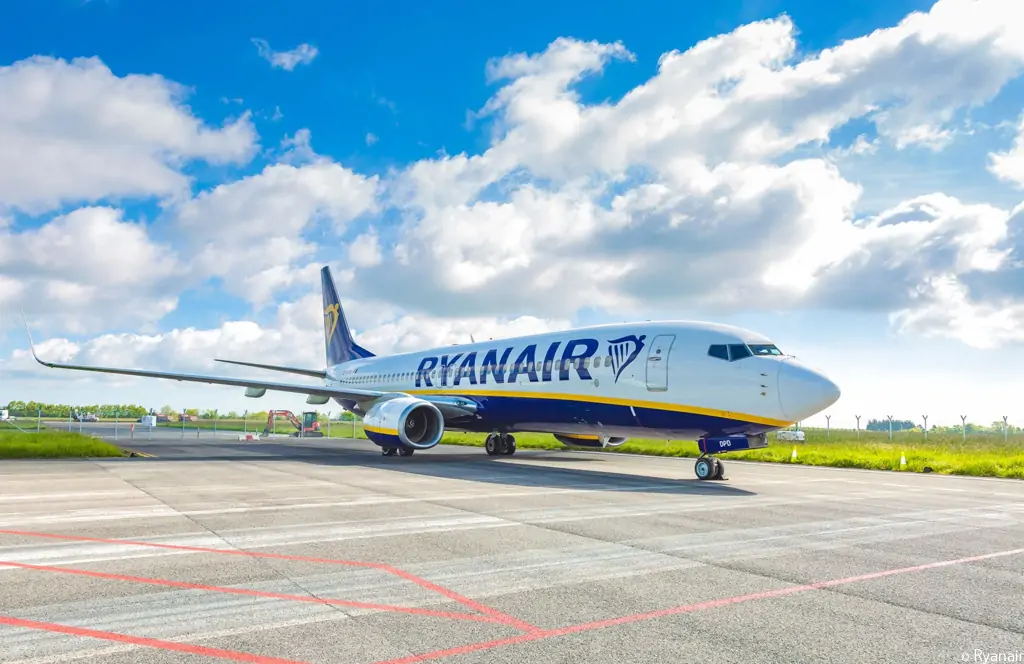
The skies over France were once again shrouded in uncertainty as French air traffic controllers went on strike, bringing the total number of strike days this year to more than 40. The ongoing industrial action has had a tremendous impact on the aviation sector, with Ryanair, the well-known low-cost carrier, suffering the brunt of the disruptions.
The History of Air Traffic Controller Strikes
French air traffic controller strikes have become a discontented recurring incident in recent years. The controllers' objections, which range from concerns about working conditions to proposed changes to retirement benefits, have driven their concerted action. Similar strikes have happened in the past, causing the airline sector and customers to face a storm of cancelled flights, delays, and disrupted travel plans. The frequency and duration of these strikes highlight the need for a long-term solution that answers controller concerns while minimizing interruptions to the aviation industry.
Flight Cancellations on Ryanair
Due to the ongoing strike by French air traffic controllers, Ryanair had to cancel approximately 400 flights today. This equated to around 12.5% of the airline's operations, demonstrating the magnitude of the disruptions caused by the strike. It should be noted, however, that the bulk of the impacted flights were those that were planned to fly over French airspace but were not bound for or originated from French airports.
Criticism by Ryanair CEO
Unsurprisingly, Ryanair's outspoken CEO, Michael O'Leary, did not mince words in expressing his displeasure with the cancellations. He seized the occasion to lambaste the European Commission for neglecting to address the present labor dispute and reduce its impact on airlines and customers: "People flying across France are having their flights cancelled unnecessarily because the European Commission... will not take action."
Focus on Overflights
Overflights are critical in determining the degree of disruption caused by the strikes. These aircraft, which pass over French airspace without taking off or landing in France, account for a sizable proportion of the impacted flights. In the case of Ryanair cancellations, this was the case for the vast majority. This distinction is critical because it illustrates that the strikes' influence extends beyond flights to and from French airports to the broader European airspace network.
Filing a Petition
Ryanair recently presented a petition signed by over 1.1 million disgruntled customers, requesting that the Commission preserve France's overflights, as it has done in Spain, Italy, and Greece. O'Leary expressed his displeasure with the airline's ongoing disruptions, which have resulted in families missing holidays and other issues.
Ryanair also requested that binding arbitration be needed prior to strike action, that a 21-day notice of strike action be enforced, and that a 72-hour notice of employee involvement in strikes be necessary.
Conclusion
The French air traffic controllers' strike has once again paralyzed the aviation industry, with Ryanair reporting significant flight disruptions. Ryanair CEO Michael O'Leary's forthright criticism reflects the difficulties felt by airlines when interruptions occur due to strike action. The emphasis on overflights accentuates the strikes' broader impact, which extends beyond flights originating or terminating in France. As customers and travellers experience cancellations and delayed travel plans, efforts to find a solution must be prioritized in order to establish a more stable and dependable aviation system.
With Inputs from Independent
Read next
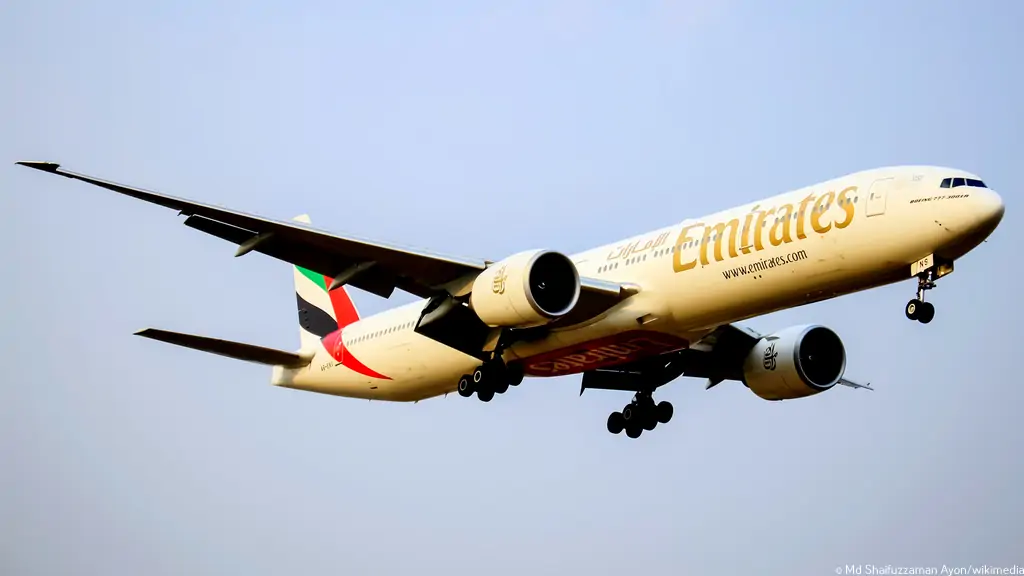
Air travel is critical in today's interconnected world for stimulating economic growth, enabling commerce, and connecting people across continents. Bilateral flying rights, also known as air traffic rights or air transport agreements, play an important role in regulating the number of flights and seat capacity available between nations.
The Importance of Bilateral Flying Rights
Bilateral flying rights provide the basis for international air services, allowing carriers to conduct scheduled flights between two nations. These agreements specify the number of flights, seat capacity, and landing rights provided to each country's carriers. Bilateral agreements that regulate air traffic enable fair competition, boost economic progress, and improve global connectivity.
Seat Capacity of Emirates Airlines in India
Despite India's impressive economic growth, Emirates Airline has not raised its passenger capacity in the nation since 2015. Given the increasing demand for travel between India and Dubai, this is a major worry for the airline. Emirates, as one of the world's top airlines, aspires to address the demands of customers while also supporting the two countries' thriving commercial connections. Emirates can operate 65,000 seats from Dubai to India in each direction every week.
India's Economic Growth
In recent years, India's economy has grown rapidly, making it one of the world's fastest-growing major economies. The country's expanding middle class, booming trade, and increasing tourism have all led to an upsurge in air travel demand. As the Indian economy develops, airlines must adapt and provide enough air transport services to meet the needs of this expanding market.
The Government's Stance on Bilateral Flying Privileges
Despite India's economic success, the government has been wary of granting multinational carriers further bilateral flying privileges. This strategy attempts to safeguard the local aviation sector while also encouraging the expansion of Indian airlines. While this strategy benefits domestic airlines, it may limit the development potential of international carriers such as Emirates, affecting their capacity to satisfy customer demand effectively.
Challenges Faced by Emirates
Due to restricted bilateral flying privileges in India, Emirates Airline confronts a number of obstacles. The airline's current seat capacity limits limit its potential to expand operations and provide additional flights to Indian passengers. As a result, Emirates may lose market share to competitors who have received larger seat capacities and better agreements.
The Importance of Increasing Bilateral Flying Rights
There is an urgent need for enhanced bilateral flying rights between India and Dubai to solve the issues encountered by Emirates Airline and other international carriers. Both nations can unlock the full potential of their air transport sectors, handle rising passenger demand, and drive economic growth by providing extra seat capacity. This would assist not just airlines but also tourism, commerce, and commercial relationships between India and Dubai.
Benefits of Increased Bilateral Flying Rights
Increased bilateral flying privileges would benefit both countries in a variety of ways. It would improve connectivity, allowing more people to travel for work or pleasure. A better air transport network would boost trade by allowing for faster movement of goods and services. Furthermore, increasing flights would offer more employment opportunities, assist local companies, and contribute to India's and Dubai's overall economic development.
Impact on Tourism and Trade
Tourism and trade are critical components of India's economic ties with Dubai. By increasing bilateral flying rights, more Indian visitors would be able to visit Dubai's numerous attractions, contributing to the expansion of the tourism industry. Simultaneously, Indian enterprises would have improved access to global markets, encouraging exports and imports and improving bilateral economic connections.
Overcoming Regulatory Hurdles
Stakeholders must resolve regulatory hurdles in order to improve bilateral flying rights. Open and productive conversations between the governments of India and Dubai, as well as industry experts and airlines, can help resolve these issues. By encouraging collaboration and understanding, both sides may work towards building a mutually advantageous air transport agreement that fosters airline expansion while also respecting the interests of the domestic aviation industry.
Conclusion
Increased bilateral flying rights between India and Dubai are critical for satisfying rising air travel demand and promoting economic growth. The proposal for increased seat capacity by Emirates Airline is consistent with the changing dynamics of the Indian market. By extending these benefits, both nations may open up new avenues for commerce, tourism, and commercial engagement. It is critical that parties participate in constructive discourse and strive towards the establishment of a mutually advantageous air transport agreement that allows for increased connectivity and economic growth.
Comment