
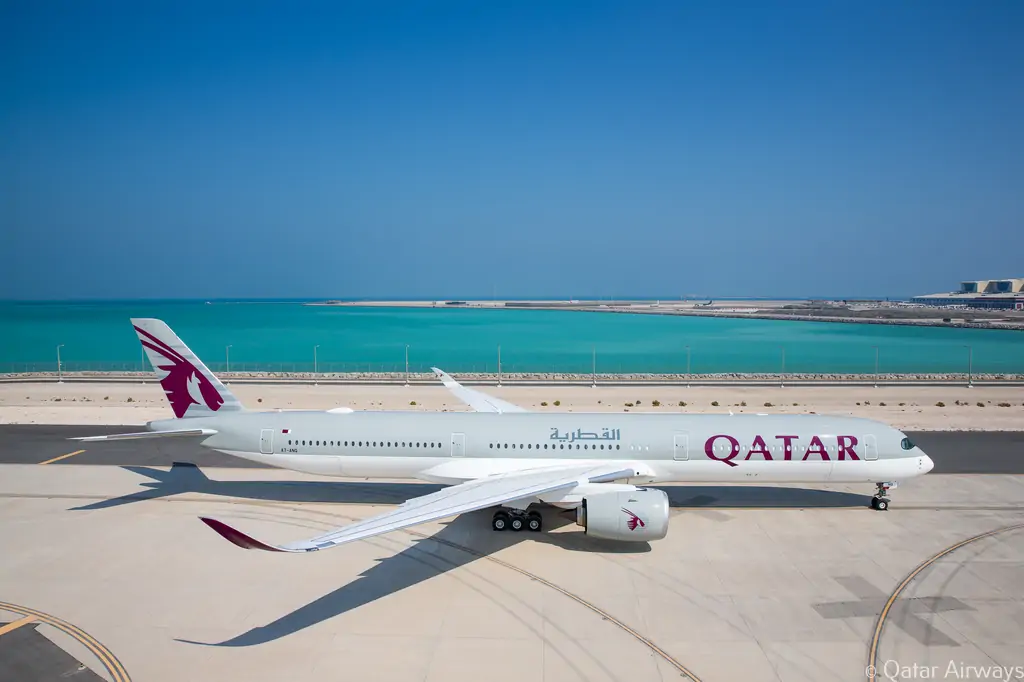
In its latest annual report for the fiscal year 2022-23, Qatar Airways Group proudly presents remarkable financial accomplishments. As the Official Airline Partner of the FIFA World Cup Qatar 2022, the airline has once again demonstrated outstanding performance and achieved a net profit of QAR 4.4 billion (US$ 1.21 billion). The airline's success can be attributed to a well-executed strategy, which includes expanding its network and meeting the growing demands of travelers.
Qatar Airways: The Leading Airline Partner of FIFA World Cup Qatar 2022
The 2022 FIFA World Cup, held in Qatar, was a major global event that attracted millions of football enthusiasts from around the world. As the Official Airline Partner of the tournament, Qatar Airways played a crucial role in facilitating travel for fans, teams, and officials. This prestigious association not only elevated Qatar Airways' global profile but also opened up new opportunities for the airline to showcase its excellent services to a diverse international audience.
Strategic Network Expansion
One of the key factors contributing to Qatar Airways' exceptional financial performance was its strategic approach to expanding its network. The airline identified emerging markets and established new routes to connect passengers to previously underserved destinations. By tapping into these growing markets, Qatar Airways not only increased its passenger base but also strengthened its position as a leading international carrier.
Meeting the Rising Demand
In addition to expanding its network, Qatar Airways successfully met the rising demand for air travel. The airline anticipated the surge in travelers, especially during the FIFA World Cup, and efficiently managed its operations to accommodate the influx of passengers. By providing seamless travel experiences, Qatar Airways won the hearts of many customers, leading to increased loyalty and positive word-of-mouth.
Annual Performance
Qatar presented their annual report on July 5th, revealing a net profit of $1.21 billion for fiscal year 2022-2023. Its entire revenue was reported to be $21 billion, a 45% increase over the previous year. Qatar Airways Group Chairman and Minister of State for Energy, Mr. Saad Bin Sharida Al-Kaabi, commented about the carrier's results.
"I am delighted to report that Qatar Airways Group has delivered yet another outstanding annual performance." Qatar's transport industry exemplifies the country's interconnectedness, connecting individuals from all over the world and expanding commercial connections throughout the region."
Among the other financial highlights are:
- Passenger revenue grew by 100%.
- Capacity increased by 31%, owing to 9% higher yields and an 80% load factor, both of which were the best in the airline's history.
- As a result of growing capacity, market share increased.
- EBITDA (earnings before interest, taxes, depreciation, and amortization) margin of 23% at $4.9 billion, up $30.2 million from the previous year.
Superior Customer Service and Onboard Experience
A notable aspect of Qatar Airways' success lies in its unwavering commitment to providing superior customer service and a delightful onboard experience. From comfortable seating and entertainment options to delectable cuisine, the airline leaves no stone unturned to ensure that passengers have a memorable journey. This dedication to excellence has earned Qatar Airways a reputation as a customer-centric airline, further driving its success.
Innovation and Technology
Embracing innovation and cutting-edge technology, Qatar Airways constantly enhances its services and operations. The airline leverages technology to streamline booking processes, improve baggage handling, and offer personalized travel experiences to its customers. By staying at the forefront of technological advancements, Qatar Airways maintains a competitive edge in the aviation industry.
Commitment to Sustainability
Qatar Airways recognizes the importance of environmental responsibility and has taken significant strides towards sustainability. The airline invests in modern fuel-efficient aircraft, adopts eco-friendly practices, and supports various environmental initiatives. This commitment to sustainability not only reduces its carbon footprint but also resonates positively with environmentally-conscious travelers.
Impressive Passenger Traffic Growth
The 2022-2023 annual report revealed an outstanding increase in passenger traffic for Qatar Airways. The airline recorded a remarkable growth rate of over 70% compared to the previous year. Such exponential growth is a testament to the airline's effective strategies and strong market presence.
"Qatar is proud to have hosted fans from all over the world during the FIFA World Cup Qatar 2022, delivering one of the best FIFA World Cups in history," remarked Sharida Al-Kaabi. "Qatar has set an unparalleled standard for tournament security and safety, establishing itself as a family-friendly destination of choice."
Conclusion
In conclusion, Qatar Airways has demonstrated its prowess as a leading global airline in its 2022-2023 annual report. The successful execution of its expansion strategy, coupled with its association with the FIFA World Cup Qatar 2022, has catapulted the airline to new heights. By prioritizing customer satisfaction, embracing innovation, and committing to sustainability, Qatar Airways has secured a bright future in the competitive aviation industry.
With Inputs from Qatar Airways

Read next

The Indian aviation industry has seen both remarkable growth and unforeseen challenges over the years. While several airlines have achieved soaring success, others have faced turbulence and ultimately shut down. In a written reply to the Lok Sabha, Minister of State for Civil Aviation VK Singh revealed that seven airlines have been shut down in the past five years, leaving a significant impact on the aviation landscape.
A Snapshot of Closed Airlines
Heritage Aviation Pvt. Ltd. and Turbo Megha Airways Pvt. Ltd. (2022)
In 2022, two airlines, Heritage Aviation Pvt. Ltd., and Turbo Megha Airways Pvt. Ltd., were dissolved. Heritage Aviation, known for its charter services, faced financial difficulties that led to its closure. Turbo Megha Airways, operating under the brand name TruJet, was a regional carrier that struggled with mounting debts and operational challenges.
Zexus Air Services Pvt. Ltd., Deccan Charters Pvt. Ltd., and Air Odisha Aviation Pvt. Ltd. (2020)
The year 2020 witnessed the closure of Zexus Air Services, Deccan Charters, and Air Odisha Aviation. Zexus Air Services, a cargo airline, encountered difficulties adapting to the ever-changing market demands. Deccan Charters, which provided charter services, faced tough competition and a decline in demand. Air Odisha Aviation, operating regional flights under the UDAN scheme, struggled with financial sustainability.
Jet Airways (India) Ltd. and Jet Lite (India) Ltd. (2019)
Among the most notable closures were Jet Airways (India) Ltd. and its subsidiary Jet Lite (India) Ltd. in 2019. Jet Airways, once India's premier full-service carrier, succumbed to a severe financial crisis, which led to the suspension of all its operations. The downfall of Jet Airways sent shockwaves through the industry and had far-reaching consequences. Jet Airways, which was granted an Air Operator Certificate (AOC) on February 13, 2022, ceased operations on April 17, 2019, due to financial difficulties.
"Jet Airways (India) Ltd. had gone through insolvency proceedings at the NCLT in Mumbai following its closure." "The AOC was re-issued on 20.05.2022, but the airline did not begin operations, and the AOC expired on 19.05.2023," according to the response.
Factors Behind the Closures
Financial Troubles
The primary cause of these closures was financial instability. Many airlines faced difficulties sustaining their operations due to rising fuel costs, a competitive market, and high debt burdens. With limited avenues for raising capital, these airlines found it increasingly challenging to stay afloat.
Operational Challenges
Operational inefficiencies, mismanagement, and an inability to adapt to changing market dynamics were significant contributors to the downfall of some airlines. Effective fleet management, route optimization, and cost control are crucial aspects that determine an airline's survival.
Regulatory Hurdles
The Indian aviation industry is subject to various regulations and policies that can impact airlines' operations. Compliance with safety standards, licensing requirements, and government policies can be demanding for airlines struggling with financial constraints.
Implications for the Aviation Industry
The closure of several airlines has had significant implications for India's aviation sector:
Reduced Competition
With the exit of multiple players from the market, the competition among airlines has decreased. This could lead to higher ticket prices and fewer choices for passengers.
Job Losses
Airlines employ a considerable number of people, including pilots, cabin crew, ground staff, and maintenance personnel. The shutdown of airlines resulted in substantial job losses, impacting the livelihoods of many employees.
Impact on Regional Connectivity
Regional airlines played a vital role in connecting smaller towns and cities. The closures have affected regional connectivity, making it harder for people in remote areas to access air travel.
The Road Ahead
The Indian aviation industry must learn from the closures and take proactive measures to ensure sustainability and growth:
Financial Prudence
Airlines must adopt robust financial management practices and explore ways to diversify revenue streams to reduce their dependency on traditional ticket sales.
Embracing Technology
Embracing advanced technologies and digital solutions can streamline operations, improve efficiency, and enhance the overall passenger experience.
Government Support
The government should continue to support the industry through policies that foster growth and provide financial aid during times of crisis.
Comments
IndiGo and Go First Airlines operate A320 neo aircraft equipped with Pratt & Whitney (P&W) PW1100G-JM engines, according to another written response from Minister VK Singh.
Conclusion
The closure of seven airlines in the past five years has been a challenging chapter for India's aviation industry. It has highlighted the need for better financial planning, operational efficiency, and government support. By learning from these experiences and implementing necessary reforms, the industry can regain stability and soar to new heights.
Read next

In the fast-paced and competitive aviation industry, Singapore Airlines Group has stood out as one of the leading carriers globally. Recently, the airline made headlines with its exceptional financial performance, reporting a staggering quarterly net profit of $734 million. However, amidst the remarkable passenger success, the group faced a significant setback in its cargo business.
Overview of Singapore Airlines Group's Quarterly Performance
Singapore Airlines Group, a prominent player in the aviation sector, operates several leading airlines, including Singapore Airlines, SilkAir, Scoot, and others. The group's recent financial report highlighted its solid performance during the quarter. With an impressive net profit of $734 million, the company displayed robust financial strength and a well-executed business strategy.
Factors Driving Record Net Profit
High Load Factors
A crucial factor that contributed to Singapore Airlines Group's success was its consistently high load factors. Load factor is a measure of how efficiently an airline fills its available seats with paying passengers. Singapore Airlines Group has been successful in optimizing its routes and schedules to maintain high load factors throughout the quarter. By maximizing seat occupancy, the airline effectively boosted its revenue per flight and overall profitability.
Robust Passenger Demand
The group's record-breaking profits were also underpinned by robust passenger demand. Despite the challenges posed by the pandemic, Singapore Airlines Group's passenger segment experienced a surge in demand as travel restrictions eased. This was the most profitable quarter in the firm's history, with passenger capacity soaring by 32.4% following the ease of international air travel restrictions. The airline successfully attracted travelers with its excellent service, global connectivity, and adherence to stringent health and safety measures.
Plunge in Cargo Income
While the passenger segment soared to new heights, Singapore Airlines Group faced a sharp decline in its cargo income during the same quarter. Cargo loads fell 11.3% year on year, but capacity increased 12.1%, owing mostly to an increase in belly hold capacity as additional passenger aircraft resumed operation.
Factors Impacting Cargo Business
The primary reason behind the decline in cargo income was the volatile demand for air cargo services. The pandemic-induced disruptions caused fluctuations in cargo demand, impacting the revenue earned from transporting goods via air.
Additionally, higher capacity in the global air freight market added to the challenges. As multiple airlines operated cargo-only flights to meet increased demand for medical supplies and essential goods, it intensified competition and led to downward pressure on prices.
Challenges and Mitigation Strategies
To address the challenges faced by the cargo business, Singapore Airlines Group adopted several strategies. The company focused on enhancing operational efficiency to reduce costs while maintaining service quality. Moreover, it explored opportunities in specialized cargo services, including the transportation of high-value and time-sensitive goods, to diversify revenue streams.
The Importance of Diversification
Singapore Airlines Group's experience reinforces the significance of diversification in the aviation industry. By having a balanced portfolio that includes both passenger and cargo services, airlines can mitigate the risks associated with fluctuations in demand. Diversification enables airlines to leverage profitable segments during challenging times, ensuring overall financial resilience.
Conclusion
Singapore Airlines Group's remarkable quarterly net profit showcases its strength in passenger operations. The high load factors and strong passenger demand were key drivers behind the outstanding financial performance. Nevertheless, the cargo business faced hardships due to demand volatility and increased competition. The airline responded proactively by seeking operational efficiency and exploring specialized cargo services. This experience emphasizes the importance of adaptability and diversification in navigating uncertainties in the aviation sector.
With Inputs from Singapore Airlines
Read next

In recent news, Boeing, one of the leading aircraft manufacturers globally, has reported its quarterly statistics, showcasing a significant increase in production for its most popular aircraft. The company's 737 program is witnessing a surge in monthly production of up to 38 aircraft, while the 787 Dreamliner manufacturing rate is also set to rise to four per month.
Boeing's Production Boost
Enhancing the 737 Programme
Boeing is geared up to escalate the production rate of its renowned 737 aircraft. The surge will see the monthly production figures rise by an impressive 38 aircraft, signifying the company's confidence in the demand for this popular model.
Growth in 787 Dreamliner Manufacturing
Apart from the 737, Boeing is also increasing the production rate of its 787 Dreamliner. With a target of manufacturing four Dreamliners each month, the company aims to cater to the growing demands of its customers while maintaining the highest quality standards.
Deliveries
Boeing delivered 136 commercial jets during the quarter, leaving a backlog of almost 4,800 planes valued at $363 billion. Revenue for the Commercial Airplanes department climbed to $8.8 billion, owing to increased 787 deliveries. In addition, the corporation invested extensively in research and development during the second quarter, resulting in a reduced operating margin.
Boeing President and CEO Dave Calhoun was upbeat when he announced the results: "We had a solid second quarter with improved deliveries and strong free cash flow generation." We are well positioned to fulfil the operational and financial targets we set for ourselves this year and in the long run."
Order List
This quarter, Boeing also inked several large purchase agreements totaling 460 net orders. Air India finalized the acquisition of 290 new aircraft last month, comprising 190 737 MAXs, 20 787 Dreamliners, and ten of the forthcoming Boeing 777X aircraft.
Riyadh Air, a new entrant, ordered 39 aircraft in preparation for its commercial debut. In Europe, Ryanair announced a $40 billion purchase for up to 300 Boeing 737 MAX 10 aircraft. The airline is also a major 737 operator, and the MAX 10 will have 228 seats, which represents a 21% increase over its current Boeing 737-800s.
Financial Performance
The increased production efforts have had a notable impact on Boeing's financial performance during the quarter.
Revenue Surge
The quarter's supply of 136 commercial aircraft generated substantial revenue for Boeing, amounting to an impressive $19.8 billion. This revenue boost is a clear indicator of the strong market demand for Boeing's aircraft, especially the 737 and 787 models.
Defence Income Deficit
However, it was not all smooth sailing for Boeing in the quarter. The company faced challenges in its defence department, leading to a $527 million deficit. While the commercial aircraft segment thrived, the decline in defence income poses a concern that Boeing will likely address moving forward.
The Road Ahead
Boeing's quarterly statistics reflect the company's continuous efforts to evolve and adapt to the dynamic aviation industry. The surge in production for its popular 737 and 787 aircraft demonstrates Boeing's commitment to meeting customer demands effectively.
Conclusion
In conclusion, Boeing's recent quarterly report highlights its notable progress in production, especially with its 737 and 787 aircraft. The increase in monthly production figures signifies the company's dedication to serving its customers' needs promptly and efficiently. While the dip in defence income remains a concern, Boeing's overall performance showcases its resilience in navigating challenges. As the aviation industry continues to evolve, Boeing's commitment to excellence in manufacturing and customer satisfaction positions it well for a promising future.
With Inputs from Boeing
Read next
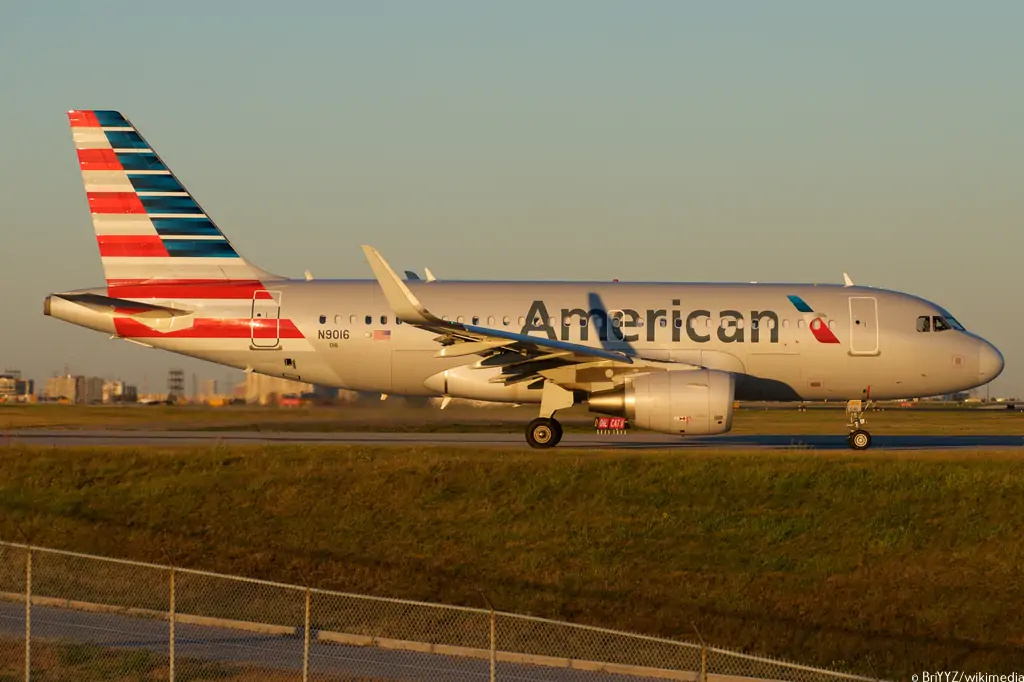
In a significant development, American Airlines, one of the major airlines in the United States, has successfully negotiated an agreement with its related pilots' union, the Allied Pilots Association (APA). The negotiation process, which spanned several rounds of talks, culminated in an agreement that is poised to have a notable impact on both American Airlines and its 15,000 pilots.
American Airlines and the Allied Pilots Association
American Airlines Overview
American Airlines, headquartered in Fort Worth, Texas, has a rich history dating back to the 1920s. It has grown into one of the leading airlines globally, connecting passengers to numerous destinations across the world. The airline is known for its extensive route network, modern fleet, and commitment to providing a pleasant flying experience for its customers.
The Allied Pilots Association (APA)
The Allied Pilots Association represents the interests of American Airlines' pilots, advocating for their welfare, benefits, and working conditions. With its large membership base of 15,000 pilots, the APA plays a pivotal role in ensuring a harmonious relationship between the pilots and the airline's management.
The Negotiation Agreement
Background of the Negotiations
Negotiations between American Airlines and the APA have been ongoing for several months, with both parties striving to find common ground on various contentious issues. The discussions were held with the goal of reaching an agreement that addresses the concerns of pilots while also aligning with the airline's operational and financial objectives.
The agreement now contains the same salary levels that United Airlines agreed to. United pilots are on pace to see roughly a 40% rise over the next four years. The agreement also matches the salary of Delta Air Lines pilots who signed contracts in March of this year. To do this, American Airlines CEO Robert Isom was obliged to boost the company's offer by over $1 billion last week.
Key Points of the Agreement
The recently reached agreement encompasses crucial provisions that have been carefully crafted to meet the needs of pilots and American Airlines alike. Among the key points are competitive pay scales, enhanced benefit packages, improved working conditions, and provisions for career progression. The agreement also introduces innovative measures to ensure a better work-life balance for pilots, acknowledging the demanding nature of their profession.
Comparison with Other Airline Settlements
Recent Settlements with Affiliate Pilot Unions
In the highly competitive airline industry, negotiations between airlines and their affiliate pilot unions are not uncommon. Various airlines have recently concluded agreements with their pilot unions, striving to strike a balance between rewarding their pilots and maintaining financial sustainability.
How American Airlines Agreement Stands Out
American Airlines' agreement with the APA stands out due to its comprehensive nature and the degree of collaboration between the two parties. By addressing various aspects of pilots' concerns, American Airlines aims to foster a positive and productive relationship with its pilots, ultimately benefiting the company as a whole.
The Impact on American Airlines and Pilots
Benefits for Pilots
The agreement brings several advantages for American Airlines' pilots. Notably, the improved pay scales and benefits will contribute to increased job satisfaction and motivation among the pilot workforce. This, in turn, is expected to enhance operational efficiency and the customer experience.
Implications for American Airlines
For American Airlines, the agreement signifies a step forward in nurturing a supportive and cohesive workforce. Satisfied and motivated pilots are more likely to contribute to a safe and reliable operation, bolstering the airline's reputation and customer loyalty.
Future Prospects and Challenges
Ensuring Smooth Implementation
While the agreement represents a milestone achievement, ensuring its smooth implementation will require continued cooperation and communication between American Airlines and the APA. Timely execution of the agreed-upon provisions will be essential for building trust and sustaining the positive momentum.
Potential Areas for Further Improvement
As the aviation landscape evolves, there will always be new challenges and opportunities. American Airlines and the APA must remain receptive to feedback from pilots and explore avenues for further improvement in the future.
Conclusion
The negotiated agreement between American Airlines and the Allied Pilots Association reflects a commitment to the welfare of pilots and the long-term success of the airline. By reaching this consensus, both parties have demonstrated their dedication to working together constructively, setting a positive example for the broader aviation industry.
With Inputs from Reuters
Comment