

Loyalty programmes have become a vital part of our lives in today's fast-paced environment. Qatar Airways Privilege Club recognizes the importance of providing its members with memorable and rewarding experiences. Privilege Club's launch of Card Linked Offers strives to increase the perks and privileges enjoyed by its devoted members.
Qatar Airways Privilege Club Overview
Qatar Airways Privilege Club is a loyalty programme meant to reward and recognize frequent flyers of the airline. When flying with Qatar Airways or its partner airlines as a Privilege Club member, you may earn Qmiles, the program's loyalty currency. These Qmiles may be redeemed for a wide range of enticing benefits, including aircraft upgrades, hotel stays, vehicle rentals, and much more. Privilege Club members may now earn Avios while going about their daily lives thanks to the introduction of Card Linked Offers.
Card Linked Offers
Qatar Airways Privilege Club is delighted to announce the introduction of Card Linked Offers, a ground-breaking feature. This new feature is designed to transform the way Privilege Club members engage with their loyalty programme, effortlessly incorporating Avios into their daily lives. Members may now earn and spend Avios on their everyday purchases at a variety of retail and leisure partners in Qatar by attaching their Visa or Mastercard credit cards, including those registered in Apple Pay, Google Pay, or Samsung Pay.
"At Qatar Airways, we constantly look towards innovation and ensuring our services are unparalleled in the industry, and our loyalty programme is no different," stated His Excellency Mr. Akbar Al Baker. Privilege Club has experienced several improvements in the previous year, including the introduction of Avios as the rewards currency, and the current Card Linked Offers release just adds to our ongoing improvement plan. "After introducing the ability to collect and spend Avios in our airport, we believe that the addition of the new feature will further solidify the Privilege Club experience as a lifestyle." Our members will notice an amazing selection of incentives while spending and collecting their Avios once the Card Linked Offers debut."
Users may link purchases to the loyalty programme by logging into their Privilege Club account and entering their credit card information. When members complete a transaction at a partner location, they can opt to collect or spend Avios through their account, which will be credited in Avios or the equivalent cashback on their connected card.
Redeeming Avios for Rewards and Benefits
The actual value of Avios is realized when they are redeemed for exciting rewards and bonuses. Qatar Airways Privilege Club provides a wide range of redemption choices, allowing members to pick incentives that best suit their interests and travel goals.
Enhancing the Privilege Club Experience
The addition of Card Linked Offers demonstrates Qatar Airways' commitment to improving the Privilege Club experience. The airline guarantees that loyalty is not restricted to travel-related activities by seamlessly integrating Avios into members' routines.
Conclusion
The introduction of Card Linked Offers by Qatar Airways Privilege Club transforms the reward programme experience. The airline guarantees that loyalty is not limited to flying by incorporating Avios into members' daily lives. Members may earn Avios on regular transactions and access a variety of perks and bonuses with Card Linked Offers. This novel function enriches the Privilege Club experience by forging a stronger bond between members and the airline. Join Qatar Airways Privilege Club today to begin earning Avios for daily activities.
With Inputs from Qatar Airways

Read next
Air France A350 Forced to Land Back in Osaka After Bird Strike Damages Nose Cone
Abhishek Nayar
29 May 2023
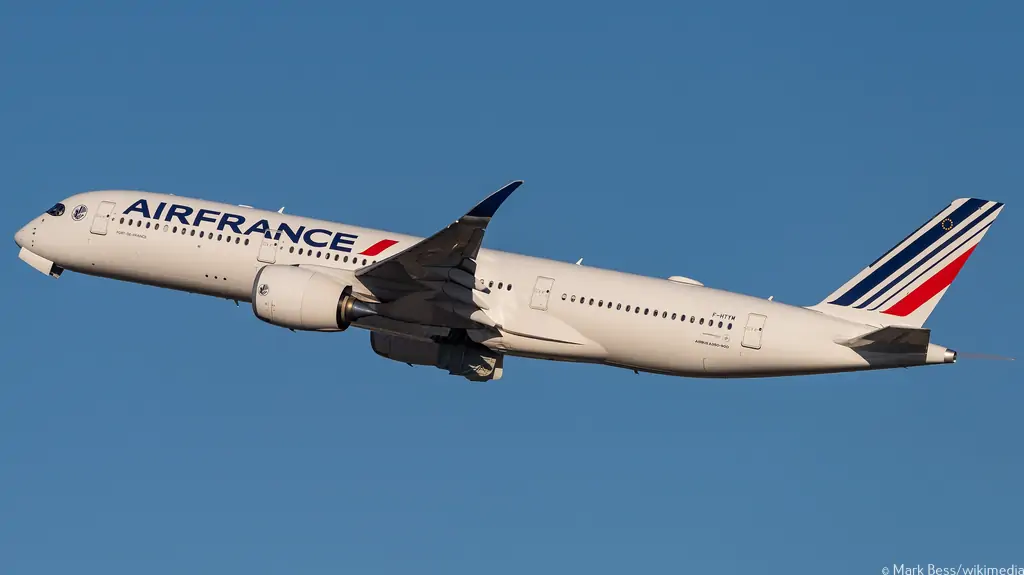
While flying is one of the safest methods of transportation, unanticipated mishaps can occur, causing problems for both passengers and crew members. One such event occurred when an Air France flight from Osaka to Paris encountered a bird strike, resulting in a severe scenario that necessitated the flight's return to its departure location.
The Impact of Bird Strikes on Aircraft
Depending on the size and speed of the bird, as well as the location of the hit, bird strikes can inflict varying degrees of damage to aircraft. The bird impact damaged the nose cone of the Airbus A350-900 aircraft in this occurrence. The nose cone, also known as the radome, is an important component that safeguards the weather radar and other equipment placed within it.
Air France Flight AF291: Incident Details
Let us now examine the specifics of Air France flight AF291, which was affected by the bird attack event.
Flight Duration and Route
Air France flight AF291 operates between Osaka and Paris over a distance of roughly 9,000 kilometers. The journey is normally essentially 12 hours, making it a handy alternative for tourists traveling between these two locations.
Declaration of an Emergency and Return to Osaka Kansai Airport
After a bird hit damaged its nose cone earlier today, an Air France flight between Osaka and Paris was forced to return. After the flight deck crew spotted a technical fault with the Airbus A350-900's weather radar and speedometer, AF291 declared an emergency and returned to Osaka Kansai Airport (KIX) less than three hours into its 12-hour journey.
Reactions and Support from Passengers
Naturally, the event created considerable disturbance and anxiety among the passengers on board Air France aircraft AF291. However, the crew conveyed the issue effectively and reassured the passengers of their safety. Airline personnel and ground staff responded quickly, aiding passengers with rebooking, hotels, and any other arrangements necessitated by the aircraft diversion.
Precautions and Countermeasures Against Bird Strikes
Aviation authorities, airports, airlines, and aircraft manufacturers all take safeguards and make efforts to reduce the danger of bird attacks.
Programmes for Airport Bird Control
Airports frequently have specific bird control programmes in place to regulate nearby bird populations. To dissuade birds from breeding or feeding near runways and flight routes, these programmes use a variety of measures, such as habitat alteration, deterrent devices, and bird hazing.
Features of Aircraft Design
Specific design characteristics are used in aircraft to improve bird attack resistance. Reinforced windscreens, stronger materials for leading edges and key regions, and engine bird ingestion avoidance techniques are among them. These design modifications lower the impact of bird strikes and reduce the likelihood of critical damage.
Pilot Procedures and Training
Pilots undergo comprehensive training to deal with emergency scenarios such as bird attacks. They are taught to determine the severity of the impact, examine any damage, and make educated judgements on whether to continue the flight or return to the departure airport. There are standard operating procedures and checklists in place to help pilots deal with such occurrences safely.
Conclusion
The bird strike event that prompted Air France flight AF291 to return shows the necessity of aviation readiness, safety precautions, and good communication. While bird strikes constitute inherent dangers, the aviation industry is always working to reduce these risks through extensive training, airport bird control programmes, improved aircraft design features, and routine maintenance procedures. We can secure safer skies for everybody by better understanding the consequences of bird strikes, taking preventative measures, and encouraging teamwork.
With Inputs from Aviation Safety Network
Read next
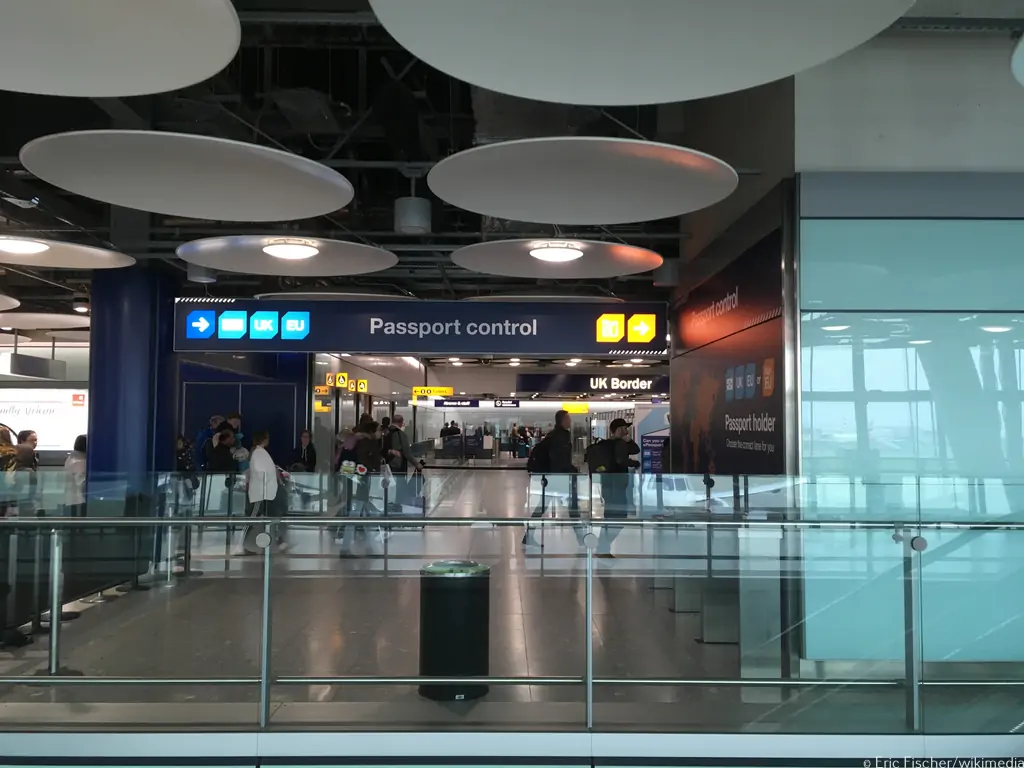
Electronic passport gates have become an essential feature of current travel systems in a digital era when technology has revolutionized various aspects of our lives. These automated gates improve efficiency and convenience for travellers by streamlining the passport control process. However, a recent event in the United Kingdom highlighted the possible issues and interruptions that might arise when such systems experience outages.
The Importance of Electronic Passport Gates
E-gates, or electronic passport gates, have transformed the way travelers pass through immigration checkpoints. These automated systems employ biometric technologies to verify individuals' identities and speed up the passport control procedure, such as face recognition and fingerprint scanning. Airports can handle large numbers of people effectively, minimizing queues and wait times, by employing this technology. The introduction of e-gates was a huge innovation in the travel industry, boosting security and the overall travel experience.
Outage at the UK's Electronic Passport Gate
The United Kingdom experienced a national breakdown of its automated passport gates on a fateful Friday evening, creating severe disruption and discomfort for travelers. The e-gates, which were present at all major UK airports, including Heathrow, Gatwick, Manchester, and Stansted, abruptly stopped working, causing substantial delays and a passenger backlog.
Impact on Major UK Airports
The outage had a significant impact on major UK airports, which rely significantly on electronic passport gates' efficiency to handle the steady stream of travelers. Heathrow, the UK's busiest airport, was severely disrupted, with enormous queues stretching through terminals. Airports including Gatwick, Manchester, and Stansted encountered similar difficulties as hundreds of passengers were caught up in the pandemonium produced by the malfunctioning e-gates.
Potential Causes of the Outage
A representative for the Home Office said the cause of the system breakdown was "too sensitive to say" but that the department was working closely with airports to minimize inconvenience. Furthermore, the UK Border Force will deploy additional personnel to ensure that more staffed passport stations are filled.
Response and Mitigation Efforts
Authorities responded promptly to the breakdown of electronic passport gates, deploying additional personnel to assist with manual passport checks and relieve congestion created by the faulty e-gates. Airport personnel worked tirelessly to manage the situation, offering passengers regular updates and counsel. In the meantime, technicians and engineers worked around the clock to resolve the problem and resume normal operations.
Repercussions for Travelers and Airlines
The disruption has serious consequences for both passengers and airlines. Passengers were subjected to extensive delays and missed flights, as well as the annoyance and inconvenience of altered travel arrangements. Airlines were forced to accommodate delayed customers, reschedule flights, and deal with the logistical issues posed by the unexpected increase in passenger traffic. The financial ramifications for airlines, such as compensation claims and increased operating expenses, contributed to the situation's complexity.
Public Reaction and Media Coverage
The news of the electronic passport gate breakdown spread quickly through numerous media channels, with renowned news organizations such as the BBC reporting on the situation. The public reacted with sympathy for the afflicted travellers and irritation at the outage's disturbance. Conversations and concerns flooded social media channels, emphasizing the necessity for sturdy infrastructure and contingency preparations to lessen the effects of such events.
Lessons Learned and Future Preparedness
The nationwide electronic passport gate failure acted as a wake-up call for authorities and airport operators, emphasizing the importance of extensive system maintenance and solid contingency planning. Lessons learned from this terrible event will drive improvements in infrastructure, technology, and emergency response methods, ensuring improved readiness for future difficulties. Collaboration among airport authorities, technology providers, and relevant stakeholders will be critical to improving system dependability while minimizing the impact of outages.
Conclusion
The nationwide electronic passport gate outage in the United Kingdom highlighted the vulnerability and repercussions of technical breakdowns in vital travel systems. Numerous travelers' itineraries were interrupted as a result of the event, generating annoyance and difficulty. The response by authorities and airport personnel, on the other hand, proved their commitment to reducing the situation and restoring normalcy. This tragedy serves as a reminder of the significance of investing in solid contingency preparations and consistently enhancing technology to facilitate seamless travel experiences.
With Inputs from BBC
Read next
Lufthansa to Operate Direct Frankfurt-Hyderabad Flights From January 2024

Radhika Bansal
29 May 2023
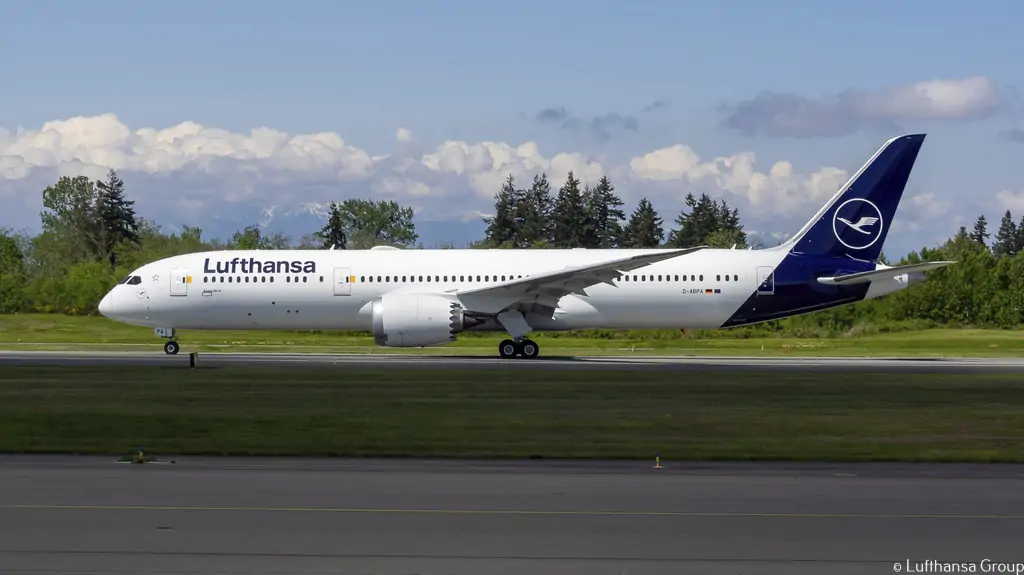
In a move that will benefit passengers travelling to Germany, the Rajiv Gandhi International Airport (RGIA) will offer flights to Frankfurt from January. Starting from January 16, 2024, Lufthansa’s inaugural direct flight from Frankfurt to Hyderabad will be operated using a wide-body Boeing B787-9 Dreamliner. The last time Lufthansa served Hyderabad from Frankfurt was back in October 2011, so nearly twelve years later, the carrier is finally returning the service. The aircraft will feature 26 business class seats, 21 premium economy seats and 247 economy class seats. Lufthansa currently has five Boeing 787-9 Dreamliners in its fleet with a further 34 on order.
Flight Schedule
The flight duration will be approximately 8.30 hours, and it will operate between Frankfurt and Hyderabad three times a week. Departures from Frankfurt to Hyderabad are scheduled for Tuesdays, Fridays and Sundays, while return flights from Hyderabad will take place on Mondays, Wednesdays and Saturdays. This new route opens up exciting possibilities for travellers from Telangana and neighbouring regions, providing convenient access to destinations across Europe.
The inaugural flight to Hyderabad will take off from Frankfurt at 10 A.M. and will reach Hyderabad at 11 P.M. For the return journey, the flight will depart from Hyderabad at 1 A.M. and reach Frankfurt at 6:10 A.M.
With the new service, travellers can now plan their vacation and explore the picturesque terrain, treasure trove of historical sites, vibrant European cities, world-class museums, galleries and much more. Additionally, Frankfurt as a major aviation hub of the world will connect its passengers to multiple cities in North America, including USA and Canada.
GHIAL said that the new route will connect travellers from Telangana and the nearby catchment regions to Europe. “Frankfurt as a major aviation hub of the world will connect you to multiple cities in North America including USA and Canada as well,” it added.
Lufthansa's Flights to Bangalore
One of the fastest-growing aviation markets, India's International traffic is handled largely by foreign carriers, and Lufthansa is taking it further. In total, Lufthansa's footprint in India would tally to five destinations including Delhi, Mumbai, Chennai, Bangalore and now Hyderabad.
The German airline recently firmed its plans on reviving the Munich-Bengaluru route for the winter of 2023, which would be operated on the Airbus A350. British Airways, Air France, and KLM all operate directly from Europe into Bangalore, alongside carriers from the Middle East, so having Lufthansa poised to operate from its two German bases will further solidify its presence, serving the Indian city with a population of over 13 million.
Lufthansa’s Relations with India
Lufthansa has got a long-term vision to strengthen its footprint in the Indian market by catering to the growing population of young working professionals through this expansion. “The brand intends to make the best of India’s s untapped growth opportunity by providing consumers with the most premium travel experiences during their international trips, be it for business or leisure,” a press release said.
The airline had planned to start the service in 2020 before the outbreak of the COVID-19 pandemic hit the world. Lufthansa operates about 80 flights a week between India and Germany. Lufthansa has ordered more than 200 aircraft to be the most modern fleet operating in Europe in the coming years.
German carrier Lufthansa pitched for the liberalisation of bilateral air traffic rights. Lufthansa's comment comes in the wake of Indian authorities blocking any extension of bilateral rights to foreign airlines to promote Indian carriers. "The right assumption is that it has some kind of protectionism. In the long run, I think airlines would be better off if they do partnerships and if they understand that not one airline can generate a global network. It is simply impossible, "
Indian carriers will be better off if the restriction on bilateral rights is eased in the long term and if passengers have more choices for air travel, Harry Hohmeister, head of global markets & network, Lufthansa Group Airlines, said on Thursday, April 27.
For an airline to operate a scheduled flight between two countries, there must be a “bilateral air services agreement” in place, which is negotiated and signed by both countries. This agreement outlines the “bilateral rights”, which determine the number of flights or seats that the airline is allowed to operate per week between the two countries.
Currently, Lufthansa operates 54 flights a week which will be increased to 56 by June end and after adding more services, flights are expected to increase to over 60 per week. Lufthansa Group has had a presence in the Indian market for more than 90 years.
About Lufthansa
Deutsche Lufthansa AG, commonly shortened to Lufthansa, is the flag carrier of Germany. When combined with its subsidiaries, it is the second-largest airline in Europe in terms of passengers carried after ultra-low-cost carrier Ryanair. Lufthansa is one of the five founding members of Star Alliance, the world's largest airline alliance, formed in 1997. Besides its own services, and owning subsidiary passenger airlines Austrian Airlines, Swiss International Air Lines, Brussels Airlines, and Eurowings (referred to in English by Lufthansa as its Passenger Airline Group), Deutsche Lufthansa AG owns several aviation-related companies, such as Lufthansa Technik and LSG Sky Chefs, as part of the Lufthansa Group. In total, the group has over 700 aircraft, making it one of the largest airline fleets in the world.
Read next

Air travel has evolved dramatically over the years, not solely in terms of convenience but also in terms of safety. Today, millions of passengers can fly throughout the world with confidence, knowing that their journey is safeguarded by stringent safety precautions. These safety precautions are the result of the unwavering work of individuals like Don Bateman, who have committed their entire lives to improving aviation safety.
The Evolution of Aviation Safety
The Importance of Air Travel Safety
In the aviation sector, safety has always been the top concern. As the number of air travelers expanded, so did the necessity for strong safety measures to avoid mishaps and maintain passenger safety. Governments, regulatory agencies, and aviation experts have all worked relentlessly to establish an environment in which flying is not only efficient but also extremely safe.
Advancements in Technology and Systems
The growth of aviation safety is inextricably linked to technological improvements. Engineers and developers have created a plethora of methods and technologies to reduce hazards and improve safety throughout the years. Because of these developments, flying is now one of the safest modes of transportation, exceeding even more conventional modes like car or rail travel.
Don Bateman: The Creator of GPWS
Air travel has become an essential part of the way we live, connecting people and cultures all over the world. With millions of flights taking place each year, aviation safety is of the utmost significance. Flying nowadays is safer than ever before, thanks to ongoing technological developments. The Ground Proximity Warning Device (GPWS), designed by Don Bateman, is an essential security measure that plays an essential part in safeguarding the well-being of passengers and crew. Don Bateman departed on Sunday, May 21st, at the age of 91, leaving behind a legacy that has transformed aviation safety.
The Vitality of GPWS in Aviation Safety
How Does GPWS Work?
GPWS monitors the aircraft's location relative to the ground employing a network of sensors and data analysis algorithms. GPWS can identify potential hazards such as rapidly decreasing altitude, proximity to terrain, or approaching obstructions by continually analyzing altitude, speed, and other important factors. The system collects data from numerous aircraft systems, including the radio altimeter, machmeter, air data computer, ILS, landing gear/flap position, and navigation systems. When a dangerous condition occurs, GPWS sends out visual and auditory alerts to warn pilots and prompt corrective action.
GPWS Features and Functions
Each mode has a first boundary that, if crossed, informs the pilot. However, several of the more important modes (one, two, and four) include a secondary boundary that, if exceeded, causes the system to issue a warning call to the pilot, signaling that quick action is required.
| ||
Operational Mode | Alert call-outs (exceeding the first boundary) | Warning call-outs (exceeding the second boundary) |
1. Excessive Rate of Descent | "Sink Rate" | "Pull Up" |
2. Excessive Terrain Closure | "Terrain x2" | "Pull Up" |
3. Altitude loss during TO/GA (Take-Off / Go-Around) | "Don't Sink" | |
4. Proximity to terrain in the wrong configuration (Landing Gear / Flap position) | "Too Low Gear"/"Too Low Flaps" | "Too Low Terrain" |
5. Descending below the glide slope | "Glide Slope" | |
6. Descending below minimums / Exceeding bank angle | "Minimums"/"Bank Angle" | |
Over time, a seventh mode was added, in which the GPWS system analyzes data from the Air Data Computer to detect any signals of probable wind shear in the aircraft's proximity. If probable wind shear is identified, the system issues a direct warning call out to the pilot, "Windshear," so the pilot may be prepared to take any necessary steps.
Though the system cannot identify the specific position of the wind shear, it is beneficial for pilots to be aware of its existence, particularly during the landing phases of a flight, when an early warning may allow the pilot to be better prepared to respond or execute a go-around, as required.
Other Aviation Safety Innovations
Additional Safety Systems and Technologies
While GPWS is a cornerstone of aviation safety, the industry is always looking for ways to enhance it. Engineers and researchers are working on enhanced safety systems and technologies, such as:
Traffic Collision Avoidance System (TCAS): TCAS assists pilots in avoiding mid-air collisions by providing real-time information on nearby aircraft and issuing resolution advisories if necessary.
Enhanced Ground Proximity Warning System (EGPWS): EGPWS is a further sophisticated form of GPWS that includes features such as predictive terrain mapping, weather data integration, and enhanced obstacle detection capabilities.
Automatic Dependent Surveillance-Broadcast (ADS-B): ADS-B enables aircraft to broadcast and receive real-time information, augmenting situational awareness and collision avoidance.
Legacy and Prospects
Don Bateman's legacy as a pioneer in aviation safety will continue to influence the industry for many years to come. His innovation, the GPWS, has become an essential component of modern aircraft, safeguarding the safety of passengers and crew. As aviation technology advances, his achievements are guaranteed to inspire new advancements in safety systems, introducing the industry to even greater heights of safety and reliability.
Conclusion
Don Bateman's extraordinary contribution to aviation safety through the development of the Ground Proximity Warning System has left an indelible effect on the industry. His devotion, vision, and commitment to improving aviation safety have made him a real pioneer. While we grieve his death, we also celebrate the legacy he leaves behind and the numerous lives saved by his wonderful innovations. Don Bateman's work exemplifies the potential of human intellect and innovation to foster a more secure and safe aviation sector.
With Inputs from SeattleTimes
Read next
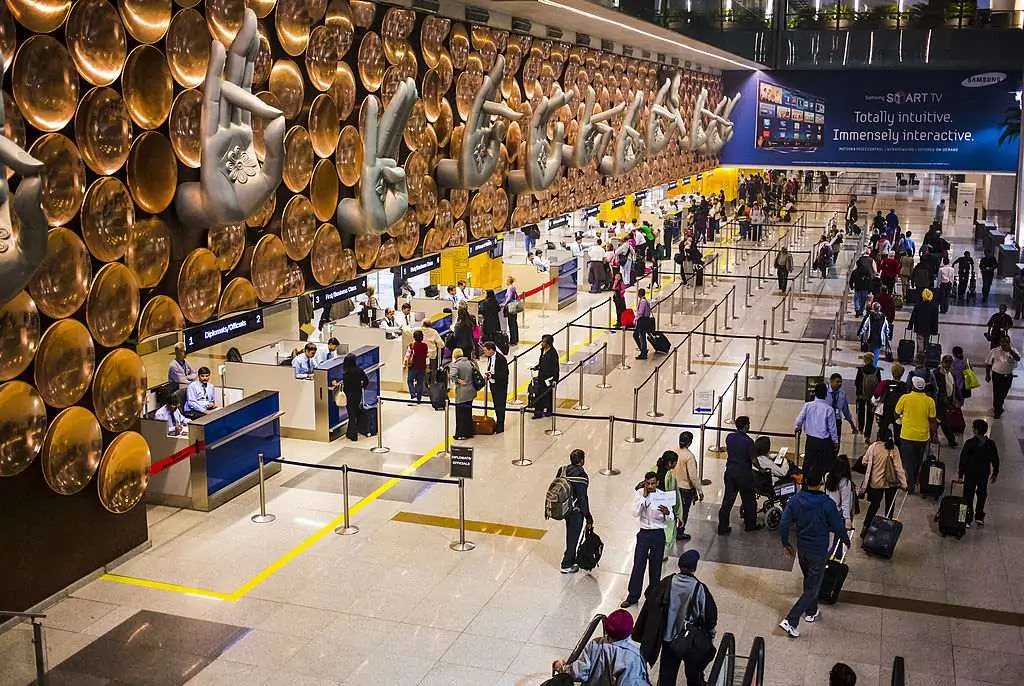
Indira Gandhi International (IGI) airport in Delhi may expand to operate two international terminals soon. Terminal 1 (T1) is expected to be completed this year after facing major delays in renovation due to the Covid-19 lockdown and restrictions. Media reports expect T1 to offer domestic flights and allow international airlines to operate soon. IndiGo has asked Delhi International Airport Ltd (DIAL) to offer international services in T1, which is being renovated under the GMR Group.
IndiGo has reportedly asked DIAL to allow the airline to operate internationally from T1. The airline currently flies out of all terminals and according to an aviation report shared by the Directorate General of Civil Aviation in April, the flight makes up the majority of the market share at 57.5%. The airline expects to cross the 10-crore passenger mark (domestic plus international) in the fiscal year 2023-24 and enter the league of the world’s biggest airlines by passenger volume. IndiGo operates around 310 planes and expects to double its fleet count before 2030. The Tata Group has also recently ordered 470 planes, indicating significant airline expansion plans.
According to the Times of India, a source from the airport stated that air travel has picked up significantly and passed pre-pandemic levels. While T1 will stick to the original completion plans to avoid any further delays, the source stated that clearance from multiple government agencies will be sought to discuss the potential of adding the facilities required for international services.
Going by the expansion plans revealed by the GMR Group, renovations are expected to be completed by September of this year, with upgraded facilities to manage higher passenger numbers and increase the infrastructure and service quality of the terminal. The area of the terminal is expected to increase from 60,000 sq metre to 169,000 sq metre, with entry gates expanding from 8 to 13. Vast space for parking, VIP lounges, a modern food court, and better use of space for movement within the airport are all part of the renovation plans.
Upon completion of phase 3A, the airport will be able to handle 100 million annual passengers. Budget carriers are increasingly operating international flights, particularly out of Delhi, and a dedicated terminal that can handle domestic and international operations would be far more convenient for such airlines and their passengers.
Transitioning of the Terminals
It is expected that Terminal 3 of the IGI Airport will eventually be used for Tata Group airlines, including Air India-Vistara and AI Express-AirAsia India, combined, as well as foreign carriers. T1 will handle flights of low-cost carriers, including IndiGo, while T2 will be designated for full-service carriers' domestic flights. This would help minimise confusion and inconvenience for passengers who may otherwise need to travel between different terminals.
Transitioning between different terminals is currently a significant pain point for passengers, as there are no automated people-mover systems like an air train to smoothen the process. The expansion of Terminal 1 is a reflection of the growing demand for air travel in India, which has rebounded strongly since the pandemic.
Interestingly, Terminal 2 was initially built as an international terminal for Asiad in 1982 and played that role until the opening of T3 in 2010. Since then, it has mainly been used for domestic operations and is expected to continue serving domestic flights until a new terminal is built.
Terminal 3 expansion
Phase 3A expansion work is underway at the Indira Gandhi International Airport (IGIA), operated by Delhi International Airport Ltd (DIAL). "Post completion of Phase 3A expansion work scheduled in 2023, Delhi airport will become the only Indian airport whose terminals would be able to handle 100 million passengers per annum (MPPA)," it said in a release. The new expansion area will be around 3,000 sqm, with 7 F&B counters, 10 check-in counters, 15 frisking booths, and 8 X-ray machines. This will help decrease waiting time and help more passengers, said officials. The project being executed by L&T is worth an estimated USD 850 million and will also see a fourth runway measuring around 4,400 meters long and 75 meters wide, developed during the second phase of expansion.
The airport offers connectivity with more than 142 domestic and international destinations. From April 2022 to February 2023, the airport handled more than 14.50 million transfer passengers (hub traffic), including more than 3.37 lakh international to international transfer passengers. Currently, 63 airlines operate out of Delhi Airport.
Passenger Traffic Up By 95%
Post Covid, the Delhi International Airport has seen a 95% uptick in passenger load — from 5.02 lakh in March 2021 to 9.83 lakh in March 2022 — according to data from officials. As per the Airports Authority of India, this year, the Delhi airport has handled passenger traffic which is 49% more than the second-largest airport in India. In 2022, the airport catered to 15 million international passengers – 27.5% of India’s total international traffic – to become the highest among all Indian airports. Over the past year, several reports of passengers have complained of crowding, congestion and long lines.
What is an Aviation Hub?
A hub requires an airport and its main airline/s be able to provide seamless transfer to passengers - something that Emirates does in Dubai, Qatar Airways at Doha, Singapore Airlines at Changi, Lufthansa at Munich and Frankfurt, and United at Newark. India is seeing the emergence of two mega airlines - IndiGo, which is already a giant, and Tata Group consolidating its four airlines under the Air India umbrella. The government plans to have IGIA as the hub airport with Air India and IndiGo as the mega carriers providing all kinds of transfers - domestic to domestic, domestic to international, international to domestic and international to international.
However, this will require automatic people mover or an air train connecting various terminals - something hubs like New York JFK, Dubai, and Zurich have - to ensure passengers can seamlessly transfer between T1 on one side and T3/2 on the other. Work on this is yet to begin. Even at present clocking almost 7 crore passengers annually, transiting between T1 and T3/2 is a pain for IGIA flyers. The proposed air train is hugely delayed with no headway so far.
"(Direct) connectivity from IGIA is well spread across (North) America, Europe, Australia and Asia. Supported by 63 trusted airlines, it provides direct connectivity to places like New York, San Francisco, Newark, Chicago and Washington in North America," DIAL said.
Comment