
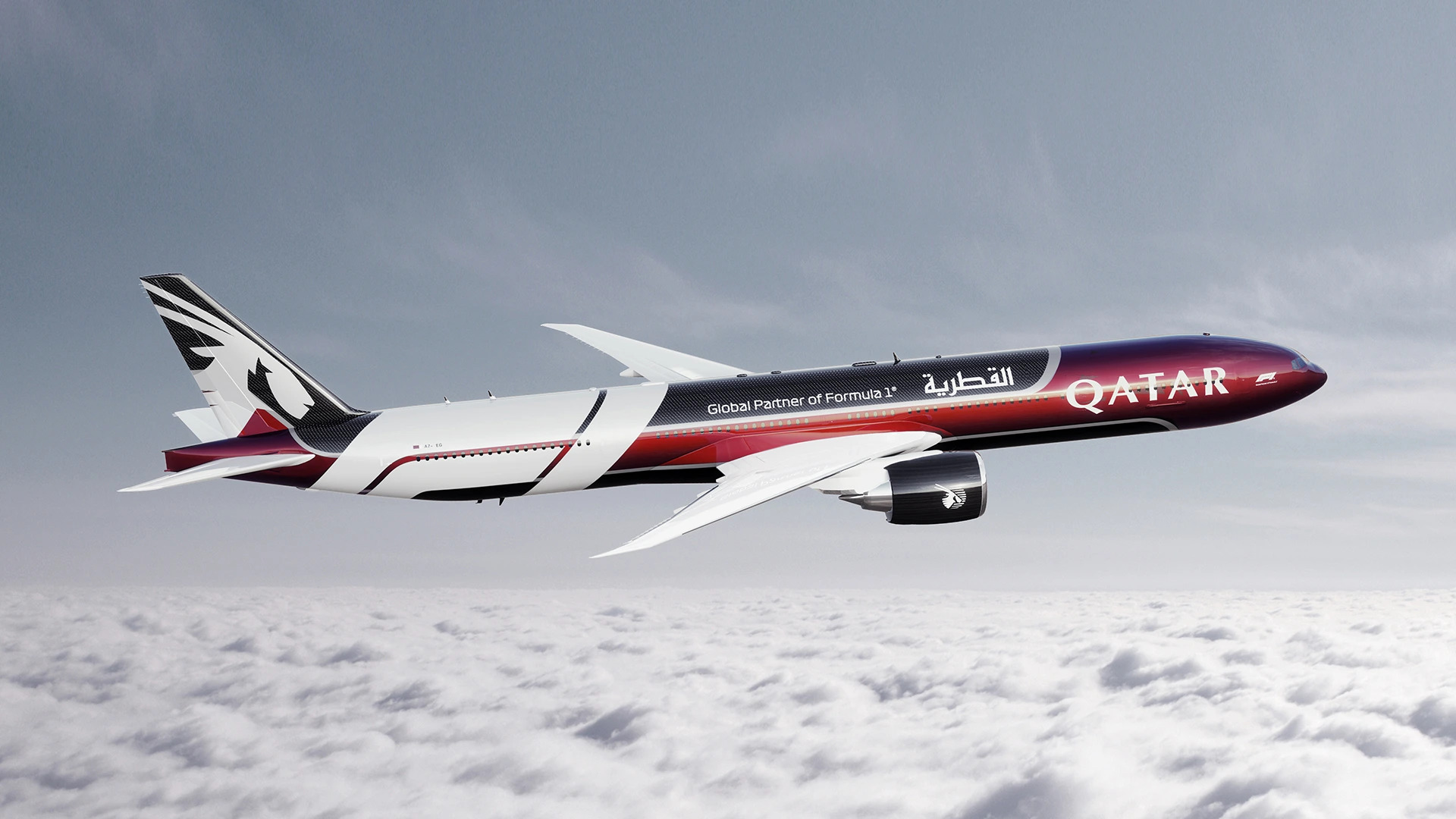
In a pioneering move for the aviation industry, Qatar Airways has partnered with Grammy-winning music producer and entrepreneur Swizz Beatz to launch a revolutionary cultural platform. Announced at Art Basel Paris 2025, where Qatar Airways holds Premium Partner status across all five Art Basel exhibitions worldwide, this collaboration introduces the Qatar Airways Creative 100—an annual initiative designed to recognise the most impactful cultural influencers of our time.
Platform for Cultural Visionaries
The initiative stems from a collaboration with The Dean Collection, the art collective established by Swizz Beatz alongside Grammy-winning musician Alicia Keys. The platform will feature 100 creators spanning multiple disciplines, including art, design, music, technology, and sport.
The inaugural celebration is scheduled to take place during Art Basel Qatar in February 2026.
Initial inductees include South African DJ and producer Black Coffee, Olympic fencing champion Miles Chamley-Watson, Bang & Olufsen CEO Kristian Teär, AMBUSH co-founder and Dior Homme Jewellery Director Yoon Ahn, and Ferrari Chief Design Officer Flavio Manzoni. From the art world, sculptor Kennedy Yanko and visual artist Patrick Eugene have been recognised for their contributions exploring identity and cultural narratives.

Transforming the Travel Experience
The partnership will influence passenger experiences through branded merchandise, onboard programming, and special activations. As their first creative expression, the collaborators unveiled a special Formula 1 livery design for the Boeing 777-300ER, honouring Qatar Airways' position as Global Airline Partner, with plans for a FIFA World Cup 2026 commemorative design to follow.
A dedicated digital platform will function as a cultural destination, presenting films, interviews, podcasts, and city guides curated by global creators. Privilege Club members will receive exclusive access to masterclasses conducted by Creative 100 honorees and priority invitations to prestigious cultural gatherings.
Industry Leaders Share Vision
Qatar Airways Group CEO Badr Mohammed Al-Meer emphasised that innovation drives every aspect of their operations. He stated that their alliance with Swizz Beatz embodies a mutual conviction that creativity possesses the capacity to inspire, connect, and revolutionise global connectivity. Swizz Beatz remarked that Qatar Airways transcends mere transportation, moving the entire world, making this collaboration feel organic.

Read next
Why Would India Make Lessors Pay an Airline’s Back Bills Before They Can Take Back Their Planes?

Abhishek Nayar
23 Oct 2025

Welcome to the bureaucratic version of musical chairs — except the chairs are Airbus and Boeing, and someone’s asking you to pay the electricity bill before you can sit down.
India’s draft aviation rules released in September have sent a shiver through global aircraft lessors by apparently requiring them to clear a distressed carrier’s taxes, wages and other dues before repossessing leased planes. That has lessors saying: “Wait, what?” — and the Aviation Working Group (AWG) has formally pushed back.
The short story (spoiler: it’s complicated)
India passed a law this year intended to make it easier for lessors to reclaim aircraft — a move meant to align domestic rules with global practice and reassure financiers. But the draft rules to implement that law appear to mandate that lessors first settle certain unpaid airline bills (wages, airport charges, taxes, even fuel in some cases) before they can take physical possession of the aircraft. That disconnect between law and draft rules has alarmed major leasing firms and plane-makers.
What the draft rules actually say (and why lessors winced)
- Bottom line: The draft says wages and government taxes owed by a distressed airline “shall have priority and would need to be cleared” by a lessor before repossession. The list of required clearances reportedly stretches to unpaid airport operator charges, landing fees and even fuel bills — items lessors say are not their responsibility and, in many cases, not directly tied to ownership of the aircraft.
- Lessors’ reaction: Global lessors represented by the AWG — which includes heavyweights like AerCap and Avolon, and influential manufacturers — say the rule is impractical and risks reversing the gains made by the earlier law designed to improve repossession certainty. They’ve submitted a confidential letter to India’s civil aviation ministry asking for reconsideration.
Why this matters — spoiler: because money talks (and so does trust)
- India = high-leasing market. Around 80% of India’s passenger fleet is leased — well above the global average — so how repossessions are handled substantially affects global financing costs for carriers flying in and out of India.
- Legal clarity drives leasing rates. If lessors face uncertain, potentially open-ended liabilities, they’ll charge higher rents or avoid the market — which could make flying in India more expensive or harder for smaller carriers.
Think of it like homeowner’s insurance: if the insurer suddenly had to pay the neighbor’s utility bills before returning the roof tiles, premiums would go up.
A not-so-distant horror show: Go First and the ghosts of bankruptcies past

The turbulence isn’t hypothetical. When Go First collapsed in 2023, lessors struggled to reclaim dozens of jets amid legal morasses and bankruptcy moratoria — which is partly why India moved to amend laws to protect leased aircraft from being frozen in insolvency processes. Past collapses like Kingfisher (2012) and Jet Airways (2019) also left unpaid government levies and staff dues in their wake — memories that are still shaping policy nerves.
So yes: policy-makers are trying to shield employees and government claims, but lessors worry the draft rules shift too much of the burden onto them and could slow down repossessions rather than speed them up.
Where both sides say they might meet in the middle
Industry sources say lessors are not entirely inflexible: some have been open to covering certain aircraft-specific charges for a short window (e.g., 30–60 days) while repossession is arranged — but they draw the line at being made retroactively liable for all historical airline debts unrelated to the asset. The AWG has framed its feedback as constructive and argued revisions “would materially benefit the Indian aviation sector.” Talks between AWG reps and ministry officials are expected.
What could happen next (three plausible flights of fancy)
- Rules are amended sensibly. Ministry clarifies liabilities are limited to aircraft-related, short-term operational charges — lessors sigh, deals continue, and the market calms. (Most optimistic scenario.)
- Rules stay as drafted. Lessors raise rates, become selective in India, or demand more protective contract language — which could increase financing costs for Indian carriers. (Not delightful.)
- Negotiated compromise. A middle ground where lessors cover a narrow, time-limited set of dues during repossession logistics, and historical debts remain with the carrier or estate. (Realistic and mostly boring — but stable.)
The human angle (because aircraft aren’t the only thing that flies)
Policy decisions here aren’t just balance-sheet moves. They touch on employees left unpaid in airline failures, airport operators chasing fees, and governments wanting tax revenue collected. Any fix will need to balance the rights of workers and public bodies with the simple economic fact that lessors won’t invest if legal risk makes the business untenable. In short: protect the people, but don’t scare off the people who finance the planes. Also: airplanes don’t like surprises, and neither do bankers.
What to watch (calendar & checkpoints)
- AWG–ministry talks (announced; timing: coming weeks).
- Finalization of the draft rules (public consultation closed Oct 17; rules not yet finalized).
- Any clarifications that explicitly limit lessor liability to aircraft-related operational charges or time-limited obligations.
A little levity before we taxi to the gate
If lessors wanted a drama-free repossession, they'd have asked for a rom-com script instead of legal rules. But since this is policy and not film, we’ll settle for the sequel where everyone reads the fine print and nobody has to wear a “Will Repossess for Coffee” sign at the airport.
TL; DR
- India’s draft rules (Sept) may force lessors to clear certain unpaid wages, taxes and airport bills before repossessing aircraft — AWG objects.
- This appears to clash with an earlier 2025 law that aimed to make repossession easier and align India with global norms.
- Lessors worry this could slow repossessions, raise financing costs and make India less attractive for leasing.
- The Go First (2023) and earlier airline failures show why both clarity and compassion (for unpaid workers) matter.
- Outcome to watch: AWG–ministry talks and whether final rules limit lessor liability to short-term, aircraft-related costs.
With Inputs from Reuters
Read next
Hole-y Progress: Boeing Gets the FAA’s Nod to Bump 737 MAX Output to 42 — Caution, Checks, and a Dash of Inventory Tetris
Abhishek Nayar
20 Oct 2025

After nearly two years of tight oversight, the Federal Aviation Administration on Friday cleared Boeing to increase 737 MAX production from 38 to 42 jets per month, saying inspectors had reviewed production lines and were satisfied the modest increase can be handled safely.
What changed (and why it matters)
Boeing had been operating under an unprecedented cap placed in January 2024 after a harrowing in-flight incident that exposed widespread production and quality control problems. The FAA’s decision to allow four more MAX jets a month is a major operational and financial turning point for Boeing — more deliveries means more of the big cheque that plane makers get at handover, which helps a company juggling high debt and years of losses.
The ugly trigger: what happened in January 2024
On January 5, 2024, Alaska Airlines Flight 1282 — a 737 MAX 9 — suffered an in-flight separation of a door plug at cruise altitude, causing rapid decompression. Investigators later found that the door plug had been reinstalled without the four retention bolts it needed, and the event revealed systemic lapses in production oversight. That incident is the proximate cause of the FAA’s production cap and the wider scrutiny of Boeing’s factory practices.
The FAA’s stripe-and-clipboard review
The FAA said its inspectors “conducted extensive reviews” of Boeing’s production lines before agreeing to the modest ramp. The Agency continues enhanced oversight, and the approval comes after Boeing had already been rebuilding its inspection and certification processes (including partial restoration of some airworthiness-certification privileges). The FAA’s messaging: incremental, cautious, and inspector-heavy.
Money, metrics, and the inventory cushion
Boeing is not just juggling nuts and bolts — it’s juggling billions. The company has reportedly stockpiled roughly $11 billion in raw materials as a buffer against erratic supply chains, and it’s carrying about $53 billion in debt, a far cry from the pre-crisis years. Wall Street forecasters expect Boeing to still lose money this year but to return to profitability in 2026 — so getting more jets out the door is very much a financial lifeline.

The fine, the ire, and the political soundtrack
Regulators haven’t been shy: the FAA proposed about $3.1 million in fines earlier, citing “hundreds” of quality-system violations at Boeing’s Renton plant and at Spirit AeroSystems’ Wichita facility, and critics in Congress argued that the fine is too small to change entrenched behaviors. Meanwhile, the Justice Department launched a criminal probe after the Alaska incident — so this is not just an inventory problem, it’s a reputational and legal one.
Can Boeing actually deliver (pun intended)?
Short answer: maybe — but not automatically. A few guardrails that make the ramp credible:
- Boeing has been adding capacity and equipment on the Seattle-area production lines and building inventory buffers to smooth supply volatility.
- Supply chain disruptions — from fasteners to engines to interiors — still bite unpredictably, but Boeing and suppliers say they’re better prepared than in earlier, more chaotic ramps. Analysts warn that sporadic supplier hiccups could still throttle output.
So yes, Boeing plans to boost output quickly — but real increases will depend on suppliers, inspectors, and the company sustaining quality discipline (no shortcuts, please).
A human ripple: passengers, pilots, and factory folks
Safety regulators stress that an increase in production rate must be matched by stronger, not laxer, quality controls. The Alaska Flight 1282 passengers lived through a terrifying event (thankfully without fatalities), and investigators’ findings left no doubt: these are human consequences, not just engineering footnotes. The FAA and NTSB attention remains intense; Boeing’s booster shots for production must not come at the expense of the basics.
How the industry sees it (quick takes)
- Airlines want more jets — cancellations, delays and higher fares downstream are costly.
- Investors want stability and a path back to profit (2026 is the hopeful target).
- Lawmakers & safety advocates want teeth in oversight and accountability beyond modest fines.

A little levity (because aircraft can be serious but we still need smiles)
If Boeing’s production floor were a kitchen, it’d be that busy restaurant where the head chef keeps yelling “four more!” while the sous-chef checks the bolts, the dishwasher hunts for screws in the sink, and the health inspector is sitting at a corner table with a very stern clipboard. Let’s hope the next Yelp review reads: “Great quality control, would fly again.”
What to watch next (short checklist)
- Will deliveries actually rise month-over-month as Boeing plans?
- Any follow-up enforcement from the FAA or DOJ actions related to the 2024 incident.
- Supplier bottlenecks — especially fasteners and specialized components — that could slow the ramp.
Final note
This isn’t the finish line — it’s a carefully supervised step forward. A production bump of four planes a month is meaningful for cash flow and deliveries, but that gain only matters if Boeing keeps the wins where they count: quality checks, honest reporting, and factory culture that prioritizes the lives that fly in its jets.
TL; DR
- FAA approved Boeing to raise 737 MAX production from 38 ? 42 jets/month.
- The cap dates to the January 2024 Alaska Airlines door-plug incident, where a plug separated and investigators found missing bolts.
- Boeing has been building inventory (?$11B in raw materials) and still carries roughly $53B in debt; analysts expect a return to profit in 2026 if deliveries stabilize.
- The FAA has proposed $3.1M in fines for safety violations uncovered in audits; critics say the penalty is too small.
- The ramp is allowed but careful: success depends on supplier reliability, sustained quality control, and continued regulatory oversight.
With Inputs from Reuters
Read next
Is IndiGo quietly buying a passport to the world — and will 60 A350s redraw global maps?
Abhishek Nayar
20 Oct 2025
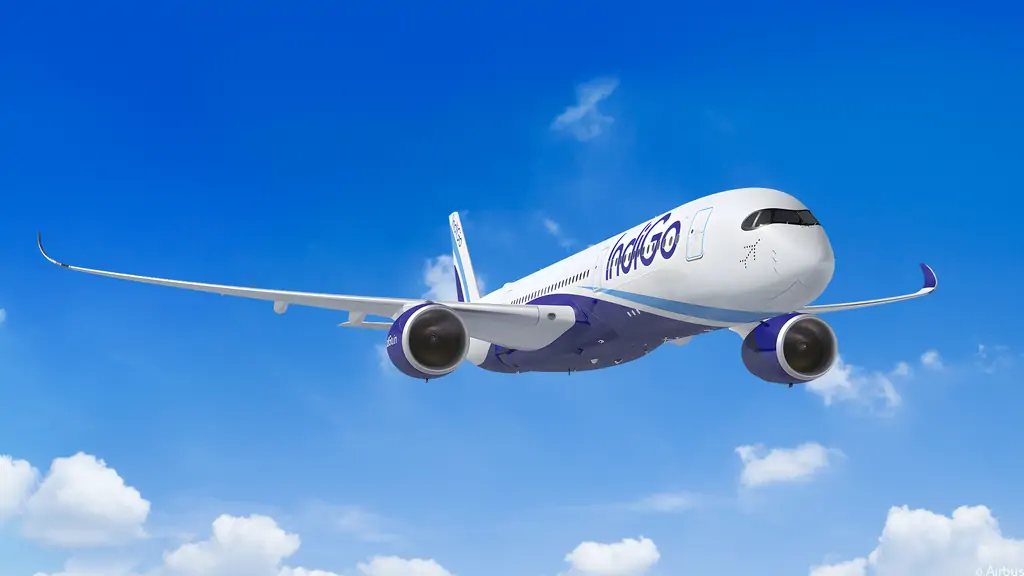
IndiGo’s decision to convert a June Memorandum of Understanding (MoU) into a firm order for 30 additional Airbus A350-900s — bringing its total A350 commitment to 60 aircraft — feels less like a fleet update and more like a carefully plotted plot-twist in India’s aviation story. The ink was dried in mid-October 2025, and suddenly India’s largest carrier looks ready to turn long-haul travel from “once in a while” into “everywhere on the Wishlist.”
The headline — what actually happened
IndiGo converted part of its earlier purchase rights into a firm order for 30 A350-900s, doubling its widebody order from 30 to 60 A350s. The airline’s CEO, Pieter Elbers, framed the move as a strategic push to expand IndiGo’s international footprint and connect India to more long-haul destinations as demand grows.
Why the A350? (Spoiler: long legs, light footprint, and comfy passengers)

If you’re picking an aircraft to win at long-haul, the A350 is a sensible contestant: Airbus says the A350 family delivers roughly 25% lower fuel burn, operating costs and CO? emissions compared with previous-generation widebodies, thanks to advanced aerodynamics, new-generation engines and lightweight composite materials — basically the aircraft equivalent of a marathon runner on a green juice diet. Airbus also notes its fleet can already operate with blends of up to 50% Sustainable Aviation Fuel (SAF) and is aiming for 100% SAF capability by 2030.
The engine story: who’s powering the dream?
Reports indicate IndiGo’s new A350s will be powered by Rolls-Royce Trent XWB engines with associated support agreements (TotalCare) — so the aircraft not only arrive with long range but also a long-term engine support plan. That means less downtime, smoother operations, and fewer “technical pause” announcements mid-boarding.
Strategy: a budget giant with long-haul ambitions
IndiGo built its empire on narrowbodies (A320 family). Now it’s using widebodies to leap into the long-haul game. The A350 order signals that IndiGo plans to compete on international trunk routes — think South Asia — Europe, South Asia — North America, and densified routes to the Middle East and Southeast Asia — and to do so at a scale that could reshape who dominates traffic flows out of India in the 2030s. The move reflects IndiGo’s intent to grow global reach as international travel demand from India accelerates.
What it means for flyers (aka you, the excited passenger)
- More direct long-haul options: Fewer stopovers, more point-to-point possibilities.
- Better economy and premium comfort: A350 cabins are quieter, with higher ceilings and better air systems — which, on a 10-hour flight, matters.
- Safer climate vibes: Lower fuel burn + SAF capability = slightly lower CO? per passenger (still not guilt-free, but better).
The economics — bold, but not reckless (probably)
Buying widebodies is expensive and complicated: slots, crew training, long-haul support, and demand forecasting all matter. But IndiGo is betting on a booming Indian outbound market and rising incomes; it also retains purchase rights for more A350s, meaning it can scale further if demand stays hot. In short: IndiGo is buying options and sending a clear signal to competitors and partners.
Planet-friendly flex or greenwashing? (short answer: a bit of both, but directionally positive)
Airbus’s claims about a 25% advantage in fuel burn and the SAF roadmap are real and meaningful — but the aviation industry still faces SAF supply constraints and cost issues. IndiGo’s choice of fuel-efficient aircraft is a step toward lower emissions per seat-km, but real climate wins will depend on SAF scale-up, operational practices, and carbon policy. So yes, it’s progress — but the proof will be in fuel sourcing and operations over the next decade.
Industry context: A350 popularity and production notes

By the end of September 2025, Airbus had recorded over 1,400 A350 orders from 63 customers — a healthy vote of confidence for the type globally. That popularity helps manufacturers maintain supply chains, but it also means demand for A350 deliveries competes across many airlines’ timelines.
Fun (but plausible) scenarios you might see in coming years
- IndiGo announces new nonstop routes: Mumbai — London, Delhi — New York (sold as “sleep, wake, breakfast in New York”).
- Middle Eastern carriers raise an eyebrow; partnerships / codeshares intensify.
- Airport lounges in India get a makeover (hello, nap pods).
- Flight attendants start taking “long-haul yoga” classes. (Okay, that last one was me imagining comfortable upper-deck poses.)
The bottom line — why this matters
IndiGo’s firming of 30 A350s (total 60) is more than paperwork — it’s a strategic signal that the airline plans to be a global long-haul player, not just a domestic giant. The A350 provides the technology to do so efficiently; what remains to be seen is how IndiGo executes route-planning, partnerships, and sustainability commitments to make those planes earn their keep — and their carbon-reduction promises.
TL; DR
- IndiGo converted an MoU into a firm order for 30 A350-900s, taking its A350 total to 60.
- The move signals a major push into long-haul international markets and network expansion.
- The A350 offers ~25% lower fuel burn & CO? versus older widebodies and is SAF-capable (up to 50% now; Airbus targets 100% capability by 2030).
- IndiGo likely paired the deal with Rolls-Royce Trent XWB engine support (TotalCare), improving operational reliability.
- At the end of Sept 2025, the A350 family had 1,400+ orders from 63 customers, underlining its global adoption.
With Inputs from Airbus
Read next
Shrink to Shine: Spirit Airlines’ Bold (and Slightly Brutal) Plan to Diet Its Way Back to Profit by 2027
Abhishek Nayar
16 Oct 2025
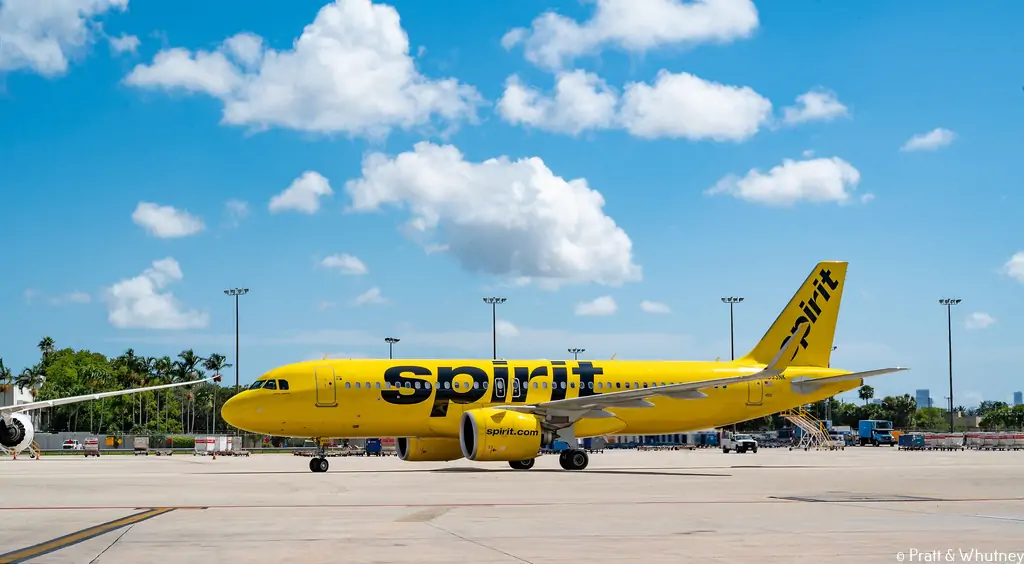
Spirit — the neon-yellow, ultra-low-cost U.S. carrier — has filed for Chapter 11 for the second time in a year and told regulators it expects to lose money in 2025 and 2026 before returning to a modest profit in 2027.
What Spirit just told regulators (the cold, hard numbers)
- 2025: An estimated loss of about $804 million.
- 2026: A smaller but still negative number, around $145 million.
- 2027: A projected $219 million net profit — the airline’s first full-year gain since 2019.
Spirit says its turnaround plan will be fully implemented by the end of 2027, at which point it expects to generate roughly $900 million in EBITDAR (earnings before interest, taxes, depreciation, amortization and rent).
The painful but “necessary” cuts (think of it as financial surgery)
To get those numbers, Spirit is taking drastic steps that will change the airline’s day-to-day and who’s in the jumpseat:
- Shrinking capacity: The carrier plans to cut capacity roughly 20–25% next year to focus on its strongest routes and markets. That means fewer flights for customers — and fewer paychecks for some employees.
- Fleet shrinkage & order cancellations: Spirit has reached settlement with lessor AerCap that cancels some Airbus orders and lets Spirit reject certain leases — part of a wider move to downsize its fleet and cash commitments. AerCap will still lease some aircraft back to Spirit and is putting cash on the table as part of the deal.
- Asset sales: The plan includes selling property and valuable rights — things like its Dania Beach headquarters and landing/takeoff slots at LaGuardia — to raise cash. Think of it as auctioning the houseplants to pay the electric bill.
Headcount heartbreak: who’s getting furloughed
Cost saves, unfortunately, come from people:
- Pilots: About 330 pilots have already been furloughed, with another ~270 reportedly to be furloughed soon.
- Flight attendants: Roughly 1,800 flight attendants — about one-third of Spirit’s cabin crew — are set to be furloughed effective December 1. The airline estimates those furloughs will save roughly $211 million.
(If you’re keeping score: that’s a lot of yellow jackets leaving the hangar.)

The financing lifeline (not exactly a fairy godmother)
Spirit also landed emergency debtor-in-possession (DIP) financing and a settlement with AerCap that provides cash and fewer planes in exchange for lease reworkings. That financing is meant to keep the lights on while the airline reorganizes — but it isn’t a long-term cure; it’s more like PRN medication until the new business model sticks.
Is this realistic? The short answer: “Maybe” (depends on a lot)
Pros in Spirit’s favor:
- Focusing capacity on profitable routes can quickly improve unit economics.
- Cutting leases and offloading unneeded aircraft reduces fixed costs fast.
Cons / unknowns:
- Consumer behavior and competition (legacy carriers improving fares and service) remain big headwinds.
- Selling assets like LaGuardia slots generates cash once, but it removes future revenue opportunities.
- Workforce morale and operational reliability can worsen with big furloughs and route churn — and that can further erode revenue.
The human angle (because spreadsheets are cold)
Behind the numbers are real crews, pilots and flight attendants who face uncertain holidays and paychecks. The workplace grief is real: fewer flights mean fewer hours and fewer chances for career progression. That matters not only for families, but for operational safety culture and customer service quality — things you can’t fully fix with a one-time asset sale or magic Excel formula.
A cheeky metaphor you didn’t ask for (but wanted)
Think of Spirit as a gym member who binged on cheap in-flight fees and growth, then realized the membership bill is due and the treadmill’s broken. So, they cancelled the fancy trainer, sold the weights, and are promising to run a smarter 5K in two years. Will they make it? Depends on willpower, market conditions, and whether the treadmill stays plugged in.

Why you should care
- If you fly Spirit, route choices and fares may change in the near term. Expect fewer flights on marginal routes.
- If you work in aviation, this is a signal: industry shakeouts continue, and low-cost models are being tested hard.
- If you follow corporate turnarounds, this is a classic restructuring test: belt-tightening + asset sales + strategic refocus. Some companies pull it off. Some don’t.
Final thought (short, human, honest)
Spirit’s plan is ruthless but straightforward: cut costs, sell non-core assets, and hope demand and unit economics improve enough to return to profit in 2027. That’s a long road with plenty of potholes — but if the numbers and the market cooperate, a smaller Spirit could still keep flying. If not… well, the airline industry has room for few second chances.
TL; DR
- Spirit filed for Chapter 11 for the second time in a year and outlined a restructuring plan.
- It projects $804M loss (2025), $145M loss (2026), and a $219M profit (2027).
- Plans to cut capacity ~20–25%, shrink fleet, and sell assets (HQ, LaGuardia slots, spare parts).
- 330 pilots already furloughed, 270 more expected; 1,800 flight attendants to be furloughed Dec 1 — saving an estimated $211M.
- Reached settlements/financing (AerCap deal, DIP financing) to provide emergency cash and ease lease burdens.
With Inputs from Reuters
Read next
Could Air India's Push for 300 Jets Reboot Its Global Ambitions — or Is It Too Much, Too Fast?
Abhishek Nayar
16 Oct 2025

Short answer: Maybe. Loud answer: absolutely dramatic, carefully strategic, and — depending on how the talks finish — a transformative bet on India becoming a true global aviation hub.
Tata-owned Air India is in fresh negotiations with Airbus and Boeing that could expand its fleet purchases to as many as 300 additional aircraft — with around 80–100 of those possibly being wide-body jets (in addition to earlier reported talks for about 200 narrow-body planes and 25–30 wide-bodies). The conversations are still fluid: some of these may be firm orders while others could be options.
What’s actually on the table?
- Narrow-body jets: Earlier reports in June detailed pushback discussions for roughly 200 single-aisle planes to beef up domestic and short-haul international capacity.
- Wide-body jets: The new wrinkle is the scale-up of wide-body interest — 80–100 aircraft — which would dramatically increase long-haul muscle for flights to the U.S., Europe, and other far-flung markets.
Think of narrow-bodies as the high-frequency espresso shots between cities; wide-bodies are the long, buttery croissants that take you across oceans.
Why now? (Spoiler: it’s both strategy and recovery)
- Network expansion & premium push: The Tata group has been rebranding and modernizing Air India to compete globally — more wide-bodies mean more nonstop long-haul routes and better international connectivity.
- Fleet renewal: Older aircraft need replacing — newer planes are more fuel-efficient, give better in-flight products, and lower operating costs. (Also: passengers like bathrooms that don’t rattle.)
- A cloud over the runway: The airline is trying to move forward after a high-profile and tragic June crash that killed 260 people — an event that also triggered regulatory inspections of certain 787 systems and intensified public scrutiny. Buying new planes is both a practical and symbolic step toward restoring confidence.
Airbus vs Boeing: the awkward dinner date
Large airline orders are often split between Airbus and Boeing — partly to diversify supply risk, partly for political and maintenance reasons, and partly because airlines like having leverage. Air India’s suppliers have historically included both; sources expect any large purchase to be shared, though the final split (and how many are firm vs. options) hasn’t been decided. Translation: lots of spreadsheets, many cups of coffee, and a few very polite negotiations.
How big is Air India today? (Quick reality check)

Post-merger and following years of fleet growth, Air India operates a large and growing fleet — the company has already taken on dozens of Airbus A350s, A320neos and other types as it modernizes. Adding hundreds more jets would be a continuation of a multi-year push to turn a once-beleaguered national carrier into a global network airline.
What would this mean for passengers, rivals, and the industry?
- Passengers: More nonstops, more premium seats (hello, lie-flat beds), and likely more frequent choices on major international routes.
- Rivals: Indian carriers such as IndiGo and Vistara (now merged into Air India through Tata Group moves) will face a beefed-up competitor on long-haul routes — expect aggressive schedule and capacity adjustments across the region.
- Manufacturers & suppliers: Airbus and Boeing are juggling production lines and delivery slots; a large new order would be welcome but logistically challenging given global supply chains and backlog constraints.
A moment for sober notes (and a little human wit)
Buying planes is not like ordering shoes online. Each wide-body takes months to years to deliver, needs training, spares, and a war chest for crew and route planning. If Air India places firm orders, the deliveries will reshape its route map — but won’t instantly make every connection faster, kinder, or more punctual. In the meantime, airline PR teams will be working hard to assure nervous flyers that the sky is still a very safe place to nap.

The negotiable bits (what’s still unknown)
- Firm order vs. options: We don’t yet know how many of the 300 are contractually committed versus optional top-ups.
- Exact manufacturer split: Airbus and Boeing both want the business; the final division will reflect price, delivery slots, and strategic choices.
- Delivery schedule & financing details: Large purchases require long lead times and complex financing; timelines will matter more than the headline number.
Airline shopping list (a playful forecast)
- 80–100 wide-bodies — for routes that let you watch three movies without feeling guilty.
- 200 narrow-bodies — for the domestic espresso shots and regional hops.
- A few thousand Excel cells — for the finance team. (Budget friendly?)
Final take
If these talks turn into true orders, Air India would be placing one of the most ambitious fleet expansion bets in recent aviation history. It’s a practical move to expand capacity and modernize — and a confident message from Tata that Air India aims to be taken seriously on the long-haul map. But the path from “in talks” to “jets in the sky” is long, full of paperwork, and occasionally punctuated by the kind of regulatory checks that follow any major incident — which makes this both a business strategy and a national story.
TL; DR
- Air India is in talks with Airbus and Boeing that could expand purchases to up to 300 aircraft, including about 80–100 wide-bodies.
- These talks add to earlier reported plans for roughly 200 narrow-body jets (June reports).
- The move aims to modernize the fleet, expand long-haul capacity, and replace aging planes.
- The negotiations come as Air India continues to manage fallout and regulatory scrutiny after a June crash that killed 260 people; India’s regulator has asked for additional inspections of 787 systems. (Safety remains the top priority.)
- Key unknowns: how many jets become firm orders vs. options, the final Airbus/Boeing split, and delivery schedules.
Comment