
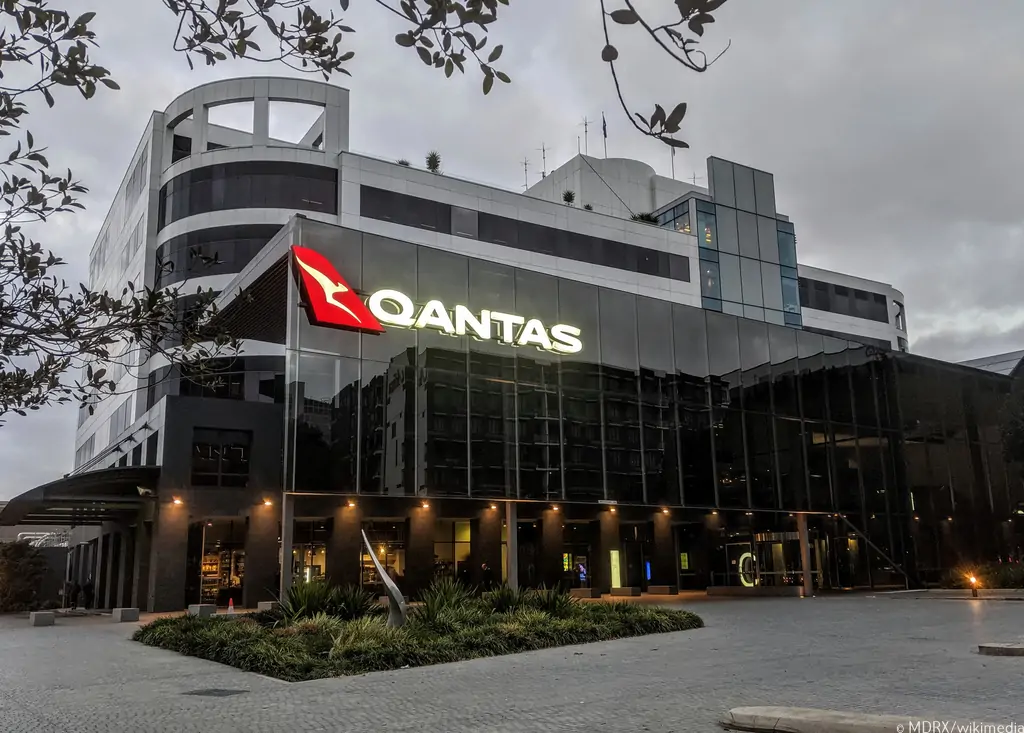
In the world of aviation, where competition soars as high as the aircraft themselves, every new order is a significant milestone. Recently, industry insiders have been abuzz with whispers of Boeing's impending deal to supply more 787 Dreamliner aircraft to Australia's flagship carrier, Qantas Airways. This exciting development could reshape the airline's fleet and further establish the 787 Dreamliner as a preferred choice for long-haul travel.
The Deal in the Making
Negotiating the Skies
As with most high-stakes negotiations in the aviation industry, the deal between Boeing and Qantas is a complex dance of strategy and opportunity. According to sources close to the matter, this agreement, which involves an unspecified number of 787-10 Dreamliners, has been brewing for some time. However, it's important to note that in the aviation world, nothing is set in stone until the airline's board of directors gives its stamp of approval.
As part of its "Project Sunrise" ultra-long-haul initiative, the Australian carrier announced a milestone order for a dozen A350-1000s in 2022, the largest European widebody aircraft capable of nonstop flights from Sydney to London and New York.
According to sources, the impending Dreamliner contract would tilt orders back in Boeing's favor with the largest model of the 787. Qantas last ordered a Dreamliner in 2018, when it committed to acquire six jetliners to replace its last Boeing 747s. It currently has 14 787-9s in service.
The 787-10: A Game Changer

What makes this deal particularly intriguing is that it marks Qantas' first foray into the 787-10 Dreamliner variant. This aircraft, a stretched version of the 787-9, offers a unique blend of features, including increased passenger capacity and competitive range, making it a viable rival to the Airbus A330. This move indicates that Qantas is looking to enhance its long-haul capabilities and expand its routes, catering to a diverse range of passengers.
Boeing's Dreamliner: A Brief Overview

The Dreamliner Legacy
Boeing's 787 Dreamliner series is renowned for its cutting-edge technology and passenger comfort. It's no wonder that airlines worldwide have been drawn to it. With its fuel efficiency, spacious cabins, and long-range capabilities, the Dreamliner has become a symbol of innovation in aviation.
The Impact of this Order
If the deal between Boeing and Qantas materializes, it would not only boost Boeing's order book but also solidify the Dreamliner's foothold in Australia. This expansion could pave the way for further collaborations and strengthen Boeing's position in the Asia-Pacific region.
The Road Ahead
Navigating Uncertainty
As with any negotiation in the aviation industry, there are bound to be hurdles along the way. The timing of the announcement, the exact number of aircraft in the order, and the financial intricacies all remain in flux until the ink is dry. However, the mere possibility of this deal showcases the trust that airlines like Qantas place in Boeing's innovative offerings.
Conclusion
In the dynamic world of aviation, where the skies are filled with possibilities, Boeing's potential order of 787 Dreamliner aircraft from Qantas Airways is a testament to the enduring partnership between these industry giants. While uncertainties persist until the deal is officially announced, the aviation community watches with bated breath. This development underscores the significance of innovation and adaptability in an ever-evolving industry.
With Inputs from Reuters

Read next
Skyward Shift: American Airlines' Mega Labor Agreement and its Multibillion-Dollar Ripple Effect
Abhishek Nayar
23 Aug 2023
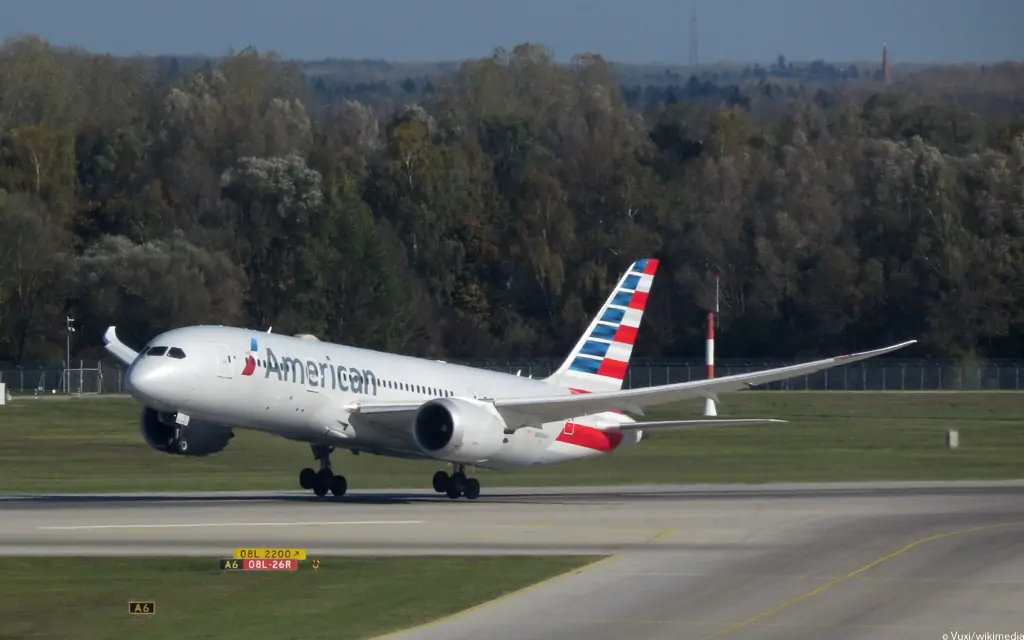
In a significant development on Tuesday, August 22, 2023, American Airlines issued a cautionary note regarding its financial outlook for the upcoming third quarter. The airline giant disclosed its anticipation of increased expenditures, primarily stemming from a freshly negotiated labor agreement with its pilots.
The Genesis of the Labor Agreement
Understanding the Pilots' Perspective
The negotiations leading to this landmark agreement were the result of extensive discussions between American Airlines management and its pilot union representatives. The pilots had been advocating for improved pay and benefits to reflect their pivotal role in ensuring the airline's smooth operation. Their perspective, largely influenced by factors such as inflation, increased living costs, and the need to attract and retain top aviation talent, drove these negotiations.
Management's Balancing Act
American Airlines' management, on the other hand, faced the challenging task of balancing the demands of their pilot workforce with the company's financial stability. In the wake of the COVID-19 pandemic, airlines worldwide have been grappling with substantial financial losses. Achieving this balance between meeting pilot demands and safeguarding the company's financial health was paramount.
The Terms of the Agreement
A Closer Look at the Numbers
The $9.6 billion agreement extends over four years, signifying a substantial financial commitment from American Airlines. This amount comprises various components, including base pay increases, performance-based bonuses, and enhanced retirement benefits. The agreement also encompasses provisions for better working conditions and job security.
American Airlines now anticipates a 4% to 6% increase in cost per available seat mile, excluding fuel and net special items, up from a 2% to 4% increase previously projected. Its contract includes about $1.1 billion in one-time payments and ratification incentives.
Retroactive Compensation
One standout feature of this agreement is the provision for retroactive compensation. Pilots will receive compensation retroactively for the first four months of 2023. This payout, totaling $230 million, will be disbursed in the third quarter, impacting American Airlines' financial statements for that period.

The Impact on American Airlines
Near-Term Financial Strain
American Airlines' acknowledgment of increased expenditures in the third quarter reflects the immediate financial strain this labor agreement will exert on the company. While the retroactive compensation represents a significant one-time expense, the ongoing pay and benefit enhancements will continue to impact the airline's bottom line in the years to come.
Long-Term Implications
The long-term implications of this agreement are also worth examining. The substantial financial commitment may affect American Airlines' ability to invest in other areas of its business, such as fleet modernization and route expansion. Additionally, shareholders and investors will be closely monitoring the airline's ability to maintain profitability amidst these increased costs.
Industry-Wide Ramifications
Setting a Precedent
American Airlines' labor agreement could set a precedent for other airlines and their labor unions. If other carriers face similar demands from their pilot workforces, they may look to this agreement as a benchmark for negotiations.
Passenger Experience
For passengers, the labor agreement's financial implications may lead to fare adjustments and changes in onboard services. Travelers should stay informed about potential changes in American Airlines' pricing and service offerings.
Conclusion
In summary, American Airlines' recent labor agreement with its pilots is a pivotal development with far-reaching implications. The $9.6 billion commitment over four years, coupled with the $230 Million in retroactive compensation, signifies a significant financial commitment for the airline. While the pilots' demands have been met, the company now faces the challenge of balancing its financial health in the long run.
This agreement could also influence labor negotiations in the broader airline industry. As travelers, it's essential to stay attuned to potential changes in pricing and services. American Airlines' financial journey post-agreement will undoubtedly be closely watched by stakeholders.
With Inputs from Reuters
Read next
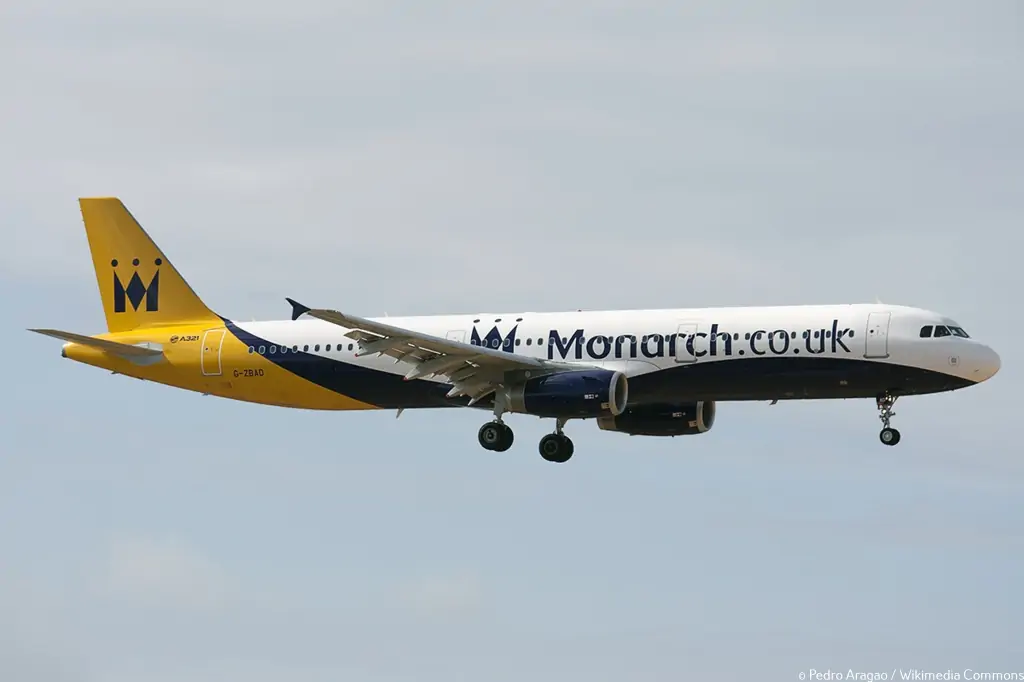
Monarch Airlines is poised to return to the skies six years after it collapsed and left 110,000 holidaymakers stranded abroad, leading to Britain’s biggest peacetime repatriation. The company said it would re-emerge as a “premium alternative to low-cost leisure carriers” and plug a gap in capacity after the pandemic. The original Monarch began as a charter airline and later branched out into scheduled services, mostly connecting the UK to leisure destinations in Southern Europe and the Mediterranean.
A group of investors are intent on reviving the iconic Monarch airline, which, until its demise in October 2017, was a major player in the British leisure travel market, operating a fleet of 35 aircraft. According to an Airways Magazine interview with Daniel Ellingham, chairman of Monarch’s board, said that the airline is preparing to relaunch after securing funds from European and American investors.
Monarch’s new incarnation could be looking to operate a fleet of some 15 Airbus A320 family aircraft, according to information published by Airways Magazine. The new airline is yet to apply for an AOC but a one-page website with contact information is already active as well as related social media channels. Adding some credibility to industry chatter that the airline is set to make a remarkable comeback, a new website has appeared online which features the famous Monarch Airlines logo (known colloquially back in the day as the 'Spotty M') and with the teasing words, "Coming Soon - We're working hard building a brand new Monarch just for you. Please stay tuned for updates."
Monarch Airlines 2.0
However, the new airline would be competing with Jet2, easyJet and TUI, as well as the relaunched Thomas Cook. There are no current details about when they could relaunch or how much flights would cost. The airline has already attracted investors from both the UK and the EU and is expected to contact the Civil Aviation Authority (CAA) in the upcoming weeks. It could take as long as 18 months for the airline to receive its licence to operate again. When Monarch went bust back in 2017, it was the biggest peacetime repatriation programme at the time, costing £ 60 million, although this was overtaken by the 2019 Thomas Cook collapse.
As many as 860,000 bookings were scrapped in what the Civil Aviation Authority called “the biggest ever UK airline failure” at the time. The airline cited several reasons for its collapse, including a slump in the pound, increased fuel costs and terror fears affecting tourism in Turkey, Egypt and Tunisia.
It once carried as many as 6.3 million passengers to 40 destinations from Gatwick, Luton, Birmingham, Leeds-Bradford and Manchester airports. As well as popular tourist hotspots such as Alicante and Rhodes, the airline also flew seasonal flights to Venice and Paphos.
It's not the only airline to have relaunched in recent years. Flybe, who went bust in 2020, restarted flights in 2022 - only to go back into administration earlier this year.
Read next

Akasa Air has hiked the salaries of pilots for a second time in two months amid growing demand for Boeing 737 captains in the country. The latest revision, which includes a mix of monthly loyalty rewards of INR 1,00,000 and long-term incentive of INR 25,00,000, comes in the backdrop of pilot resignations. The monthly loyalty reward will be over and above the base pay for 40 hours, while the long-term incentive will be paid in three instalments (15,25, and 60%) over two years, from 2024 to 2026.
At least 19 pilots quit Akasa Air in August without serving the notice period, and more are said to have resigned, lured by recruitment offers from Air India Express, reports Hindu BusinessLine. Akasa Air inducted its 20th aircraft and celebrated its first anniversary earlier in the month. Both Akasa Air and Air India Express operate a fleet of the same aircraft type. Air India Express, which operates the NG type recently started recruiting B737 pilots as it is aiming at delivery of 1st MAX by October this year.
Akasa CEO Vinay Dube is not too worried, with the report quoting him as saying, “We have a 10 years plan that covers pilot recruitment, training and career upgrades. There is no long-term impact (due to resignations) and we remain very confident about the future. We are planners and we plan for contingencies. You have to look at our track record. We have the lowest cancellation rate and best on-time performance.”
Akasa Hiking Salaries Again
The pay for Akasa Air's cockpit crew has improved in the past as well. Just a few weeks after beginning operations, in September 2022, the carrier increased the average pay for its pilots by 60%. Last year, Akasa made a statement with that action, which propelled it to the top of the pay scale among Indian airlines, surpassing even well-established rivals like IndiGo. In June this year, the airline increased its pilots’ salaries by up to 40%, with senior first officers getting INR 3,40,000 and senior captains INR 6,25,000 as starting monthly salaries.
Akasa Air’s Market Share
Launched in August last year, Akasa Air's market share stood at 4.9% as it flew 6.18 lakh passengers last month. Some domestic carriers have gained market share recently owing to the grounding of the cash-strapped Go First, which stopped flying on May 3. Akasa Air, which was launched in August 2022, has placed orders for 76 Boeing aircraft. Last month, the carrier ordered four more planes from Boeing.
At a time when competition is intensifying in the Indian aviation space, with IndiGo and Air India placing huge aircraft orders as well as pursuing aggressive growth plans, Vinay Dube, CEO, of Akasa Air said in an interview asserted that at Akasa Air, nothing is done that is short-term in nature. About the airline, Dube said, "I don't think, we get caught up in whether we're going to grow a little faster or slow. That's not what we're chasing, we're chasing sustainability, we are chasing the fact that we want to build an airline that will stand the test of time. I think we are adequately funded. We were adequately funded to order 72 aircraft. We are adequately funded to add 4 more aircraft on top of that were adequately funded to place another three-digit aircraft order between now and the end of this year.”
The company is looking to add up to 800 new workers by the end of this fiscal year as it prepares to start international services. Akasa isn’t alone in stepping up hiring efforts — market leader IndiGo and Air India plan to recruit thousands more staff, and both have blockbuster orders for hundreds of aircraft from Airbus SE and Boeing Co.
After taking the delivery of its 20th aircraft, the airline is now eligible to start international operations. Akasa has announced its intention to increase its fleet to 28 aircraft by March 2024. Further, the airline will have around 48 B737 MAX on Orders at that time. However, the CEO has said they will likely place larger, three-digit orders in 2023. The order is possibly placed during the Dubai Air Show in November 2023. More Updates are likely to follow in the coming days.
(With Inputs from Hindu BusinessLine)
Read next
Air India Express to Witness Growth by Adding 50 Boeing 737 Max by 2024 End

Radhika Bansal
22 Aug 2023
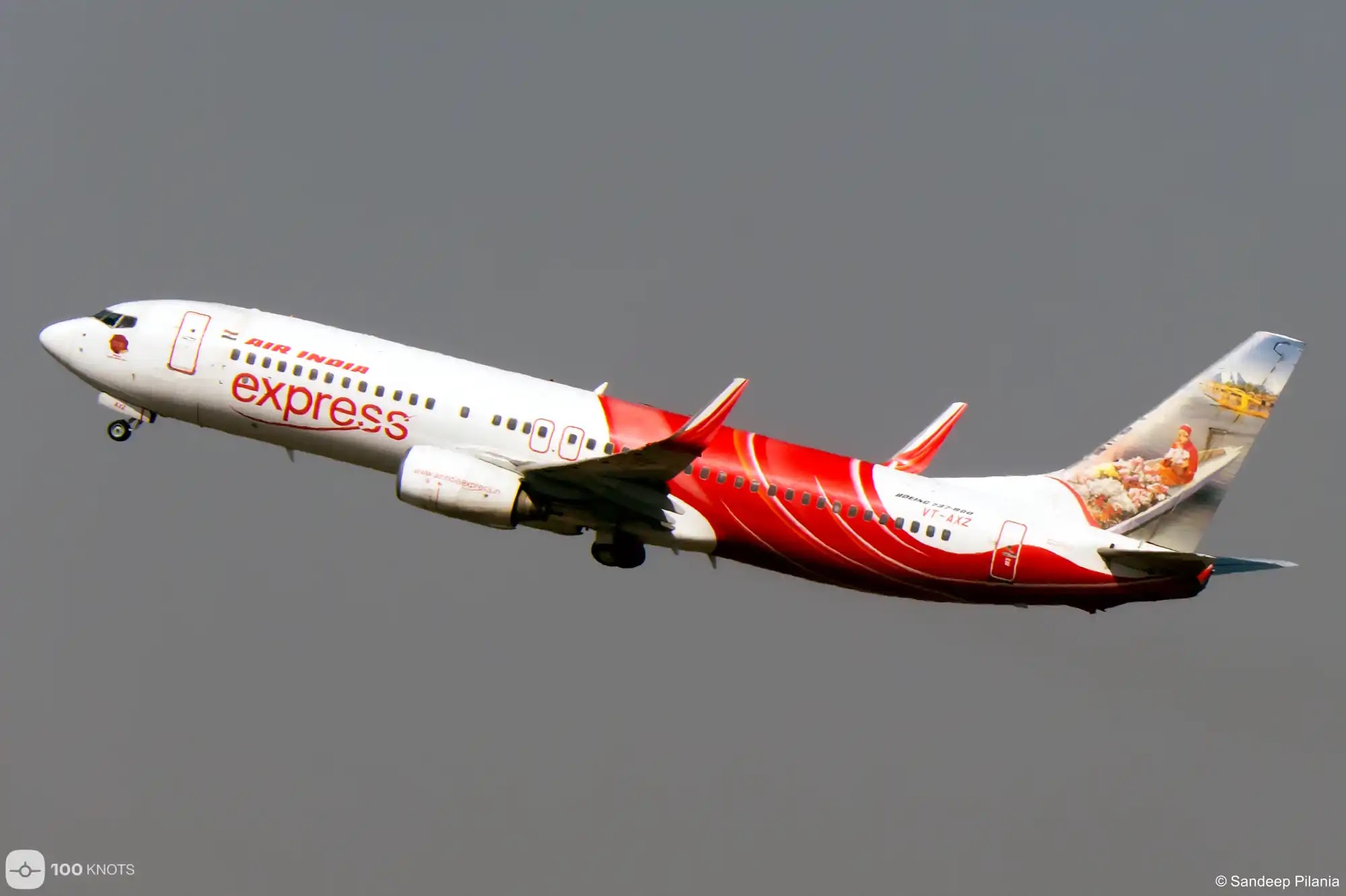
Air India Express (AIX) is set to witness its fastest growth since inception with the completion of its merger with AirAsia India and the planned addition of around 50 Boeing 737 Max aircraft by December 2024. This move will help the airline grow its existing West Asia network and launch new domestic and international routes, including those to Thailand, Malaysia, Bangladesh, and the Maldives, reported Hindu BusinessLine.
To concentrate on long-distance international medium-haul travel to the Middle East and Southeast Asia, Air India Express started operating in 2005. Even while it kept a strong bank sheet, it never actually obtained a fleet boost that would have allowed it to aggressively expand its existing profitable routes. According to reports, the airline created a business plan in 2018 that projected it will have 50 aircraft by 2025. The plan, which was also delayed by the disinvestment procedure and COVID-19, did not initially receive the government's approval.
This trajectory is set to shift in the coming month with the commencement of deliveries for the new Boeing 737 MAX aircraft. Concurrently, an ongoing merger process between AirAsia India and Air India Express (AIX) will result in an expanded fleet and an extended network for the airline. The comprehensive merger into a singular corporate entity under a unified air operator certificate is scheduled for March 2024.
Currently, AIX boasts a fleet of 26 Boeing 737 NG aircraft, while AirAsia India operates 28 Airbus A320 planes. Both airlines maintain distinct branding, but they are set to transition to the AIX brand later in the year.
Future of Air India Express
A source within Air India emphasized that the initial focus lies in fortifying the existing operations. Air India Express and AirAsia India execute approximately 290 flights daily collectively. Anticipating growth, AIX is anticipating the incorporation of 23 additional aircraft by the next March, with a predominant deployment on international routes. Concurrently, the airline is planning to introduce novel domestic flights from key hubs such as Bengaluru, Hyderabad, and various cities in Kerala. “We are also considering the possibility of international flights originating from Hyderabad,” the source added.
During recent months, executives from both airlines have been meticulously refining the plans for integration. Concurrently, Air India has been collaborating with the airlines on route restructuring and network planning, resulting in several operational adjustments already being implemented. “Air India Express and AirAsia India share a unified website, a joint call center, and an integrated customer support system. Standardized in-flight menus have been introduced, and IX has successfully launched a streamlined check-in and boarding service. The upcoming phase will involve the seamless integration of employees,” revealed an executive.
In response to the anticipated increase in capacity, AIX is actively intensifying its recruitment efforts. “Rapid hiring and comprehensive training for pilots and crew members are underway,” the executive added. A total of approximately 150 pilots have been recruited over the past eighteen months. Additionally, AIX pilots are presently undergoing simulator training to equip them with the skills necessary to operate the Boeing 737 Max aircraft.
New Livery of the Airline
In an exciting move set to reshape the aviation landscape, Air India Express, the budget airline under the esteemed Tata Group, is all set to introduce a brand-new logo and livery. This announcement comes as a significant step forward in the airline's evolution, keeping intact its cherished tail art culture while embracing a contemporary identity. The unveiling of the new design marks the beginning of a new era for the airline, promising a visually striking and memorable experience for both passengers and aviation enthusiasts.
Air India Express, a subsidiary of the Tata Group's aviation ventures, has taken a bold stride by opting for a revamped logo and livery. The introduction of a fresh design signifies the airline's commitment to staying relevant in an ever-changing industry, while also preserving its distinctive tail art culture.
One of the standout features that differentiates Air India Express from its parent company, Air India, is its array of distinct tail designs for each aircraft. This unique characteristic adds a touch of individuality to each jet, setting it apart in the sky. Unlike Air India, which maintains a consistent tail design across its fleet, Air India Express's tail art culture has been a part of its identity and a visual representation of its diversity.
As anticipation builds, the first aircraft adorned with the new logo and livery is set to make its debut within the next two months. This eagerly awaited moment will be a testament to the airline's dedication to progress and innovation. Passengers and aviation enthusiasts alike can look forward to a stunning visual transformation that embodies the spirit of modern aviation while upholding the airline's core values.
To ensure a smooth transition and uninterrupted operations, the rebranding process will be executed in several phases. The meticulous approach to this transformation underscores Air India Express's commitment to maintaining the quality of its services while embracing a novel look. The airline's dedication to excellence extends to every facet of its operations, from passenger experience to safety and punctuality.
(With Inputs from Hindu BusinessLine)
Read next
Qantas Soars Beyond Pre-Pandemic Levels: Unveils Ambitious Expansion Plan for International Routes
Abhishek Nayar
22 Aug 2023

In a remarkable move that's set to reshape the aviation industry, Qantas, the Australian airline, has recently unveiled its ambitious plan for a massive expansion of its international capacity.
On August 21, 2023, the airline made headlines by announcing its intention to add a staggering 250,000 additional seats on several vital international routes connecting Australia to some of the world's most sought-after destinations, including Bali, New York, Johannesburg, and Los Angeles.
Furthermore, Qantas plans to introduce new flights and resume suspended routes, setting the stage for a substantial revival in the post-pandemic era.

Taking Flight to Recovery: Qantas' Grand Plan
Hitting the Heights - Qantas' International Expansion
Qantas' announcement comes as a glimmer of hope in the aviation industry's recovery journey following the challenges posed by the COVID-19 pandemic. The airline plans to roll out this significant capacity expansion gradually over the remainder of 2023 and into the next year, marking a crucial step toward surpassing pre-pandemic traffic levels by the summer of 2024.
Qantas' Expansion Destinations
Bali: A Tropical Paradise Beckons
One of the key highlights of Qantas' expansion is the boost in flights to Bali. The Indonesian paradise has long been a favorite destination for travelers worldwide, and with Qantas' increased capacity, more passengers will have the opportunity to experience the beauty of Bali.
The route from Sydney Airport (SYD) to Ngurah Rai International Airport (DPS) in Bali will be upgraded from Boeing 737s to A330s with completely flat beds in business class.
New York: The Big Apple Awaits
For those with their sights set on the concrete jungle where dreams are made, Qantas' expansion means more flights to New York. Whether it's for business or leisure, the city that never sleeps is now more accessible than ever.
The recently established Qantas flight from Sydney to New York's John F. Kennedy International Airport (JFK), with a layover in Auckland (AKL), will become daily in August 2024 (up from four times a week currently).
Johannesburg: Exploring South Africa
Qantas' expansion also extends to Johannesburg, opening up new opportunities for travel enthusiasts to explore the vibrant culture and stunning landscapes of South Africa.
In July 2024, Qantas will be introducing A380 services to Johannesburg (JNB), South Africa, nearly increasing capacity during peak periods.
Los Angeles: A Gateway to the Americas
Los Angeles, known for its glitz and glamour, is another destination set to benefit from Qantas' increased capacity. With more flights, travelers will find it easier to explore the diverse attractions of this iconic city.
The number of weekly flights from Sydney to Los Angeles (LAX) will increase from seven to nine. Increased A380 services will also allow the airline to increase capacity on the Melbourne (MEL) - Los Angeles route by 20%.
New Flights and Route Resumptions
In addition to boosting existing routes, Qantas is introducing new flights and resuming services on certain routes that were temporarily suspended due to the pandemic. This move reflects the airline's commitment to reconnecting people and fostering global mobility.

The Path to Recovery: What It Means
The expansion of Qantas' international capacity signifies not only a bold move by the airline but also a positive sign for the travel industry and the global economy as a whole. Here's what this announcement means for passengers, the airline, and the broader community:
Passenger Benefits
More Choices: Passengers will benefit from increased options and flexibility when planning their trips, making it easier to find flights that suit their schedules and preferences.
Competitive Pricing: With more seats available, travelers may also see more competitive pricing, making international travel more accessible.
Improved Connectivity: Qantas' expansion will enhance connectivity between Australia and some of the world's most popular destinations, reducing travel times and increasing convenience.
Qantas' Perspective
Market Leadership: This expansion reinforces Qantas' position as a leading player in the global aviation industry, showing resilience and adaptability during challenging times.
Economic Growth: The airline's increased international capacity will contribute to economic growth, creating jobs and stimulating tourism-related industries.
Rebuilding Confidence: Qantas aims to restore confidence in air travel by providing safe and reliable services, encouraging more people to explore the world once again.
Global Impact
Tourism Revival: Qantas' expansion will not only benefit Australia but also have a ripple effect on the global tourism industry, fostering cross-border tourism and cultural exchanges.
Environmental Considerations: As part of its expansion plan, Qantas is committed to sustainability and reducing its carbon footprint, aligning with global efforts to address climate change.
Conclusion
In conclusion, Qantas' decision to significantly expand its international capacity is a testament to the resilience and determination of the aviation industry. This bold move comes at a pivotal moment, as the world strives to recover from the challenges of the pandemic. With more seats, new routes, and a commitment to sustainability, Qantas is charting a course towards a brighter future for travelers, the airline, and the global community.
With Inputs from Qantas
Comment