
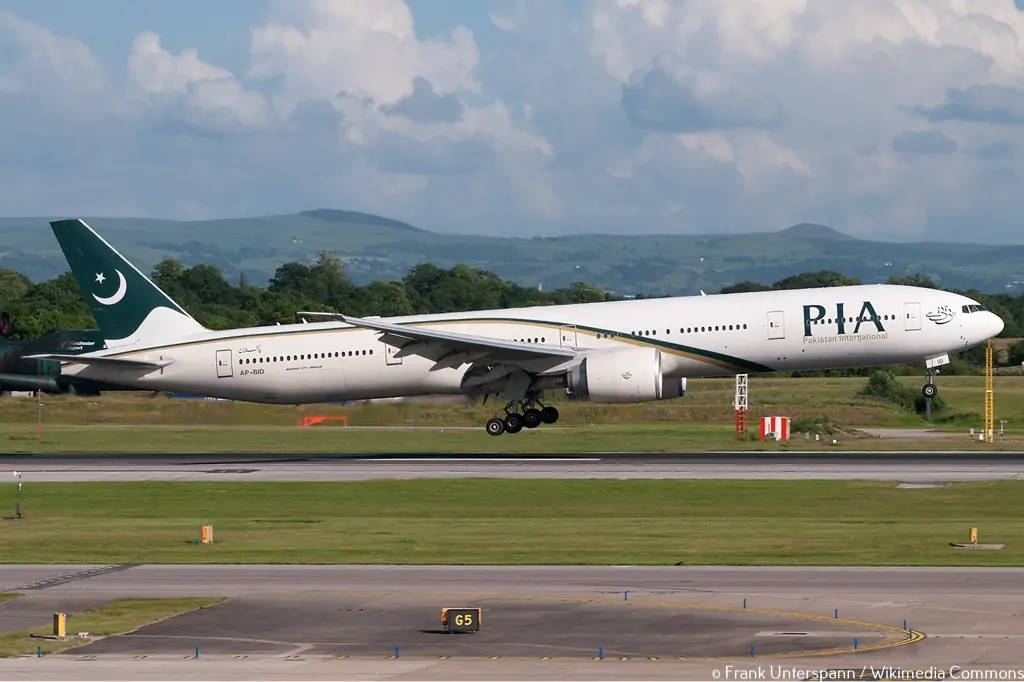
In a significant move to revitalize Pakistan International Airlines (PIA), the government of Pakistan has announced that it will accept partial cash payment for a majority stake in the airline, alongside allowing debt-funded investments. This development, reported by Express Tribune, outlines a novel approach to overcoming the financial challenges facing the national carrier.
A New Privatization Strategy
Partial Cash Payments and Deferred Investments
According to sources close to the matter, the draft agreements state that potential buyers will have the option to pay approximately one-third of the purchase price in cash. The remaining amount can be settled against PIA or government payables. This flexible payment strategy aims to attract investors by reducing the immediate financial burden.
Pausing Dividend Payments
An additional incentive for potential buyers is the provision to pause dividend payments for up to five years. This measure is designed to provide the new stakeholders with a financial cushion, allowing them to focus on restructuring and improving PIA’s operations without the pressure of immediate returns to shareholders.
The Delayed Privatization Process
Revised Timelines
The privatization of PIA has faced significant delays. Initially scheduled for February and then August, the target date has now been pushed to October. Despite these delays, progress is being made, with six parties shortlisted and currently conducting due diligence.
Circulating Draft Agreements
Draft copies of the proposed shareholders' agreement, sale purchase agreement, and subscription agreement are now circulating among the upper echelons of Pakistan’s civil service. Briefings have been provided to relevant parties, including members of the PIA Holding Company Limited (PIAHCL) board.

Key Provisions and Concerns
Spread of Capital Investment
One of the main features of the draft agreement is that the buyer can spread any capital investment in PIA over three years rather than the immediate term. While this clause provides flexibility for the investor, it has sparked concerns that PIA may not receive the upfront cash injection it desperately needs.
Debt-Funded Investments
The agreement allows the buyer to fund up to 70% of the required investment through debt. This provision has raised alarms that PIA’s assets, including its aircraft, could be used to secure these loans, potentially placing the airline at further financial risk.
Bank Guarantee
To safeguard the investment, the draft agreement proposes that the investment amount guarantee would be an irrevocable, unconditional, and on-demand bank guarantee in favor of PIAHCL, equal to one-third of the investment amount. This clause aims to ensure that the financial commitments made by the buyer are honored.
No-Sale Period
Another significant proposal is that the new buyer will not be allowed to sell its stake for a fixed term, likely between three to five years. This no-sale period is designed to ensure stability and commitment from the new owners. As a form of compensation, the buyer would not be required to make dividend payments during this period, a move that contradicts earlier plans to use privatization proceeds and dividends to pay down PIA’s debts.
Future Outlook
Financial Revival
The estimated investment required to get PIA back on track is around USD 700 million. The success of this privatization strategy hinges on finding a buyer willing to make this significant financial commitment. If successful, this approach could mark a turning point for PIA, helping the airline regain its footing in the competitive aviation industry.
Long-Term Stability
The proposals aim to ensure long-term stability and commitment from the new investors. However, the mixed reactions to the draft agreement highlight the challenges ahead. Balancing the need for immediate financial relief with long-term strategic investments will be crucial for the success of this privatization effort.
Conclusion
Pakistan’s innovative approach to privatizing PIA by accepting partial cash payments and allowing debt-funded investments is a bold move to attract investors while addressing the airline's financial woes. As the October target date approaches, all eyes will be on the shortlisted parties and their due diligence outcomes. The future of PIA hangs in the balance, with the potential for a significant turnaround if the right investor steps forward.
With Inputs from ch-aviation

Read next
Akasa Air's Rapid Growth: What’s Driving India’s Fastest Growing Airline?
Abhishek Nayar
03 Aug 2024
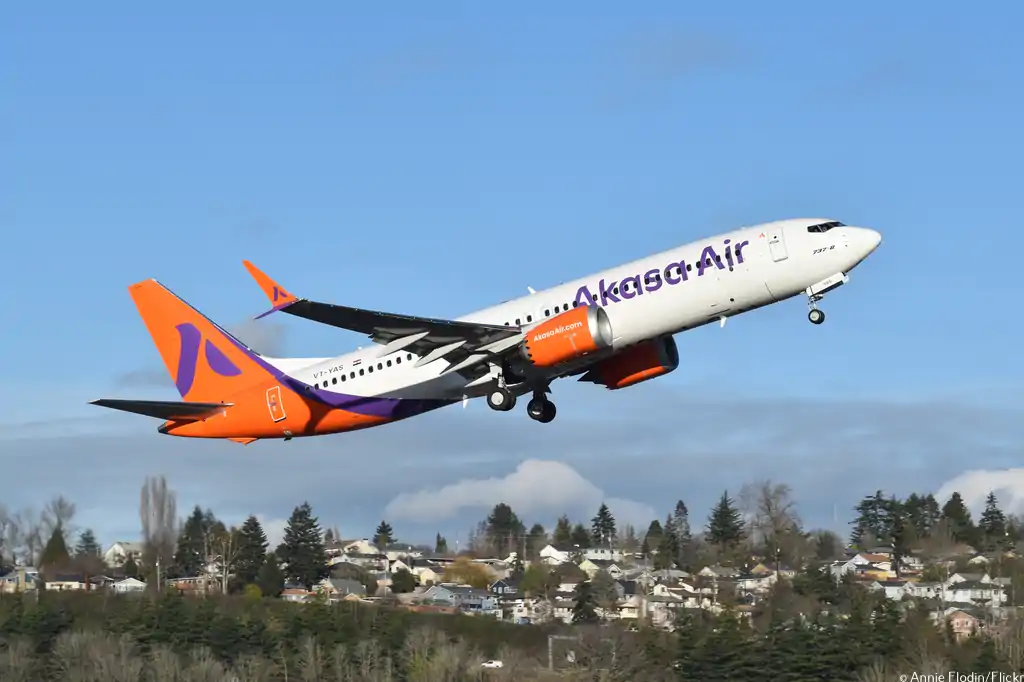
As Akasa Air approaches its second anniversary, it is on the brink of a significant milestone. With expectations to surpass 1000 weekly departures by the festive season this year, Akasa Air solidifies its position as the fastest-growing carrier in India. Praveen Iyer, the airline’s Chief Commercial Officer, shared insights on this impressive growth trajectory and the plans ahead.
Current Operations and Expansion
Weekly Departures
Currently, Akasa Air operates over 900 weekly departures. By the festive season, this number is anticipated to exceed 1000, showcasing the airline’s robust expansion efforts.
Fleet and Aircraft Orders
The airline's fleet consists of 24 aircraft, with more additions expected shortly. Akasa Air has a substantial order book, with a firm order for 150 Boeing 737 MAX aircraft, bringing the total to 226 airplanes. The airline plans to receive its 202nd aircraft within the next eight years, indicating a sustained growth strategy.
Achievements and Milestones
Passenger and Cargo Statistics
In its two years of operation, Akasa Air has carried over 11 million passengers and transported over 70,000 tonnes of cargo. Operating across 27 destinations, the airline has made a significant impact on both passenger travel and cargo transport sectors.
Doubling Available Seat Kilometers (ASKs)
ASK, a critical measure of an airline’s capacity to generate revenue, is set to double by the end of FY25. Currently, Akasa Air’s ASKs stand at around 15-18%, with expectations to significantly increase this capacity in line with the airline’s expansion.
Festive Season Readiness
Strategic Network Expansion
As the festive season approaches, Akasa Air is well-prepared to meet the anticipated surge in demand. The airline’s strategic network expansion ensures that it can cater to both domestic and international markets efficiently.
Balancing Domestic and International Operations
Akasa Air currently operates 14 international flights, constituting 6-7% of its total flights and 15-18% of its ASKs. The airline’s ability to balance domestic and international operations will be crucial in managing capacity during peak travel periods.

International Growth and Market Strategy
New International Destinations
In just four months, Akasa Air has opened five new international destinations: Doha, Abu Dhabi, Jeddah, Riyadh, and Kuwait. This rapid expansion highlights the airline’s strategic focus on high-demand markets, particularly in the Gulf region.
Seasonal Demand Management
The July-September period is traditionally weak for the domestic market but peaks for international travel, especially to the Gulf. Akasa Air’s ability to adapt to these seasonal trends will be key in optimizing its capacity and revenue generation.
Future Outlook
Doubling ASKs and Capacity Management
Looking ahead, Akasa Air aims to double its ASKs by expanding both domestically and internationally. The airline’s growth strategy involves careful evaluation of market demands and flying rights, ensuring a balanced deployment of capacity.
Strong Local Market Presence
As the airline continues to grow, it plans to strengthen its presence in the domestic market, particularly during the strong April to June period. This balanced approach will help Akasa Air maintain its rapid growth trajectory and meet increasing passenger demands.
Conclusion
Akasa Air’s impressive growth in just two years is a testament to its strategic planning and execution. With ambitious plans to expand its fleet, increase weekly departures, and double its ASKs, the airline is poised to continue its rapid ascent in the Indian aviation industry. As it gears up for the festive season and beyond, Akasa Air’s commitment to meeting market demands and maintaining operational excellence will be crucial in sustaining its position as the country’s fastest-growing carrier.
With Inputs from Economic Times
Read next
Boeing's financial turbulence continued through the first half of 2024, with the company reporting a staggering negative free cash flow (FCF) of over $8 billion. The second quarter alone saw a negative FCF of more than $4 billion, a significant decline driven by ongoing quality and safety issues. These setbacks have starkly impacted Boeing’s delivery schedule and financial health.
Plummeting Deliveries and Revenue
In Q2 2024, Boeing delivered 92 commercial aircraft, marking a 32% decrease compared to the 136 jets delivered in Q2 2023. The first half of 2024 saw a 34% drop in deliveries, down from 266 in H1 2023 to 175 this year. This decline translated into substantial revenue losses for Boeing Commercial Airplanes (BCA). Q2 revenues plummeted to $6 billion from $8.8 billion in the same period last year, and H1 revenues fell from $15.5 billion in 2023 to $10.6 billion in 2024.
Mounting Losses
BCA ended Q2 with a loss of $715 million, reflecting an operating margin of -11.9%. The situation worsened over the first half of the year, culminating in a loss of $1.8 billion and an operating margin of -17.4%. The overall company revenue was also hit hard, with Q2 revenues at $16.8 billion and H1 revenues at $33.4 billion, down 15% and 11% year-on-year, respectively. Consequently, Boeing reported net losses of $1.4 billion in Q2 and $1.7 billion in H1 2024.
CEO Transition Amidst Turbulence
David Calhoun, Boeing’s outgoing president and CEO, acknowledged the challenges faced during the quarter but emphasized the company’s strides in strengthening its quality management system. He highlighted efforts such as the submission of a quality improvement plan to the Federal Aviation Administration (FAA) and the agreement to acquire Spirit AeroSystems, expected to close in mid-2025.
In a significant leadership change, Kelly Ortberg was appointed as Calhoun’s successor, effective August 8. Ortberg brings over 35 years of aerospace experience, including his tenure as president and CEO of Rockwell Collins and his role in its integration with United Technologies and RTX.
Production Plans and Future Outlook
Despite current challenges, Boeing remains committed to increasing the production rates of its key aircraft models. The company plans to ramp up 737 MAX production to 38 units per month and build five 787s per month by the end of 2024. Additionally, the 777X has commenced its flight certification testing with the FAA, marking a pivotal step towards its market entry.
Final Thoughts
Boeing’s recent financial performance underscores the significant hurdles the company faces, from quality control issues to market recovery challenges. However, with strategic leadership changes and a focused plan to enhance production and safety, Boeing aims to navigate through its current turbulence towards a steadier flight path. The industry will be watching closely as the company endeavors to restore its financial health and reputation.
Read next
Lufthansa Group has recently faced a challenging period despite achieving a milestone in revenue. The airline group managed to cross the €10 billion ($10.8 billion) revenue mark for the first time in its history during the second quarter of 2024. However, this financial achievement was overshadowed by a net loss of €265 million ($287.3 million) during the same period, with earnings before interest and taxes (EBIT) standing at -€212 million ($229.8 million).
Strikes, Market Pressures, and Internal Struggles
The group has been battling several external and internal issues that have significantly impacted its financial performance. Strikes by employees and system partners, coupled with yield pressures due to growing capacity in its markets, have created a tough environment. Carsten Spohr, chairman and CEO of Lufthansa Group, highlighted that the normalization of fares and average yields amid growing global airline market capacity required a readjustment of profit expectations.
Half-Year Performance
During the first six months of 2024, Lufthansa Group’s revenue reached €17.3 billion ($18.7 billion), resulting in a net profit of €469 million ($508.6 million) and an EBIT of €659 million ($714.6 million). The adjusted EBIT for H1 was €686 million ($743 million). Despite these positive figures, the group's flagship carrier, Lufthansa, faced significant challenges.
Impact on Lufthansa
Lufthansa, the group’s most important airline, struggled due to various factors. High strike costs, aircraft delivery delays, and resulting inefficiencies, along with structural problems, negatively affected its performance. Spohr emphasized that the disproportionately high increase in location costs in Germany and new collective labor agreements for cockpit, cabin, and ground staff further impacted earnings.
Transformation and Turnaround Plans

To address these issues, Lufthansa Group has decided to accelerate the transformation of its flagship carrier. The turnaround program includes a stronger focus on its premium product, such as the newly introduced Allegris cabins, improvements to the customer experience, network adjustments, increased crew productivity, and expanding the operations of Discover Airlines and Lufthansa City Airlines. These changes aim to help Lufthansa regain its leading position within the group.
Other Group Airlines and Lufthansa Cargo
Despite the difficulties faced by Lufthansa, other group airlines and Lufthansa Cargo performed well during the quarter. The scheduled passenger carriers ended Q2 with an EBIT of €563 million ($610.5 million), showcasing the strength of the group’s diversified portfolio.
Fleet Modernization and Future Plans
As part of its long-term strategy, Lufthansa will retire several aircraft models, including the Airbus A330-200, A340-300, A340-600, and Boeing 747-400, by 2028. The group aims to enhance its product offering at Frankfurt Airport (FRA) and Munich Airport (MUC) at competitive costs through this fleet modernization plan.
Outlook and Conclusion
While Lufthansa Group has faced a challenging first half of 2024, its record revenue achievement demonstrates resilience in a tough market. The group’s proactive transformation and turnaround plans for Lufthansa, coupled with the solid performance of other group airlines and Lufthansa Cargo, provide a path forward. However, achieving a break-even full-year result remains a challenging goal. The aviation industry will be closely watching Lufthansa Group's efforts to navigate these turbulent times and emerge stronger.
Read next

The Singapore Airlines Group (SIA Group) has been a standout performer in Asia during the recovery phase, skillfully managing capacity to stay just ahead of demand. This strategic approach has produced high and profitable passenger loads over the last 18 months. However, the latest financial results for the first quarter ending June 30, 2024 (1Q FY24/25), reveal a more complex picture.
Revenue Growth vs. Profit Decline
The Group, which includes Singapore Airlines and Scoot, reported a total revenue of SGD$4.7 billion ($3.5 billion), reflecting a 5.3% increase year-on-year (YoY). However, operating profit fell by 37.7%, down to SGD$470 million ($353 million), and net profit declined by 38.4% to SGD$452 million ($339 million). This significant drop in profits, despite higher revenues, is primarily due to rising fuel costs.
Passenger Growth and Load Factors
In 1Q FY24/25, the Group carried 9.6 million passengers, marking a 13.8% increase YoY. Revenue passenger kilometers increased by 9.7%, but available seat kilometers grew by 12.2%, leading to a fall in the passenger load factor by 2.0 percentage points to 86.9%. Additionally, passenger yields declined by 4.6%, reflecting the challenge of maintaining profitability amid rising costs.
Fuel Costs: The Major Culprit
Operating profit dropped by SGD$285 million ($214 million), mainly due to an increase of SGD$317 million ($238 million) in net fuel costs. Several factors contributed to this rise:
- Increased flying activity added SGD$147 million ($110 million).
- An 8.1% increase in fuel prices added SGD$105 million ($79 million).
- A lower fuel hedging gain accounted for another SGD$52 million ($39 million).
These rising expenses have significantly impacted the Group's profitability, despite its efforts to manage other operational costs effectively.
Operational Performance: A Bright Spot
Singapore Airlines and Scoot: Passenger Numbers Soar
Singapore Airlines carried 6.4 million passengers between April and June, a 17.7% YoY increase. Scoot, the Group's low-cost subsidiary, saw a 6.7% rise, carrying 3.2 million passengers. The Group's operating fleet at the end of the first quarter comprised 202 aircraft with an average age of seven years and four months.
Fleet Expansion
In April, SIA added an Airbus A350-900, increasing its fleet to 143 passenger aircraft and seven freighters. The fleet includes:

Scoot's 52-aircraft fleet includes:
Future Fleet Orders
The Group has 88 aircraft on order, including:
- 1 A350
- 12 A320neos
- 6 A321neos
- 7 A350Fs
- 31 777-9s
- 11 787s
- 13 737 MAX 8s
- 7 Embraer E190-E2s
Network Expansion: Reaching New Horizons
New Destinations
In April, Singapore Airlines began flying from Singapore Changi International (SIN) to Brussels. In June, it launched flights to London Gatwick. Scoot introduced its Embraer E190-E2 services to Koh Samui (Thailand) in May and Sibu (Malaysia) in June. Starting in September, Scoot will operate flights from Subang Airport (Malaysia) and add more Embraer services to non-metro destinations in the region.
Increased Frequencies
Singapore Airlines is adding more flights to Beijing, launching daily services to Beijing Daxing International (PKX) from November 11, and increasing frequency to Beijing Capital International (PEK) to 21 weekly services from August 5, 2024.
Strategic Investments
The Group is also focused on strategic investments. The proposed merger of Air India and Vistara is on course, and upon completion, the Group will hold a 21.5% stake in the enlarged Air India Group.
The Road Ahead
Singapore Airlines Group's strategic management of capacity and network expansion has driven significant passenger growth. However, rising fuel costs present a considerable challenge to maintaining profitability. As the Group continues to navigate these headwinds, its ability to adapt and innovate will be crucial in sustaining its stellar performance in the competitive aviation industry.
Read next

In a landmark move to streamline and modernize the aviation sector, the Indian government introduced the Bhartiya Vayuyan Vidheyak Bill 2024 in the Lok Sabha. This bill aims to replace the 90-year-old Aircraft Act, 1934, which has been amended 21 times but is now considered outdated and redundant. As India emerges as one of the fastest-growing civil aviation markets globally, this bill seeks to align with modern regulatory practices and enhance the ease of doing business in the aviation industry.
Key Objectives of the Bhartiya Vayuyan Vidheyak Bill 2024
The Bhartiya Vayuyan Vidheyak Bill 2024, introduced by Civil Aviation Minister K Rammohan Naidu, includes several pivotal provisions aimed at revamping the aviation sector. The bill focuses on the following key areas:
- Regulation of Aircraft Design and Manufacturing: In line with the Aatmanirbhar Bharat initiative, the bill emphasizes self-reliance by supporting domestic aircraft design and manufacturing. This move is expected to boost indigenous capabilities and reduce dependence on foreign manufacturers.
- Streamlined Certification Process: A significant change proposed is the issuance of the Radio Telephone Operator (Restricted) Certificate and License by the Directorate General of Civil Aviation (DGCA). Currently, these certificates are issued by the Department of Telecommunications (DoT) after conducting a test. Centralizing this process under the DGCA aims to simplify and expedite certification, benefiting pilot trainees and stakeholders.
- Enhanced Government Powers: The bill grants the central government increased authority to prohibit or regulate certain construction activities near airports, issue directives, detain aircraft, and enact emergency orders when necessary. These measures are designed to ensure safety and compliance in the rapidly evolving aviation sector.
Addressing Ambiguities and Redundancies
The Aircraft Act of 1934, despite numerous amendments, has been criticized for its ambiguities and outdated provisions. Naidu highlighted the necessity of addressing these issues to foster a more business-friendly environment in aviation. The new bill aims to eliminate these redundancies and provide a clear, coherent framework for aviation regulation.
Controversy Over Nomenclature
The introduction of the bill sparked controversy in the House, particularly over its Hindi nomenclature. RSP member N K Premachandran voiced opposition, arguing that the name might be challenging for people from South India to read. However, Naidu countered this objection by referencing previous discussions on other legislative bills with Hindi names, asserting that the nomenclature does not violate any constitutional provisions.
Government's Vision for the Future
In a post on X, Naidu emphasized that the bill seeks to align with global civil aviation standards while addressing domestic concerns. By removing redundancies and enhancing regulatory clarity, the government aims to position India as a more attractive destination for aviation business and investment.
Conclusion
The Bhartiya Vayuyan Vidheyak Bill 2024 represents a significant step towards modernizing India's aviation sector. By addressing longstanding issues, simplifying certification processes, and enhancing regulatory powers, the bill aims to create a more efficient and competitive aviation industry. As India continues to grow as a major aviation market, these reforms are expected to play a crucial role in shaping its future.
Comment