

India’s civil aviation regulator, the Directorate General of Civil Aviation (DGCA), has flagged a string of regulatory non-compliances at Akasa Air after a surveillance review — and asked the airline to fix them. The findings reportedly span flight safety, the airline’s safety-management system (SMS), and flight-duty time limits, with complaints of repetitive procedural slip-ups, documentation gaps and systemic failures.
What happened (short version)
The DGCA examined Akasa Air’s surveillance data for the April–September period and unearthed multiple non-conformities — things like recurring procedural lapses and gaps in paperwork, plus weaknesses where the system should have caught and corrected mistakes. The regulator has asked the airline to take remedial action.
Akasa Air’s public line is straightforward and (politely) corporate: it says it “always submits comprehensive responses to all observations raised within the prescribed timelines” and reiterated its commitment to safety and regulatory compliance.
The specifics — what the DGCA flagged (as reported)
- Repetitive procedural lapses: The DGCA reportedly described some issues as “repetitive” or “persistent” — meaning the same kinds of problems have occurred more than once rather than a one-off glitch. That’s the regulator’s way of saying “fix the root cause, not just the symptom.”
- Documentation gaps: Missing or inconsistent records — aviation’s equivalent of misplacing the recipe card for safety. Accurate records matter for audits, investigations and, crucially, for day-to-day safe operations.
- Systemic failures: When multiple small problems point to a bigger process or oversight issue. DGCA’s note suggests process-level corrections, not just individual retraining's.
- Flight duty time & safety-management concerns: Crew duty limits and SMS are central to fatigue mitigation and safety culture; regulators watch these closely. The DGCA’s review reportedly included these domains.
Why this matters
Airline operations are complex and regulators run regular surveillance to ensure the safety net holds. A finding doesn’t automatically mean an immediate safety crisis — often it means the regulator wants corrective steps and verification that fixes are effective. Recent months have seen multiple airlines face regulatory scrutiny across a range of issues, so the DGCA’s activity fits into a broader tightened oversight environment.
Think of it like this: if the DGCA were a music director, they’re listening for sour notes and asking the band to rehearse one section a little harder — especially if the same guitar riff keeps missing the beat.
What Akasa Air says (and what to watch for next)

Akasa’s statement emphasizes timely responses and continued commitment to safety. That’s standard — and sensible — corporate communication. The real follow-up items to watch are:
- What corrective actions does Akasa publicly commit to? (policy updates, retraining, internal audits)
- Will the DGCA demand independent verification or impose timelines? (the regulator sometimes asks for proof of change and follow-up audits).
Context: DGCA’s recent spotlight on airline safety
Over the past months, the DGCA has been active with audits and surveillance across Indian carriers, citing a range of lapses at different airlines. This is part of stronger oversight in the sector — partly reactive (after incidents) and partly proactive. In short: regulators are listening harder.
Light-hearted sanity check (because journalism can be human too)
- No, this is not a reason to cancel your next trip. Airline safety is layered — multiple people, processes and technologies must fail simultaneously for something catastrophic to occur. What’s happening is the regulator making sure those layers aren’t fraying.
- Yes, paperwork matters. Someone, somewhere, will probably be told to love Excel a little more.
- No, it’s not a boardroom soap opera — it’s process improvement with sternly worded memos.
What passengers should look for
- Clear communication from the airline if corrective actions affect schedules or flights (most fixes are administrative).
- If you’re a frequent flyer, notice if the airline offers transparency reports or publishes audit-related updates — that’s a good sign.
- If you’re curious (or worried), reputable news outlets and regulatory press releases will carry the substance; social posts often over-simplify.
Bottom line (aka the news you can actually use)
DGCA's findings are a sign of oversight doing its job: identify problems, force remediation, and verify. Akasa Air says it responds within timelines and is committed to safety. The coming days and weeks will show whether changes are systemic and lasting — and that’s the real story to follow.
TL; DR
- DGCA flagged multiple regulatory non-compliances at Akasa Air after reviewing April–September surveillance data.
- Issues reportedly include repetitive procedural lapses, documentation gaps and systemic failures across flight safety and SMS domains.
- Akasa Air says it submits comprehensive responses to DGCA observations within prescribed timelines and remains committed to safety.
- The DGCA routinely audits carriers; recent months have seen heightened scrutiny across the industry.
- For passengers: stay informed via official updates; this is oversight and remediation — not an immediate reason for panic.

Read next
Senior Executive Development Programme in International Aviation Law and Management: Dhirubhai Ambani University, School of Law

Sakshi Jain
29 Oct 2025
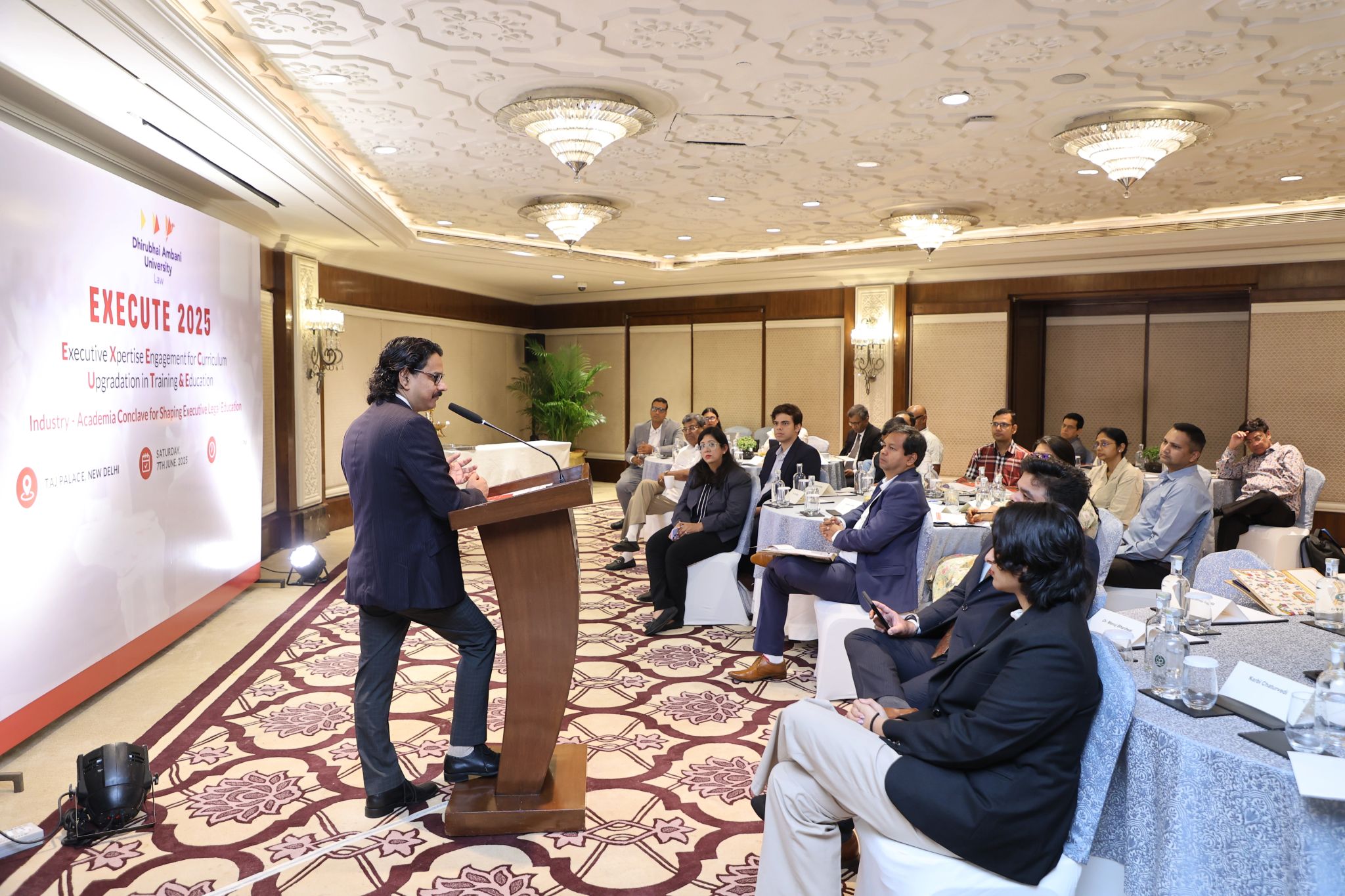
NEW DELHI, October 29 — The second batch of the Senior Executive Development Programme in International Aviation Law and Management is being organised by Dhirubhai Ambani University – School of Law in partnership with Université Toulouse 1 Capitole, France, and Spaviatech Law.
Programme Details
The intensive two-day executive development initiative, tailored exclusively for senior executives and key decision-makers within the global aviation industry, will take place at Pullman Aerocity, New Delhi, on November 20-21, 2025.
Designed for professionals with a minimum of 5 years of experience in aviation, the programme targets heads of airline operations and maintenance, directors and VPs in aircraft leasing and financing, chief legal officers, heads of compliance, regulatory advisors, and executive leaders in sales, marketing, and corporate strategy within aviation enterprises.

Distinguished Expert Faculty Panel
The programme features an exceptional lineup of industry leaders and subject matter experts from globally renowned organisations:
- Prof. (Dr.) Avinash Dadhich – Founding Director, Dhirubhai Ambani University – School of Law
- Prof. (Dr.) Laurent Grosclaude – Head of LL.M. in International Aviation Law, Université Toulouse 1 Capitole, France
- Prof. (Dr.) Matthieu Poumarède – Dean, Toulouse Law School, Université Toulouse 1 Capitole, France
- Dr. Lalit Gupta – Former Joint Director General, DGCA, Government of India
- Lubinisha Saha – Head of Legal & Compliance for Airbus, South Asia
- Mr. Amber Dubey – Former Joint Secretary, Ministry of Civil Aviation; Senior Advisor, McKinsey & Company
- Mr. Ashwani Acharya – Founding Member, IndiGo & CEO, RedBird Flight Training Aviation Pvt. Ltd.
- Ms. Sharmila Barathan – Government Affairs & Policy Leader, GE Aerospace (South Asia)
- Mr. Malik Almajadalawi – Deputy Head of Quality and Compliance for Europe, Collins Aerospace
- Ms. Rakhee Biswas – Co-Managing Partner, Spaviatech Law
- Mr. Syed Tamjeed Ahmad – Co-Managing Partner, Spaviatech Law
- Mr. Sivadath Madhu Menon – Head of Aviation Law & Management, Dhirubhai Ambani University – School of Law
- Dr. Manuj Bhardwaj – Head of Executive Education, Dhirubhai Ambani University – School of Law
Comprehensive Curriculum
This flagship executive education initiative provides in-depth knowledge of international legal and management frameworks that are reshaping today's aviation landscape. The thoughtfully designed curriculum addresses critical contemporary challenges and opportunities through seven core modules:
Day 1 – Legal, Regulatory, and Operational Frameworks:
- International Aviation Legal Framework, International Conventions and Organisations of Significance
- India's Aviation Ecosystem – Current Realities and Future Pathways
- Air Accident Investigations: Global Best Practices, Safety, and Airworthiness Compliance
- Drones in India – Opportunities, Challenges, and Way Forward
Day 2 – Operations, Finance, and Sustainability:
- Liability and Claims in Aviation: Legal and Regulatory Perspectives
- Environmental Governance in Aviation – Balancing Growth, Innovation, and Regulatory Compliance
- Aviation Leasing and Financing: Principles and Practices
- Panel Discussion on "Emerging Trends in Aviation"

Building on Success: The First Batch
The inaugural batch of this Executive Development Programme was successfully conducted in Toulouse, France, in June 2025, in partnership with Université Toulouse 1 Capitole. The programme brought together senior leaders from prominent organizations including FlyDubai, CAE, Reliance Group, K. Singhania & Co., and featured sessions led by industry luminaries such as Karl Hennessee (Senior VP, Head of Litigation & Investigations at Airbus), Mélanie Etienne (Head of Investigations and Product Integrity Legal at Airbus), and Alexandre Faÿsse (General Counsel at Safran).
Programme Benefits
Participants will receive:
- Joint International Certification issued by Dhirubhai Ambani University – School of Law and Université Toulouse 1 Capitole, France
- Expert-Led Learning through comprehensive sessions on international civil aviation law, liability, aircraft leasing, and accident investigations
- Professional Networking opportunities to establish meaningful connections among top executives and sector experts nationally and globally
- Global Career Pathways, unlocking opportunities within one of the fastest-growing global industries
- Distinguished Alumni Network provides access to a prestigious community of accomplished aviation professionals

Selective Enrollment and Scholarship Opportunities
To maintain an optimal learning environment with personalised attention and enriched peer-to-peer exchange, enrollment for Batch 2 is strictly limited to 30 participants.
Merit-based scholarships of up to 10% are available to candidates demonstrating academic distinction or outstanding professional expertise. Special category scholarships of up to 10% are also available to women professionals, veterans of the Armed Forces, and practitioners working in the social impact sector.
Programme Fees:
- Indian citizens: INR 80,000 (inclusive of taxes)
- International participants: USD 1,000 (inclusive of taxes)
Selection will be conducted through a comprehensive application review, professional background assessment, and candidate interaction process. Admissions are evaluated holistically on a case-by-case basis, with emphasis on professional achievements, leadership potential, and contributions to the aviation field.
About the Organisers
Dhirubhai Ambani University – School of Law aims to create and train a community of lawyers and non-lawyers guided by the ideals of industry-academia collaboration and entrepreneurial spirit in a globalised Indian economy. The institution offers interdisciplinary and practical education with insights and instruction provided by top-tier academicians from Ivy League universities, Russell Group Universities, and the Top 100 Law Schools.
Université Toulouse 1 Capitole traces its roots to the Faculty of Canon Law, founded in 1229. Specialising in Law, Economics, and Management, the university is ranked among the top 100 globally in Economics/Business. Located in Toulouse, the heart of France's aviation industry, its Aviation Law programme provides unparalleled exposure to Airbus, Thales, Dassault, and leading aviation law experts.
Spaviatech Law is a boutique law firm specialising in aerospace, aviation, and technology law. Founded by alumni of the University of Toulouse Capitole and Leiden University, it focuses on regulatory compliance, dispute resolution, and legal advisory services for the fast-growing Indian aviation sector.
Apply here
Programme Details: Here
Read next
No A’s in the Air: Inside the First DGCA Ranking of Flying Training Organisations
Abhishek Nayar
27 Oct 2025
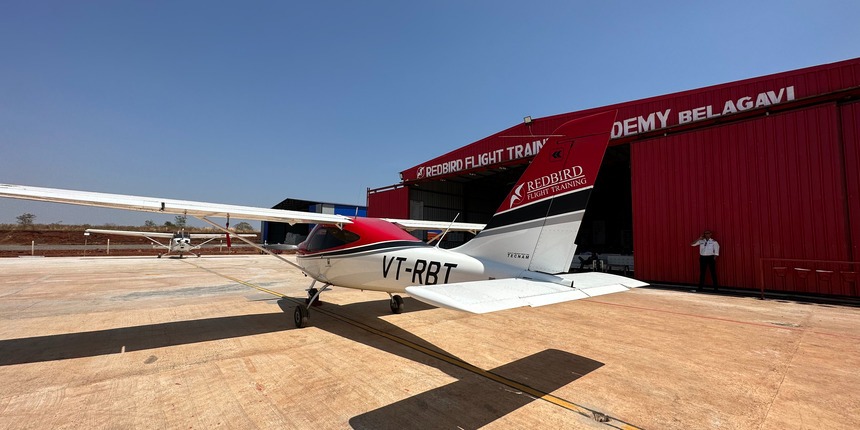
Imagine getting a report card where every student shows up in the same room, and none of them brought an A. That’s basically what happened when India’s aviation regulator released its first-ever rankings of Flying Training Organizations (FTOs) — and the results were, well, blunt. Out of 35 FTOs, none earned A+ or A, 13 landed in B, and 22 fell into C. Eyes widened. Questions popped. The Civil Aviation Ministry is now stepping in to review why the cupboards are so, ahem, empty.
What actually happened? — The short story
On October 1, 2025 the DGCA published a new ranking framework for all DGCA-approved Flying Training Organizations. The scoring bands: 85%+ = A+, 70–<85% = A, 50–<70% = B, and below 50% = C. Under that framework, none of the 35 FTOs hit the A or A+ bands; most are in the lower two categories. The regulator will publish rankings biannually (next scheduled list: 1 April 2026).
Why the fuss? (Because safety and pilots aren’t a drill)
Pilot training isn’t just about pretty logbooks and smooth landings — it’s about safety culture, operational discipline, compliance, and giving students real, timely support. DGCA’s evaluation covered operational aspects, performance, safety standards, compliance, and assistance to students; the results imply many training outfits need systemic upgrades rather than cosmetic fixes.
What the minister said — a dose of accountability (with realistic timelines)
Civil Aviation Minister K. Rammohan Naidu has said he will meet representatives of FTOs to discuss ways to raise standards. He also clarified that while regular airline review meetings are useful, monthly performance reviews of FTOs aren’t necessary — DGCA’s biannual rankings and targeted follow-ups (including DGCA notices for Category C outfits) will be the main oversight tools.
The DGCA playbook — how the scoring works (the nerdy but important part)
The DGCA’s public notice and ranking annex set out the rules: each FTO is scored across multiple parameters (safety, operations, compliance, student assistance, etc.) and placed into one of four categories. Those in Category C (score below 50%) will receive a formal notice from the regulator to conduct self-analysis and improve. The idea: transparency — accountability — improvement. Fingers crossed.
So...why did so many FTOs score poorly?
A few likely causes (and yes, these are a mix of official pointers and plain common sense):
- Infrastructure & fleet gaps: Not enough serviceable aircraft or simulators to give trainees the hours they require.
- Safety & compliance weaknesses: Audits likely found shortfalls in paperwork, maintenance records, or SOP adherence.
- Training throughput issues: Long waits or rushed training episodes that affect quality.
- Student support & transparency: Poor counselling, unclear timelines for CPL progression, or inadequate grievance redressal.
This isn’t a finger-pointing exercise—think of it as a wake-up call that the training ecosystem needs investment and better oversight.
What happens to the students (and to people dreaming of a pilot’s life)?
Short answer: nothing catastrophic — but expect change. Trainees at Category C schools will get notices and should expect improvement plans or more detailed audits. Prospective students now have public rankings to help pick a training institute — useful, because in the past you mostly had brochures and promises. In other words: more transparency, better choices — and maybe a few tough conversations.
How FTOs can actually improve (not in corporate-speak)
Here are concrete, practical moves training schools can use to climb the next leaderboard:
- Fix the fleet, not the playlist — ensure aircraft and simulators are maintained and available so trainees get logged hours without excuses.
- Safety drills daily, not yearly — build a proactive safety culture: briefings, checklists, honest incident reporting.
- Clear student pathways — publish real timelines and support services (counselling, make-up flights, fee clarity).
- Digital transparency — maintain up-to-date records and dashboards DGCA/parents/trainees can review.
- Peer review & partnerships — smaller schools can partner with better-run clubs to share simulators, instructors, or SOPs.
Do these and you get better outcomes — and maybe a shiny A to brag about at the annual alumni reunion.
The political and industry angle — not dramatic, but meaningful
This is as much a policy moment as a quality moment. The ministry’s decision to meet FTO reps means there’s political will to act, not just scorecards. And for airlines and lessors watching the pilot pipeline, better training standards mean more reliably trained new pilots — which helps the industry scale safely. In short: this isn’t a witch-hunt; it’s a systems check.
Final verdict — optimistic, with a side of realism
The headline was stark: none in A or A+. But that’s also useful: it sets a clear baseline. With biannual public rankings, DGCA’s oversight, ministerial attention, and pressure from students and airlines, there’s a credible path to improvement. It’ll take investment, honest audits, and time — but the next ranking (1 April 2026) will be a true litmus test of progress.
TL; DR
- DGCA released its first-ever FTO rankings; 35 FTOs evaluated — 0 A+/A, 13 B, 22 C.
- Scoring bands: 85%+ A+, 70–<85% A, 50–<70% B, <50% C.
- Category C schools will get notices to self-analyze and improve.
- Civil Aviation Minister K. Rammohan Naidu will meet FTO reps; monthly FTO reviews aren’t planned — rankings will be biannual (next: 1 Apr 2026)
Bottom line: transparency is up, quality pressure is up — and future trainees can use rankings to make smarter choices. Improvement required, but a path exists.
Read next
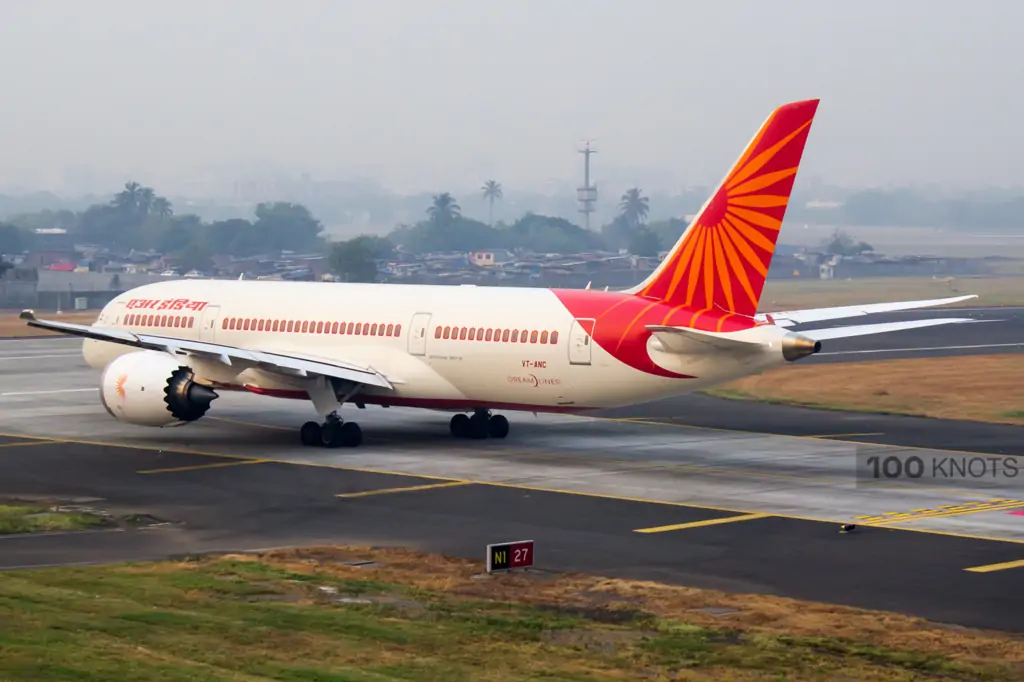
The Airline Pilots’ Association of India (ALPA India) has asked the Directorate General of Civil Aviation (DGCA) to withdraw its recent extension of allowable duty hours for two-pilot operations on the Boeing 787 Dreamliner — calling the move a “scenario ripe for fatigue-induced errors.” The pilots’ body says this isn’t nitpicking: it’s about human limits, science on fatigue, and real safety risk.
What changed (the boring-but-important numbers)
Under the DGCA adjustment, for two-pilot Boeing 787 operations:
- Flight Duty Time Limitation (FDTL) rose from 10:00 — 10:30 hours.
- Flight Duty Period (FDP) rose from 13:00 — 14:00 hours.
Those 30–60 minutes might look tiny on a spreadsheet — but aviation safety experts and crews treat them like the difference between a strong coffee and a nap that actually works.
The 787-seat problem: why those 30 minutes matter
This isn’t only about totals — it’s about rest quality. The FAA issued airworthiness directives around the 787 after finding that, in certain decompression scenarios, parts of the flight deck might strike the captain’s seat if it’s reclined. As a result, recline on some captain’s seats is restricted — which pilots say has a direct, severe impact on how well they can rest during controlled in-flight rest periods. Reduced recline + longer FDPs = a recipe pilots are warning against.
(Translation: you can’t sleep like a cat in those seats anymore — more like a slightly tired meerkat.)
Who’s affected: yes, that includes Air India

Tata Group’s Air India operates Boeing 787s on long-haul routes — the very routes where these duty limits and in-flight rest capability matter most. ALPA India specifically flagged concern because longer duties on Dreamliners without augmented crews could raise risk across those services.
Context matters — the regulator’s been under the microscope
This debate isn’t happening in a vacuum. DGCA has previously warned and audited airlines (including Air India) over duty-time and other operational lapses earlier this year; regulators and pilots are both sensitive to anything that might increase operational fatigue risk while oversight is already intense. That makes any change to duty limits politically and operationally charged.
ALPA India’s ask (short and sharp)
- Withdraw the FDTL/FDP extension for two-pilot Dreamliner ops.
- Perform a comprehensive fatigue risk assessment, with flight crew representatives, before approving any deviations from the established Civil Aviation Requirements (CAR).
Simple ask: don’t tinker with limits unless you’ve actually measured the human cost.
DGCA’s likely counter-arguments (and pilot rebuttals)
- DGCA might say: The extension is a limited operational tweak to help scheduling and connectivity.
- Pilots reply: If scheduling convenience increases human error risk, it’s not a tweak — it’s a gamble with lives.
- DGCA might say: There’s ongoing oversight and exemptions are common after risk analysis.
- Pilots reply: Oversight must mean inclusive risk analysis — not top-down exemptions that ignore crew experience.
What passengers should know
- Longer allowable duty hours could mean crews are scheduled for slightly longer on-duty blocks on some long flights.
- Pilots are asking for caution — their ask is grounded in fatigue science and recent operational problems.
- If you fly long haul: polite tip — pack patience, not extra expectations of a chirpy, wide-eyed crew at 03:00 local. (Also: maybe don’t try to make the seatbelt sign into a conversation starter.)

A little aviation humor (because we’re all human)
If a policy change had a frequent-flyer program, this one would earn the “midnight yawns” tier. Pilots want rest on flights; regulators want schedules to work; airlines want planes full and on time. Somewhere between coffee and nap time, common sense has to show up with the boarding pass.
Where this could go next
- DGCA may review ALPA’s letter and either roll back, keep, or condition the extension on mitigations (e.g., augmented crew, route-specific checks).
- Airlines might add crew or rework rosters where rest quality is impaired. Pilots pointed out that some carriers globally have already added crew after similar seat restrictions.
Final thought (less snooze, more sense)
Regulations are numbers on paper until they meet a tired human at 04:00 over the Atlantic. API-driven rostering and KPIs are great — but sleep science and frontline experience should be the co-pilots of any safety decision. If DGCA’s goal is zero-harm, then the path there should be measured in eye-opener science, not convenience-based clock changes.
TL; DR
- ALPA India has asked DGCA to withdraw the recent extension of Dreamliner duty hours for two-pilot operations.
- FDTL moved from 10:00 — 10:30 hrs; FDP moved from 13:00 — 14:00 hrs.
- Pilots warn seat-recline restrictions (FAA/AD) on some 787s have reduced in-flight rest quality, making longer duty periods riskier.
- Tata-owned Air India operates Dreamliners and is directly affected by the change.
- The DGCA and Air India have been under scrutiny for safety/audit findings earlier this year — adding heat to the debate.
Read next
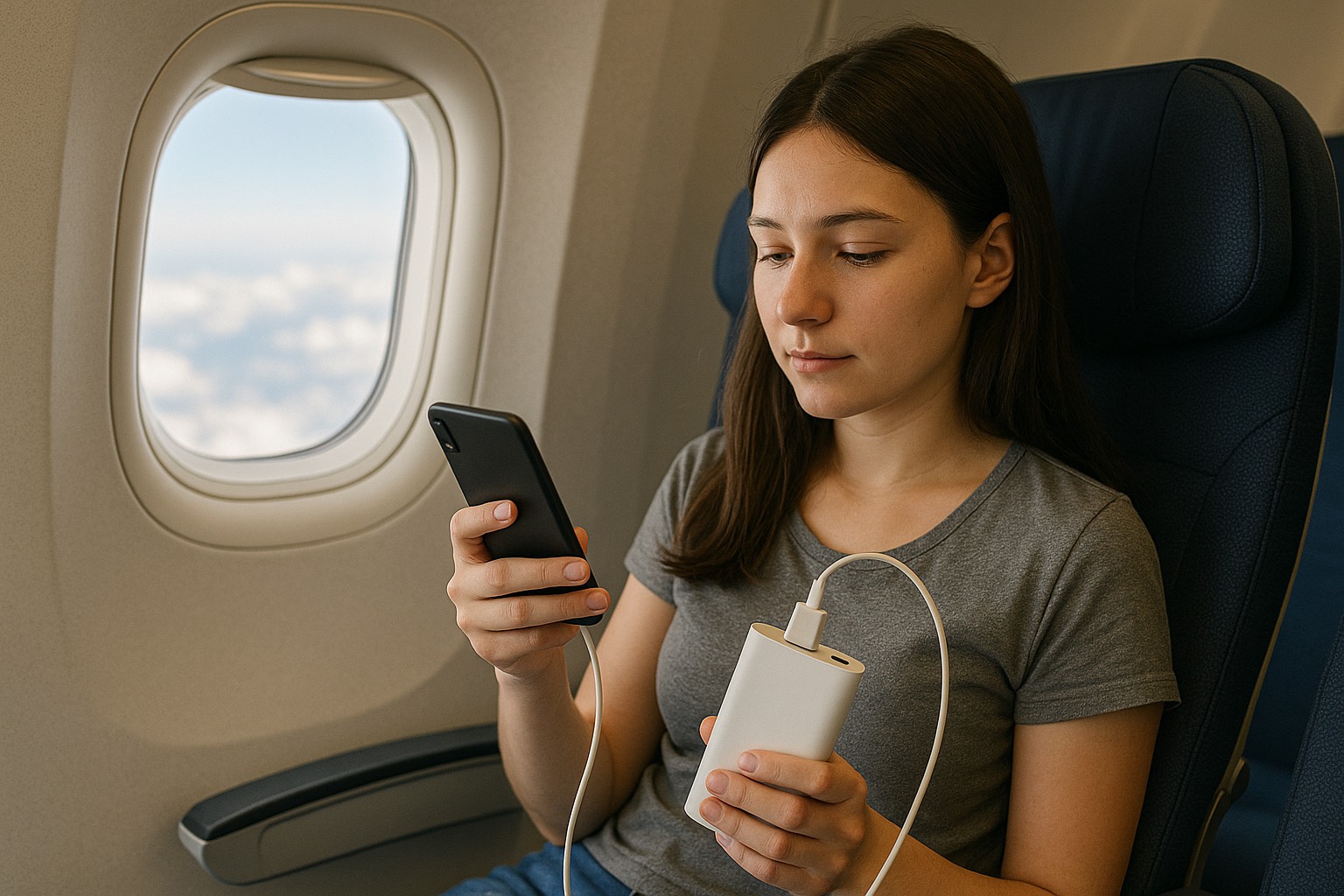
Aviation authorities across the globe are implementing stringent regulations on power bank carriage aboard commercial aircraft following a series of fire incidents that have raised critical safety concerns.
Airlines worldwide are responding with increasingly restrictive policies as lithium-ion battery-powered devices become ubiquitous among travellers, with the average passenger now carrying four such devices during air travel.
Recent Power Bank Incidents on Flights
The catalyst for India's regulatory review emerged on October 19, 2025, when IndiGo flight 6E 2107 experienced a fire incident during taxiing at Delhi's Indira Gandhi International Airport. The aircraft, bound for Dimapur, returned to the bay after a passenger's power bank stored in a seat-back pocket ignited. The cabin crew extinguished the flames within seconds using standard emergency procedures, preventing injuries and major damage.
1. Air China
Earlier in the week preceding the IndiGo incident, an Air China flight operating from Hangzhou to Seoul reported a lithium battery fire in an overhead compartment, adding to the growing list of thermal runaway events in commercial aviation.
2. Air Busan
This incident followed a devastating fire that occurred on January 28, 2025, aboard Air Busan flight 391 at South Korea's Gimhae International Airport. A power bank stored in an overhead luggage bin caught fire, spreading through the empennage and consuming nearly half of the fuselage. All passengers evacuated safely, but the aircraft sustained catastrophic damage.
3. Virgin Australia
Virgin Australia confronted a similar emergency on July 21, 2025, when flight VA1528 from Sydney to Hobart experienced a fire in an overhead locker during descent. Firefighters removed the bag containing the suspected power bank after the aircraft landed safely.

Technical Problems with Carriage of Power Banks on Flights
Lithium-ion batteries present inherent fire risks due to their chemical composition and energy density. These batteries store substantial energy in compact spaces using flammable electrolyte liquids that facilitate ion flow between the cathode and anode. When damaged, defective, or subjected to extreme conditions, they can enter thermal runaway—a dangerous state where internal heat buildup triggers a self-sustaining chemical reaction.
Thermal Runaway
Thermal runaway occurs when the heat generated inside the battery exceeds the amount that can be safely dissipated. The process begins with an internal short circuit, which generates excessive heat. As the temperature rises, the separator between the battery's anode and cathode melts or collapses, causing additional short circuits and releasing volatile, flammable gases. This chain reaction escalates rapidly, producing temperatures reaching 1,000 degrees Celsius, intense flames, toxic fumes, and potentially explosions.
Factors Triggering Thermal Runaway
- Physical damage from crushing or puncturing the battery compromises its structural integrity.
- Overcharging forces excessive current into cells beyond their capacity.
- Manufacturing defects create weak points in battery construction.
- Exposure to moisture can cause short circuits.
- Environmental factors such as extreme heat or cold stress battery components.
The FAA notes that thermal runaway can occur without warning, and once initiated, can continue for hours or days with burned-out batteries potentially reigniting.
Lithium battery fires present unique challenges for flight crews.
Standard halon fire extinguishers can temporarily suppress flames, but the fires typically reignite within moments. The batteries produce oxygen and flammable gases internally, meaning the removal of external oxygen does not stop combustion. Fire safety protocols require crew members to use halon extinguishers initially, then continuously pour water and non-alcoholic liquids from galley carts onto the device to manage heat and prevent reignition.

Airlines That Have Restricted Power Banks on Flights
Multiple international carriers implemented comprehensive restrictions throughout 2025 in response to escalating incidents.
Singapore Airlines & Scoot
Singapore Airlines announced on March 12, 2025, that passengers could no longer charge power banks via onboard USB ports. Effective April 1, 2025, both Singapore Airlines and its budget subsidiary Scoot prohibited using power banks to charge devices during flights, though passengers can carry units up to 100 watt-hours without prior approval.
EVA Air
EVA Air enforced a complete ban on using or charging power banks during flights starting March 1, 2025. The airline required passengers to fully charge devices before boarding and directed them to use AC outlets and USB Type-A ports if in-flight charging became necessary.
China Airlines
China Airlines implemented similar restrictions on the same date, requiring passengers departing from Incheon Airport to cover power bank ports with insulating tape or protective covers, or place them in clear zip-lock bags. The airline prohibited storing power banks in overhead compartments and banned their use or charging during flights.
China took action when the Civil Aviation Administration of China issued an emergency notice effective June 28, 2025, banning all power banks without China Compulsory Certification marks from domestic flights. The regulation prohibits power banks with unclear CCC marks or belonging to recalled models. Multiple leading manufacturers recalled various batches due to safety risks in battery cells, and the State Administration for Market Regulation revoked or suspended CCC certification for several power bank and battery cell manufacturers.

Thai Airways
Thai Airways International announced on March 10, 2025, that passengers would no longer be permitted to use or charge power banks throughout the entire flights starting March 15.
Air Busan
Air Busan implemented the most stringent policy following its January fire incident, completely banning power banks in overhead luggage bins. Passengers must carry portable power banks and spare batteries on their person to enable immediate detection and response to overheating, smoke, or fire.
Emirates
Emirates Airlines imposed restrictions in October 2024, allowing only power banks rated below 100 watt-hours and strictly prohibiting charging them or using them to power electronic devices while on board.
Southwest Airlines
In the United States, Southwest Airlines now requires all battery packs to remain in plain sight when being used, prohibiting passengers from charging devices in overhead bins. The policy aims to enable rapid detection and response to thermal events.
Virgin Australia and Qantas
Australian carriers Virgin Australia and Qantas mandate that power banks remain in hand luggage rather than checked baggage. Virgin Australia encourages passengers to keep power banks within sight and easily accessible during flights, discouraging their use for charging devices while airborne. Qantas explicitly states on its website that the airline does not recommend the use or charging of power banks onboard due to safety concerns.

DGCA Initiatives
The Directorate General of Civil Aviation initiated a comprehensive review of power bank handling procedures following the October 19 IndiGo incident. The regulatory authority is examining how passengers and airlines manage lithium battery-powered devices throughout all phases of flight operations.
The Ministry of Civil Aviation has been briefed and is coordinating closely with DGCA to establish new safety measures that minimise potential fire hazards associated with portable batteries.
DGCA's assessment acknowledges that nearly all airline passengers—96 per cent—typically bring at least one rechargeable product containing lithium-ion batteries aboard aircraft. However, 44 per cent of travellers admitted knowing nothing about lithium battery safety, and 76 per cent reported not recalling lithium-ion battery-related messages during online check-in.
The regulatory authority emphasised that aviation safety cannot tolerate continued exposure to thermal runaway risks at 40,000 feet, where confined spaces and limited firefighting resources magnify potential consequences.

Bottom Line
The aviation industry faces a complex challenge balancing passenger convenience against safety imperatives. While complete prohibition of lithium battery devices remains impractical given modern connectivity requirements, the status quo proves unsustainable.
DGCA's comprehensive review represents part of a broader international movement toward evidence-based regulations that acknowledge lithium battery fires constitute preventable risks requiring decisive regulatory intervention. The forthcoming restrictions will reshape passenger behaviour and device manufacturing standards, prioritising safety in an era where lithium battery hazards can no longer be dismissed as rare anomalies but must be recognised as systematic threats requiring systematic solutions.
Read next
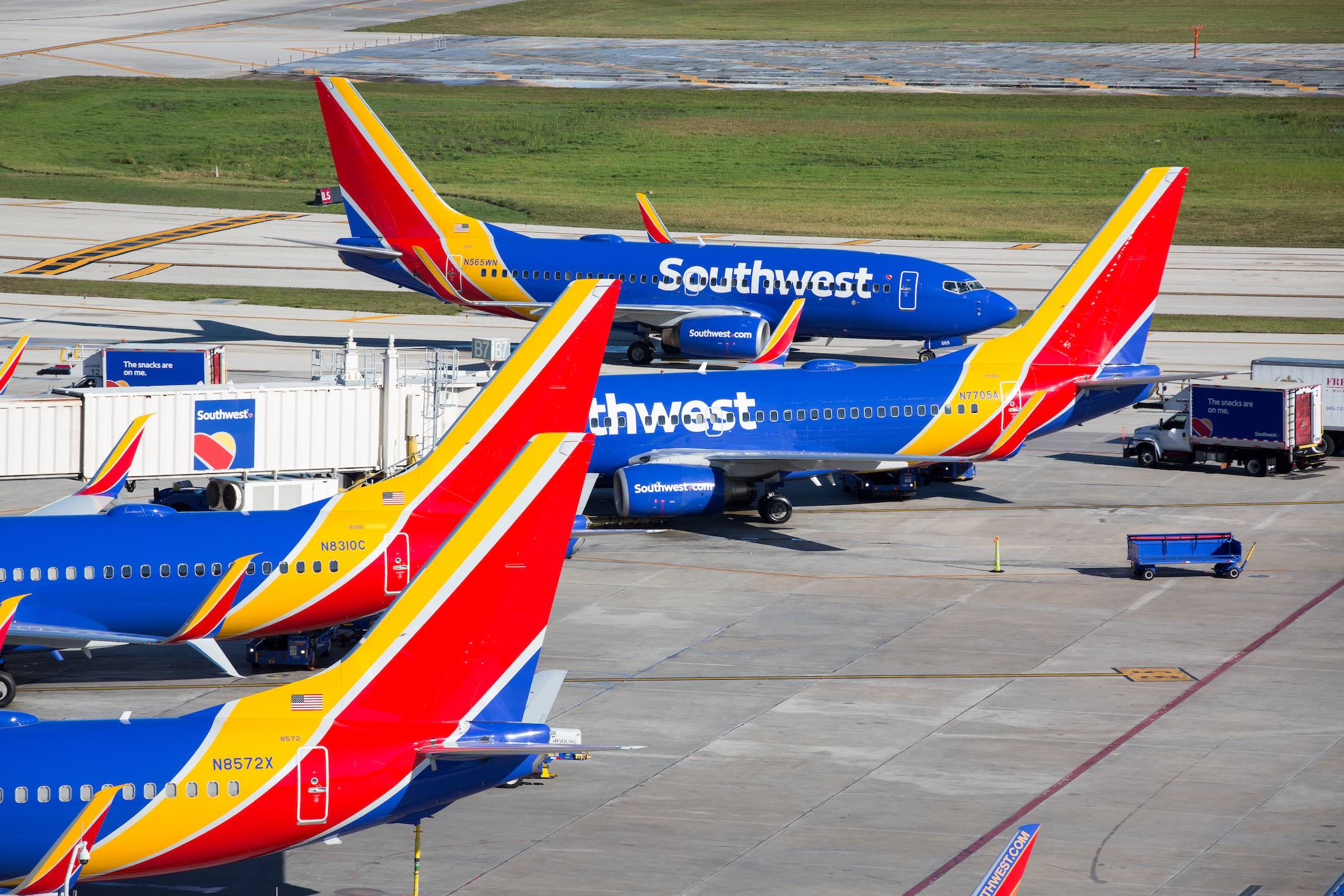
Southwest Airlines announced Monday that it will require plus-size travellers who cannot fit within their seat armrests to purchase an additional ticket in advance, starting January 27. The policy change represents a significant shift from the carrier's current customer-friendly approach and comes as part of broader operational transformations at the airline.
Departure from Current Flexibility
The airline currently offers plus-size passengers two options: purchasing an extra seat upfront with the possibility of receiving a refund afterwards, or requesting a complimentary additional seat at the airport. Under the new system, passengers who previously utilised the extra seat policy must purchase the second ticket during the booking process to guarantee space.
Southwest stated it made the change to ensure adequate seating availability for customers requiring extra space. However, the new policy eliminates the guarantee of refunds that passengers previously received, though refunds remain possible under specific conditions.

Strict Refund Requirements
The airline will issue refunds for second tickets only if three criteria are met: the flight must have available seats at departure time, both tickets must be purchased in the same booking class, and passengers must submit refund requests within 90 days of travel. This represents a more restrictive approach than the carrier's previous policy.
Passengers who fail to purchase an extra seat in advance will be required to buy one at the airport under the new rules. If the flight has reached capacity, the airline will rebook the passenger onto a different flight.
Industry Concerns
Jason Vaughn, an Orlando-based travel agent who operates Fat Travel Tested and shares travel advice for plus-size travellers, warned that the policy change will negatively affect passengers of all sizes. Vaughn explained that Southwest's existing policy created comfortable travel experiences for plus-size passengers while ensuring all travellers had sufficient personal space.
Vaughn characterised the change as another letdown for loyal Southwest customers, comparing it to recent brand alterations at Cracker Barrel that upset longtime patrons. He argued the airline has lost touch with its customer base and abandoned its distinctive identity.

Broader Transformation
The policy shift follows a series of changes at Southwest Airlines as the carrier faces pressure from activist investors to boost profitability and revenue. The airline ended its signature free checked baggage policy in May and introduced assigned seating on the same day as the extra seat policy announcement. These modifications mark a departure from the perks that previously distinguished Southwest from competing budget carriers.
Southwest also announced plans last year to charge fees for extra legroom seating and launch red-eye flights as it navigates financial challenges and investor demands for improved performance.
Comment