
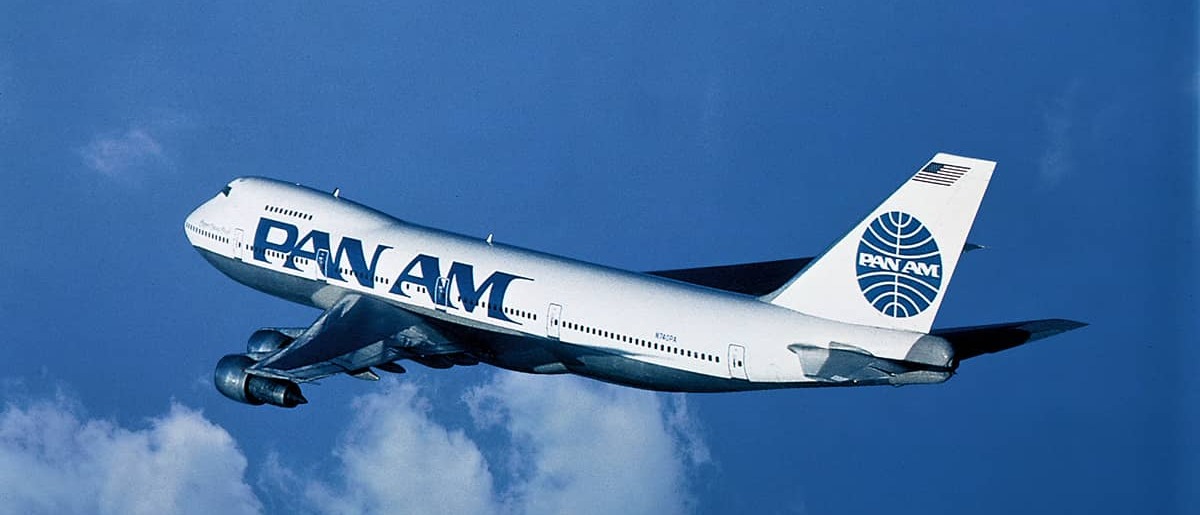
The golden age of aviation lives on in collective memory through images of elegantly dressed passengers sipping champagne at 35,000 feet, when flying was an event rather than mere transportation. Among the carriers that defined this era, none captured the public imagination quite like Pan American Airways, with its distinctive blue globe logo and promise of worldly sophistication.
After vanishing from the skies over 3 decades ago, this legendary brand is beginning luxury charter flights that have rekindled dreams of aviation glamour for a new generation of travellers!
Pan Am Airlines Legacy
Pan American Airways ceased operations on December 4, 1991, when its final flight departed Barbados for Miami aboard the Boeing 727 "Clipper Goodwill." This marked the end of an aviation empire that had dominated international travel for over 6 decades. Founded in 1927 as a modest service connecting Florida to Cuba, the airline transformed under Juan Trippe's visionary leadership during the 1930s, expanding across South America before conquering transatlantic routes.
The carrier pioneered numerous aviation firsts, including introducing the revolutionary Boeing 747 jumbo jet to commercial service. Pan Am's network stretched to iconic destinations worldwide, from Hong Kong's bustling terminals to Rio de Janeiro's beaches. The airline's crowning achievement came in 1977 during its 50th anniversary celebration, when Pan Am Flight 50 established a speed record for global circumnavigation while crossing both polar regions.
However, American airline deregulation, soaring fuel costs, and mounting financial pressures ultimately grounded the carrier permanently, leaving only memories of its distinctive "blue meatball" tail design.

Revival Dreams
The Pan Am brand experienced an unexpected renaissance in summer 2024 under Craig Carter, CEO of Pan American World Airways LLC, who acquired the trademark rights. The inaugural charter flight demonstrated remarkable market appetite for aviation nostalgia, with 35 passengers paying £45,000 each for a meticulously crafted journey aboard a leased Icelandair Boeing 757.
The six-day expedition departed New York's JFK airport, retracing historic transatlantic routes through Bermuda, Lisbon, Marseille, London, and Shannon. Every detail honoured Pan Am's heritage, from cabin crew wearing signature baby-blue uniforms to period-appropriate service standards. The experience proved so compelling that some passengers requested to sleep aboard the aircraft rather than disembark at destinations.
Carter reports that bookings sold out within three days, with passengers receiving enthusiastic receptions at every stop, including water-cannon salutes and crowds of aviation enthusiasts eager to witness the legendary livery's return.
Expansion Plans
The charter's success has emboldened Pan Am's leadership to pursue full scheduled service restoration.
Working alongside AVi8 Capital, an aviation consultancy, the company plans a methodical expansion beginning with charter operations before transitioning to regular passenger service. The initial fleet would comprise approximately four Airbus A320s, one Boeing 757, and an A330 for long-haul routes.
Carter envisions an exclusively premium carrier, potentially offering business-class-only configurations or economy seats with significantly enhanced legroom and comfort standards. The strategy targets transcontinental routes connecting major American cities like Miami, Los Angeles, and New York, focusing on markets with demonstrated demand for upscale air travel.
Additional charter services to African destinations and European Christmas markets are planned for the leased Boeing 757, maintaining momentum while regulatory approvals advance.

Lifestyle and Hospitality
Pan Am's revival extends far beyond aviation, encompassing a comprehensive lifestyle brand strategy. The company recently secured rights to operate a fixed-base operation at a Missouri airport, providing ground services including fueling, parking, and maintenance, with additional FBOs planned nationwide.
A Pan Am-branded Hilton hotel will open in Los Angeles next year, featuring an innovative "dinner theatre" concept within the adjacent Citadel shopping centre. This immersive restaurant recreates a 1970s Boeing 747 interior, complete with period-dressed cabin crew serving guests aboard a detailed aircraft replica.
Pan Am Travel, a premium travel agency, targets affluent leisure and business customers seeking elegant, glamorous experiences reminiscent of aviation's golden era. Strategic airport lounges across the country will further extend the brand's presence in travel infrastructure.
Industry Scepticism
Aviation industry experts express cautious scepticism about Pan Am's commercial viability beyond nostalgic charter operations. John Grant from OAG Aviation acknowledges the admirable spirit behind such ambitious projects while highlighting formidable challenges, including substantial startup costs, intense competition, and complex operational requirements.
Gilbert Ott, founder of frequent-flier website God Save the Points, warns that nostalgia alone cannot sustain long-term success against established carriers' high service standards. While recognising Pan Am's powerful brand recognition, he questions whether historical appeal can consistently fill aircraft seats.
Previous attempts at luxury aviation revival, including La Compagnie's decade-long Paris-New York service and Global Airlines' uncertain future following its Glasgow-New York inaugural flight, illustrate the sector's inherent difficulties.

Bottom Line
Pan Am's ambitious comeback represents more than corporate resurrection—it embodies a quest to restore aviation's lost glamour and sophistication. Beginning with a successful £45,000 charter flight that sold out in three days, the brand now pursues scheduled service restoration through premium aircraft acquisitions and comprehensive lifestyle expansion, including hotels, lounges, and immersive dining experiences.
However, industry experts remain sceptical about long-term viability, citing high startup costs, intense competition, and operational complexities that have challenged previous luxury aviation ventures. While CEO Craig Carter believes passengers will embrace Pan Am's promised premium experience, the ultimate test lies in whether nostalgic brand power can sustain commercial success in today's demanding aviation market, making Pan Am's journey from charter novelty to scheduled carrier one of the industry's most closely watched developments.

Read next
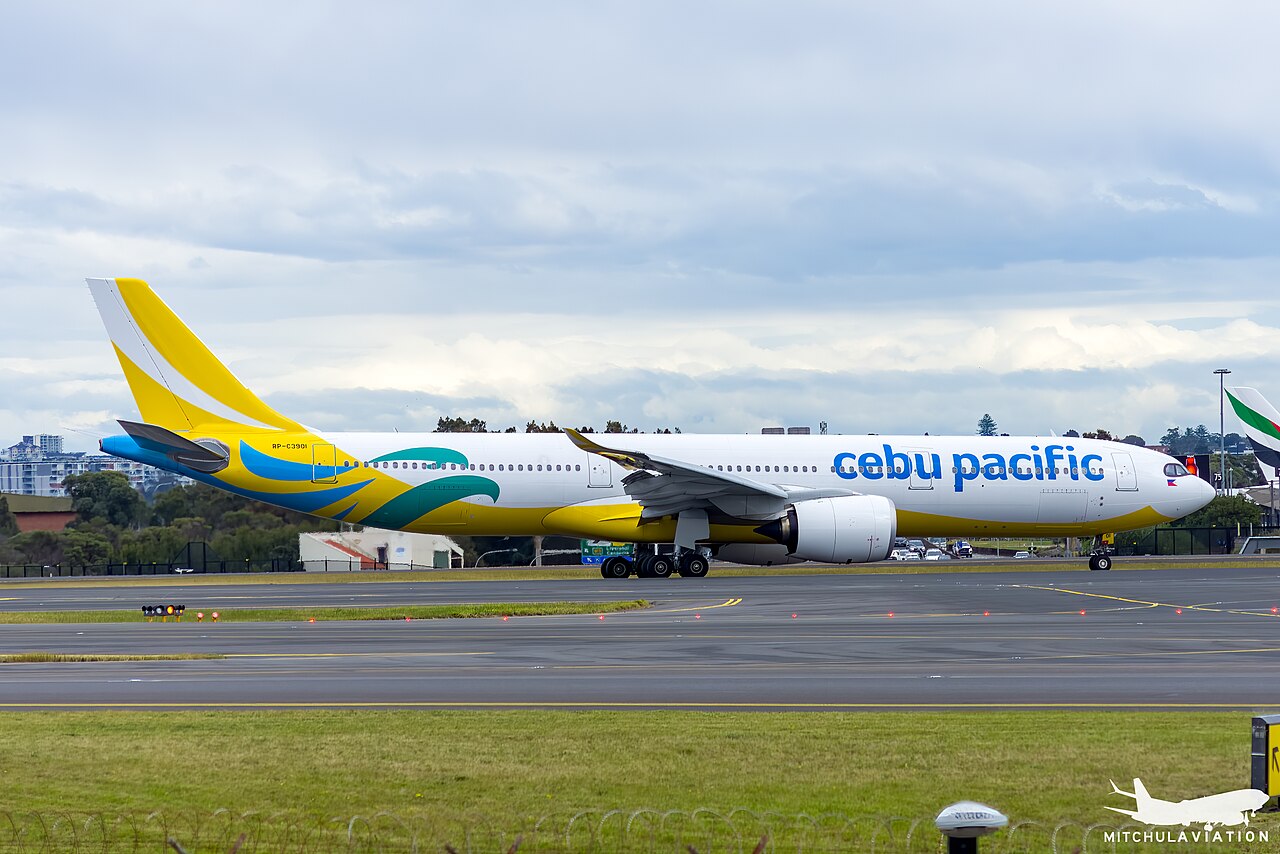
The aviation industry faces mounting pressure to reduce its environmental footprint, with airlines worldwide scrambling to implement sustainable practices. Against this backdrop, one Filipino carrier has emerged as a beacon of environmental responsibility, proving that affordable air travel and eco-consciousness can coexist.
This achievement represents not just corporate success but a testament to how strategic planning and technological innovation can drive meaningful environmental change in Southeast Asian aviation.
Cebu Airlines' Global Recognition
Cebu Pacific has secured an impressive 18th position in the Cirium Flight Emissions Review, establishing itself as the sole Philippine airline to earn this prestigious recognition. The comprehensive assessment revealed that the carrier achieved remarkably low emissions of 62.4 grams of CO2 per Available Seat Kilometre in 2024, positioning it among the world's most environmentally efficient airlines.
According to Aileen Isidro, CEB's Vice President for Corporate Strategy, this accomplishment validates the airline's commitment to balancing affordability with sustainability, ensuring that Filipino travellers can access eco-friendly flight options without premium pricing.

Fleet Modernisation
The foundation of Cebu Pacific's environmental success lies in its ambitious fleet renewal program. In 2024, the airline made aviation history by placing the Philippines' largest aircraft order, securing up to 152 aircraft from the A320neo family. This strategic investment demonstrates the company's long-term commitment to reducing its carbon footprint through the use of cutting-edge technology.
The new-generation NEO aircraft have delivered exceptional environmental benefits, enabling the airline to prevent approximately 157,000 tonnes of CO2 emissions in the past year alone. Each aircraft provides up to 20% improved fuel efficiency compared to older models, translating into significant environmental and economic advantages.
Sustainable Financing
Breaking new ground in Southeast Asian aviation, Cebu Pacific became the region's first low-cost carrier to secure financing for an A321neo through a sustainability-linked loan. This innovative financing structure directly connects borrowing costs to the airline's emissions-reduction performance, creating powerful financial incentives for continued environmental improvement.

Airport Operations
Beyond aircraft efficiency, Cebu Pacific has revolutionised ground operations through electric equipment deployment. The airline leads initiatives at Ninoy Aquino International Airport, introducing electric ground support equipment to reduce emissions during aircraft servicing.
A historic milestone occurred at Mactan-Cebu International Airport in May 2025, where Cebu Pacific completed the Philippines' first entirely electric aircraft turnaround, utilising exclusively electric ground support equipment and bridge-mounted systems.
Bottom Line
Cebu Pacific's 18th global ranking for lowest emissions represents more than individual corporate achievement—it demonstrates how Philippine aviation can lead environmental transformation while maintaining accessibility and affordability. Through strategic fleet modernisation, innovative financing, and ground-breaking operational practices, the airline has reduced over 157,000 tonnes of CO2 emissions while serving 63 destinations across Asia, Australia, and the Middle East. This recognition, supported by an ESG score of 46 from S&P Global, positions Cebu Pacific as a model for sustainable aviation development throughout Southeast Asia.
Read next
What Happens When Four Bolts Go Missing and a Giant Plane Decides to Surprise Everyone Mid-Flight?

Abhishek Nayar
13 Sep 2025
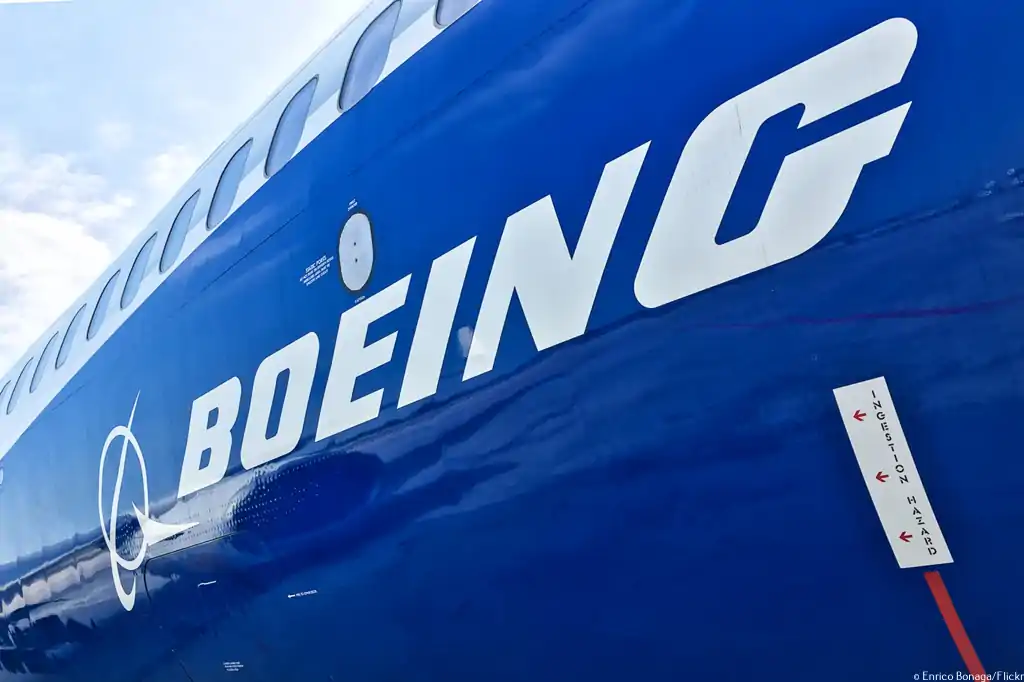
Yes, this actually happened — and the FAA just slapped Boeing with a proposed $3.1 million fine for a string of quality and oversight failures tied to the whole saga. Buckle up (not literally) — we’ll take this from the dramatic mid-air moment to the accountability roller coaster on the ground.
The one-sentence elevator pitch
A January 2024 mid-air cabin blowout on an Alaska Airlines 737 MAX 9 — later traced to missing/incorrectly reinstalled bolts and process failures — exposed widespread quality control and culture problems at Boeing. The FAA’s response: a proposed $3.1 million fine, continued hands-on inspections, and a hard stare at production practices.
The moment that started it all: the Alaska Airlines incident
On a January 2024 flight, a mid-exit door “plug” blew out mid-flight on a new 737 MAX 9. Miraculously there were no fatalities, but the incident was a wake-up call — planes aren’t supposed to surprise passengers by losing big sections of fuselage. The event prompted immediate groundings, a safety investigation, and months of scrutiny.
What the FAA found (short version: a lot)

The FAA’s enforcement action alleges hundreds of quality-system violations at Boeing’s Renton 737 factory and at Spirit AeroSystems’ facility in Wichita, dating from September 2023 through February 2024. Among the specific findings: Boeing presented two aircraft for airworthiness certificates even though they didn’t meet standards, and managers pressured an employee acting on behalf of FAA oversight to sign off so delivery schedules could be kept. That combination of skipped steps + schedule pressure is precisely what keeps regulators awake at night.
NTSB: it wasn’t just one loose bolt — it was the system
The National Transportation Safety Board’s investigation concluded that the probable cause centered on Boeing’s failure to provide adequate training, guidance and oversight for its manufacturing personnel — specifically around its parts removal and reinstallation process that should have ensured the four securing bolts were reinstalled correctly. In short: humans missed bolts, but systems failed the humans.
(Imagine a factory checklist that’s more “suggestion” than “rule.” That’s not how airplanes are supposed to be built.)
DOJ, deferred agreements, and the legal thicket
The January 2024 incident didn’t just ripple through aviation safety circles — it touched legal ones too. The Justice Department opened a criminal probe, and court proceedings have complicated prior agreements between Boeing and prosecutors (the company’s earlier deferred prosecution arrangements have been under reconsideration in subsequent legal filings and court orders). This isn’t a mere regulatory slap on the wrist — it carries potential criminal and contractual consequences.
Production cap, oversight posture, and what that means for the skies
Since the incident, the FAA has kept extra-tight eyes on Boeing. The agency halted production expansion and capped Boeing’s 737 MAX output at 38 planes per month — a limit that remains in place while regulators continue enhanced in-person oversight and inspect each 737 MAX and 787 before issuing airworthiness certificates. FAA leadership has said there’s been no decision yet on lifting that cap, and they’re moving cautiously. This is not just bureaucratic theater; production caps affect airlines, supply chains, delivery schedules, and market confidence.

Boeing’s answer (and the PR tightrope)
Boeing says it’s reviewing the FAA’s proposed penalties and insists it’s strengthening safety culture, training, and accountability — the usual and necessary moves after a reputational and operational hit. But words only buy you credit for so long; regulators, airlines and passengers want demonstrable process fixes and verifiable improvement.
Why this matters beyond airline headlines
- Safety is cumulative. One missing bolt is an incident, patterns of missing bolts are a system failure.
- Delegated oversight needs trust. The FAA can delegate certain checks to manufacturers — but that only works when the manufacturer’s culture, documentation and checks are airtight.
- Airlines and passengers feel it. Groundings, inspections and delivery slowdowns ripple into schedules and fares.
- Corporate culture is a business risk. Investors, customers and regulators punish firms that let speed or cost trump safety.
A little levity because this story needs it
If corporations had safety mottos, this one might not be “Measure twice, bolt once.” More like: “Measure twice, bolt once — and maybe don’t rush the coffee break.” Jokes aside: it’s tempting to anthropomorphize bolts as mischievous little gremlins, but the reality is: systems, training, and oversight determine whether bolts behave.
Final takeaway
This episode is a textbook example of how manufacturing details can scale into national headlines — and why aviation safety culture is both a moral and financial imperative. Regulators are acting, Boeing is under pressure to change, and the industry will be watching every rivet and checklist from here on out.
TL; DR
- The FAA proposed a $3.1 million fine against Boeing for wide-ranging safety violations tied to the January 2024 Alaska Airlines 737 MAX 9 mid-air blowout.
- The NTSB found Boeing failed to provide adequate training, guidance and oversight; missing/reinstalled bolts and faulty parts-removal processes contributed to the incident.
- The FAA found hundreds of quality-system violations at Boeing’s Renton plant and Spirit AeroSystems’ Wichita plant, and alleged Boeing presented two unairworthy aircraft for certification and pressured an employee to sign off.
- The Justice Department opened a criminal probe and prior legal agreements with Boeing have been impacted as courts and prosecutors reassess accountability.
- The FAA continues enhanced, in-person oversight, inspects each 737 MAX and 787 before delivery, and has kept a 38-planes-per-month production cap in place while it evaluates Boeing’s corrective actions.
With Inputs from Reuters
Read next
When the 777s Pack Their Bags: Air India Returns Delta-Leased 777-200LRs — North America Gets a New Look
Abhishek Nayar
13 Sep 2025
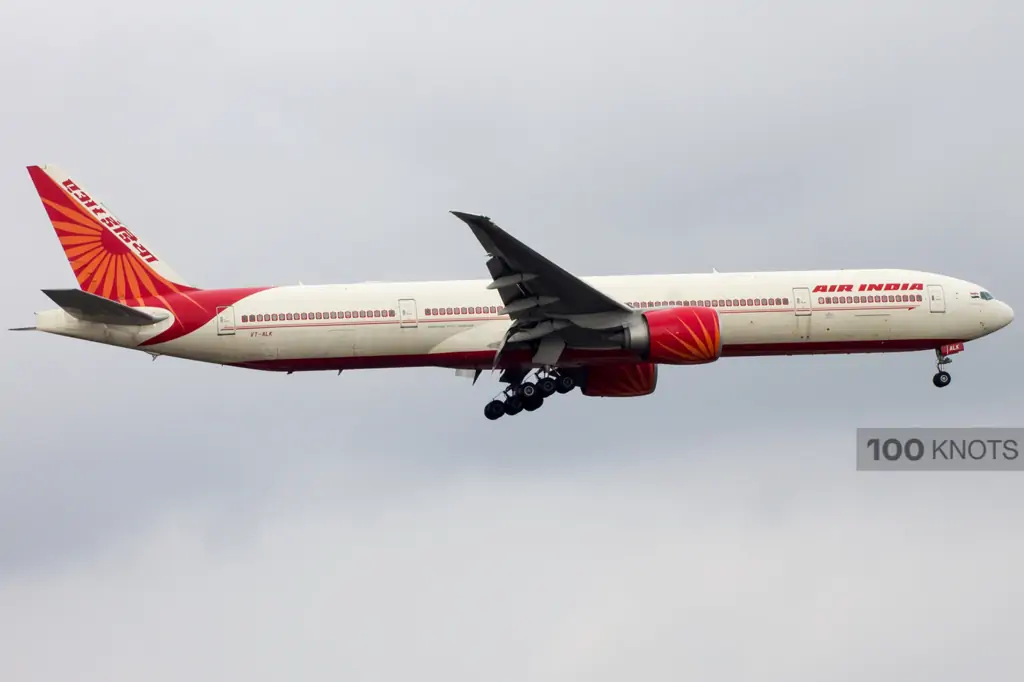
In a move that’s part operational housekeeping and part airline version of “it’s not you, it’s the lease,” Air India is returning five Boeing 777-200LR aircraft — leased from US-based Delta Air Lines — by March 2026. Two of those five have already been grounded for maintenance, and the handover is being done in phases so flights to North America can be reshuffled with as little passenger drama as possible.
What actually happened (short version)
- Air India will hand back five ex-Delta 777-200LRs as their lease terms end, with the process finishing by March 2026.
- Two of the five are already out of service for maintenance, starting the phased exit.
- Routes previously flown with those LR-configured 777s (notably a Delhi–San Francisco sector) are being moved to Air India’s 777-300ERs while schedules are adjusted. The carrier says it’s aiming for “minimal disruptions.”
Why this matters (and why you should care)
Leasing aircraft is the airline world’s version of flexible furniture — convenient, fast, but sometimes you have to give it back when the lease ends. For Air India, which is modernizing a massive fleet and juggling delivery delays, every widebody matters for transcontinental services. The handback forces route shuffles (think different seat maps, maybe different cabin service, and a slight rejig of frequencies), but Air India has already started swapping in 777-300ERs to keep the North America schedule healthy.
The operational side: maintenance, lease endings, and who called the shots
Air India had reportedly explored options — from extending the lease to even trying to buy the refurbished airframes — but Delta preferred to move the aircraft elsewhere. That, plus the fact some of those LR airframes had experienced technical issues earlier, appears to have sealed the deal. The phased return lets Air India maintain capacity while minimizing sudden cancellations.

Route effects — what passengers will actually notice
- Same routes, slightly different planes: For example, Delhi–San Francisco flights that used to be on a 777-200LR have already been switched to the 777-300ER. Expect slightly different seating (maybe more seats overall because the 300ER is bigger) and possibly a redesigned cabin layout.
- Schedule tweaks: Because this is a phased return, some departure times or frequencies may shift while Air India optimizes which aircraft go where. The airline says it’s adjusting with “minimal disruptions.”
The bigger picture: supply chains, new jets, and why airlines lease
Airlines lease to cover demand peaks, fill gaps while new jets are delivered, or test a route without a long-term commitment. Right now, manufacturers are still working through supply chain snags and delivery backlogs — which means airlines like Air India must be strategic about deployments and returns. Air India’s leadership has previously warned that global aircraft supply issues could persist for several years, making smart fleet moves essential.
What might become of those five 777-200LRs?
Delta will get them back — from there, a few common possibilities exist: remarketing to another airline, prepping for sale to a third party, or (less likely short-term) conversion to freighter use if economically sensible. That said, the public reporting suggests Delta sold/refinished at least some of these to another buyer instead of Air India buying them outright. (That’s industry housekeeping, not a soap opera — but almost as dramatic.)

A pinch of humor (because aviation can be dramatic)
Think of the 777-200LRs as well-travelled guests who overstayed their lease: polite, full of stories (and some engine snags), but you have to hand over the keys when the landlord calls. Air India’s swapping them for 777-300ERs is essentially like trading a comfy coupe for a roomier SUV — same trip, more legroom for your in-flight yoga.
What passengers should do (practical checklist)
- Check your itinerary: aircraft type and departure times can change during phased fleet swaps.
- If you have seat or meal preferences, reconfirm them — different aircraft = different seat maps.
- For frequent flyers: watch for schedule/aircraft updates that may affect upgrades or lounge access.
Bottom line
The fleet swap is a relatively tidy, planned adjustment: five ex-Delta 777-200LRs go home by March 2026; Air India redeploys 777-300ERs to maintain North America capacity; passengers should expect minor timetable and equipment changes but not wholesale cancellations. The move highlights how airlines manage capacity under tight global aircraft supplies.
TL; DR
- What: Air India will return five Delta-leased Boeing 777-200LRs by March 2026.
- Current status: Two of the five are already out for maintenance; return is phased.
- Route impact: Select North America services (eg. Delhi–SFO) moved to 777-300ERs; schedules adjusted.
- Why: Lease terms ending; Air India had explored extensions/purchase but Delta chose another buyer.
- Passenger action: Recheck your booking for aircraft and timing; expect minimal disruption.
Read next
Critical Aircraft Turnaround Challenges: Ground Damage, Delays, Missing Passengers
Sakshi Jain
12 Sep 2025
Turnaround operations—where passengers disembark, cargo is unloaded, fuel is replenished, and preparations are made for the next departure—form the backbone of airline profitability and passenger satisfaction. Yet beneath this seemingly routine choreography lies a complex web of potential pitfalls that can transform a smooth operation into a costly delay.
From the roar of jet engines winding down to the final boarding call echoing through terminal corridors, 3 persistent challenges continue to plague ground operations worldwide, threatening schedules, budgets, and the seamless travel experience passengers expect.
1. Ground Damage During Aircraft Operations
Ground damage represents one of the most significant financial and operational challenges facing the aviation industry today. Industry projections suggest that aircraft ground damage costs will surpass $8 billion by 2030, with approximately 27,000 ramp incidents occurring annually worldwide—translating to one incident per 1,000 departures.
Primary Damage Patterns
Research identifies 3 dominant hazard patterns responsible for 94% of all ground damage incidents:
- Equipment-Related Strikes (39%): Ground support equipment colliding with stationary aircraft
- Aircraft Movement Incidents (23%): Aircraft components making contact with objects during parking or positioning
- Towing Operations (32%): Damage occurring during aircraft pushback or repositioning procedures

Contributing Risk Factors
Multiple factors compound the likelihood of ground damage incidents:
Environmental Challenges: Weather conditions, including reduced visibility, slippery surfaces, and strong winds, create hazardous operating conditions. Nighttime operations further increase risk due to limited visibility.
Operational Pressures: Congested ground support equipment around aircraft stands, combined with time constraints and limited manoeuvring space, create high-risk scenarios.
Equipment and Human Factors: Mechanical failures, operator errors, and maintenance issues, such as worn tires that cause hydroplaning during wet conditions, contribute to incident rates.
Mitigation Strategies
Enhanced Training Programs: Comprehensive human factors training, situational awareness development, and maintenance resource management have proven effective in reducing incident rates.
Technology Integration: Advanced solutions, including 5G-enabled ground support equipment monitoring, IoT-based telemetry systems, and computer vision software for real-time behaviour analysis, offer promising damage prevention capabilities.
2. Timing Challenge
Efficient ground handling forms the cornerstone of profitable airline operations. Each turnaround requires precise coordination of multiple services, including refuelling, catering, passenger processing, and cargo handling within strict time parameters.
Essential Success Elements
Successful ground handling depends on 3 fundamental principles:
Sequential Execution: Operations must follow established procedures—aircraft positioning, passenger disembarkation, refuelling, cleaning, catering, and boarding—in proper sequence to avoid conflicts and delays.
Time Compliance: Each service must commence and complete within designated windows to maintain schedule integrity.
Specification Adherence: All services must meet flight-specific requirements, including fuel quantities, catering specifications, and crew configurations.

Root Causes
Communication Breakdown: Inadequate notification systems and outdated communication methods, including reliance on radio communications and paper documentation, contribute to coordination failures.
Resource Constraints: Staff shortages, equipment unavailability, and competing demands during peak operations create service bottlenecks.
Cascade Effects: Initial delays trigger resource allocation challenges, creating compound delays across multiple operations.
External Factors: Weather-related service requirements, such as de-icing, may not be immediately available due to unexpected conditions or staffing limitations.
Solutions for Enhanced Coordination
Real-Time Monitoring Systems: Advanced analytics platforms provide comprehensive turnaround visibility, enabling proactive management and accurate departure time predictions.
Integrated Communication Platforms: Unified systems connecting various service teams through wearable devices and mobile applications improve coordination and situational awareness.
Collaborative Decision Making: Airport Collaborative Decision Making (A-CDM) concepts, successfully implemented across 29 European airports, enhance operational efficiency through improved predictability and resource optimisation.

3. Managing Passenger Flow and Boarding
Passenger handling represents a critical component of turnaround operations, with boarding procedures particularly vulnerable to delays caused by missing passengers. The challenge intensifies when multiple passengers fail to appear at departure gates.
Scale of the Problem
Typical flights may experience 10-30 missing passengers at boarding time, with approximately 50% carrying checked baggage. This situation creates significant operational complexity, as baggage must be removed from flights when passengers fail to board—a time-intensive process that frequently results in departure delays.
Current Management Approaches
Standard procedures involve multiple passenger announcements, lounge searches, and coordination with baggage handlers for bag removal when necessary. However, these reactive approaches often prove insufficient when dealing with multiple missing passengers simultaneously.
Technology-Enabled Solutions
Passenger Flow Analytics: Advanced systems capable of anonymously tracking passenger movements throughout terminals can associate travellers with specific flights, enabling proactive passenger location identification.
Enhanced Communication Systems: Improved coordination between boarding agents, ground crews, and terminal personnel facilitates more effective passenger management and reduces response times.

Bottom Line
The aviation industry's ground operations face three persistent challenges that significantly impact operational efficiency and customer satisfaction. Aircraft ground damage, projected to exceed $8 billion in costs by 2030, requires comprehensive training programs and advanced technology solutions, including IoT monitoring and computer vision systems.
Untimely ground handling, caused by communication breakdowns and resource constraints, can be addressed through real-time monitoring systems, integrated communication platforms, and collaborative decision-making frameworks.
Missing passenger issues during boarding, affecting 10-30 passengers per flight, can benefit from advanced passenger flow analytics and enhanced coordination systems. Success in addressing these challenges requires a multi-faceted approach combining improved training, advanced technology implementation, and systematic process improvements.
By tackling these fundamental issues, airports, airlines, and ground handling companies can achieve reduced delays, lower operational costs, improved sustainability, enhanced reputation, and greater passenger satisfaction—ultimately contributing to a more efficient and reliable aviation system.
Read next

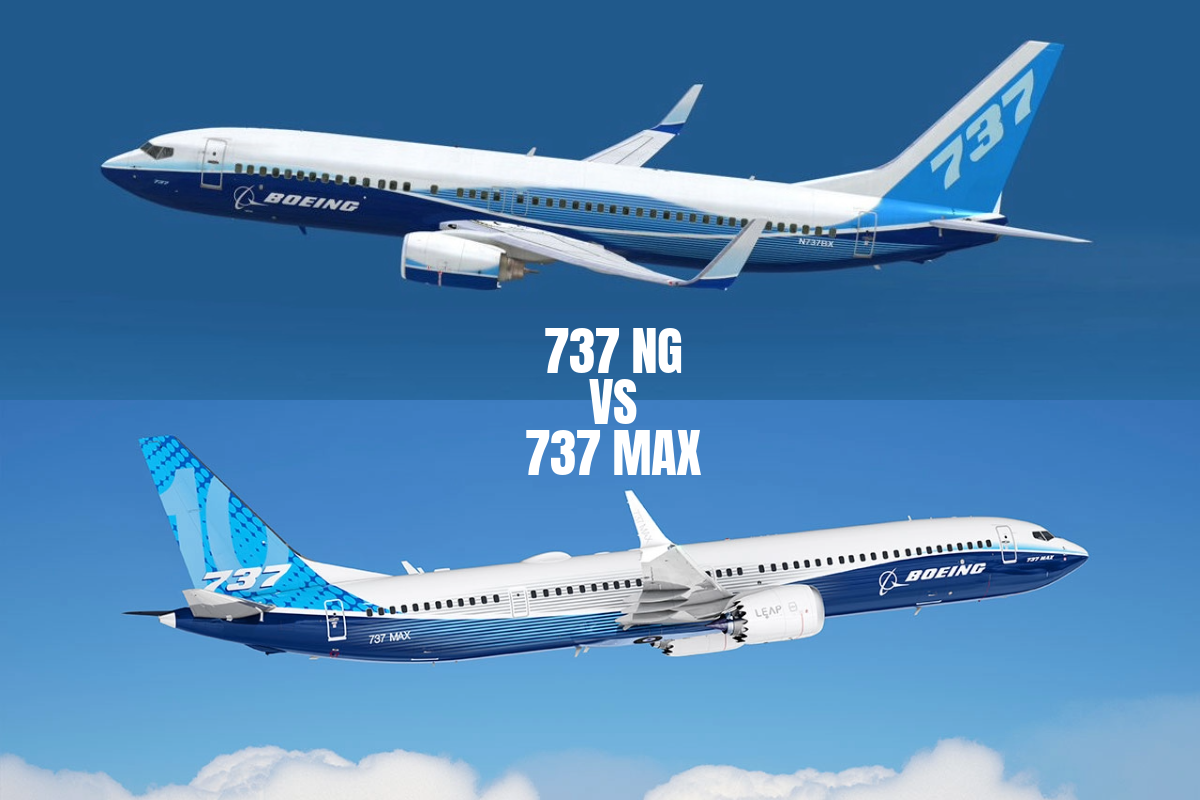
The Boeing 737 MAX series builds upon the remarkable success of its predecessor, the 737 Next Generation (NG) family. While these aircraft may appear similar to passengers settling into their seats, the cockpit tells a different story. From enhanced powerplants that whisper promises of fuel savings to subtle yet significant operational changes that pilots must master, the journey from NG to MAX reveals a fascinating tapestry of engineering refinement and operational adaptation.
Foundation
The Boeing 737 MAX family represents a crucial step forward in airline profitability and environmental stewardship. These next-generation aircraft, including the 737-8, -8-200, -9, and forthcoming -7 and -10 variants, build upon the proven foundation of the 737 Next Generation series—one of aviation's most successful commercial aircraft lines.
At the heart of the MAX's improvements lies the revolutionary CFM LEAP 1B high-bypass turbofan engine, delivering approximately 14% better fuel efficiency compared to the 737-800. Despite these advancements, both aircraft share a common type rating, allowing experienced 737 NG pilots to transition through focused differences training rather than complete recertification.

Ground Operations
Advanced Braking Systems
The MAX introduces carbon fibre brake technology as standard equipment, a significant upgrade from the steel brakes typically found on the 737-800. These advanced brakes offer multiple operational advantages: they maintain superior performance at elevated temperatures, cool down more rapidly, and provide enhanced energy absorption capabilities.
For airlines operating on tight schedules, this translates to reduced ground time between flights. The carbon brakes can handle approximately 2,200 landings before requiring overhaul—nearly double the lifespan of steel alternatives—while reducing overall aircraft weight by up to 320 kilograms per brake set.
Weight Distribution
Aircraft weight and balance calculations require careful attention to passenger distribution across designated cabin zones. The standard 737-800 divides its cabin into three zones, with the forward section typically encompassing rows 1-5. The 737-8-200, however, expands both forward and aft zones to include six rows each, requiring pilots to adjust their loading calculations and accommodate last-minute passenger changes accordingly.
Pre-flight Considerations
The MAX's distinctive Advanced Technology (AT) Winglets demand additional inspection during pre-flight walkarounds, as pilots must check for potential ground damage to these prominent aerodynamic features.

Powerplant Performance
Engine Specifications and Capabilities
The transition from CFM56 engines (rated up to 26,000 pounds of thrust) to the LEAP 1B powerplants (rated up to 27,000 pounds) provides the MAX with improved takeoff performance. This additional thrust capability allows for either enhanced performance or the same performance at reduced engine settings, minimising wear and fuel consumption.
Operational Differences
The LEAP-1B engines require extended startup sequences due to additional system checks and a process called "bowed rotor motoring." While this extends pre-flight preparation time, pilots must factor these requirements into their departure planning.
Ground operations reveal another significant change: the LEAP-1B produces greater idle thrust than its predecessor, often allowing aircraft to reach taxi speed without additional power input. While this reduces taxi fuel burn, it requires heightened awareness in congested airport environments.

Critical Flight Deck Modifications
Landing Gear System
One of the most noticeable cockpit differences involves the landing gear lever configuration. The 737-800 features a three-position lever (Down, Up, Off), with crews typically selecting "Off" after takeoff to depressurise gear hydraulics. The 737-8-200 simplifies this with a two-position system (Down, Up), automatically removing hydraulic pressure ten seconds after gear retraction.
This seemingly minor change represents a potential safety hazard that pilots address through comprehensive threat and error management protocols, as muscle memory from 737-800 operations could inadvertently trigger gear extension during critical flight phases.
Emergency Procedure Adaptations
While memory items—emergency procedures pilots must execute immediately from recall—remain largely unchanged between variants, the Quick Reference Handbook contains modified procedures reflecting system logic updates and alert changes. Pilots employ structured decision-making frameworks like TDODAR and PIOSEE to ensure procedural differences don't compromise safety during high-stress situations.

Approach & Landing
Speed Brake System
The MAX incorporates enhanced speed brake logic that monitors thrust lever position in addition to traditional parameters. If thrust levers remain above idle with speed brakes armed, an amber warning light activates, providing additional protection but potentially introducing new cockpit indications during busy approach phases.
Braking Technique Modifications
Carbon brake operation requires adjusted manual braking techniques, utilising gentle on-off applications rather than continuous pressure. These brakes maintain effectiveness at higher temperatures, unlike steel alternatives that experience reduced performance as heat builds up.
Winter Operations
Anti-ice system indications differ between variants, with the 737-800 displaying blue lights during normal operation, while the 737-8 shows amber lights only when faults occur. This subtle change requires careful attention during cold-weather operations, as the absence of illumination now indicates normal function.
Bottom Line
The Boeing 737 MAX represents a sophisticated evolution of the proven 737 NG platform, delivering enhanced fuel efficiency, improved operational capabilities, and advanced systems integration. While flight characteristics remain fundamentally similar, the differences in ground operations, engine performance, cockpit procedures, and system indications require comprehensive training and ongoing attention to detail.
Comment