

Authorities have evacuated multiple airports across France for the third day in a row on October 20 due to bomb threats. Affected facilities include the Beziers Cap d'Agde (BZR), Brest-Bretagne (BES), Paris-Beauvais (BVA), Lille (LIL), Pau-Pyrenees (PUF), Rennes (RNS), and Tarbes–Lourdes–Pyrenees (LDE) airports. Security forces are deployed at multiple sites to conduct investigations.
Authorities have also evacuated the Bordeaux (BOD), Lille (LIL), Montpellier (MPL), and Nantes Atlantique (NTE) airports on October 19 due to bomb threats. Increased security and flight disruptions are likely.
Multiple flights have been diverted, and additional flight disruptions are likely. Some airports, including Nantes Atlantique (NTE), received bomb threats on October 20 but did not evacuate. Airports have been evacuated on several days this week, causing the cancellation of at least 130 flights.
There are significant flight disruptions because of this and they are likely to persist through October 20 as well, with knock-on effects at other airports. International flights may be impacted by airports being unavailable for diversions.
Authorities will likely maintain heightened security throughout October 20. Flight disruptions will likely persist after the security alerts conclude as airports work to clear flight backlogs. The disruptions could have a knock-on effect at other airports in France. Additional airports nationwide could be evacuated in the event further bomb threats are received.
“For the moment, we have no miracle solution,” said Nicolas Paulissen, general delegate for the Union of French Airports which is present at all 150 airports around the country. The bomb risk cannot be ignored, but “we can’t stop airports from functioning.” He noted, however, that airports are capable of adapting to threats and crises.
Strasbourg Airport confirmed it had evacuated on Wednesday, October 18 in response to “a malicious email,” while Beauvais revealed an “anonymous threat” had been received by several airports, and Nice reported an “abandoned baggage item” had triggered the panic. Other airports affected on Wednesday included Toulouse, Biarritz, Pau, and Lyon.
What is Happening in France?
Bomb threats have been issued against multiple airports in France since October 18, when around 17 airports received bomb threats, prompting the evacuation of 15 facilities and significant flight disruptions. Although no viable explosive devices have been discovered, authorities continue to take each report seriously and react out of an abundance of caution.
France is on its highest state of alert after the October 13 murder of a schoolteacher in a suspected Islamist attack. The Palace of Versailles, one of France's main tourist attractions, said it was again evacuating visitors for security reasons. On Saturday, October 14, a day after the fatal stabbing of the teacher, bomb alerts that proved false forced the evacuation of the Louvre museum, the palace and Paris' Gare de Lyon train station.

Read next
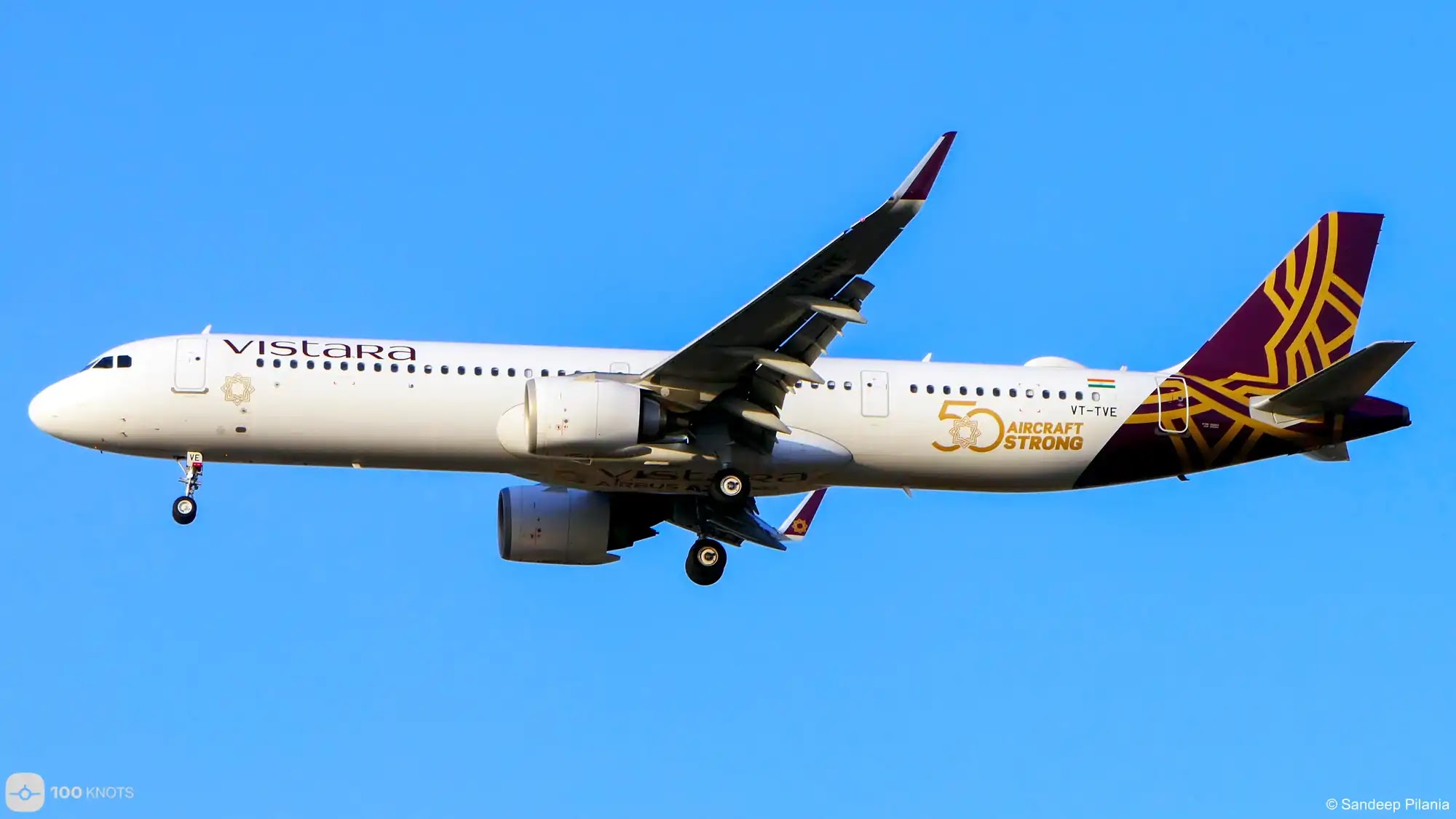
Vistara announced daily non-stop flights between Delhi and Bali, starting December 01, 2023. This makes Vistara the only airline offering direct connectivity between the two cities currently. Vistara will be deploying its A321LR aircraft, with a three-class configuration, giving its customers the option to fly in Business, Premium Economy, or Economy cabins when travelling on the route.
Bali has become an increasingly sought-after holiday destination for Indians due to its accessibility, proximity, and hassle-free visa-on-arrival facility.
Commenting on the introduction of the new destination, Vinod Kannan, Chief Executive Officer, Vistara said, “India is the second-largest source of foreign tourists to Bali, and with hassle-free visa-on-arrival, Bali remains one of the preferred holiday destinations for Indians, besides being popular for MICE traffic. Additionally, as the second largest trading destination for India in the ASEAN region, Indonesia exhibits great potential for business travel as well. We are delighted to be the only airline offering direct connectivity between Delhi and Bali. We are confident that customers will appreciate having the option to travel on India’s finest full-service airline on the route.”
Vistara launching flights to Hong Kong
Vistara also announced recently that it will start the Kathmandu-Delhi-Hong Kong two-way flight service from November 1. Vistara has added Hong Kong to its global flight network from November 1. The airline will deploy A320 narrow-body aircraft for this route.
Vistara has been flying between Kathmandu and Delhi since February 13. "Vistara is scheduled to start Kathmandu-Delhi-Hong Kong two-way flight from November 1," Prasanna Adhikari, executive officer of the airline in Nepal said. "This air service will be beneficial for travellers who want to travel from Kathmandu to Hong Kong via Delhi and Hong Kong to Kathmandu via Delhi," according to Adhikari. "The main objective of Vistara is to provide safe and comfortable air service to the passengers," he added. From November 1 onward, there will be daily flights between Delhi and Hong Kong, according to Adhikari.
Vistara will also compete with Cathay Pacific and Air India, which already fly this route with non-stop flights. IndiGo also announced that it will resume its Delhi-Hong Kong service on October 5th. IndiGo will be the only low-cost carrier on this route and will compete with the full-service products of Air India, Cathay Pacific, and Vistara (which will offer a three-class configuration on its A321neo.)
Market Share of Vistara
Tata bought Air India in January 2022 and is in the process of merging the full-service carrier with Vistara to create a larger entity better equipped to challenge IndiGo and rivals from the Middle East. The Competition Commission of India gave the green light to the merger in early September, paving the way for a combination. Once complete, the Air India brand will be retained, while Vistara’s brand will be retired.
Vistara's performance in August positioned it as the second-largest player in India's domestic aviation market. The airline's market share increased to 9.8%, a notable improvement from the 8.4% it held the previous month. While IndiGo maintained its dominant lead with a commanding share of 63.3%, Vistara shared the second position with another Tata Group-owned airline, Air India, which also secured a 9.8% market share. AirAsia India followed closely behind with a 7.1% share, while SpiceJet and Akasa Air accounted for 4.4% and 4.2% of the market, respectively.
The airline currently has a fleet of 63 aircraft, including 48 Airbus A320neo, 10 Airbus A321, and 5 Boeing 787-9 Dreamliners and has flown more than 50 million customers since starting operations. It has been flying regularly to 30 different destinations in the world.
Read next
Space exploration has always been a testament to human ingenuity, pushing the boundaries of what is technologically possible. Astronauts embarking on missions beyond Earth's orbit face two critical challenges: launching into space and safely returning to our planet. Over the decades, chemical rockets have become the standard for launching astronauts, but the question of the best way to bring them back remains a topic of debate among engineers.
The Age-Old Question: Capsules or Rockets?
For decades, the tried-and-true method of landing astronauts has been through the use of capsules. Boeing and SpaceX, in collaboration with NASA's Commercial Crew Programs, have embraced this approach for sending astronauts to the International Space Station. Their spacecraft, despite boasting advanced technology for many cosmic challenges, still bear a resemblance to the capsules of yesteryears. These capsules rely on their blunt, high-drag shapes and a set of parachutes to decelerate from orbital speeds of 17,000 mph to a safe landing velocity.
Propulsive Landing: A Futuristic Dream
SpaceX, under the visionary leadership of Elon Musk, initially aimed to redefine astronaut landings with a futuristic approach. They advocated for propulsive landings, where rockets would be used to slow the spacecraft down, and extendable legs would help balance it upon touchdown.
Musk's vision was clear: "That is how a 21st-century spaceship should land, anywhere on Earth with the accuracy of a helicopter." While SpaceX has successfully implemented propulsive landings for cargo delivery rockets, adapting it for crewed missions proved to be a time-consuming and costly endeavor, which NASA hesitated to commit to, ultimately leading to a return to traditional parachute-based landings.
Nostalgia and Reality: The Challenges of Sea Landings
Astronaut splashdowns in the sea have a nostalgic aura, with historic missions like Apollo and Mercury adding to their mystique. However, these landings were far from comfortable. For instance, Gus Grissom faced a near-drowning experience, while Scott Carpenter ended up landing 250 miles off course and spent hours in a life raft before rescue. Sea landings, despite their historical significance, come with their set of challenges.

The Soviet/Russian Approach: Landing on Land
While NASA opted for sea landings, the Soviet and Russian space program has consistently chosen to land their spacecraft on solid ground. The Soyuz spacecraft, which first launched in 1967, has been following this practice. However, astronauts who have experienced landings on land describe it as a series of explosions followed by a car crash. It's certainly not a comfortable ride, especially after spending extended periods in space.
The Art of Re-Entry
A successful return to Earth and a safe landing requires precise orchestration. Once a mission is complete and the shuttle is halfway around the world from the landing site, a series of steps are initiated.
- Closing the cargo bay doors.
- Firing the Reaction Control System (RCS) thrusters to turn the orbiter tail-first.
- Slowing down using the Orbital Maneuvering System (OMS) engines.
- Pitching the orbiter over to face the atmosphere.
- Burning off leftover fuel to handle the extreme heat of re-entry.
Surviving the Heat
Re-entry is a critical phase where the orbiter encounters extreme heat due to friction with the Earth's atmosphere. The shuttle is equipped with specialized insulating materials, such as reinforced carbon-carbon, high-temperature black surface insulation tiles, and white Nomex blankets, to protect it from the intense heat. The materials are designed to absorb and dissipate heat efficiently.
At this point, the spacecraft takes on a lifting body design, enabling it to generate lift with relatively small wings. Flight computers take control, and the spacecraft makes a series of banking turns to reduce its descent speed. The commander uses radio beacons to line up with the runway and control the final approach.
The Final Approach
As the orbiter approaches the landing site, it goes through a series of maneuvers, making S-shaped, banking turns to reduce descent speed. The commander uses radio beacons to align the orbiter with the runway and control its descent. The steep descent angle, around minus 20 degrees, is significantly steeper than that of a commercial airliner.
Touchdown and Deceleration

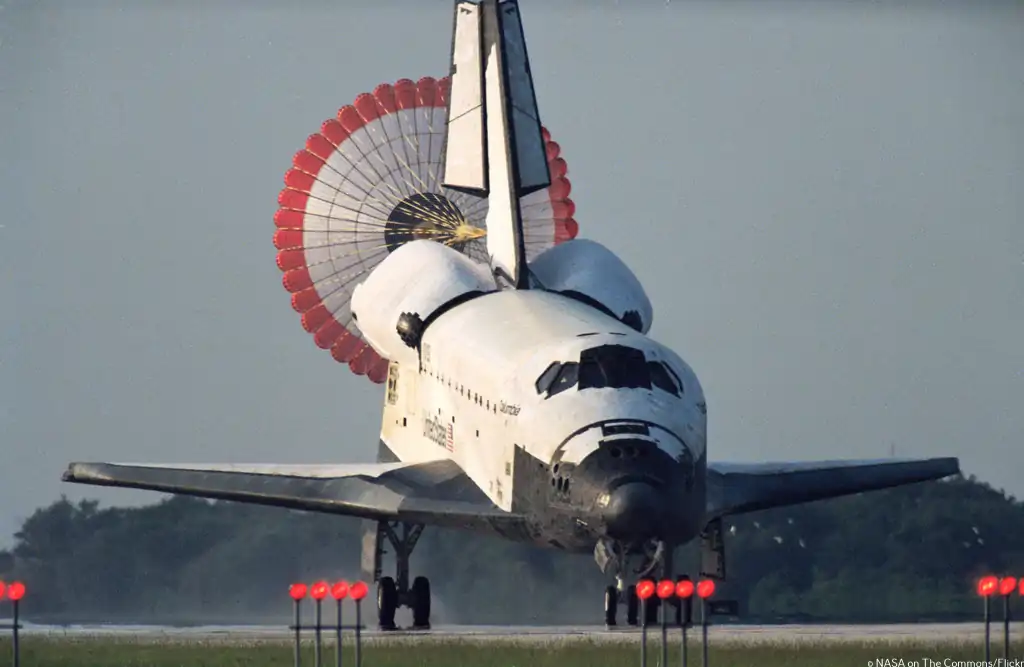
At around 2,000 feet above the ground, the commander initiates the nose-up maneuver to reduce descent rate. The landing gear is deployed, and the orbiter touches down. The commander then deploys the speed brake on the vertical tail, and a parachute is activated to further slowdown the orbiter. This combination of mechanisms ensures a controlled deceleration.
Post-Landing Procedures
After a successful landing, the crew follows a set of post-landing procedures to power down the spacecraft. This includes cooling the orbiter and venting noxious gases generated during re-entry. Ground crews are on hand to provide immediate assistance and servicing to the orbiter.
Conclusion
The art of astronaut landings is a critical aspect of space exploration. While capsules and parachutes have a rich history, space agencies and private companies continue to explore innovative approaches for safer and more comfortable returns to Earth. Whether it's the nostalgia of sea landings or the rough experiences of landings on solid ground, each method has its unique challenges and characteristics.
With Inputs from How Stuff Works, Smithsonian
Read next
Air India Launches Peer Support Program for Pilots and Travel Insurance Partnership

Abhishek Nayar
21 Oct 2023
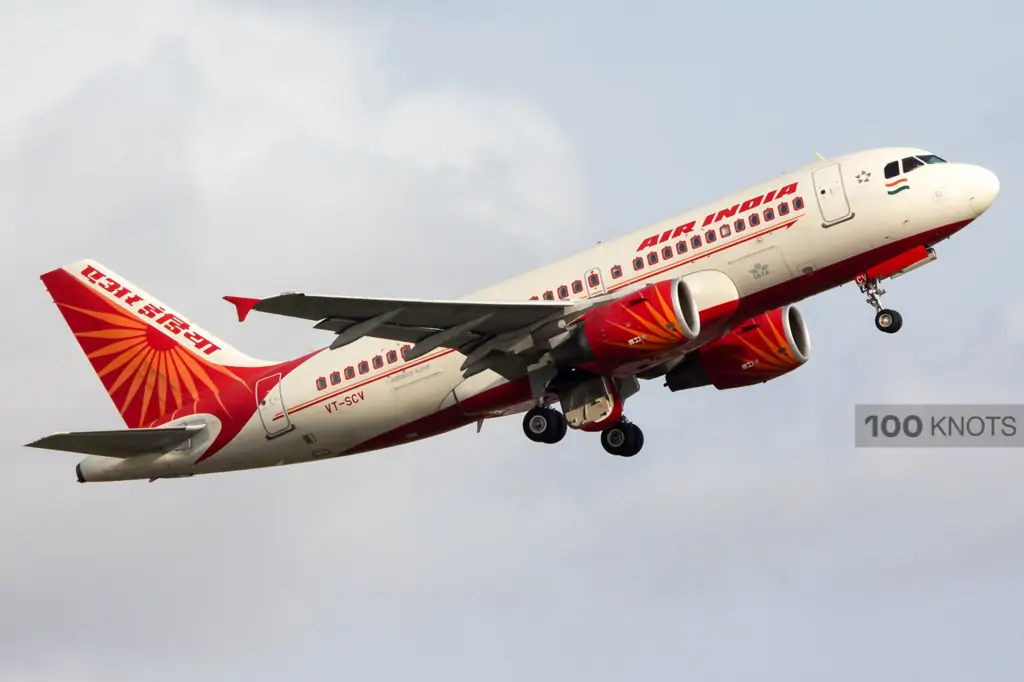
In a move aimed at prioritizing the well-being of its pilots and enhancing customer experience, Air India has launched a Peer Support Program (PSP) for its pilots and entered into a partnership with Tata AIG General Insurance to provide travel insurance.
These strategic initiatives reflect the airline's commitment to promoting mental health among its flight crews while simultaneously offering its passengers comprehensive travel insurance coverage.
Supporting Pilot Well-being
Air India's PSP Initiatives
Air India's Managing Director and CEO, Campbell Wilson, recently announced the launch of a Peer Support Program (PSP) for its pilots. This program is designed to offer mental health support and assistance to the airline's flight crews. The initiative was prompted by the Directorate General of Civil Aviation's (DGCA) recommendation to all airlines to establish such programs in order to enhance the mental well-being of aviation professionals.
Confidential Support
The PSP ensures complete confidentiality for pilots seeking assistance. It connects them with professionals and mental health specialists who are trained to address the unique challenges faced by aviation professionals. This initiative recognizes the demanding nature of the aviation industry and the critical role mental well-being plays in ensuring the safety and efficiency of flight operations.
Buddy.AI
In addition to the professional support, Air India has also introduced Buddy.AI, a program that enables pilots to connect with trained volunteers who share similar professional backgrounds and a deep understanding of the challenges specific to the aviation industry. This peer-to-peer support network allows pilots to lean on each other for assistance and guidance, fostering a sense of community and solidarity.

Embracing the Latest Science and Thinking
Air India's Association with EAAP
In a bid to stay at the forefront of mental health support in aviation, Air India has joined the European Association for Aviation Psychology (EAAP). This strategic partnership ensures that the airline remains fully informed about the latest scientific developments and best practices in aviation psychology. By aligning with EAAP, Air India demonstrates its commitment to promoting the mental health and well-being of its flight crews.
Travel Insurance Partnership with Tata AIG General Insurance
Enhancing Passenger Experience
In addition to its focus on pilot well-being, Air India has taken steps to enhance the overall customer experience. The airline has partnered with Tata AIG General Insurance to offer travel insurance to its passengers. This partnership provides travelers with the opportunity to protect themselves against a range of travel-related financial risks, including medical emergencies, travel disruptions, baggage issues, and passport loss.
Seamless Integration
To make the travel insurance process convenient for customers, Air India has integrated it into its website booking flow and contact centers. This ensures that passengers have easy access to comprehensive travel insurance coverage when booking their flights. The integration also streamlines the process for the airline's staff, making it efficient and hassle-free for all parties involved.
Conclusion
Air India's recent initiatives, the launch of the Peer Support Program for pilots and the partnership with Tata AIG General Insurance, reflect the airline's commitment to prioritizing the well-being of its flight crews and enhancing the customer experience. These strategic moves reinforce the importance of mental health support in the aviation industry and offer passengers greater peace of mind when embarking on their journeys. As Air India continues to adapt and innovate, it sets an example for the industry by ensuring that both its employees and customers are well taken care of.
With Inputs from Times of India
Read next
India's civil aviation sector is poised for substantial growth as air traffic continues to rise. A senior government official has revealed that one of the country's major airports is exploring the possibility of doubling the number of flight slots, a move that will undoubtedly lead to an increase in the overall number of flights. With approximately 2,900 daily flight departures, India's aviation industry has been on a steady ascent, making it one of the world's fastest-growing aviation markets.
The Upward Trajectory of India's Aviation Sector
India's civil aviation industry has been experiencing a significant upsurge in recent years. With a population of over 1.3 billion people and an expanding middle class, more and more Indians are taking to the skies for business and leisure travel. The country's growing economy has translated into a burgeoning demand for air travel, leading to a substantial increase in air traffic.
In the global context, India has emerged as one of the world's fastest-growing civil aviation markets, with passengers and cargo traffic on a constant upward trajectory. This growth has brought both opportunities and challenges to the sector.
Government Official Hints at Doubling Flight Slots
A senior government official, Civil Aviation Secretary Vumlunmang Vualnam, recently made a significant announcement during an event organized by the ATC Guild, India. He stated that the number of flights in the country is set to rise. While not providing specific details, he revealed that one of India's major airports is actively exploring the potential to double the number of flight slots.
This revelation marks a pivotal moment in India's aviation history, potentially opening the door for even more significant growth and opportunities in the sector. Doubling the flight slots would not only accommodate the rising demand but also enhance the country's aviation infrastructure.

The Role of Air Traffic Controllers (ATCs)
With the increase in the number of flights and flight slots, the role of Air Traffic Controllers (ATCs) becomes increasingly critical. ATCs are responsible for ensuring the safe and efficient movement of aircraft in the skies and on the ground. As air traffic continues to soar, ATCs will play a pivotal role in maintaining safety and order in the skies.
Preparation for this surge in air traffic is essential. ATCs will need to undergo training and possibly recruitment, and airports may need to upgrade their infrastructure to handle the increased workload effectively.
The Economic Implications
The potential doubling of flight slots in India carries significant economic implications. Senior Economic Advisor Piyush Srivastava pointed out that this expansion could lead to job creation and economic growth. A higher number of flights means more opportunities for businesses, tourism, and trade, ultimately contributing to the nation's economic development.
The Aviation Industry's Response
The aviation industry and organizations like ATC Guild India are aware of the challenges and opportunities that lie ahead. Collaboration among stakeholders, including government agencies, airports, and ATCs, will be vital to ensuring a smooth transition into this new phase of aviation growth. Planning and coordination will be essential to maintain safety, efficiency, and the quality of service for passengers.
Conclusion
India's aviation sector is on the cusp of an exciting transformation with the possibility of doubling flight slots at a major airport. As the nation's air traffic continues to rise, stakeholders must work in unison to ensure a smooth transition and capitalize on the economic benefits that come with this expansion.
Additionally, the role of air traffic controllers in managing this growth will be pivotal, emphasizing the need for adequate training and infrastructure improvements. With careful planning and collaboration, India can look forward to a thriving aviation industry that serves as a catalyst for economic development and connectivity.
Read next
SpiceJet Complies with Supreme Court's Directives on Credit Suisse Payments
Abhishek Nayar
21 Oct 2023
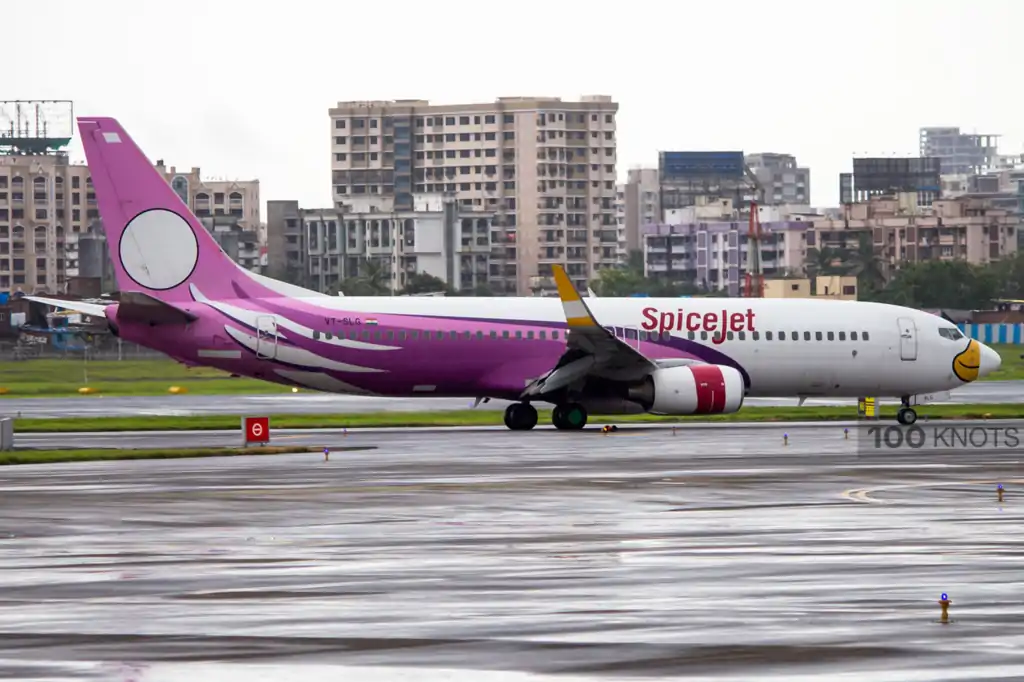
In a recent development, SpiceJet, one of India's prominent domestic airlines, has informed the Supreme Court that it has met the court's requirements regarding payments to Credit Suisse. Credit Suisse, on the other hand, has acknowledged the receipt of these payments but has urged the Supreme Court to continue overseeing the matter. This ongoing legal dispute, which dates back to 2015, revolves around Credit Suisse's claim of unpaid dues of approximately $24 million, resulting in a Madras High Court order to wind up the airline in 2021.
Compliance with Court's Directives
SpiceJet's legal representatives confirmed the airline's commitment to making monthly payments of $1 million for the next six months, as per the Supreme Court's directives. The court had earlier instructed the low-cost carrier to adhere to this payment plan. Following the initial six-month period, the airline is expected to continue monthly payments of $500,000.
Credit Suisse's Stance
While Credit Suisse has acknowledged receiving payments from SpiceJet, the bank has expressed the need for continued oversight of the situation. The bank's position seems to be driven by a history of unpaid dues and delays in compliance with previous court orders.
In March, Credit Suisse approached the Supreme Court, seeking to initiate contempt proceedings against SpiceJet and its Chairman and Managing Director, Ajay Singh. The bank cited "willful and intentional disobedience" of court orders and a failure to pay dues amounting to $4.5 million as the reasons behind their move.
The Long-Running Legal Dispute
This legal dispute between Credit Suisse and SpiceJet has been ongoing for nearly a decade. It began in 2015 when Credit Suisse claimed that the airline owed around $24 million in unpaid dues. The situation escalated, eventually leading to the Madras High Court's order to wind up the airline in 2021.
SpiceJet, however, continued its operations and eventually reached a settlement plan with Credit Suisse. This plan required the airline to make monthly payments towards settling its outstanding debts. Despite agreeing to the settlement, the dues were not paid, prompting Credit Suisse to take legal action.
Supreme Court's Oversight and Post-Diwali Review
The Supreme Court, in its recent decision, has chosen to monitor the progress of the monthly payments made by SpiceJet to Credit Suisse. The court has also announced its intention to revisit the case post-Diwali, indicating a determination to see that the matter is resolved in a timely and equitable manner.
Conclusion
The legal battle between SpiceJet and Credit Suisse over unpaid dues continues to be a matter of significant concern for both parties. While SpiceJet has affirmed its commitment to complying with the Supreme Court's directives, Credit Suisse remains vigilant and emphasizes the need for continued oversight.
The Supreme Court's decision to review progress and hear the matter post-Diwali reflects its dedication to resolving this protracted dispute and ensuring that justice is served. As the case unfolds, the aviation and financial industries will be watching closely to see how this dispute ultimately reaches its conclusion.
With Inputs from CNBC TV 18
Comment