
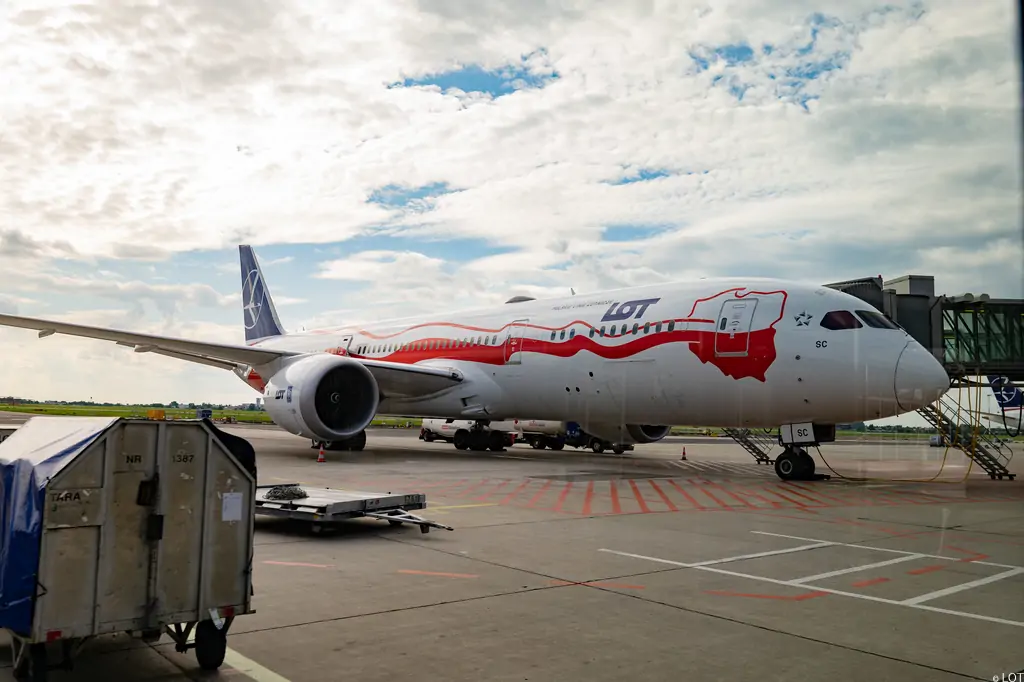
LOT Polish Airlines, founded in 1929, has evolved into a significant player in the aviation industry, connecting Europe with the rest of the world. With its modern fleet, top-notch services, and commitment to passenger satisfaction, LOT Polish Airlines has garnered a strong reputation and a loyal customer base. The Company's financial success in 2022 reflects its continued dedication to excellence.
Financial Statement Approval and Profitable Growth
At the General Shareholders Meeting, the approval of LOT Polish Airlines' financial statement for 2022 marked a significant milestone in the Company's history. The unanimous approval is a testament to the transparent and responsible management practices adopted by the airline. It also demonstrates the shareholders' confidence in the Company's financial performance.
Revenue Highlights
LOT Polish Airlines' success is further exemplified by its impressive revenue figures. The Company recorded revenues exceeding PLN 8.3 billion (USD 2.04 billion) in 2022. This substantial increase in revenue indicates a growing demand for the airline's services and the successful execution of its market expansion strategies.
LOT Cargo's Record-Breaking Earnings
In addition to the outstanding performance of its passenger operations, LOT Polish Airlines witnessed tremendous success in its cargo division, LOT Cargo. The division achieved record-breaking earnings, surpassing PLN 755 million (USD 185.56 million) in 2022. This remarkable achievement highlights LOT Polish Airlines' ability to capitalize on the growing demand for efficient and reliable cargo transportation services.
The Commercial and Operational Approach
LOT Polish Airlines' return to profitable growth can be attributed to its meticulously executed commercial and operational approach. The Company has pursued a strategic course, focusing on factors that drive customer satisfaction, operational efficiency, and revenue growth.
Operational efficiency has been a key focus for LOT Polish Airlines. The Company has optimized its flight schedules, implemented robust maintenance procedures, and embraced advanced technology to enhance operational performance. These efforts have resulted in improved punctuality, minimized disruptions, and increased overall customer satisfaction.
"The data we're publishing is the culmination of a tremendous amount of work and dedication on the part of the entire PLL LOT team." Passengers, corporate clients, and LOT's commercial partners are all in the spotlight. And the company's financial results demonstrate that we understand how to appropriately satisfy their expectations. Moreover, they allow us to be cautiously hopeful about the prospect of repaying obligations incurred as a consequence of state aid and meeting our ambitious growth targets," stated Micha Fijo, President of the Management Board of LOT Polish Airlines.
Conclusion
LOT Polish Airlines' General Shareholders Meeting approving the financial statement for 2022 signals a remarkable achievement for the airline. The profitable growth, record-breaking earnings of LOT Cargo, and overall success of the Company demonstrate its resilience and ability to adapt to a rapidly changing industry. Through its unwavering commitment to excellence and customer satisfaction, LOT Polish Airlines continues to strengthen its position as a market leader.
With Inputs from LOT

Read next
Amsterdam-Schiphol Airport to Face Significant Operational Reduction Following Court Ruling
Abhishek Nayar
10 Jul 2023
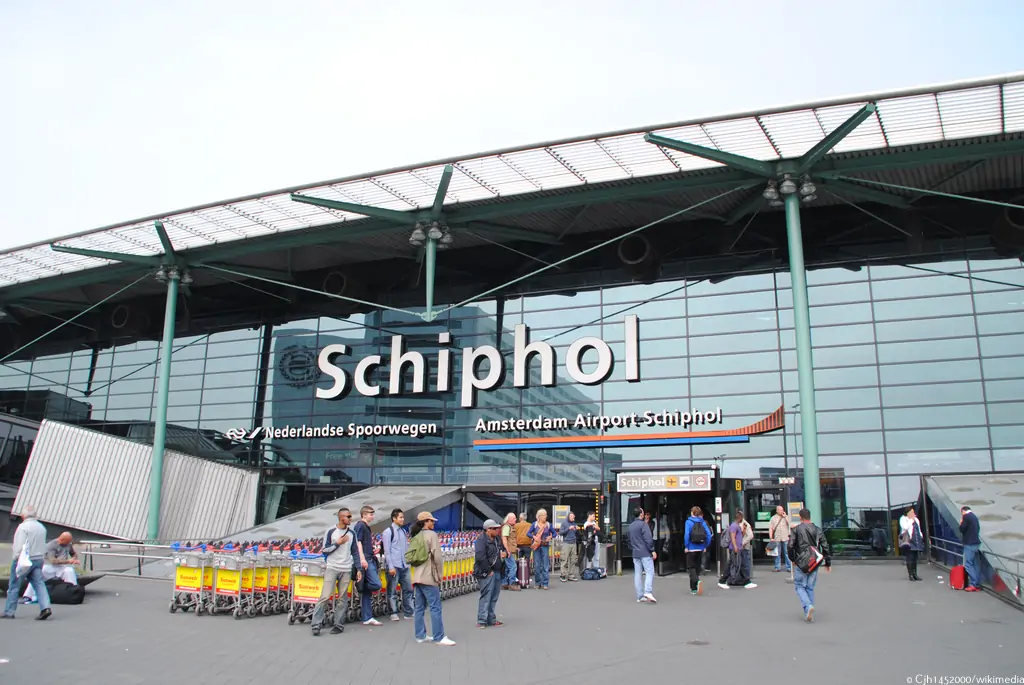
Schiphol Airport (AMS), located in Amsterdam, has long been a major gateway for travelers across Europe and the world. However, following a recent judgement by the Amsterdam Court of Appeal, the airport is set to experience a considerable drop in its operations. This decision has sparked conversations about the impact it will have on Schiphol Airport and the aviation industry as a whole.
Background of the Court Judgement
The Amsterdam Court of Appeal ruled in favor of the Dutch government's initiative to reduce the number of flights operating at Schiphol Airport. The goal is to decrease the number of yearly flights from 500,000 to 440,000 by the end of 2024. This ruling is part of the government's efforts to address environmental concerns, reduce noise pollution, and maintain sustainable aviation practices.
The Dutch Government's Goal
The Dutch government's objective to limit the number of flights at Schiphol Airport stems from its commitment to environmental sustainability. By reducing air traffic, they aim to minimize the ecological impact and contribute to a greener future. The government has been proactive in implementing policies and regulations to ensure a balance between economic growth and environmental responsibility.
Implications for Schiphol Airport
The court's judgement will undoubtedly have significant implications for Schiphol Airport. With a reduction in the number of yearly flights, the airport will experience a decline in its operational capacity. This reduction may lead to changes in flight schedules, reduced passenger capacity, and potentially fewer destinations served. Airlines operating at Schiphol will need to adjust their strategies and operations accordingly.
Potential Challenges and Responses
While the judgement may be appealed, the impacted firms, including airlines and airport authorities, are currently deliberating on their next course of action. The reduction in flights poses challenges for both airlines and passengers. Airlines will need to reevaluate their business models and adapt to the changing circumstances, potentially leading to adjustments in routes and the redistribution of resources.
Conclusion
The judgement by the Amsterdam Court of Appeal marks a significant turning point for Schiphol Airport and the Dutch aviation industry. The decision to reduce the number of flights aligns with the government's commitment to environmental sustainability. However, this judgement also presents challenges for the airport, airlines, and passengers alike. The industry will need to adapt and find innovative solutions to maintain efficient operations while adhering to the new regulations.
With Inputs from AeroTime
Read next

Record demand from India sharply increased Airbus orders in June, leaving the European planemaker with 1,044 net orders in the year’s first half. In a bulletin, Airbus officially booked orders for 500 jets from budget carrier IndiGo and 250 from Air India that were announced or finalised at last month's Paris Airshow. Efforts by Indian airlines to keep pace with the world's fastest-growing aviation market, serving the largest population, have sent industry records tumbling even though manufacturers are struggling to meet output goals due to supply chain snags.
Airbus’ gross orders before cancellations stood at 1,080 aircraft in the first half. Airbus said it had delivered 316 jets during the period, confirming a Reuters report. By comparison, Airbus won 442 orders or a net total of 259 after cancellations in the first half of 2022. It delivered an unadjusted total of 297 jets. Airbus is targeting 720 deliveries this year.
For January to May, the latest period for which data is available, Boeing won 223 gross orders, or a net total of 127 after cancellations, and delivered 206 airplanes. Both planemakers report mid-year results on July 26. Boeing's upcoming monthly order figures are also due to reflect heavy demand from India after it finalised an order for 220 jets from Air India at the Paris Airshow. Aerospace deliveries have been plagued by supply chain problems and labour shortages since the COVID-19 pandemic, but industry leaders are now reporting greater signs of stability.
In a sign of the shift towards large single-aisle planes, as they become capable of flying on routes previously reserved for wide-body jets, Airbus data showed that total orders for the A321neo had reached 5,163 since it was launched, surpassing the earlier A320ceo to become its biggest selling jet.
IndiGo’s & Air India’s Aircraft Order
Airbus said that IndiGo has split its 500-aircraft order into 375 A321neo and 125 A320neo planes. Air India's recent order with the European planemaker was pegged at 70 A321 neo, 140 A320neo, 34 A350-1000 and six A350-900 aircraft respectively, it said. While revealing the aforementioned break-up of IndiGo's order, Airbus said the "final split" between A320neo and A321neo aircraft will be defined at "a later stage".
In June, IndiGo placed the world's largest single-tranche aircraft order with Airbus for 500 A320 family planes. These planes will be delivered between 2030 and 2035. Indigo's focus on ordering a higher number of A321neo aircraft will enable the airline to expand to wider global destinations as it is equipped with a higher range than the A320neo airplane. The A320neo has a range of 6,300 kilometres, whereas the A321neo aircraft type has a range of up to 8,700 kilometres.
IndiGo already owns more than 60% share in the domestic air passenger market and it wants to focus on international growth from here onwards. The airline is currently operating about 13,280 flights per week and only 10% of them fly internationally, according to aviation analytics firm Cirium.
In February, Air India placed the world's second-largest single-trache aircraft order for 470 planes: 250 with Airbus and 220 with Boeing. Air India, as of June 1, had a total of 125 aircraft in its fleet: 27 of them were A320neos and 4 A321neos. IndiGo currently has more A320neo aircraft in its fleet than A321neos. As of June 1, Indigo had a total of 312 aircraft in its fleet -- 164 of them were A320neos and 85 were A321neos, according to data provided by Cirium.
In 2005, IndiGo ordered 100 A320 Family aircraft and an additional 180 in 2011, including the newer fuel-efficient A320neo Family variants. Three years later, 250 additional A320neo family aircraft were ordered, and then in 2019, the airline placed a firm order for 300 more jets, which put its then-total order book to 830 A320 Family aircraft. Now, with the announcement of 500 more, the airline is set to receive 1,330 planes.
(With Inputs from Reuters & Business Standard)
Read next

The defence ministry on July 7 signed an INR 458.87-crore contract with Hindustan Aeronautics Limited (HAL) for the procurement of two Dornier aircraft for the Indian Coast Guard. The contract includes the necessary engineering support.
"The Dornier aircraft are being indigenously manufactured at HAL (Transport Aircraft Division), Kanpur and will significantly contribute in achieving Aatmanirbharta in defence, in consonance with the ‘Make in India’ initiative of the government," the ministry said in a statement after market hours.
The aircraft, to be procured under the Buy (Indian) category, will be fitted with several advanced equipment like a glass cockpit, maritime patrol radar, electro-optic infra-red device, and mission management system, officially stated by the MoD. The acquisition will further bolster the aerial surveillance capability of maritime areas of responsibilities of the ICG.
Apart from fulfilling surveillance requirements, ICG also uses the aerial platform for marine pollution contingency, search and rescue and medical evacuation. In its air fleet, the Coast Guard also have Chitahs and Advance Light Helicopters (ALHs). By procuring these technologically advanced Dornier Aircraft from HAL, the Indian Coast Guard demonstrates its commitment to utilizing state-of-the-art equipment and contributing to the nation’s self-sufficiency in defence production. This landmark contract not only bolsters India’s maritime security but also serves as a testament to the country’s growing indigenous defence manufacturing capabilities.
Advantages of the Aircraft
The Dornier, a twin-engine turboprop, is a highly versatile multi-mission maritime patrol aircraft indigenously manufactured at HAL (Transport Aircraft Division), Kanpur and will significantly contribute to achieving Aatmanirbharta in defence, in consonance with the ‘Make in India’ initiative of the government. According to ICG, the high-winged aircraft is operated in two variants in the 228–100 and 228–200 series. The Dornier aircraft is a highly versatile multi-purpose light transport aircraft. It has been developed specifically to meet the manifold requirements of utility and commuter transport as well as for maritime surveillance.
The inclusion of advanced equipment, the focus on indigenous manufacturing, and the overall impact on maritime security make this procurement contract with HAL and the Ministry of Defence a crucial milestone. It showcases the Indian government’s dedication to modernizing its defence forces and securing its coastal regions while actively promoting self-reliance in the defence sector. This significant step marks a new chapter in India’s defence capabilities, driving progress towards a safer and more secure maritime domain.
These enhancements will significantly enhance the aerial surveillance capabilities of the Coast Guard in their maritime areas of responsibility, reinforcing their ability to monitor and safeguard these regions.
HAL ended the day at INR 3,763 on the National Stock Exchange, up 0.86% from the previous day. Earlier this year in March, the defence ministry sealed a deal with HAL to procure six Dornier aircraft at a cost of INR 667 crore for the Indian Air Force.
Read next
AAI Partners With SITA Technology for 43 Airports to Use Cloud-Based Technologies

Radhika Bansal
08 Jul 2023

Forty-three airports across the country are set to adopt cloud-based technologies for passenger and baggage processing with global airlines IT services solution major SITA signing a deal with the Airport Authority of India (AAI), according to officials. The deal will see improvement in over 2,700 passenger touchpoints, paving the way for the adoption of new-age solutions to meet modern passengers' expectations. Initially deployed across 43 airports, the technologies are scalable to an additional 40 airports over the next seven years. Over 500 million passengers are expected to be processed during this period.
"The solutions will give passengers more control over their journey, offering a low-touch, efficient check-in, bag drop, and collection process through assisted and self-service mechanisms. The airports will benefit from a reduced infrastructure footprint and increased operational efficiency. At the same time, airlines will see service charges drop and can take advantage of an agile technology platform to build bespoke passenger experiences," Sumesh Patel, president, of Asia Pacific, SITA, told a press conference. "The adoption of cloud solutions also brings new agility and flexibility to scale airport operations efficiently as passenger numbers grow. The cloud-first approach enforces better security and offers airlines a platform to host new progressive technologies and move away from native applications. Centralised cloud hosting of all servers means reduced on-premise infrastructure costs and results in centralised control, enabling proactive monitoring and control of services," he added.
Patel explained that the rollout of new cloud technology will enable Indian airports to shift to common-use passenger experiences where multiple airlines can leverage the same infrastructure, such as check-in counters, self-service kiosks and boarding gates. "The number of airports in India is expected to increase from 148 today to 220 by 2025. The new airports will bring closer together India's almost 50 cities with populations exceeding one million people, creating substantial economic value in the long term. By connecting these cities better, air travel and transport will also help unlock India’s economic growth’s full potential. "Ensuring efficient and fluid operations and a seamless passenger experience at these airports will be critical to delivering on India's air transport industry opportunity," Patel said.
What will the Agreement Cover?
Under the agreement, SITA will deploy its state-of-the-art solutions, including SITA Flex, Common Use Passenger Processing System (CUPPS), SITA Common Use Self Service (CUSS) and SITA Bag Manager. These IATA-certified platforms offer airlines and ground handlers the benefits of common-use technologies, enabling scalable operations to meet their specific operational requirements.
"The baggage reconciliation system ensures a high level of baggage accountability, preventing losses and security concerns, which is critical to industry recovery amidst a spiralling baggage mishandling rate. This project represents a significant shift towards adopting cutting-edge technological platforms, enhancing operational efficiencies, and paving the way for the future adoption of biometric passenger processing. Additionally, real-time dashboard-based information will be made available to governing agencies, promoting transparency and informed decision-making," he said.
Patel informed that AAI officers at the airport and headquarters now have access to online real-time dashboards, replacing the monthly service availability reports. "The solution ensures they are better informed and know the availability of systems across all airports at every point in time, optimizing efficiency and promoting smooth operations," he said.
Sumesh Patel highlighted that with the implementation of SITA’s solutions, officers from the Airport Authority of India (AAI) now have access to online real-time dashboards, eliminating the need for monthly service availability reports. This shift enables AAI officers to stay well-informed about the availability of systems across all airports at any given moment. By having this real-time visibility, they can optimize operational efficiency and ensure smooth operations throughout the airport network.
With passenger experience at the centre of India’s proposed $12-billion investment in new air transport infrastructure and 500 million passengers expected by 2030, SITA was contributing to Digi Yatra’s deployment with its tech expertise. In collaboration with the US-based NEC Corp. and the Airports Authority of India (AAI), the company successfully launched the country’s first biometric boarding experience with passengers flying with low-cost airline IndiGo out of Varanasi airport in December 2022.
Thereafter, Bangalore International Airport Ltd (BIAL) has partnered with SITA to implement the state-of-the-art Smart Path biometric solution for a seamless passenger experience at over 280 touch points in Terminal-2 of the country’s third-busiest airport. More touch points are expected to go live in the third quarter of 2023 for faster passenger processing, especially at check-in counters and self-service.
About SITA
Geneva-based SITA delivers technology-based solutions for airlines, airports, aircraft and governments to ensure seamless, safe and sustainable air travel. It is a multinational information technology company providing IT and telecommunication services to the air transport industry. The company provides its services to around 400 members and 2,500 customers worldwide, which it claims is about 90% of the world's airline business. Around the world, nearly every passenger flight relies on SITA technology. SITA's shared infrastructures include AirportHub, AirportConnect, CUTE and BagMessage Services, as well as systems for passenger processing.
SITA or Société Internationale de Télécommunications Aéronautiques, was founded in February 1949 by eleven airlines ABB to bring about shared infrastructure cost efficiency by combining their communications networks. The eleven original airlines were: British European Airways Corporation (BEAC), British Overseas Airways Corporation (BOAC), British South American Airways (BSAA), KLM, Sabena, Swissair, TWA, Swedish A.G.Aerotransport, Danish Air Lines, Norwegian Air Lines and Air France. SITA was the first company to handle real-time data traffic via a packet-switched network over common carrier leased lines.
SITA's portfolio services include:
- Airport operations, including total airport management, safety and security
- Aircraft operations, including operational communications, e-Aircraft services * e.g. for EFBs), and in-flight communications
- Baggage processing
- Cargo operations
- Communications & data exchange
- Passenger processing
- Border management
Read next

The Airbus A380 has revolutionized air travel, offering a luxurious and spacious experience for passengers while accommodating a large number of people on long-haul flights. It has been a flagship aircraft for many airlines, including Emirates, the largest customer of the A380.
Background: Airbus A380 and Emirates
The Airbus A380, a marvel of engineering and a testament to human ingenuity, is a double-deck, wide-body aircraft that has captured the imagination of aviation enthusiasts worldwide. Emirates, the flag carrier of the United Arab Emirates, has embraced the A380 as a cornerstone of its fleet, elevating the experience of air travel for millions of passengers. However, with the onset of the global pandemic, the aviation industry faced unprecedented challenges, leading to the grounding and storage of numerous aircraft, including the A380.
The Impact of the Pandemic: Storing the A380s
With the onset of the COVID-19 pandemic, air travel came to a halt, and airlines faced unprecedented challenges. Many aircraft, including the A380s, were temporarily taken out of service and stored in various locations around the world. This extended period of inactivity had unforeseen consequences for the A380 fleet.
The Discovery of Accelerated Cracking
During the extended period of storage, Airbus and Emirates engineers discovered a disconcerting issue: accelerated cracking in the wing spars of certain A380s. The wing spar, a vital component of an aircraft's wing, provides crucial support and stability during flight. The detection of cracking in this area raised concerns regarding the structural integrity of the affected A380s. Prompt action was necessary to ensure the safety and airworthiness of these aircraft.
The Role of Airbus and Emirates
As the manufacturer of the A380, Airbus took immediate action to address the issue. Collaborating closely with Emirates, they initiated a comprehensive inspection and repair program to ensure the safety and airworthiness of the affected aircraft. This joint effort demonstrates their commitment to passenger safety and their dedication to resolving any issues promptly. "We are supporting inspections on some aircraft in Toulouse," stated an Airbus spokesperson.
The A380 Emirates Inspection Facility
To facilitate the inspection and repair process, Airbus commenced the construction of a dedicated "A380 Emirates" inspection facility. This facility, located within the Airbus plant, will serve as a specialized area solely focused on inspecting and repairing A380s from Emirates. The facility's purpose is to streamline operations and ensure that the necessary inspections and repairs are carried out efficiently.
A Dedicated Space for Inspection and Repairs
The A380 Emirates inspection facility is designed to cater specifically to the needs of the A380 fleet from Emirates. It will house state-of-the-art equipment and a team of highly skilled technicians and engineers dedicated to conducting thorough inspections and carrying out any necessary repairs.
The Timeline and Union Involvement
The construction of the A380 Emirates inspection facility began in December and is scheduled to continue until the third quarter of 2024. The project has also involved the Force Ouvriere union, ensuring that the workers' interests and concerns are considered. This collaborative approach promotes a harmonious work environment while maintaining a focus on safety and quality.
"We're working closely with Airbus and our MRO (maintenance and repair) partners to fulfil the wing inspection and repair requirements for our A380s," stated an airline representative. "A large portion of the work will be carried out at Emirates' Engineering Centre, and Airbus will provide us with additional MRO support in Toulouse." Ground time per aircraft will vary depending on the results and repairs but is "estimated to average about 60 days," according to the spokesperson.
Ensuring Safety and Airworthiness
The establishment of the A380 Emirates inspection facility underscores Emirates commitment to ensuring the safety and airworthiness of the A380s. By having a dedicated space and a specialized team, Airbus and Emirates can conduct detailed inspections and implement any necessary repairs with precision and efficiency. This thorough approach guarantees that the aircraft meet and exceed the stringent safety standards set by the aviation industry.
Conclusion
The Airbus A380 Emirates inspection facility represents a significant step forward in ensuring the safety and quality of the A380 fleet. The collaboration between Airbus and Emirates demonstrates their commitment to passenger safety and their proactive approach to addressing any issues that arise. With a dedicated space and a skilled team, the inspection and repair process can be carried out meticulously, further enhancing the airworthiness of these remarkable aircraft.
With Inputs from Reuters
Comment