
KLM Faces Legal Battle Over Alleged "Greenwashing" in Fly Responsibly Campaign

Abhishek Nayar
20 Dec 2023

In a significant legal showdown, Dutch airline KLM is set to confront environmentalists in an Amsterdam court on Tuesday, December 19, 2023, over allegations of "greenwashing." The case, initiated by environmental group Fossil Free, revolves around KLM's "Fly Responsibly" advertising campaign, raising questions about the authenticity of environmental claims within the aviation industry.
Background
The Fly Responsibly campaign by KLM has come under scrutiny, with Fossil Free asserting that the airline's advertisements misled customers. This legal dispute is considered a litmus test for the boundaries of environmental claims that the aviation sector can make, given its substantial contribution to greenhouse gas emissions.
KLM's Defense
KLM, the Dutch arm of Air France-KLM, staunchly denies the greenwashing allegations. The airline contends that the Fly Responsibly campaign aimed to encourage travelers to think twice before flying, emphasizing the need for responsible decision-making. KLM argues for the right to continue advertising its commitment to reducing environmental impact, including efforts such as incorporating more biofuel into its kerosene.
Environmental Skepticism
Fossil Free challenges the very concept of flying responsibly, arguing that such claims are inherently deceptive. The environmental group demands an apology from KLM and seeks a ban on the airline making similar claims in the future. This case reflects a broader trend of increased scrutiny by regulators and advertising authorities across Europe concerning companies' environmental assertions.

Industry Focus
Aviation, as a major emitter of carbon emissions, has become a focal point for regulatory bodies. Authorities insist that advertisements reflecting green efforts by airlines must accurately acknowledge the industry's challenges in significantly reducing carbon emissions. In December, the UK's Advertising Standards Authority took action against Lufthansa, Air France-KLM, and Etihad for what it deemed misleading advertisements. Similarly, Europe's consumer rights body lodged a complaint with the European Commission against 17 airlines, accusing them of deceptive use of terms like "sustainable."
KLM's Response and Regulatory Actions
In response to the growing scrutiny, KLM asserts that it has discontinued the Fly Responsibly campaign. The airline now prefaces environmental claims by acknowledging the current lack of sustainability in air travel. This strategic shift is in line with increasing demands for transparency and truthfulness in green advertising.
Potential Ramifications
Fossil Free has the option to seek damages in a later phase if the court rules in its favor. The verdict, expected in early February, holds implications not only for KLM but for the wider aviation industry. It may set a precedent for the veracity of green claims and the accountability of airlines in addressing their environmental impact.
Conclusion
As the legal battle unfolds, the KLM vs. Fossil Free case sheds light on the complexities of environmental advertising within the aviation industry. It underscores the pressing need for transparency and genuine commitment to sustainability, as airlines navigate the delicate balance between promoting responsible travel and acknowledging the environmental challenges inherent in air transportation. The outcome of this case will likely shape future regulations and standards governing green marketing in the aviation sector.
With Inputs from Reuters
Read next
Ryanair CEO Michael O'Leary Nears €100 Million Payout Amid Post-Pandemic Travel Boom
Abhishek Nayar
19 Dec 2023

In the wake of a robust post-pandemic travel surge, Ryanair Group CEO Michael O'Leary is on the verge of a staggering €100 million payout as the airline experiences soaring share prices. The budget carrier, known for its low-cost model, has been capitalizing on the substantial rebound in passenger numbers across Europe, outpacing competitors and solidifying its position as the world's largest airline by market capitalization.
Impressive Financial Performance
Ryanair's stellar financial performance is underscored by its earlier projection of yearly profits ranging from £1.6 billion to £1.8 billion. Despite challenges such as rising fuel and ticket prices, the airline served over 100 million passengers in the six months ending September. The surge in demand has propelled its shares to €18.99 as of Friday, setting the stage for Michael O'Leary's lucrative payout.
Conditions for O'Leary's Payout
City A.M. reports that for O'Leary to qualify for the substantial payout, Ryanair's shares must reach €21 for 28 consecutive days, or the company must achieve a net profit of €2.2 billion after tax. These conditions reflect the company's optimism about its future profitability and underscore the CEO's potential windfall.
Market Leadership and Growth
Companies Market Cap, an online tool, highlights Ryanair's ascension as the world's largest airline by market capitalization, surpassing heavyweight competitors like Delta Air Lines, Singapore Airlines, Southwest, and Air China. With a current valuation of $29.63 billion, Ryanair has witnessed an 11% increase in traffic to 105.1 million compared to the previous year.

Strategic Expansion Plans
Ryanair's success is not only attributed to its cost-effective model but also to strategic business decisions. The airline is actively expanding its operations, recently unveiling its most extensive summer schedule to Morocco, representing a significant $1.4 billion investment. This expansion includes the introduction of 11 domestic and 24 international routes, aiming to stimulate the region's economy and create thousands of jobs.
Record Summer Schedule in Morocco
The ambitious summer schedule in Morocco comprises over 1,100 weekly flights across 175 routes, with 35 of them being new. This expansion is expected to result in a 33% increase in traffic, serving more than five million passengers. Tangier in northwestern Morocco is set to become Ryanair's fourth base in North Africa, with a $200 million investment to station two new airplanes.
Strong Customer Base and Market Presence
Despite being a subject of online jokes and memes, Ryanair continues to maintain a solid customer base drawn to its affordable offerings. The airline's planes have been flying at an impressive 95% capacity over the past year, signaling a robust willingness among people to travel, even amid higher fares.
Conclusion
Ryanair's remarkable financial performance, market leadership, and strategic expansion plans underscore its resilience and adaptability in the ever-changing aviation industry. As the airline continues to navigate the challenges posed by the pandemic, its CEO Michael O'Leary stands on the precipice of a substantial payout, reflecting the company's positive outlook and the renewed vigor of the travel industry.
Read next
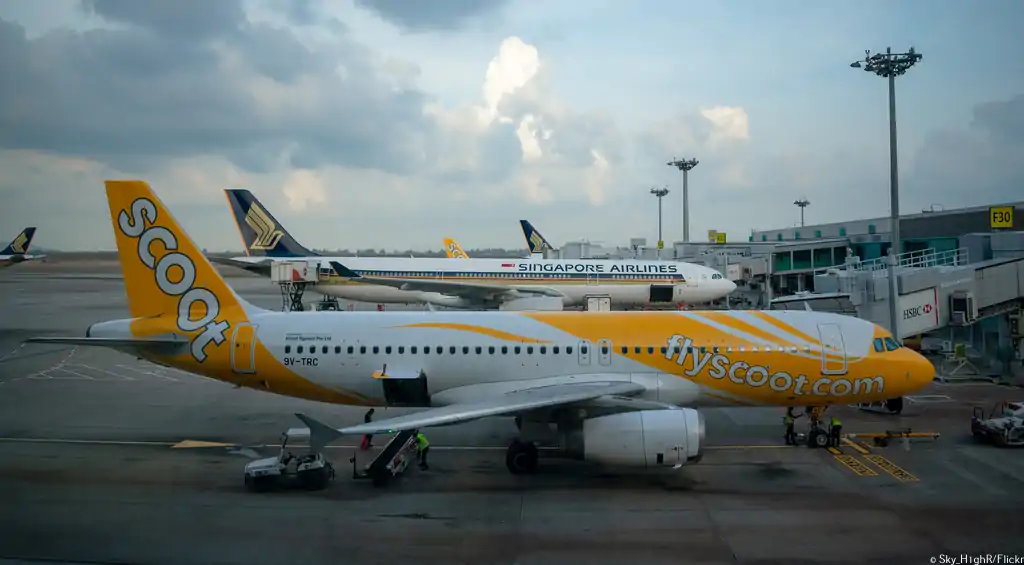
The Singapore Airlines Group is riding the wave of success as it continues to demonstrate remarkable recovery in the aviation sector, positioning itself for a prosperous 2024 and a bustling Lunar New Year holiday season. With both Singapore Airlines and Scoot consistently increasing passenger numbers and load factors, the Group is on track to achieve full post-pandemic recovery early in the upcoming year.
Strong Performance in November
In November, the Singapore Airlines Group showcased another strong month, reporting a combined passenger load factor of 87.8%. This impressive figure was driven by the disciplined approach of both airlines, with Scoot achieving an outstanding 90.8% load factor and Singapore Airlines not far behind at 86.9%. Notably, these figures surpassed the pre-pandemic load factors recorded in November 2019, highlighting the resilience and strategic capacity management implemented during the recovery period.
Recovery Progress and Passenger Volume
The Group has been steadily progressing towards full recovery, reporting a 28.6% year-on-year increase in passenger numbers in November. While the combined 3.1 million passengers carried is slightly below the 2019 level of 3.27 million, the Group has now recovered to 95% of pre-COVID capacity. With less than 200,000 passengers to make up, the upcoming holiday season is expected to contribute significantly to closing this gap.
Factors Driving High Load Factors
The key to the impressive load factors lies in the careful balance between revenue passenger kilometers (RPKs) and available seat kilometers (ASKs). In November, the airlines strategically grew RPKs by 17.6% while limiting ASK growth to 15.1%. This approach ensured high demand relative to available seating, contributing to the overall success of the Group.
Singapore Airlines' Regional Performance

Singapore Airlines stands out in regional load factor terms, achieving remarkable success in the South West Pacific with a load factor of 93.2%. This achievement is particularly noteworthy considering the extensive network of around 140 weekly services between Singapore and Australia. Other regional load factors include East Asia (87.0%), The Americas (86.8%), West Asia and Africa (85.3%), and Europe (82.0%).
Scoot's Comeback and Regional Breakdown

Scoot, the low-cost subsidiary, is making a robust comeback, carrying 1.04 million passengers in November—31.1% more than in 2022 and 10% higher than November 2019. Scoot has diligently managed capacity and demand, resulting in a four-percentage-point increase in load factor compared to 2019. The regional breakdown shows significant year-on-year improvements, especially in East Asia, where load factors soared from 78.0% in November 2022 to 89.3%.
Network Expansion and Destination Milestones
In November, Singapore Airlines resumed services to Chongqing, China, expanding the Group's passenger network to 119 destinations in 35 countries and territories. As of the end of the month, Singapore Airlines served 74 destinations, Scoot served 68 destinations, and the Cargo network comprised 124 destinations in 37 countries and territories. These milestones underscore the Group's commitment to re-establishing its global presence.
Conclusion
The Singapore Airlines Group's impressive performance in November, with consistently high load factors and growing passenger numbers, paints a promising picture for its prospects in 2024. As the aviation industry continues its recovery journey, the Group's strategic approach and resilience position it as a major player in the post-pandemic era, ready to embrace the opportunities presented by the upcoming Lunar New Year holiday season.
Read next
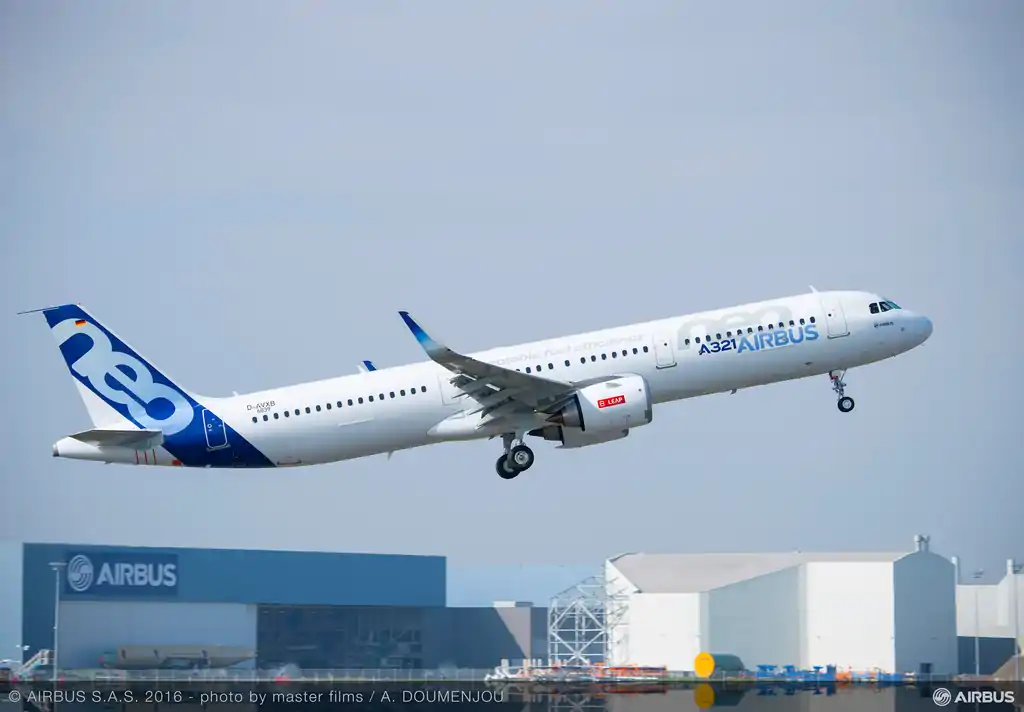
Air Lease Corporation (ALC) announced a significant milestone on December 15, 2023, with the delivery of the first Airbus A321-200neo aircraft to Transavia, a Dutch carrier. The aircraft is the inaugural installment from a confirmed order of seven A321s set to join Transavia's fleet on a long-term lease from ALC's Airbus order book.
A Leap into the Future
The A321-200neo is a testament to the cutting-edge technology and innovation in the aviation industry. Its inclusion in Transavia's fleet marks a strategic move for the airline, propelling it into a new era of operational efficiency and passenger experience.
A Historic Collaboration
Grant Levy, Executive Vice President of Air Lease Corporation, expressed his satisfaction with the delivery, stating, "ALC is pleased to announce the first of seven A321-200neo aircraft delivered today to our longtime customer, Transavia." The collaboration between ALC and Transavia underscores the strength of their partnership and the trust Transavia places in ALC for its fleet development.
Enhancing Customer Experience
The introduction of the A321-200neo to Transavia's fleet is poised to elevate the airline's service offerings. With a focus on excellence and efficiency, Transavia aims to provide top-notch service to its customers at affordable fares. The A321-200neo, known for its advanced technology and fuel efficiency, aligns with Transavia's commitment to delivering a superior travel experience

A Glimpse into the Future
As the first A321-200neo takes its place in Transavia's fleet, it marks the beginning of a new chapter in the airline's history. The remaining six A321s from ALC's order book are expected to join the fleet in the coming months, solidifying Transavia's position as a forward-looking and customer-centric airline.
Strategic Fleet Development
Grant Levy further emphasized ALC's commitment to assisting Transavia in its single-aisle fleet development. The partnership reflects ALC's dedication to supporting its clients in achieving their operational goals and enhancing their competitiveness in the dynamic aviation market.
Looking Ahead
The delivery of the A321-200neo to Transavia is not only a celebration of a successful collaboration but also a glimpse into the future of aviation. As the industry continues to evolve, partnerships like the one between ALC and Transavia pave the way for advancements that benefit both airlines and passengers alike.
Conclusion
In summary, the arrival of the first A321-200neo at Transavia heralds a new era of efficiency, innovation, and enhanced customer experience. The collaboration between Air Lease Corporation and Transavia stands as a testament to the resilience and adaptability of the aviation industry, as it continues to embrace state-of-the-art technology for the benefit of all stakeholders.
With Inputs from Air Lease Corporation
Read next

In a surprising turn of events, three entities, namely Sharjah-based aviation company Sky One, Africa-focused Safrik Investments, and local airline SpiceJet, have expressed interest in acquiring the bankrupt carrier Go First. This development comes after the initial bid deadline had passed, and lenders were contemplating the liquidation of the airline due to the absence of viable proposals.
Latecomers Seek Due Diligence
Shailendra Ajmera, the resolution professional managing Go First's corporate insolvency resolution process (CIRP), recently received requests for conducting due diligence from the interested entities over the past 10 days. Notably, all three entities have also sought an extension of the bid deadline, a decision that rests with the committee of creditors.
Lenders Prefer Arbitration Proceeds
The lenders and the resolution professional anticipate better recovery from the ongoing arbitration proceedings in Singapore against US-based engine maker Pratt & Whitney (P&W) than through a traditional sale. The arbitration, initiated by Go First's previous management, seeks more than $1 billion from P&W, holding them responsible for faulty engines that led to the grounding of half the airline's fleet, pushing it into bankruptcy.
P&W's Legal and Moral Obligations
An executive closely involved in the matter emphasized that Go First's reliance on P&W engines, unlike its competitors with a mix of engines, significantly impacted and grounded a substantial portion of its aircraft. The ongoing arbitration contends that P&W is legally and morally obligated to adhere to arbitration laws, supporting the lender's pursuit of substantial compensation.
Caution Regarding New Suitors
Despite the newfound interest, lenders remain cautious, expressing uncertainty about the financial capabilities of the three entities. The two foreign investors are relatively unknown, with Safrik Investments being characterized as an investor with limited publicly available information about its net worth. Skepticism also surrounds the Sharjah-based company's claims of experience in cargo, leasing, and aircraft maintenance.
SpiceJet's Local Advantage and Financial Struggles

Among the interested parties, SpiceJet stands out as a local airline with sector expertise. However, concerns arise due to SpiceJet's ongoing struggle for survival. The recent approval to raise over Rs 2,250 crore through a share issue has not eliminated skepticism, considering the airline's financial challenges and arrears to be cleared, including an arbitration award to former promoter Kalanithi Maran.
Lenders Weighing Options
The lenders are at a crossroads, evaluating the potential recovery from SpiceJet and the foreign entities against the anticipated arbitration proceeds from Pratt & Whitney. SpiceJet's financial challenges and the uncertainty surrounding the new suitors prompt caution among the lenders, who are inclined to wait for the arbitration results, which they believe could lead to a more favorable recovery.
Financial Landscape and Creditors
Go First owes creditors more than Rs 6,200 crore, with Central Bank of India and Bank of Baroda being the top two creditors with significant dues. The delay in resolution, compounded by legal disputes with aircraft lessors, has added complexity to the revival efforts.
Conclusion
As the committee of creditors deliberates on the extension requests and potential suitors, the fate of Go First remains uncertain. The lenders weigh the risks and benefits of various options, including the possibility of recovering a substantial amount through the ongoing arbitration proceedings. The aviation industry watches closely as these developments unfold, eager to witness the resolution of Go First's insolvency saga.
With Inputs from Economic Times
Read next
Southwest Airlines Agrees to Record $140 Million Penalty Over 2022 Holiday Meltdown
Abhishek Nayar
19 Dec 2023

In a historic move, Southwest Airlines has consented to a record-setting $140 million civil penalty imposed by the U.S. Department of Transportation (USDOT) following the December 2022 holiday meltdown.
The unprecedented disruption led to 16,900 flight cancellations, affecting a staggering 2 million passengers. This landmark settlement, including a $35 million cash fine and a unique three-year compensation program, signifies the Biden administration's commitment to holding airlines accountable and ensuring passenger rights.
Background: The December 2022 Holiday Meltdown
The chaotic aftermath of a massive winter storm in 2022 resulted in a travel nightmare for countless individuals. Southwest Airlines faced severe operational challenges, with passengers enduring canceled flights, lengthy delays, and significant disruptions during a crucial holiday period. Travel horror stories emerged, ranging from missed funerals to cross-country drives lasting over 17 hours.
Penalties and Compensation: Unprecedented Measures
Southwest Airlines, acknowledging its failure to meet consumer protection standards, agreed to the record-setting penalty to avoid prolonged litigation. The settlement comprises a $35 million cash fine, payable over three years, and a groundbreaking three-year mandate requiring Southwest to provide $90 million in travel vouchers to affected passengers. This compensation program, scheduled to commence by April, is a first-of-its-kind initiative in the United States.
Consumer-Friendly Settlement and Operational Improvements
While Southwest did not admit wrongdoing, the airline expressed gratitude for reaching a "consumer-friendly settlement" with USDOT. The penalty, exceeding the total fines assessed by USDOT since 1996, reflects the severity of the travel disruption and the government's determination to enforce accountability. Southwest, having already paid over $600 million to impacted passengers, has implemented substantial technological and consumer service upgrades, including investments in de-icing equipment.

Biden Administration's Tough Stance on Airlines
Transportation Secretary Pete Buttigieg emphasized the government's commitment to holding airlines accountable, stating, "If airlines fail their passengers, we will use the full extent of our authority to hold them accountable." The Biden administration's push for stricter regulations includes plans to require new passenger compensation rules, as announced by President Joe Biden in May.
USDOT Findings and Southwest's Response
USDOT's investigation revealed that Southwest violated consumer protection laws by inadequately assisting customers through its call center and failing to provide timely flight status notifications and refunds. As part of the settlement, USDOT closed its "unrealistic scheduling investigation." Southwest's proactive measures, such as awarding frequent flyer points, were credited with $33 million towards the penalty.
Looking Ahead: Future Regulations and Industry Dynamics
President Biden's commitment to proposing new rules for cash compensation in cases of significant flight delays or cancellations caused by airlines underscores the administration's efforts to prioritize passenger rights. The settlement with Southwest serves as a precedent, setting the stage for potential industry-wide changes in the way airlines handle disruptions and compensate affected travelers.
Conclusion
The $140 million penalty imposed on Southwest Airlines marks a significant chapter in the ongoing efforts to enhance accountability and passenger rights within the airline industry. As the Biden administration continues to advocate for stricter regulations, this settlement sends a powerful message to airlines, emphasizing the importance of providing reliable and customer-centric services to air travelers. Southwest's willingness to cooperate and implement improvements underscores the industry's need for enhanced operational standards and consumer protection.
With Inputs from Reuters
Comment