

JAL has revealed its intention to fly its first cargo planes in 13 years. This is a big achievement for the airline, which has not flown any dedicated cargo flights since 2010.
Present Situation
On Tuesday, Japan Airlines (JAL) announced that it will fly its own planes to assist its cargo operations. Three Boeing 767-300ER Freighters will commence service by the end of fiscal year 2023, according to the airline. JAL will fly its own specialised cargo aircraft for the first time in more than a decade. According to the carrier, the freighters are joining the airline as part of a new business strategy.
JAL intends to expand its freight business by forming agreements with logistics companies and operating routes that ensure consistent demand. The airline stated that it intends to grab domestic and international e-commerce, parcel delivery, and other high-growth freight practices. The airline stated that the "2024 issue" is connected to a scarcity of truck drivers in Japan as a result of labour legislation changes that would take effect next year.
Freighter Planes Are Required
The increased demand for air cargo services is one of the primary drivers driving JAL's intention to relaunch freighter jets. With the expansion of e-commerce and worldwide trade, the volume of air cargo being delivered throughout the world has increased significantly.
The Advantages of Freighter Planes
JAL will be able to provide a variety of benefits to its customers by reintroducing cargo aircrafts into its fleet. These are some examples:
- Increased Capacity: Because freighter jets are primarily built to transport goods, they have a substantially bigger capacity than passenger flights. JAL will be able to transport more goods in a single journey, resulting in cheaper transportation costs and shorter delivery times.
- Improved Flexibility: Unlike passenger flights, freighter planes do not have fixed schedules, so they may deliver goods to a variety of locations. JAL will be able to provide more flexible transport alternatives to its clients, who will be able to pick from a greater range of routes and delivery times as a result of this.
- More Dependability: Freighter planes are more dependable than passenger planes because they have less wear and tear and are built to endure the rigors of hauling big cargo. This will make JAL's air cargo services more reliable, and customers will receive their items on schedule and in good shape.
The Impact on Japan's Air Cargo Industry
The decision by JAL to reintroduce freighter jets will have a huge influence on Japan's air cargo market. Currently, foreign airlines transport the majority of air cargo in Japan, as Japanese airlines have been unable to compete in this sector owing to a lack of specialized cargo planes.
Conclusion
Finally, JAL's decision to reintroduce freighter planes is a significant development for the airline and the Japanese air cargo industry. JAL will be able to provide more efficient, flexible, and dependable air cargo services to its clients by investing in dedicated cargo planes, while also increasing the competitiveness of the Japanese air cargo business.

Read next
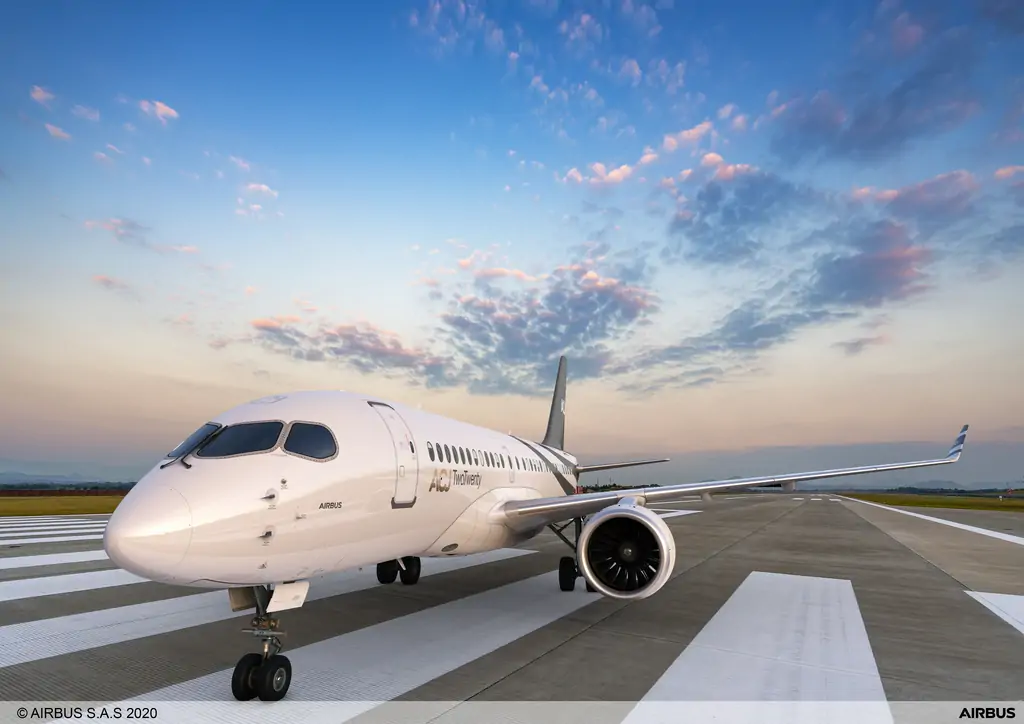
Private aviation has surged in prominence over recent years, with high-net-worth people and corporate leaders preferring private flights for the luxury and convenience they provide. Comlux, a renowned private aviation services firm, just received the first private Airbus A220 cabin. This is a big achievement for the corporation as well as the private aviation sector as a whole.
Cabin of an Airbus A220
The Airbus A220 is a narrow-body commercial aircraft that first debuted in 2013. It has subsequently gained popularity because of its minimal consumption of fuel and ability to fly vast distances. In April 2023, Comlux received the first private Airbus A220 cabin. The cabin can seat up to ten passengers and has an expansive interior to ensure optimal comfort during flights. The cabin has big windows that let in natural light and provide passengers with a great view of the outside world. The interior is extremely quiet, making it simpler for passengers to rest during trips.
Cabin Features of the Airbus A220
The Airbus A220 interior has various elements that set it apart from other private jets. These are some examples:
- Interior space: The cabin of the Airbus A220 is intended to maximize room and comfort for passengers. It features a wider aisle and larger windows than other planes in its class, which allows for more natural light and a more open ambiance.
- Low Noise Threshold: When compared to other aircraft in its class, the Airbus A220 has a low noise level, making it more comfortable for passengers.
- Contemporary Technology: The Airbus A220's interior is outfitted with cutting-edge technology, such as touch-screen displays and smart lighting systems.
Present Scenario
Comlux, a global leader in corporate aviation, transaction, and completion services, has delivered to FIVE Hotels & Resorts the world's first ACJ TwoTwenty with a fresh new cabin certified by the European Aviation Safety Agency (EASA). The VIP compartment was finished in 14 months and received full EASA certification. Comlux's aircraft is currently available for charter while based in Dubai, UAE, and is registered as 9H-FIVE.
"This aircraft represents a spectacular new chapter for FIVE," stated Aloki Batra, CEO of FIVE Hospitality. "A world-renowned pioneer in entertainment-driven hospitality, FIVE now expands its award-winning portfolio to include a FIVE-styled experience that extends the unique and unparalleled 'Vibe at FIVE' from our hotels on-ground to a luxe immersive experience among the clouds." By building the next level in private aviation, we will now be able to provide a perfect and unique experience. Fly FIVE is FIVE Hotel & Resort's new home in the sky, and we cannot wait to welcome our guests aboard!"
The Impact on the Private Aviation Industry
The delivery of the first private Airbus A220 cabin marks an important milestone for Comlux and the private aviation industry in general. It signifies a trend towards more contemporary and efficient planes that offer optimum passenger comfort. The cabin of the Airbus A220 is anticipated to appeal to high-net-worth people and corporate leaders who appreciate comfort, convenience, and efficiency. The business is expected to increase as more private aviation companies use new aircraft such as the Airbus A220.
Conclusion
Comlux taking delivery of the first private Airbus A220 cabin is a significant accomplishment for the private aviation sector. The cabin of the Airbus A220 stands out from other private aeroplanes due to its roomy interior, low noise level, and current technology. Its passenger perks, like comfort, efficiency, and long-distance flights, make it a popular option among high-net-worth individuals and business leaders. As the private aviation business expands, we may expect to see more corporations purchase sophisticated aircraft such as the Airbus A220.
With Inputs from Comlux
Read next


Wadia group-owned Go First on Tuesday, May 2 said it has filed for insolvency resolution and can no longer continue to meet financial obligations, blaming US company Pratt & Whitney's "faulty engines" for grounding 50% of its fleet. The airline has filed an application for voluntary insolvency resolution proceedings before the National Company Law Tribunal (NCLT), said CEO Kaushik Khona.
Earlier today, the airline announced it would suspend all flights for three days from May 3 to May 5. Aviation regulator DGCA has issued a show cause notice to the airline after Go First decided to cancel flights for three days. The airline has been directed to submit the details of the steps taken to mitigate the inconvenience caused to the passengers booked on the cancelled flights and submit a plan of action to operate flights as per the approved schedule from 5th May 2023 onwards.
Aviation minister Jyotiraditya Scindia in a statement said: "Go First has been faced with critical supply chain issues about their engines. The government has been assisting the airline in every possible manner. The issue has also been taken up with the stakeholders involved. Unfortunately, this operational bottleneck has dealt a blow to the airline’s financial position. It has come to our knowledge that the airline has applied to the NCLT. It is prudent to wait for the judicial process to run its course."
On insolvency filing, the airline in a statement said: "Go First has had to take this step due to the ever-increasing number of failing engines supplied by Pratt & Whitney’s International Aero Engines, LLC, which has resulted in Go First having to ground 25 aircraft (equivalent to approximately 50% of its Airbus A320neo aircraft fleet) as of 1 May 2023. The percentage of grounded aircraft due to Pratt & Whitney’s faulty engines has grown from 7% in December 2019 to 31% in December 2020 to 50% in December 2022. This is despite Pratt & Whitney making several ongoing assurances over the years, which it has repeatedly failed to meet."
It also said if Pratt & Whitney were to comply with the orders in the emergency arbitrator’s award, the airlines would be able to return to full operations by August/September 2023. "Go First deeply regrets the current situation, which has forced it to apply to the NCLT. With Pratt & Whitney failing to abide by the directions in the emergency arbitrator’s award by providing spare leased engines, and with further engine failures expected in the next 3-4 months, the operations of Go First will be made unviable," said the company statement.
According to Reuters sources, lenders to the airlines were unaware of the insolvency filing. They are expected to meet and discuss the airlines' future course of action. The airline’s cash flow has been seriously hit as it has grounded more than half of its fleet due to recurrent issues and non-supply of engines from Pratt & Whitney engines which powers its Airbus A320 neo aircraft. The airline has been looking for a strategic investor in the company and is talking to potential investors.
“The airline is on cash and carry mode meaning it has to pay daily for the number of flights it wants to operate. It has agreed that if there is non-payment, then the vendor can stop business,” an official of an oil marketing company said.
Airline Owing Money to Several Banks
Indian banks such as Bank of Baroda, IDBI Bank and Axis Bank are among the financial creditors who Go First, which filed for bankruptcy, owes INR 6,521 crore. According to the bankruptcy filing by Go First, banks such as the Central Bank of India and Deutsche Bank are also among Go First's financial creditors. Central Bank of India's shares plunged over 5% in early trade on Wednesday, while Bank of Baroda, IDBI Bank and Axis Bank were down 2.5%, 1.1% and 1.9%, respectively. However, the embattled airline had not defaulted on any of these dues as of the end of April, Go First said in the filing and as reported by Reuters. "However, considering the present financial situation of the corporate applicant defaults to financial creditors would be imminent," the filing said.
Go First made its highest annual financial loss to date in fiscal 2022. For several months, the airline lost significant business in an otherwise upbeat domestic aviation market. Go First had initially availed Rs 600 crore of loans under the government's Emergency Credit Line Guarantee Scheme (ECLGS) for its operations amid rising air travel demand. The Wadia group had also infused around Rs 3,000 crore in the past 15 months. Lenders were unaware of the airline's plans to file for voluntary insolvency and will meet soon to take stock of the situation, two people familiar with the matter told Reuters.
Go First has defaulted on payments to operational creditors. These include Rs 1,202 crore to vendors and Rs 2,660 crore to aircraft lessors. The airline, suffering a cash crunch, had also received notices from lessors for termination of aircraft lease agreements and some have started actions against the company to ground or repossess aircraft, the filing said. Six lessors have invoked letters of credit issued to them by lenders, it said.
Lawsuit Against Pratt and Whitney
Simultaneously, the airline has filed a lawsuit against the US-based engine maker in Delaware federal court seeking enforcement of an arbitral award that asks Pratt & Whitney to provide the airline with engines failing which there is a risk of the airline shutting down. The arbitration award in favour of Go First given on March 30, said that there was a risk of irreparable harm if emergency engines are not provided. Go First had 30 aircraft grounded as of March 31, including nine on which the lease payments are due, industry officials said.
Issues with the GTF Engines
Sources explained that the GTF engines, which were the most fuel-efficient for the Airbus 320neo family when they were introduced, do come with some problems. The GTF is a gear in the engine which reduces the rotational speed of the engine and allows for the use of the fan even at a lower speed. Earlier, P&W was the only manufacturer producing these engines but now other manufacturers like Safran have started making them and Air India and IndiGo have shifted to the new engines.
“There have been reports of vibrations in bearing three of the GTF engines which led to the aircraft experiencing issues,” said a pilot who has flown an aircraft powered by this variety of engine.
GoFirst decided to purchase 72 A320neos in 2019 which were to be powered by Pratt and Whitney engines. In the last couple of years, apart from supply chain management issues due to Covid and then the Ukraine war, there were other issues with GTF leading to a number of incidents on flights operated by IndiGo and GoFirst forcing the aviation watchdog, the Directorate General of Civil Aviation (DGCA), to take action in this regard.
However, with demand for aircraft coming back after the Covid-19 pandemic, Airbus is said to be keen to place the new P&W engines on newly delivered aircraft and pay compensation for older aircraft which also need the new P&W engines.
Back in 2019, DGCA had mandated that the Indian carriers would have to replace the faulty engines before inducting a new aircraft of this variety. In January 2020, IndiGo and GoFirst won a reprieve when the DGCA extended a January 31 deadline for modification of PW engines installed on their A320neo planes to May-end. Again, in March this year, the DGCA took up issues with P&W after more than 60 Airbus aircraft were grounded due to maintenance problems and a lack of spare parts.
In its filing in the Delaware Court on May 2, GoFirst said that between 2016 and February 2023, the airline carried out 289 Engine Changes (that is, replacing a failed, and thus unserviceable, engine with a serviceable engine) and 221 Engine Swaps (that is, the removal of a serviceable engine from a grounded aircraft to install it on a second aircraft also with only one serviceable engine) so that the second aircraft that has two serviceable engines is no longer grounded.
Go First has a total of 61 aircraft in its fleet – 56 A320neos and five A320ceos, according to the airline’s website. The loss of passenger revenue comes when airfares are high and traffic is soaring after the pandemic. The airline plans to operate 1,538 flights a week in the ongoing summer schedule, 40 lower than last year. The season started on March 26 and goes on till October 28.
Read next
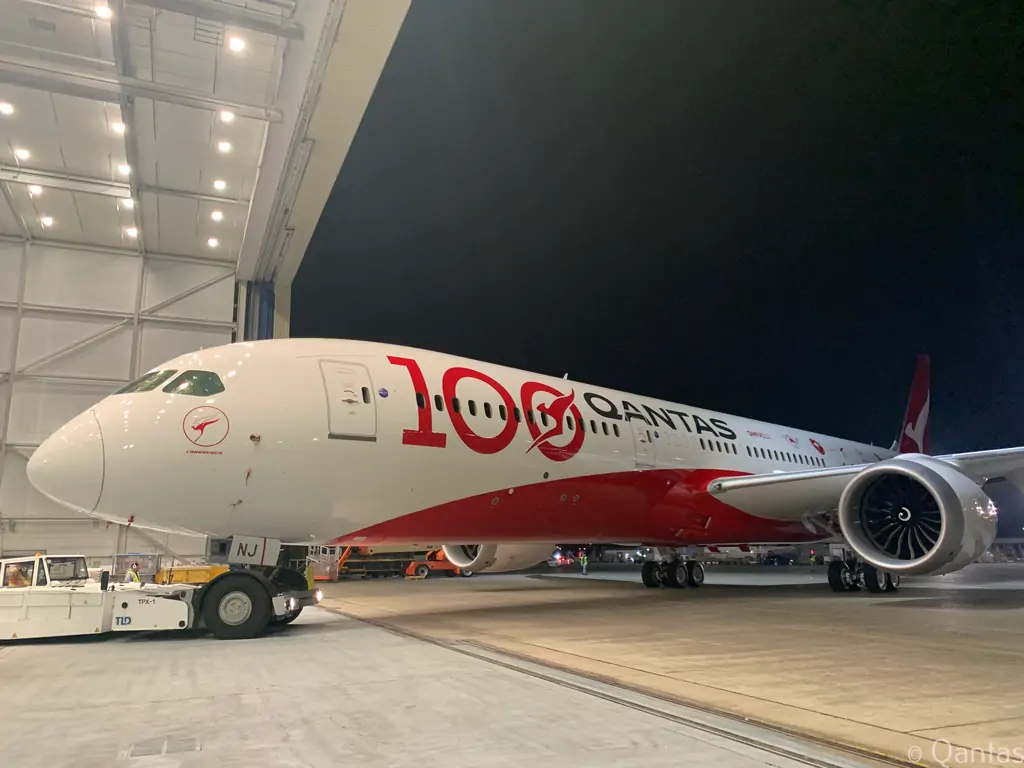
Qantas Airways, one of the world's major airlines, has announced the appointment of its first female CEO to succeed Alan Joyce, who is preparing to stand down. Many people were surprised by this historic decision, which marks a significant milestone in the airline industry.
Present Scenario
Qantas Airways Ltd., Australia's flag carrier, nominated finance chief Vanessa Hudson as its next CEO on Tuesday, making her the first woman to run the century-old airline. Hudson will succeed Alan Joyce in November, making him the longest-serving current CEO of a major Australian corporation and a towering figure in the global aviation sector.
"Vanessa has been market-facing as CFO since October 2019, which will have prepared her well for the very public role as Qantas CEO," Owen Birrell of RBC Capital Markets wrote in a note.
Who is Vanessa Hudson
Vanessa Hudson began her career with Qantas in 1994. She has since held a number of senior commercial, customer, and finance positions across the Group, both in Australia and abroad, including Executive Manager of Sales and Distribution, Senior Vice President for Qantas across the Americas and New Zealand, Executive Manager of Commercial Planning, and Executive Manager for Product and Service.
Vanessa joined the Group as Chief Financial Officer in October 2019 and oversaw the COVID crisis, when abrupt border restrictions caused income to vanish in a matter of weeks. Careful management during this era, including stock raising, debt borrowing, and asset sales, enabled the business to survive the crisis and emerge with a healthier financial sheet than before COVID.
Hudson's Qantas vision
Hudson has emphasized her dedication to safety, sustainability, and customer service as major goals for Qantas in interviews since her appointment. She has also shown a willingness to innovate and use technology to improve the airline's operations and the passenger experience.
Hudson's Suggestions for Dealing with Qantas' Issues
Hudson has previously laid out some of her strategies for dealing with Qantas' problems, including:
- Introducing new routes and partnerships to help the airline's local and international operations flourish.
- Qantas is reducing its environmental impact by investing in low-emission technologies and sustainable aviation fuels.
- Focusing on customer service and experience, including fleet upgrades and investments in new technologies to improve the customer journey.
- Prioritizing safety and upholding Qantas' excellent safety record.
A Brief History of Gender Diversity at Qantas
Qantas Airways has a long history of encouraging gender diversity and inclusion among its employees. The firm has been named one of Australia's best employers for women, and it has adopted a variety of measures to encourage female employees and promote gender equality at work. However, men have traditionally held the position of CEO.
What Does This Mean for Qantas
Vanessa Hudson's appointment as CEO represents a dramatic transition in Qantas Airways' leadership. Hudson's succession heralds a new age of diversity and inclusion for the organization, and she is anticipated to bring a new viewpoint and unique ideas to the table. Hudson's appointment is also expected to boost employee morale and improve consumers’ impressions of the organization.
What Does This Mean for the Aviation Industry
The hiring of Qantas' first female CEO is a watershed moment in the airline industry. Historically, men have controlled the profession, and the selection of a woman to such a high-profile position sends a message of inclusion and diversity to the sector. Hudson's selection is expected to motivate other firms in the sector to follow suit and promote more gender diversity in senior roles.
Gender Diversity in Leadership Positions is Critical
The selection of Qantas' first female CEO emphasizes the importance of gender diversity in positions of leadership. According to research, firms with more gender diversity in leadership roles perform better monetarily and have a better reputation among customers and workers. This is due to the fact that gender-diverse teams bring a broader range of viewpoints, experiences, and ideas to the table, which may result in improved decision-making and creativity.
The Issues Facing the New CEO
Vanessa Hudson, the new CEO of Qantas Airways, will confront a lot of problems. The airline business is very competitive, and Qantas is up against some of the industry's biggest names. Furthermore, the industry has been hard hit by the COVID-19 pandemic, and Qantas has been forced to make significant cuts to its workforce and operations in order to stay afloat. Hudson must handle these obstacles while simultaneously setting the organization for long-term prosperity.
Response of Qantas to the COVID-19 Pandemic
The COVID-19 epidemic has had a significant impact on the airline sector, and Qantas is no exception. To survive, the company has had to make considerable changes to its employees and operations, and it has had to pivot its business model to adapt to the changing terrain. Qantas, on the other hand, has taken efforts to help its staff and customers through this difficult period, such as deploying improved safety measures and offering flexible travel options.
Hudson's Approach to Ecological Sustainability
Hudson prioritizes sustainability, and she has already begun to address Qantas' environmental impact. Qantas declared a promise to achieve net-zero carbon emissions by 2050 in September 2021, making it one of the world's first airlines to do so. Qantas intends to invest in low-emission technologies like electric and hydrogen-powered aircraft, as well as sustainable aviation fuels, to reach this aim. Hudson also added that Qantas would continue to collaborate with authorities, industry partners, and consumers to identify creative solutions to climate change and sustainability concerns.
The Influence of Hudson on Women in Aviation
Hudson's appointment is also likely to have a larger influence on female pilots. She will be a prominent and powerful presence in the industry as a female CEO, and her success may inspire other businesses to prioritize gender diversity in their recruiting and leadership practices.
Conclusion
Vanessa Hudson's selection as Qantas' first female CEO marks a significant milestone in the airline sector. Hudson's selection provides an inclusive and diverse message to the industry, and it is anticipated that other organizations will follow suit and support more gender diversity in senior roles. Hudson's collaborative leadership style, devotion to sustainability, and emphasis on customer service make her well-suited to lead Qantas through the aviation industry's problems. Qantas is anticipated to continue to innovate and adapt to the changing requirements of the industry under Hudson's leadership, while also encouraging sustainability and decreasing the negative environmental impact.
Read next
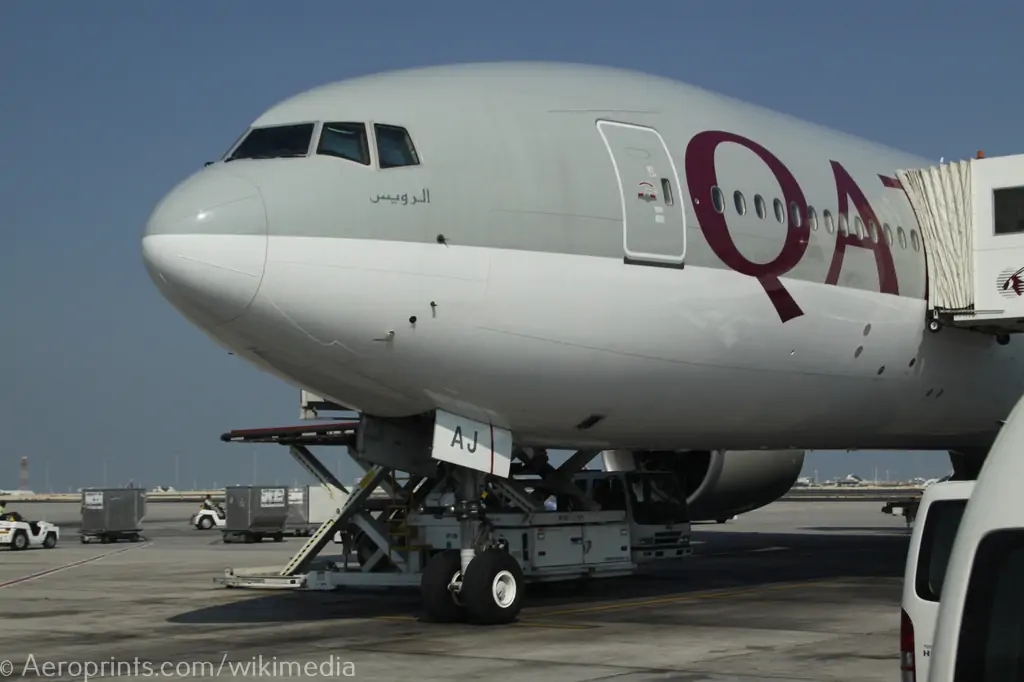
Qatar Airways will be the latest carrier to reintroduce the Boeing 737 MAX into its fleet. The airline has stated that it will begin its maiden 737 MAX operations in only two weeks. This is a big achievement for Qatar Airways, which has been eagerly anticipating the opportunity to fly the MAX following a lengthy grounding period.
Current Scenario
Qatar Airways' first commercial Boeing 737 MAX 8 flight is scheduled for May 15th. This is based on the carrier's schedule submission with OAG and Cirium, which is also displayed on Google Flights and other sites. Qatar Airways will employ the MAX 8 to fly to Abu Dhabi, Dammam, and Kuwait between then and the end of the month. While it is subject to change, this is the most recent as of May 1st.
The first revenue-generating roundtrip will be as follows, with all times in local time. It will take the place of the previously scheduled Airbus A320ceo.
- May 15th: QR1054, Doha-Abu Dhabi, 22:10-00:20+1
- May 16th: QR1055, Abu Dhabi-Doha, 01:50-01:55
Background Information on the Boeing 737 MAX Grounding
The Boeing 737 MAX was banned worldwide in March 2019 after two deadly accidents killed 346 people. Investigations following the wrecks found that the accidents were caused by a malfunctioning automatic system known as the MCAS.
Planned Schedule
Qatar Airways has planned MAX flights on the 15th, 16th, 23rd, 24th, 29th, and 30th of May as of May 1st. It is unknown whether further flights will be available; 16 flights (eight roundtrips) are tentatively scheduled.
Date | Leaves Doha | Going to | Arrives | Leaves | Arrives back in Doha | Replaces |
May 15th | 22:10 | Abu Dhabi | 00:20+1 | 01:50 | 01:55 (May 16th) | A320ceo |
May 16th | 02:30 | Dammam | 03:30 | 05:00 | 06:05 | A320ceo |
May 23rd | 02:15 | Abu Dhabi | 04:25 | 05:55 | 06:00 | A320ceo |
May 23rd | 20:00 | Dammam | 21:00 | 22:30 | 23:35 | A320ceo |
May 23rd | 22:10 | Abu Dhabi | 00:20+1 | 01:50 | 01:55 (May 24th) | A320ceo |
May 24th | 02:30 | Dammam | 03:30 | 05:00 | 06:05 | A320ceo |
May 29th | 14:40 | Kuwait | 16:10 | 17:40 | 19:10 | A320ceo |
May 29th | 22:10 | Abu Dhabi | 00:20+1 | 01:50 | 01:55+1 (May 30th) | A320ceo |
Qatar Airways' Reintroduction of the 737 MAX
Qatar Airways had intended to integrate the 737 MAX into its fleet in 2019, but the plane's grounding put those plans on hold. The airline has been looking forward to reintroducing the MAX, which it claims would help it grow its network and enhance operating efficiency.
Safety Precautions have been Implemented
Qatar Airways has listed a number of safety precautions that will be implemented when the 737 MAX is reintroduced into its service. These are some of the measures:
- Extensive training for pilots and cabin personnel to ensure they are conversant with the aircraft's new systems.
- Extensive system and performance testing and monitoring.
- Close communication with Boeing and regulators is required to ensure that any concerns are resolved as soon as possible.
The Effect on the Airline Industry
Qatar Airways' decision to return the 737 MAX to its fleet is noteworthy because it represents yet another major airline's confidence in the aircraft. A number of other carriers, notably American Airlines, United Airlines, and Southwest Airlines, have already reintroduced the MAX.
Conclusion
The decision by Qatar Airways to reintroduce the Boeing 737 MAX into its fleet is a significant move in the aviation sector. The MAX has undergone extensive testing and certification, and Qatar Airways has laid out a number of safety precautions to ensure the aircraft's safe operation.
Read next
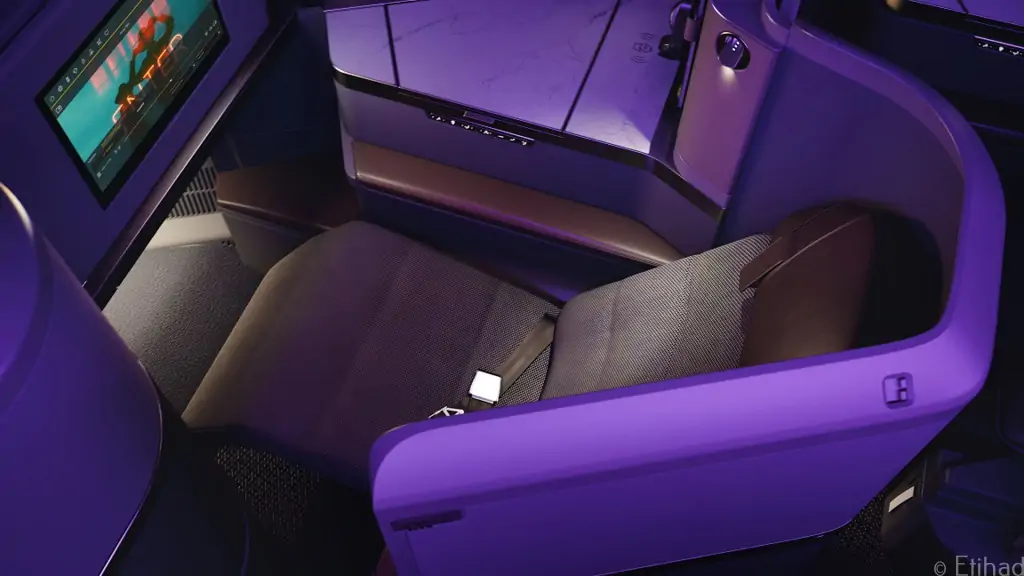
UAE. Etihad Airways, the official airline of the United Arab Emirates, is exhibiting a range of new products and innovations this week at the Arabian Travel Market in Dubai. The airline showcased the new cabin for its Boeing 787 Dreamliners, which will enter the fleet in the third quarter of this year, adding to Etihad's existing fleet of 39 Dreamliners.
"Etihad's new 787 Dreamliner cabin interior highlights additional enhancements to our award-winning and industry-renowned cabins." "With the second evolution of the Business Studio, which was launched on the Airbus A350-1000 last year, our new Business class takes the guest experience to new heights," stated Antonoaldo Neves, Chief Executive Officer, Etihad Airways.
Etihad is Synonymous with Business
The Business cabin has Etihad's distinctive, elegant décor as well as a tailored version of Collins' Elements seat. Etihad is the world's first airline to use the Elements seat on the Boeing 787.
Improving Economy
The new 787 will include 271 Economy seats that are lighter than the present fleet and hence more fuel efficient. The innovative design and modifications, including a smaller-profile armrest, provide great comfort and an improved sense of space in the chairs. Etihad's new economy class chairs are likewise intended to be comfortable and useful. The seats are set up in a 3-3-3 layout to provide customers with additional room and comfort. The seats have a pitch of 31-33 inches and a breadth of 17 inches, giving passengers plenty of freedom to stretch out and relax.
Additional Features
Etihad's new Dreamliner seats also have extra amenities that improve the customer experience. Business class seats provide a personal minibar, allowing travellers to enjoy a drink without leaving their seat. The chairs also include a privacy screen, which gives occupants greater privacy when needed. Economy class chairs include an adjustable headrest and a footrest to provide travellers with extra comfort on long-haul flights.
Technological Avenue: The new 787 Dreamliner has the most advanced in-flight entertainment technology from Safran. Rave Ultra 4K displays, Bluetooth headphone coupling, and the ability to attach mobile phones and tablets to the screen and use as a remote are among the exciting new features.
Armani/Casa and Etihad collaborate to deliver an unforgettable Business Class experience: Etihad's one-of-a-kind collaboration with Armani/Casa has now been completely implemented across the airline's Business class cabins, offering customers an unrivalled Business experience. The collection includes custom dining ware and soft furnishings created in partnership with renowned international designer brand Armani/Casa.
Dine in Economy with Etihad's eco-conscious service: Etihad's new Economy dining service is not only fashionable, but it also incorporates a closed-loop recycling system, resulting in a circular economy that eliminates single-use plastic completely. The dining equipment has been developed to deliver a superior experience for Etihad's customers while also being useful for Etihad's crew and decreasing the operation's environmental impact.
Conclusion
Etihad's new Dreamliner seats seek to elevate the customer experience by improving comfort and functionality. The new seats have been designed with the passenger's comfort in mind, with plenty of open space and features to make the journey more enjoyable. Whether travelling for work or pleasure, these redesigned seats will make your trip more comfortable and pleasurable.
With Inputs from Etihad
Comment