

Thai Airways International, one of the leading carriers in the Asia-Pacific region, is gearing up for a significant expansion of its fleet, with recent announcements signaling a strategic shift in its aircraft acquisition plan.
The Lease Agreement with ALC & Long-Term Aircraft Acquisition Plan
In a move aimed at bolstering its fleet capabilities, Thai Airways International has inked a notable leasing agreement with Air Lease Corporation for three brand-new Boeing 787-9 Dreamliners. These aircraft, slated for delivery in 2025, mark the first collaboration between the two aviation giants.
This leasing deal comes hot on the heels of Thai Airways' ambitious long-term aircraft acquisition plan, unveiled in February 2024. The carrier has placed orders for a staggering forty-five B787-9s, with an additional 35 options, solidifying its commitment to modernizing and expanding its fleet.
Option for B777-9 Conversion & Vision 2024-2033

Notably, Thai Airways' recent order includes a provision to convert some of the B787-9 orders to Boeing's next-generation B777-9 aircraft—a strategic maneuver that underscores the airline's flexibility in adapting to evolving market dynamics and operational needs.
Thai Airways' ambitious vision for its fleet encompasses the acquisition of approximately 90 new widebody aircraft over a ten-year timeframe spanning from 2024 to 2033. While the majority of these additions will come from direct orders, leasing agreements will play a pivotal role in accelerating fleet expansion.
Current Fleet Snapshot: A Diverse Portfolio & Leasing Dynamics
As of now, Thai Airways operates a diverse fleet comprising 70 aircraft, showcasing a blend of Airbus and Boeing models. Notable inclusions are the Airbus A320-200, A330-300, and A350-900, alongside Boeing's B777 and B787 series.
To supplement its owned fleet, Thai Airways currently leases 47 aircraft from 14 leasing companies—a testament to the airline's strategic approach to fleet management, leveraging leasing dynamics to optimize capacity and operational efficiency.
Charting the Course Ahead: A Path to Sustainable Growth
With its sights set on expanding its fleet capabilities, Thai Airways International is poised to navigate the skies with renewed vigor and resilience. The strategic blend of direct orders and leasing agreements underscores the airline's commitment to staying agile in an ever-evolving aviation landscape.
Conclusion
As Thai Airways embarks on this transformative journey of fleet expansion, the leasing agreement with Air Lease Corporation marks a significant milestone. With a clear vision outlined for the next decade and beyond, the airline is set to soar to new heights, catering to the evolving needs of passengers and stakeholders alike.
With Inputs from ch-aviation

Read next
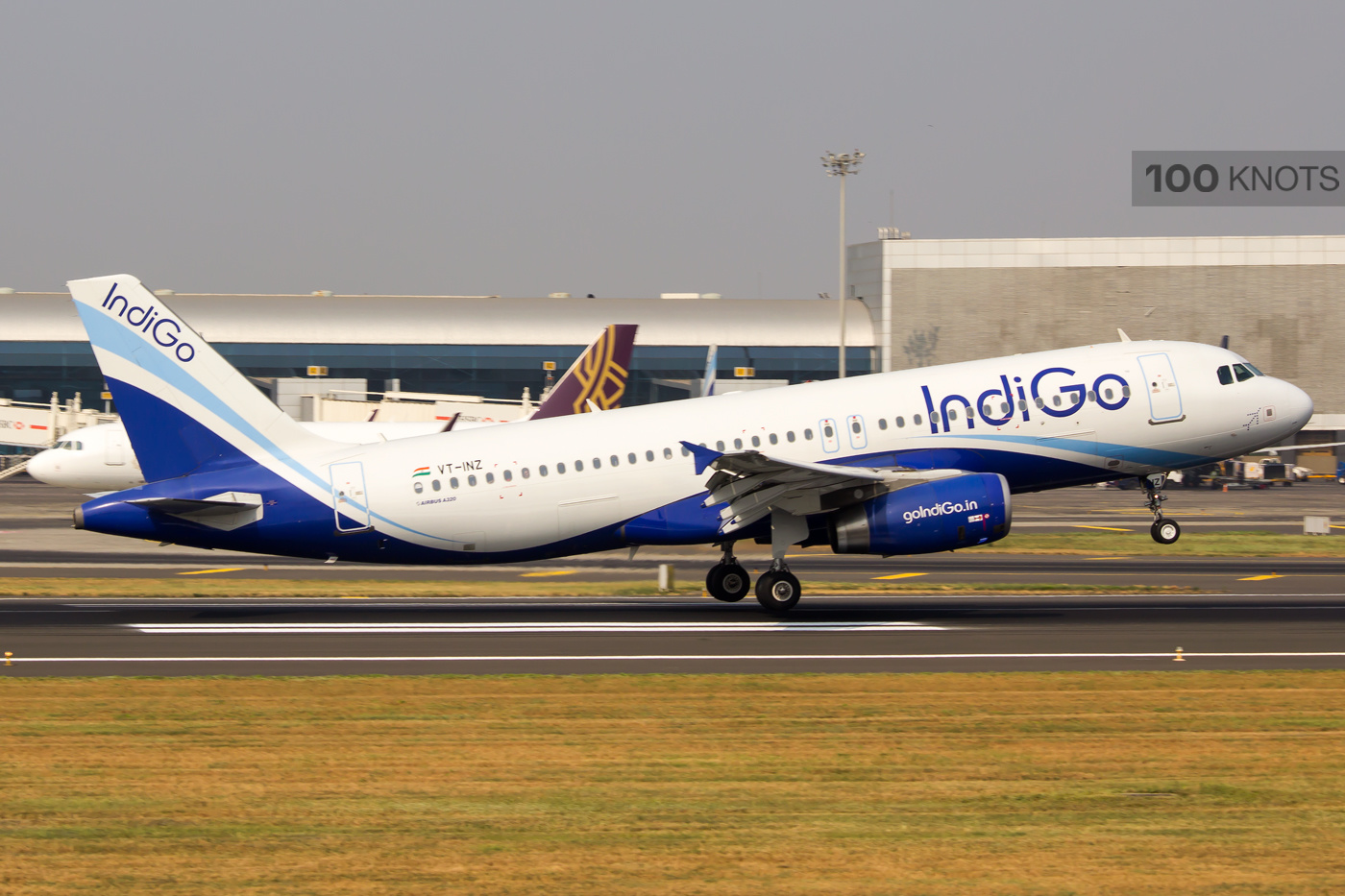
IndiGo will add six new routes from March 31st which marks the beginning of the summer schedule.
The airline will be operating direct flights between Ahmedabad-Rajkot, Ahmedabad-Aurangabad, Bhopal-Lucknow, Indore-Varanasi.
The airline will also operate direct flights between Kolkata-Srinagar and Kolkata-Jammu from April 10, and April 21 respectively.
Flights between Kolkata-Jammu via Srinagar are also set to begin from April 10.
These new connections with major hubs like Ahmedabad, Lucknow, and Kolkata, will enhance mobility and provide connectivity to other domestic and international destinations while increasing access for both business travelers and tourists alike, it said.
With more people choosing air travel and new airports opening up, domestic travel demand is on the rise. According to CAPA's report, air passenger traffic in India is expected to reach 860 million by 2030, which presents a significant opportunity for economic growth. These new routes also facilitate trade, commerce, and employment opportunities, further strengthening ties between the cities.
Vinay Malhotra, Head of Global Sales, IndiGo, said, "We are pleased to announce new routes to our forthcoming summer schedule, in response to the surging demand for travel. As the vacation season approaches, we endeavour to offer even more options to explore new destinations within India by IndiGo. We are confident that these routes will not only enhance access & travel experiences, but also bolster economic ties across various states. IndiGo will continue to deliver on its promise of affordable, on-time, courteous, and hassle-free travel experience across an unparalleled network.”
Read next
Real Risk of Boeing Deliveries Slowing Doing Post-FAA Crackdown : Morgan Stanley

Preet Palash
29 Feb 2024
here is a real risk of Boeing plane deliveries slowing down after a report by US aviation regulator FAA that pulled down the manufacturer, Morgan Stanley said in a note on Wednesday
FAA released its report on the findings of its review of the safety management processes and the effectiveness of these safety management processes within Boeing (report here). In summary, the report acknowledged gaps within Boeing’s safety management and acknowledged a disconnect between senior management and rank-and-file employees on the firm’s safety vision.
Boeing looks to have delivered 2 76 aircraft, 7 787 aircraft, and 14 737 MAX aircraft so far in February. In January, Boeing delivered 27 aircraft: 1 767, 1 787, and 25 737 aircraft.
"From our conversations with investors, there is a view that 38 per month is the potential floor to 2024 MAX production. However, we think the focus on this frozen rate underestimates the true floor-to-aircraft production. To measure the downside risk, the focus should be on the pace of aircraft deliveries," the report noted, "As the FAA increases scrutiny of each aircraft for delivery for non-conforming manufacturing, there is real risk that deliveries slow down significantly. A growing inventory of finished aircraft could have a negative cascading effect on production rate depending on the pace of deliveries and duration of the problem."
Read next
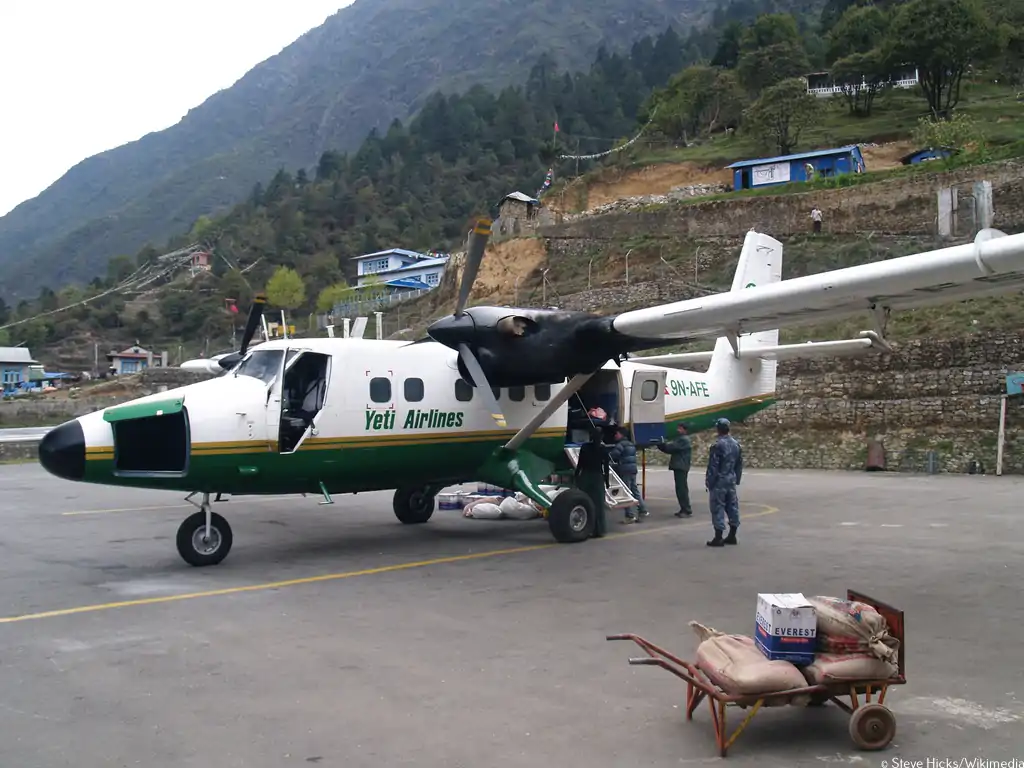
There were no hull losses or fatal accidents involving passenger jets in 2023 but a turboprop crash resulted in many deaths, the International Air Transport Association (IATA) said in its annual safety report for global aviation this week.
On January 15, 2023, an ATR 72 plane operated by Yeti Airlines crashed in the Seti river gorge near Pokhara, Nepal, killing all 72 people on board
This is however a drop from five fatal accidents in 2022 and an improvement on the five-year average (2019-2023) which was five, Iata noted.
The report also says that the accident rate was 0.80 per million sectors in 2023 (one accident for every 1.26 million flights), an improvement from 1.30 in 2022 and the lowest rate in over a decade.

This rate outperformed the five-year (2019-2023) rolling average of 1.19 (an average one accident for every 880,293 flights).
The fatality risk improved to 0.03 in 2023 from 0.11 in 2022 and 0.11 for the five years, 2019-2023. At this level of safety, on average a person would have to travel by air every day for 103,239 years to experience a fatal accident.
IATA said its member airlines and IATA Operational Safety Audit (IOSA) registered airlines experienced no fatal accident in 2023.
"2023 safety performance continues to demonstrate that flying is the safest mode of transport. Aviation places its highest priority on safety and that shows in the 2023 performance. Jet operations saw no hull losses or fatalities. 2023 also saw the lowest fatality risk and ‘all accident’ rate on record. A single fatal turboprop accident with 72 fatalities, however, reminds us that we can never take safety for granted. And two high-profile accidents in the first month of 2024 show that, even if flying is among the safest activities a person can do, there is always room to improve. This is what we have done throughout our history. And we will continue to make flying ever safer,” said Willie Walsh, IATA’s Director General.
With IOSA’s recent transition to a risk-based model focusing on pertinent safety risks while maintaining a baseline of safety, IOSA will become an even more powerful tool to help airlines and regulators to maintain and improve very high levels of safety performance, Walsh added.
Read next
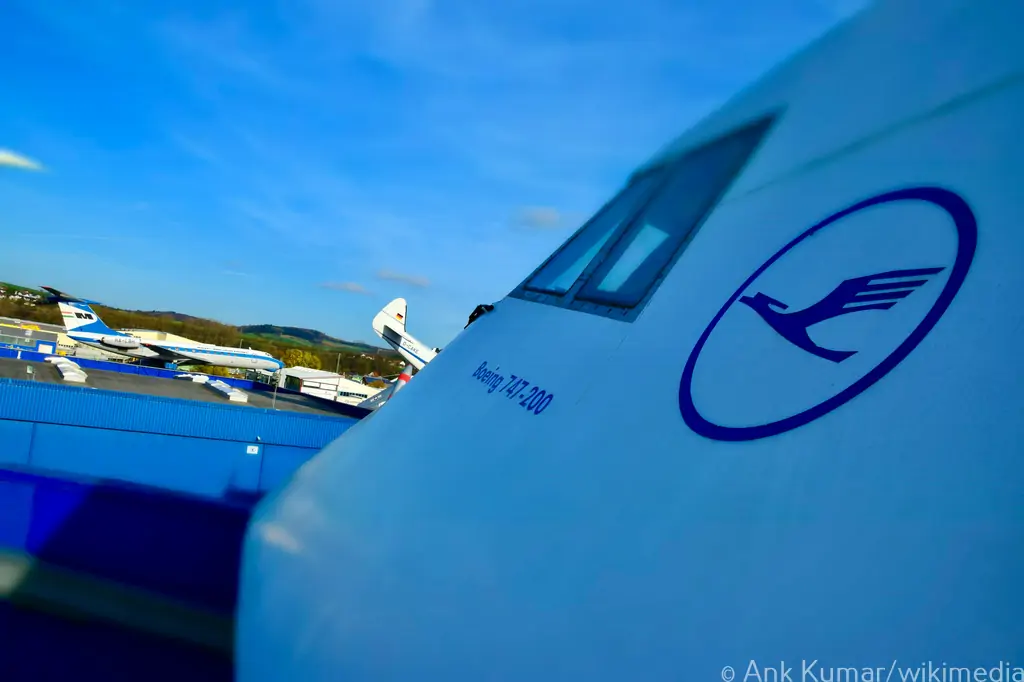
German airline giant Lufthansa finds itself in the midst of labor unrest as the Verdi union calls for a three-day nationwide strike from February 28 to March 1. Despite assurances that the strike will occur away from passengers, tensions loom over the potential impact on the airline's operations.
Strike Details & Minimal Impact Expected
Verdi's call for strike action encompasses not only Lufthansa's core operations but also its subsidiaries, including Lufthansa Technik, Lufthansa Aviation Training, and Lufthansa Technical Training. The union's decision stems from dissatisfaction with Lufthansa's stagnant pay offer amid ongoing collective bargaining negotiations.
Lufthansa has downplayed concerns regarding flight disruptions, asserting that the strike, particularly on Wednesday, is not likely to significantly affect the flight schedule. However, uncertainties persist regarding the potential ramifications on Thursday and Friday, prompting the airline to closely monitor the situation.
Stalemate in Negotiations & Company's Response
The strike comes against the backdrop of stalled pay negotiations between Lufthansa and Verdi. Despite Lufthansa's desire for a swift resolution to avoid further disruptions, Verdi remains steadfast in its demand for an improved offer before returning to the bargaining table.
In response to the strike threat, Lufthansa emphasized its commitment to reaching a mutually beneficial agreement with the unions. The airline underscored the urgency of resolving the impasse to prevent further disruptions to its operations and mitigate potential financial repercussions.
Looking Ahead
As the strike unfolds, both Lufthansa and Verdi face the challenge of balancing their respective interests while minimizing inconvenience to passengers and ensuring the sustainability of the airline's operations. The outcome of the strike and its impact on future negotiations remain uncertain, underscoring the importance of swift and constructive dialogue between the parties involved.
With Inputs from Reuters
Read next

American Airlines is on the brink of finalizing a significant deal for approximately 100 narrowbody jets, sparking anticipation in the aviation industry. The negotiations, split between Airbus SE and Boeing, underscore the carrier's strategic move to fortify its fleet amidst evolving market dynamics. As the countdown to the announcement accelerates, stakeholders eagerly await the outcome of this high-stakes battle between two aviation giants.
The Deal Unveiled
Sources familiar with the talks revealed to Reuters that American Airlines is on the cusp of sealing a deal for a fleet of Airbus A321 and Boeing 737 MAX 8 jets. The impending announcement, scheduled to coincide with an investor meeting on March 4th, signals a pivotal moment for the airline as it navigates through a landscape shaped by shifting priorities and unforeseen challenges.
Tug-of-War: Airbus vs. Boeing
Amidst the negotiations, the allocation of orders between Airbus and Boeing emerges as a focal point. Insider reports suggest that Airbus is poised to secure a slightly higher number of orders, intensifying competition in a market driven by innovation, performance, and customer preferences. With both manufacturers vying for supremacy, every order becomes a battleground for market share dominance.
Boeing's Certification Woes
The backdrop of Boeing's recent certification setbacks, underscored by a January incident involving an Alaska Airlines 737 MAX jet, adds a layer of complexity to American Airlines' decision-making process. The aftermath of this incident reverberates across the industry, prompting carriers to reassess their procurement strategies amidst concerns over safety, reliability, and delivery timelines.
Ripple Effects in the Industry
The ripple effects of American Airlines' procurement strategy extend beyond its operational sphere. Rival United Airlines, already engaged in talks with Airbus, intensifies the competition for scarce production slots, setting the stage for a potential mega-order to replace existing commitments with Boeing. This strategic maneuvering reshapes the competitive landscape, with implications reverberating throughout the aviation ecosystem.
Navigating Uncertainties
American Airlines' Chief Financial Officer, Devon May, underscores the importance of prudence amidst ongoing turbulence in the industry. Balancing the allure of new acquisitions with the realities of Boeing's challenges, the carrier remains vigilant, cognizant of the evolving dynamics shaping its future fleet composition. The decision-making process underscores the delicate equilibrium between short-term gains and long-term sustainability.
Conclusion
As American Airlines inches closer to finalizing its deal for 100 narrowbody jets, the aviation industry braces for a watershed moment. The outcome of this high-stakes negotiation not only shapes the carrier's trajectory but also reverberates across the competitive landscape, signaling a new chapter in the enduring Airbus vs. Boeing saga. Amidst uncertainties and challenges, one thing remains certain – the stakes have never been higher.
With Inputs from Reuters
Comment