
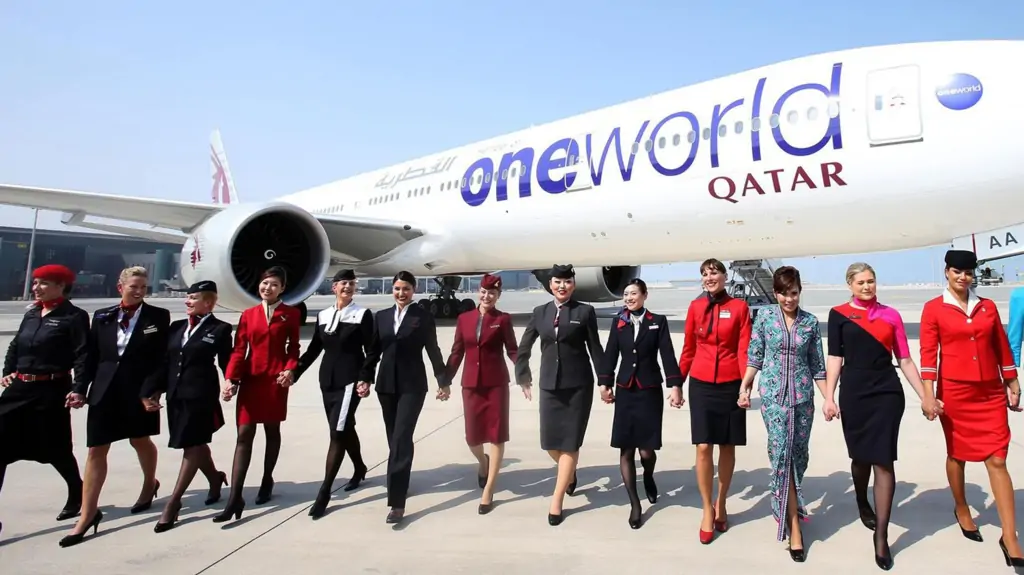
Significant airlines banded together in the late 1990s and into 2000 to launch three alliances. These alliances — Oneworld, SkyTeam, and Star Alliance — were designed to offer travelers seamless travel between partners, elite status perks across the coalition, and expanded options for earning and redeeming miles.
Oneworld was unveiled by its founding members, American Airlines, British Airways, Canadian Airlines International, Cathay Pacific, and Qantas at a press conference in London, United Kingdom, on 21 September 1998. Oneworld was officially launched and became operational on 1 February 1999. Ahead of the official launch, the alliance embarked on an extensive employee communications and training program involving virtually all of the 220,000 staff employed by the five-member airlines to ensure they could deliver what the alliance brand promised. At its launch in 1999, Oneworld's member airlines and their affiliates served 648 destinations in 139 countries and carried 181 million passengers with a fleet of 1,577 aircraft.
As of March 2020, its member airlines collectively operate a fleet of 3,296 aircraft, serve about 1,000 airports in 170 countries, carrying over 490 million passengers per year on 13,000 plus daily departures. It is the third-largest global airline alliance for passengers carried, behind SkyTeam (676M in 2019) and Star Alliance (762M in 2019).
Since its inception in 1999, the Oneworld alliance has revolutionized the air travel industry, offering passengers unparalleled connectivity, flexibility, and rewards. As it marks its 25th anniversary, oneworld proudly reflects on its achievements and looks ahead to a future of continued innovation and excellence.
A Global Network of Excellence
Comprised of some of the world's top airlines, including founding members American Airlines, British Airways, Cathay Pacific, and Qantas, oneworld has encompassed 13 leading carriers, 26 affiliate airlines, and a connected partner. With Oman Air set to join in 2024, the alliance is poised to expand its global reach and service offerings further.
- Alaska Airlines
- American Airlines
- British Airways
- Cathay Pacific
- Finnair
- Iberia
- Japan Airlines
- Malaysia Airlines
- Qantas
- Qatar Airways
- Royal Air Maroc
- Royal Jordanian
- SriLankan Airlines
New CEO

The oneworld® alliance today named airline industry veteran Nathaniel (Nat) Pieper as its new CEO. Pieper, who is currently senior vice president of fleet, finance, and alliances at Oneworld member Alaska Airlines, will join the alliance in his new role on 01 April 2024.
As CEO, Pieper will lead Oneworld through its 25th anniversary celebration year and focus on strengthening the alliance between its partners to provide customers an exceptional and seamless travel experience worldwide. In his current position at Alaska Airlines, Pieper orchestrated the airline’s entrance into Oneworld, executed aircraft transactions valued over $9 billion, and secured access to $5 billion in liquidity to ensure Alaska's viability through the pandemic. Previously, Pieper held executive positions at Delta Air Lines and Northwest Airlines, overseeing international, strategic, alliance, and financial functions.
Unrivaled Connectivity and Benefits
With over 900 destinations worldwide and over 600 premium airport lounges, oneworld provides customers unparalleled access and comfort throughout their journey. Whether it's additional baggage allowances, fast-track security lanes, or the ability to earn and redeem miles across the network, oneworld ensures that passengers enjoy a seamless and rewarding travel experience.

Setting Standards in Customer Excellence
At the heart of Oneworld's success are its dedicated airline professionals who work tirelessly to deliver smooth and memorable travel experiences for millions of customers worldwide. From ground staff to cabin crew, the Oneworld team is committed to upholding the highest standards of service and hospitality.
Celebrating Diversity and Inclusivity
With a presence in over 170 territories, oneworld celebrates the rich tapestry of cultures and traditions represented by its member airlines. Through its commitment to diversity, uniqueness, and inclusivity, oneworld ensures that every customer feels welcomed and valued throughout their journey.
Innovating for the Future
As it looks towards the next 25 years, oneworld remains committed to setting new standards in customer experience, innovation, and collaboration. From launching its Travel Bright campaign to opening its first branded lounge in Seoul, South Korea, oneworld continues to push the boundaries of what is possible in the air travel industry.
A Commitment to Sustainability
In January 2024, oneworld reaffirmed its commitment to sustainability by becoming the first airline alliance to join IATA CO2 Connect. By contributing operational data to the aviation authority's emissions calculator, oneworld is taking proactive steps to reduce its carbon footprint and promote environmentally friendly practices across the industry.
Conclusion
As Oneworld embarks on its next chapter, it remains dedicated to providing exceptional travel experiences for millions of customers around the globe. With its unwavering commitment to excellence, innovation, and sustainability, oneworld sets the standard for air travel in the 21st century.

Read next
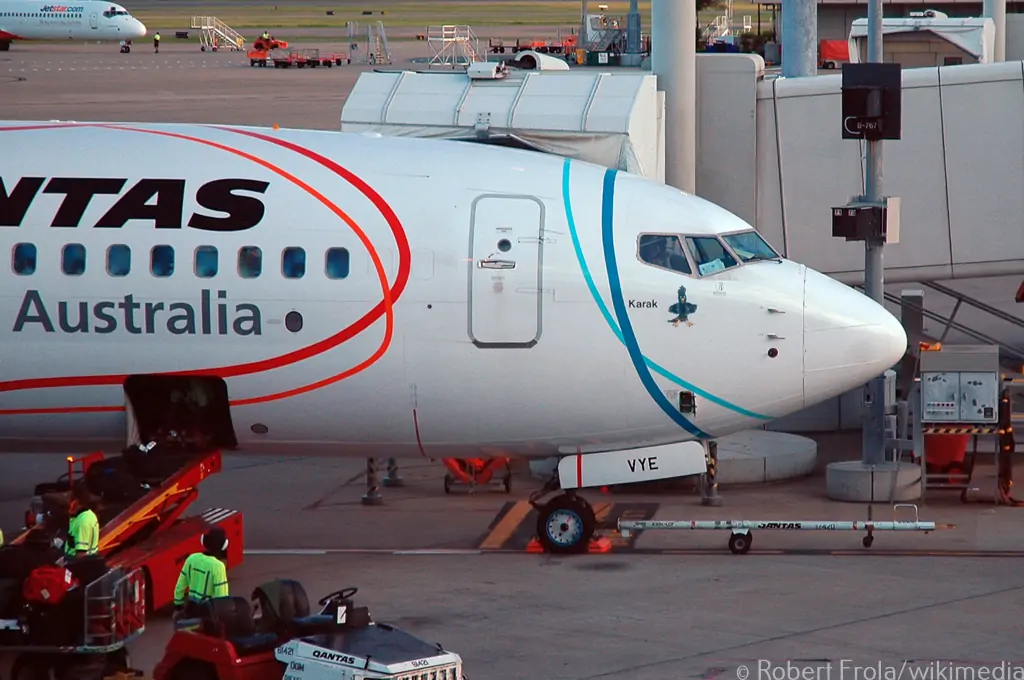
In a challenging twist for Qantas, its subsidiary Network Aviation is heading to the Fair Work Commission seeking arbitration in a prolonged pay-related dispute with its pilots in Western Australia. The situation has escalated to a point where the pilots, represented by major workers unions, are set to strike for 24 hours this week.
Background
Network Aviation, specializing in charter operations for the resources sector, has been entangled in unsuccessful negotiations with its pilots for the past 18 months. Despite two previous rejections of proposed agreements, the airline faces another hurdle as its pilots plan industrial action amid the pursuit of arbitration.
Failed Negotiations and Union Representation
The pay-related dispute involves Network Aviation pilots represented by three significant workers unions—Australian Federation of Airline Pilots (AFAP), Australian and International Pilots Association (AIPA), and Transport Workers Union (TWU). Despite union backing for the proposed agreements, the pilots have rejected them, leading to a standstill in negotiations.
Arbitration Application
Qantas' move to seek arbitration through the Fair Work Commission comes as a response to the pilots' rejection of the most recent proposed agreements. Network Aviation's spokesperson expressed disappointment at the union's decision to take industrial action despite the airline's intention to involve the commission in resolving the deadlock.
Pilots' Rejection and Demands
The third proposed agreement, which offered pay increases exceeding 25% along with new allowances for pilots, was voted down by approximately 57% of the pilots. The rejection highlights the depth of dissatisfaction among the pilot community and raises questions about their specific concerns and demands.
Implications for Qantas and Network Aviation
The ongoing dispute poses potential challenges for Qantas and its subsidiary, affecting operations and the overall reputation of the airline. The decision to seek arbitration indicates a desire for an impartial resolution, but the 24-hour strike and the pilots' repeated rejections suggest a more complex underlying issue that needs careful consideration.
Conclusion
As Network Aviation takes its dispute to the Fair Work Commission, the aviation industry and Qantas, in particular, find themselves at a critical juncture. The resolution of this pay-related disagreement will not only impact the subsidiary's relationship with its pilots but also reflect on Qantas' ability to navigate labor challenges within its broader operations. The coming weeks will reveal whether the wings of Network Aviation will soar to resolution or face further turbulence in this complex negotiation process.
With Inputs from Reuters
Read next
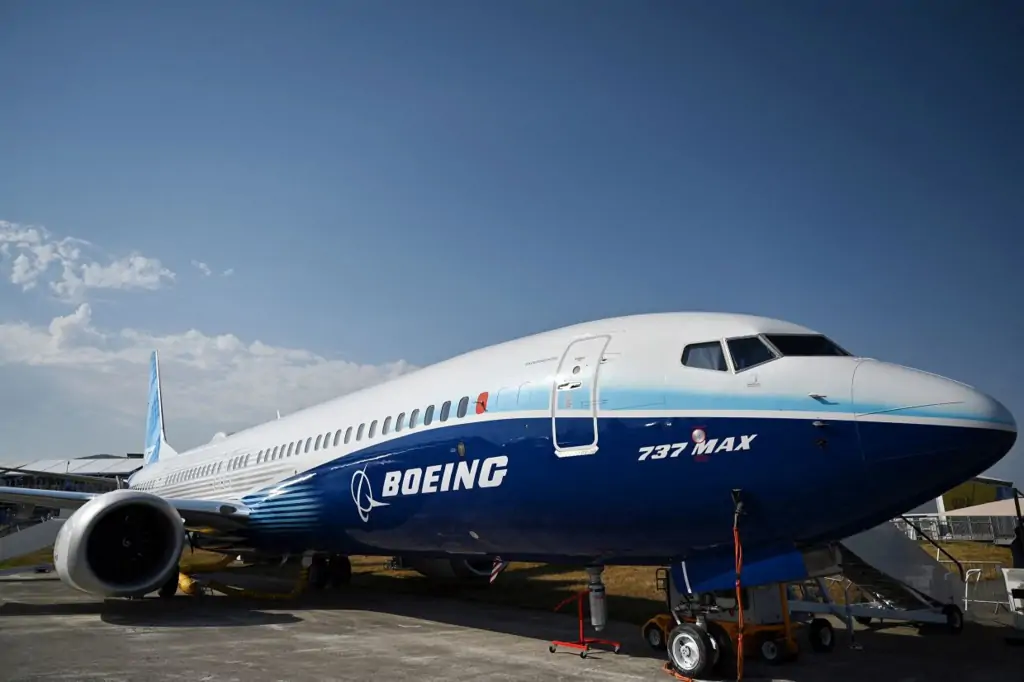
In a recent development, Boeing Co. announced that it will need to conduct additional work on approximately 50 undelivered 737 MAX airplanes, potentially causing delays in near-term deliveries. The issue arose after Spirit AeroSystems, the sole supplier of 737 fuselages, identified two mis-drilled holes on some fuselages, revealing a potential spacing problem in holes drilled on a window frame.
Safety Assurance Amidst Quality Concerns
Boeing confirmed the findings, emphasizing that safety remains unaffected, and existing 737s can continue to operate safely. Boeing Commercial Airplanes CEO Stan Deal acknowledged the non-conformance issue, assuring that it does not pose an immediate flight safety risk. However, the company anticipates the need for rework on the affected undelivered airplanes.
Supplier Communication and Quality Management
Spirit AeroSystems promptly communicated the non-conformance as part of its 360-degree quality management program. Boeing and Spirit are in close communication to address the issue, with Boeing planning to allocate dedicated "factory days" at the Renton 737 plant to rectify the mis-aligned holes and address other outstanding work.
Operational Tightening after Alaska Airlines Incident
This incident follows the recent blowout of a door plug on a 737 MAX 9 operated by Alaska Airlines on January 5, intensifying scrutiny on Boeing's quality controls. The investigation into the Alaska Airlines incident is ongoing, focusing on whether bolts on the door plug were missing or improperly fitted.
Production Schedule Impacts and Regulatory Intervention
The U.S. regulator has ordered Boeing to cap 737 production at the current rate of 38 jets per month for an undefined period, aiming to address quality lapses. Boeing's decision to halt shipments from a major, unnamed supplier until all jobs are completed reflects the company's commitment to improving overall quality and stability.
Inspections and Quality Defects
The ongoing checks on 737 MAX aircraft highlight concerns about the positioning of two holes on a window frame assembly, known as "short edge margin." Edge margins, crucial for minimizing metal fatigue risks, must meet strict specifications. The Federal Aviation Administration (FAA) has occasionally ordered inspections for cracks resulting from mis-drilled fastener holes.
Scope of Non-Conformance and Collaborative Resolution
As of the latest update, the non-conformance had been identified in 22 fuselages out of 47 inspected, affecting both Boeing and Spirit. The findings were revealed through a routine Notice of Escapement, a common practice where suppliers notify Boeing of known or suspected quality issues. Boeing and Spirit are yet to finalize an agreed position on how to address the mis-drilled holes and determine which errors are acceptable for use.
Conclusion
Boeing faces another challenge in delivering its 737 MAX aircraft as it grapples with quality concerns and production schedule impacts. The collaborative efforts between Boeing and its suppliers, particularly Spirit AeroSystems, will be crucial in resolving these issues, ensuring the safety and reliability of one of the world's best-selling jets. As the aviation industry closely watches these developments, the question remains: Can Boeing overcome these quality issues and maintain the trust of regulators, airlines, and passengers alike?
With Inputs from Reuters
Read next
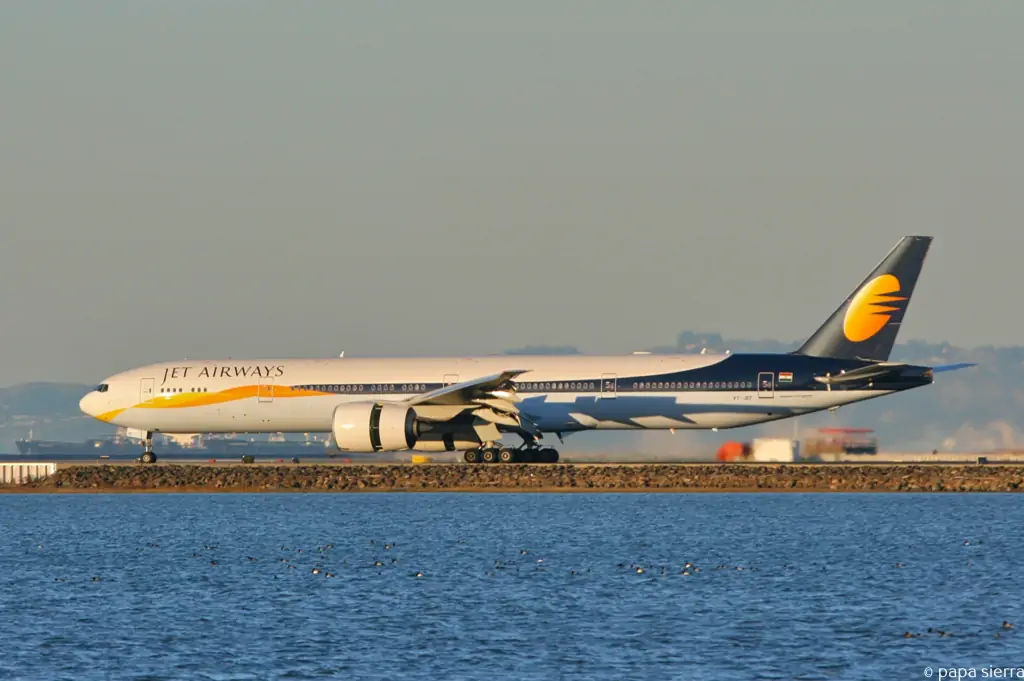
Jet Airways, once a prominent player in India's aviation industry, has been mired in a complex web of legal battles and financial troubles since its collapse in April 2019. The latest chapter in this saga involves the Jalan Kalrock Consortium (JKC), the prospective new owners, and their attempts to secure the acquisition amidst accusations of delaying tactics.
Background & Supreme Court's Deadline
After Jet Airways filed for insolvency in 2019, the JKC emerged as the chosen entity to acquire the airline's remains. In a resolution agreement negotiated in 2021, the consortium committed to paying out-of-pocket creditors and lenders a total of INR3.5 billion (USD42.2 million). However, the final tranche of INR1.5 billion has become the focal point of disputes and litigation, creating a strained relationship between the consortium, the administrator, and the committee of creditors.
The Supreme Court of India, in a decisive move, ordered the JKC to deposit the INR1.5 billion into an escrow account by January 31, 2024, under the risk of forfeiting their acquisition rights. This directive overruled a previous ruling that allowed the consortium to use a INR1.5 billion bank guarantee for the remaining payment.
JKC's Delaying Tactics or Legitimate Hurdles?
As the deadline approached, the JKC sought court permission to substitute the bank guarantee with a new instrument, claiming that they could deposit the full amount within seven days. However, the creditors' committee vehemently opposed this move, labeling it as another delaying tactic.
Complexities, Accusations & Tit-for-Tat Allegations
The relationship between the JKC, the administrator, and the creditors has become acrimonious, with each party blaming the other for delays in the ownership transfer. The consortium, comprising Murari Lal Jalan and Kalrock Capital, asserts that funds from Dubai are ready for transfer, but due to their non-resident status, they require permission from India's central bank. Bank holidays are cited as an additional reason for the delays.
In a tit-for-tat exchange of accusations, the JKC points fingers at the creditors, claiming that the lenders have not fulfilled the conditions outlined in the resolution process, thereby impeding the ownership transfer.
Conclusion
The future of Jet Airways remains uncertain as the Jalan Kalrock Consortium battles legal challenges and accusations of delaying tactics. The aviation industry and stakeholders eagerly await a resolution to this complex situation, questioning whether Jet Airways will ever take flight again or remain grounded in legal turbulence.
With Inputs from ch-aviation
Read next

In a crucial turn of events, the committee of creditors (CoC) for the insolvent budget carrier Go First has received formal expressions of interest (EOIs) from three entities. As the airline faces an impending decision on its fate, the CoC is considering seeking an extension from India's National Company Law Tribunal (NCLT) to allow for a thorough evaluation of potential buyers.
Background
Go First, which suspended operations in May 2023, has been grappling with outstanding debts exceeding INR 62 billion rupees (USD 748 million). The CoC's approval of a final attempt to secure a buyer reflects the urgency to avoid liquidation, which might yield a lesser return for the creditors.
The Three Potential Buyers
The three entities that have submitted EOIs and the required INR 50 million (USD 603,000) bank guarantee are:
- SpiceJet: The recently recapitalized SpiceJet from Delhi International aims to step in as a potential savior for Go First.
- Sky One (Sharjah-based): Hailing from Sharjah, Sky One enters the fray as another contender vying for the distressed airline.
- Busy Bee (associated with Plan It consortium): Busy Bee, with ties to individuals linked to the Plan It consortium, is the third entity expressing interest.
The Need for an Extension
The CoC's decision to request an extension is driven by the necessity to conduct due diligence on these potential buyers. With India's insolvency laws allowing a maximum of 330 days for administrators to sell a distressed company, the clock is ticking, and as of early February, approximately 60 days remain.
Path Forward
An extension would provide the breathing space required for the preparation of formal bids. However, the administrator and the CoC must agree on a new deadline and subsequently return to the NCLT for approval of the revised date. The ongoing discussions within the CoC are anticipated to determine the specifics of the extension, with the administrator likely to return to the NCLT in the near future.
Conclusion
As the fate of Go First hangs in the balance, the decision to seek an extension underscores the delicate nature of the airline's financial distress. The coming days will reveal whether one of the three potential buyers emerges as the lifeline Go First desperately needs or if the looming threat of liquidation becomes an unavoidable reality.
With Inputs from ch-aviation
Read next
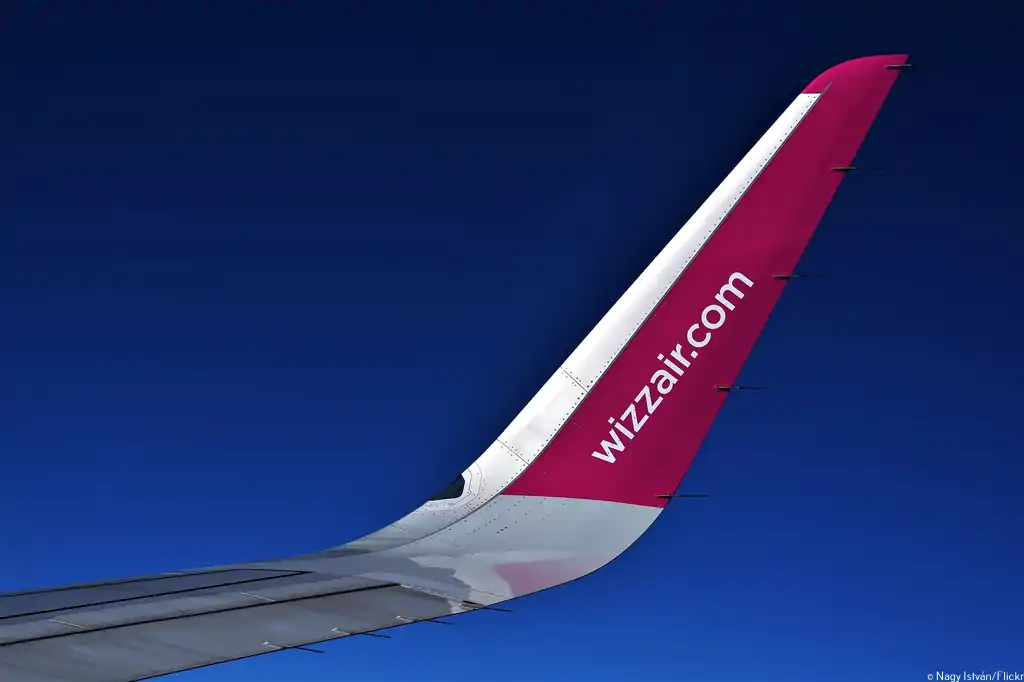
Wizz Air, the European ultra-low-cost carrier (ULCC), has kicked off 2024 with a bang, witnessing a remarkable surge in capacity and passenger numbers. With over 4.7 million passengers carried in January, the airline has demonstrated a robust 14% year-on-year growth. But what factors are driving this success, and can Wizz Air maintain its upward trajectory?
Capacity Surge and Load Factors
In January 2024, Wizz Air flexed its wings, increasing its capacity by 19.9% compared to the same period last year. The airline carried 14.2% more passengers, contributing to an 82.0% load factor. However, this marks a slight dip of 4.1 percentage points compared to January 2023. Wizz Air attributes this to an increase in one-directional VFR (Visiting Friends and Relatives) traffic and strategic reallocation of capacity amid evolving geopolitical events.
| January 2024 | January 2023 | Change |
Capacity (Seats) | 5,783,426 | 4,822,972 | 19.9% |
Booked Passengers | 4,740,815 | 4,149,850 | 14.2% |
Load Factor (Rounded to One Decimal) | 82.0% | 86.0% | -4.1pp |
Strategic Measures for Efficiency
In response to the changing landscape, Wizz Air is actively implementing measures to optimize its network. The airline aims to enhance efficiency, recovering load factors in the coming months. The emphasis on adaptability and optimization reflects Wizz Air's commitment to staying competitive in the dynamic low-cost market.
A 12-Month Overview
Zooming out to a rolling 12-month period, Wizz Air's performance is even more impressive. With a 23.7% increase in capacity and a significant 28.4% rise in booked passengers, the airline achieved an outstanding 90.4% load factor. This sustained success indicates a broader trend of growth and customer satisfaction.
| January 2024 | January 2023 | Change |
Capacity (Seats) | 67,370,107 | 54,483,223 | 23.7% |
Booked Passengers | 60,904,125 | 54,483,223 | 28.4% |
Load Factor (Rounded to One Decimal) | 90.4% | 87.0% | 3.4pp |
Route Expansion and Restarted Flights
Wizz Air's capacity boost in January can be attributed to strategic route additions and the restart of key flights. Routes between Aqaba (Jordan) and Abu Dhabi were reinstated, with the anticipated return of Tel Aviv in March. The airline is set to connect Tel Aviv with major European cities, reinforcing its commitment to providing diverse and accessible travel options.
Regulatory Approval and Customer Assurance
The UK's Civil Aviation Authority has affirmed Wizz Air's full compliance with commitments made to customers, providing a stamp of approval to the carrier's operations. This comes on the heels of Wizz Air setting records in 2023, serving over 60 million passengers, including a staggering 15 million in the third quarter alone.
Financial Performance and Environmental Consciousness
Wizz Air's success isn't confined to passenger numbers; its Q3 revenue soared by almost 17%, reaching over a billion Euros compared to the same period in 2022. Notably, the airline maintains a mindful approach to its environmental impact, boasting the lowest carbon emissions per passenger among its competitors. Wizz Air's fleet, consisting of nearly 200 Airbus A320 and A320neo family aircraft, earned the airline the title of "Global Environmental Sustainability Airline Group of the Year" in 2023.
Conclusion
Wizz Air's stellar performance in January 2024 sets the stage for a potentially lucrative year. While challenges persist, the airline's strategic measures, route expansions, and commitment to efficiency and environmental sustainability position it as a formidable player in the competitive European aviation market. As Wizz Air continues to navigate dynamic conditions, all eyes are on whether it can sustain its soaring success in the months to come.
Comment