
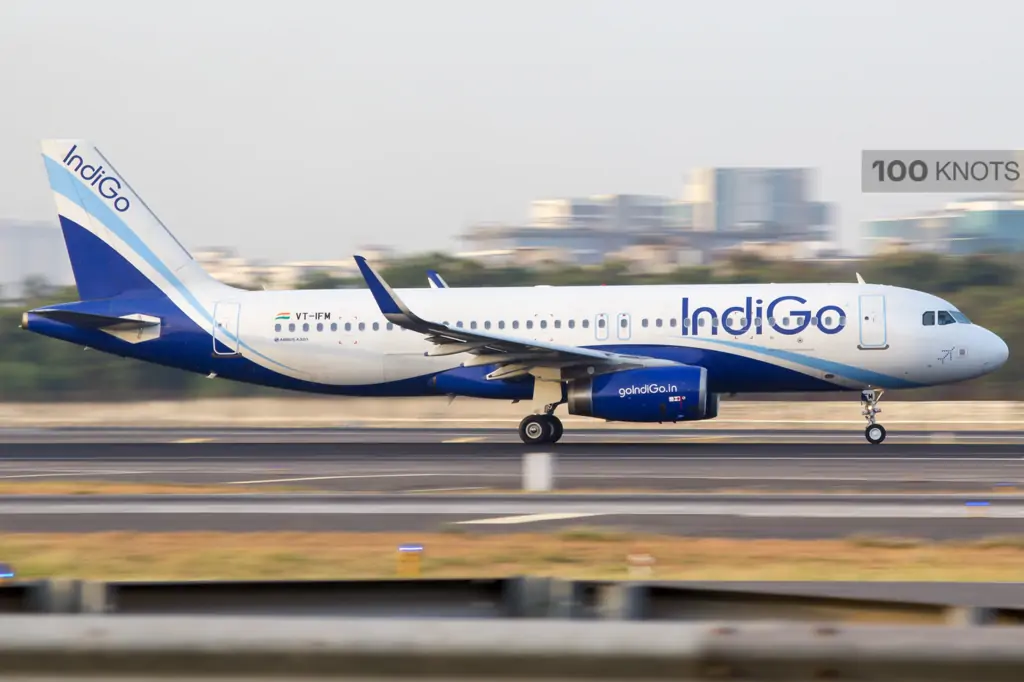
IndiGo, India's largest low-cost carrier (LCC), is reportedly exploring avenues to bolster its fleet amidst challenges posed by engine issues affecting some of its aircraft. With the grounding of several A320-200N and A321-200NX planes due to Pratt & Whitney engine concerns, the airline is eyeing both dry and wet lease options to maintain its operational capacity.
Lease Plans
According to a report from Money Control, IndiGo Airlines is in talks to dry-lease approximately 12 aircraft from the secondary market. Additionally, the airline is considering wet-leasing up to eight airframes to mitigate the impact of grounded planes. This strategic move aims to address the looming shortage of operational aircraft, particularly in anticipation of the upcoming summer schedule.
Negotiations with Qatar Airways and Ryanair
IndiGo Airlines is reportedly in the final stages of negotiations with Qatar Airways and Ryanair for potential lease agreements. The discussions involve securing five aircraft from Qatar Airways and three from Ryanair. While the proposed deal with Qatar Airways was initially reported as a "damp lease" covering B737-8s, the specifics of the final agreement are yet to be disclosed.
IndiGo's Response & Current Fleet Status
IndiGo Airlines, when approached for comment, maintained its stance of not commenting on speculations. The airline stated, "We are continuously in the process of evaluating options available. As a policy, we do not comment on speculations and will share any information as and when we have anything to share," as reported by ch-aviation.
As per the ch-aviation fleets module, IndiGo currently wet-leases 12 aircraft, including two B777-300ERs from Turkish Airlines, and ten A320-200s from SmartLynx Airlines and SmartLynx Airlines Estonia. The airline's in-house fleet comprises a total of 350 aircraft, which includes various models such as A320-200s, A320-200Ns, A321-200(P2F)s, A321-200NXs, and ATR72-600s. However, a significant number of A320-200Ns and A321-200NXs are currently grounded due to engine issues.
Ryanair's Potential ACMI Contract
If finalized, the agreement with Ryanair would mark the first such ACMI (Aircraft, Crew, Maintenance, and Insurance) contract for the LCC. Notably, Ryanair, known for its Boeing fleet, does not currently serve India. The carrier primarily operates B737-800s and B737-8-200s, with its Maltese subsidiary, Lauda Europe, utilizing A320-200s for its operations.
Conclusion
IndiGo' pursuit of additional aircraft through leasing agreements reflects its proactive approach to mitigate the impact of engine-related challenges on its operations. With negotiations underway with Qatar Airways and Ryanair, the airline aims to enhance its fleet capacity and maintain service reliability, especially in the face of upcoming operational demands. As the aviation industry continues to navigate through various challenges, such strategic maneuvers underscore the resilience and adaptability of airlines in addressing operational hurdles.
With Inputs from ch-aviation

Read next

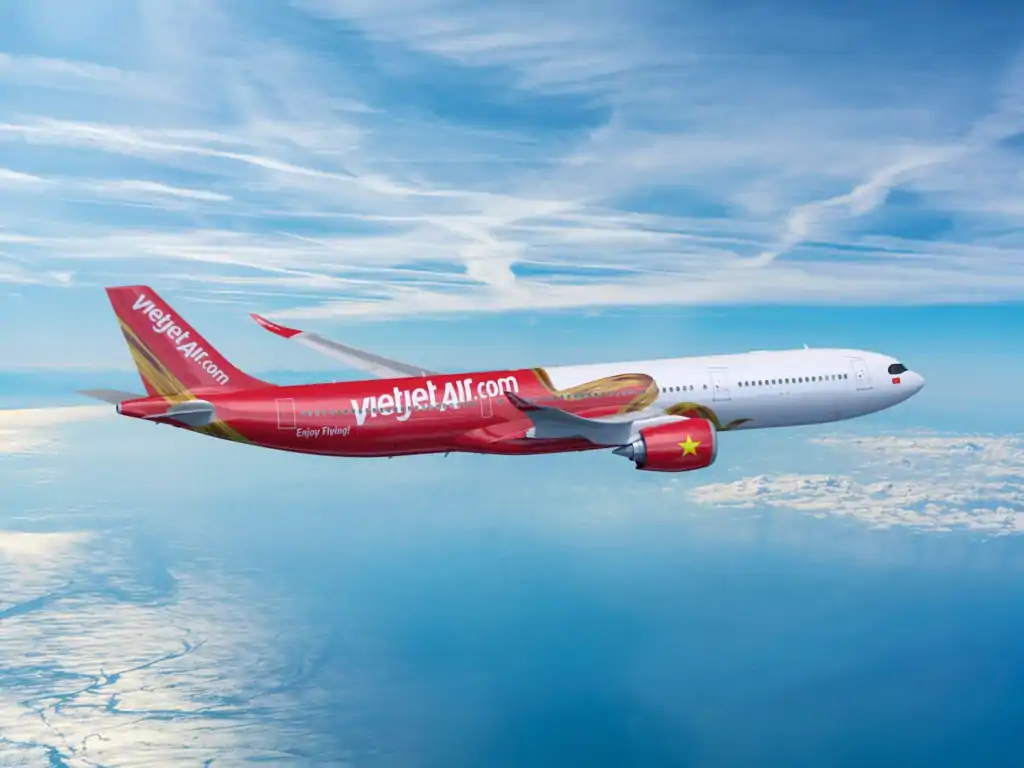
Vietnam's Vietjet has signed a Memorandum of Understanding (MoU) with Airbus for 20 A330neo (A330-900).
These will replace the carrier’s current fleet of leased A330-300s, as well as provide for network expansion.
“We are excited to work with Vietjet on the next phase of the carrier's expansion,” said Christian Scherer, CEO of the Commercial Aircraft Business of Airbus. “The A330neo will enable the airline to achieve the lowest possible operating costs per seat and to continue to offer its customers the best possible value wherever they fly. It will also be the perfect complement to the A321XLRs already on order with the airline, as it spreads its wings to more far-flung destinations.”
Vietjet Chief Executive Officer Dinh Viet Phuong said: "The new A330neo aircraft is a strategic addition to comprehensively modernize Vietjet's fleet, enhancing operational capabilities to support our global flight network expansion plan. Its fuel-efficient new-generation design aligns with our sustainable development strategy and ESG goals, aiming for net-zero emissions by 2050. With the introduction of the A330neo, passengers can look forward to longer-range, well-equipped flights with excellent services at more competitive fares."
The airline has also put into operation its A330 aircraft fleet for flights to Australia, India, Kazakhstan, Japan, and South Korea.
Read next

Read next

Air India has unveiled ‘Safety Mudras’, the airline’s new inflight safety video that it says seamlessly blends safety instructions with the kaleidoscope of India's vibrant culture.
‘Safety Mudra’: Mudra, a Hindi word that translates to '(hand) gestures,' is one of the most striking features of Indian classical dance as a form of expression, used in the new inflight safety video for demonstration.
Developed in collaboration with the visionary trio of Prasoon Joshi of McCann Worldgroup, Shankar Mahadevan, and Bharatbala, the video is crafted to engage passengers and showcase the diversity and depth of the Indian culture, while delivering essential safety information.
For centuries, Indian classical dance and folk art forms have served as mediums of storytelling and instruction. Air India’s new inflight safety video integrates safety instructions with mudras or dance expressions in eight diverse dance forms - Bharatnatyam, Bihu, Kathak, Kathakali, Mohiniyattam, Odissi, Ghoomar, and Giddha - from around the country. Each featured dance form presents a specific safety instruction, providing vital information in an engaging and culturally immersive manner.

Campbell Wilson, CEO & MD, Air India, said: “As a flagbearer of the country and a longstanding patron of Indian art and culture, Air India is delighted to present a work of art that is designed to deliver essential safety instructions while showcasing India’s rich cultural diversity to travellers around the world. Our guests will find this inflight safety video to be more immersive and informative, and a warm welcome to India from the moment they step onboard.”
Featuring music composed by Grammy Award-winning music composer and singer Shankar Mahadevan, the video invites passengers to experience a harmonious fusion of safety and culture. This project, spanning approximately six months, involved creators travelling and capturing the essence of India visually through mesmerizing locations across the length and breadth of the country.
The safety video will be initially accessible on Air India’s recently introduced A350 aircraft, which is equipped with state-of-the-art inflight entertainment screens. It will be progressively deployed on other aircraft in Air India’s fleet.

“Tasked with the challenge to create a concept that keeps passengers engaged, embody Indian culture and elevate the Air India brand globally, we went to great lengths to poise the essential and the evocative. Indian classical dance forms have one unique dimension - storytelling. And that is what made me think of this idea of using these Indian dance forms to deliver the safety instructions for air travel. I am fortunate that this idea found resonance with the fantastic Air India team. And, with a longtime friend and ever brilliant Bharatbala who really made this thought possible. It’s indeed a matter of pride for McCann to work with Air India,” said Prasoon Joshi, Chairman McCann Worldgroup Asia Pacific, CEO & CCO McCann Worldgroup India; and celebrated writer & lyricist.
Shankar Mahadevan, celebrated Indian music composer and singer said, “I am very happy I got to create the music for the safety instruction video for Air India. With the new chapter of Air India, their safety instruction video too is pathbreaking and very culturally rich. It is a combination of the various dance forms from India - with the dancers demonstrating the safety briefing actions by way of mudras. The music changes as per the dance form as well. Cheers to Air India for creating something that has never been done before, I am very proud to be a part of this.”
Bharatbala, Indian film director, producer and screenwriter said, "Having previously worked on projects that showcase the cultural diversity of India, this nuanced opportunity from Air India, enabled me to present our timeless classical and folk-art forms with a contemporary vision. We are an ancient country but with a modern outlook. And for India’s leading global carrier, Air India, to communicate a safety mandate in this manner brought even more responsibility on me to create a spectacle. Filming across the beautiful landscapes and monuments, giving each dance form its place of pride, is truly an enriching experience. This journey enables the passengers to experience India visually, musically, and emotionally on a grand canvas. This film will be etched as one of my special creations and I hope will be an added feather in the rich legacy of Air India. Welcome on board!”
Read next
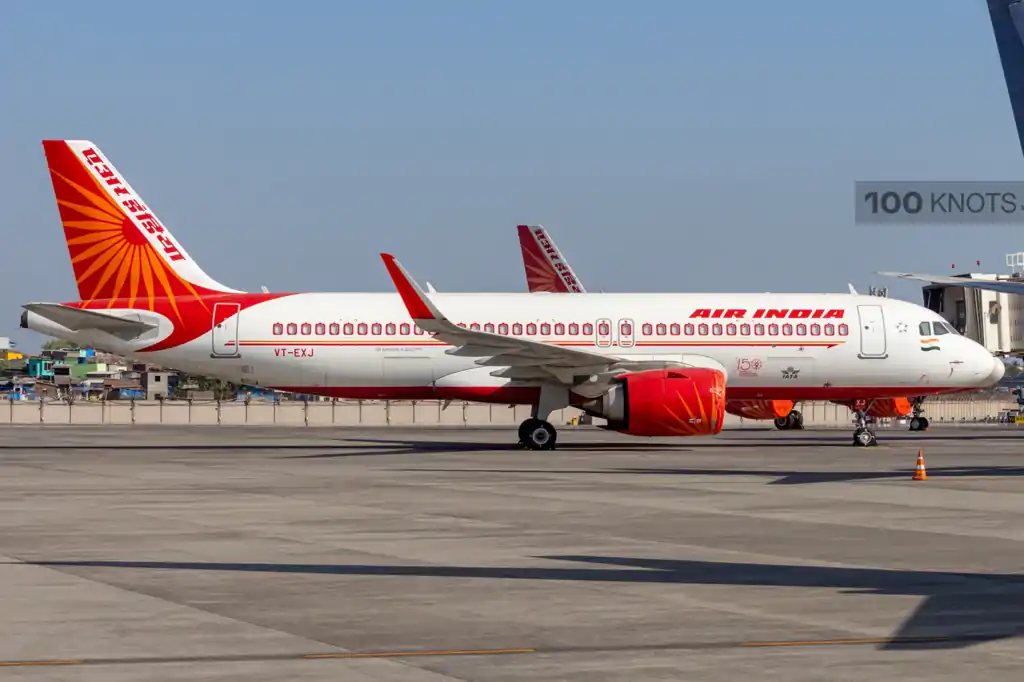
The Tata Group and Singapore Airlines-owned Air India has launched a new app that will help its crew keep abreast of the latest information flow including passenger preferences, a person in the know said.
The app called Cabin Executive Plus (CE Plus) gives easy access to flight rosters, operating crew information, real-time seat maps, and more, including a repository of documents such as the Galley Loading Plans, Style and Image Guidelines, In-flight Announcement Handbook and Service Flow for easy reference.
The app can also generate Cabin Crew Voyage Reports in offline mode so that flight observations, cabin defects, and other issues can be lodged and electronically routed for quick and easy resolution.
The app also populates passenger information including loyalty status/tiers, meal preferences, and special handling requests so that we can provide a more seamless and personalized in-flight experience for our guests.
Air India is pushing to reinvent itself since the Tata Group takeover two years back for Rs 18,000 crore.
It has since placed an order of 470 aircraft with Boeing and Airbus as part of its $70 billion fleet expansion programme that includes 34 A350-1000, six A350-900, 20 Boeing 787 Dreamliners and 10 Boeing 777X widebody aircraft, as well as 140 Airbus A320neo, 70 Airbus A321neo and 190 Boeing 737MAX narrow-body aircraft some of which have already started coming.
Comment