
Is Air India Finally Getting Its Act Together After Years of Fleet Troubles?

Abhishek Nayar
20 Feb 2026
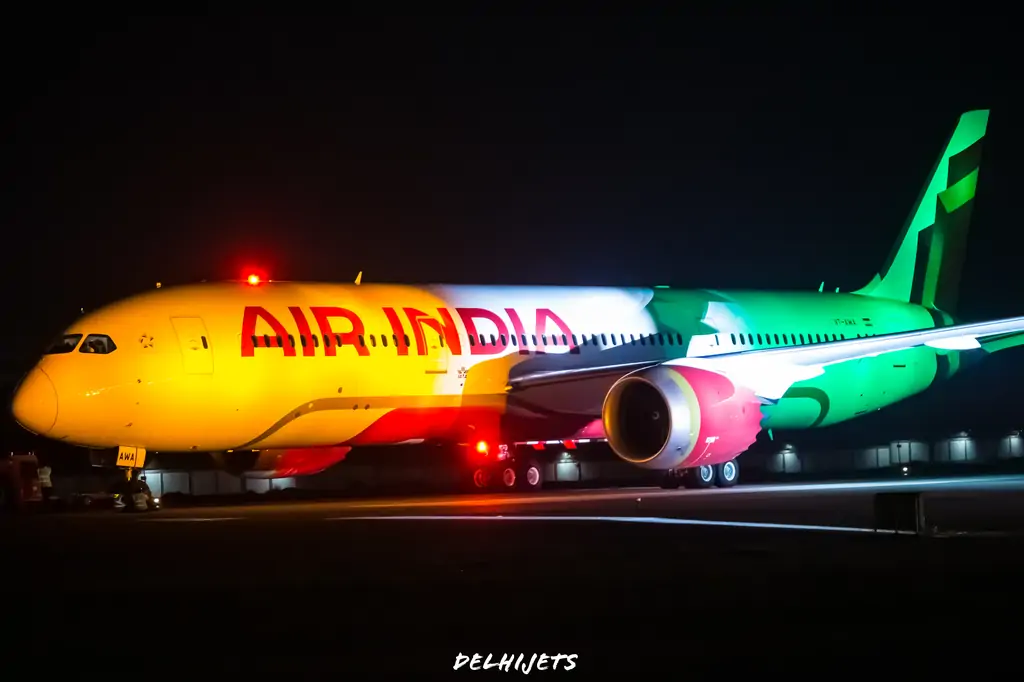
Air India, now under the stewardship of the Tata Group, has long grappled with reliability issues tied to its legacy wide-body fleet — specifically its aging Boeing 777 and 787 aircraft. These problems translated into visible consequences for passengers: flight cancellations, delays, and a dented reputation that the airline has been working hard to repair.
Wilson Addresses the Workforce Head-On
On Thursday, Air India's Chief Executive Officer and Managing Director Campbell Wilson took to a town hall with employees to deliver a progress report on the airline's transformation. Wilson identified operational resilience as a central pillar of Air India's current strategy, signaling to staff that the airline is not merely patching problems but building long-term reliability into its core operations.
Fleet Reliability Is Showing Measurable Gains
According to Wilson, both legacy Boeing fleets — the 777s and the 787s — are showing consistent improvements as reliability upgrade work continues to be carried out across the aircraft. The airline has been systematically replacing and upgrading components to reduce the risk of technical disruptions. Crucially, the inventory of spares and components has also been scaled up, which directly reduces downtime when parts are needed urgently. The upgradation of the legacy Boeing 787s, in particular, has already commenced, marking a concrete step forward in the modernization journey.
A Clear Timeline for Wide-Body Modernization
Wilson laid out a structured roadmap for the fleet's future. More than 50 per cent of Air India's wide-body fleet is targeted to be modernized by the end of 2026. The full wide-body modernization program is then expected to reach completion by December 2028 — giving the airline a firm, multi-year horizon against which both employees and passengers can measure progress.
Ambitions to More Than Double the Fleet by 2030
Perhaps the most striking announcement from the town hall was Wilson's growth ambition for the airline group. Air India currently operates a fleet of approximately 300 aircraft. Wilson revealed that the airline aims to expand that number to over 500 aircraft by 2030 — a target that would represent a near-doubling of capacity in just a few years, reflecting the Tata Group's confidence in India's booming aviation market.
What This Means for Air India's Future
Taken together, Thursday's town hall painted a picture of an airline in active transition — moving from fire-fighting legacy problems to executing a disciplined, phased modernization plan. With improved spare inventories stabilizing day-to-day operations, a concrete wide-body upgrade timeline in place, and an aggressive fleet expansion goal on the horizon, Air India appears to be laying the groundwork to compete seriously with both domestic rivals and international carriers in the years ahead.
Read next
Could Air India and Lufthansa's New Alliance Reshape the Future of India-Europe Travel?
Abhishek Nayar
18 Feb 2026

Air India and the Lufthansa Group signed a Memorandum of Understanding on February 17, 2026, laying the groundwork for a joint business agreement designed to expand connectivity between India and Europe.
The partnership brings together Air India and Air India Express on one side, and Lufthansa Group's full portfolio — Austrian Airlines, Brussels Airlines, ITA Airways, Lufthansa, and Swiss International Air Lines — on the other, promising travelers more seamless journeys across key intercontinental routes.
Building on an Existing Foundation
The agreement does not emerge from thin air. Air India and Lufthansa Group carriers already codeshare on 145 routes spanning 15 Indian and 29 European cities across 20 countries, a relationship further deepened in February 2025 when the two sides expanded codeshare arrangements between Air India, Lufthansa, SWISS, and Austrian Airlines. Both carriers are also longstanding members of Star Alliance, giving the new MoU a well-established diplomatic and operational foundation to build upon.
What the Partnership Will Cover
The proposed joint business framework will explore coordinated route planning and flight scheduling in specific markets, alongside joint sales, marketing, and distribution initiatives. The airlines also intend to collaborate on frequent flyer programmes, IT infrastructure, customer journey improvements, and quality assurance — all subject to regulatory and anti-trust approvals.
Initially, the MoU targets passenger traffic between India and Lufthansa Group's core European markets: Germany, Austria, Belgium, Italy, and Switzerland, with scope to expand later across the broader European continent and the Indian subcontinent.

Leaders Speak on the Vision
Carsten Spohr, Chairman of Deutsche Lufthansa AG, called the agreement "a strong signal of mutual determination to open a new chapter in aviation between the EU and India," particularly following the recent landmark trade agreement between both economic regions.
He also highlighted Lufthansa Group's premium product enhancements — including Lufthansa Allegris and SWISS Senses — as part of an elevated travel experience the partnership aims to deliver.
Campbell Wilson, CEO and Managing Director of Air India, described the MoU as "a milestone in our deepening relationship," noting that it enables closer cooperation across multiple fronts to serve growing trade, commerce, and people-to-people ties between India and Europe.
The Bigger Economic Picture
The scale of ambition behind this deal becomes clearer when viewed against the broader economic backdrop. India and the European Union together account for nearly 25 per cent of global GDP.
The EU is India's largest trading partner for goods, with bilateral trade exceeding €120 billion in 2024, while India ranks as the EU's ninth-largest trading partner. Since its privatization in 2022, Air India has grown its alliance network to 24 codeshare partnerships and nearly 100 interline agreements, reaching over 800 destinations globally.
Lufthansa Group, meanwhile, carried over 131 million passengers in 2024 across its five European national airlines. The final structure of the joint business agreement, including specific routes and markets, will be determined after regulatory clearances are obtained.
Read next
IndiGo's Massive Pilot Hiring Spree: Inside India's Aviation Crisis and Recovery Plan
Abhishek Nayar
16 Feb 2026
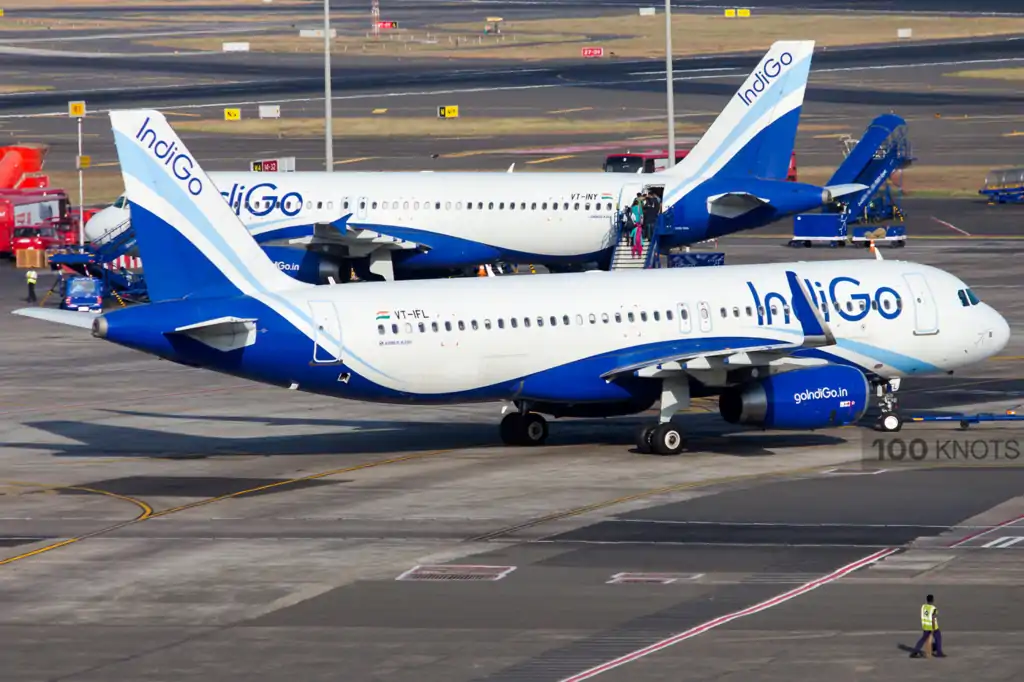
IndiGo, India's largest airline, is launching one of the most ambitious recruitment drives in Indian aviation history, seeking to hire more than a thousand pilots following a catastrophic operational meltdown that left thousands of passengers stranded last December. The hiring push represents a fundamental shift in how the carrier approaches crew planning after regulators exposed critical gaps in its staffing strategy.
The December Crisis That Grounded a Giant
The troubles began when India's aviation regulator implemented new fatigue management rules designed to protect pilot wellbeing. These regulations capped the number of landings pilots could perform during the crucial midnight to six in the morning window and mandated increased weekly rest periods. What seemed like a straightforward safety measure quickly spiraled into chaos for IndiGo, which cancelled over five thousand flights within just seven days as the airline discovered it simply did not have enough pilots to maintain its packed schedule under the new constraints.
The Directorate General of Civil Aviation launched an investigation that revealed uncomfortable truths about IndiGo's operations. The probe found that the airline had failed to hire adequate numbers of pilots ahead of the rule changes and had not accelerated its training programs to compensate. Instead, existing pilots were being stretched dangerously thin through frequent reassignments, longer working days, and extended periods of deadheading, where pilots travel as passengers to reach their next assignment rather than flying aircraft.
The Numbers Behind the Shortage
Aviation regulations in India require airlines to maintain three complete sets of pilots for each aircraft, including both captains and first officers. For IndiGo, which operates with exceptionally high aircraft utilization rates to maximize profitability, the actual requirement exceeds double this baseline. The regulatory investigation discovered that while IndiGo needed two thousand four hundred and twenty-two captains, it had only two thousand three hundred and fifty-seven available at the time of review.
The regulator's findings painted a picture of an airline that had become obsessed with maximizing every resource. Crew rosters were designed to push duty periods to their limits, with minimal buffer margins built into schedules. The system relied heavily on last-minute adjustments including deadheading, aircraft swaps, and extended duty patterns that looked efficient on paper but collapsed under regulatory constraints, leaving no room for operational resilience when new rules took effect.
Building for Tomorrow
IndiGo's hiring drive now targets trainee first officers, senior first officers, and captains, with the airline even accepting pilots without previous experience on its primary Airbus A320 family fleet. This marks a significant departure from typical airline hiring practices. The carrier inducts approximately four new aircraft monthly and promotes twenty to twenty-five first officers to captain rank through its internal training pipeline each month, creating constant demand for fresh talent.
The airline has implemented concrete changes beyond recruitment. Schedule buffers, which were virtually nonexistent in December, have been increased to three percent in February. Standby crew levels now maintain a minimum of fifteen percent, providing cushion for unexpected disruptions. With trainee first officers requiring roughly six months of training before becoming operational, the airline recognizes that continuous intake is essential to match its aggressive fleet expansion while meeting regulatory requirements and avoiding another December-style crisis.
With Inputs from Money Control
Read next
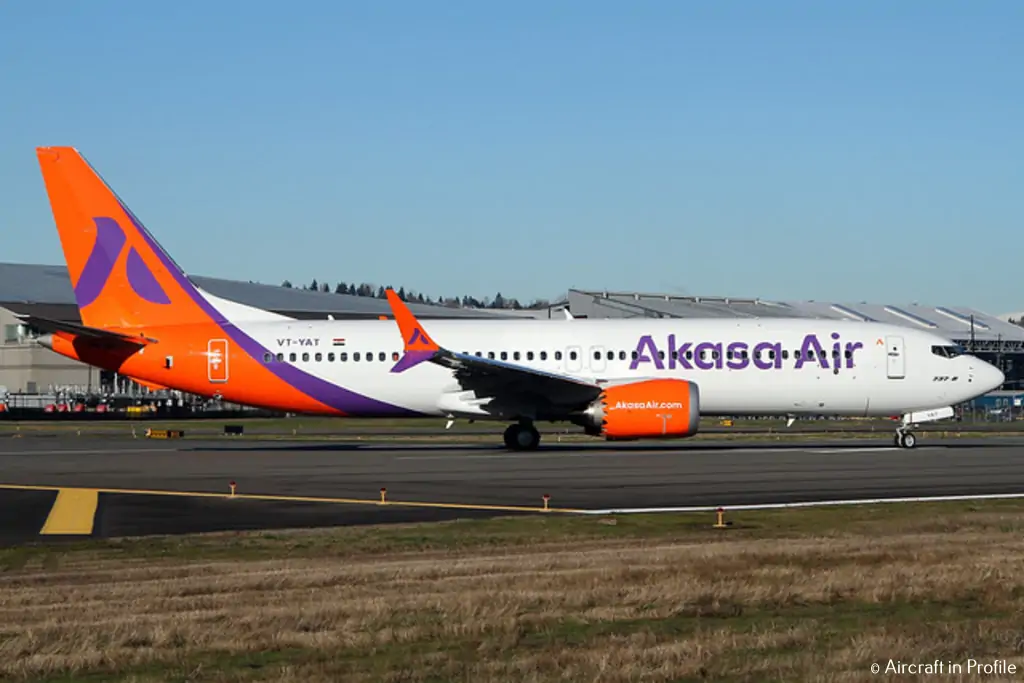
In an industry where most carriers scramble to maximize capacity during high-demand periods, one airline is taking a deliberately contrarian approach that challenges conventional aviation wisdom.
The Disciplined Approach to Growth
Speaking at the ET Now Global Business Summit 2026 on Saturday, Akasa Air CEO Vinay Dube outlined a business philosophy that sets his carrier apart from competitors in India's crowded aviation market. The airline, which launched operations in August 2022, has deliberately chosen to forego what Dube characterizes as opportunistic strategies that many rivals employ to boost short-term revenues.
Dube explained that Akasa Air refuses to pad its fleet with temporary dry lease or wet lease aircraft during peak travel months, despite the potential for substantial additional income. Similarly, the airline does not park aircraft during slower periods to cut costs. This consistent approach to fleet management represents a fundamental departure from industry norms, where airlines frequently adjust capacity based on seasonal demand fluctuations.
Building Resilience Through Redundancy
The airline's strategy centers on what Dube described as building redundancies across multiple dimensions of the business. Currently operating thirty-three aircraft with another joining the fleet imminently, Akasa Air has deliberately created buffers in both capital reserves and human resources. This approach may appear inefficient on the surface, but Dube argues it provides crucial operational stability.
The CEO pointed to a recent real-world test of this philosophy when revised Flight Duty Time Limitations regulations came into force in November last year. These new FDTL norms, which govern how long pilots can work, created significant operational challenges across the Indian aviation sector. While competitor IndiGo faced implementation difficulties resulting in flight disruptions during early December 2025, Akasa Air's redundancy planning allowed the carrier to navigate the transition smoothly.
Discipline Over Opportunism
Central to Akasa Air's operational ethos is what Dube termed planning and fiscal discipline. Rather than chasing immediate revenue opportunities that might compromise longer-term stability, the airline has committed to a measured expansion strategy. This disciplined fleet management approach ensures consistent service delivery across all seasons, building customer trust through reliability rather than aggressive capacity expansion.
The airline's response to the new pilot duty regulations demonstrated the practical benefits of this philosophy. By maintaining excess capacity in its pilot workforce, Akasa Air delivered what Dube described as a network completely free of cancellations throughout the winter season, precisely when competitors struggled with the regulatory transition.
This strategic patience represents a calculated bet that operational consistency and fiscal prudence will ultimately prove more valuable than maximizing short-term utilization rates in India's competitive aviation landscape.
Read next
AirAsia's Bold Gamble: Why Asia's Budget Carrier Is Betting Big on Small Jets After Near-Collapse
Abhishek Nayar
12 Feb 2026
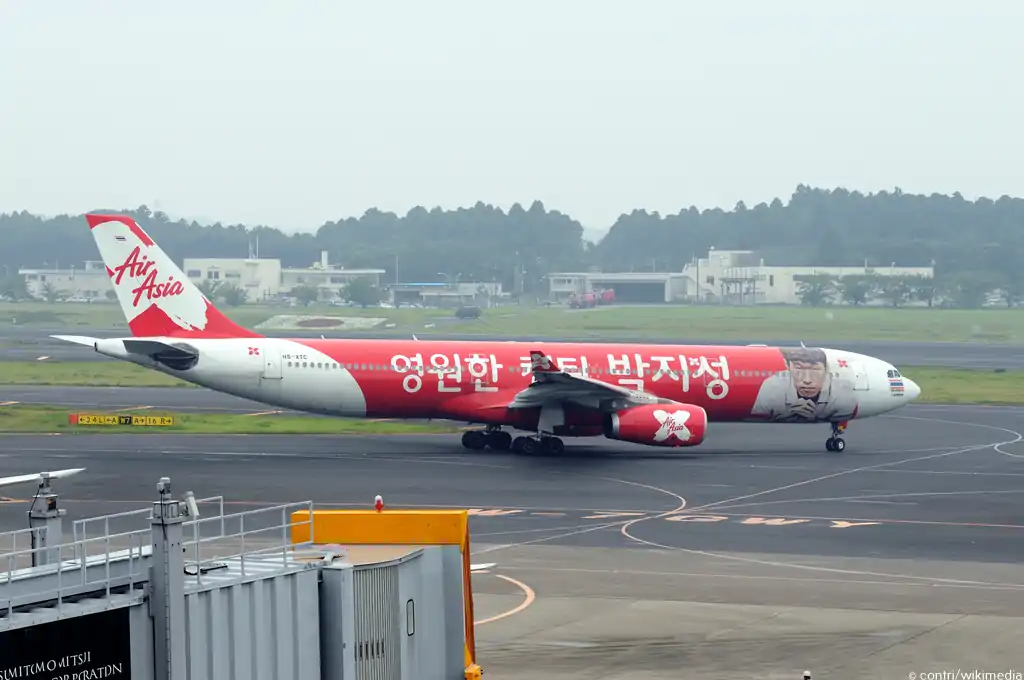
AirAsia X is charting an audacious recovery path that few would have predicted just months ago, announcing plans for a massive order of smaller regional aircraft while simultaneously abandoning its commitment to fifteen larger Airbus A330neo planes. This strategic pivot, revealed by co-founder Tony Fernandes on Wednesday, signals a fundamental reshaping of how the Malaysian budget carrier plans to capture Asia's rapidly expanding market of first-time travelers.
The airline CEO, speaking in an exclusive interview with Reuters, confirmed that a decision between competing Airbus and Embraer regional models would be unveiled within the next month. Industry insiders familiar with the negotiations suggest the order's scope has grown substantially beyond initial expectations, with what was originally planned as a hundred-aircraft deal potentially expanding to include a hundred and fifty firm orders for Airbus's smallest offering, the A220 jet, along with options for fifty additional planes.
From Crisis to Confidence
The announcement comes as AirAsia's parent company Capital A completes a comprehensive restructuring of its aviation operations. Fernandes acknowledged that the order, initially scheduled for announcement in late January, faced delays while the budget carrier finalized crucial discussions regarding financing arrangements and potential outside investment partnerships. Those conversations, he indicated, are now nearing completion.
The strategic transformation extends beyond the regional jet order. AirAsia is simultaneously working to confirm a separate purchase of fifty Airbus A321XLR aircraft, a long-distance narrow-body model that would enable the carrier to serve routes previously requiring larger wide-body planes. This dual approach reflects Fernandes's conviction that narrow-body efficiency, rather than wide-body capacity, represents the future of budget aviation in the Asia-Pacific region.
A Different Growth Strategy
What makes AirAsia's expansion plans particularly remarkable is the timing and financing philosophy behind them. Unlike many competitors that received government support during the pandemic crisis, AirAsia navigated the industry's worst period without state lifelines. Now, as the carrier returns to growth mode, Fernandes emphasized that expansion would proceed carefully, with profitability taking precedence over market share gains.
The financing strategy reveals an unconventional approach for a budget carrier emerging from financial difficulty. Rather than relying heavily on sale-and-leaseback arrangements that provide immediate cash injections in exchange for higher long-term rental costs, Fernandes stated the airline would increasingly pursue outright aircraft ownership. This strategy prioritizes long-term equity value over short-term financial maneuvering, distinguishing AirAsia from peers who aggressively trade aircraft for quick profits.
The carrier's order book transformation has been dramatic. Airbus itself canceled sixty-three A330neo orders in 2022 to relieve financial pressure on one of its largest customers. Fernandes's latest decision to drop the remaining fifteen A330neos cements AirAsia's commitment to narrow-body operations, though he left open the possibility of eventually considering newer wide-body options like the Airbus A350 or Boeing 787.
Speaking candidly about relationships strained during the pandemic, Fernandes acknowledged that AirAsia's financial struggles left marks within Dublin's aircraft leasing community. However, he expressed confidence that demonstrated profitability would quickly restore confidence among potential financing partners, noting that both the airline and its lessors had endured difficult periods that would ultimately be forgiven as the company returns to solid financial footing.
With Inputs from Reuters
Read next

India's aviation sector finds itself at a crossroads as the country's major carriers challenge proposed regulations they claim could severely limit their operational capabilities. The dispute centers on new rest norms for cabin crew that airlines argue are disconnected from both global practices and the realities of running a modern airline.
The Regulatory Proposal That Sparked Controversy
In October 2025, the Directorate General of Civil Aviation introduced draft Civil Aviation Requirements that would establish new Flight Duty Time Limitations for cabin crew members. The DGCA, which serves as India's aviation watchdog, designed these norms to address fatigue management among flight attendants. However, the proposal has triggered strong opposition from the Federation of Indian Airlines, an industry body representing IndiGo, Air India, and SpiceJet.
The airlines have characterized the framework as overly restrictive, arguing that it fails to align with international standards while simultaneously offering insufficient operational flexibility. In their view, the proposed regulations miss the nuanced approach needed to manage the diverse types of flight operations that characterize modern aviation.
The Core Disagreement Over Metrics
At the heart of this dispute lies a fundamental question about how to measure and manage crew fatigue. The airlines argue that flight duty period, rather than actual flight time, should serve as the primary metric for day-to-day fatigue management. This distinction matters considerably in practice. While flight time simply measures the duration a plane spends in the air, flight duty period encompasses the entire span from when a crew member reports for duty until they are released from all responsibilities.
In a letter dated January 12, the Federation emphasized that duty and rest limits should concentrate on flight duty periods and minimum rest intervals. The airlines want to avoid rigid cumulative caps or direct connections to the number of landings, which they consider impractical operational constraints.
Global Standards and Rest Quality
The airlines have also raised concerns about proposed accommodation standards for cabin crew. They advocate for twin-sharing arrangements under operator-defined guidelines, focusing on rest quality rather than strictly mandated individual rooms. The carriers point to international frameworks that recognize effective fatigue recovery depends more on adequate rest opportunity and alignment with circadian rhythms during local nighttime hours than on where the rest occurs.
The Broader Context of Implementation Challenges
This controversy arrives against a backdrop of ongoing struggles with similar regulations. Revised Flight Duty Time Limitations for pilots remain incompletely implemented despite legal battles surrounding them. These implementation difficulties carry real consequences, as evidenced by massive operational disruptions at IndiGo in early December 2025. Non-compliance with changed pilot duty provisions was identified as one contributing factor to those disruptions.
The airlines are now urging the DGCA to adopt globally-harmonized, evidence-based provisions that reflect operational realities. As India's aviation sector continues its rapid growth, finding the balance between crew welfare and operational flexibility remains a critical challenge for regulators and airlines alike.
Comment