
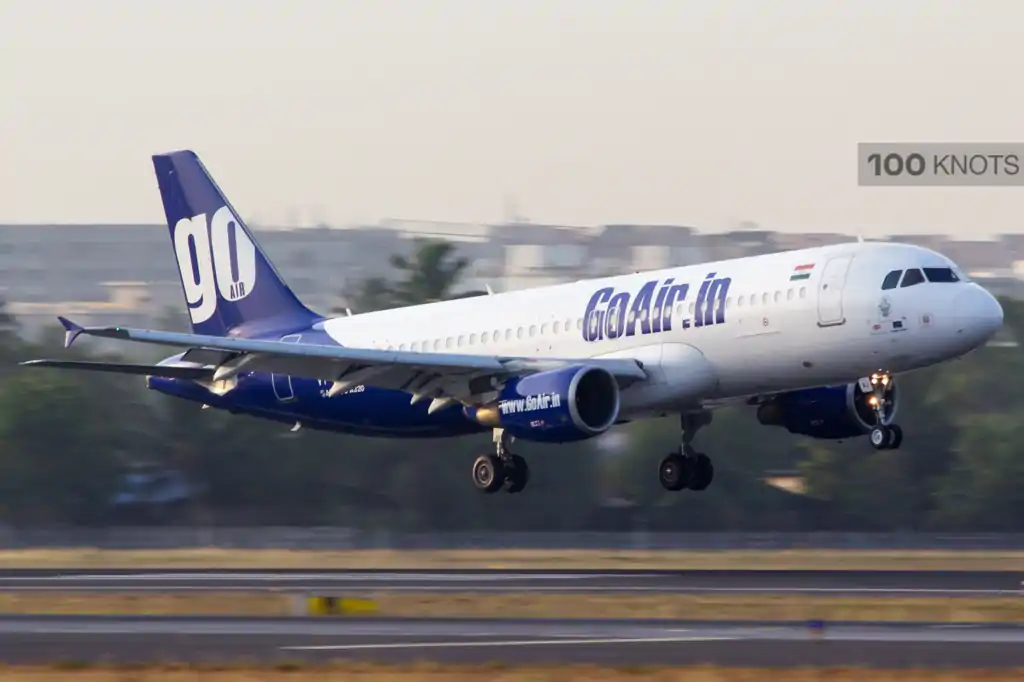
In a legal twist that has captured the attention of aviation enthusiasts and legal experts alike, an Irish lessor has made a fervent appeal to India's insolvent Go First airline. The plea revolves around the restoration of "robbed" components from its leased airplanes and the implementation of round-the-clock security to monitor grounded aircraft. This request marks the latest escalation in the firm's tireless efforts to regain control of its Airbus planes, raising intriguing questions about the intricacies of aircraft leasing, security, and accountability within the aviation industry.
The Mysterious Disappearance
The drama began when ACG Aircraft Leasing, an Irish aircraft leasing company, made a startling discovery. Vital components, crucial for the safe operation of commercial aircraft, were found to be missing from at least two of the four planes it had leased to Go First. These missing components were more than just replaceable parts; they were the lifeblood of the aircraft, essential for safe and efficient flights. Lessors have so far been unsuccessful in arguing in Indian courts to get their planes back, despite expressing concerns about aircraft cannibalization.
The Legal Battle Takes Flight
ACG Aircraft Leasing wasted no time in bringing the matter to the fore. The Irish lessor took its case to the Delhi High Court, where the details of the missing components and their potential implications were laid bare in a non-public court file on September 1. The court document outlined ACG's concerns about the missing components and their potential impact on the leased aircraft's airworthiness and safety.
Planes are "akin to perishable goods," and if not properly preserved, "they disintegrate at a rapid pace, causing huge irreparable loss," stated ACG's 140-page filing.
The High-Stakes Request
At the heart of ACG Aircraft Leasing's plea is a request for the restoration of the missing components. The lessor contends that these parts were unlawfully removed or misplaced during Go First's operation and maintenance of the aircraft. To address this issue, ACG is urging the court to compel Go First to take immediate action to locate, replace, or return these critical components. The court has yet to rule on ACG's plea, and the matter will be heard again on September 13.

Security on High Alert
In a bid to prevent any further incidents of missing components or potential tampering, ACG Aircraft Leasing is also requesting the implementation of round-the-clock security measures for the grounded aircraft. This entails not only ensuring the physical safety of the planes but also closely monitoring anyone who comes into contact with them.
The Significance of 24/7 Surveillance
The round-the-clock security measures underscore the seriousness of the situation. Aircraft are highly complex machines, and any unauthorized interference or tampering can have catastrophic consequences. ACG's request for constant surveillance aims to restore confidence in the safety and integrity of its leased aircraft.
Go First's Response
Lessors can currently only check Go aircraft on an as-needed basis. The lessor requested a "robbery list" on August 24, but Go responded that there were no court orders requiring such paperwork, according to court documents.
According to court papers, ACG has requested the Delhi judge to enable it to "contract 24-hour security for all its aircraft" and "replace all components stolen from the aircraft."
As of the latest developments, Go First has not publicly commented on the matter. It remains to be seen how the airline will respond to the Irish lessor's appeal and the court's decision.
Conclusion
The case of ACG Aircraft Leasing's missing components raises important questions about the responsibilities of lessees in the aviation industry. Ensuring the safety and airworthiness of leased aircraft is paramount, and any lapses in this regard can lead to legal battles, reputational damage, and financial implications.
In an industry where precision and accountability are vital, this case serves as a stark reminder of the challenges that lessors and lessees can face. It also highlights the need for robust security measures to protect valuable assets like commercial aircraft.
With Inputs from Reuters

Read next
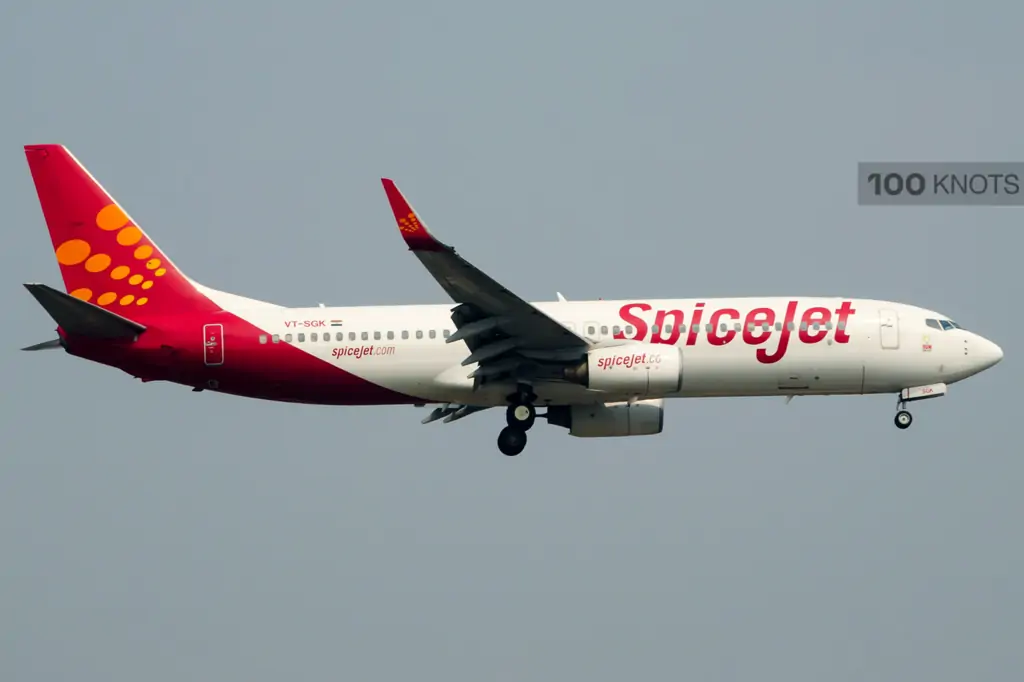
The National Company Law Tribunal (NCLT) on Tuesday, September 5 suggested that SpiceJet settle the issues with lessors that have sought initiation of insolvency proceedings against it. The tribunal's suggestion came against the backdrop of the crisis-hit carrier issuing shares instead of dues to nine aircraft lessors.
On Tuesday, September 5, the NCLT was hearing a plea filed by Celestial Aviation Services Ltd, an operational creditor that had filed a plea to initiate insolvency proceedings against the airline. A two-member NCLT bench observed that the airline is settling with some of the aircraft lessors by converting debt into equity. "SpiceJet seems to be settling with other lessors by giving shares, Why don't you settle with these lessors as well?," the bench, comprising M M Khandelwal and Rahul Prasad Bhatnagar, said.
This was about Celestial Aviation Services and four other lessors who have filed pleas against the airline. Further, the bench said that in its opinion, it is in its best interest to settle with the lessors and suggested that all of them sit together and resolve the disputes. The tribunal also observed that "banks have not filed insolvency petitions, only lessors have come".
On Monday, September 4, SpiceJet announced the allotment of 4.81 crore equity shares on a preferential basis to nine of its aircraft lessors to clear outstanding dues of INR 231 crore. The allotment committee of the board of directors of the company passed several resolutions, including an INR 2,500 crore fundraiser and a preferential issue of shares to lessors at an issue price of INR 48 each to clear its outstanding dues, the low-fare airline said in a stock exchange filing.
Story so far
In June 2023, SpiceJet entered into a settlement agreement with Nordic Aviation Capital (NAC), a major lessor for the airline's Q400 aircraft. It was earlier reported that the airline planned to settle its dues of Rs 2500 crore by transferring its cargo undertaking to a newly created subsidiary, SpiceXpress. It will then issue compulsorily convertible debentures (CCDs) to the parent. Then SpiceJet will offer lessors the option to swap lease payments with the CCDs.
Celestial's is the fifth insolvency plea against SpiceJet. Pleas by lessors such as Willis Lease Finance, Aircastle and Wilmington are already pending at the NCLT. All the petitions are likely to come up for hearing on September 15.
The NCLT on May 8 issued notice in Aircastle's first plea and sought the airline's response. SpiceJet had accordingly filed a response to the plea, and Aircastle sought a short adjournment on May 25 to respond to the airline's reply. Subsequently, SpiceJet filed an application questioning the maintainability of Aircastle's insolvency plea. SpiceJet has also questioned the maintainability of Aircastle's second insolvency plea and Wilmington's plea.
The NCLT is scheduled to hear the pleas of all SpiceJet lessors on September 15, 2023. According to regulatory filings -- nine lessors who have been allotted shares include SASOF III (A13) Aviation Ireland DAC, SASOF III (A6) Aviation Ireland DAC, SASOF III (C) Aviation Ireland DAC, SASOF III (E) Aviation Ireland DAC, SASOF III (A19) Aviation Ireland DAC, SASOF II (J) Aviation Ireland DAC Citrine Aircraft Leasing Limited, Fly Aircraft Holdings Seven Limited, Fly Aircraft Holdings One Limited.
Not the end of the problem
The fund crunch and grounded fleet have eroded SpiceJet's market share to 4.2% as of July, lower than that of new entrant Akasa, which only began commercial operations in August 2022. SpiceJet, which in February converted around USD 100 million in dues to aircraft lessor Carlyle Aviation into equity and debentures, still finds itself in legal battles with other lessors over dues. The airline is also embroiled in legal disputes as the Delhi High Court has also ordered SpiceJet to pay former owner Kalanithi Maran INR 100 crore. This has to be done by September 10 to repay a debt. The total sum owed by SpiceJet to Maran is INR 397 crore. On September 11, the High Court is expected to render a decision on the matter.
Read next
Delhi Airport Fully Prepared for G20 Summit; Airlines Offer One-Time Waiver on Tickets Amid Travel Restrictions

Radhika Bansal
06 Sep 2023

Ahead of the G20 Summit, Tata-owned Air India offered a one-time waiver of applicable charges, if the passengers holding tickets from September 7 to 11 wish to change the date of travel or the flight, the airline posted on X (previously Twitter) on Tuesday, September 5. "There will be travel restrictions in Delhi between 7th and 11th September 2023. As a measure of goodwill, passengers holding confirmed tickets to fly to or from Delhi on these dates are being offered a one-time waiver of applicable charges, if they wish to change their date of travel or their flight," Air India said on X, formerly Twitter. Only the fare difference for the rescheduled flight, if any, would be applicable, it added.
"We have cancelled selected flights while some others have been rescheduled," Vistara also said in a post on platform X (previously Twitter) on Tuesday, September 5. The airline said that it was offering a waiver of the change fee for one-time rescheduling for bookings on these dates. "We are also assisting the impacted customers with rescheduling or refunds, as applicable," it added. The full-service carrier has also requested customers scheduled to travel between September 8-11 are requested to check its website for their flight status in advance to avoid any inconvenience.
In a post on X (previously Twitter), SpiceJet said the G20 Summit in Delhi may cause road closures and diversions, leading to longer travel times than usual. "All passengers are requested to ensure a timely arrival at the airport for their SpiceJet flight. Check-in counters close 60 minutes before departure," it added.
Preparation by Delhi Airport
The government has asked airlines to cancel up to 25% of flights on specific hours on 8 and 11 September as it intends to keep airspace and terminals free of congestion. Flights will have to be reduced from 12 p.m. to 12 a.m. on September 8 and from 6 p.m. on September 10 until 12 p.m. the next day, as most of the delegates will fly in and out during these hours. Air India has waived off cancellation charges for people travelling between 7-11 September.
One of the officials said that around 120 flights are likely to be impacted during the September 8-10 period. The Indira Gandhi International Airport (IGIA), operated by DIAL, in the national capital is the country's largest airport and handles around 1,300 flights daily. On August 26, DIAL said it had received requests from airlines for cancellation of 80 departing and as many arriving domestic flights during three days from September 8.
Preparations at the Delhi Airport From preparing ceremonial lounges to keeping airspace and terminals free of congestion, India’s largest airport Delhi is gearing up for the upcoming G20 summit. The summit which will see the presence of 19 heads of state will see the arrival of 50 VVIP jets. Sources said that three ceremonial lounges have been prepared to receive the heads of State.
Government officials said that teams of officials accompanying the leaders will be able to complete the formalities at these lounges and exit the airport from the technical area without affecting the movement of regular passengers. “The VIPs will land at the technical airport but aircraft and private jets carrying them will be parked at the Delhi airport. Special arrangements have been made to park the Air Force One and a few other important aircraft at the Palam Air Force Station,” said a government official.
The skies around Pragati Maidan, which will host the summit, will be kept secure as operations of flying objects like airborne video cameras or drone cameras or flying drones are not permitted within a radius of 5 km around the venue. The airport has been decked up with fountains, sculptures and logos of G20 as the GMR group-led operator has formed special teams to monitor arrivals and departures.
Delhi, which is India’s largest airport, has around 220 parking stands, but all are utilised due to the surge in air traffic. The situation is worsening due to 50 aircraft that are grounded at the airport due to issues with engines and the bankruptcy of Go First. The Air Traffic Control (ATC) which is operated by the Airport Authority of India issued instructions on Tuesday, September 5 which said that charter aircraft and business jets will not be allowed to land or take off.
Safdarjung Airport will remain closed during this time, except for the IAF helicopters which may be deployed on emergency Or VVIP duties, and military helicopters utilized by the National Security Guard (NSG) providing immediate backup support. ATC officials said that there could be multiple diversions as VVIP flights will be given priority for landing. Similarly, operations of hang gliders, paragliders, paramotors, aero-models, all types of drones and similar short-range aerial vehicles are not permitted within 100 km around Delhi.
Traffic Diversions
Meanwhile, security has also been enhanced in the national capital, while traffic regulations are in place for the G20 summit on September 9 and 10. For passengers planning to travel to the airport during the Summit, the Delhi traffic police have suggested utilising Metro services, particularly the Airport Express Line that connects New Delhi Station to Dwarka Sector 21 Station via IGI Airport Terminal-3.
As per traffic advisory, people coming from Dwarka to T3 can take the Blue Line to Dwarka Sector 21 Station and then switch to the Airport Express Line to reach IGI Airport T3. From New Delhi to T3, passengers can utilise the Yellow Line to reach the New Delhi Station, then transfer to the Airport Express Line for IGI Airport T3. They can, alternatively, take the Orange Line from Shivaji Stadium to IGI Airport T3.
A senior traffic police official told IANS that road journeys to IGI Airport will be affected from midnight on September 7 to 10.59 p.m. on September 10. "Passengers choosing to travel by road are advised to allow for sufficient travel time and follow these recommended routes," the official said.
US President Joe Biden, French President Emmanuel Macron, Australian Prime Minister Anthony Albanese, German Chancellor Olaf Scholz, UK Prime Minister Rishi Sunak, Japanese Prime Minister Fumio Kishida and Brazilian President Luiz Inacio Lula da Silva are among the G20 leaders who have already confirmed their participation in the G20 Summit. The G20 member countries represent around 85% of the global GDP, over 75% of the global trade, and about two-thirds of the world population. The grouping comprises Argentina, Australia, Brazil, Canada, China, France, Germany, India, Indonesia, Italy, Japan, the Republic of Korea, Mexico, Russia, Saudi Arabia, South Africa, Turkey, the UK, the US and the European Union.
Read next
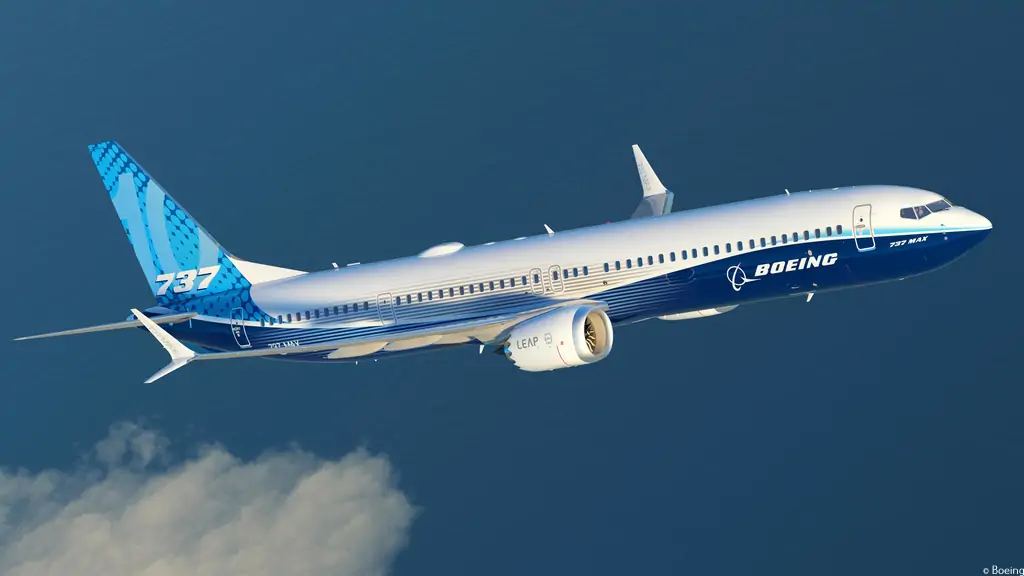
In an exciting development for the aviation industry, on September 5, 2023, Boeing and Aviation Capital Group LLC (ACG) announced a significant milestone - the finalization of an order for 13 737 MAX aircraft. This order marks a crucial step for ACG as it expands its single-aisle options to meet the soaring demand for the fuel-efficient 737 MAX plane family.
ACG's Commitment to Innovation
Aviation Capital Group LLC (ACG) is a renowned aircraft lessor known for its commitment to innovation and excellence. With this new order, ACG is solidifying its position as a key player in the aviation industry, while Boeing continues to demonstrate its prowess in manufacturing cutting-edge aircraft.
The Breakdown of the Order
The 13 aircraft ordered by ACG can be categorized into two variants:
737-8: The Fuel-Efficient Workhorse

The first part of the order consists of seven Boeing 737-8 aircraft. This variant is a true workhorse in the aviation world, known for its fuel efficiency and versatility. Airlines around the globe prefer the 737-8 for its ability to handle both short-haul and long-haul routes with ease. The 737-8 can carry up to 210 passengers and boasts a range of 3,500 nautical miles.
737-10: Meeting Growing Demand

The remaining six aircraft in the order belong to the Boeing 737-10 family. These aircraft are designed to cater to the growing demand for larger single-aisle planes. With its increased passenger capacity and extended range, the 737-10 is a popular choice among airlines looking to optimize their operations. The 737-10 can carry up to 230 passengers with a range of 3,100 nautical miles.
The Significance of the Order
This order holds immense significance for both Boeing and ACG:
Fuel Efficiency and Environmental Responsibility
Boeing's 737 MAX series has gained prominence for its fuel efficiency, contributing to reduced carbon emissions. In an era where environmental responsibility is paramount, ACG's commitment to adding more of these aircraft to its fleet aligns with the industry's sustainability goals.
Meeting Passenger Demand
The aviation industry is witnessing a resurgence in passenger demand, and airlines are seeking cost-effective ways to meet this demand. ACG's decision to diversify its fleet with both 737-8 and 737-10 aircraft showcases its commitment to offering airlines the flexibility they need to cater to different markets effectively.
Comments
"We are delighted to strengthen ACG's commitment to the 737 MAX program." "With this additional order, ACG will be able to offer highly fuel efficient and versatile aircraft to our airline customers around the world," said Steven Udvar-Hazy, Senior Vice President and Chief of Aircraft Operations at ACG.
"ACG's growing and diverse 737 MAX portfolio allows its customers to operate a more sustainable, efficient fleet," commented Christy Reese, vice president of Global Leasing Commercial Sales & Marketing, Boeing Commercial Airplanes. "We look forward to helping ACG deliver the most fuel-efficient airplanes in the industry to its airline partners."
Conclusion
Boeing and Aviation Capital Group LLC's recent order for 13 737 MAX aircraft is a testament to the ever-evolving landscape of the aviation industry. As air travel continues to rebound, this partnership between an industry giant and a forward-thinking lessor underscores the importance of innovation and adaptability.
With Inputs from Aviation Capital Group
Read next
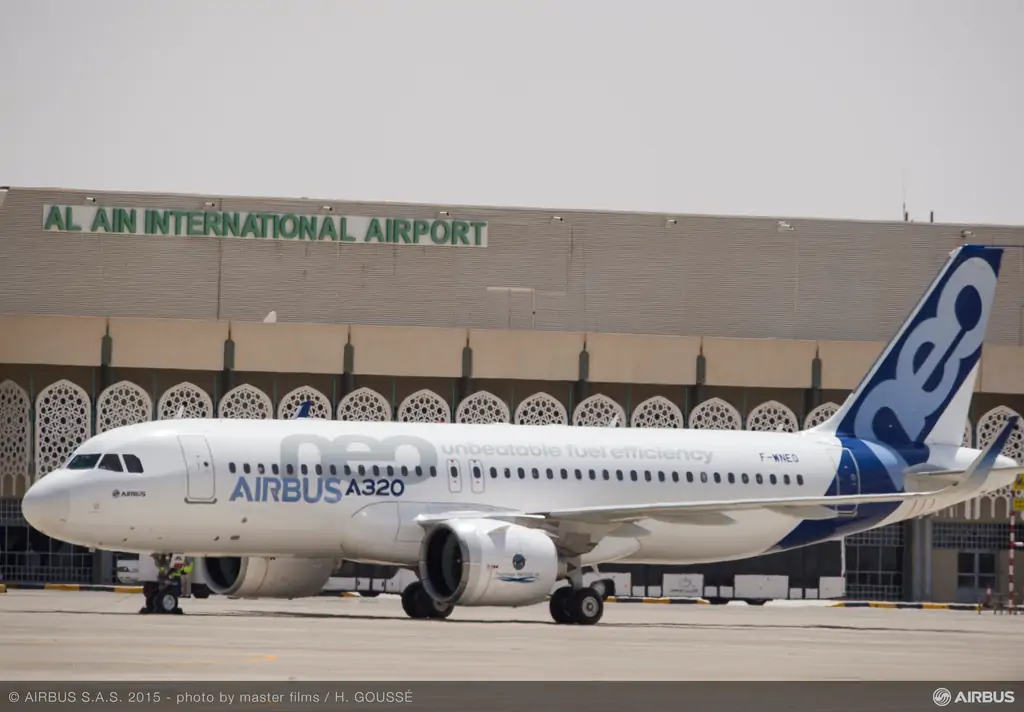
In the world of aviation safety, even the smallest components can have a significant impact on the overall performance and security of an aircraft. The European Union Aviation Safety Agency (EASA) has recently issued an airworthiness directive (AD) aimed at resolving a battery storage issue that affects all Airbus aircraft.
This directive, currently open for stakeholder comments, has emerged following a comprehensive investigation conducted by Airbus in collaboration with an undisclosed manufacturer of Nickel-Cadmium (Ni-Cd) batteries. The investigation revealed a critical concern related to the repetitive disconnection and reconnection of batteries during airplane parking or storage, as per the aircraft's maintenance manual.
Understanding the Battery Storage Issue
Airplanes, as intricate machines, rely heavily on their electrical systems to ensure safe and efficient operations. Among these electrical systems, batteries play a crucial role in providing essential electrical power during both normal and emergency conditions. The Ni-Cd batteries, commonly used in Airbus aircraft, have proven to be reliable sources of power. However, the issue at hand pertains to the repetitive disconnection and reconnection of these batteries during airplane parking or storage.
According to Airbus and the undisclosed battery manufacturer, this practice, when performed in strict accordance with the aircraft's maintenance manual, can lead to a decline in the batteries' capacity. This reduction in capacity poses a significant problem as it can result in decreased battery endurance performance. In the worst-case scenario, it could lead to a failure to supply the minimum essential electrical power during abnormal or emergency conditions.
The Significance of the EASA Directive
Recognizing the potential risks associated with this battery storage issue, EASA has acted swiftly to address the problem. The issuance of an airworthiness directive is a standard protocol for regulatory bodies like EASA when they identify safety concerns that need immediate attention.
The primary objective of this directive is to ensure that all Airbus operators and maintenance crews are aware of the issue and take necessary corrective actions. The directive outlines specific steps that operators must follow to inspect and rectify any potential battery capacity issues.
EASA's swift response highlights the commitment of aviation safety authorities to maintaining the highest standards of safety and security within the industry. By addressing this issue promptly, they aim to prevent any potential incidents that could compromise the safety of passengers and crew members.
Implications for the Aviation Industry
The issuance of the EASA airworthiness directive serves as a crucial reminder of the complexities involved in aviation safety. It underscores the need for continuous vigilance and proactive measures to identify and rectify potential issues, no matter how minor they may seem.
For Airbus and other aircraft manufacturers, this directive emphasizes the importance of thorough investigations and collaboration with suppliers. Identifying and addressing issues related to essential components like batteries can help prevent more significant problems down the line.
Aviation operators and maintenance crews must also take note of this directive and ensure compliance with the outlined procedures. The safety of passengers and crew members relies on their diligence in adhering to these guidelines.
Conclusion
The European Union Aviation Safety Agency's issuance of an airworthiness directive to address the battery storage issue on Airbus aircraft demonstrates the aviation industry's unwavering commitment to safety. This directive serves as a proactive step to rectify a potential problem that could compromise the reliability and security of these aircraft. By promptly addressing this issue, EASA and Airbus are setting a commendable example of safety and cooperation in the aviation world.
Read next
In the dynamic world of aviation financing, where deals soar higher than the skies themselves, Avolon, a globally renowned aviation financing firm, has made headlines with its latest bold move.
The company recently inked a binding contract with Airbus, one of the giants in the aerospace industry, to acquire 20 brand-new A330neo aircraft. This strategic partnership formalizes a memorandum of understanding that was initially struck in June at the prestigious Paris Airshow, marking a significant development in the aviation industry.
Setting the Stage: The Paris Airshow Memorandum

A Memorandum Takes Flight
The story begins with the electrifying atmosphere of the Paris Airshow. It was here that Avolon and Airbus first expressed their mutual interest in the A330neo aircraft. The memorandum of understanding signed during the event laid the foundation for the future contract. This initial step signified Avolon's intention to enhance its aircraft portfolio and reaffirmed Airbus's position as a reliable partner in meeting Avolon's ambitious goals.
The A330neo: A Game-Changer
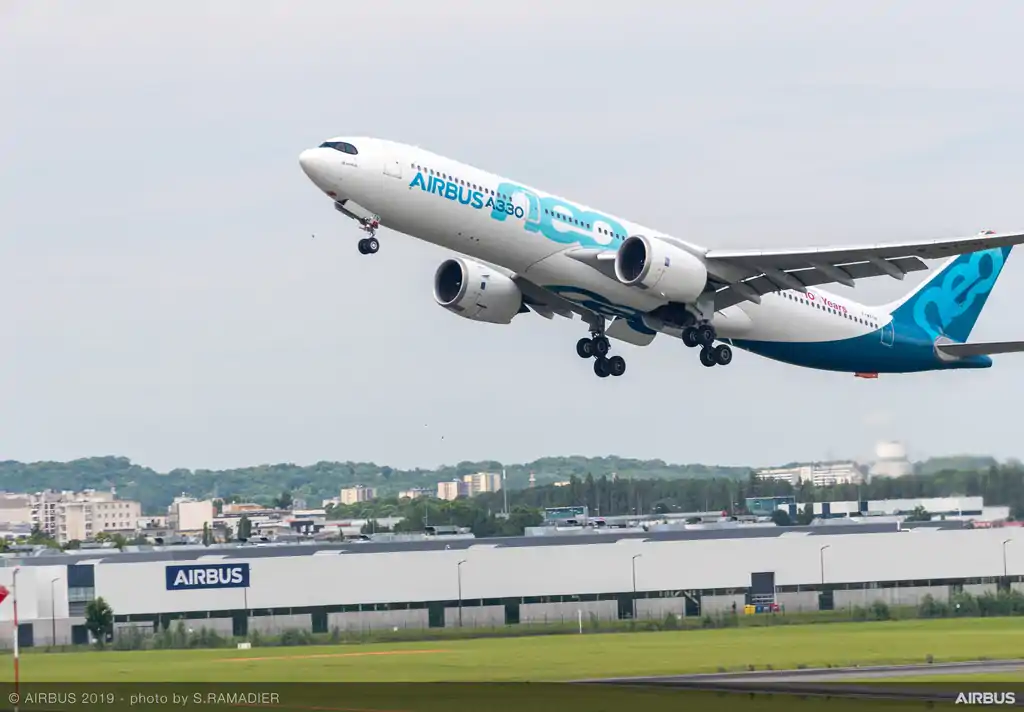
The Airbus A330neo, an acronym for "New Engine Option," is a state-of-the-art wide-body aircraft designed for long-haul journeys. Boasting the latest technological advancements and fuel efficiency, the A330neo is a game-changer in the aviation industry. Its impressive range and passenger capacity make it an ideal choice for airlines and leasing companies like Avolon.
The Firm Commitment: 20 A330neo Aircraft

A Strategic Decision
Avolon's commitment to acquiring 20 A330neo aircraft demonstrates its strategic vision for the future. These aircraft are expected to be delivered between 2025 and 2028, signaling Avolon's long-term commitment to expanding its fleet. The decision underscores the company's confidence in the A330neo's performance and its anticipation of growing demand in the aviation market.
Enhancing the Fleet
These 20 new additions to Avolon's fleet will undoubtedly strengthen its position as a leading aviation financing firm. The A330neo's versatility and efficiency make it an attractive asset for leasing, ensuring that Avolon remains a preferred choice for airlines seeking financing solutions.
A321neo Conversion: A Clever Move
A Surprising Twist

In addition to the 20 A330neo aircraft, Avolon's contract with Airbus holds another intriguing aspect. It indicates that 50 A320neo aircraft previously ordered by Avolon will be converted to the larger A321neo variant. This decision reflects Avolon's adaptability and its readiness to seize opportunities in the ever-evolving aviation landscape.

Meeting Changing Demands
The conversion to the A321neo variant aligns with the shifting market demands for more extended range and greater passenger capacity. Avolon's ability to pivot its order demonstrates its commitment to meeting the evolving needs of its clients, further solidifying its reputation as an industry leader.
Comments
"We see a high level of widebody demand within the delivery window for these aircraft," commented Andy Cronin, CEO of Avolon. With our existing widebody pipeline in place, these additional aircraft will support our future expansion ambitions while also providing options for carriers looking to replace older A330ceo aircraft with the more fuel-efficient A330neo. The order builds on our strong relationship with Airbus as the A330neo's launch client, as well as our position as the premier lessor for this aircraft type."
"It's fantastic to see Avolon once again commit additional investment in the A330neo aircraft and lead the lessor market in reordering widebody aircraft," remarked Christian Scherer, Chief Commercial Officer and Head of International at Airbus. With this commitment for an additional 20 aircraft to its portfolio, Avolon's vision and timing could not be better. Avolon will benefit from the strong wave of growth and replacements that we currently observe across all markets, and we welcome our continuing partnership with them."
Conclusion
Avolon's binding contract with Airbus to acquire 20 A330neo aircraft and convert 50 A320neo aircraft into A321neo variants is undoubtedly a bold step towards shaping the future of aviation financing. This strategic move not only bolsters Avolon's portfolio but also highlights Airbus's innovative solutions in the aerospace industry. As we look forward to the arrival of these new aircraft between 2025 and 2028, it is clear that this partnership will continue to soar to new heights, serving as a beacon of innovation and adaptability in the aviation world.
With Inputs from Avolon
Comment