
IndiGo Fleet to Have Minimal Impact by Anomalies Detected in Pratt & Whitney Engines

Radhika Bansal
11 Aug 2023
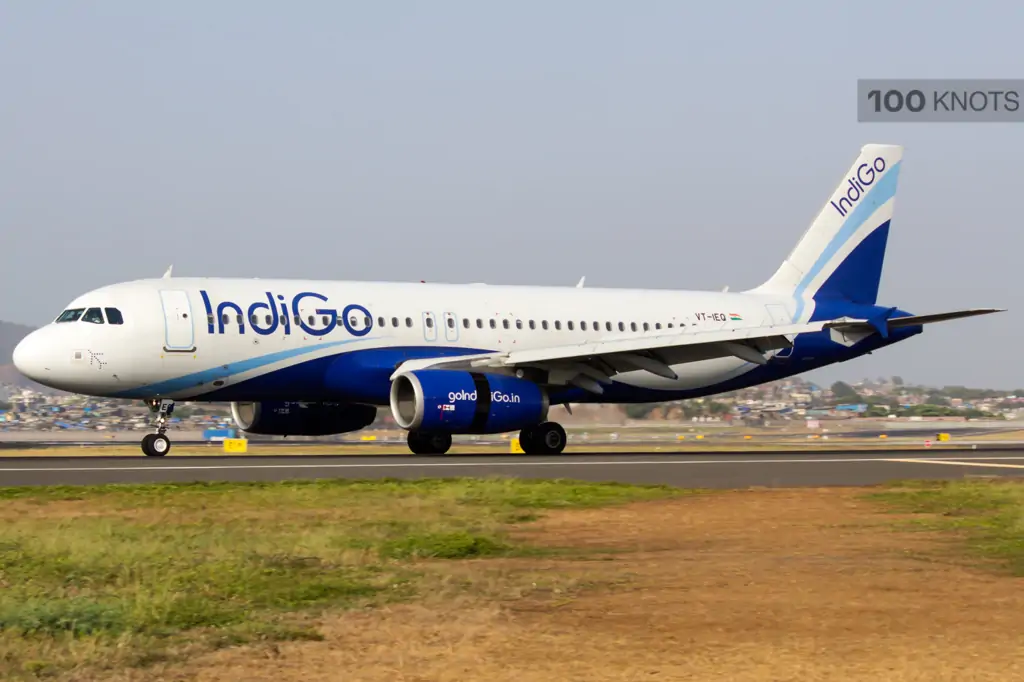
Aviation regulator DGCA said material anomalies detected in certain Pratt & Whitney engines will have a "minimal" impact on the IndiGo fleet as only two operational engines of the airline will be required to be removed for inspection. While a total of 15 engines powering IndiGo planes will be impacted, 13 of them are currently non-operational, according to a senior official at the Directorate General of Civil Aviation (DGCA).
IndiGo is the largest customer of the A320 planes and the aircraft are powered by P&W engines. Grounded carrier Go First's A320 neo fleet are also having P&W engines. Last month, US-based P&W said it has found that a rare condition in powdered metal used to manufacture certain engine parts may reduce the life of those parts. P&W had said the material anomalies would impact around 1,002 PW1100G engines worldwide.
RTX Corp on July 25 said at least 1,200 of the Pratt & Whitney GTF engines that power Airbus A320neo jets will need "accelerated removals and inspections." On July 31, IndiGo said it is working closely with P&W to assess and minimise any impact on its fleet. The PW1100G engine, also known as the GTF (geared turbofan) engine, is commonly used to power the A320neo and A321neo. The popular narrowbody aircraft are used globally and IndiGo was believed to be one of the airlines to be most affected. Currently, almost 50 IndiGo aircraft are grounded apart for want of PW engines and spares, apart from the once 60-aircraft strong GoAir which has blamed the nine-maker for its woes.
The engine maker has now issued the Service Instructions (SI) enlisting the serial numbers of the engine series which are required to be removed for performing Angle Ultrasonic Scan Inspection (AUSI) during the shop visit and accordingly are required to be removed before September 15, the official said. The engine inspection has become important as Pratt & Whitney determined that a rare condition in the powdered metal used to manufacture certain engine parts may reduce the life of those parts. As a result, Pratt has instituted enhanced inspections to be performed at scheduled shop visits.
Impact on IndiGo
"The impact of this Service Instruction on the fleet of IndiGo, as ascertained from them, is minimal and only 2 engines which are currently operational in their fleet would be required to be removed out of a total of 13 affected engines (of which 11 are currently non-operational). This implies that there would be little or no impact on the capacity of Indian carriers during the ensuing high season," the official said.
During IndiGo's quarterly earnings call on August 2, IndiGo CEO Pieter Elbers said a "single digit" number of P&W engines will be impacted in the first phase.
"This is a new issue that has been highlighted by the OEM. Here we have to rely on the communication which was shared by P&W about certain probable manufacturing anomalies which are actually leading to additional inspection... We don't know yet what is going to be the precise impact in the first phase... but of course, we are in clear contact and clear coordination with P&W to see what is going to be the precise impact," he had said.
Elbers also said there are still a lot of questions on the precise duration and phasing of the inspection of engines.
P&W is already grappling with supply chain issues and some of the aircraft of IndiGo are already grounded due to engine issues. IndiGo and Go First have been facing issues with their P&W engines, which had also resulted in aviation regulators grounding some of the aircraft in the past.
Cash-strapped Go First, which stopped flying on May 3, had blamed P&W engine problems as the main reason for seeking a voluntary insolvency resolution process. The dispute between the grounded carrier and the engine maker is going on.
Read next

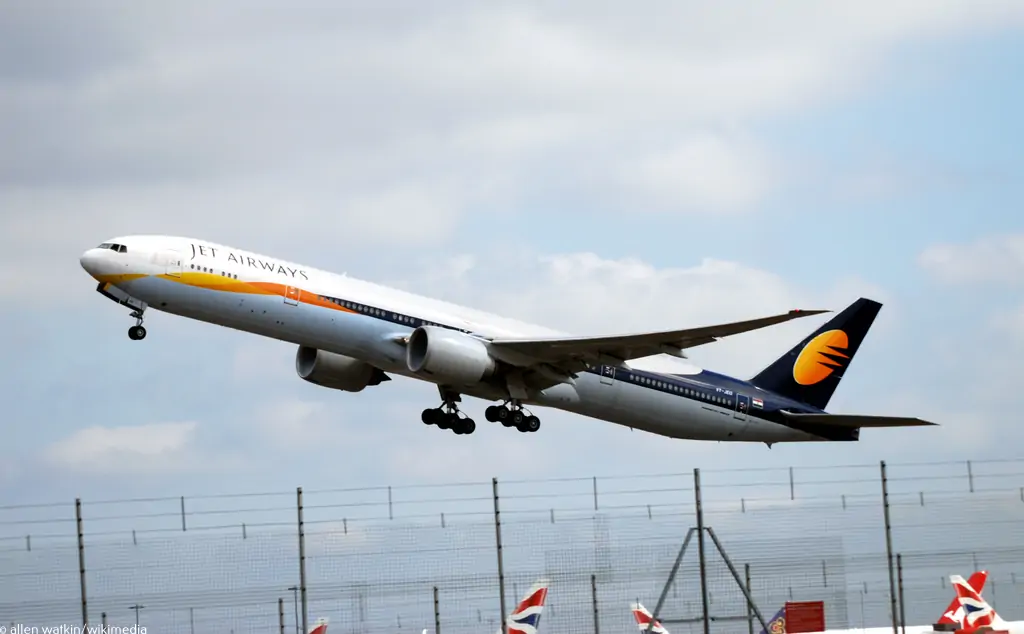
In the ever-evolving landscape of corporate legal matters, the recent decision by the National Company Law Appellate Tribunal (NCLAT) regarding Ace Aviation's appeal in the Jet Airways aircraft sale case has garnered considerable attention. This decision carries significant implications for both the aviation industry and legal proceedings.
Understanding the Background
The case revolves around Ace Aviation's efforts to ensure the execution of Jet Airways' sale of three aircraft. The appellant, Ace Aviation, has been facing a legal hurdle as the NCLAT indicated that it would not issue a notice for the appeal until another matter related to airline ownership was resolved before the panel. This linkage of issues has raised questions and concerns among the parties involved.
Key Concern: Ownership Issue Precedes the Appeal
One of the central points raised by the NCLAT is the unresolved issue of airline ownership before the panel. The tribunal asserts that this overarching matter needs resolution before the appeal can be thoroughly evaluated. This alignment underscores the tribunal's commitment to addressing foundational concerns first.
Unrelated Issues: Ace Aviation's Perspective
Ace Aviation's legal representatives argue that the appeal and the ownership issue are separate matters. They emphasize that the resolution applicant, Jalan Kalrock Consortium, explicitly stated in its resolution plan that retaining the present aircraft was not part of its intention.
Financial Implications: Ace Aviation's Investment
Highlighting the financial aspect of the case, Ace Aviation reveals that it has already invested Rs 50 crore and is prepared to commit an additional Rs 350 crore to secure the three aircraft.
An intriguing facet of the case revolves around the perceived decline in the assets' value. Ace Aviation contended that the ongoing impasse between lenders and the consortium was adversely affecting the value of the aircraft in question. This argument raises broader questions about the impact of legal disputes on asset valuation and underscores the broader consequences of unresolved conflicts in the business sphere.
Protecting Stakeholders' Interests: Legal Standpoint
Ace Aviation's attorney asserts, "The resolution applicant cannot stall the sale process, which pertains to all stakeholders." This viewpoint encapsulates the broader concern of ensuring that the interests of the various parties involved are safeguarded throughout the legal proceedings.
NCLT's Mumbai Bench: Denial of Plea
The National Company Law Tribunal's Mumbai bench has rejected Ace Aviation's plea, aiming to prevent a multiplicity of proceedings. This decision underscores the need for streamlined legal processes and coherent arguments to advance a case effectively. This stance adds an interesting layer to the discussion, highlighting the delicate balance between avoiding duplication and ensuring comprehensive legal redress.
Navigating Legal Complexity: Lessons Learned
The Ace Aviation case serves as a reminder of the intricate nature of corporate legal matters, especially when multiple stakeholders and complex financial investments are involved. Legal strategies must adapt to address interconnected issues effectively.
Conclusion
The NCLAT's decision not to issue a notice in Ace Aviation's appeal has underscored the complex and intertwined nature of legal disputes in the aviation industry. The interconnectedness of issues, financial implications, and broader effects on asset valuation all contribute to a multifaceted legal landscape. As the case continues to evolve, it will likely raise further questions about the interplay between resolution plans, stakeholder interests, and timely legal resolution.
With Inputs from Aviation India
Read next

When it comes to air travel, the journey itself is often considered as significant as reaching the destination. Emirates Airlines, a renowned player in the aviation industry, holds this sentiment dear. Elevating the in-flight experience to unparalleled heights at 38,000 feet, Emirates attributes its success to the exceptional cabin crew members who form the very essence of the customer journey.
The Heart of Excellence: Emirates' Cabin Crew Team
Emirates Airlines takes immense pride in its cabin crew team, which has now surpassed an impressive count of 20,000 members. This dedicated team plays a pivotal role in crafting the airline's renowned in-flight experience. As the airline continues to chart a trajectory of growth and development, it actively recruits cabin crew from around the globe.
Bridging Continents: Global Cabin Crew Recruitment
Since the year 2022, Emirates Airlines has embarked on an extraordinary journey of recruitment. With a remarkable presence in 340 locations across six continents, the airline's recruiting events showcase not only the diversity of its cabin crew personnel but also the extensive network of destinations it serves. This concerted effort further solidifies the airline's commitment to excellence and inclusivity.
Evolution of Elegance: The Emirates Cabin Crew Uniform
An integral part of Emirates' identity is its instantly recognizable cabin crew uniform. Over three decades, this iconic uniform has undergone four distinct makeovers, each contributing to its timeless appeal. Notably, in 1997, the airline collaborated with the celebrated Spanish designer Paco Rabanne to design a version of the uniform. Throughout these changes, the signature beige hue remains an enduring symbol of elegance, seamlessly blending with modern tweaks that uphold the uniform's classic charm.
A Legacy of Elegance and Modernity
Emirates Airlines has masterfully balanced tradition and modernity through its cabin crew uniform's design. The incorporation of contemporary elements into the classic attire is a testament to the airline's dedication to providing an up-to-date yet timeless in-flight experience. This legacy of elegance and modernity is a reflection of Emirates' commitment to consistently delight passengers.

The Art of Customer Engagement
At the heart of Emirates' success story is its cabin crew's ability to engage passengers in a personal and meaningful way. By infusing warmth and hospitality into every interaction, these exceptional individuals create an atmosphere that goes beyond the confines of the aircraft. It's not just about serving passengers; it's about crafting memorable experiences that linger long after the journey ends.
Embracing Diversity: A Global Team
Emirates Airlines' cabin crew epitomizes diversity. Hailing from various corners of the world, they collectively bring a rich tapestry of cultures and backgrounds on board. This diverse team forms a microcosm of the global village, enhancing the airline's appeal to passengers from all walks of life.
Longest Serving Cabin Crew
The airline's longest serving cabin crew- a male Emirati purser who joined in 1987 - and the longest serving female cabin crew, who joined in 1994 - have each worn almost all of these uniform variations.
Moosa Mubarak, Emirati Purser and Emirates' longest-serving cabin crew member, stated, "I have travelled as Emirates' crew member for 36 years on over 3,500 flights. Even after all these years, I'm always eager to begin my duty onboard. What I am most proud of is mentoring my crew colleagues and serving as an ambassador for Emirates and my country. I've had a long and prosperous career, incredible experiences, and have made wonderful memories doing what I love."
The Power of Training and Excellence
The journey to becoming an Emirates cabin crew member is no ordinary feat. Rigorous training programs ensure that each member is equipped with the necessary skills to handle any situation with finesse. From safety protocols to personalized service, Emirates' commitment to excellence shines through the professionalism and competence of its cabin crew.
Conclusion
In the grand tapestry of air travel, Emirates Airlines has woven a chapter that underscores the significance of the journey itself. The exceptional cabin crew, with their dedication, elegance, and unwavering commitment, adds an invaluable layer to the flying experience. As Emirates continues to shape the skies, the heartwarming interactions, the iconic uniform, and the global network of cabin crew remain steadfast in their role as custodians of the journey.
With Inputs from Emirates
Read next
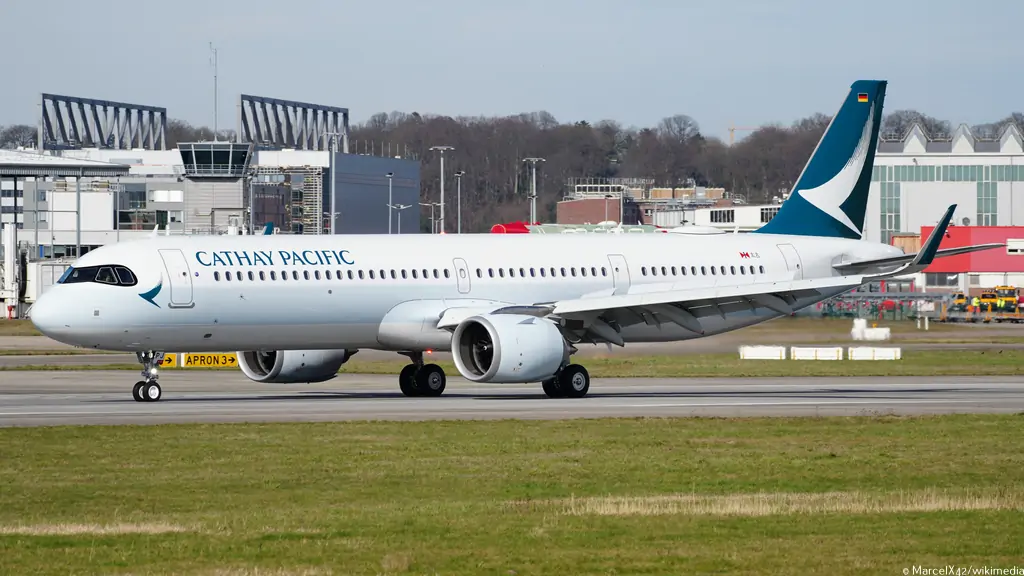
The Cathay Group's latest announcement to acquire a substantial number of Airbus A321neo and A320neo aircraft signifies a major stride in its ongoing efforts to strengthen its fleet, expand its services, and offer enhanced flight connectivity. This investment demonstrates the group's unwavering commitment to providing passengers with cutting-edge travel experiences while contributing to the growth of Hong Kong's aviation industry.
Cathay Group's Fleet Expansion Strategy
The decision to acquire up to 32 Airbus A321neo and A320neo aircraft aligns seamlessly with the Cathay Group's comprehensive fleet expansion strategy. By integrating these state-of-the-art aircraft into its operations, the group aims to optimize efficiency, enhance passenger comfort, and maintain a competitive edge in the ever-evolving aviation landscape.
The Significance of Airbus A321neo and A320neo

The Airbus A321neo and A320neo aircraft are celebrated for their advanced engineering and fuel efficiency. These aircraft are equipped with the latest technological innovations, enabling quieter and more environmentally friendly flights. The enhanced range of these aircraft makes them ideal for expanding the Cathay Group's network to reach an even broader range of destinations.

Modernizing Flight Connectivity at Hong Kong International Aviation Hub
The Cathay Group's investment in Airbus A321neo and A320neo aircraft aligns with its broader goal of modernizing flight connectivity at the Hong Kong international aviation hub. By introducing these advanced aircraft, the group aims to offer seamless travel options to passengers, further solidifying Hong Kong's status as a prominent aviation hub in the Asia-Pacific region.
Impact on Cathay Pacific and HK Express
Cathay Pacific and HK Express are set to benefit significantly from the acquisition of Airbus A321neo and A320neo aircraft. The introduction of these modern planes will enhance the airlines' capabilities to serve existing routes more efficiently while also opening up opportunities to explore new destinations.
Enhancing Services to Mainland China and Asia
With a primary focus on servicing destinations within China's Mainland and other parts of Asia, the Airbus A321neo and A320neo aircraft will play a pivotal role in improving air travel connectivity across the region. Passengers can look forward to enhanced travel experiences and greater convenience when journeying within Asia.
The Role of Advanced Aircraft Technology
The Cathay Group's investment in advanced aircraft technology exemplifies its dedication to providing passengers with state-of-the-art amenities and safety features. The Airbus A321neo and A320neo aircraft boast cutting-edge avionics and entertainment systems that will redefine the in-flight experience.
A Step Towards Sustainability
The acquisition of Airbus A321neo and A320neo aircraft also underscores the Cathay Group's commitment to sustainability. These aircraft are designed with eco-friendly technologies that minimize their carbon footprint, contributing to the aviation industry's efforts to reduce its environmental impact.
Meeting the Growing Passenger Demand
As air travel continues to grow in popularity, the Cathay Group's decision to expand its fleet aligns with the increasing demand for convenient and reliable transportation. The Airbus A321neo and A320neo aircraft will allow the group to cater to the evolving needs of modern travelers.
Strengthening Cathay Group's Competitive Position
In a competitive aviation market, staying ahead requires constant innovation. By adding Airbus A321neo and A320neo aircraft to its fleet, the Cathay Group positions itself as a formidable contender, offering superior services and experiences that stand out in the industry.
Collaboration with Airbus
The Cathay Group's collaboration with Airbus signifies a partnership built on shared values and a mutual commitment to excellence. This collaboration not only benefits the two entities directly involved but also extends its positive impact to the passengers they serve.
Preparing for Future Travel Trends
The decision to invest in Airbus A321neo and A320neo aircraft demonstrates the Cathay Group's forward-thinking approach to adapting to future travel trends. By aligning its fleet with changing passenger preferences, the group remains well-prepared for the dynamics of the aviation industry.
Comments
Cathay Group CEO Ronald Lam stated, "We are committed to investing in the Group's long-term future and the Hong Kong international aviation hub, which is expected to grow exponentially with the operation of the Three-Runway System."
"These aircraft models have been serving Cathay Pacific and HK Express well, allowing us to strengthen the expansion of our Chinese Mainland and regional network for our customers."
Conclusion
The Cathay Group's intention to acquire up to 32 Airbus A321neo and A320neo aircraft marks a significant milestone in its journey to enhance flight connectivity, modernize its fleet, and offer unparalleled travel experiences. This strategic move positions the group as a leader in the aviation sector, poised to meet the demands of an evolving travel landscape.
With Inputs from Cathay Pacific
Read next

In an industry where innovation is relentless and customer preferences evolve, Boeing has emerged as a dominant force. Their Orders & Deliveries filing, updated as of July 31, 2023, provides a comprehensive overview of their aircraft portfolio's order distribution. This disclosure showcases the fervent demand for specific models and highlights Boeing's prowess in catering to diverse market segments.
Boeing's Impressive Orders for the 777X Family

The 777X family stands as a testament to Boeing's commitment to excellence. As per the latest filings, the total net orders for the 777X family amount to an impressive 363. This family encompasses three variants: the 777-8X, 777-8F, and 777-9X. Notably, the 777-9X commands the lion's share of these orders, with a staggering 300 net orders. The 777-8X, designed for longer ranges and fewer passengers, holds eight net orders, while the 777-8F freighter variant boasts 55 net orders.
Boeing recently 'stretched' the 777-8X on its product page, adding greater capacity, range, and length to the aircraft's characteristics. When compared to specifications in early January 2023, the 777-8X expanded by 3 feet (0.9 meters), adding 11 passengers to a standard two-class configuration, and improved its anticipated range by 15 nautical miles (27.7 km).
The aircraft can currently seat 395 passengers in a two-class configuration, travel up to 8,745 nautical miles (16,190 kilometers), and measure 232 feet and 6 inches (70.86 meters) in length.
The 737 MAX: A Diverse and Popular Aircraft Family

Boeing's 737 MAX series has garnered substantial attention and demand in the aviation landscape. The series comprises five distinct models: the 737 MAX-7, MAX-8, MAX-8-200, MAX-9, and MAX-10. Among these, the 737 MAX-8 emerges as the frontrunner, capturing over 5,000 gross orders. Its exceptional fuel efficiency and versatile capacity have made it a favorite among airlines worldwide.

The 737 MAX-7 and MAX-10 have 297 and 810 net orders, respectively. With 2,751, 344, and 137 unfilled orders, Boeing has already delivered 965 737 MAX-8, 124 MAX-8-200, and 187 MAX-9.

The MAX-8-200, a high-density variant tailored for optimizing seating arrangements, has secured a remarkable 469 gross orders. Impressively, the yet-to-be-certified 737 MAX-10 holds an impressive 918 gross orders, illustrating its promising potential. The MAX-9 and MAX-7 contribute to Boeing's success story with 420 and 325 gross orders, respectively.
Unpacking Boeing's Noteworthy Aircraft Orders
The meticulous breakdown of Boeing's aircraft orders underscores the aviation industry's intricate demands. Gross orders, reflecting the total number of orders placed, reveal valuable insights. The 777X family's gross orders indicate substantial interest, with 43 orders for the 777-8X, 55 for the 777-8F, and an impressive 322 for the 777-9X.
Meanwhile, the 737 MAX family's gross orders exemplify the soaring popularity of specific models. With over 5,000 orders, the MAX-8 leads the pack. The MAX-8-200's 469 orders and the yet-to-be-certified MAX-10's 918 orders underline their market potential. The MAX-9 and MAX-7 contribute significantly to Boeing's achievement with 420 and 325 orders, respectively.
The Future of Boeing: A Glimpse into Aviation's Trajectory
Boeing's Orders & Deliveries filing provides more than just statistics; it offers a glimpse into the future of aviation. The robust demand for the 777X family indicates the industry's increasing reliance on long-range, fuel-efficient aircraft. Simultaneously, the popularity of the 737 MAX series signals a preference for versatile, economical options catering to various passenger capacities.
Conclusion
In conclusion, Boeing's recent Orders & Deliveries filing portrays a company at the forefront of aviation innovation and customer-centric design. The comprehensive order breakdown for the 777X family and the diverse 737 MAX series exemplifies Boeing's agility in meeting market demands. As aviation continues to evolve, Boeing's strategic approach places it in a prime position to shape the industry's trajectory.
Read next
Financial Troubles
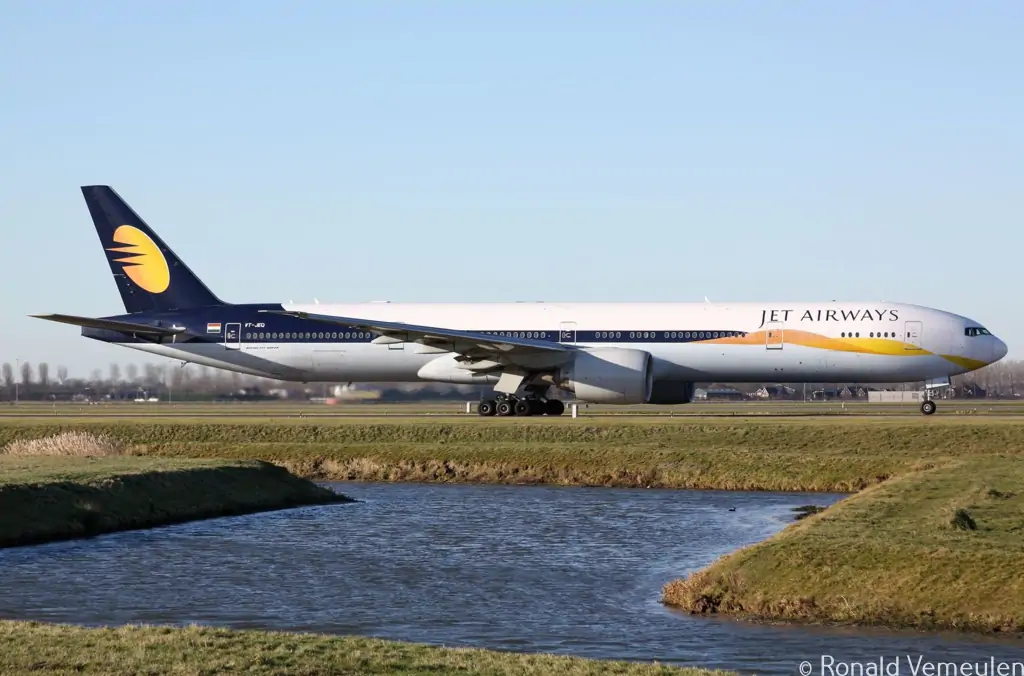
Jet Airways India Ltd on Tuesday, August 8 reported a standalone net loss of INR 50.65 crore in the June quarter of the current financial year 2023-24 (FY24). The carrier reported a loss of INR 390 crore in the June quarter (Q1) of FY23. In the fourth quarter of FY23, Jet Airways reported a net loss of INR 54 crore. The full-service carrier's revenue from operations was INR 39.08 crore for the quarter under review. Jet Airways posted a total revenue of INR 13.10 crore in the same quarter last year, according to a regulatory filing on Tuesday.
Jet Airways stopped flying in April 2019 after running into financial difficulties. However, ownership transfer has been on hold due to ongoing differences between the lenders and Jalan Kalrock Consortium. Before the suspension of its operations in 2019, the airline flew to more than 65 domestic as well as international destinations, with a fleet of 124 narrow and wide-body aircraft.
Jet Airways was admitted for insolvency in 2019. The resolution plan of JKC was admitted in June 2021. On June 22 2021, the NCLT approved the resolution plan submitted by the Jalan-Kalrock consortium subject to necessary approvals. The consortium consists of UAE-based NRI Murari Lal Jalan, who will hold shares in Jet Airways in his personal capacity, and Florian Fritsch, who will hold shares via his investment holding company Kalrock Capital Partners Ltd, Cayman.
Personnel Leaving the Airline
In April 2023, Jet Airways' CEO-designate Sanjiv Kapoor quit the company and joined Jeddah-based Saudia as the advisor to its Director General Ibrahim Al-Omar. Kapoor, who joined the cash-strapped airline as its CEO on April 4, 2022, resigned due to the differences between lenders and Jalan-Kalrock Consortium. Leadership transitions have added to the turbulence. Priya Pal Singh, the former Accountable Manager, tendered his resignation on June 12, subsequently succeeded by Captain Latinder Pal Singh on July 17. Company Secretary Neeraj Manchanda, too, resigned. Three directors, including the one who was taking on the role of Chief Financial Officer, also quit.
In July, Jalan Kalrock Consortium announced the appointment of Jatinderpal Singh Dhillon as the airline's accountable manager. Further, two whole-time directors and a non-executive director were also appointed. Last week, Jet Airways got its air operator’s certificate renewed from the civil aviation regulator Director General of Civil Aviation. The earlier AOC, which was granted in 2022, expired in May 2023.
Jalan Kalrock Consortium to pay INR 350 crore
On Monday, August 7, Jet Airways’ Committee of Creditors (CoC) asked the Jalan Kalrock Consortium to pay INR 350 crore. Last month, the Jalan-Kalrock consortium asked the National Company Law Appellate Tribunal on the transfer of ownership of the grounded airline. It claimed that the creditors were creating hindrances to restart its operations. The CoC said that they may not pursue the appeal for transfer of ownership if the said amount is paid.
The plea was filed by the State Bank of India against Jet Airways bidder JKC to recover pending dues. Recent developments saw the NCLAT granting the Jalan Kalrock Consortium, the successful bidder for Jet Airways’ takeover, an extended timeline for payments to the State Bank of India (SBI). The consortium’s bid had previously faced challenges, with the National Company Law Tribunal (NCLT) approving the transfer in January, only to be contested in the NCLAT. The consortium ultimately prevailed, with the tribunal allowing the exclusion of the ownership hearing period from November 16, 2022, to March 3, 2023, for payment compliance.
The NCLAT asked CoC to file an affidavit detailing their contentions, and the case is likely to come up for hearing on August 18. On July 28, the consortium told NCLAT that the CoC is not permitting them to commence operations even though they had obtained all the requisite permissions from the government. On July 10, the CoC told the Supreme Court the airline be wound up as the resolution plan approved by the NCLT was not workable.
A CoC is formed once a company is admitted to insolvency. It is a body of financial creditors that represents the interest of stakeholders. The voting percentage in the committee is proportional to the amount a financial institution has lent to the company in insolvency.
On July 5, the CoC told the court it had spent INR 470 crore since the implementation of the Corporate Insolvency Resolution Process (CIRP), without getting any return on investment. The creditors said they were incurring INR 23 crore in expenses every month. The Jet Airways Workmen Association agreed with the CoC and told the court they had not been paid their dues.
In May 2023, the National Company Law Appellate Tribunal (NCLAT) granted Jalan Kalrock Consortium, which emerged as a successful bidder to take over Jet Airways, more time to make payments to the State Bank of India (SBI). While the National Company Law Tribunal (NCLT) approved the transfer to Jalan Kalrock in January, the decision was challenged in NCLAT, which ruled in favour of the consortium on March 3, 2023. Hence, Jalan Kalrock was entitled to exclude November 16, 2022, to March 3, 2023, during which the ownership hearing was on, to comply with the payment deadline.
On January 13, NCLT allowed the transfer of the beleaguered airline to the consortium led by London-based Kalrock Capital and UAE-based entrepreneur Murari Lal Jalan. The lenders approached the NCLAT, opposing the ownership transfer, saying the consortium had not fulfilled its obligations. Jet Airways was grounded in April 2019 over growing losses and a debt of about INR 8,000 crore. In October 2020, the airline's Committee of Creditors (CoC) approved the revival plan submitted by the Jalan-Kalrock consortium.
Comment