
India's Aircraft Maintenance Market Races Toward $4B Milestone as Foreign Exchange Savings Mount

Abhishek Nayar
27 Nov 2025
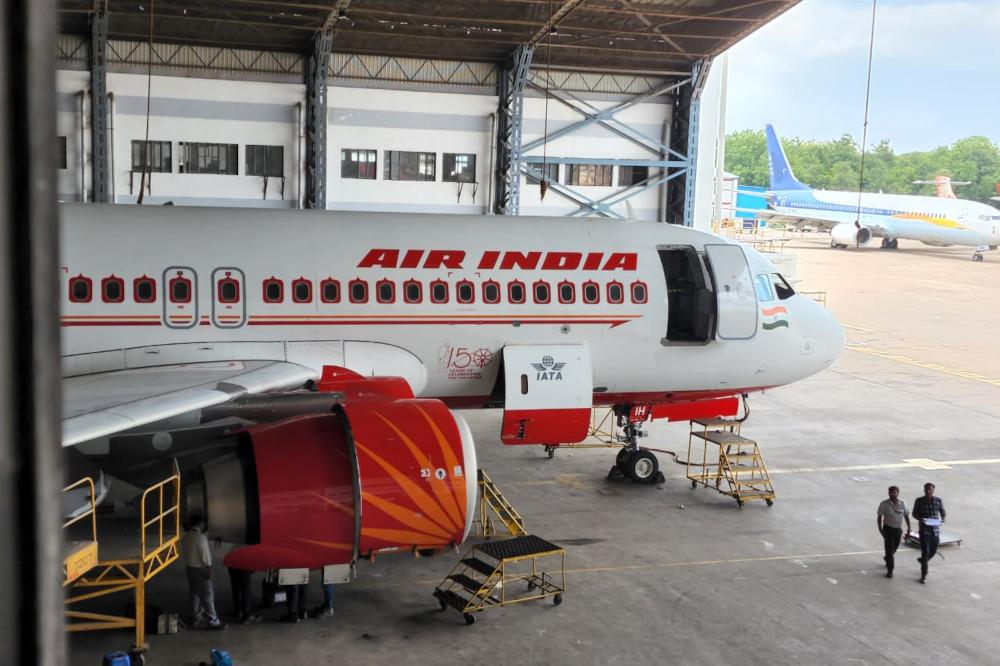
India's aviation maintenance sector stands at the threshold of transformation as the country positions itself to capture a $4 billion market opportunity by 2031, Civil Aviation Minister K Rammohan Naidu announced on Wednesday during the inauguration of a new MRO facility in the city.
India Emerges as Preferred Maintenance Destination
The Civil Aviation Minister addressed attendees at Wednesday's ceremony, marking a significant milestone for the nation's aerospace infrastructure. Naidu emphasized that India is positioning itself as the preferred destination for aircraft maintenance activities worldwide. This strategic positioning builds on the country's existing strengths while addressing a critical gap in its aviation ecosystem.
The new facility from French aerospace giant Safran Aircraft Engine Services India, scheduled to become fully operational in 2026, represents a major boost for indigenous capabilities in the rapidly expanding aviation sector. It embodies India's growing sophistication in the complex world of aircraft maintenance, repair and overhaul operations.
Massive Foreign Exchange Savings on the Horizon
The minister outlined substantial economic benefits flowing from developing indigenous MRO capabilities. Airlines currently send aircraft abroad for maintenance work, draining foreign exchange reserves. By performing these activities domestically, India expects to save up to $15 billion in foreign exchange over the coming years.
These savings will not remain locked within airline balance sheets. Naidu assured that carriers will pass cost reductions directly to passengers, making air travel more affordable for millions of Indians. This creates a virtuous cycle where improved infrastructure drives down costs, which in turn stimulates demand and justifies further investment.
Explosive Growth Meets Explosive Demand
India operates as one of the world's fastest expanding civil aviation markets, with domestic airlines placing orders exceeding 1,500 aircraft. This unprecedented fleet expansion creates enormous demand for maintenance services, making the development of domestic MRO infrastructure critically important.
The minister projected the MRO sector will grow at 8.9 percent annually, driving the market from its current size to the anticipated $4 billion valuation by 2031. This growth rate reflects both the expanding fleet size and increasing complexity of modern aircraft requiring sophisticated maintenance capabilities.
Building Blocks of a Global Aviation Hub
Naidu articulated a broader vision extending beyond maintenance facilities. India aims to establish itself as a comprehensive global aviation hub, competing with established centers in Singapore, Dubai and other regional powerhouses. Advanced MRO facilities represent essential building blocks in this ambitious construction.
The infrastructure will boost indigenous capabilities precisely when India needs them most. As airlines take delivery of hundreds of new aircraft over the next decade, having world-class maintenance infrastructure domestically eliminates bottlenecks that could otherwise constrain growth. The combination of expanding fleets, growing passenger numbers and developing infrastructure positions India uniquely in the global aviation landscape.
Read next

French aerospace giant Safran announced a bold expansion plan on Wednesday that positions India at the center of its global growth strategy. The company projects its annual revenue from India will surge to more than 3 billion euros, equivalent to $3.48 billion, by 2030—a threefold increase from current levels.
A Major Manufacturing Commitment Takes Shape
The announcement came as Safran inaugurated a sophisticated maintenance, repair, and overhaul facility for LEAP engines in Hyderabad, located in southern India. The company invested 200 million euros in this facility, which will begin operations next year. What makes this development particularly significant is Safran's commitment to generating half of its projected Indian revenue through facilities established within the country itself, as CEO Olivier Andries confirmed in his statement.
This strategic move carries substantial weight when considering Safran's global scale. The company reported total revenue of 27.32 billion euros in 2024, making India's projected contribution a meaningful portion of its worldwide operations.
Understanding the LEAP Engine's Market Position
Safran produces LEAP engines through CFM International, a joint venture with GE Aerospace that has become central to modern commercial aviation. The LEAP-1A engine competes directly with Pratt & Whitney to power the popular Airbus A320neo aircraft family, while the LEAP-1B serves as the exclusive engine option for the Boeing 737 MAX. This market positioning ensures Safran will benefit directly from India's massive aircraft procurement plans.
India's Aviation Ambitions Draw Prime Ministerial Attention
Prime Minister Narendra Modi personally addressed the facility's inauguration, revealing he had recently met with Safran's board. During his remarks, Modi urged the aerospace group to consider establishing aircraft engine and component design facilities in India, aligning with his government's broader vision to transform the country into a global aviation hub.
The Economics Driving This Transformation
Modi highlighted a compelling economic reality that underscores the urgency of developing domestic capabilities. Indian airlines have ordered more than 1,500 new aircraft, creating enormous demand for maintenance and repair services. However, facilities outside India currently handle 85 percent of this maintenance work, which significantly increases both expenses and turnaround time for Indian carriers.
What This Means for India's Aviation Sector
Safran's expansion reflects India's emergence as the world's fastest-growing aviation market. By establishing comprehensive maintenance and manufacturing capabilities within India, the company addresses practical industry needs while positioning itself to capture revenue that currently flows to overseas facilities. This approach creates jobs domestically while reducing the logistical challenges Indian airlines face when servicing their expanding fleets.
The timing of Safran's investment coincides with India's aviation sector reaching a critical inflection point, where infrastructure development must keep pace with unprecedented fleet growth to sustain the industry's upward trajectory.
With Inputs from Reuters
Read next
Adani Defence Makes Bold Entry Into Pilot Training With FSTC Acquisition Talks
Abhishek Nayar
25 Nov 2025
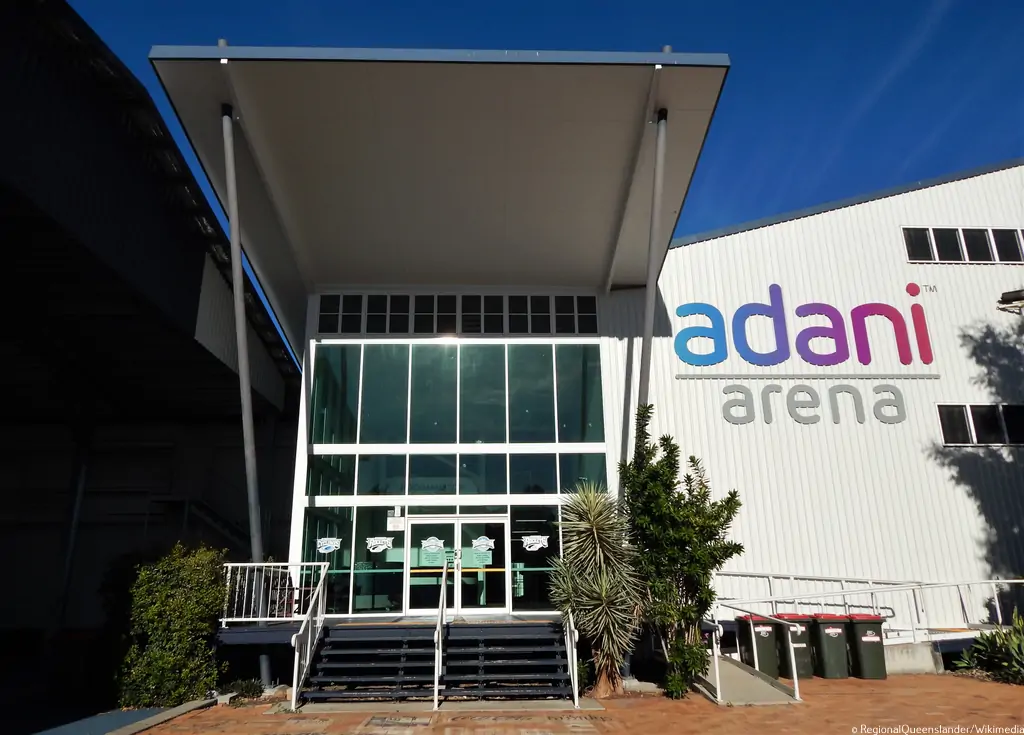
The Adani Group is negotiating what could become its most significant entry yet into India's pilot training industry. The conglomerate's defense and aerospace division has entered advanced discussions to acquire Flight Simulation Technique Centre, a move that would place it at the center of India's rapidly expanding aviation training sector.
Understanding FSTC's Operations
Flight Simulation Technique Centre has built a substantial infrastructure since its establishment in 2012. The company operates four simulator centers strategically positioned across Gurugram, Hyderabad, and Mumbai, complemented by four flight training academies in Haryana, Surat, and Solapur. This network serves both commercial airlines and defense forces, providing the mandatory simulator-based training hours that every pilot requires for certification and ongoing skill development.
The Structure Behind the Deal
Adani plans to execute this acquisition through Horizon Aero Solutions, a carefully structured partnership that reflects the group's collaborative approach to aerospace expansion. Horizon operates as a 50:50 joint venture between Adani Defense Systems and Technologies and Prime Aero. Adani Enterprises fully owns ADST, while Prajay Patel, son of NCP leader Praful Patel, promotes Prime Aero. This partnership model has already proven effective for the group's aerospace ambitions.
Adani's Aggressive Aerospace Expansion
The FSTC acquisition represents just one piece of a broader aerospace strategy that ADST has pursued with remarkable speed. In December 2024, the company made its first major move by acquiring a majority stake in Air Works, establishing its presence in aircraft maintenance, repair, and overhaul services. Shortly afterward, ADST secured a 50 percent stake in Indamer Technics, with Prime Aero holding the remaining share. The group has deployed nearly Rs 5,000 crore into the aerospace and defense sector and intends to triple this investment in the coming years.
Why Pilot Training Matters Now
The timing of this acquisition aligns with unprecedented demand for trained cockpit crews across India. Three converging factors drive this demand: heightened defense requirements, ongoing geopolitical uncertainties, and surging commercial aviation traffic. ADST already supplies drones, loitering munitions, and combat systems to Indian defense forces, including equipment deployed during Operation Sindoor, the four-day India-Pakistan confrontation in May this year.
FSTC's Financial Performance
FSTC's financial trajectory demonstrates the sector's growth potential. In FY24, the company generated operating profits of Rs 124.2 crore from revenues of Rs 214.5 crore. This marked significant growth from the previous year, when operating profits stood at Rs 96.4 crore on revenues of Rs 165.1 crore. India Ratings and Research attributed this revenue surge to continuous fleet expansion through strategic loans and internal resources.
The Competitive Landscape
FSTC would join a competitive but undersupplied market. CAE Simulation Training, a joint venture between Canada's CAE and InterGlobe Enterprises, currently trains pilots for IndiGo and Akasa. Flywings Simulator Training Centre is preparing for an initial public offering. CAE forecasts India will require approximately 20,000 new pilots over the next decade, while the broader Asia-Pacific region may need around 98,000 pilots during the same period, creating substantial opportunity for established training providers.
Read next
Can India's Airspace Handle Double the Traffic Without Building New Runways?
Abhishek Nayar
25 Nov 2025
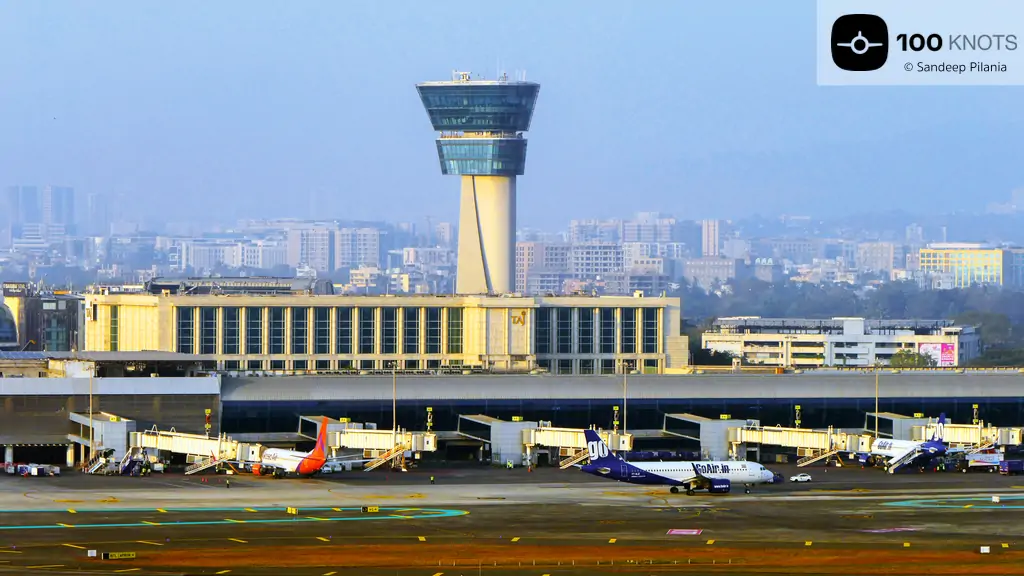
India's aviation sector faces an unexpected bottleneck. While airports have expanded their terminals and infrastructure rapidly, the airspace above them has become the real constraint. The Airports Authority of India now tackles this challenge with a ?15,000–17,000 crore modernization programme that promises to transform how aircraft move through Indian skies without constructing a single new runway.
The Invisible Infrastructure Crisis
The organization has identified 65 airports across the country that will undergo systematic upgrades by 2029. This ambitious timeline reflects the urgency of India's aviation capacity crunch. The investment splits into two distinct categories, with 60 percent dedicated to civil construction and 40 percent channeled toward technological advancement. The construction budget primarily funds air traffic control towers, structures that serve as the nerve centers for managing aircraft movements.
The technology investment targets automation systems, surveillance equipment, and advanced navigation infrastructure. These upgrades aim to squeeze more efficiency from existing airspace rather than expanding physical footprints. This approach represents a fundamental shift in how aviation authorities think about capacity constraints.
Four Strategic Locations Get Priority Treatment
AAI will construct entirely new control towers at Bhogapuram, Navi Mumbai, Dholera, and Jewar. These locations currently lack major aviation facilities but are poised to become significant hubs as their new airports commence operations. The towers will integrate next-generation air navigation services from day one, giving these emerging airports a technological advantage over older facilities that must retrofit systems into existing structures.
Different Airports, Different Solutions
The modernization programme recognizes that airports face varying levels of congestion. AAI has developed a tiered strategy that matches intervention intensity to traffic volume. Thirteen airports handling over 100 aircraft movements daily receive the most aggressive upgrades. Five of these facilities will see their control towers completely demolished and rebuilt with modern specifications. The remaining eight high-traffic airports will retain their physical structures while receiving comprehensive technological overhauls.
Twenty-two medium-traffic airports will undergo renovation projects that blend physical improvements with system upgrades. Another twenty-six airports will keep their existing towers untouched but gain enhanced navigation and surveillance capabilities. This graduated approach allows AAI to deploy resources where they generate maximum impact.
Closing the Gap with Global Standards
Indian airports currently manage 44 to 46 aircraft movements per hour at their busiest facilities. This figure trails international leaders that process 56 to 57 movements during peak periods. AAI plans to bridge this performance gap through improved automation, refined arrival and departure sequencing, and optimized aircraft spacing protocols. These enhancements collectively increase throughput without requiring additional runways or terminal gates.
Building Human Capacity Behind the Technology
Hardware upgrades alone cannot solve capacity constraints. AAI simultaneously expands its training infrastructure in Prayagraj, Hyderabad, and Gondia to develop a larger pool of qualified air traffic controllers. The Prayagraj center receives particular attention, with plans for new simulators, radar systems, and additional buildings. This investment ensures that trained personnel will be ready to operate sophisticated new systems as they come online across the network.
With Inputs from Elite Wealth
Read next
Day Two Highlights: Senior Executive Development Program on Aviation Law and Management

Sakshi Jain
21 Nov 2025
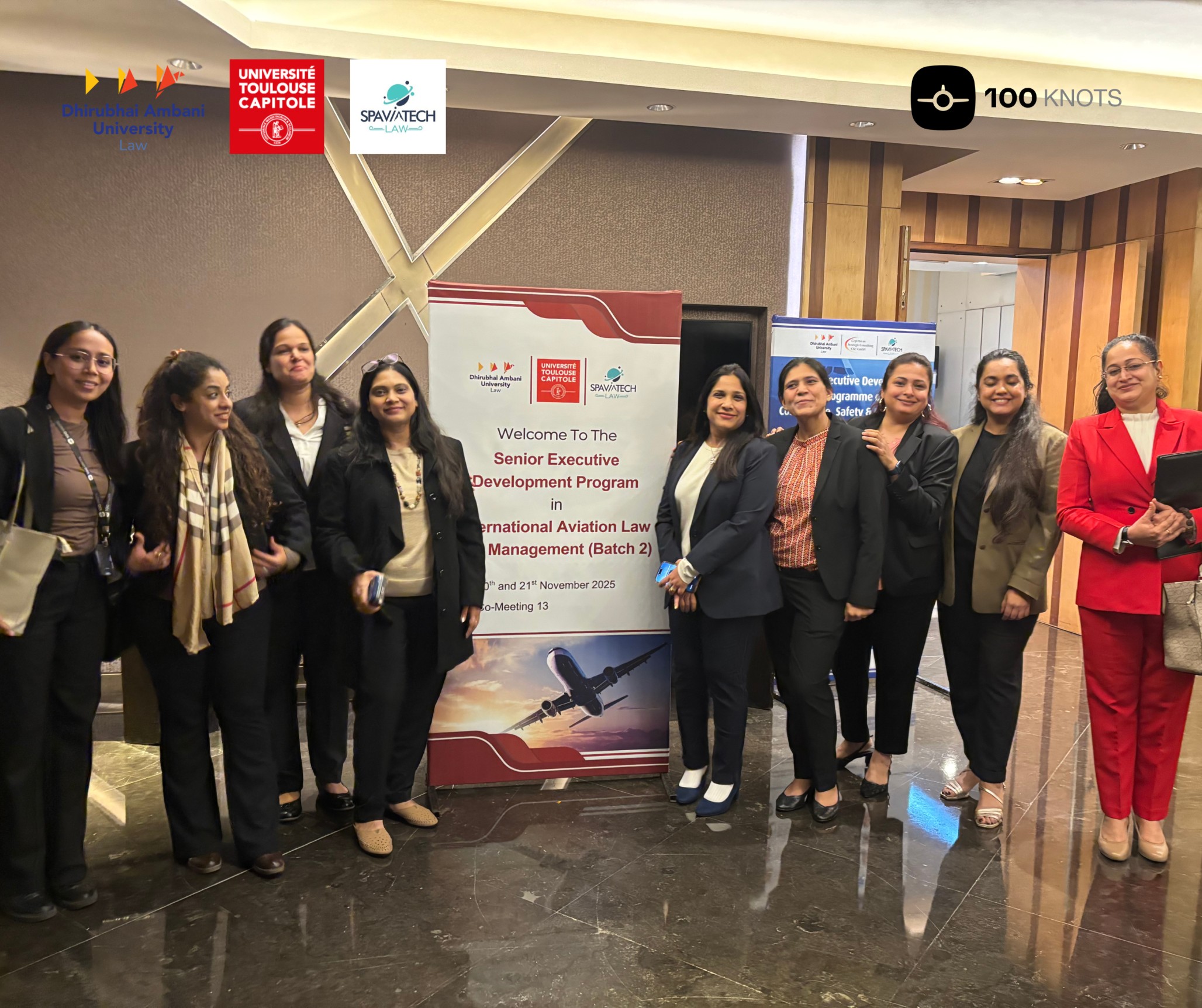
Day Two of the Senior Executive Development Program on Aviation Law and Management continued on 21st November 2025 at the Pullman, Aerocity, New Delhi, bringing forward a structured set of discussions led by senior legal, regulatory, and industry experts. Organised by Dhirubhai Ambani University – School of Law in collaboration with Université Toulouse 1 Capitole, France, and Spaviatech Law, the second day focused on the commercial, legal, and governance dimensions of contemporary aviation.
Session Speakers
The day opened with a session on Legal and Commercial Dimensions of Aviation Deals: A General Counsel’s Perspective, delivered by Ms. Lubinisha Saha, General Counsel (India & South Asia) at Airbus India. The session provided participants with an overview of the legal considerations and commercial elements involved in aviation transactions, reflecting the operational realities faced by legal teams within the aerospace sector. This was followed by a session on Liability and Claims in Aviation: Legal and Regulatory Perspectives, presented by Mr. Syed Tamjeed Ahmed, Co-Managing Partner at Spaviatech Law. The discussion focused on the legal principles governing aviation liability and the regulatory structure that shapes claims management within the industry. The session offered a factual outline of the frameworks that guide operators, regulators, and legal practitioners.

The programme then progressed to a session on Environmental Governance in Aviation – Balancing Growth, Innovation, and Regulatory Compliance, led by Prof. (Dr.) Laurent Grosclaude, Head of the Aviation Law LL.M. Program at Université Toulouse Capitole. His presentation addressed the environmental governance mechanisms relevant to aviation and highlighted the regulatory requirements that accompany sectoral growth and technological advancement.
After the midday break, the next session focused on Aviation Leasing and Financing: Principles and Practices, jointly led by Prof. (Dr.) Laurent Grosclaude and Mr. Syed Tamjeed Ahmed. The session outlined the foundational principles that define aircraft leasing and financing arrangements, offering participants a structured understanding of the legal and commercial aspects involved in such transactions. The presentation also reflected the shared roles of legal frameworks and financial instruments in shaping modern aviation operations.
The later part of the day featured a comprehensive Panel Discussion on Emerging Trends in Aviation, bringing together multiple senior industry representatives. The panel included Ms. Sharmila Barathan, Government Affairs & Policy Leader for GE Aerospace in South Asia; Mr. Pran Sathiadasan, Vice President Commercial Operations (Indian Subcontinent) at flydubai; Prof. (Dr.) Laurent Grosclaude; and Mr. Malik Almajadalawi, Deputy Head of Compliance for Europe at Collins Aerospace. The discussion was moderated by Ms. Rakhee Biswas, Co-Managing Partner at Spaviatech Law. The session collectively examined current developments and sectoral trends shaping the aviation landscape.

Bottom Line
The programme concluded with the Valedictory Address and Certificate Distribution, delivered by Mr. Faiz Ahmed Kidwai, IAS, Director General of the Directorate General of Civil Aviation (DGCA). His address formally marked the closing of the two-day programme and recognised the participation of attendees across both days. Overall, Day Two maintained the structured, informative format of the programme, offering participants a detailed understanding of the legal, regulatory, commercial, and policy dimensions of the aviation sector. The sessions collectively provided a comprehensive conclusion to the Senior Executive Development Program on Aviation Law and Management.
Read next
SpiceJet Slashes $50 Million Debt Through Strategic Equity Deal with Aviation Giant
Abhishek Nayar
21 Nov 2025

SpiceJet has executed a significant financial restructuring that removes Rs 442.25 crore from its balance sheet while securing critical resources for future operations. The budget carrier completed its equity share allotment to Carlyle Aviation Partners on Wednesday, marking a pivotal moment in its recovery strategy.
The Settlement That Changed Everything
The airline reached this settlement agreement with Carlyle Aviation Partners back on September 11, addressing lease dues totaling $121.18 million. The restructuring delivers $89.5 million in immediate liquidity to SpiceJet, providing the breathing room the carrier desperately needs as it works through its operational challenges.
How the Equity Swap Works
SpiceJet's Allotment Committee met on November 18 and approved issuing 10,41,72,634 equity shares to the global leasing firm. Each share carries a face value of Rs 10 and was priced at Rs 42.32, which includes a premium of Rs 32.32 per share. The airline issued these shares on a preferential basis under the non-promoter category, completing a crucial component of the settlement terms.
The agreement includes an innovative profit-sharing mechanism that protects SpiceJet's interests. If Carlyle Aviation Partners sells these shares and realizes proceeds exceeding $50 million, the airline will apply a portion of that excess amount toward future lease obligations, creating additional financial relief down the road.
Unlocking Maintenance Resources
Beyond debt reduction, the settlement unlocks substantial operational resources. SpiceJet gains access to $79.6 million in cash maintenance reserves that the airline can deploy for aircraft and engine maintenance work. Additionally, the carrier receives $9.9 million in cash maintenance credits applicable against future lease payments, providing flexibility in managing its financial commitments.
Leadership Perspective on Recovery
Ajay Singh, who serves as both Chairman and Managing Director, emphasized the strategic importance of this development. He described the settlement as an important milestone that demonstrates SpiceJet's commitment to building financial resilience. Singh highlighted how removing these liabilities while accessing maintenance reserves and credits provides meaningful support as the airline revives its fleet and expands operations.
The executive revealed that several additional restructuring initiatives remain in progress, expressing optimism about closing these deals soon. Singh framed these efforts as essential steps toward creating a stronger airline that better serves customers, partners, and shareholders.
Recent Financial Performance
The carrier reported a net loss of Rs 635.42 crore for the September quarter last week. Foreign exchange losses, additional expenses from grounded and re-inducted aircraft, and airspace restrictions contributed to this increased deficit. This financial context makes the Carlyle Aviation Partners settlement particularly significant, as it addresses legacy liabilities while providing resources for operational improvements.
Comment