

De Havilland Aircraft of Canada Limited has secured a significant partnership with IndiaOne Air, a regional airline operator in India. The companies announced their collaboration during the 2025 Dubai Airshow, where IndiaOne Air signed a Letter of Intent to acquire up to ten Twin Otter Series 300-G aircraft.
Strategic Expansion Into Underserved Markets
IndiaOne Air plans to deploy these aircraft to serve remote and underserved regions across India. The Twin Otter 300-G represents the latest generation of De Havilland's proven platform, offering capabilities that perfectly match the airline's expansion strategy. The aircraft will enable IndiaOne Air to establish connectivity in areas where limited airport infrastructure has historically restricted air travel access.
Wing Commander Prem Kumar Garg (Retd), who serves as Chief Executive Officer of IndiaOne Air, explained the rationale behind selecting this particular aircraft model. The Twin Otter 300-G suits the airline's operational requirements as it expands to regional destinations with smaller runway lengths. The aircraft's performance characteristics, reliability, and versatility align with the company's core mission of connecting previously isolated communities and making air travel accessible throughout India.
Supporting National Aviation Objectives

Himanshu Shah, serving as Promoter and Director at IndiaOne Air, emphasized that this partnership advances the airline's long-term vision of becoming India's leading regional carrier serving the country's heartlands. Fellow Promoter and Director Shaishav Shah added that the Twin Otter 300-G embodies the company's commitment to operational excellence and sustainable regional connectivity while supporting the Government of India's UDAN initiative, which aims to provide equitable air access across the nation.
De Havilland Strengthens Indian Market Presence
Ryan DeBrusk, Vice President of Sales and Marketing at De Havilland Aircraft of Canada, welcomed IndiaOne Air into the company's global network of operators. He noted that IndiaOne Air's selection validates the Twin Otter 300-G's proven performance in challenging environments worldwide. De Havilland Canada commits to supporting IndiaOne Air as the airline expands its network and establishes connections between more communities across India.
Aircraft Capabilities Driving the Decision
The Twin Otter Series 300-G brings several technological and operational advantages to IndiaOne Air's fleet. As the newest variant of the globally trusted Twin Otter platform, it delivers improved operational efficiency through advanced avionics systems and provides enhanced passenger comfort. The aircraft's short take-off and landing capabilities make it particularly well-suited for operations in diverse and demanding environments, allowing airlines to serve airports with limited infrastructure that larger commercial aircraft cannot access. This deal marks De Havilland Canada's growing presence in India's rapidly expanding regional aviation sector.
With Inputs from De Havilland

Read next
Indian Aviation Industry Faces Steeper Financial Turbulence as Losses Set to Double
Abhishek Nayar
19 Nov 2025

The domestic aviation sector confronts mounting financial pressures as industry analysts project losses will surge to nearly twice their previous levels. Rating agency Icra released findings on Tuesday revealing that airlines will likely record net losses between Rs 9,500 crore and Rs 10,500 crore for the fiscal year ending March 2026, marking a significant deterioration from the Rs 5,500 crore loss estimated for the current fiscal year.
Expansion Plans Collide with Economic Reality
The aviation industry finds itself caught in a challenging paradox where fleet expansion drives up costs even as passenger demand shows signs of cooling. Airlines have committed to substantial aircraft deliveries, which simultaneously increase capital expenditures and operational costs. These new aircraft additions create higher lease obligations and maintenance requirements, straining already tight margins across the sector.
Icra maintains a stable outlook while forecasting modest domestic passenger traffic growth of four to six percent for FY26. The agency projects the industry's interest coverage ratio will hover between 1.5 and 1.7 times during this period, indicating airlines will generate just enough earnings to service their debt obligations with minimal buffer.
Traffic Growth Loses Altitude
Passenger traffic expansion has decelerated noticeably from previous years. The previous financial year recorded 7.6 percent growth, with total passenger volumes reaching 16.53 crore. Current projections suggest this momentum will not sustain into the coming fiscal year.
Multiple factors contribute to this slowdown. Cross-border tensions create uncertainty for international routes, while global disruptions ripple through travel patterns. The June 2025 aircraft tragedy has particularly impacted consumer confidence, triggering travel hesitancy among potential passengers. Recent air traffic control operational disruptions have further complicated the situation, creating additional uncertainty for travelers planning their journeys.
October figures offered mixed signals about recovery prospects. Domestic air passenger traffic reached 1.43 crore, representing a 4.5 percent year-on-year increase and a 12.9 percent sequential jump from September. Airlines expanded capacity during this period, with domestic departures hitting approximately 99,816 flights, marking a 10.8 percent sequential increase and 1.7 percent year-on-year rise.
Supply Chain Constraints Ground Progress
Technical challenges continue plaguing airlines beyond demand-side pressures. Supply chain bottlenecks and engine failures have forced significant portions of fleets to remain grounded. As of March 31, 2025, approximately 133 aircraft across select airlines sat idle, representing fifteen to seventeen percent of the total industry fleet.
These groundings create cascading financial consequences. Airlines incur grounding-related expenses while simultaneously paying higher lease rentals for replacement aircraft. The substitute planes often operate with reduced fuel efficiency, further eroding margins. This combination of increased costs and operational inefficiencies compounds the sector's financial stress.
The projected losses, while substantial, remain considerably lower than the Rs 21,600 crore and Rs 17,900 crore losses reported in FY22 and FY23 respectively, suggesting the industry has achieved some recovery from pandemic-era devastation even as new challenges emerge.
Read next
What Makes Flydubai's 150-Aircraft Deal With Airbus a Game-Changer for Dubai Aviation?
Abhishek Nayar
19 Nov 2025
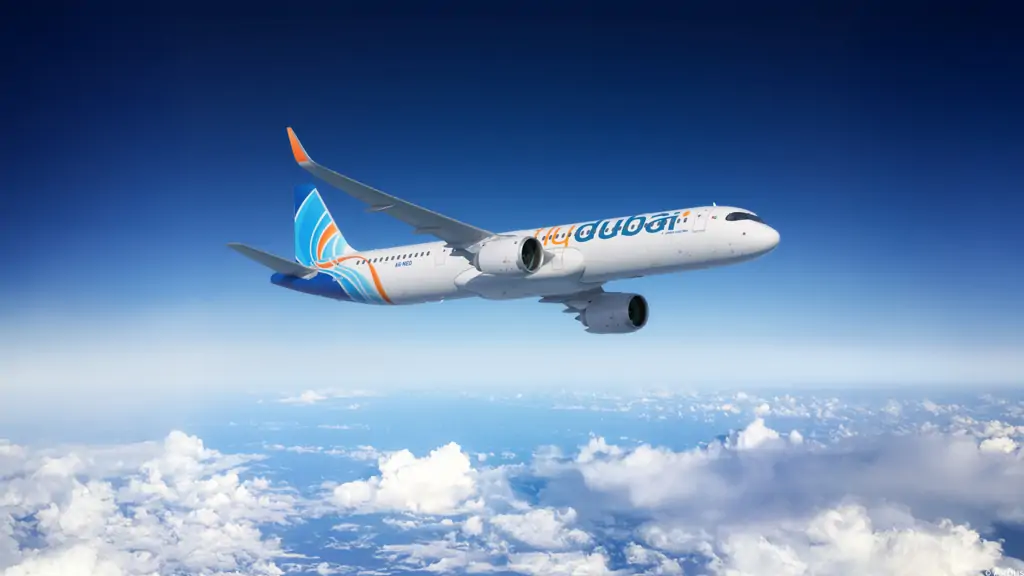
Flydubai, a major carrier based in Dubai, has taken a significant leap by signing a Memorandum of Understanding with Airbus for 150 A321neo aircraft, marking the airline's entry as a brand-new Airbus customer. This agreement signals the carrier's strong belief in Dubai's ambitious expansion trajectory and represents a pivotal moment in the aviation landscape of the Middle East.
A Historic Signing at Dubai Airshow 2025
The momentous agreement took shape during the Dubai Airshow 2025, where His Highness Sheikh Ahmed bin Saeed Al Maktoum, who serves as Chairman of flydubai, joined Christian Scherer, Airbus's CEO of Commercial Aircraft, in formalizing the MoU. Ghaith Al Ghaith, flydubai's Chief Executive Officer, witnessed this historic signing ceremony that unfolded on the airshow's second day, cementing what both parties anticipate will become a lasting partnership.
His Highness Sheikh Ahmed bin Saeed Al Maktoum emphasized that this landmark deal extends beyond merely acquiring aircraft. The agreement actively supports the vision articulated by His Highness Sheikh Mohammed bin Rashid Al Maktoum, who serves as Vice President and Prime Minister of the UAE and Ruler of Dubai, while simultaneously aligning with the Dubai Economic Agenda D33. The Chairman highlighted how this strategic move diversifies flydubai's narrow-body fleet composition and reinforces the airline's long-term growth objectives.
Connecting Dubai's Aviation Future
The timing of this agreement holds particular significance for Dubai World Central's expansion plans. His Highness Sheikh Ahmed explained that flydubai aims to play a central role in transforming this facility into what Dubai envisions as the world's largest airport. The A321neo aircraft will enable flydubai to address the next phase of network development while meeting the rising demand that characterizes the airline's operational markets.
Christian Scherer welcomed flydubai into the Airbus customer family, describing the carrier as one of the Middle East's most ambitious and rapidly expanding airlines. Scherer noted that flydubai's decision to introduce the A321neo validates the substantial value Airbus delivers through enhanced range capabilities, operational efficiency, and passenger comfort. Airbus looks forward to supporting flydubai as the airline unlocks new growth opportunities with these aircraft.
Understanding the A321neo Advantage

The A321neo belongs to Airbus's A320neo Family and incorporates cutting-edge technologies including next-generation engines, Sharklets, and cabin efficiency features. These innovations collectively deliver fuel savings and carbon dioxide reductions exceeding twenty percent compared to previous single-aisle aircraft generations. By the end of October 2025, nearly one hundred customers globally had ordered more than seven thousand two hundred A321neo aircraft, demonstrating widespread industry confidence in this model.
Airbus has designed all A320 Family aircraft to operate using up to fifty percent Sustainable Aviation Fuel currently, with the manufacturer targeting full one hundred percent SAF capability by 2030. This positions flydubai to expand its network while maintaining environmental responsibility through more efficient operations and access to sustainable fuel options.
With Inputs from Airbus
Read next
Aviation Infrastructure Push Could Rewrite Northeast India's Economic Future

Jaideep Mirchandani
18 Nov 2025

The Ministry of Civil Aviation convened a landmark gathering in Itanagar, Arunachal Pradesh this September, bringing together regional ministers and aviation stakeholders for the North East Region Ministers' Conference on Civil Aviation and the 3rd North East Aviation Summit. The event spotlighted a transformative vision: leveraging aviation infrastructure to unlock the Northeast's economic potential and bridge the connectivity gap that has long hindered the region's development.
Connectivity as a Catalyst for Regional Transformation
Jaideep Mirchandani, group chairman of Sky One, emphasizes that thoughtfully designed connectivity solutions can reshape a region's socio-economic landscape in profound ways. The aviation executive explains that improved access to markets and emergency services directly translates into entrepreneurial opportunities and expanded trade networks. Tourism sectors gain momentum, employment opportunities multiply, and previously underserved communities find themselves empowered with new economic pathways.
The Northeast faces a particular challenge that robust aviation infrastructure can address head-on. Mirchandani points out that strengthening air connectivity will dramatically reduce both the cost and time required to transport goods across the region, creating ripple effects throughout the local economy. This efficiency gain stands to enhance the Northeast's overall growth trajectory and competitive positioning.
Measuring Progress and Building Momentum
The region has already witnessed tangible progress. Airport infrastructure has expanded significantly, with operational facilities growing from nine in 2014 to sixteen today. Domestic passenger traffic has surged upward in response, demonstrating real demand for improved connectivity. The UDAN scheme has played a crucial role in this expansion, streamlining connections to airports in areas that stakeholders once considered too remote for viable commercial aviation.
Mirchandani views the increasing interest from major industry players as a positive indicator for the region's future. He anticipates that additional heliports and cargo facilities will emerge as the aviation ecosystem matures, bringing further benefits to Northeast communities.
Government Support Fuels Future Development
The Union Civil Aviation Ministry recently announced a strategic initiative that Mirchandani describes as a game-changer: four complimentary pre-feasibility studies annually for new Greenfield airports in the Northeast. This commitment from the Centre removes a significant barrier to airport development by eliminating the upfront costs associated with project planning. Mirchandani predicts this support will encourage stakeholders to pursue more aviation projects, potentially creating an expansive network that links remote areas with major commercial hubs and attracts both trade and investment.
Tourism and Employment Opportunities Take Flight
The Northeast possesses immense cultural richness and stands ready to emerge as a tourism hotspot, Mirchandani notes. Aviation-driven development will create employment opportunities spanning multiple sectors, from hospitality and travel services to indigenous crafts and artisanal industries. Local youth who receive proper training will access technical positions within the aviation ecosystem itself, while training facilities and aviation academies can cultivate a skilled workforce drawn from the region.
Sustaining the Aviation Boom
Mirchandani concludes that lasting success requires establishing clear, measurable objectives, identifying potential obstacles, allocating necessary resources, and regularly reviewing progress. The region needs comprehensive long-term planning, strict timeline adherence, private-sector expertise, and operational support including MRO facilities. These elements will determine whether the Northeast's aviation expansion delivers commercially viable and environmentally sustainable growth that endures beyond initial enthusiasm.
Read next
Why Is Wizz Air Racing to Train 1,200 Pilots Before 2028—And Can Budget Airlines Solve Aviation's Crew Shortage?
Abhishek Nayar
18 Nov 2025
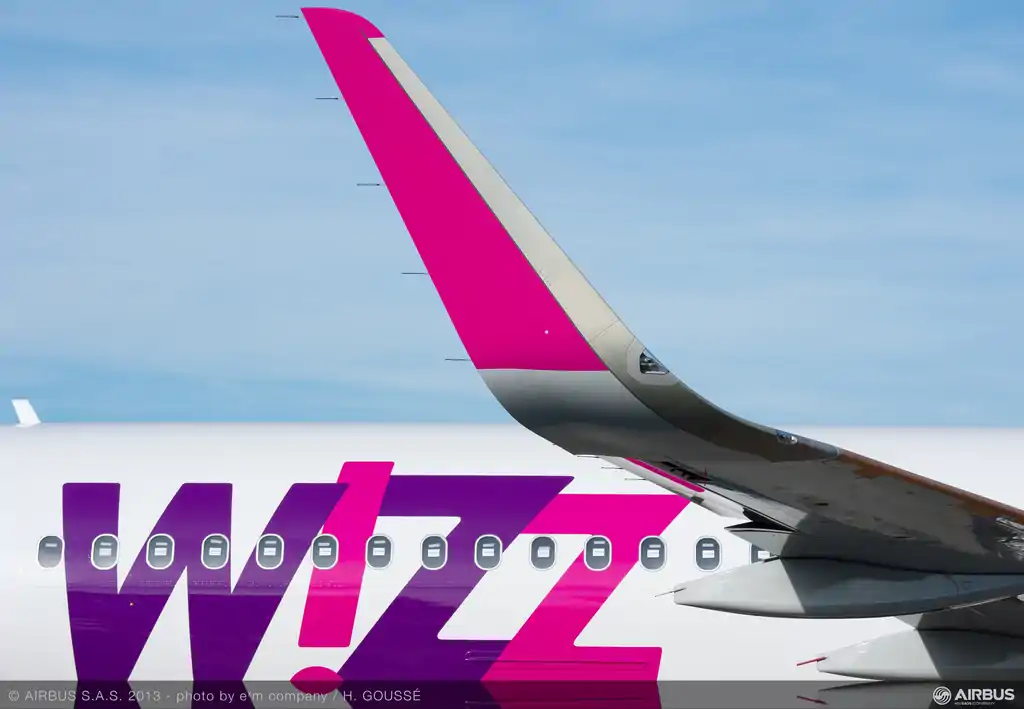
European budget carrier Wizz Air has launched an aggressive recruitment drive that aims to transform 1,200 aspiring aviators into fully qualified pilots by 2028, including 240 cadets based in the United Kingdom. The Budapest-based airline unveiled this initiative through its Wizz Air Pilot Academy, signaling a major investment in human capital as it prepares for unprecedented expansion across its European and Middle Eastern routes.
From Application to Airbus: The Journey Begins
The airline has designed a comprehensive pathway that welcomes candidates with zero flying experience, targeting both fresh graduates and professionals seeking career changes. Wizz Air operates one of Europe's youngest fleets and now offers these recruits a structured route into commercial aviation that spans roughly two and a half years from initial selection to cockpit.
Candidates begin with a rigorous six-month selection phase that tests their aptitude for professional flying. Those who succeed enter approximately two years of intensive flight training delivered through approved training organizations partnered with the academy. Graduates emerge qualified to serve as First Officers on Airbus A320 and A321 aircraft, flying passengers across Wizz Air's extensive network.
Financial Structure and Entry Requirements
Wizz Air has introduced improved financial arrangements for tuition fees, though specific details remain tied to individual circumstances. The airline requires candidates to hold legal residence and work authorization in one of its operational base countries, be at least eighteen years old, demonstrate English fluency, and possess the physical capability to swim fifty meters without assistance.
Interestingly, the carrier has participated in recruitment events like Pilot Careers Live Dublin despite not currently operating commercial flights to or from Ireland, suggesting strategic interest in tapping into Ireland's established aviation talent pool.
The Career Progression and Earning Potential
The financial pathway offers substantial incentives for successful cadets. Trainees can expect approximately forty thousand pounds during their training period, which rises to sixty thousand pounds upon qualifying as First Officers. Pilots reaching their two-year milestone typically earn around ninety thousand pounds, while those advancing to Captain positions can command salaries approaching two hundred thousand pounds annually.
Supporting a Fleet Revolution
Industry observers connect this recruitment surge directly to Wizz Air's ambitious fleet expansion plan. The carrier targets five hundred aircraft by 2030, positioning itself to transport over one hundred million passengers yearly. This growth relies heavily on its substantial Airbus A321neo order book, which promises enhanced fuel efficiency and reduced environmental impact.
Captain Phil Cullen, who serves as Head of Operations and Accountable Manager at Wizz Air UK, described the programme as a significant investment that strengthens both aviation's future and the UK's economic foundation. He emphasized that the initiative creates stable, long-term career opportunities for young people entering an industry traditionally characterized by lengthy qualification timelines.
Candidates interested in applying can access the airline's careers portal, selecting the Cadet Pilot Program and then Pilot Academy options to begin their multi-stage assessment journey.
With Inputs from Aviation Today
Read next
Indian Airlines' 1,700-Aircraft Order Creates Urgent Hunt for 30,000 Pilots
Abhishek Nayar
17 Nov 2025

Union Civil Aviation Minister K Ram Mohan Naidu revealed on Saturday that India faces an unprecedented challenge in pilot recruitment as domestic carriers prepare to absorb 1,700 newly ordered aircraft. The minister addressed this critical manpower gap during a session at the CII Partnership Summit, emphasizing that the nation will require approximately 30,000 additional pilots to operate this massive fleet expansion.
Current Aviation Landscape Reveals Staffing Crisis
The minister provided crucial context about India's existing aviation workforce. The country currently operates 834 aircraft with roughly 8,000 licensed pilots on record. However, a significant portion of this pilot pool remains inactive, with 2,000 to 3,000 pilots not currently flying commercial routes. This situation becomes more pressing when Indian carriers have already committed to orders with major manufacturers including Boeing and Airbus for 1,700 new aircraft.
Naidu explained the mathematical reality behind the pilot shortage. Operating a single aircraft on proper commercial schedules requires between 10 to 15 pilots per plane to maintain routing flexibility and comply with mandatory rest periods. When airlines multiply 1,700 incoming aircraft by this ratio, the demand surges to between 25,000 and 30,000 new pilots. This calculation represents one of the largest pilot recruitments challenges any nation has faced in recent aviation history.
Training Infrastructure Needs Urgent Expansion
The minister identified Flying Training Organizations as the bottleneck in addressing this manpower crisis. Current FTOs across India produce only limited numbers of certified pilots annually, falling far short of meeting the projected demand. Naidu stressed that expanding this training ecosystem becomes essential for sustaining India's aviation growth trajectory.
The minister also announced the government's consideration of establishing dedicated cargo airports, drawing inspiration from FedEx's specialized facility in the United States. This infrastructure development aims to support India's growing logistics sector alongside passenger aviation expansion.
Economic Ripple Effects Extend Beyond Aviation
Naidu highlighted remarkable employment multiplier effects within Indian aviation. Each direct aviation job creates 15 indirect employment opportunities across related sectors, significantly exceeding the International Air Transport Association's global estimate of six indirect jobs per aviation position. This amplification makes pilot training and aviation sector development crucial for broader economic growth.
The minister pointed to India's daily passenger traffic as evidence of the sector's vitality. An average of 480,000 passengers fly daily across Indian skies, with November 10 marking a milestone when 530,000 passengers traveled in a single day. These numbers underscore why India requires comprehensive skilling and training programs to support this expanding aviation ecosystem. The government recognizes that without addressing the pilot shortage immediately, this growth trajectory faces serious constraints.
Comment