
A revival in domestic travel to the pre-pandemic level has propelled India to the big league of major aviation markets, the trade body International Air Transport Association (IATA) has found. Domestic travel in India missed the pre-Covid level by 2.2% in February 2023 in terms of passenger revenue kilometres (PRK), the study said.
The growth in domestic travel is also seen in the Passenger Load Factor(PLF), which studies how efficiently an airline fills seats and generates revenue. India is the top domestic market in terms of PLF when compared to countries such as the US, China and Japan, it said.
India recorded PLFs of 81.6% in February, 85.2% in January, 88.9% in December 2022, and 87.9% in November 2022. Domestic air passenger traffic for all markets measured for February surged 25.2% over the year-ago period. Total February 2023 domestic traffic was at 97.2% of the February 2019 level.
The report estimated that nearly 35 to 40 million Indians travel by air every year. According to World Bank, pre-Covid India had about 168 million air transport passengers, with many of them repeat flyers. Airline companies anticipate that a rapid rise in middle-class incomes and a corresponding change in spending habits mated with lucrative offers from airlines could make India the fastest-growing aviation market for years to come.
Globally, traffic is now at 84.9% of February 2019 levels. Total traffic in February 2023, based on RPKs, rose 55.5% compared to February 2022. The report added, "Asia-Pacific airlines had a 378.7% increase in February 2023 traffic compared to February 2022, maintaining the very positive momentum of the past few months since the lifting of travel restrictions in the region. Capacity rose 176.4% and the load factor increased 34.9 percentage points to 82.5%, the second highest among the regions."
Big Aircraft Orders by Airlines
In March it was reported that French Finance Minister Bruno Le Maire said that IndiGo Airlines could announce an order for "several hundred" Airbus aircraft at the Paris Air Show to be held at Paris Le Bourget Airport in June. IndiGo, which is the largest airline in India in terms of its fleet, has over 300 aircraft and currently provides over 35% of all the available seat kilometres on flights in and out of Indian airports. IndiGo provides almost 48% of all flights across India's international and domestic markets, the report said.
Just in February, competitor Air India announced a world record order of 470 aircraft - 250 planes from European manufacturer Airbus and 220 from its US rival Boeing. The deal beats a 2017 order by IndiGo for 420 planes, and an order by American Airlines for 460 planes in 2011.
Besides aircraft manufacturers, foreign Airlines are also eyeing the Indian aviation market. Singapore Airlines is one of them. Following the takeover of Air India by Tata Sons, it announced a USD 267 million investment into the revamped airline giving it a 25.1% stake in the new Air India group. This adds to the money it has already put into Vistara Airlines which is to be merged with Air India.
Foreign Carriers’ Outlook Towards India
SIA released a statement during the announcement which said, "The merged entity will be four to five times larger in scale compared to Vistara, with a strong presence in all key airline segments in India. The proposed merger will bolster SIA's presence in India, strengthen its multi-hub strategy, and allow it to continue participating directly in this large and fast-growing aviation market."
International airlines too are eyeing the growth potential of the Indian aviation market. Wizz Air, a 20-year-old budget carrier from Hungary, is one of them. In an interview on April 28, Wizz Air Holdings CEO Jozsef Varadi said India is a growing opportunity. "There’s great potential in India, as the country has seen immense development. I think it may help Europe tackle its employment issues, while its emerging middle class will boost tourism. We’re looking into opportunities there, but this is more a medium-term issue," Varadi said in Budapest.
Etihad Airways is another airline that is planning to expand its presence in the Indian aviation market. In an interview with Reuters published on April 27, Etihad Airways CEO Antonoaldo Neves said: "Etihad has India as a priority.” He added that the country is among its top three markets. Etihad, which flies to places like Delhi and Mumbai, has identified six other Indian cities to which it wants to reach out.
The expansion plans of the Middle Eastern airline will focus on medium and long-haul destinations, and the airline will avoid operating ultra-long-haul flights, where it can be tough to make money. Neves explained that the goal will be connecting places like China, Southeast Asia, India, and Gulf countries, with Europe and the East Coast of the United States. Neves said that he expects Etihad's growth to be organic relying on more code sharing and interline agreements. It will not look at mergers or equity partnerships as it had done in the past. It once had a stake in the now-defunct Jet Airways.

Read next
Air India CEO & Head of Flight Safety Issued Show-Cause Notice Over Violation Of Flight Deck Rules
Radhika Bansal
01 May 2023
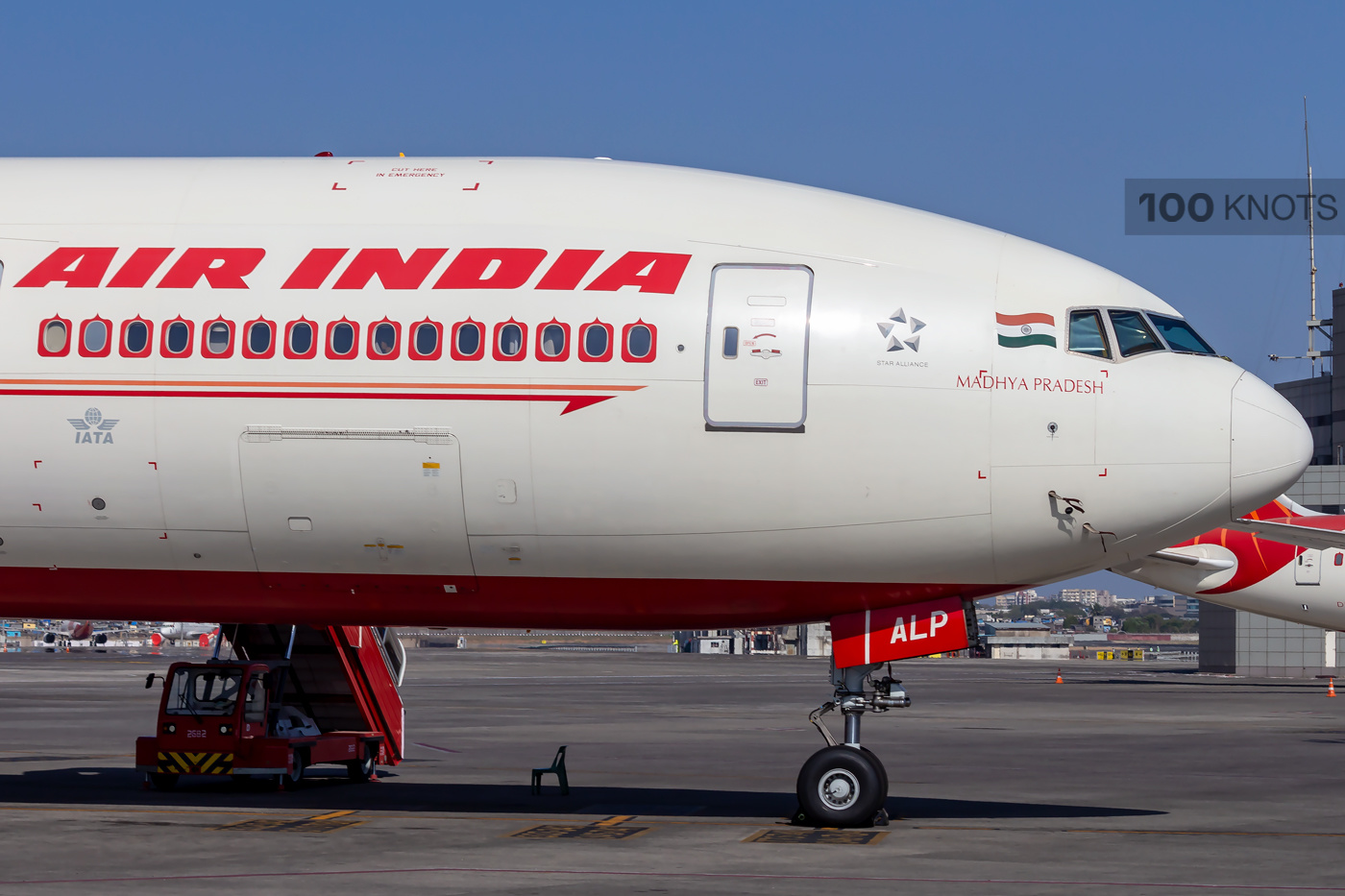
Aviation regulator DGCA has issued a show-cause notice to Air India CEO Campbell Wilson for the airline’s lapses in reporting the incident of a pilot allowing a female friend inside the cockpit during a Dubai-Delhi flight on February 27, according to a senior official. A show-cause notice has also been issued to the Tata Group-owned airline’s Head of Safety, Security and Quality Functions Henry Donohoe.
A cabin crew member of the flight had filed a complaint with the Directorate General of Civil Aviation (DGCA) about the pilot allowing a female friend into the cockpit. The incident happened on February 27. The show-cause notices were issued to the Air India CEO and the head of flight safety on April 21 for not doing timely reporting of the incident to DGCA, which violates the regulator’s safety instructions, the senior official at the DGCA said.
Besides, there was a delay in investigating the incident. The official said both executives have been given 15 days to respond to the show-cause notices. There was no immediate comment from Air India. According to sources, “the actual incident occurred on February 27 and it was reported by confidential mail to Campbell and Donohoe on March 3. The first enquiry was conducted by the DGCA on April 21 while Air India had not done any enquiry before that.” Earlier this month, DGCA directed Air India to deroster the entire crew of the Dubai-Delhi flight till investigations were complete. "There is an allegation, which is being investigated and the principle of natural justice will apply, and the pilot concerned will also be allowed to present his case," the official had said.
It may be recalled that Air India was slapped earlier this year with a fine of INR 30 lakh and INR 10 lakh for not reporting two back-to-back incidents of alleged peeing on its international flights.
The Incident
The incident came to light after a cabin crew member filed a complaint with the DGCA about the pilot allowing a female friend into the cockpit. The incident happened on February 27. As per the rules, unauthorised people are not allowed to enter the cockpit and any such entry could violate norms. After the incident, an Air India spokesperson said the airline has zero tolerance in aspects related to the safety and well-being of passengers and will take requisite action about the incident.
In September 2019, the DGCA released a statement regarding restricting people entering the cockpit. The statement read, "… to secure the safety of aircraft operations hereby directs that no person shall enter the cockpit and occupy the jump seat, wherever provided in an aircraft registered in India during the flight time."
"We have taken serious note of the reported incident and investigations are underway in Air India. The matter is reported to the DGCA and we are cooperating with the regulator's investigation as well," the airline spokesperson said in a statement.
There was no immediate comment from Air India. According to sources, “The actual incident occurred on February 27 and it was reported by confidential mail to Mr. Campbell and Mr. Donohoe on March 3. The first enquiry was conducted by the DGCA on April 21 while Air India had not done any enquiry before that.”
Earlier this month, DGCA directed Air India to deroster the entire crew of the Dubai-Delhi flight till investigations were complete. On April 21, the airline said it had taken serious note of the reported incident and that investigations were underway. Unauthorised people are not allowed to enter the cockpit; any such entry could violate norms.
Read next

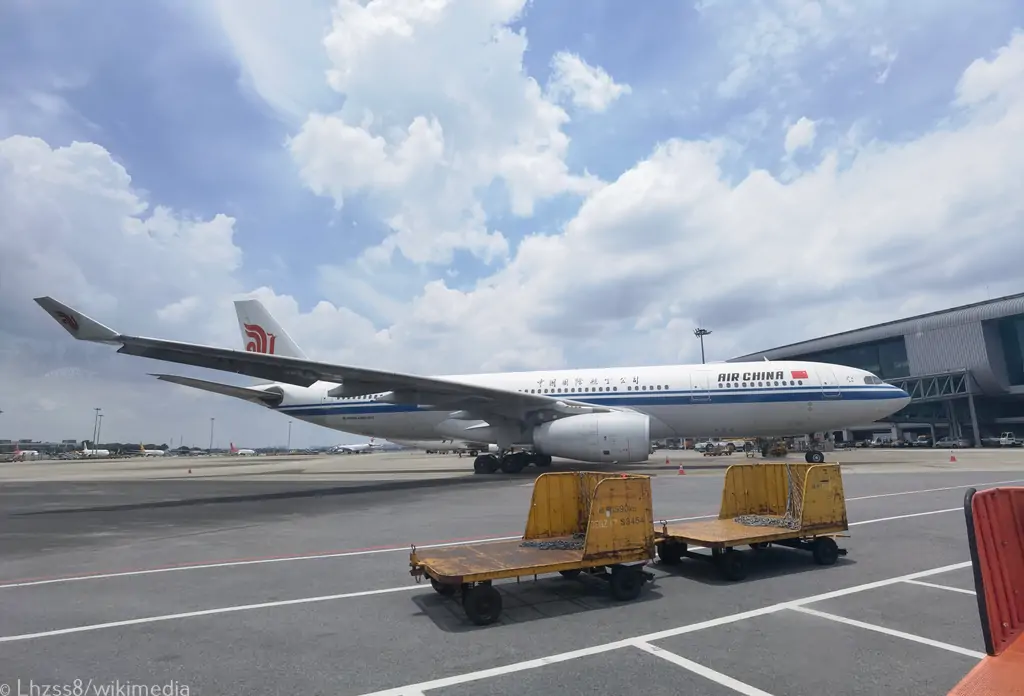
The worldwide economic effect of the COVID-19 epidemic has been extraordinary, with companies all over the world suffering considerable issues. The 'Big Three' Chinese carriers, Air China, China Southern Airlines, and China Eastern Airlines, were no exception. However, recent statistics indicate that these losses are narrowing, owing in large part to the country's relaxation of COVID-19 restrictions.
The “Big Three” Airlines
The “Big Three” Chinese airlines, Air China, China Eastern Airlines, and China Southern Airlines, control more than half of the domestic aviation market.
Performance Prior to the Pandemic: Prior to the pandemic, all of these airlines were profitable and rapidly expanding.
The Effects of COVID-19: The epidemic had a significant impact on the aviation sector, and the 'Big Three' were no exception. With travel restrictions and lockdowns in place, airlines saw a major drop in demand, leading to rising losses.
COVID-19's Impact on China's Aviation Industry
Before delving into the most recent changes in China's aviation business, it is critical to understand the influence COVID-19 has on the industry. When the epidemic first struck, aviation traffic came to a halt as governments all around the world closed their borders and imposed tight travel restrictions. China was no exception, and the country's aviation sector suffered greatly as a result.
COVID-19 Restriction Relaxation Leads to Reduced Losses
Despite the significant losses suffered by China's top airlines, recent data suggests that things are beginning to improve. In fact, the country's three main airlines - Air China, China Southern Airlines, and China Eastern Airlines - all posted profits versus losses for the first time since the epidemic began.
Present Scenario
China's three main carriers cut their losses considerably in their first quarterly results since Beijing relaxed several of its 'zero-Covid' restrictions. The “Big Three” - Air China, China Eastern Airlines, and China Southern Airlines - also reported large revenue rises in the three months to March 31, as demand returned following the lifting of travel restrictions.
Air China
Air China reported an operational loss of CNY 3.3 billion ($477 million), down from CNY 10.4 billion the previous year. The Beijing-based carrier's quarterly revenue increased by 94% year over year to CNY 25 billion. Air China attributed the revenue gain to improved traffic and higher yields.
China Eastern Airlines
China Eastern reported a quarterly operational loss of CNY 4 billion, a considerable decrease from the year-ago period's loss of CNY 8.3 billion. The airline reported a 78% growth in quarterly revenue to CNY 22.2 billion, owing to improved traffic, but expenditures increased by nearly 25% year on year to CNY 27.2 billion. The SkyTeam airline recorded a financial loss of CNY 3.8 billion, compared to a loss of CNY 7.8 billion the previous year.
China Southern Airlines
Meanwhile, China Southern was operating at a loss of about CNY 1.5 billion. This contrasts with the CNY 5.9 billion loss reported the previous year. Revenue increased 59% year on year to CNY 34 billion for the Guangzhou-based carrier, while quarterly expenditures increased roughly 30% year on year to CNY 36.6 billion.
What Are the Prospects for China's Aviation Industry
While recent developments in China's aviation industry have been encouraging, there are still obstacles to overcome. The pandemic has had a significant influence on the global aviation business as a whole, and it will take time for things to return to pre-pandemic levels.
Despite these challenges, there are reasons to be optimistic about China's aviation industry's future. The economy of the country is still recovering from the epidemic, and there remains pent-up demand for travel as individuals desire to reconnect with friends, family, and business partners.
Conclusion
The COVID-19 epidemic has taken a heavy toll on China's biggest airlines, but new evidence suggests that they are beginning to recover. The country's relaxation of COVID-19 rules has helped to reduce airline losses, and the Chinese government has adopted a variety of initiatives to promote the sector.
With Inputs from FlightGlobal
Read next
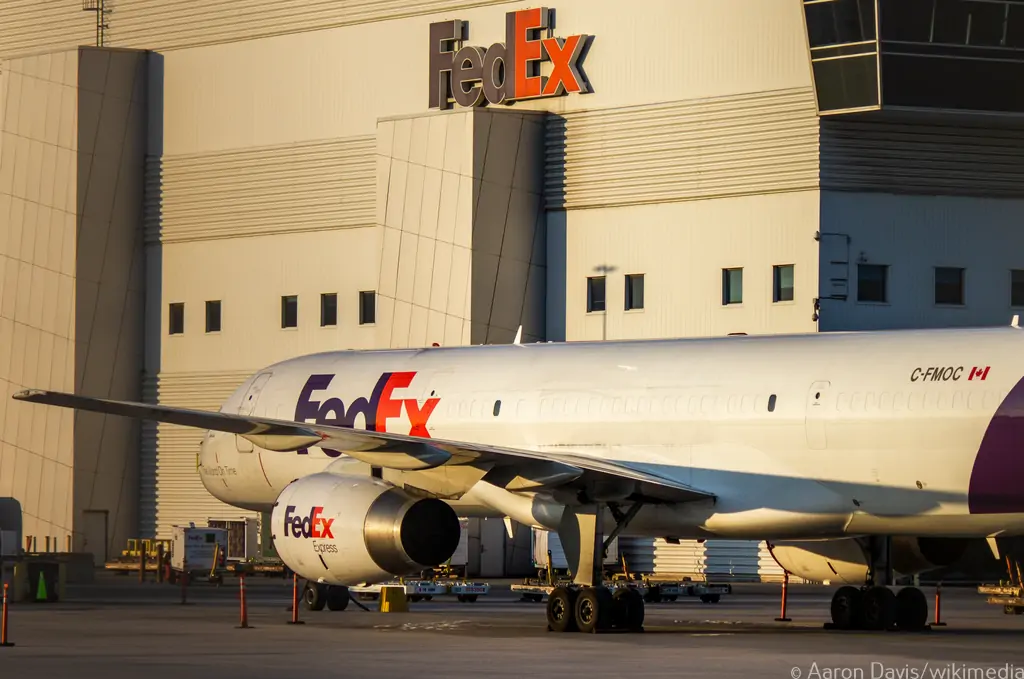
FedEx has revealed that it will be closing its pilot bases in Alaska, California, and Germany, which are presently utilized for Boeing 757 and MD-11 aircraft. The decision is being made as the corporation seeks to optimize its network and increase efficiency in the face of rising expenses and more competition. This change is projected to have an impact on hundreds of pilots who are now stationed at these sites.
Why is FedEx Shutting Down these Test Facilities
FedEx is shutting down these pilot sites for a variety of reasons. For starters, the corporation has been experiencing rising market rivalry from other logistics companies such as UPS and Amazon. FedEx has been under pressure to increase its efficiency and cut expenses in order to remain competitive.
Present Situation
The shipping company will close sites in the United States and Europe and relocate personnel to existing alternate locations. FedEx is restructuring and streamlining its operations in order to save up to $4 billion over the next five years.
The air freight carrier expects to keep its existing order for twenty-seven B767-300Fs as well as six B777-200Fs. FedEx stated in an email obtained by Freight Waves that the base closures would be gradual and that the relocation would have no impact on its operation.
FedEx has pilot bases in Memphis, Tennessee, as well as regionally in Indianapolis, Oakland, and Guangzhou. Previously, the company operated a pilot base in Hong Kong, which was forced to close due to pandemic restrictions.
What does this Mean for the Pilots that are Affected
The closing of these pilot sites will affect hundreds of pilots who are now stationed there. While FedEx has stated that it will attempt to relocate some of these pilots to other bases, it is likely that many of them will be forced to seek alternative employment.
Current Formula
According to LogisticsInsider, FedEx's asset-heavy hub and spoke network will segue to more point-to-point flying and transition from the present fly-fly-fly model to a less expensive truck-fly-truck one. Aircraft will be stored, the remaining 58 MD-11Fs will be decommissioned by 2028 - a year earlier than initially scheduled - and the usage of private contractors and external service providers will rise. Reduced flying hours will result in lower expenditures for jet fuel, flight crews, and maintenance.
Part of a Larger Restructuring Initiative
During its most recent investor call, the company announced that it was going through a significant streamlining process. FedEx Express, FedEx Ground, FedEx Services, and other FedEx operational entities will be absorbed into Federal Express Corporation progressively until June 2024. Only FedEx Freight will remain a separate entity.
Non-priority Shipments will be Rerouted
FedEx revealed intentions to save $700 million per year in its air network by redirecting chosen cargo to ground transportation and third-party carriers. The change will put less focus on its hub-and-spoke strategy and more emphasis on direct links. Within the United States, ground transport will become the default option, with air transport reserved for high-priority overnight shipments.
Conclusion
The closing of FedEx's pilot bases in Alaska, California, and Germany marks a significant step forward in the company's attempts to optimize its network and enhance efficiency as a part of the restructuring initiative. While this change is expected to have a significant impact on the affected pilots and FedEx's operations, the company has several other options to improve its operations.
With Inputs from chaviation
Read next
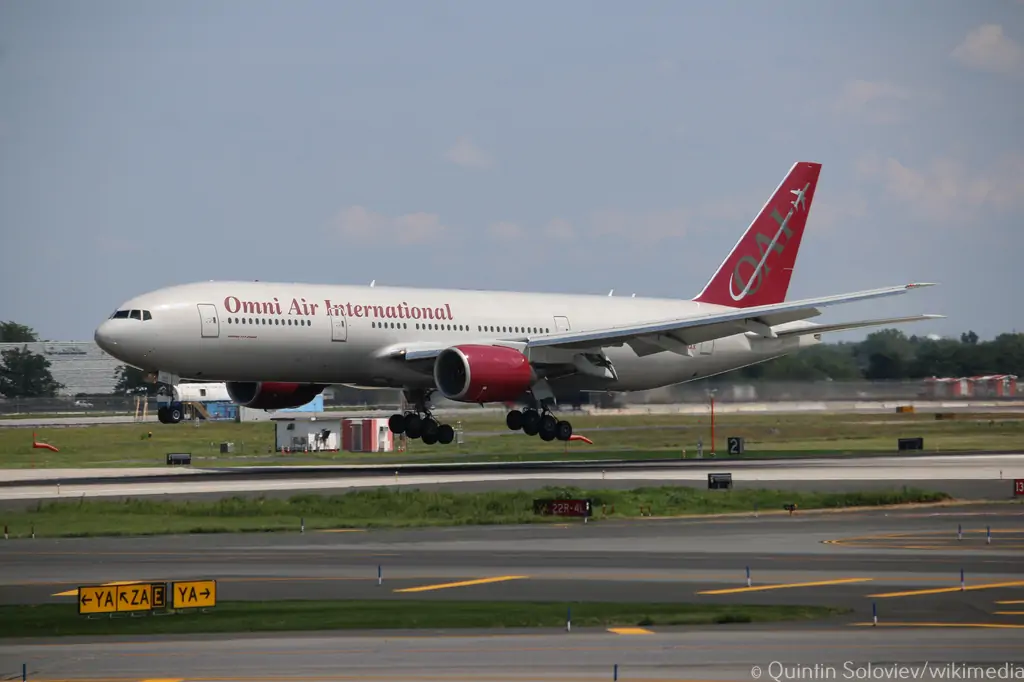
Air Canada has announced that, beginning this summer, it will wet lease an Omni Air International Boeing 767-300ER for its Manchester route. The airline made this choice in response to increased demand for flights to Manchester and the surrounding areas.
Present Situation
Air Canada (AC) has announced intentions to wet lease an Omni Air International Boeing 767-300 ER to support its seasonal direct service from Canada between Toronto Pearson International Airport (YYZ) and Manchester International Airport (MAN) in the United Kingdom. The Omni Air 767 service from Toronto to Manchester will begin on June 17th and run until July 14th. Following this date, Air Canada will deploy its own Airbus A330-300 from mid-July to October 1st, as reported by ch-Aviation.
What exactly is a Wet Lease
A wet lease is an agreement between two airlines in which the lessee (in this example, Air Canada) rents from the lessor (Omni Air International) an aircraft, crew, maintenance, and insurance (ACMI). The aircraft is then operated by the lessee under its own flight number, although the lessor retains ownership. Wet leasing is a common option for airlines looking to enhance capacity during high travel times or cover unanticipated aircraft maintenance concerns.
What effect will the Wet Lease have on Air Canada's Manchester Service
Omni Air International's wet lease of a Boeing 767-300ER aircraft will offer Air Canada more capacity to fulfil increased demand on the Manchester route. The aircraft is scheduled to fly the route from July to September 2023. Air Canada's flight number will be assigned to the aircraft, which will have Air Canada branding and in-flight amenities.
How did this Happen
Pre-pandemic Air Canada subsidiary Air Canada Rouge operated all of the airline's Boeing 767-300s that served the route to Manchester, but because the airline retired all of the 767s during the height of the pandemic, Air Canada was left with no other choice but to wet lease or use its existing fleet of aircraft. The airline's widebody fleet includes 17 A330-300s, six B777-200 (LR)s, 19 B777-300 (ER)s, eight B787-8s, and 29 B787-9s.
What made Air Canada select Omni Air International
Omni Air International was chosen by Air Canada due to its competence in wet leasing and the availability of the Boeing 767-300ER aircraft. The Boeing 767-300ER is an excellent choice for Air Canada's Manchester route since it has a long range and can transport a large number of passengers and cargo.
What Are the Benefits of Wet Leasing
Wet leasing provides various advantages for airlines, including higher capacity, lower maintenance costs, and greater route flexibility. Wet leasing enables airlines to swiftly boost capacity during peak travel periods without committing to the purchase or lease of additional aircraft. Furthermore, the lessor is responsible for maintenance and insurance costs, reducing the lessee's burden.
Why the Boeing 767-300ER
The Boeing 767-300ER is a popular wide-body aircraft used for long-distance excursions. It can transport up to 350 passengers and has a range of up to 11,000 km, making it a suitable candidate for Air Canada's Manchester service. The aircraft is outfitted with cutting-edge comforts and services, including in-flight entertainment systems and large seating layouts, that will improve the entire passenger experience.
Manchester is the Hub for Transatlantic Activities
When it comes to international flights to the United States and Canada, travellers from the major airport in northern England have a few alternatives. There are currently just three operators. Air Canada and Air Transat fly to Toronto, while Virgin Atlantic flies directly to John F. Kennedy International Airport in New York. Other indirect choices include Air France via Paris, KLM via Amsterdam, and Aer Lingus with US preclearance via Dublin, as well as Iceland Air, which operates direct flights from its base at Keflavik International Airport (KEF) to 14 cities in Canada and the United States.
What Effect Does Wet Leasing Have on Airline Passengers
Wet leasing has minimal to no effect on the travel experience of the passengers. The lessee continues to supply the aircraft, crew, and in-flight services, and the passengers are unaffected by the change in ownership. However, minor differences in onboard amenities and features, such as the type of entertainment system or meal options, may exist.
Conclusion
The decision by Air Canada to wet lease an Omni Air International Boeing 767-300ER for its Manchester route underlines the airline's commitment to servicing the region's expanding demand for air travel. The aircraft's extended range, high passenger capacity, and contemporary facilities make it a great choice for the route, and passengers can expect an improved travel experience.
With Inputs from chaviation
Read next
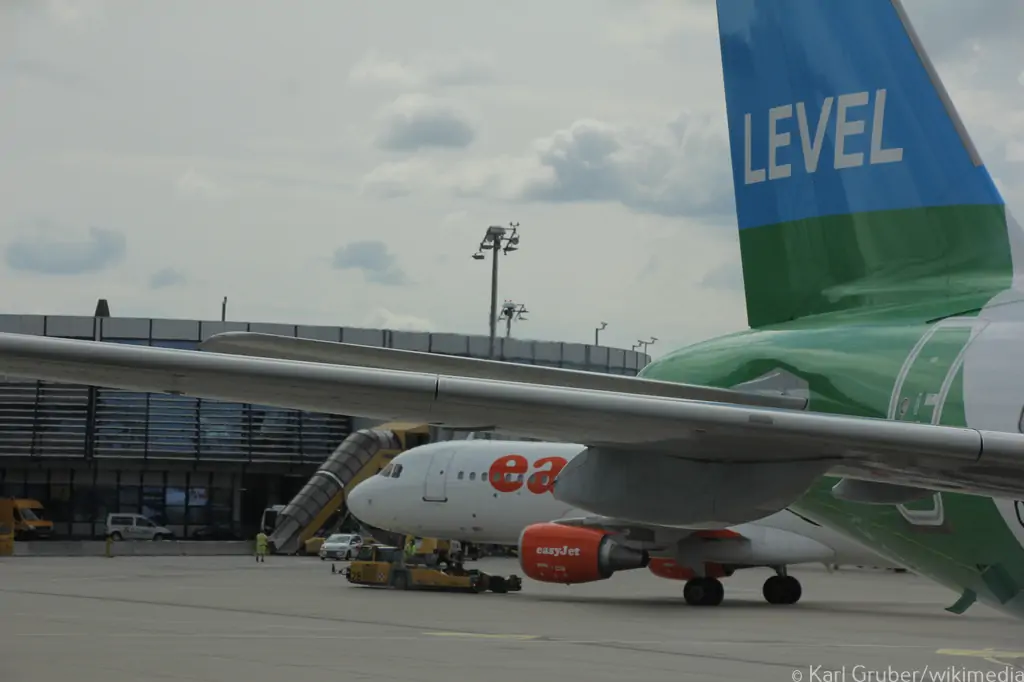
Flight cancellations have long been a source of frustration for passengers. In March 2023, a strike by European aviation employees resulted in a whopping 65% rise in aircraft cancellations, causing disruption and hardship for many customers. According to statistics from Cirium, an aviation analytics firm, more than 72,900 flights were cancelled in March, affecting millions of passengers.
Current Scenario
The aviation industry is constantly prone to interruptions, and strikes are one of the most prevalent causes of flight cancellations. Flights are grounded and customers' travel plans are interrupted when aviation personnel go on strike. Flight cancellations in Europe increased significantly in March 2023 as a result of an aviation personnel strike.
The Reasons for the Increased Cancellations
Flight cancellations are increasing for a variety of reasons. The ongoing COVID-19 epidemic, which has resulted in numerous nations instituting travel restrictions and lockdowns, is one of the key causes. As a result, demand for flights has decreased and cancellations have increased.
The Aftermath of the European Aviation Strike
According to Cirium, 14,405 flights were cancelled across Europe in March, a 65% rise over the previous month's number of 8,713. Europe was by far the most affected geographically in a month that saw global cancellations rise to over 72,900, a 20% increase over the previous month's total of 60,780. This implies that the strike affected millions of passengers, causing congestion and discomfort at airports around Europe.
Ryanair has estimated that the French ATC strikes alone have led them to cancel nearly 3,700 flights, affecting around 660,000 passengers, while easyJet CEO Johan Lundgren reckons the strikes have affected up to 10 million passengers in total. Because a significant number of flights must pass over French territory on their optimal routings, the domestic situation has become a larger headache for European airspace. According to eurocontrol data, 15% of flights to and from Spain were disrupted between March 1st and April 9th, while Germany, Italy, and the United Kingdom had 6-8% flight interruptions owing to the French airspace situation.
What Were the Repercussions for Passengers
Flight cancellations caused severe delays for passengers. Many people were left stranded at airports, while others were forced to rebook their flights or find alternative modes of transportation. Some had to cancel their entire trip, resulting in financial losses.
What Can Travelers Do to Avoid Disruptions
While flight cancellations are out of travelers' hands, there are a few things they can do to minimize disruptions. One of the most essential things to remember is to remain up-to-date on airline cancellations and delays. Travellers should check the status of their flights on a frequent basis and sign up for airline notifications.
Conclusion
Flight cancellations in Europe increased as a result of an aviation workers' strike in March 2023, highlighting the impact that strikes may have on the airline sector and customers. Airlines and unions must collaborate to identify solutions that prevent delays and minimize the effect on passengers. Passengers may protect themselves in the meantime by being aware and proactive.
With Inputs from IrishTimes
Comment