
IAF to Host Air Exercise 'Tarang Shakti'; Attendance of 12 Air Forces Expected

Radhika Bansal
29 Jun 2023
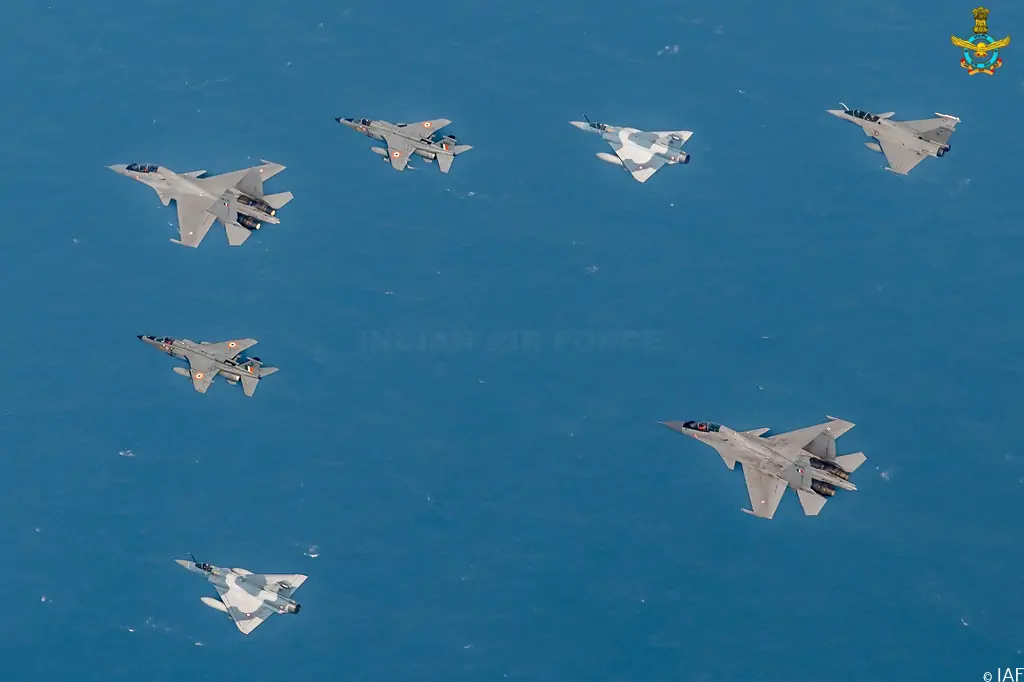
The Indian Air Force is preparing to host a mega exercise later this year that is expected to bring together 12 air forces, with the focus being on improving interoperability, imbibing best practices from one another and boosting military cooperation among the participating countries. Tarang Shakti will mark the largest multi-nation air exercise ever held in India.
The exercise, named Tarang Shakti, will be the biggest multi-nation air exercise to be conducted in the country and will involve fighter jets, military transport aircraft, mid-air refuellers and airborne warning and control system (AWACS) aircraft.
Tarang Shakti is in the planning stage and is likely to be conducted in October-November. Six air forces will participate in the exercise, while the rest will attend the aerial drills as observers. The air forces of the US, the UK, France and Australia are among those likely to take part in the exercise. Set to take place in the Rajasthan sector, `Tarang Shakti’ aims to enhance coordination, interoperability, and integration among the participating air forces, sending a strong message to potential adversaries in the region.
Aim of the Air Exercise
Tarang Shakti serves as a platform to strengthen defence ties and facilitate the exchange of knowledge and best practices among the participating air forces. It presents a unique learning experience for Indian pilots as they engage in joint operations and interact with their international counterparts. Through simulated scenarios and tactical drills, the exercise aims to improve coordination, communication, and strategic alignment, fostering an environment of shared expertise.
The exercise aims to enhance mutual understanding between the two Air Forces and share their best practices. The first phase of the exercise focused on air mobility and involved the transport of aircraft and Special Forces assets from both the Air Forces.
The IAF has emerged as a partner of choice for joint exercises for several air forces. This year, the IAF has participated in joint drills in France, Greece, Japan and the UK so far. While Tarang Shakti will be the biggest multilateral exercise to be conducted in India, the IAF has taken part in several such drills on foreign soil.
Air Exercises in the Past
In April, the IAF’s French-origin Rafale fighter jets debuted in an overseas exercise. Exercise Orion was held at the Mont-de-Marsan airbase in France from April 17 to May 5, and involved the air forces of the host nation, the US, the UK, Germany, Greece, Italy, Netherlands, and Spain. Four Indian Rafales, two C-17 heavy lifters, two ll-78 refuellers and 165 air warriors took part in the exercise. Shivangi Singh, the IAF's first woman pilot to fly the Rafale fighter aircraft, had also participated in the exercise. France is a likely participant in the upcoming Indian War games.
In April-May, the IAF took part in the INIOCHOS exercise hosted by the Hellenic Air Force at the Andravida air base in Greece. The IAF took part in the exercise with four Su-30 MKI fighters and two C-17 heavy-lifters.
In April, the air forces of India and the US conducted Exercise Cope India 2023 across three bases in the country – Kalaikunda, Panagarh and Agra. Two US B-1 supersonic heavy bombers also took part in Exercise Cope India 2023 for the first time. The bilateral exercise involved four US F-15E Strike Eagle fighter jets, two C-130J special operations aircraft, and a C-17 heavy-lifter. The IAF aircraft included Su-30s, Rafales, Jaguars, Tejas light combat aircraft, C-17s and C-130Js.
Three Rafale fighter jets of the IAF will take part in the Bastille Day flypast over the Champs Elysees in Paris on July 14. Prime Minister Narendra Modi will attend this year’s Bastille Day Parade as the guest of honour and a tri-services contingent will participate in the parade along with their French counterparts.
(With Inputs from Hindustan Times)
Read next
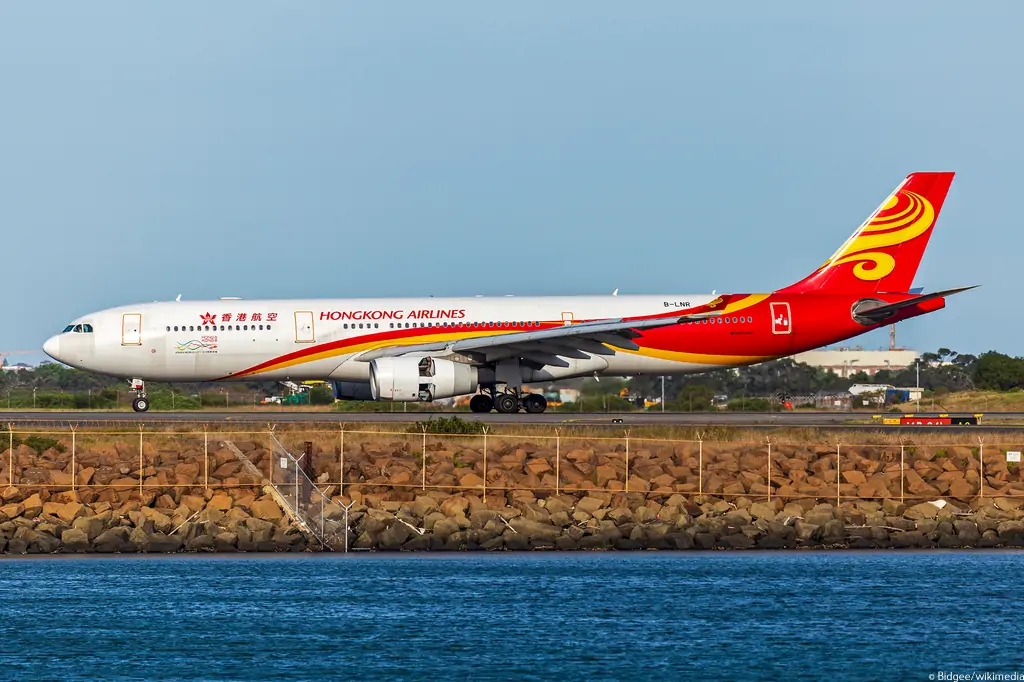
Hong Kong Airlines, a prominent player in the aviation industry, is taking strategic measures to bolster its position and recover from the challenges posed by the global pandemic. With the introduction of additional Airbus A330-300 widebody aircraft, the airline aims to fortify its route network and ensure seamless operations.
Expanding the Fleet for Business Recovery
To support its business recovery plan, Hong Kong Airlines is proactively expanding its fleet. By acquiring more Airbus A330-300 widebody aircraft, the airline can increase its operational capabilities and cater to a larger number of passengers. This expansion will contribute to the airline's overall growth strategy and help restore its position as a leading carrier.
Recruitment Drive for Local and International Talent
Recognizing the importance of skilled professionals in the aviation industry, Hong Kong Airlines is actively recruiting talent from both local and international markets. By attracting experienced individuals to join their team, the airline ensures that it has sufficient resources to manage its operations effectively. This recruitment drive is a testament to Hong Kong Airlines' commitment to delivering exceptional service and maintaining high standards of professionalism.
Inaugural Flight to Bangkok
On June 21, Hong Kong Airlines marked a significant milestone as its first newly added A330 widebody aircraft made its inaugural flight to Bangkok. The timing of this inaugural flight coincided with high summer travel demand, allowing the airline to cater to a larger number of passengers. This successful launch showcased the airline's dedication to expanding its route network and providing convenient travel options for its customers.
The Airbus A330
For many years, the fuel-efficient A330 widebody aircraft has been a pillar of the aviation industry. The new A330 has 292 seats, 32 in Business Class and 260 in Economy Class, and is outfitted with Hong Kong Airlines' traditional seat coverings. Its roomy interior and comfy seats make it the ideal aircraft for a pleasurable flying experience. The aeroplane also has plenty of overhead storage space, which is vital for the comfort of passengers.
Enhancing Capacity and Supporting Route Network
With the introduction of two more A330 widebody aircraft during the summer, Hong Kong Airlines aims to enhance its capacity and support the expanding route network. These additional aircraft will enable the airline to operate more flights, connect more destinations, and offer greater flexibility to its passengers. By strengthening its route network, Hong Kong Airlines ensures that it remains competitive in the ever-evolving aviation industry.
Hong Kong Airlines is pleased to relaunch suitably aged A330 widebody aircraft and to progressively increase its staff in an attempt to restore the network and provide customers with dependable service. After launching a new flight to Phuket on June 21, the airline will resume service to Sanya on July 1 and begin a brand-new service to Nagoya on July 8. With additional A330s on the ground, the airline plans to enhance its widebody flight operations to Tokyo, Osaka, Fukuoka, Nagoya, Bangkok, Taipei, and Shanghai, as well as boost frequencies in July and August, to offer a pleasant and joyful summer travel experience.
Meeting Passenger Needs and Driving Business Recovery
By adding a total of three A330 widebody aircraft to its fleet, Hong Kong Airlines demonstrates its commitment to meeting the needs of its passengers. The expanded capacity allows the airline to accommodate a larger number of travelers and provide them with enhanced services. This strategic move not only contributes to passenger satisfaction but also drives the airline's overall business recovery by capturing a larger market share and generating more revenue.
Comments
Mr. Hou Wei, Chairman of Hong Kong Airlines, stated, "During the recent Dragon Boat Festival holiday, our ticket sales were strong, reaching a peak since the pandemic began." The load factor even topped pre-pandemic levels by 7%, which is quite promising because our profitability has increased dramatically, and it also shows that our flight resumption efforts this year are gaining momentum. We will expedite flight recovery and broaden the reach of our flight destination network."
"Despite fierce competition in the local and international talent markets, we have successfully met our recruitment goals for the first half of the year." To boost competitiveness, the company will continue to actively recruit to support our fast-increasing business and expanding fleet, as well as commit resources for excellent training. We are excited to welcome additional great individuals to the Hong Kong Airlines team!"
Conclusion
In conclusion, Hong Kong Airlines' introduction of additional Airbus A330-300 widebody aircraft signifies its determination to bounce back from the challenges posed by the pandemic. By expanding its fleet, the airline aims to strengthen its route network, increase capacity, and provide a superior travel experience for its passengers. With a focus on recruitment and business recovery, Hong Kong Airlines is poised for success in the dynamic aviation industry.
With Inputs from Hong Kong Airlines
Read next
IndiGo's Becomes First Indian Carrier to Cross INR 1 Trillion in Market Capitalisation
Radhika Bansal
29 Jun 2023
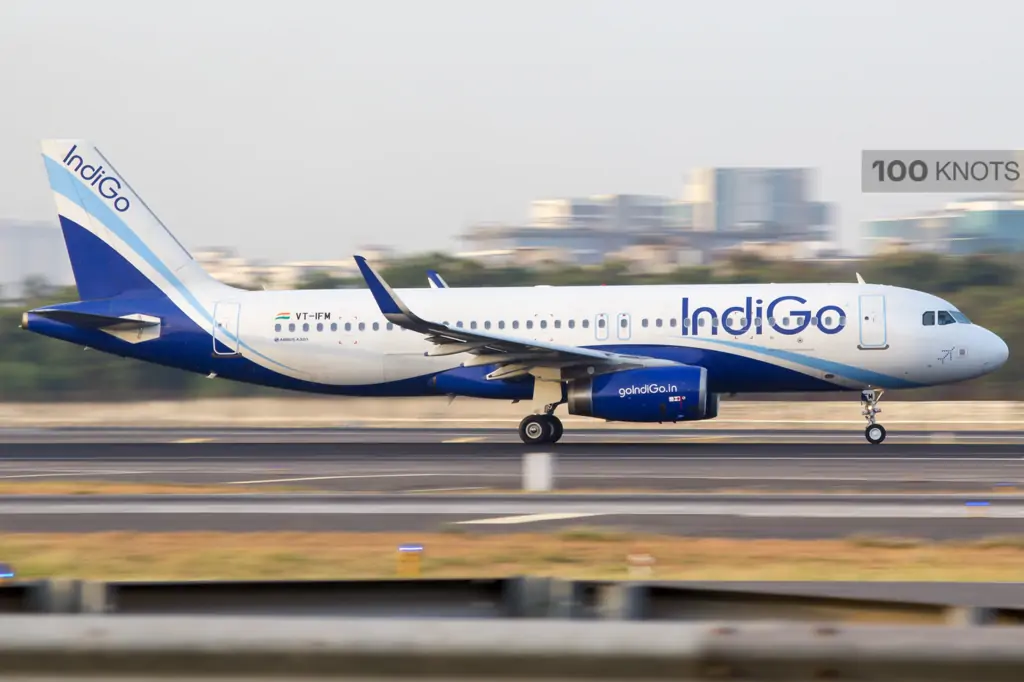
InterGlobe Aviation Ltd, which runs budget carrier IndiGo, has become India's first aviation company to cross INR 1 trillion in market capitalisation (MCap) with its shares surging 29% so far this year to record highs.
The stock hit a high of INR 2,595 on the BSE, up 2.5% from its previous close, with a market cap of INR 1.01 trillion. It has rallied nearly 38% since March 28. The stock hit a 52-week high of INR 2,634.25 on the BSE earlier in the session today, with a market value of INR 1.01 trillion. Shares of IndiGo settled 3.55% higher at INR 2,619.85 apiece on the BSE, compared to the previous close of INR 2,529.95.
The market share of India's largest airline rose 60%, up 390 basis points in May. Its market share stood at 61.3% after rising 70 basis points in April, 90 basis points in March and 130 basis points in February. The low-cost carrier flew 81.10 lakh passengers in May. One basis point is one-hundredth of a percentage point.
Effect of Upcoming Aircraft Order
IndiGo placed an order for 500 Airbus A320 Family aircraft, the largest order in the history of commercial aviation. The deal is pegged at USD 50 billion at list prices and the airline will take delivery of these new aircraft between 2030 and 2035. However, the actual cost of acquisition is expected to be significantly lower as such big deals happen at a substantial discount to list prices.
The current order comprises a mix of A320 Neo, A321 Neo, and A321 XLR aircraft. "The engine selection for this order will be done in due course and so will be the exact mix of A320 and A321 aircraft," IndiGo said in a statement. "This new order will bring the strategic relationship between IndiGo and Airbus to an unprecedented depth and breadth. With this new order, since its inception in 2006, IndiGo has ordered a massive total of 1.330 aircraft with Airbus", IndiGo said in a statement.
The airline stated that the fuel-efficient A320NEO Family aircraft will allow it to maintain its ‘strong focus’ on lowering operating costs and delivering fuel efficiency with high standards of reliability. At the moment IndiGo operates over 300 aircraft and has previous orders totaling 480 aircraft which are expected to be delivered by the end of 2030.
"With this additional firm order of 500 aircraft for 2030-2035, IndiGo’s order book has almost 1,000 aircraft yet to be delivered well into the next decade," the airline said. With the new order, since its inception in 2006, IndiGo has ordered a massive total of 1,330 aircraft with Airbus.
Industry’s Analysis
Global brokerage UBS raised IndiGo's target price from INR 2,690 to INR 3,300 (up over 22%) as a result of an improved Q1FY24 outlook. The brokerage maintained its 'buy' rating on the stock and indicates a 33% growth in value for the stock from Friday, June 23 close price of INR 2,466.8. The foreign brokerage firm also stated that it believes IndiGo is now very well placed to deal with any downturn and can handle any sudden up move in crude oil or the US dollar without the major capital burn.
According to the brokerage, the improved outlook has been driven by strong underlying demand, which has lifted passenger load factors (PLF); higher yields, which have been aided by strong demand and the suspension of GoFirst's operations; and lower fuel costs due to falling crude prices, lower VAT, and higher engine efficiency. The brokerage forecasts earnings per share (EPS) of INR 82 for Q1FY24E, which is 37% higher than IndiGo's record-high annual EPS in FY18. The brokerage expects Q1 yields to rise 6% year on year, with available seat kilometres (ASK) up 7% sequentially and 18% year-on-year.
In the January-March quarter of fiscal 2022-23, IndiGo reported a record profit of INR 919.2 crore, as air travel boomed. The total income for the airline during the quarter rose by 78% on the year to INR 14,600 crore. The airline reported a yield or revenue earned per paying passenger flown per km of INR 4.85 per km as compared to INR 4.40 per km in the same quarter a year ago.
Airlines with the largest Market Cap
Market capitalization, sometimes referred to as a market cap, is the total value of a publicly traded company's outstanding common shares owned by stockholders. Market capitalization is equal to the market price per common share multiplied by the number of common shares outstanding. Since outstanding stock is bought and sold in public markets, capitalization could be used as an indicator of public opinion of a company's net worth and is a determining factor in some forms of stock valuation.
Here are the Top 10 airlines with highest Market Cap.
S.No | Airline | Market Cap |
1. | Delta Air Lines | USD 30.03 B |
2. | Ryanair | USD 24.93 B |
3. | Southwest Airlines | USD 21.10 B |
4. | United Airlines Holdings | USD 18.46 B |
5. | Singapore Airlines | USD 16.46 B |
6. | Air China | USD 16.42 B |
7. | China Southern Airlines | USD 13.74 B |
8. | China Eastern Airlines | USD 12.93 B |
9. | Lufthansa | USD 12.64 B |
10. | InterGlobe Aviation (IndiGo) | USD 12.63 B |
Read next

In an era of rapid technological advancements and evolving customer expectations, airlines are reinventing themselves to stay competitive in the aviation industry. Beyond their traditional role as transportation providers, airlines are expanding their services to include various ancillary offerings. One notable trend is the transformation of airlines into financial institutions, blurring the lines between the aviation and financial sectors.
The Evolution of Airlines' Business Models
From Transportation Providers to Full-Service Companies
Airlines have long recognized the need to diversify their revenue streams beyond ticket sales due to fluctuating market conditions and increasing competition. Consequently, they have expanded their business models to become full-service companies. By offering additional products and services such as in-flight entertainment, premium cabins, and enhanced ground experiences, airlines aim to cater to the evolving preferences of their customers while increasing profitability.
Expansion into Ancillary Services
To further bolster their revenue, airlines have ventured into ancillary services, encompassing a wide range of offerings beyond the core travel experience. These services include baggage fees, onboard retail, travel insurance, and car rentals, among others. By leveraging their extensive customer base and distribution networks, airlines have successfully tapped into these ancillary revenue streams, boosting their financial performance.
The Convergence of Airlines and Financial Services
Airline Loyalty Programs and Co-branded Credit Cards
Airline loyalty programs have become integral to the industry, fostering customer loyalty and engagement. Airlines have capitalized on the immense value of these programs by partnering with financial institutions to issue co-branded credit cards. These credit cards not only allow customers to earn miles or points for flights but also provide access to exclusive benefits and perks, such as lounge access, priority boarding, and free checked baggage. The partnership between airlines and banks has created a symbiotic relationship, enabling both parties to leverage each other's strengths and enhance their offerings.
Financial Partnerships and Revenue Sharing
Airlines are increasingly forming strategic partnerships with financial institutions to expand their financial services portfolio. These partnerships enable airlines to offer banking products such as loans, insurance, and investment options to their customers. In return, financial institutions gain access to a vast customer base and benefit from the airlines' strong brand presence. Revenue sharing agreements further incentivize these partnerships, allowing both parties to share in the financial success generated by these joint endeavors.
The Benefits of Offering Financial Services
Airline Credit Cards: Airlines started partnering with financial institutions to issue co-branded credit cards, providing passengers with exclusive benefits such as airline miles, priority boarding, and airport lounge access. These credit cards allow airlines to build customer loyalty, increase their customer base, and generate revenue through annual fees and interest charges.
Loyalty Programs and Co-Branded Cards: Airlines leverage their frequent flyer programs and co-branded credit cards to create a comprehensive ecosystem. Passengers earn miles or points through flights and everyday purchases, which can be redeemed for various rewards like free flights, hotel stays, car rentals, and more. This encourages customer retention and increases revenue opportunities.
Financing and Loans for Travel: Airlines offer financing options and loans to customers, allowing them to spread the cost of their travel expenses over time. This service appeals to budget-conscious travelers and enables airlines to capture a larger market share by making travel more affordable and accessible.
Foreign Currency Exchange: Many airlines now provide foreign currency exchange services at airports and online platforms. This service eliminates the hassle of finding a reliable currency exchange provider and offers competitive rates to travelers, making it a convenient and cost-effective solution.
Insurance Services: Airlines have expanded their offerings to include travel insurance, covering aspects such as trip cancellation, medical emergencies, lost luggage, and more. By providing insurance, airlines offer peace of mind to their customers while generating additional revenue.
Digital Payment Solutions: To enhance convenience, airlines have embraced digital payment solutions. They offer secure and user-friendly online payment gateways, mobile wallet integration, and contactless payment options, allowing passengers to make quick and hassle-free transactions.
What Are Loyalty Programs?
Loyalty programs, also known as frequent flyer programs or reward programs, are initiatives introduced by airlines to incentivize customer loyalty. They offer various rewards, incentives, and exclusive privileges to frequent travelers, encouraging them to choose a specific airline over its competitors. These programs have gained immense popularity and have become a powerful tool for airlines to differentiate themselves in the market.
Case Studies: Airlines Embracing Financial Services
Delta Air Lines and Delta SkyMiles

Delta Air Lines has successfully integrated financial services into its business model through its loyalty program, Delta SkyMiles. The program offers co-branded credit cards that allow customers to earn miles not only through flight bookings but also through everyday purchases. This approach has proven highly effective in enhancing customer loyalty and generating incremental revenue for the airline.
Emirates Airline and Emirates Skywards

Emirates Airline has partnered with financial institutions to provide a range of banking services to its customers through its loyalty program, Emirates Skywards. Customers can earn and redeem miles for flights, upgrades, and an array of financial products, including credit cards, loans, and insurance. This collaboration has enabled Emirates to strengthen its brand loyalty and expand its revenue streams.
AirAsia and BigPay

AirAsia, a renowned low-cost carrier, has ventured into the financial services space with its digital banking platform, BigPay. Through BigPay, customers can open a mobile banking account, make payments, and access a suite of financial services. This initiative allows AirAsia to diversify its revenue and deepen its customer relationships by providing them with convenient and affordable financial solutions.
United Airlines and Mileage Plus Holdings

United Airlines, in its pursuit of financial stability, sought a $5 billion loan. To secure the loan, they needed to offer collateral. Instead of pledging the airline itself, United Airlines utilized their subsidiary, Mileage Plus Holdings, LLC, which represents their loyalty program, as collateral. This strategic move showcased the importance and value of airline loyalty programs during challenging times.
Valuation of Loyalty Programs
In their disclosure to the Securities and Exchange Commission (SEC), United Airlines revealed that multiplying Mileage Plus Holdings' 2019 EBITDA by a factor of 12 resulted in a valuation of approximately $21.9 billion. This valuation highlighted the significant worth of United Airlines' loyalty program.
Loyalty Programs as Primary Assets
Loyalty programs in aviation have come a long way since their inception. They were first introduced in the early 1980s by American Airlines with the launch of their AAdvantage program. Initially, these programs focused solely on rewarding customers based on the distance flown. However, with advancements in technology and changing consumer preferences, loyalty programs have evolved significantly over time.
Revenue Generation from Frequent Flyer Programs
Even before the pandemic, loyalty programs had proven to be significant sources of revenue for airlines. Despite incurring operating costs per seat per mile flown, airlines often experienced losses on each mile flown per seat. However, the revenue generated from frequent flyer programs allowed airlines to earn substantial pretax profits.
Airlines' Transformation and Profitability
The financial success of airline loyalty programs can be attributed to their transformation from mere customer perks to lucrative revenue generators. Airlines have evolved their loyalty programs into sophisticated marketing tools that foster customer engagement, increase brand loyalty, and drive additional revenue streams.
Evolution of Frequent Flyer Programs
Over the years, frequent flyer programs have undergone significant transformations. Initially, they primarily rewarded passengers based on the distance travelled. However, modern loyalty programs have shifted to a revenue-based model, where rewards are based on the amount spent on airfare rather than the distance flown.
Tax Benefits and Policy Favorability
Another aspect that adds value to airline loyalty programs is the tax benefits associated with them. In some jurisdictions, loyalty program revenue is not immediately taxable since it is considered deferred revenue until points are redeemed for flights or other rewards. This provides airlines with a financial advantage as they can defer tax payments and utilize the revenue for other purposes.
Exploitation and Behavioral Shifts
Loyalty programs are designed to incentivize customers to stick with a particular airline, encouraging repeat business and fostering brand loyalty. However, this system can sometimes exploit customer behavior. Passengers may choose an airline solely based on their loyalty program benefits rather than considering other factors such as price or convenience.
The Power of Rewards: The Psychology Behind Loyalty Programs
Rewards play a pivotal role in loyalty programs. According to psychologists, the concept of operant conditioning comes into play here. By offering rewards such as free flights, upgrades, or access to airport lounges, airlines reinforce positive behavior and incentivize customers to continue flying with them. This positive reinforcement strengthens the association between the customer and the airline, leading to increased loyalty.
The Role of Perceived Value in Loyalty Programs
Perceived value is a crucial aspect of loyalty programs. Psychologically, customers evaluate the benefits they receive from participating in a loyalty program and compare them to the effort or cost involved. Airlines need to ensure that the rewards and benefits offered through their loyalty programs are perceived as valuable and worth the customer's time and loyalty. This perception of value influences customer engagement and retention.
Creating a Sense of Exclusivity: Elite Status and Benefits
Elite status and associated benefits are powerful tools for fostering loyalty. Psychologically, humans have an innate desire to belong to exclusive groups. Airlines leverage this by offering tiered loyalty program structures, granting elite status to customers who reach specific thresholds. Elite members enjoy privileges such as priority boarding, lounge access, and additional baggage allowances. These exclusive benefits contribute to a sense of prestige and enhance customer loyalty.
Moreover, loyalty program members may feel compelled to spend more to earn or maintain their elite status, leading to potentially irrational spending behaviors. While these behaviors benefit airlines in the short term, they can also create challenges when it comes to customer satisfaction and retention.
The Impact of Social Influence on Loyalty Programs
Social influence plays a significant role in loyalty programs. Psychologists have identified the concept of social proof, wherein individuals are influenced by the actions and choices of others. Airlines leverage social influence by showcasing testimonials, social media influencers, and customer success stories. By highlighting the positive experiences of others, airlines instill a sense of trust and encourage potential customers to join their loyalty programs.
Overcoming Inertia: Encouraging Repeat Business
Psychologists recognize the role of inertia in customer behavior. Inertia refers to the tendency to stick with familiar choices rather than seeking alternatives. Airlines can overcome inertia by creating seamless experiences, offering time-limited promotions, or providing incentives for customers to break their routine and choose their airline repeatedly. By reducing barriers to change, airlines can increase customer loyalty and encourage repeat business.
Revenue-Based Systems and Redemptions
The shift to revenue-based loyalty programs has not only impacted earning potential but also influenced the redemption process. With revenue-based systems, the number of points required for a particular reward often correlates with the cash price of that reward.
The Exchange Rate and Value of Airline Points
The value of airline points or miles can vary significantly depending on various factors. The exchange rate between points and cash value, known as the "cents per point" valuation, determines how much value passengers can derive from their loyalty program participation.
Power Dynamics between Airlines and Partners
Airlines have leveraged their loyalty programs to establish strong partnerships with various businesses, including hotels, car rental companies, credit card issuers, and retailers. However, these partnerships often come with complex power dynamics.
Technological Advancements and Personalization
Technological advancements have played a significant role in the evolution of airline loyalty programs. With the emergence of sophisticated data analytics and customer relationship management (CRM) systems, airlines can gather and analyze vast amounts of data on their loyalty program members.
Competitive Landscape and Differentiation
As airline loyalty programs have become more prevalent, the competitive landscape has intensified. Airlines recognize the importance of differentiating their loyalty programs to stand out among competitors and retain their customer base.
Sustainability and Social Responsibility
In recent years, sustainability and social responsibility have gained prominence across various industries, including the airline sector. Loyalty programs present an opportunity for airlines to promote and reward environmentally friendly behaviors among their customers.
Evolving Customer Expectations
As customer expectations continue to evolve, airlines must adapt their loyalty programs to meet these changing demands. Modern travelers expect seamless digital experiences, easy access to program information through mobile apps, and streamlined processes for earning and redeeming rewards.
The Future of Airlines as Financial Institutions
The trajectory of airlines turning into banks is likely to continue in the future. Technological advancements, evolving consumer behaviors, and strategic partnerships will play crucial roles in shaping this transformation. As airlines expand their financial service offerings, they will need to prioritize innovation, regulatory compliance, and seamless customer experiences to ensure sustained success in this emerging landscape.
Future Trends and Innovations
Looking ahead, several trends and innovations are expected to shape the future of airline loyalty programs. These include:
Blockchain Technology: Blockchain has the potential to enhance loyalty program security, transparency, and interoperability. It can enable secure and instant point transfers between airlines and partners, as well as provide customers with greater control over their loyalty program data.
Artificial Intelligence (AI): AI-powered chatbots and virtual assistants can enhance the customer experience by providing personalized recommendations, real-time assistance, and proactive communication, making loyalty program interactions more seamless and efficient.
Gamification: Airlines are exploring gamification techniques to increase member engagement and motivation. This involves incorporating game-like elements, such as challenges, badges, and leaderboards, to make the loyalty program experience more interactive and enjoyable.
Collaboration and Coalition Programs: Airlines are forming strategic alliances and coalition programs with non-competing carriers to expand their network and provide customers with more options for earning and redeeming rewards across multiple airlines.
Integration with Other Industries: Airlines are partnering with companies from various industries, such as hospitality, retail, and finance, to offer cross-promotions, shared benefits, and integrated loyalty experiences that extend beyond the travel sector.
Conclusion
The convergence of airlines and financial services has ushered in a new era of diversification and customer engagement. By turning into banks, airlines are not only broadening their revenue streams but also forging deeper connections with their customers. However, this transformation is not without its challenges. Regulatory complexities, operational considerations, and the need for continuous innovation will require careful navigation. Nevertheless, the trend of airlines becoming financial institutions offers immense potential for growth and customer-centric value creation in the aviation industry.
Loyalty programs in aviation are deeply rooted in psychological principles. By understanding the core aspects of the human psyche, airlines can create loyalty programs that effectively engage customers, foster emotional connections, and increase customer retention. Implementing rewards, building emotional bonds, offering perceived value, creating exclusivity, incorporating gamification, personalizing experiences, leveraging social influence, overcoming inertia, and maintaining effective communication are all essential elements of a successful loyalty program.
With Inputs from Wendover Productions, CBC, Abroaden Insights
Read next
Malaysia Airlines to Offer Complimentary Wi-Fi to Selective Group of Travellers

Abhishek Nayar
29 Jun 2023
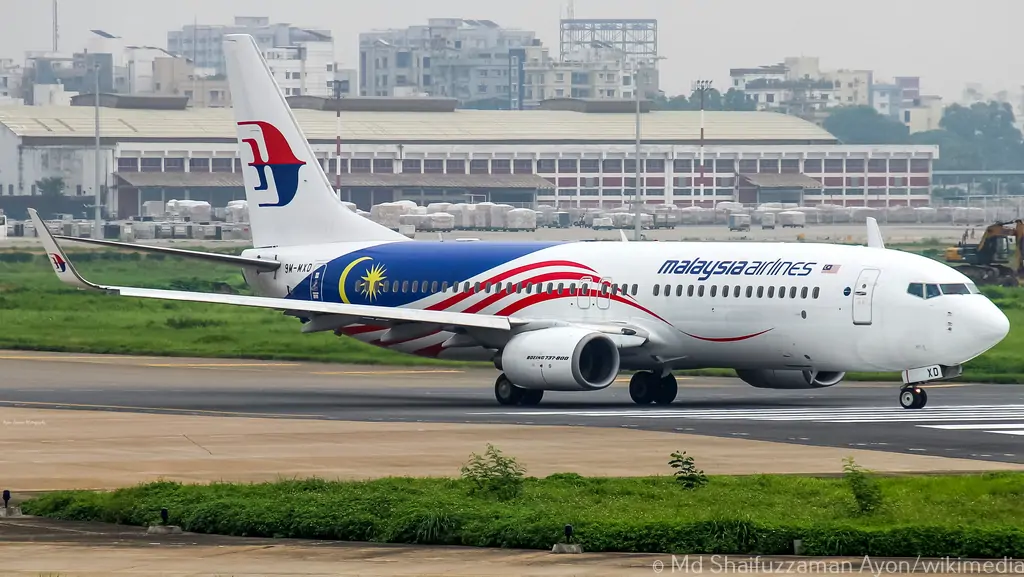
Traveling by air has become an integral part of our lives, and airlines are continually seeking innovative ways to improve the passenger experience. In today's digital age, staying connected is of utmost importance, and Malaysia Airlines Group recognizes this by introducing complimentary onboard WIFI for its business class passengers and top-tier frequent travelers.
The Significance of In-Flight Connectivity
Staying connected when traveling has become a necessity rather than a luxury in today's hyperconnected society. Passengers anticipate consistent and fast Wi-Fi connectivity throughout their flight. The provision of Wi-Fi on board is critical to boosting the whole travel experience, whether for business, entertainment, or staying connected with loved ones. It allows passengers to stay connected to the digital world even at 35,000 feet. With the increasing reliance on smartphones, tablets, and laptops, the demand for seamless internet access during flights has grown significantly.
Malaysia Airlines Group's Initiative
Beginning July 1st, Malaysia Airlines Group, which includes Malaysia Airlines, Firefly, and MASwings, is taking a step forward by providing complimentary onboard WIFI to its business class passengers and top-tier frequent travelers. This move underscores MAG's commitment to meeting the evolving needs of its esteemed customers and enhancing their travel experience. 20 Malaysia Airlines planes – six long-range Airbus A350s and 14 Airbus A330s – will offer complimentary WiFi to all business class passengers and Platinum members of Malaysia Airlines' Enrich reward programme.
Malaysia Airlines customers will appreciate the ease of remaining connected via their personal electronic devices (PEDs) from the minute they board the plane until they arrive at their destination airport.
In-Flight Connectivity Package
MAG announced that the offering comes with a data cap of 100 MB per sector and a bandwidth of up to 512 kbps. According to a statement from the airline group, this will ensure that passengers "can stay connected and productive during their journey."
- A Lite package costing US$2 covers instant messaging and chat services (but without voice or video calls) and up to 10 MB of data at speeds of 200Kbps.
- The US$10 Social package is made for light web browsing, with a 50MB data limit and 512Kbps speed.
- US$25 Business Package, which is oddly described as being “suitable for passengers who travel for business purposes, although heavy browsing and video streaming are not allowed,” this is data-capped at 200 MB and throttled at 512Kbps.
So, it appears that Malaysia Airlines' initial free WiFi offer is a modified version of the top Business plan, but with half the bandwidth available.
The Benefits of Complimentary Onboard WiFi
The introduction of complimentary onboard WiFi brings a multitude of benefits for passengers.
Enhancing Productivity and Connectivity
Passengers flying in business class often include executives, entrepreneurs, and professionals who need to stay connected to their work. With complimentary onboard WiFi, they can catch up on emails, collaborate on projects, and access important documents in real-time. This seamless connectivity allows them to make the most of their travel time and ensures they stay productive throughout their journey.
Keeping Passengers Entertained
WiFi access onboard also provides passengers with the opportunity to access a variety of entertainment options. They can stream movies, TV shows, or their favourite music, keeping themselves entertained during long-haul flights. This feature is particularly beneficial for leisure travelers and those who wish to unwind during their journey.
Enhancing Productivity and Connectivity
In today's interconnected world, staying productive and connected is essential, even while traveling. The introduction of complimentary onboard WiFi by Malaysia Airlines Group aims to cater to the needs of modern travelers who rely on continuous connectivity. By providing reliable internet access, MAG carriers ensure that passengers can conduct business, communicate with loved ones, and stay updated with current events throughout their journey.
Keeping Passengers Entertained
Traveling can sometimes be long and tiring, especially for those embarking on international flights. However, with complimentary onboard WiFi, passengers have access to an array of entertainment options that help them pass the time more comfortably. They can stream movies, binge-watch TV series, or even play online games, transforming their flight into a more pleasant and engaging experience.
The Future of In-Flight Connectivity
As technology continues to advance, the future of in-flight connectivity looks promising. Airlines are investing in faster and more reliable internet services, ensuring that passengers can enjoy seamless connectivity throughout their journey. Additionally, advancements in satellite technology and partnerships with telecommunication providers will further enhance in-flight WiFi capabilities, offering even greater speed and coverage.
Comments
Speaking about the idea, MAG's Chief Executive Officer of Airlines, Ahmad Luqman Mohd Azmi, stated, "We are dedicated to providing exceptional customer service and innovative travel experiences that put the customer first in everything we do." By offering gate-to-gate connectivity across all of our airlines, travellers can stay connected throughout their journey with us, whether it's to keep loved ones updated on the go or even to work while flying."
He went on, "As part of our connectivity strategy, we will actively expand the number of our aircraft equipped with Wi-Fi to provide our valued customers with a better in-flight experience." We are committed to making air travel more accessible and pleasurable for all of our passengers by focusing on safety, comfort, and convenience. We will continue to invest in innovative technology and services to accommodate the evolving demands of our passengers as guests in our home."
Conclusion
Malaysia Airlines Group's decision to introduce complimentary onboard WiFi for business class passengers and top-tier frequent travelers reflects their commitment to customer satisfaction and their dedication to providing an exceptional travel experience. By offering seamless connectivity and a range of entertainment options, MAG carriers ensure that passengers can make the most of their time in the air, whether for work or leisure.
With Inputs from Executive Traveller
Read next
Hindustan Aeronautics Ltd Announces 1:2 Stock Split; Approves Dividend; Shares Down
Radhika Bansal
28 Jun 2023
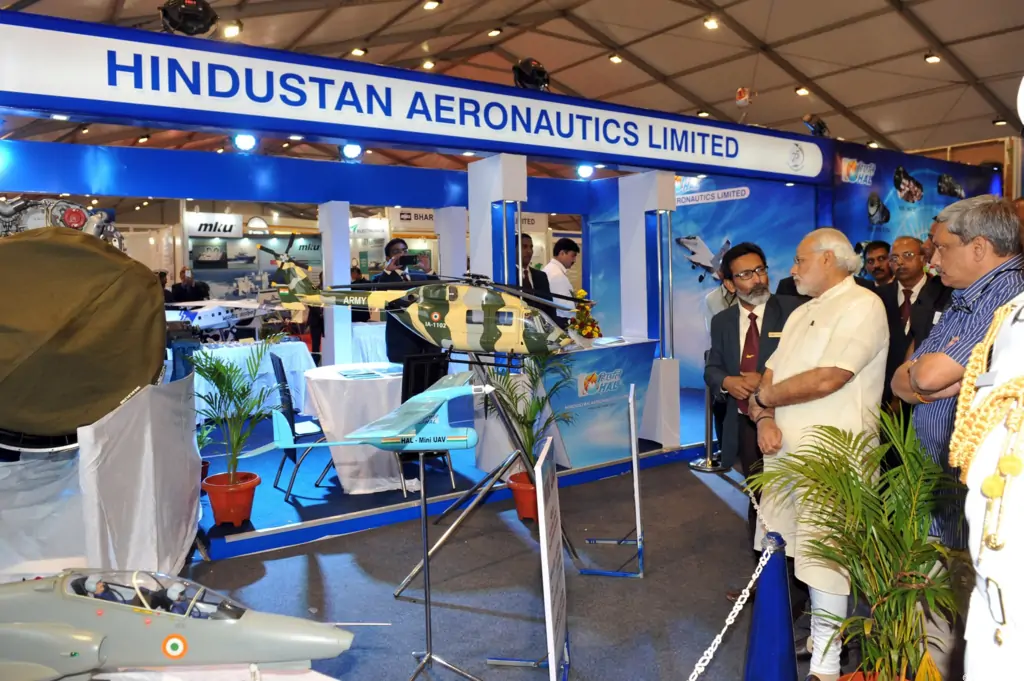
Shares of Hindustan Aeronautics Ltd (HAL) fell more after the company declared its decision on dividends and stock split. The company has declared a final dividend of INR 15 per equity share of INR 10, each fully paid for 2022-23. Additionally, the company informed a stock split of one existing equity share of the face value of INR 10, each fully paid up, into two equity shares of INR 51, each fully paid up.
“The Record Date for sub-division of equity shares shall be Friday, September 29, 2023, if sub-division is approved by the shareholders at AGM (Annual General Meeting),” the company said in a regulatory filing.
In the morning, the public defense company's scrip rose 2% intraday on June 27 before the board meeting. The company’s board of directors was to consider the recommendation of the final dividend for the financial year 2022-23, and also mull over a proposal of sub-division of equity shares of HAL.
The company has fixed September 29 as the record date to determine the eligibility of shareholders for the proposed split of shares. A stock split is usually done to increase the stock's liquidity in the market. Investors holding the stock until the record date will receive the new shares in demat accounts, and the stock price will be adjusted according to the split ratio. Meanwhile, the dividend will be paid to the shareholders within 30 days from the date of its approval by shareholders. The record date for the said dividend will be informed in due course.
Shares of HAL will trade ex-dividend on the day or a day before the record date. When a company goes ex-dividend on a particular date, its stock does not carry the value of the next dividend payment. In the last year, HAL has declared an equity dividend amounting to INR 50 per share, resulting in a dividend yield of 1.36%.
At 1:55 pm, the stock is down 0.8% at INR 3,670.05 on the BSE. Besides, the stock has been removed from the Future & Options (F&O) ban list. Due to its futures and options contracts exceeding the open interest caps, the stock was suspended from trading on June 26.
HAL is backed by a healthy order backlog of around INR 82,000 crore and a robust order pipeline of over INR 1,50,000 crore in the long term. The company received fresh contracts of INR 26,000 crore in the financial year 2023, including manufacturing contracts for six Do-228 Aircraft, 70 HTT -40, and PSLV launch vehicles. Hindustan Aeronautics is in the business of designing, developing, manufacturing, repairing, overhauling, upgrading, and servicing a wide range of products, including aircraft, helicopters, aero-engines, avionics, accessories, and aerospace structures.
The company is in advanced talks for potential export partnerships and collaborations with countries such as Argentina, Philippines, Egypt, Sri Lanka, Maldives, Botswana, Thailand, and Nigeria, which is likely to improve the long-term growth prospects of HAL. Moreover, the government’s focus on the ‘Make in India’ initiative and reducing import dependency bodes well for a domestic player like HAL.
Comment