
IAF Plans to Upgrade its Fleet by Ordering Around 100 More LCA-MK1A Tejas Fighter Jets

Radhika Bansal
28 Aug 2023
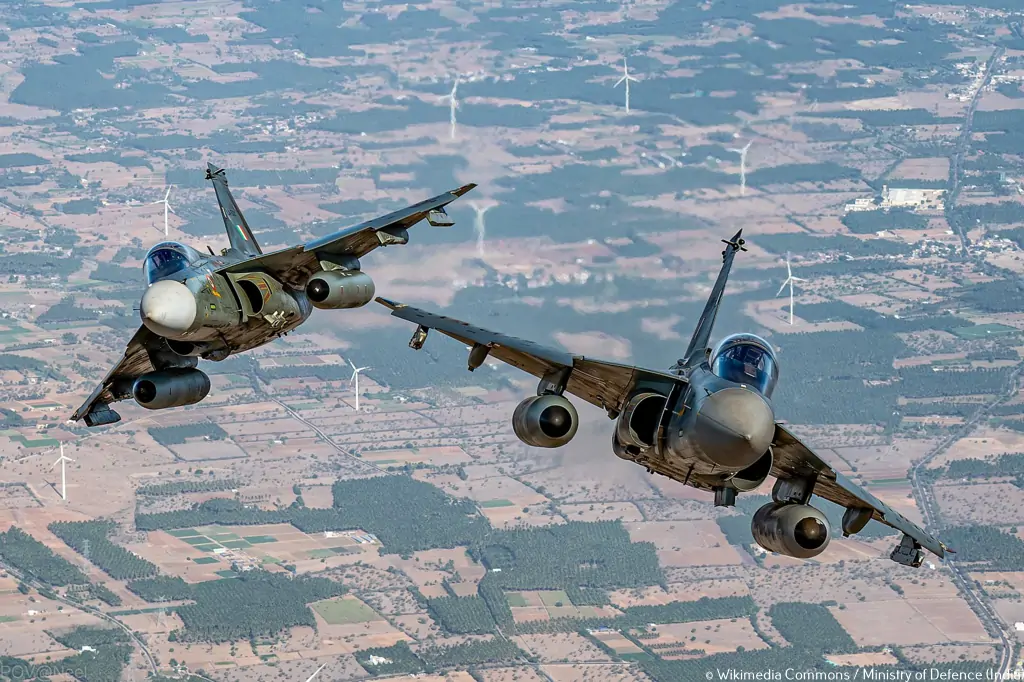
The Indian Air Force is exploring the possibility of ordering more variants of the indigenous light combat aircraft Mk-1A to strengthen its combat potential, having already signed an INR 48,000-crore contract for 83 such fighter jets two years ago. A proposal to place a follow-on order for 90 to 100 more LCA Mk-1 fighter jets is on the drawing board, the officials said, asking not to be named. If the order materialises, it will provide a big boost to the Atmanirbhar Bharat (self-reliant India) campaign.
The contract for the 83 Mk-1A jets signed in February 2021 took the total number of LCA variants ordered to 123. The 40 LCA Mk-1s already ordered by IAF are in the initial operational clearance (IOC) and the more advanced final operational clearance (FOC) configurations. The LCA Mk-1A will come with a raft of additional improvements over the existing variants, making it the most advanced LCA variant so far.
IAF chief Air Chief Marshal VR Chaudhari reviewed the LCA programme, ahead of the delivery of the Mk-1A variant early next year. During the review, he described LCA as the flag-bearer of the IAF’s efforts towards indigenisation of its aircraft fleet. He held a review meeting of the indigenous fighter jet programme with all entities involved including the Hindustan Aeronautics Limited. The order would mean that the LCA Tejas fighters would renter the Indian Air Force in very large numbers. The IAF will have 40 LCA, over 180 LCA Mark-1A and at least 120 LCA Mark-2 planes in the next 15 years.
New Upgraded Tejas
The first Mk-1A aircraft will be delivered in February 2024, with the rest slated to join the IAF’s combat fleet by 2029. As per the contract, three LCA-MK1A are scheduled to be delivered to the IAF in February 2024 and 16 aircraft per year for the subsequent five years. The LCA Mk-1A aircraft is expected to be deployed at forward bases. The Mk-1A will come with digital radar warning receivers, external self-protection jammer pods, superior radar, advanced beyond-visual-range (BVR) missiles and significantly improved maintainability. The fighter’s indigenous content is expected to be more than 60%, compared to 50% in the existing variants.
The LCA-MK2, under development, features enhanced range and endurance, including the Onboard Oxygen Generation System (OBOGS), which is being integrated for the first time. Heavy stand-off weapons of the class of Scalp, Crystal Maze and Spice-2000 will also be integrated into the MK2. The MK2 will be a heavier and much more capable aircraft than the current LCA variants with the aircraft 1350mm longer, featuring canards and can carry a payload of 6500 kg compared to 3500 kg by the LCA.
The IAF had earlier placed orders for 20 IOC (Initial Operational Configuration) standard aircraft and 20 FOC standard aircraft, including eight twin-seater trainers. The 32 MK-1 have been delivered to the IAF and the eight trainers are expected to be delivered this financial year, sources said.
Of the earlier 40 LCA Mk1 planes, 32 aircraft have been delivered to the Air Force, and the remaining eight twin-seater trainers will be delivered in the coming months. IAF raised its first LCA squadron with two aircraft in July 2016 even though the project was sanctioned in 1983 as a replacement for the Soviet-origin MiG-21 fleet. Over the next two years, all three squadrons of the Soviet-era MiG-21 fighter jets will retire. The Jaguar, MiG-29 and Mirage 2000 jet fleets — all inducted during the 1980s — are slated to retire in batches beyond 2029-30.
Last year, the government gave its nod to developing the next-generation variant of the aircraft — the LCA Mk-2 and sanctioned INR 10,000 crore for the project. The Mk-2 fighter will be the most advanced LCA variant to be designed and developed indigenously. It will be equipped with a more powerful GE-414 engine, superior radar, better avionics and electronics, and will be capable of carrying a higher weapons payload. The IAF could order more than 100 LCA-Mk-2 aircraft, the officials said.
The programme has been the harbinger of Atmanirbhar Bharat and Make in India initiatives of the nation. More importantly, it is a flag bearer of India's self-reliance in the aerospace sector. During the review, it was brought out that all contracted fighter variants of the LCA Mk 1 had been delivered to the IAF. Representatives of HAL had assured the chief of the timely delivery of the contracted twin-seaters in the coming months, as well. Further to the LCA Mk 1, 83 LCA Mk-1A aircraft have also been contracted by the IAF in 2021.
Read next
Indonesia's Bold Move: Merging State-Owned Airlines for a Sky-High Transformation

Abhishek Nayar
28 Aug 2023
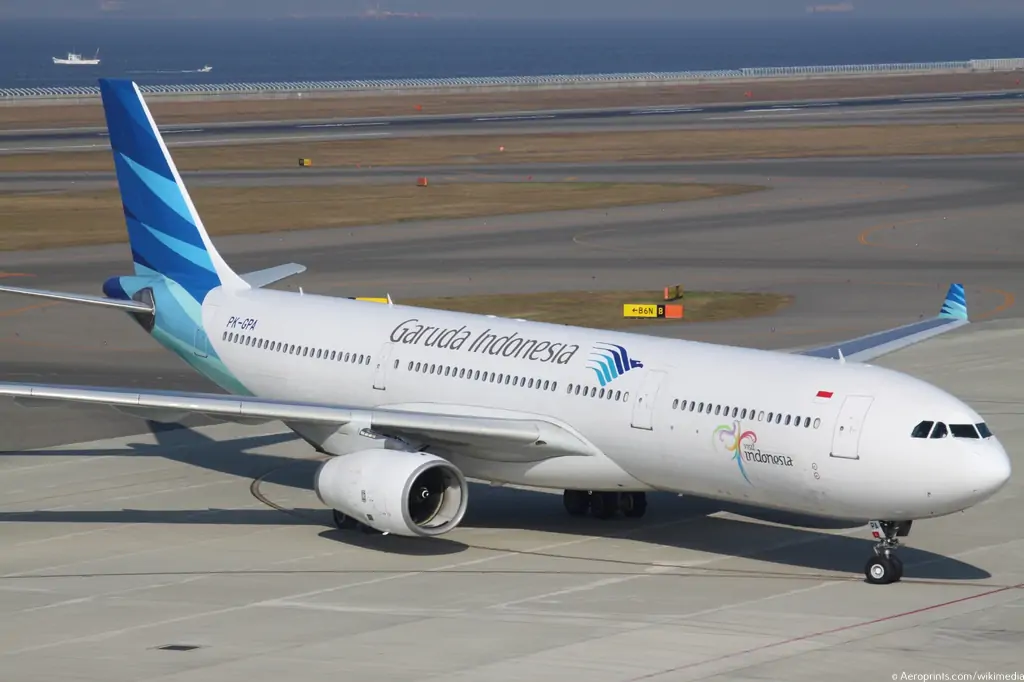
In a significant move to reshape the country's aviation landscape, Indonesia's Minister for State-Owned Enterprises, Erick Thohir, has recently proposed the merger of three prominent state-owned airlines. This proposal aims to revamp service quality, reduce operational costs, and enhance overall efficiency within the Indonesian aviation industry.
The airlines under consideration for this monumental merger include Garuda Indonesia, the nation's flag carrier; its budget-friendly subsidiary Citilink; and Pelita Air, the aviation arm of the state-owned oil giant, Pertamina.
The Vision Behind the Merger
The proposition put forth by Minister Erick Thohir signifies a bold step towards creating a more robust and streamlined air travel sector in Indonesia. At its core, the envisioned merger seeks to address several key objectives:
Elevating Service Quality
One of the primary goals of this merger is to enhance the quality of services offered by these state-owned airlines. By consolidating their resources, expertise, and networks, the airlines aim to provide passengers with a superior flying experience. This includes improvements in in-flight amenities, customer service, and overall passenger satisfaction.
Reducing Operational Expenses
Operational costs have been a concern for many airlines, particularly in the wake of the global economic challenges posed by the COVID-19 pandemic. Through this merger, these state-owned airlines aim to streamline their operations, reduce redundant expenses, and achieve greater cost-efficiency.
Strengthening Business Ecosystem
The proposed merger also has broader implications for the Indonesian business ecosystem. It is expected to generate synergies that can positively impact the country's tourism and trade sectors. By fostering a more competitive aviation industry, Indonesia aims to attract more international travelers and boost its global connectivity.

The Current Status of the Proposal
It's important to note that this merger proposal is currently in the discussion phase and has not yet received a final decision. Irfan Setiaputra, the President Director of Garuda Indonesia, emphasized the meticulous approach being taken in evaluating this significant move. Comprehensive research and analysis are being conducted to ensure that all aspects, including legal, financial, and operational, are carefully considered.
Erick mentioned the proposal during a discussion with members of the Indonesian diaspora in Tokyo, which was arranged by state-owned lender Bank Negara Indonesia. He went on to point out that Indonesia's state-owned airlines had 550 planes, which was 200 shy of the declared goal. He believes that merging the airlines will help the government attain its target amount.
The Potential Benefits
Should this merger come to fruition, it holds the potential to deliver a range of benefits:
Enhanced Profitability
By optimizing operations and sharing resources, the merged airlines can potentially increase their profitability. This, in turn, can lead to improved financial stability and sustainability.
Performance Optimization
A consolidated entity can focus on improving its operational efficiency, resulting in better on-time performance, fewer flight delays, and increased reliability.
Economic Growth
A thriving aviation sector contributes significantly to a country's economic growth. The merger could stimulate economic activity through increased tourism, trade, and investment opportunities.
Conclusion
Indonesia's proposal to merge its state-owned airlines represents a bold vision for the future of its aviation industry. While it is still in the deliberation phase, the potential benefits are promising.
By elevating service quality, reducing operational costs, and strengthening the overall business ecosystem, this merger could pave the way for a more prosperous and efficient air travel sector in Indonesia.
With Inputs from fly360aero
Read next
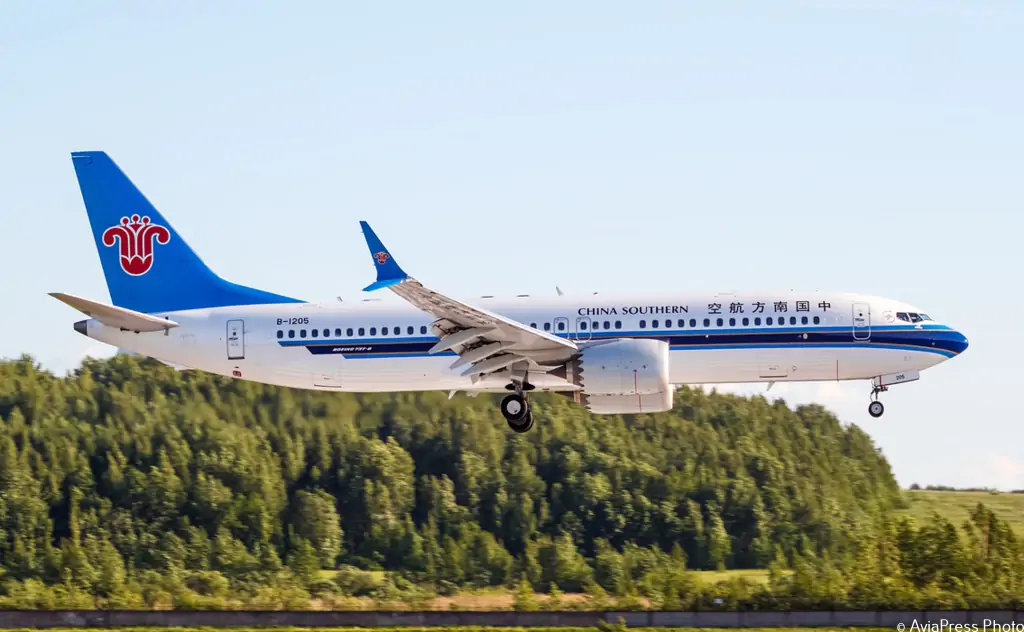
Boeing is preparing to restart its 737 MAX aircraft deliveries to China after a four-year halt, Bloomberg News reported on Friday, August 25, citing people familiar with the matter. The initial handovers are expected to take place within weeks, according to the report. This month, Boeing moved two of the single-aisle jets originally built for Chinese airlines out of storage. However, it wasn’t clear until now if those planes were destined for their original buyers since Boeing has diverted some planes from inventory to alternate customers.
"For (737 MAX) deliveries, we will be ready to deliver for our customers when that time comes," Boeing said. China was the first country to ground Boeing's 737 MAX following fatal accidents, though about 90% of the jets resumed commercial operation in June.
China Southern Airlines Co., the nation's largest carrier, will lead the pack by accepting the first 737 Max from Boeing. Notably, China Southern Airlines played a pivotal role in resurrecting commercial Max flights earlier this year after China's aviation authorities lifted restrictions that had been in place since 2019, following two tragic Max crashes.
However, as this chapter unfolds, there are potential diplomatic hurdles that could still impede the revival of 737 MAX deliveries. Previous efforts by US officials to facilitate progress on this front have yielded limited results. Although US Commerce Secretary Gina Raimondo's visit to China is anticipated to advance American business interests, insiders suggest that the resumption of deliveries might not coincide with her trip.
As the timeline for the initial deliveries remains subject to finalisation, recent revelations about a manufacturing flaw add an element of uncertainty. Reports emerged this week about incorrectly shaped fastener holes in some Max 8 models, affecting a crucial structural component responsible for maintaining cabin pressure.
The 737 Max has been caught in a trade stalemate between the U.S. and China, with the grounding extending in Boeing’s biggest overseas market long after much of the world cleared it for flight. The narrowbody jet is not only one of the largest U.S. exports but Boeing’s main source of revenue and a critical component of Chief Executive Officer Dave Calhoun’s effort to restore profitability.
The exact timing of the initial delivery to China is still being finalized and will depend on the customer’s readiness as well as potential repairs for a new manufacturing flaw that came to light this week: fastener holes drilled to the wrong shape in some Max 8 models in a structural component that helps maintain cabin pressure.
Boeing has 85 undelivered 737 Max jets designated for China in storage, and has found buyers for another 55 aircraft that were originally built for Chinese customers, Calhoun said during a July earnings call. With demand surging and no end to the diplomatic stalemate in sight, Boeing started remarketing the aircraft last year. In recent weeks, Boeing has taken two 737 Max 8 jets slated for delivery to China Southern Airlines out of storage — the first such activity in many months, according to reports by Aero Analysis Partners/AIR and Bank of America.
On August 16, one of the planes was flown from Boeing’s 737 factory in Renton, Washington, to a facility in California’s Mojave desert where it is being repainted. That is often one of the final steps before delivery by Boeing, according to Jean-Pierre Picchiottino of Aero Analysis Partners. A second Max was sent on August 22 to Boeing Field, south of Seattle, where 737 handovers typically take place.
The workhorse jetliner is Boeing’s main source of cash as it rebuilds finances devastated by COVID and a global Max grounding. Rival Airbus SE has built a commanding lead in China, and around the globe, while the 737 Max has been shut out of its largest overseas market. Boeing officials have picked up encouraging signals from their Chinese customers in recent months about restarting deliveries and sales. But with Beijing guiding aircraft purchases, and U.S.-China trade tensions running high, there’s always the risk of political rhetoric or military brinksmanship undermining commerce with the biggest US exporter.
(With Inputs from Bloomberg)
Read next
Riyadh Air's Unique Strategy: A Game-Changer for Saudi Arabia's Air Travel
Abhishek Nayar
28 Aug 2023

In March 2023, the aviation industry witnessed the grand unveiling of Riyadh Air, Saudi Arabia's much-anticipated new airline. This revelation has sparked immense curiosity and anticipation among travelers, aviation enthusiasts, and industry experts alike.
Setting the Stage
A Visionary Approach by Riyadh Air
In an industry dominated by global connecting hubs, Riyadh Air is taking a path less traveled. Unlike its formidable competitors, such as Qatar Airways and Emirates, Riyadh Air is not gearing up to directly challenge them in the international connecting hub market.
CEO Tony Douglas has charted a different course for Riyadh Air. The airline's primary focus is on catering to the traffic to and from Saudi Arabia itself, rather than striving to establish its base as a major connecting hub, akin to Doha's Hamad International Airport (DOH) or Dubai's Dubai International Airport (DXB).

Fleet Plan
Douglas also revealed the airline's ambition to develop a narrow-body fleet capable of serving up to 100 destinations by 2030 as part of a "super aggressive" development strategy.
Riyadh Air is said to be looking for at least 150 narrow body aircraft, with the Boeing 737 MAX apparently being the frontrunner, to supplement the 39 Boeing 787s (plus 33 options) it acquired earlier in 2023. However, these estimates appear to be a minor percentage of a projected fleet of 300 to 400 aircraft, according to some publications.
The Riyadh Air Advantage
A Strategic Focus on Saudi Arabia
Riyadh Air's decision to prioritize traffic to and from Saudi Arabia itself is a strategic masterstroke. This approach aligns perfectly with the Kingdom's ambitious Vision 2030 plan, which seeks to transform Saudi Arabia into a global economic powerhouse.
The Tony Douglas Factor
The man at the helm, Tony Douglas, former CEO of Etihad, an airline that has also built a global hub in Abu Dhabi (AUH), albeit on a smaller scale than the other two aforementioned Gulf airlines, is no stranger to the aviation world. His visionary leadership at Riyadh Air promises a fresh perspective and a commitment to excellence.
A Regional Niche
This approach not only sets Riyadh Air apart but also highlights its commitment to catering to the unique travel patterns in the region. Instead of attempting to compete head-on with global giants, Riyadh Air aims to create a niche for itself, focusing on the specific demands of Saudi Arabia's travelers.

Challenges and Opportunities
The Burgeoning Competitors
Qatar Airways and Emirates have made their mark by transforming Doha (DOH) and Dubai (DXB) airports into major global connecting hubs. Riyadh Air faces the challenge of entering an arena dominated by these giants.
The Saudi Arabian Market
However, Riyadh Air sees immense potential in Saudi Arabia's air travel market. With a growing economy and an increasing number of tourists, the Kingdom presents a plethora of opportunities for the airline.
Within its "2030 Vision" economic growth strategy, the Middle Eastern monarchy intends to invest more than $100 billion in a series of tourism development projects. Saudi Arabia hopes to lure 100 million annual tourists by the end of the decade and has launched a number of measures to that end, including airport construction and extension, as well as the development of seaside resorts and futuristic new cities.
Conclusion
Riyadh Air, under the leadership of CEO Tony Douglas, is embarking on a distinctive journey in the aviation industry. Rather than challenging the likes of Qatar Airways and Emirates in the global connecting hub space, Riyadh Air has chosen to prioritize serving the air travel demand within and to Saudi Arabia.
This strategic move reflects the airline's intention to carve out its own space in the aviation industry and tailor its services to the distinctive travel requirements of the region. Riyadh Air also aims to become a symbol of pride for the Kingdom and a leading name in the global aviation industry.
With Inputs from Financial Times
Read next
High-Stakes Airline Drama: Missing Parts and Legal Battles Plague India's Go First
Abhishek Nayar
28 Aug 2023
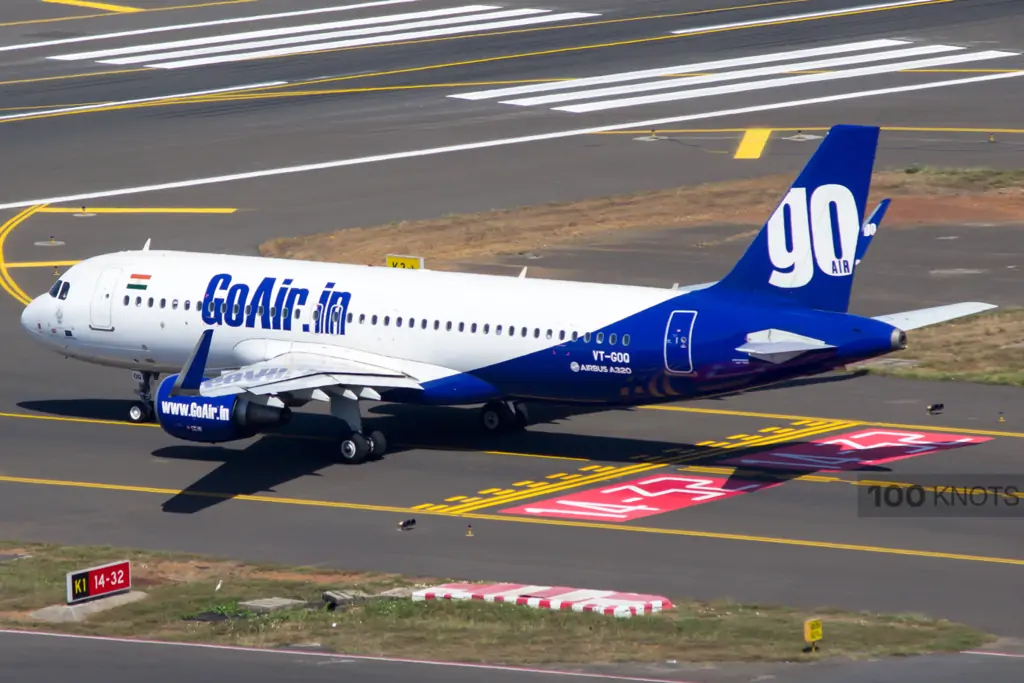
In a turbulent turn of events, Go First, formerly known as GoAir, found itself seeking bankruptcy protection in India back in May. However, what was supposed to be a lifeline for the airline led to a complex legal dispute involving several of its overseas lessors. This protracted legal wrangle has had severe repercussions, notably the blockage of its assets, which has made it nearly impossible to reclaim more than 50 grounded Airbus aircraft.
The Background
The Genesis of the Crisis
The turmoil for Go First Airlines began when the company filed for bankruptcy protection in India. This move left many in the aviation industry baffled, considering the airline's previous prominence in the Indian market. The financial difficulties and debt accumulation had finally taken their toll, forcing the airline to seek legal refuge.
Bankruptcy Protection: A Double-Edged Sword
Go First's decision to seek bankruptcy protection was undoubtedly a desperate move to shield itself from creditors and financial collapse. However, it inadvertently triggered a domino effect, impacting its lessors and the aviation ecosystem at large.
Overseas Lessors' Plight
Overseas lessors who had leased aircraft to Go First suddenly found themselves in a precarious position. With the airline under bankruptcy protection, they couldn't retrieve their valuable assets, leaving them with substantial financial losses.

The Missing Pieces
Critical Components Unaccounted For
ACG Aircraft Leasing, an Ireland-based lessor, has recently shed light on the shocking state of some of the grounded aircraft. Critical components essential for the safe operation of these planes were found to be missing or in a dire state of disrepair.
The "Side Stick" Conundrum
Among the alarming discoveries, the captain's "side stick," a crucial control device for flying the aircraft, was missing from one of the planes. This revelation raises questions about the safety and airworthiness of the fleet.
Ground Operations at Risk
A tiller, used to assist in guiding the aircraft while on the ground, was also among the missing components. Without this vital tool, the airline's ground operations were compromised, posing risks to both passengers and personnel.
Engine Fan Blades: Completely Missing
Perhaps the most concerning discovery was the absence of engine fan blades on certain aircraft. This is not a minor issue; missing fan blades can lead to catastrophic engine failure, endangering the lives of everyone on board.
A Partially Missing Toilet Seat
In a bizarre twist, a partially missing toilet seat was reported on one of the planes. While it may sound comical, such discrepancies highlight the overall neglect of maintenance.
The Dismantled Escape Slide
One of the most alarming findings was the dismantled escape slide. This crucial safety equipment, designed to facilitate rapid passenger evacuation during emergencies, was rendered useless.

The Legal Battle Unfolds
Legal Standoff
As the lessors, including ACG Aircraft Leasing, sought to retrieve their aircraft, they were met with legal obstacles. Go First's bankruptcy protection status complicated matters, resulting in a protracted legal battle.
The revelation of missing aircraft components has only added to the legal and financial complexities that Go First and its lessors are grappling with. Resolving the bankruptcy-related issues is no easy task, and the missing parts have thrown an unexpected wrench into the already intricate machinery of negotiations and legal proceedings.
Asset Blockage
The bankruptcy protection effectively blocked the lessors' access to their leased assets. This created a deadlock situation, leaving both sides in limbo. However, it also inadvertently led to a situation where over 50 Airbus aircraft owned by Go First were rendered immobile, causing severe financial strain and operational disruptions.
Financial Implications
The financial implications of this legal battle are substantial. Lessors are not only losing out on lease payments but also incurring additional costs related to legal proceedings.
Liability and Responsibility
While the filing makes no mention of who took out the parts or how they went missing, determining who is responsible for the disappearance of these components is a daunting challenge. Airlines and lessors typically conduct meticulous maintenance and inspections, making such incidents highly unusual. The potential liability and legal consequences are vast, making it imperative for all parties involved to tread carefully.
Conclusion
In the wake of bankruptcy protection, Go First and its overseas lessors find themselves entangled in a complex legal dispute. The missing critical components from grounded aircraft raise serious safety concerns, while the legal standoff remains unresolved. The aviation industry watches with bated breath as this high-stakes drama unfolds in the courts.
With Inputs from Reuters
Read next
Airlines to cancel Over 1000 Flights at Delhi Airport to Make Space for Aircraft for G20 Summit
Radhika Bansal
26 Aug 2023
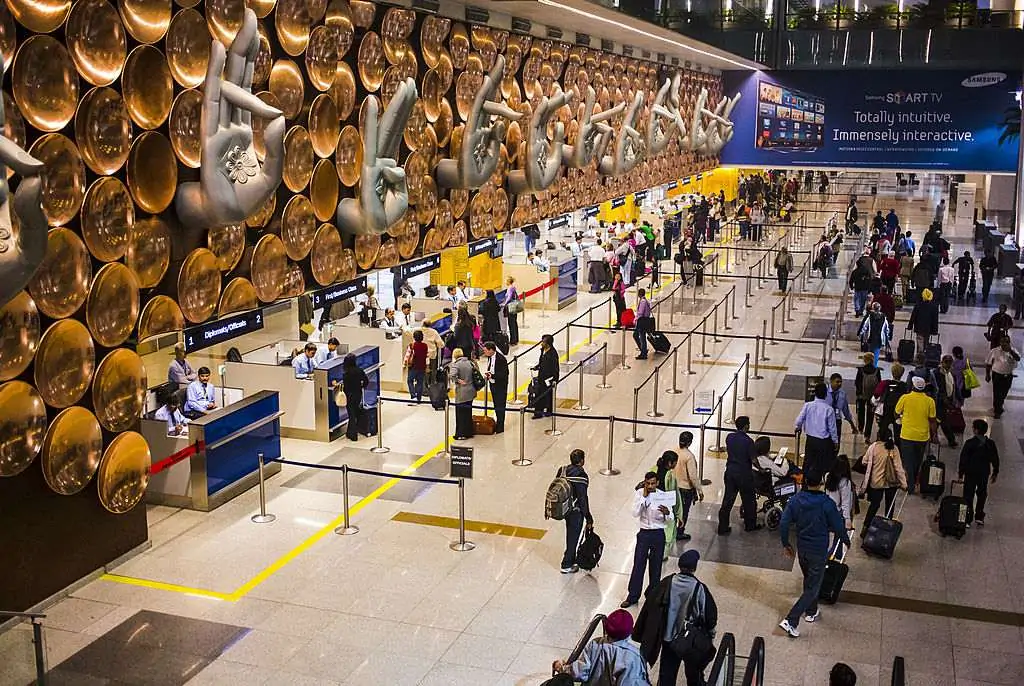
In a bid to create parking slots for VVIP aircraft expected at Delhi Airport for the G20 Leaders’ Summit, scheduled airlines may have to cut their flights in and out of Delhi by about 25% from September 8-11. The capacity restrictions could see about 1,000 flights being reduced or rescheduled in the four days. Airlines have been instructed to cut down on aircraft parking for parking of G20 summit planes.
The Delhi airport, the largest airport in the country, has nearly 220 parking stands. However, all of these spots are utilised due to a surge in air traffic. The move has become unavoidable as there was no headway in shifting any of the 52 grounded aircraft of IndiGo and GoFirst from Delhi to nearby airports. In IndiGo’s case, there were no replacement engines given by Pratt & Whitey. In Go First’s case, the airline itself is grounded.
Fewer commercial flights in and out of Delhi will mean scheduled airlines will have fewer planes at IGIA. The decision to cut scheduled flights out of IGI from September 8 to September 11 was conveyed by the aviation ministry to Delhi International Airport Ltd (DIAL) on Friday, August 25. The ministry will now discuss with airlines which flights are to be cancelled or rescheduled. Officials say it has been indicated to them that flight cuts may be required on September 8 from noon to midnight when dignitaries are expected to fly in, and then in the evening of September 10 after 6 PM for 18 hours or so when the dignitaries start flying out. Such a restriction will impact flights across airlines’ networks.
Delhi Airport has 52 A320 planes of IndiGo and Go First grounded due to Pratt & Whitney engine issues. The decision to possibly cut flights was taken after no way could be found to resolve this issue by shifting them. While it was suggested that VVIP aircraft drop off dignitaries and then fly off to a nearby airport to be parked there, the same was not accepted by the security of participating Nations. The reason is that VVIP aircraft have to be in the same city to enable them to fly out as and when needed due to any circumstances.
G20 Summit in Delhi
More than 50 special aircraft will fly into Delhi for the summit, which will be attended by people like US President Joe Biden, British Prime Minister Rishi Sunak, German Chancellor Olaf Scholz and Chinese Premier Xi Jinping. Special details about the aircraft, including their features, date, time and other information will be shared later. The special aircraft will be parked in Bay-1 and Bay-3 at IGI Airport, which is very close to the ceremonial lounge itself.
The coordination meeting was attended by the officials of the Ministry of Home Affairs (MHA), Indian Air Force (IAF), Delhi International Airport Limited (DIAL), Bureau of Civil Aviation Security and the Central Industrial Security Force (CISF). During the discussion, a suggestion to close one of the runways of Indira Gandhi International Airport was made. The runway will be used as a parking space. However, the representatives of the airport said that all runways need to be open for landings during the summit.
The G20 Summit is going to be held on September 9-10 at the Bharat Mandapam Convention Centre (previously Pragati Maidan) in Delhi. This year, the theme for the G20 Summit is "Vasudhaiva Kutumbakam, which translates to "One Earth, One Family, One Future." The G20 cohort includes leaders from Argentina, Australia, Brazil, Canada, China, France, Germany, India, Indonesia, Italy, Japan, Mexico, Russia, Saudi Arabia, South Africa, South Korea, Turkey, UK, US and the European Union.
New Runway to be Operational Before the Summit
Delhi's Indira Gandhi International Airport (IGIA) is gearing up for a significant moment as aircraft are poised to start landing on its latest runway, 29R/11L, starting September 7. This timing coincides with the upcoming G20 Leaders' Summit, which is scheduled to kick off on September 8. The inauguration of the runway took place on July 14, 2023, marking IGIA's fourth operational runway. However, since its commissioning, the new runway has exclusively been used for take-offs, owing to the pending activation of its instrument landing system (ILS).
The ILS equipment was procured from Russia in May this year, yet its calibration has encountered certain complications. To address these issues, a team of Russian engineers is presently on-site, working to rectify the necessary aspects. The timeline for their work is optimistic, and once the calibration process is completed and successful testing is conducted, the 29R runway is anticipated to be fully operational for landings from September 7 onward. The successful calibration of the ILS would enable both landings and take-offs on the two runways situated towards the Gurgaon side of the Northern Access Road. This route connects Terminal 3 (T3) with Mahipalpur and can facilitate smoother air traffic flow when both runways are functional. The two runways on the Dwarka side of this route are identified as 28/10, historically recognized for its jumbo jet point, and the smaller 27/09.
While runways 29R and 29L are capable of supporting near-simultaneous aircraft movements, they demand impeccable precision. Aircraft taxiing to or from 29L/11R will need to cross the active runway 29R/11L during their route to or from Terminal 3. An incident on Wednesday morning drew attention to the critical nature of this coordination. An air traffic controller momentarily neglected to grant clearance for an aircraft that had landed on 29L to cross 29R en route to Terminal 3. This was accompanied by clearance for another aircraft to take off from 29R. Fortunately, the vigilant pilot of the incoming aircraft alerted the ATC, prompting both planes to halt safely, averting any mishap.
Comment