
How Will Ryanair’s New Digital Flight Ops Agreement with Boeing Transform Its Fleet?

Abhishek Nayar
26 Jul 2024

Ryanair, Europe’s largest low-cost airline, has embarked on a strategic partnership with Boeing to enhance its digital flight operations. Announced at the Farnborough International Airshow on July 24, 2024, this multi-year agreement will see Boeing providing its cutting-edge Jeppesen FliteDeck Pro 5.0 electronic flight bag (EFB) solution to Ryanair’s next-gen 737 and 737 MAX fleet. This collaboration is poised to revolutionize Ryanair’s operational efficiency, safety, and sustainability.
The Game-Changer: Jeppesen FliteDeck Pro 5.0
What is FliteDeck Pro?
Boeing's Jeppesen FliteDeck Pro 5.0 is the latest iteration of its EFB solution, designed to streamline and enhance the capabilities of airline operations. As a platform-agnostic tool, FliteDeck Pro offers a variety of advanced features such as airport moving maps, customer-inserted content, and tailored route information. This integration aims to provide Ryanair with the most efficient and safe flight operations.
Key Features and Benefits
- Tailored Route Information: FliteDeck Pro delivers customized route information, enabling Ryanair pilots to access precise navigation data, which helps in optimizing flight paths and reducing flight times.
- Smart Airport Maps: These maps are designed to optimize taxi routes on the ground, significantly reducing fuel consumption and improving ground safety. The Smart Airport Maps feature is expected to enhance the overall efficiency of Ryanair’s fleet management.
- Enhanced Pilot Briefings and Route Planning: The solution offers advanced pilot briefings and comprehensive route planning tools, ensuring that pilots are well-prepared for every flight scenario.
- Real-Time Data and Insights: By providing real-time data and traffic features, FliteDeck Pro enables better decision-making processes and enhances the overall flight operations of Ryanair.
Statements from Industry Leaders
Ryanair’s Perspective
Neal McMahon, Chief Operations Officer of Ryanair, expressed enthusiasm about the new partnership, stating, “We are excited to integrate Boeing’s newest electronic flight bag into our operations. This advanced tool will optimize our flight operations, minimize disruptions, and enhance efficiency across our expanding fleet.”
Boeing’s Commitment
Brad Surak, Vice President of Boeing Digital Aviation Solutions, highlighted the benefits of the latest FliteDeck Pro version, stating, “Our latest version of FliteDeck Pro includes enhanced pilot briefings, route planning and traffic features. This technology enables Ryanair with real-time data and insights, enhancing decision making and flight operations.”
The Impact on Ryanair’s Operations
Operational Efficiency
The integration of FliteDeck Pro 5.0 is set to enhance Ryanair’s operational efficiency by providing pilots with advanced tools for navigation and route optimization. This is expected to result in reduced flight times and lower fuel consumption, contributing to cost savings and environmental sustainability.
Safety Enhancements
With features like Smart Airport Maps, the EFB solution will improve ground safety by optimizing taxi routes and reducing the risk of ground incidents. Real-time data and traffic insights further ensure that pilots can make informed decisions, enhancing overall flight safety.
Sustainability Goals
By minimizing fuel consumption and optimizing flight routes, Ryanair can make significant strides towards its sustainability goals. The use of FliteDeck Pro aligns with the airline’s commitment to reducing its carbon footprint and promoting eco-friendly operations.
Conclusion
The partnership between Boeing and Ryanair marks a significant milestone in the airline’s journey towards digital transformation and operational excellence. With the integration of Jeppesen FliteDeck Pro 5.0, Ryanair is set to enhance its flight operations, safety measures, and sustainability efforts, ensuring a more efficient and eco-friendly future for its fleet. This collaboration underscores the importance of adopting advanced digital solutions in the aviation industry, setting a new standard for airline operations worldwide.
Read next
Airbus Aims for the Skies: The Next Generation of Fuel-Efficient Narrowbody Aircraft
Abhishek Nayar
26 Jul 2024
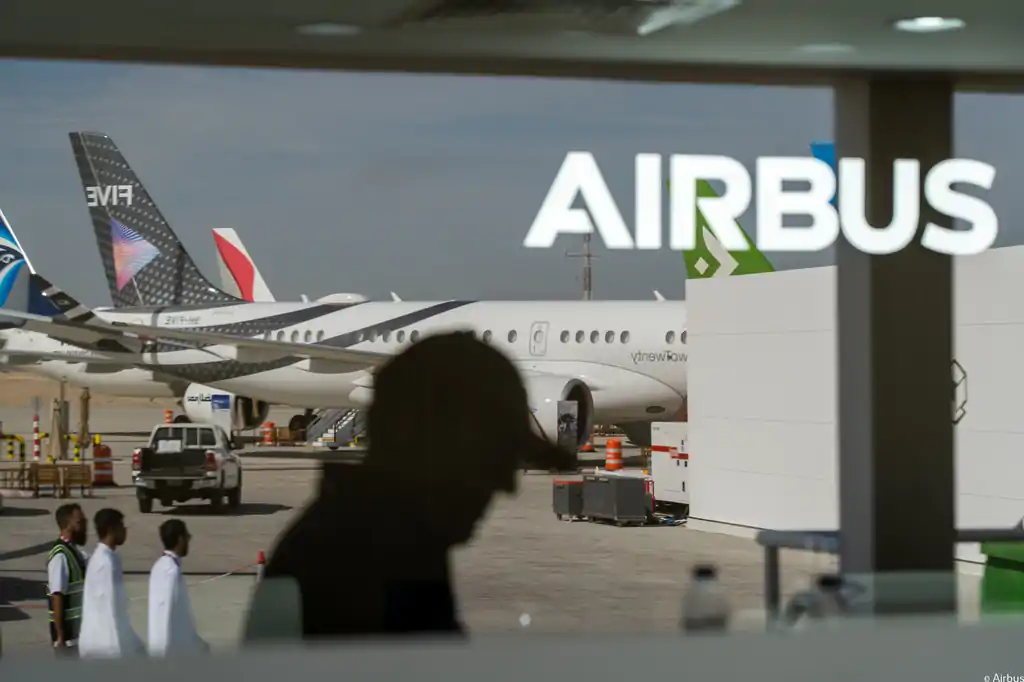
As the aviation industry continues to strive for higher fuel efficiency and lower emissions, Airbus is taking significant steps towards a future marked by innovative engine technology and sustainable aviation fuels (SAF). The buzz surrounding Airbus' plans for a new narrowbody aircraft, potentially a successor to the A320neo family, has taken center stage at the Farnborough International Airshow 2024.
A Glimpse into the Future: Airbus' New Narrowbody Aircraft
At the Farnborough International Airshow 2024, Julie Kitcher, Airbus’ Chief Sustainability Officer, provided insights into the company’s future plans. Kitcher emphasized Airbus' commitment to continually improving fuel efficiency with each new generation of aircraft. This strategy aims for a 25% improvement in fuel efficiency, thereby significantly reducing emissions.
“For every new generation of aircraft, we increase fuel efficiency, and therefore reduce fuel emissions by around 25%, so we are always pushing for new generation technologies in materials and engines. It is essential to stay that one technological leap ahead. We have got the latest generation technology available today,” Kitcher stated.
The Role of Rolls-Royce and Open Fan Engines
Christian Scherer, the CEO of Airbus Commercial Aircraft, hinted at the possibility of Rolls-Royce engines powering the successor to the A320neo. However, Scherer highlighted that Airbus' primary focus was on an open fan engine. CFM International, which currently provides the LEAP-1A engine for the A320neo family, is developing the CFM RISE open fan propulsion system.
Dual Focus: Hydrogen and Sustainable Aviation Fuel (SAF)

Kitcher elaborated on Airbus' dual approach towards future aircraft propulsion systems. While developing the next-generation aircraft, Airbus is also advancing hydrogen technology. This parallel development ensures that future aircraft can operate on SAF and potentially hydrogen, aligning with Airbus' sustainability goals.
Kitcher emphasized the importance of SAF: “At the same time, we are working on hydrogen technology to have a hydrogen-powered aircraft. The two will complement each other.”
The ZEROe Program: Pioneering Hydrogen Aircraft
To spearhead hydrogen aircraft development, Airbus launched the ZEROe program, featuring four prototype aircraft: a turbofan, a turboprop, a blended-wing body (BWB), and a fully electric concept. Airbus has even repurposed the first A380, manufacturer serial number (MSN) 001, as a testbed for hydrogen technologies.
In February 2022, Airbus CEO Guillaume Faury announced that the company would focus on two hydrogen technologies for the ZEROe platform: liquid hydrogen and hydrogen fuel cells. Airbus plans to officially launch the aircraft program by 2027 or 2028, with an entry-into-service (EIS) date in 2035.
Next Generation Single Aisle (NGSA): A Clean-Sheet Design
Airbus is also working on the successor to the A320neo family, referred to as the Next Generation Single Aisle (NGSA). Unlike derivatives or stretched versions of current models, the NGSA will be a clean-sheet design, emphasizing fuel efficiency and sustainability. Faury indicated that the NGSA's EIS would be in the latter part of the 2030s.
Competition and Collaboration: Boeing's Parallel Path
Airbus' main competitor, Boeing, shares a similar vision for future aircraft. At the Bloomberg Economic Forum in May 2023, Boeing's outgoing CEO David Calhoun highlighted the need for new aircraft designs to be at least 20% to 30% more efficient than previous models to justify the substantial development costs.
The Path Ahead
As Airbus continues to innovate and push the boundaries of aircraft technology, the focus remains on sustainability and efficiency. With a commitment to developing engines that can run on 100% SAF and advancing hydrogen propulsion systems, Airbus is poised to lead the industry into a new era of aviation. The upcoming years promise exciting developments as Airbus and its competitors race to create the next generation of environmentally friendly and fuel-efficient aircraft.
Stay Tuned
Keep an eye on Airbus and the broader aviation industry as they navigate the complexities of sustainable aviation. The innovations and advancements unveiled in the coming years will shape the future of air travel, making it cleaner, greener, and more efficient for generations to come.
Read next
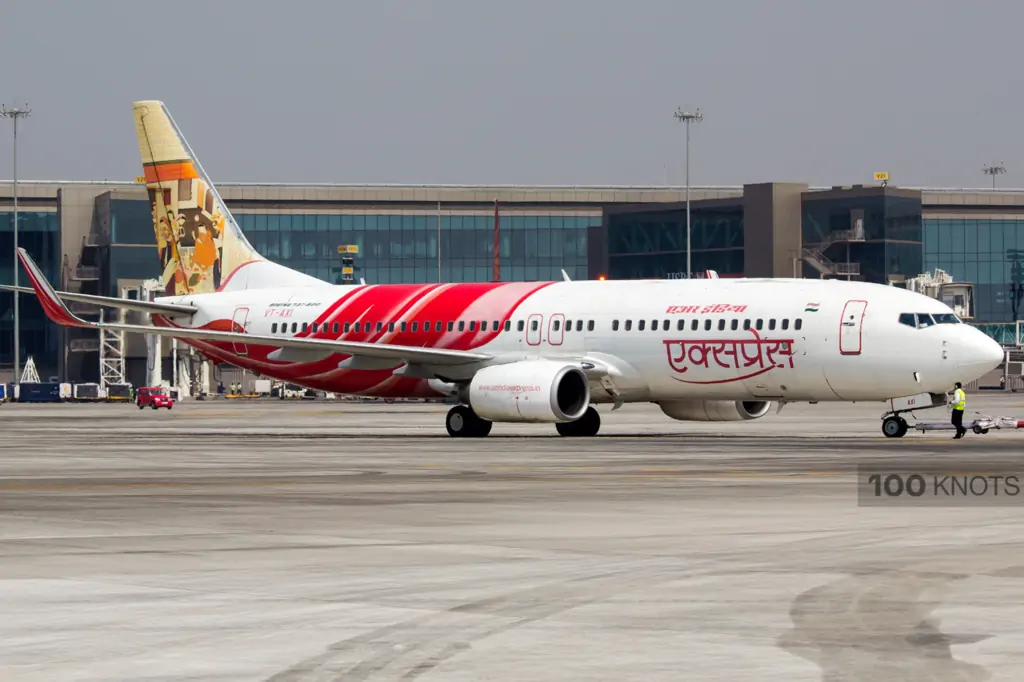
Air India Express is embarking on a transformative journey, significantly expanding its capacity in both domestic and international markets. This strategic move comes as the airline recently inducted its 75th aircraft, a Boeing 737, marking a milestone in its growth trajectory.
Over the past ten months, the airline has added 26 new Boeing 737-8 aircraft, greatly increasing its daily flight operations. This expansion aims to enhance connectivity, especially to tier-II and tier-III cities, and to bolster international routes, creating a more seamless travel experience for passengers.
Expansion Plans and New Destinations
Air India Express is set to increase its flight frequencies to West Asia and Southeast Asia, areas that have shown substantial demand. Currently, the airline serves 14 international destinations, including 13 in West Asia and Singapore, along with over 30 domestic destinations. The number of flights, exceeding 380 daily, is expected to rise as the airline expands its network to 50 stations. Notably, plans are underway to initiate flights to Dhaka and Kathmandu, further solidifying its international presence.
Boosting Domestic Connectivity
The airline's focus on increasing its domestic footprint in smaller towns and cities is designed to support the long-haul flights of its parent company, Air India. This strategic integration enables passengers from cities like Ranchi to travel on a single itinerary to far-flung destinations such as San Francisco or New York, thanks to a codeshare agreement with Air India. This seamless connectivity is expected to enhance passenger convenience and streamline travel experiences.
Innovative Services and Value Propositions
In its quest to enhance the passenger experience, Air India Express is introducing several innovative services. One such offering is unbundled services, including a zero-baggage fare option, allowing passengers to customize their travel experience. The airline's entry into the package holiday business, branded as XpressHolidays, enables passengers to book comprehensive tour packages alongside their flight tickets.
Partnerships and Ancillary Services
Leveraging its significant passenger base, which includes over a million international and domestic travelers monthly, Air India Express has forged strategic partnerships to offer additional services. The collaboration with Zoom Car allows passengers to rent self-drive cars directly through the airline’s website or mobile app, while a partnership with Avis Cars offers chauffeur-driven options. Furthermore, the airline has introduced a fare lock service, enabling passengers to secure domestic fares for Rs 250 and international fares for Rs 500 for up to seven days.
FlyPorter and Mergers
Another innovative service, FlyPorter, offers a hassle-free baggage handling solution where passengers' luggage is picked up from their doorstep and delivered to their destination. Additionally, the recent NCLT order approving the merger of AIX Connect (formerly AirAsia India) into Air India Express provides a significant boost, consolidating operations and expanding service capabilities.
Conclusion
Air India Express’s ambitious expansion and innovative service offerings are set to revolutionize air travel, providing enhanced connectivity, greater convenience, and a superior travel experience for passengers. As the airline continues to grow and adapt to market demands, travelers can look forward to more options and improved services, making air travel more accessible and enjoyable.
With Inputs from Financial Express
Read next

GE Aerospace has once again raised its full-year profit outlook, reflecting optimism in its financial performance. However, the persistent supply chain issues have led to a downward revision of its revenue outlook and jet engine output estimates. Here’s a closer look at the factors influencing these changes and their implications for the aviation industry.
Profit Outlook Brightens Amidst Supply Chain Woes
For the second time in four months, GE Aerospace has adjusted its profit expectations upwards, now forecasting an adjusted profit range of $3.95 to $4.20 per share for 2024. This revision surpasses the previous estimate of $3.80 to $4.05 per share, highlighting the company’s resilience and strategic management amid supply chain challenges.
Supply Chain Challenges Impact LEAP Engine Output
Despite the positive profit outlook, GE Aerospace has had to scale back its revenue expectations due to ongoing material shortages affecting engine deliveries. In particular, the production of LEAP engines, which power both Airbus and Boeing narrowbody aircraft, has been significantly impacted. Deliveries of LEAP engines in the June quarter were down 29% compared to the previous year.
Adjusting Production Expectations
The company has revised its LEAP engine output growth forecast for 2024 from an initial estimate of 10%-15% growth to a more modest range of flat to 5% growth. This marks the second adjustment since March, reflecting the persistent supply constraints faced by the industry.
Ripple Effects on Airlines and Aircraft Manufacturers
The reduction in LEAP engine production is a significant blow to airlines and aircraft manufacturers, already grappling with a shortage of new planes. This scarcity has forced airlines to invest heavily in maintaining older, less fuel-efficient aircraft. Airbus, for instance, recently delayed a planned increase in narrowbody production and cut its profit forecasts, citing engine shortages as a critical factor.
Progress Amidst Challenges
GE Aerospace CEO Larry Culp highlighted progress in improving supply chain issues, with significant output improvements at two-thirds of the 15 critical supplier sites. However, the improvements have not been uniform across all suppliers, necessitating continued efforts in problem-solving and collaboration.
Booming After-Market Services Demand
The lack of new planes has spurred a surge in demand for GE Aerospace’s after-market services. The company reported a double-digit increase in commercial engine services revenue in the second quarter compared to the previous year, with services orders up by more than 30%. Maintenance and repair shop visits for CFM56 engines, a mainstay in the narrowbody market, are now expected to peak later than initially anticipated, further increasing demand for after-market services.
Improving Turnaround Times
To address the booming services demand, GE Aerospace has set an ambitious goal to reduce repair turnaround times by 30% from the previous year. In the June quarter, the company achieved a reduction in LEAP engine shop visit turnaround times to 86 days, down from approximately 100 days in 2023. However, CEO Larry Culp acknowledged that airlines are still pushing for even quicker service.
Financial Performance Surpasses Expectations
GE Aerospace’s financial performance in the second quarter has exceeded analysts' expectations. The company reported an adjusted profit of $1.20 per share, surpassing the predicted 99 cents per share. This robust performance underscores the company’s ability to navigate through challenging times and deliver value to its shareholders.
Conclusion: A Complex Path Forward
GE Aerospace's journey through 2024 highlights the complexities of managing growth amidst supply chain disruptions. While the company has made commendable progress in several areas, the uneven improvements across suppliers and the ongoing demand for after-market services present continuing challenges. As GE Aerospace works towards stabilizing its supply chain and meeting customer demands, the broader aviation industry watches closely, anticipating further developments and adjustments.
With Inputs from Reuters
Read next

Despite ongoing supply chain disruptions and delivery delays, the Farnborough Airshow continued to see a surge in plane orders on Tuesday. Both Boeing and Airbus managed to secure significant deals, although many of these were previously flagged. This year's show highlighted the tension between the booming demand for air travel and the industry's production challenges.
Boeing's Big Wins
Orders from Qatar Airways and Macquarie Airfinance
Boeing announced major deals, including an order from Qatar Airways for 20 more Boeing 777-9 planes. This expansion brings Qatar Airways' total order for the 777X family close to 100 jets, a deal valued at nearly $4 billion according to Cirium Ascend estimates. Additionally, Boeing secured an order for 20 737 MAX-8 planes from Macquarie Airfinance, worth around $1 billion.
Challenges and Apologies
However, Boeing's recent struggles have not gone unnoticed. A mid-air panel incident on a near-new 737 MAX 9 in January led to production cutbacks, exacerbating delivery delays. Flydubai CEO Ghaith al-Ghaith expressed frustration over these delays, citing a significant reduction in their expected aircraft deliveries. Ihssane Mounir, Boeing's senior vice president for global supply chain and fabrication, acknowledged the company's failure to meet commitments and emphasized efforts to regain trust.
Airbus' Achievements
Orders from Japan Airlines and Virgin Atlantic
Airbus also had notable successes, with Japan Airlines finalizing an order for 20 Airbus A350-900 and 11 A321neo jets, totaling over $3 billion. Virgin Atlantic added to Airbus' triumphs by ordering seven A330-900s, worth an estimated $800 million.
Future Prospects and Industry Optimism
Flydubai and Qatar Airways' Ambitious Plans
Despite current challenges, airlines are keen to secure more fuel-efficient aircraft to meet anticipated growth in air travel. Flydubai is in early-stage talks for its largest ever plane order, expected to surpass their previous 2017 purchase of 175 Boeing 737 MAX airplanes. Qatar Airways CEO Badr al Meer announced plans for a substantial new order of wide-body jets by early 2025 and mentioned upgrades to their Airbus A380 jets, including new Wi-Fi installations.
Industry-Wide Adaptations
With new aircraft deliveries facing long delays, many airlines are extending the service life of their existing fleets. Consultancy Bain reported that airlines are experiencing their longest ever waits for engine maintenance, further adding to operational costs.
A Mixed Outlook
Balancing Optimism and Caution
British Airways CEO Sean Doyle noted that his airline is being "very vigilant" about new plane deliveries, though currently, their aircraft are arriving as needed. This cautious optimism reflects the broader industry sentiment, balancing the promising future of air travel with the current hurdles.
Conclusion
The Farnborough Airshow underscored both the resilience and the challenges of the aviation industry. With significant orders from major players and ongoing efforts to navigate supply chain issues, the future of air travel looks poised for growth, even as it contends with present-day obstacles.
With Inputs from Reuters
Read next

India's budget airline, SpiceJet, announced plans on Tuesday to raise 30 billion rupees (approximately $360 million) by issuing securities, including shares. This move represents the latest in a series of attempts by the airline to secure funds needed to restore full operations amidst financial and legal challenges.
SpiceJet's Financial Woes
SpiceJet has been grappling with significant financial difficulties, reporting consecutive quarterly losses. Compounding these issues are the legal battles with aircraft lessors, who have taken the airline to court over unpaid dues and sought the deregistration of their planes.
As of the end of March, SpiceJet's financial statements revealed cash and cash equivalents amounting to 1.87 billion rupees, while cash from operational activities was a negative 6.13 billion rupees.
The Fundraising Plan
The company intends to issue shares to institutional investors, though the specific pricing of these shares has not been disclosed. The injection of 30 billion rupees is aimed at stabilizing the airline’s finances and returning its grounded jets to the skies.
Market Dynamics
SpiceJet's struggle contrasts sharply with other Indian carriers, such as IndiGo and those under the Air India group, which have been expanding their fleets with new jets to meet the soaring demand in one of the world’s fastest-growing aviation markets.
Due to its ongoing issues, SpiceJet has seen a significant drop in market share, which stood at 4.2% in the June quarter. This was notably lower than the 4.7% share of Akasa Air, a new entrant that began operations in mid-2022.
Market Reaction
Following the announcement of the fundraising plan, SpiceJet's shares surged by as much as 7%, reaching 58.65 rupees. Despite this boost, the airline's shares have declined by about 4% in 2024, in stark contrast to a 44% increase in market leader IndiGo's shares over the same period.
Conclusion
SpiceJet's latest move to raise substantial funds through securities issuance is a critical step towards addressing its financial troubles and restoring its operations. The coming months will be pivotal for the airline as it strives to regain market share and stability in the competitive Indian aviation sector. The success of this fundraising effort and subsequent operational improvements will determine whether SpiceJet can navigate its way out of the current turbulence and take off towards a more secure future.
With Inputs from Reuters
Comment