
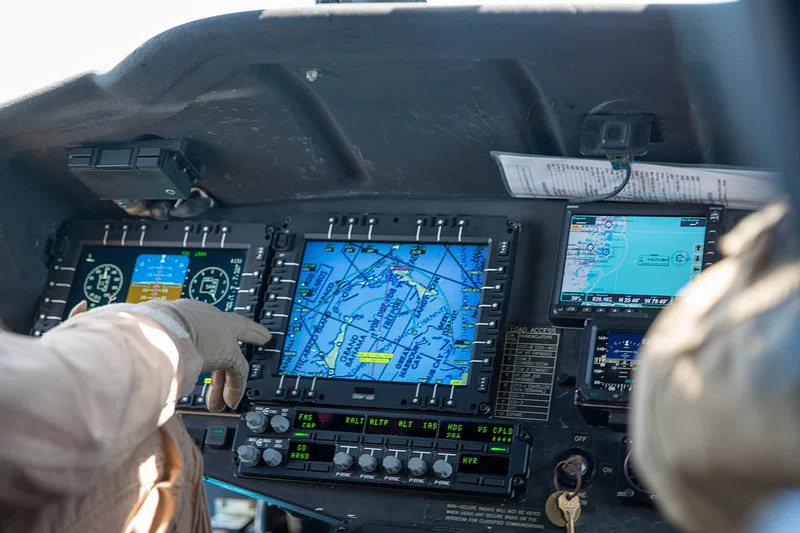
The global aviation industry faces an escalating cybersecurity threat from GPS jamming and spoofing attacks, which compromise aircraft navigation systems.
Modern commercial aviation relies heavily on Global Navigation Satellite Systems (GNSS), including GPS, Galileo, GLONASS, and BeiDou, for precise positioning and navigation.
This article examines the critical differences between GPS jamming, interference, and spoofing, analyses their impact on commercial aviation, reviews significant incidents from 2024 to 2025, and explores the collaborative solutions being developed by international aviation organisations IATA and ICAO to address this growing menace.
Difference Between GPS Jamming, Interference, and Spoofing
GPS Jamming
GPS jamming involves saturating GPS receivers with unknown signals to render them unusable, effectively degrading everyone's ability to use GPS for navigation. This can occur accidentally when GPS receivers are located near high-power transmitters, or deliberately through illegal devices used in vehicles and homes. While GPS jamming is illegal in countries like the US and UK, it remains unregulated in many regions worldwide.
GPS Spoofing
GPS spoofing represents the most sophisticated threat, consisting of transmitting look-alike signals that deceive GPS receivers into reporting incorrect position and time data. Spoofing can only be caused by purpose-built devices, which have their origins in military operations or can be built by individuals with nefarious intent. Unlike jamming, spoofing is always a deliberate, malicious action designed to mislead navigation systems.
Natural Interference and Technical Failures
Natural phenomena such as solar storms can temporarily interrupt or degrade GPS signals. Similarly, GPS equipment failures represent expected technical challenges that commercial aviation is designed to handle through redundant systems and established protocols. These benign disruptions pose minimal safety risks and are considered routine operational challenges.

Impacts on Flight Tracking and Commercial Aviation
The aviation industry's dependence on GNSS creates vulnerabilities that affect both flight operations and tracking systems.
Aircraft use ADS-B (Automatic Dependent Surveillance-Broadcast) technology, which broadcasts GPS-derived position data to ground stations and other aircraft. When GPS signals are compromised, this creates cascading effects throughout the aviation ecosystem.
Commercial aircraft flying in the Middle East and northern Europe have been caught up in a spate of GPS spoofing incidents, which have thrown onboard navigation systems off course and pose an increasing risk to air travel the world over.
However, commercial aviation maintains multiple backup systems, including the Wide Area Augmentation System (WAAS) for general navigation and the Ground Based Augmentation System (GBAS) for precision airport approaches.
What Does GPS Spoofing Look Like on Flightradar24?
GPS spoofing manifests on flight tracking platforms like Flightradar24 as aircraft appearing in locations where they are not actually flying. When aircraft stop broadcasting accurate position updates due to spoofing, the system estimates their course toward intended destinations, often showing flights travelling through areas they are not actually traversing.
The effects are particularly visible over conflict zones like the Black Sea, where spoofed aircraft may appear to follow great circle paths that don't reflect their actual routes. Once aircraft exit spoofing zones, they typically resume accurate position broadcasting, though backup navigation systems may provide degraded position accuracy for extended periods.
To check out the GPS Jamming map, check out this link- GPS Jamming Map

Incidents Associated This Year
India's Border Region Crisis
India has experienced significant GPS interference, with 465 incidents reported between November 2023 and February 2025, primarily in the Amritsar and Jammu regions near the Pakistan border. The government has issued Notice to Airmen (NOTAM) warnings and implemented Standard Operating Procedures (SOPs) to help airlines manage these incidents.
Global Escalation
This year, a 500% increase in spoofing has been observed. On average, 1500 flights per day are now spoofed, versus 300 in Q1/Q2 of 2024. The incidents are not confined to active conflict zones, with spoofing experiences near Beijing, and over Myanmar and India being reported regularly.
Notable Cases
United Airlines flight UA84 was a victim of GPS spoofing in March 2024, with an incorrect diversion from Tel Aviv to Beirut plotted on tracking systems. Many reports of jamming and spoofing come from conflict zones, particularly areas around Ukraine, Russia, Iraq, and the eastern Mediterranean Sea.
Future Problems
The exponential growth in GPS spoofing incidents presents several concerning trends for aviation safety. The sophistication of spoofing attacks is increasing, with perpetrators developing more advanced techniques to deceive navigation systems.
Climate change may exacerbate the problem by increasing reliance on precision navigation systems during severe weather events.
The proliferation of spoofing technology and techniques through online tutorials poses risks for widespread adoption by malicious actors. As conflicts continue globally, the weaponisation of GPS spoofing as a defensive and offensive tool threatens to expand beyond traditional conflict zones into major commercial aviation routes.

Solutions: IATA and ICAO Initiatives
IATA's Comprehensive Approach
The International Air Transport Association (IATA) is pushing for standardised procedures across the globe, emphasising that aircraft manufacturers must provide guidance and standard operating procedures for airlines to tackle GPS interference situations. IATA is collaborating with the European Union Aviation Safety Agency (EASA) to develop coordinated responses to GPS spoofing issues.
IATA advocates for better communication and coordination between civil and military stakeholders to improve efforts in tackling interference incidents. The organisation represents over 350 airlines globally and is working to establish unified protocols for reporting and responding to GPS threats.
ICAO's Regulatory Framework
The International Civil Aviation Organisation (ICAO) is developing future-proof navigation technologies designed to resist interference while establishing standardised protocols for states to notify flight crews of interference events. ICAO's best practices are being promulgated through the Directorate General of Civil Aviation (DGCA) circulars and guidelines to the industry.
Ground-based navigation infrastructure is being retained and modernised to ensure aviators can resume normal navigation when experiencing GPS interference. This includes continuous upgrades to air traffic management systems to meet growing aviation demands while maintaining safety standards.
Bottom Line
GPS jamming and spoofing represent one of the most significant emerging threats to global aviation safety and efficiency. The dramatic increase in incidents—from 300 daily spoofed flights in early 2024 to 1,500 by year's end—demonstrates the urgent need for comprehensive countermeasures.
The implications for the future are profound: as aviation becomes increasingly dependent on satellite navigation, the potential for widespread disruption grows exponentially.
Future challenges include the democratisation of spoofing technology, expansion beyond conflict zones, and integration with other cyber threats. The aviation industry's response through IATA and ICAO collaboration offers hope, but success will require sustained international cooperation, technological innovation, and regulatory adaptation. The ability to maintain safe, efficient global air travel in an era of electronic warfare will ultimately depend on the industry's capacity to stay ahead of evolving threats while preserving the interconnected nature of modern aviation.

Read next
Turkish Aviation Company Celebi Abandons Legal Battle Against Security Clearance Cancellation

Pragya Chauhan
22 Aug 2025
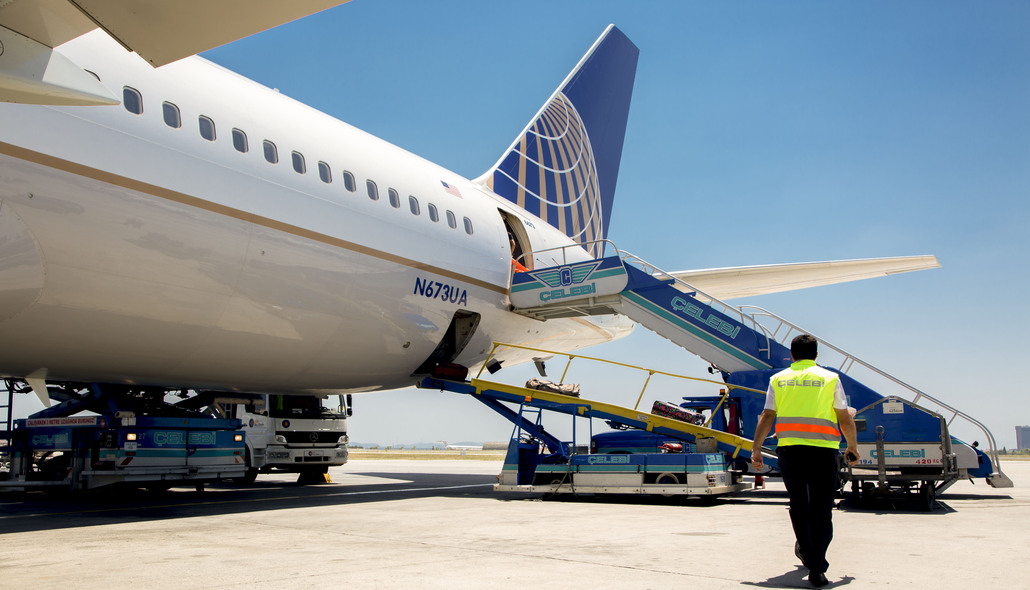
In a significant development in the ongoing dispute between Turkish aviation services firm Celebi and Indian aviation authorities, the company has withdrawn its petition from the Bombay High Court challenging the revocation of its airport security clearance.
This withdrawal marks another setback for the international ground handling giant, which has been embroiled in legal battles across multiple Indian courts following the cancellation of its operating permissions in May 2025.
Background
The Ministry of Civil Aviation had revoked Çelebi's security clearance on May 15, leading to the termination of its ground handling contracts at Mumbai Airport.
Celebi Airport Services India, in which the Turkish parent holds 59 per cent stake through Celebi Nas Airport Services India Private Limited, lost its security clearance in May after the BCAS invoked national security grounds.
The revocation came amid heightened diplomatic tensions between India and Turkey. The dispute arose from the Indian government's recent decision to revoke Çelebi's security clearance, citing national security concerns after Turkey publicly backed Pakistan during a recent four-day Indo-Pak military conflict. This military operation, referred to as "Operation Sindoor," appears to have been a catalyst for the Indian government's decisive action against the Turkish firm's operations in the country.

Legal Challenge
The Bombay High Court case represented one of several legal fronts on which Celebi was fighting to restore its operations in India. In its plea in Bombay HC, the Celebi Nas Airport Services, India has sought suspension and annulment of the administrative decision of security clearance cancellation taken by the BCAS. The company had also sought annulment of the terminations of various service agreements with Mumbai International Airport.
However, the recent withdrawal of this petition before Justices BP Colabawalla and Firdosh Pooniwalla suggests that the company may have reassessed its legal strategy or concluded that pursuing the case was no longer viable given the broader context of its legal challenges.
Setbacks
Celebi's legal journey in Indian courts has been marked by temporary victories followed by significant defeats. In May, the company initially secured some relief when the Bombay High Court restrained Mumbai International Airport Limited (MIAL) from taking final decisions on replacing Celebi's services. The immediate revocation and subsequent termination by MIAL has put Çelebi in a position where it cannot even approach a court for a remedy, the company's lawyers had argued, noting that they would ordinarily have been eligible for 30 days' notice prior to contract termination.
However, this relief proved short-lived. The revocation led to the termination of Çelebi's operational contracts, and subsequent court decisions have not favored the Turkish firm. The Bombay High Court eventually vacated its earlier order granting relief to Celebi, clearing the way for MIAL to proceed with replacement arrangements.
Multiple Legal Defeats
The withdrawal from the Bombay High Court comes in the wake of several unsuccessful legal challenges by Celebi subsidiaries across different Indian jurisdictions. On July 7, the Delhi HC dismissed a writ petition by another Celebi subsidiary seeking suspension and annulment of the security clearance cancellation. The Delhi High Court on Thursday dismissed a plea by Turkish firm Celebi Ground Handling India Private Limited challenging the Central government's decision to revoke its security clearance, which led to the termination of its services at Indian airports.
The pattern of legal defeats across multiple courts suggests that Indian judicial authorities have generally upheld the government's national security rationale for revoking Celebi's clearances. In its petition to the Delhi High Court, Celebi Airport Services argued that public perception cannot be grounds for revocation of security clearance, and contended that it had been given no reason or opportunity for a hearing.

Impact on Operations and Business
The security clearance revocation has had far-reaching consequences for Celebi's Indian operations. Services of two other Celebi subsidiaries- Celebi Airport Services India and CelebiDelhi Cargo Terminal Management India - were also revoked. This comprehensive action by Indian aviation authorities effectively ended Celebi's significant presence in the Indian airport services market.
The company's difficulties extended beyond the revocation itself. Celebi had filed the plea after Adani Airports severed ties with the company following the revocation of its security clearance by the Indian government, demonstrating how the security clearance issue had cascading effects across its various business relationships in India.
Government Response
Throughout its legal challenges, Celebi maintained that the revocation was procedurally flawed and substantively unjustified. Turkey-based airport ground handling services firm Celebi told the Delhi High Court Friday that no reasons were given to it in writing as to why its security clearance was revoked. The company argued that the government had breached its own procedural rules by not providing adequate justification for the decision.
However, Indian courts have generally accepted the government's national security justification for the action. The timing of the revocation, coinciding with Turkey's public support for Pakistan during military tensions with India, appears to have provided sufficient grounds for the authorities to invoke national security provisions.
Bottom Line
The withdrawal of the Bombay High Court petition appears to signal the end of Celebi's legal resistance against the security clearance revocation. With multiple court defeats and the practical reality of severed business relationships across India's aviation sector, the Turkish firm may be acknowledging that its legal strategy has reached an impasse.
This case highlights the intersection of geopolitical tensions and business operations, demonstrating how diplomatic relations between countries can directly impact multinational corporations' ability to operate in foreign markets. For Celebi, a company that once held significant ground handling contracts across major Indian airports, the security clearance revocation represents not just a legal defeat but a complete exit from one of the world's fastest-growing aviation markets.
Read next

Thousands of Airbus workers in the United Kingdom who are members of Unite have voted to take industrial action in September over a pay dispute. The strike plan covers ten days across a three week period starting on September 2 and includes sites that build wings for Airbus commercial and military aircraft.
What exactly is planned
Unite says more than 3,000 aircraft fitters and engineers backed the action with about 90 percent voting in favor. The announced strike days are September 2 and 3, September 10 and 11, and then further days from September 15 depending on local shift patterns. The walkouts will take place at core UK wing factories including Broughton in north Wales and Filton near Bristol.
Why the heat has risen
Union leaders argue the company offer does not reflect the current cost of living or the profits Airbus is generating. Unite is asking for pay that keeps pace with inflation and recognizes the specialist skills of the workforce. The union says it remains open to talks but will not accept a settlement its members view as inadequate.
“The pay offer simply does not reflect the money Airbus is making or the current cost of living crisis. We remain ready to negotiate, but we will not allow our members to be short changed.”
— Rhys McCarthy, Unite national officer.
What Airbus is saying
Airbus has described its most recent proposal as competitive and fair and points to more than 20 percent of pay rises across the past three years plus a bonus paid earlier this year. The manufacturer has said it is open to further discussions and is not currently forecasting a material hit to end of year deliveries.

Where it will hurt most
The UK wing sites supply critical structures for the A320 family, the A330 and the A350 family and contribute to military programmes too. Disruption at Broughton or Filton can create knock on effects across final assembly lines elsewhere in Europe and in customer schedules, because wing deliveries are tightly sequenced with the rest of the build process. Even short local stoppages can ripple through a highly choreographed global supply chain.
The numbers to watch
Airbus delivered 67 aircraft in July which lifted its year to date total to 373 delivered aircraft and the company has a public target of around 820 for the year. That ambitious number makes any production interruption more visible to customers and less easy to absorb.
The wider scene
The Airbus action sits alongside a wave of aviation related labor disputes across Europe this year. Airports, airlines and air traffic control staff have all staged action over pay and conditions, creating repeated travel disruption. Industrial action at manufacturers adds a layer that hits the long lead time part of the industry rather than immediate passenger services.

What a negotiated fix might look like
A realistic settlement would likely combine a sharper pay rise this year, clearer long term salary frameworks and commitments on workload and overtime to protect production flow. For Airbus the calculus is balancing the short term cost of a better offer against the long term cost of delivery delays and reputational damage with customers. For Unite the goal is to secure pay that does not fall behind inflation while recognizing the specialized skills at these sites.
What to expect next
Expect intense bargaining in the coming days. If talks succeed the strike dates could be called off. If not, the rolling stoppages will test how quickly production can be caught up and how tolerant customers will be if deliveries slip. Either way this dispute will be watched closely because wing production is a choke point for several key aircraft programmes.
TL; DR
- Unite members at Airbus UK will strike for ten days in September unless a better pay offer is agreed.
- The walkouts involve over 3,000 fitters and engineers at Broughton and Filton with 90 percent voting in favor.
- Strikes are set for September 2 and 3, September 10 and 11, and additional days from September 15 depending on shifts.
- Airbus says it has made competitive offers including more than 20 percent pay rises over three years and a bonus this year but is open to talks.
- Wing production disruption could ripple across global supply chains and complicate Airbus efforts to hit its delivery target for the year.
Read next
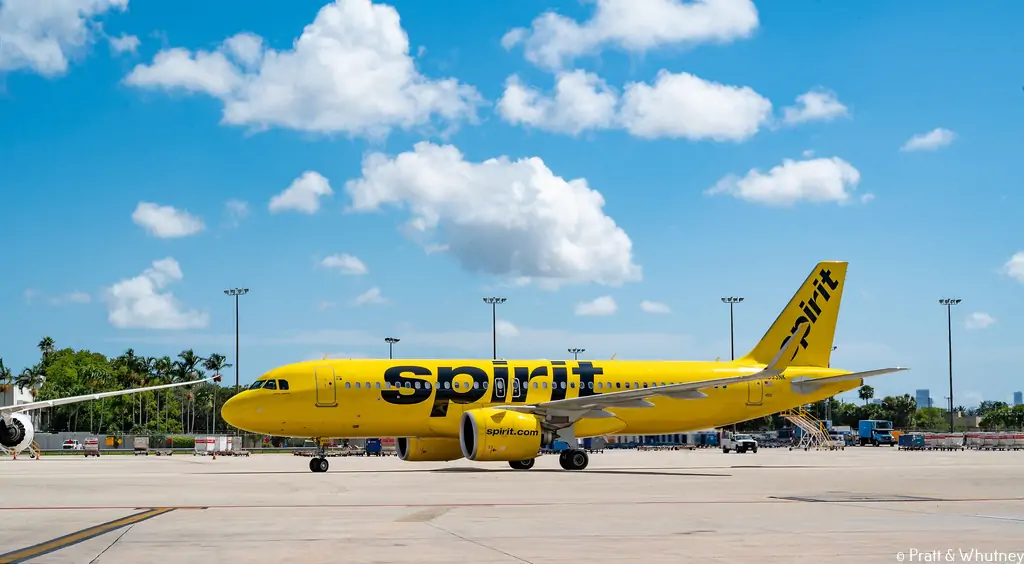
The blinking yellow planes that once promised rock bottom fares are suddenly the story every investor and traveler is watching. In a filing that read like a gallop of worst case scenarios, Spirit Airlines warned that without fresh cash it may not survive the next 12 months. That stark admission comes just months after the carrier exited Chapter 11 and after a brutal quarter that wiped out management optimism.
A fast paced collapse in confidence
Spirit told investors and regulators in its recent quarterly filing that liquidity is tight and that its auditors flagged substantial doubt about the company continuing as a going concern unless it secures additional funding. That sentence in a regulatory filing is a legal phrase that triggers alarm bells across markets and suppliers. The immediate market reaction was predictable: shares plunged, ratings agencies grew more wary, and some aircraft lessors quietly began sounding out other airlines about taking Spirit planes.
Where the cash went and how fast it burned
Management had projected a turnaround this year, even penciling in a healthy profit. Reality delivered something else. Spirit reported deep operating losses in the quarter and industry trackers note cumulative cash burn since emerging from bankruptcy. Independent analysts and aviation outlets flagged that the airline lost roughly a quarter of a billion dollars between mid March and the end of June, a gap that has turned a hopeful recovery into an urgent cash problem.
Why a few hundred million matters
In airline math a few hundred million dollars can mean the difference between keeping planes flying and handing them back to lessors. Spirit’s liquidity squeeze was amplified when its credit card processor demanded additional collateral, a move that ties up cash another way and signals counterparty anxiety about credit risk. At the same time Spirit has been trying to raise money by selling aircraft, gates, and real estate and by pruning unprofitable routes and headcount. Those steps buy time but may not be sufficient on their own.

What went wrong during Chapter 11
When Spirit entered Chapter 11 the playbook was to deleverage, convert debt to equity, and reposition the balance sheet so the airline could survive and compete. The company did equitize a large chunk of debt and attracted fresh investor capital before emerging from Chapter 11 in March. But critics argue that Spirit did not use the bankruptcy process to extract the deepest structural savings possible from leases and long term contracts. That may be a key reason why the airline is now facing the same cash pressures it sought to leave behind.
A list of old wounds that reappeared
Several pre existing problems resurfaced after emergence from bankruptcy. Engine groundings in 2023 reduced fleet flexibility. Earlier attempts to merge with other low cost carriers ended without a partner which left Spirit to face the market alone. Rising labor and maintenance costs since the pandemic made the low fare formula harder to sustain, and a softer summer leisure season than many carriers expected pushed yields down across the industry. When optimism met harsher market reality, Spirit’s runway shortened fast.
The outside view from creditors and analysts
Bankruptcy lawyers and credit analysts have pointed out that by not forcing deeper concessions from lessors during Chapter 11, Spirit reduced the amount of structural relief it could rely on. Ratings agencies have responded by downgrading the carrier and flagging elevated default risk. Yet bankruptcy veterans also note that airlines occupy a special place in the economy and that markets sometimes step in to prevent abrupt collapses that would ripple through employees, airports, and customers. That does not make the situation comfortable.
What to watch next
- Cash flow and collateral requests: Monitor any further demands from the credit card processor or other counterparties for additional collateral. Those requests accelerate the liquidity crisis.
- Plane and asset sales: Will Spirit manage to sell enough aircraft, gates, or property at acceptable prices to bridge the gap? Asset sales can be quick but often fetch distressed prices.
- New financing or partner interest: Fresh equity, a bridge loan, or a strategic investor could stabilize things. Any such announcement will be life changing for the company and its creditors.
- Service and route changes: Expect more pruning of low performing routes and capacity cuts aimed at conserving cash while keeping higher margin flying.
The human angle: employees and customers
Spirit’s CEO, Dave Davis, has tried to soothe staff with internal messages promising durability and long term plans. For employees and frequent flyers the situation is stressful: airlines in turmoil tend to cut routes, freeze hiring, and rearrange rosters. For customers with booked travel there is no immediate reason to panic as the company continues scheduled operations, but uncertainty lingers and travelers understandably want contingency plans.

How this could end
There are three plausible pathways. One is a successful capital raise or asset sale that gives Spirit enough runway to execute a tighter, leaner operation. Two is a controlled restructuring that uses bankruptcy tools more aggressively to reduce fixed costs and renegotiate leases. Three is a messy insolvency that forces aircraft returns, layoffs, and significant market disruption. Historic patterns suggest that regulators and markets often prefer rescue or orderly restructuring where possible because of the systemic effects of an abrupt airline collapse.
Final take
Spirit’s current troubles are the product of a tough market environment and choices made during its Chapter 11 process. The bright yellow planes and bargain fares are an American travel staple, but staples can go out of fashion fast when the economics do not add up. Watch the cash flow, watch the creditors, and watch for any outside lifeline. Until then the airline is flying with a small fuel gauge and a lot of worried passengers watching the dashboard.
TL; DR
- Spirit warned it may not survive another 12 months without new cash.
- The carrier reported deep losses since emerging from Chapter 11 and burned hundreds of millions in the quarter.
- Spirit exited Chapter 11 in March after converting debt to equity but may not have secured enough structural cost relief.
- Creditors and suppliers are nervous and some lessors have explored backup plans for Spirit aircraft.
- The next weeks will hinge on asset sales, demands for collateral, and whether new financing or a partner steps in.
Read next
Could Turkish Airlines Be Planting a Flag in Latin America by Backing Air Europa?

Abhishek Nayar
21 Aug 2025
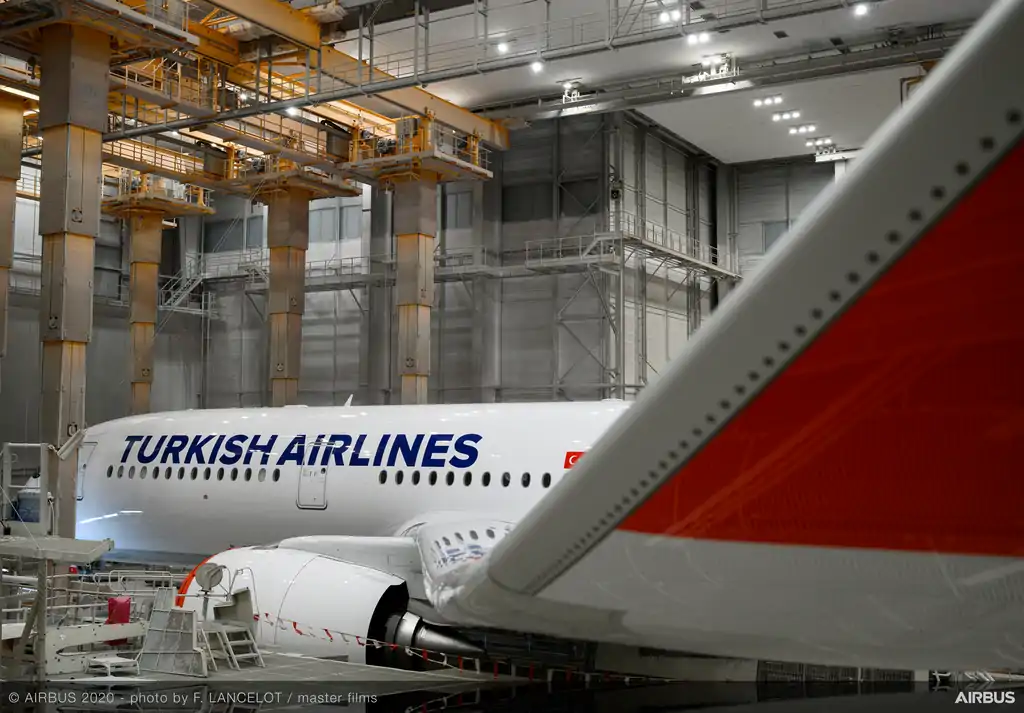
On August 19, 2025 Turkish Airlines announced that Spanish carrier Air Europa accepted its binding offer to acquire a minority stake, moving the deal into transaction documentation and closing procedures.
The money move that matters
The investment is worth 300 million euros, with the vast majority of that sum slated to be injected as fresh capital into Air Europa rather than simply buying existing shares. That cash infusion is meant to shore up balance sheets and support the airline as it expands its long haul fleet and network.
Exactly how much of Air Europa will Turkey own
Turkish Airlines did not publish a final percentage because the precise stake will be set after technical and financial adjustments at closing. Spanish media are already reporting a deal size in the mid twenties by percentage which would make Turkish Airlines a large minority owner but not a controlling shareholder.
A timeline that will test regulators and patience
Turkish Airlines said the transaction should be completed within approximately six to twelve months subject to regulatory permits and approvals. That timetable means scrutiny from Spanish authorities and competition watchdogs is likely to be a headline item before any cash changes hands.
Why this is more than finance it is strategy
Company insiders and analysts point to network complementarity as the main attraction. Air Europa brings a strong footprint in the Iberian peninsula and long haul routes across Latin America. For Turkish Airlines that translates into immediate access to markets where it wants to scale passenger and cargo flows without building the entirety of the network from scratch. Rival bidders including major European groups stepped away earlier in the process which left room for this tailored tie up.

What it could mean for passengers and competitors
For travelers this could produce simpler connections between Istanbul Madrid and Latin American cities plus new codeshare options and coordinated schedules. For competitors the move signals that global carriers are still willing to pursue cross region alliances via investment rather than full takeovers. For Air Europa the capital will help reduce legacy pandemic era debt and support fleet modernization plans being rolled out in its multi year strategy.
Risks on the taxiway
Regulatory approval is not guaranteed and the final economics will shift after audits and adjustments. Integration headaches such as aligning IT systems brand cooperation and slot coordination at busy airports could slow the partnership benefits. Also public and political views about a foreign flag carrier taking a strategic stake in a national airline may surface during approval hearings.
The human story
Beyond balance sheets there is a human element. Pilots cabin crew and ground staff in both airlines will watch carefully for changes in hiring training and route planning. Frequent flyers may gain route choice while corporate planners on both sides will look to wring efficiencies from combined sales and joint procurement.
Final flourish
This is a move that reads like a chess play rather than a quick buy. Turkish Airlines is not simply buying hardware it is buying reach reputation and a shortcut into Latin America. Air Europa gets much needed capital and an influential partner to help accelerate its recovery and growth. Whether the partnership delivers the promised synergies will depend on regulatory outcomes and how well two different corporate cultures stitch together.
TL; DR
- Turkish Airlines announced on August 19, 2025 that Air Europa accepted its binding offer to buy a minority stake.
- The investment totals 300 million euros and will largely be invested as new capital.
- The exact percentage of shares is not finalized but Spanish reports place it around the mid twenties by percentage.
- The deal is expected to close within six to twelve months subject to regulatory approvals.
- Strategic rationale is network complementarity especially for Latin America and the Iberian peninsula making this a growth play as much as a financial one.
With Inputs from Reuters
Read next
Who Is Watching the Runway? India Faces a Staff Shortage at Its Aviation Gatekeepers
Abhishek Nayar
21 Aug 2025
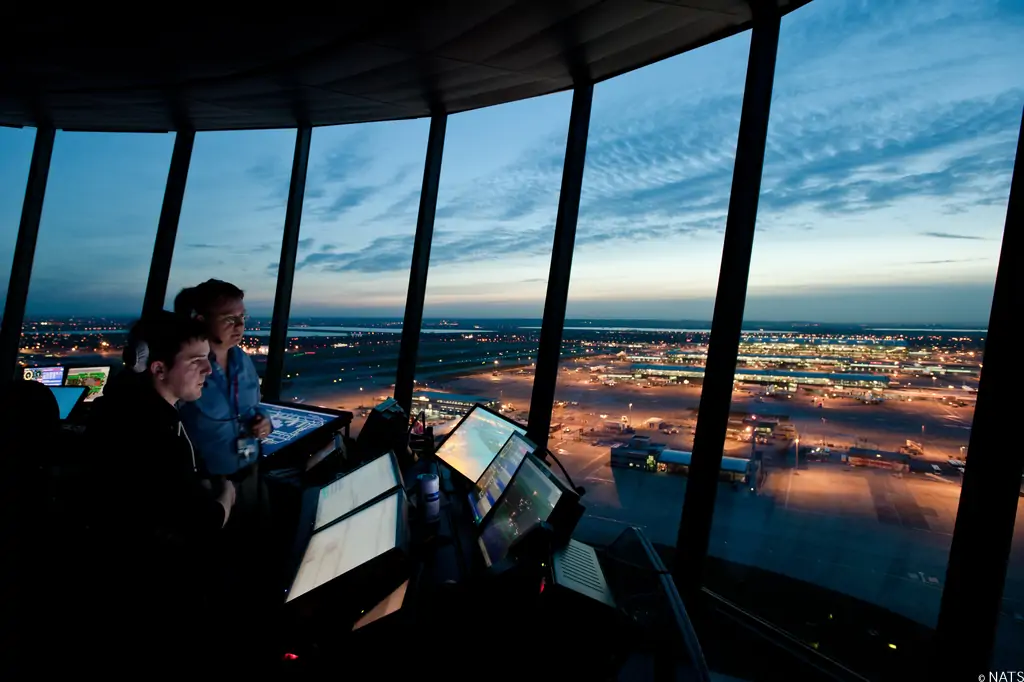
A parliamentary committee has issued a stark warning that India’s civil aviation safety could be undermined by a severe shortage of technical staff at the Directorate General of Civil Aviation and by mounting gaps among air traffic controllers. The finding comes as the nation reels from the June crash of an Air India Dreamliner that killed 260 people and has put regulatory robustness under the microscope.
What the committee found
Vacancies at the regulator
The report says the DGCA is operating with almost half of its sanctioned posts unfilled, a shortfall the committee described as an existential threat to the integrity of India’s aviation safety system.
Pressure on air traffic control
Lawmakers recorded that air traffic controllers are under immense pressure because of workforce planning failures. The panel flagged instances where controllers were not fully trained and where duty time rules were not being followed, raising the risk of fatigue related errors.
Safety context and recent accidents
The committee’s review was accelerated by the catastrophic Air India accident in June that killed 260 people and by a number of helicopter accidents in northern India. Those tragedies intensified scrutiny of the regulator and operational practices across airports and airlines.
Why this matters now
India is one of the fastest growing aviation markets in the world. Rapid passenger growth and fleet expansion put extra demand on oversight capacity. A regulator that is understaffed and an air traffic system that is strained increase the odds that emerging safety risks will be missed or managed too late.
Root causes flagged by the panel
The committee pointed to an outdated recruitment model in which the DGCA relies on an outside recruitment agency to hire its technical and regulatory staff. The ministry itself described that process as slow and inflexible, hindering the regulator’s ability to attract and retain highly skilled professionals.
What lawmakers recommended
The committee urged an urgent and focused recruitment campaign to plug vacancies and strengthen workforce planning. It went further and suggested that India consider creating a new regulatory authority to replace the DGCA if necessary, and it called for reforms to air traffic control staffing, training, rostering, and duty time compliance.

Government response so far
Civil aviation minister Ram Mohan Naidu told lawmakers that the government would fill 190 of the more than 500 unfilled DGCA positions by October. The ministry and the DGCA have not publicly expanded on how longer term recruitment and retention issues will be fixed.
The operational fallout at the airline level
In parallel to the regulator review, audits and inspections of carriers have flagged recurrent training and procedural gaps. Those findings add pressure on regulators and airlines as investigators continue to probe the June crash and other recent accidents.
What an urgent fix would look like
- A fast and transparent recruitment drive for technical and regulatory roles, plus market competitive pay and career paths to retain talent.
- Independent review of duty time rostering and strict enforcement so controllers and crew are not pushed beyond safe limits.
- A targeted training push to ensure controllers and regulatory staff meet modern competency standards.
- Consideration of structural reforms to the regulator to improve agility and operational independence, paired with clear accountability.
The political and reputational risk
India has been promoting aviation growth as part of broader development goals. But the committee made clear that expansion without strengthened oversight and staffing will risk safety, public confidence, and the commercial ambitions of the sector. This is both a governance challenge and a test of political will.
Bottom line
Rapid aviation growth is a success story in the making, but the safety net is fraying in places. The committee report frames a simple choice for policymakers: quickly fix recruitment, training, rostering and governance, or accept growing safety risk as traffic and complexity rise.
TL; DR
- Parliamentary committee warns DGCA nearly half of posts are vacant and calls staff shortages an existential threat to safety.
- The warning follows the June Air India Dreamliner crash that killed 260 people and several helicopter accidents.
- Lawmakers flagged understaffed air traffic control, inadequate training and violations of duty time limits for controllers.
- Committee recommends a focused recruitment campaign, better workforce planning, stricter rostering enforcement and even a new regulatory model.
- Government says 190 of over 500 vacancies will be filled by October but longer term reforms remain to be detailed.
With Inputs from Reuters
Comment