
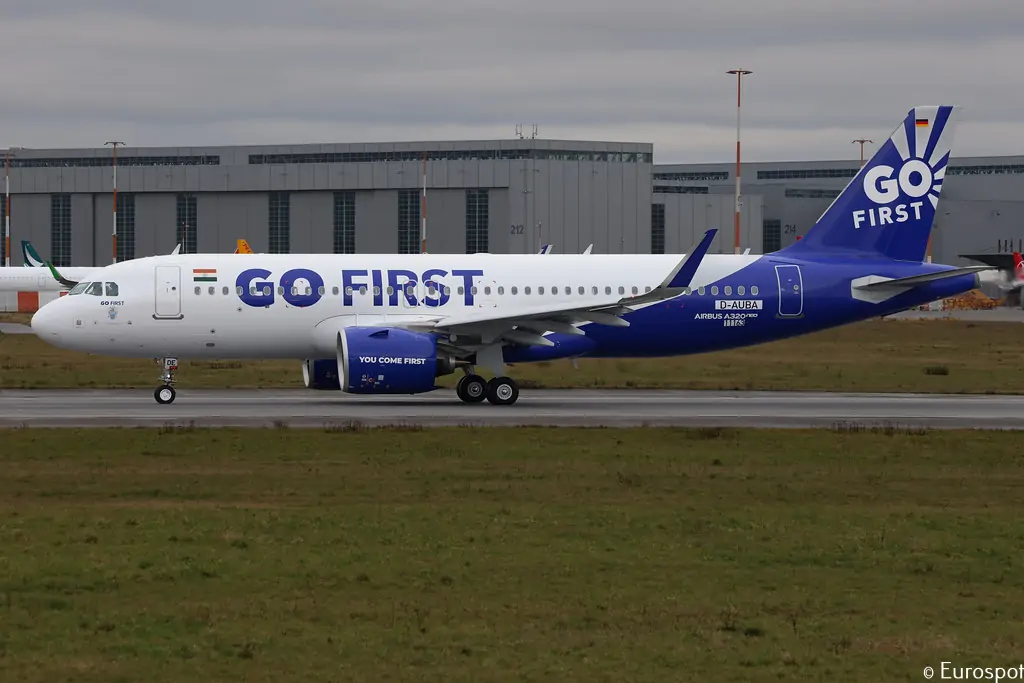
Indian aviation regulator DGCA has accepted cash-strapped airline Go First's resumption plan, but subject to certain conditions. Before starting commercial scheduled flights, the airline will operate military charters to Leh and Thois. The airline had won the bid from the Ministry of Defence to operate most of those flights. The DGCA on Friday, July 21 in a notification said that upon examination, it has accepted the proposed resumption plan dated June 28 subject to the outcome of writ petitions pending before the Delhi High Court and NCLT.
The DGCA said that Go First can commence flight operations, provided it complies with all the applicable regulatory requirements for holding an Air Operator Certificate. The airline has to continue the airworthiness of the aircraft engaged in operations. The company cannot deploy any aircraft for operations without undertaking a satisfactory handling flight. "Any change in the company which has a bearing on the resumption plan submitted by the resolution professional shall be promptly notified to the DGCA," it said.
The company on Thursday, July 20 informed on Twitter that due to operational reasons, all its flights have been cancelled at least until July 23, 2023. The regulator had informed earlier this month that it would conduct a special audit of the Go First facilities in Mumbai and Delhi. The regulator which did a safety audit of the airline’s preparedness has truncated its original plan approving it to operate 15 aircraft with 114 flights daily. Go First intends to restart flights with 22 aircraft in the fleet as soon as possible.
No aircraft shall be deployed for operations without undertaking a satisfactory handling flight, the DGCA added. “Any change in the company which has a bearing on the resumption plan submitted by the RP shall be promptly notified to the DGCA”, the statement added. The DGCA has asked the RP to submit the proposed flight schedule, commensurate with the available resources in terms of airworthy aircraft, qualified pilots, cabin crew, AMEs, flight dispatchers etc after making the requisite arrangements for commencing the scheduled flight operations, including the interim funding that is required the resume services.
The sale of flight tickets shall be commenced only after the approval of the flight schedule by the DGCA. “The flight operations shall be subject to the proceedings and/or outcomes in the ongoing CIRP at NCLT, Delhi and other writ petitions/applications by the Lessons of aircraft leased to Go First, which are pending in the Hon'ble high court of Delhi and NCLT”, the statement added.
Go First is also embroiled in multiple legal cases with lessors who have disputed the airline’s right to operate the aircraft since they have terminated lease agreements. The judgement on one such case at Delhi High Court is likely to be given on August 5.
Expressions of Interest Invited
Go First's RP Shailendra Ajmera recently invited Expressions of Interest (EoIs) from potential bidders for the grounded airline. The deadline for submitting EoIs is August 9 and the final list of prospective resolution applicants will be declared on August 19, according to the public notice. The carrier has around 4,200 employees. Its revenue was INR 4,183 crore from operations in the financial year ending March 2022. Its liabilities are about INR 11,463 crore.
On June 28, Ajmera presented a flight resumption plan to the DGCA, following interim funding approval by Go First’s lenders. The Committee of Creditors (CoC) of the embattled airline had given in-principle approval to interim funding of INR 450 crore. Go First’s CoC includes the Central Bank of India, Bank of Baroda, IDBI Bank and Deutsche Bank. As per that initial resumption proposal, Go First planned to restart operations with a fleet of 26 aircraft, with four planes on standby, and operate around 160 daily flights.
While Go First’s aircraft lessors had applied to the DGCA to repossess their planes from the embattled airline in May, the admission of Go First’s insolvency plea by the NCLT resulted in a moratorium coming into play, prohibiting recovery of any asset in possession of the corporate debtor by the owner of the asset, aircraft in this case. Had the lessors been able to take back their planes, hopes of Go First’s revival would have been extinguished.
The airline operator filed for voluntary bankruptcy in early May before the National Company Law Tribunal (NCLT), alleging delays on the part of a US-based engine maker Pratt & Whitney for its inability to promptly meet obligations - leading to the grounding of a portion of its fleet. Go First filed for bankruptcy protection in May, blaming the grounding of almost half of its fleet of 54 Airbus A320neos on alleged issues with Pratt & Whitney engines. The engine manufacturer responded that the claims made by Go Airlines were unfounded and its misfortunes were of its own making.
Go First gets claims worth $2.9 billion from creditors
Go First has received claims worth INR 24,000 crore from operational and financial creditors so far as part of the carrier's ongoing insolvency, two banking sources told Reuters. The process is in line with procedural requirements under Indian law which allow every creditor a right to payment and remedy by submitting claims if a company is under bankruptcy. Once the claims are filed, the resolution professional has to check their authenticity. "Claims from the lenders are around INR 5000 crore, while lessors' claims amount to Rs 180 crore so far," a banker with a state-run bank, who has exposure to Go Airlines said, after a meeting of the committee of creditors on Friday.

Read next
Airbus Grappling with Range Issues on A321XLR Following Design Safeguards

Abhishek Nayar
22 Jul 2023
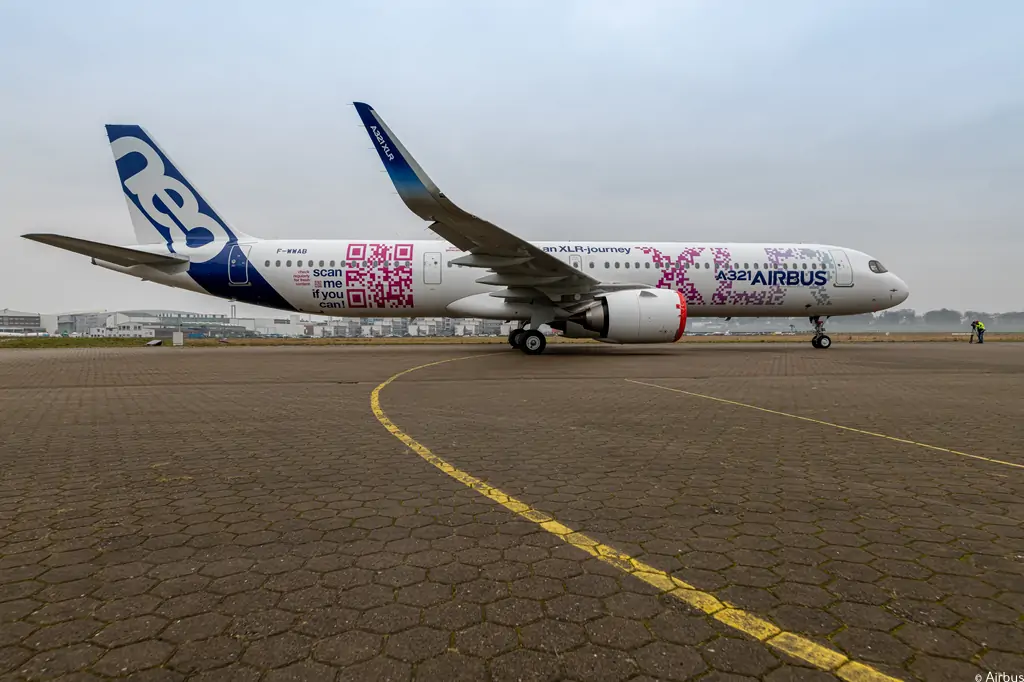
In the fast-paced world of aviation, staying ahead of the competition is crucial for any aircraft manufacturer. Airbus, a prominent player in the industry, has been making significant strides with its future A321XLR passenger jet. However, recent developments have led to a significant gap in the aircraft's range, posing challenges for the company.
Understanding the A321XLR and Its Promise
The A321XLR is Airbus's latest venture, designed to offer enhanced range and fuel efficiency, making it an attractive option for airlines seeking long-haul capabilities with a single-aisle aircraft. Its anticipated features have generated excitement within the aviation community and garnered considerable attention from potential clients.
The Certification Challenge
Obtaining certification is a critical milestone for any aircraft before it can enter service. Airbus, aiming to secure the necessary certification for the A321XLR, engaged in discussions with European authorities to address specific design safeguards.
Identifying the Range Gap
During the certification process, Airbus realized that there was a notable range gap in the A321XLR's intended performance. This gap could potentially impact the aircraft's capabilities and limit its viability for certain long-haul routes.
According to Airbus programmes head Philippe Mhun, the modifications include adding a special protective liner to the fuel tank as well as additional reinforcements. As reported by two industry insiders, the cumulative sum of structural alterations added 700 to 800 kilograms to the plane's weight, compared to prior estimates of 200 to 300 kilograms.
Prospective Offers for the A330neo
To bridge the performance gap and ensure customer satisfaction, Airbus has taken the proactive step of offering certain clients prospective deals for the larger A330neo. The A330neo, with its extended range and enhanced capabilities, provides a suitable alternative for clients seeking long-haul options.
Analyzing the A330neo as a Viable Solution
The A330neo has already proven its mettle in the aviation market, providing excellent efficiency and range for airlines operating long-distance routes. By offering the A330neo, Airbus aims to provide customers with a comprehensive solution that meets their operational requirements.
Addressing Customer Concerns
While some customers may have initially considered the A321XLR an ideal choice for their fleets, Airbus has undertaken extensive efforts to address their concerns. By offering the A330neo, the company demonstrates its commitment to finding effective solutions for its clients.
Leveraging the A330neo's Success
Airbus's decision to offer the A330neo is also influenced by the aircraft's success in the market. Its proven track record, coupled with its advanced features, makes it a desirable option for airlines looking to optimize their long-haul operations.
Emphasizing Customer Choice
The aviation industry thrives on diversity, with airlines having unique preferences and requirements. Airbus's approach to offering both the A321XLR and the A330neo allows customers to make informed decisions based on their individual needs.
Future Implications for Airbus
As Airbus continues to address the range gap in the A321XLR, its reputation as a customer-centric company is reinforced. By offering alternative solutions, Airbus demonstrates its adaptability and willingness to work closely with its clients.
Conclusion
The Airbus A321XLR passenger jet faced a significant challenge in terms of its range capability during the certification process. However, the company's proactive response in offering the A330neo showcases its commitment to delivering optimal solutions to its clients. As the aviation industry evolves, Airbus's ability to adapt and provide a diverse range of aircraft options positions it strongly for future success.
With Inputs from Reuters
Read next
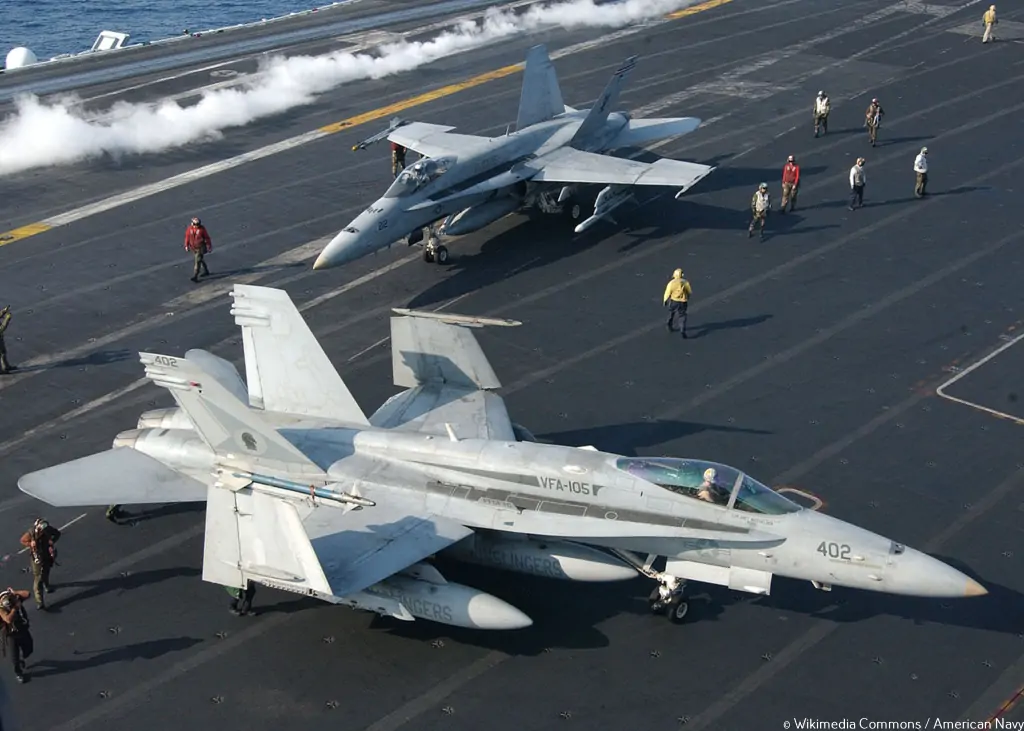
Boeing expects to finish production of its F/A-18E/F Super Hornet within around two years, following the type’s defeat in an Indian Navy contest for 26 carrier-based fighters, according to a report by FlightGlobal.
“We are likely to cease production around the 2025 timeframe,” confirms Bernd Peters, air dominance vice-president of business development for Boeing Defense, Space & Security. The company had in February 2023 said that securing a new international order for the type would potentially enable it to continue manufacturing activities until 2027. We’re extremely proud of the offer we put forward to India,” Peters told FlightGlobal at the Royal International Air Tattoo in the UK on 14 July, one day after New Delhi had announced its selection of Dassault Aviation’s Rafale M.
The remaining production of the Super Hornet at Boeing’s St. Louis site in Missouri will be for the US Navy, with the service’s concluding order still being negotiated. “We are still working on the final contract for the last aircraft,” Peters says. The company has, however, already received some funds to support long-lead activities by its supply chain. It is waiting on approval to build 12 aircraft using the fiscal year 2022 funds, and the last eight examples via the FY2023 allocation.
Meanwhile, Peters says Boeing is optimistic about securing an order to supply Israel with up to 50 F-15EX Eagle IIs. A deal is likely to include a firm order for 25 of the new model, plus the same number of options. Indonesia also has previously expressed interest in potentially acquiring 36. Two EX-model fighters have so far been delivered to support operational test and evaluation work by the US Air Force (USAF).
Although production of the Super Hornet is nearing conclusion, Peters notes that the airframer is investing for a long future in the air dominance sector, even as the USAF makes preparations to acquire a so-called sixth-generation platform.
“We’re extremely proud of our fighter heritage. We want to continue to stay in the fighter business, and we are making investments in our production system,” Peters says. In addition to its F-15EX output, the St. Louis site also is currently performing work on its T-7A Red Hawk advanced jet trainer for the USAF, plus four MQ-25 Stingray unmanned tankers for the US Navy. Full-rate production of the MQ-25 will be performed at a new factory being constructed at MidAmerica St. Louis airport.
Production was expected to extend to 2027 if the Super Hornet were selected by the Indian Navy, which was seeking a new Western carrier-borne fighter to deploy aboard its aircraft carriers. In that competition, the Super Hornet is up against the Dassault Rafale. India's defence ministry has given initial approval to purchase 26 Rafale fighter jets for its navy and three Scorpene class submarines, ahead of Prime Minister Narendra Modi's arrival in France, Defence Minister Rajnath Singh said.
Boeing's Decision to End the Production
The F/A-18 production decision allows Boeing to:
- Redirect resources to future military aircraft programs: To support work on the next generation of advanced crewed and uncrewed aircraft, Boeing plans to build three new, state-of-the-art facilities in St. Louis. These facilities, as well as the new Advanced Composite Fabrication Center in Arizona, and the new MQ-25 production facility at MidAmerica St. Louis Airport, represent more than a USD 1 billion investment.
- Ramp up production of critical new defence programs: Boeing St. Louis will increase production of the world’s first all-digital training system, the T-7A Red Hawk, and the world’s first carrier-deployed autonomous refuelling aircraft, the MQ-25 Stingray, along with ongoing production of new F-15EX Eagle IIs and 777X wing components.
- Focus on modernization and upgrade efforts: Boeing will continue to develop advanced capabilities and upgrades for the global F/A-18 Super Hornet and EA-18G Growler fleet. Throughout the next decade, all Block II Super Hornets in Service Life Modification will receive the Block III capability suite. Boeing will also continue to add advanced electronic attack capability as part of ongoing Growler modifications.
Since the F/A-18 debuted in 1983, Boeing has delivered more than 2,000 Hornets, Super Hornets and EA-18G Growlers to customers around the world including the U.S. Navy, Australia, Canada, Finland, Kuwait, Malaysia, Spain and Switzerland.
(With Inputs from Flight Global)
Read next
Dassault Aviation Reports Deterioration of Supply Chain causing Production Delay
Abhishek Nayar
21 Jul 2023
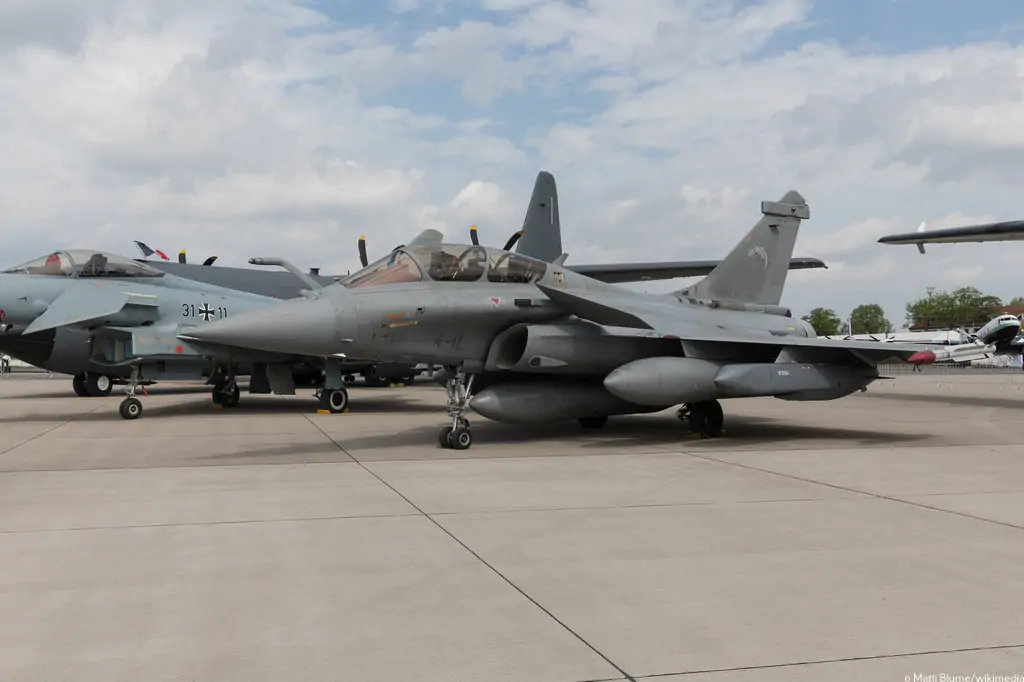
In an official statement on Thursday, July 20, 2023, Dassault Aviation, the renowned producer of the Rafale fighter jet, expressed deep concerns over the increasing challenges in their supply chain. The company reported that the situation has worsened since the previous year, impacting their ability to fulfill customer orders promptly.
The Significance of the Rafale Fighter Jet
The Rafale fighter jet is one of the most advanced and sought-after aircraft in the world. With cutting-edge technology and superior performance capabilities, it has become a valuable asset for various air forces across the globe.
Supply Chain Woes: A Growing Concern
The supply chain plays a crucial role in the aerospace industry, ensuring the timely delivery of vital components and materials for aircraft production. Unfortunately, Dassault Aviation has encountered several hurdles in its supply chain, causing disruptions and delays. "This situation has an impact on the development and production of our aircraft, while we need to ramp up to meet our commitments," the company stated in a statement.
Impact on Production Timelines
With supply chain concerns exacerbating, Dassault Aviation is facing significant challenges in meeting their production timelines. Delays in obtaining essential parts and materials have led to a slowdown in the manufacturing process, affecting their ability to complete orders on schedule.
Dassault's order backlog remained at 34.42 billion euros ($38.31 billion) as of the end of June, including 160 Rafale aircraft and 90 Falcon business jets, according to the company.
Identifying the Root Causes
The company has been actively investigating the root causes behind these supply chain challenges. Factors such as increased demand, transportation issues, and shortages of critical components have been identified as key contributors to the predicament.
Collaborative Measures with Suppliers
To mitigate the impact of the supply chain disruptions, Dassault Aviation is collaborating closely with its suppliers. Building stronger partnerships and open communication channels is essential to finding viable solutions and restoring the smooth flow of materials.
Streamlining Logistics and Transportation
Efficient logistics and transportation are vital to ensuring the seamless movement of parts and components from suppliers to production facilities. Dassault Aviation is working on streamlining these aspects to minimize delays and maximize efficiency.
Investing in Regional Manufacturing
In light of the supply chain challenges, Dassault Aviation is exploring the possibility of investing in regional manufacturing capabilities. This move would help diversify their sources and reduce dependency on specific suppliers, enhancing their resilience to future disruptions.
Prioritizing Customer Satisfaction
Despite the challenges, Dassault Aviation remains committed to prioritizing customer satisfaction. The company is keeping its customers informed about potential delays and working diligently to find solutions that meet their requirements.
A Focus on Innovation
As part of its long-term strategy, Dassault Aviation is placing an increased emphasis on innovation. By developing advanced technologies and production methods, the company aims to enhance the efficiency of its supply chain and improve overall performance.
The Road Ahead: Overcoming Adversities
Though supply chain concerns present formidable obstacles, Dassault Aviation is determined to overcome them. By adopting a proactive and collaborative approach, the company is confident in its ability to resolve the current challenges and emerge stronger.
Conclusion
Dassault Aviation's announcement regarding the supply chain challenges impacting Rafale fighter jet orders has drawn attention to the complexities of the aerospace industry. As they work diligently to address these issues, the company's commitment to innovation and customer satisfaction remains unwavering. By focusing on enhancing supply chain efficiency and investing in regional manufacturing capabilities, Dassault Aviation is positioning itself to tackle future adversities with resilience and determination.
With Inputs from Reuters
Read next

In a bold move to revolutionize the aviation industry and provide aspiring pilots with an unprecedented opportunity, British Airways has announced the launch of its groundbreaking pilot cadet programme, the British Airways Speedbird Pilot Academy. This visionary initiative aims to address the pilot shortage while making the profession of airline piloting more accessible to talented individuals worldwide.
The Need for a New Pilot Cadet Programme
The aviation industry has been grappling with a significant pilot shortage in recent years, driven by an aging pilot workforce and the rapid expansion of air travel. Addressing this challenge has become a top priority for airlines worldwide. British Airways, known for its innovation and commitment to excellence, has taken a proactive stance to resolve this issue.
Introducing the British Airways Speedbird Pilot Academy
The British Airways Speedbird Pilot Academy is a comprehensive programme designed to nurture and train up to 60 prospective pilots annually. With this academy, British Airways aims to inspire the next generation of aviators and equip them with the skills and knowledge needed to soar to new heights in their careers.
Removing the Financial Barrier
One of the most remarkable aspects of this initiative is that it removes the financial burden that has long hindered many from pursuing a career in aviation. Selected candidates will receive sponsorship for their flight training, effectively breaking down the barriers that have prevented countless talented individuals from realizing their dream of becoming pilots.
The Selection Process
The selection process for the British Airways Speedbird Pilot Academy is rigorous yet fair, designed to identify candidates with the utmost potential. Aspiring pilots will undergo a series of evaluations, including aptitude tests, interviews, and psychometric assessments. British Airways seeks not only technical proficiency but also the passion and determination to excel in the skies.
Training at an Authorized Flight School
Upon being accepted into the programme, candidates will embark on their training journey at a prestigious authorized flight school. Under the guidance of experienced instructors, they will gain hands-on experience and theoretical knowledge to prepare them for the challenges of the aviation industry.
Becoming a British Airways Pilot
After successfully completing the intensive training programme, graduates will earn their wings and be welcomed into the British Airways family as full-fledged pilots. This coveted opportunity to fly for one of the world's most renowned airlines is a dream come true for aspiring aviators.
The Impact on Future Flying Talent
The British Airways Speedbird Pilot Academy is set to have a profound impact on the future of aviation talent. By nurturing a diverse pool of skilled pilots, the academy ensures that British Airways and the industry as a whole have a steady supply of competent professionals to operate the aircraft of tomorrow.
Empowering Diversity in Aviation
In addition to addressing the pilot shortage, the academy is committed to promoting diversity and inclusivity within the aviation sector. By encouraging individuals from all walks of life to pursue their passion for flying, British Airways is fostering a more representative and dynamic industry.
Addressing the Pilot Shortage
The pilot shortage has been a significant concern for airlines globally. Through the Speedbird Pilot Academy, British Airways is proactively taking steps to mitigate this shortage and ensure a steady supply of well-trained pilots for the future.
Overcoming Challenges and Obstacles
While the pilot cadet programme is a milestone achievement, it has not come without its fair share of challenges and obstacles. British Airways' commitment to addressing these hurdles head-on demonstrates its unwavering dedication to the success of the academy and its cadets.
Comments
"The Speedbird Pilot Academy will make the dream of becoming a British Airways pilot a reality for people who had previously written it off due to the cost barrier," stated Sean Doyle, Chairman and CEO of British Airways.
"Our goal is to attract the best talent available for our next generation of pilots." We are levelling the playing field by removing the first training cost barrier, making a flying career more accessible to a larger spectrum of individuals, and providing everyone an equal shot, whether someone is just leaving school or beginning a second career they never imagined conceivable.”
Conclusion
The establishment of the British Airways Speedbird Pilot Academy marks a new era in aviation, where barriers to entry are dismantled and aspiring pilots are given the opportunity of a lifetime. By investing in the future of aviation talent, British Airways is not only securing its place as a leading airline but also shaping the future of the industry itself.
With Inputs form British Airways
Read next
US House of Representatives Pass Bill to Increase Pilot Retirement Age to 67
Abhishek Nayar
21 Jul 2023

On Thursday, July 20, 2023, a momentous decision was made in the United States House of Representatives regarding the commercial aviation industry. The House voted 351-69 in favor of adopting legislation that raises the statutory commercial pilot retirement age from 65 to 67, alongside other crucial aviation reforms.
This bill aims to reauthorize U.S. Federal Aviation Administration (FAA) aviation safety and infrastructure programs for the next five years. The Senate is now preparing to debate its own measure, marking a significant turning point in the realm of aviation regulations.
Why Increase the Retirement Age?
A Growing Demand for Air Travel
The aviation industry has experienced exponential growth in recent years, with air travel becoming an integral part of our lives. As the demand for air travel continues to rise, there is a need for skilled pilots to navigate the skies and ensure safe journeys for passengers. By raising the retirement age to 67, the pool of experienced pilots available to airlines will expand, helping meet the surging demands of the industry.
Extending Pilot Careers
Modern advancements in technology and medical care have resulted in longer, healthier lives for individuals. As pilots are now capable of maintaining their skills and fitness well into their 60s, raising the retirement age recognizes and utilizes the expertise of experienced pilots for a more extended period. This extension not only benefits the pilots but also adds value to the aviation industry as a whole.
Addressing Safety Concerns
Rigorous Medical Assessments
Aviation safety is of paramount importance, and the FAA maintains stringent medical assessments for pilots. As pilots age, these assessments become even more critical. By raising the retirement age, the legislation acknowledges the need for more comprehensive and regular medical evaluations to ensure that pilots are physically and mentally fit to fly.
Experience as a Safety Factor
Experience plays a crucial role in handling challenging situations in the air. Older pilots, with their vast experience, have encountered a wide range of scenarios throughout their careers, making them adept at handling emergencies. By retaining experienced pilots for longer, the legislation seeks to enhance overall flight safety.
Concerns and Criticisms
Age-Related Decline
One of the primary concerns raised against raising the pilot retirement age is the potential age-related decline in cognitive and physical abilities. Critics argue that as pilots age, their reaction times and decision-making capabilities might diminish, impacting their performance in critical situations. Addressing these concerns will be vital to ensuring the continued safety of air travel.
Career Opportunities for Younger Pilots
According to ALPA, as grievances and litigation are resolved, over-65 pilots will almost certainly need to be retrained to fly smaller aircraft used on domestic routes, displacing younger pilots who will almost certainly need additional training due to displacement and delaying the training of pilots who would normally be in queue for upgrade training.
By extending the careers of older pilots, some critics worry that opportunities for younger pilots might be limited. The aviation industry must strike a balance between retaining experienced pilots and providing avenues for young talent to enter the field. The legislation must address this issue to maintain a healthy and diverse pilot workforce.
Flight Options
It is expected that fewer pilots will be available to fly immediately at first. Pilot bidding is based on seniority, and pilots between the ages of 65 and 67 who are predominantly widebody captains are contractually obligated to bid on certain flights. These over 65 pilots are quite likely to bid on flights they are unable to carry out and be paid for them even though they will not operate them.
The Senate Debate
As the House bill moves to the Senate for debate, it is expected that further discussions and amendments will take place. The Senate's deliberations will play a significant role in shaping the final legislation and determining its potential impact on the aviation industry.
Conclusion
The decision of the United States House of Representatives to raise the statutory commercial pilot retirement age from 65 to 67, along with other aviation reforms, marks a pivotal moment for the aviation industry. By recognizing the need for experienced pilots and addressing safety concerns, this legislation aims to ensure the continued growth and safety of air travel. As the Senate begins its debate, further refinements and considerations will be made, solidifying the future of aviation regulations in the United States.
With Inputs from Reuters
Comment