
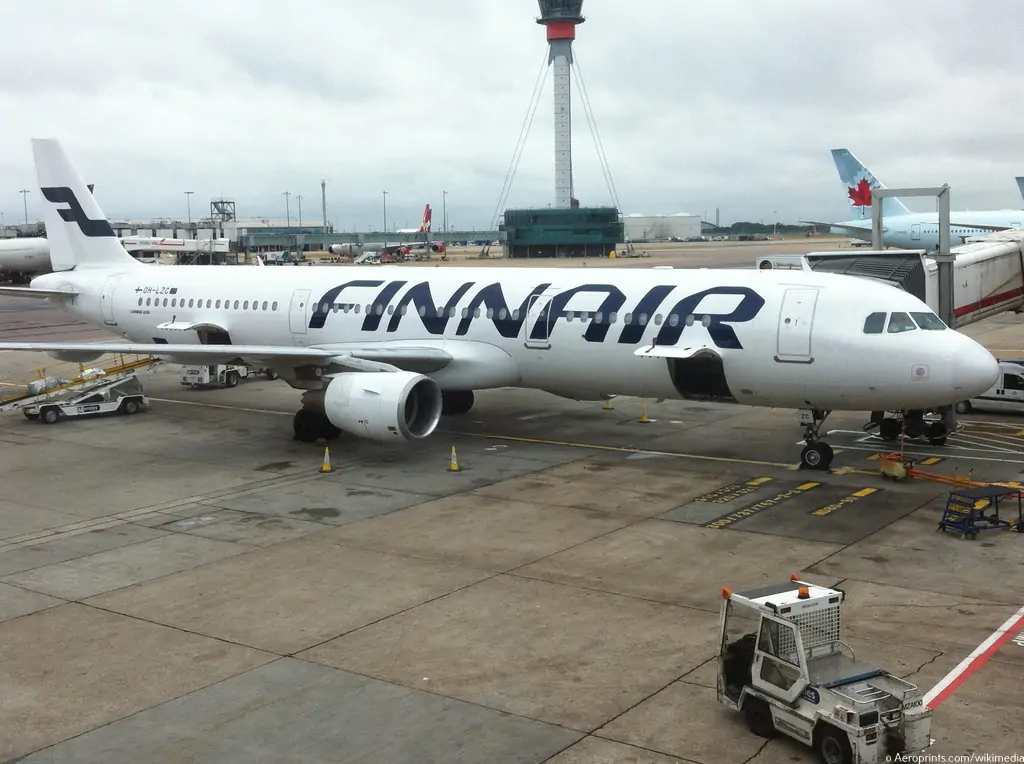
In the fast-paced world of aviation, Finnair reached new heights in the second quarter. The airline had a significant increase in passenger traffic, which was complemented by good financial results.
A Skyrocketing Passenger Count
Exponential Growth in Passenger Numbers
During the second quarter of the year, Finnair witnessed a monumental increase in its passenger count. An astounding 2.8 million passengers chose to fly with Finnair during this period, marking a staggering 19.4% growth compared to the same quarter of the previous year. The airline's popularity soared as travelers placed their trust in Finnair's services, enjoying the airline's dedication to excellence.
Rising Passenger Load Factor (PLF)
The passenger load factor (PLF) is a key indicator of an airline's operational efficiency. Finnair recorded a PLF of 76.3% during the second quarter, showcasing another impressive surge compared to the previous year's PLF of 67.3%. This increase underscores Finnair's ability to efficiently utilize its aircraft capacity, offering travelers an optimal flying experience.
Increased Available Seat Kilometers (ASK)
Finnair's second quarter saw a remarkable increase in available seat kilometers (ASK). The airline's ASK surged by an impressive 17.5% year on year, totaling 9,212.8 million kilometers. This expansion demonstrates Finnair's commitment to expanding its flight network and catering to the growing demands of its customers.
Increased Quarterly Revenue
This rise in passengers resulted in yet another significant gain in quarterly revenue. The airline recorded 749.2 million Euros ($833.56 million) in quarterly revenue. When compared to the second quarter of 2022, this represented a 36.2% increase. Finnair reported earnings per share of 0.09 Euros ($0.10) due to the significant rise in revenue. Last year's second-quarter loss per share was 0.20 ($0.22) Euros.
Topi Manner, CEO of Finnair, commented, "Looking back, I'm proud of how the entire Finnair team has brought the company out of the pandemic and adapted to Russian airspace closure by defining and successfully implementing a new strategy."
Financial Success: Reaping the Rewards
Significant Revenue Growth
Financially, Finnair enjoyed substantial success during the first half of the year. The airline's revenue in the initial six months of 2023 soared to an impressive 1,443.9 million Euros ($1,607.1 million). This remarkable figure represents a substantial 52% increase over the previous year's revenue of 950.1 million Euros ($1,057.4 million). The surge in revenue reflects the trust and loyalty of passengers, along with Finnair's ability to deliver a seamless flying experience.
5.4 million passengers were carried in the first half of the year. This was a 39.8% increase over the previous year, when the airline transported 3.9 million passengers. In addition, Finnair recorded a passenger load factor (PLF) of 75.7%. This was a rise from the airline's 57.9% in 2022. Manner went on to discuss the outcomes of the previous year, saying,
"Over the past year, Finnair has done an excellent job of actively addressing market opportunities." We have, among other things, made effective network choices and economically distributed our capacity; enhanced sales efficiency by dramatically expanding the percentage of direct distribution; and improved cost efficiency while retaining operational excellence. As a result, our longer-term outlook has improved, and the specific risks associated with the business climate have normalized as the effects of the epidemic have faded and Finnair and the market have adapted to the restricted Russian airspace."
The Road Ahead: Sustaining Momentum
Focusing on Customer Experience
With a thriving second quarter behind them, Finnair is determined to maintain its momentum by prioritizing the customer experience. The airline understands that success lies in consistently meeting and exceeding customer expectations, and it remains committed to delivering exceptional service.
Expanding Flight Network
In response to the growing demand for air travel, Finnair plans to expand its flight network further. By connecting more destinations and exploring new markets, the airline aims to offer travelers enhanced connectivity and convenient travel options.
Embracing Sustainability
As a responsible corporate citizen, Finnair is committed to sustainable practices. The airline recognizes the significance of minimizing its environmental impact and is actively implementing eco-friendly measures to ensure a greener future for aviation.
Conclusion
Finnair's soaring performance during the second quarter of the year showcases the airline's resilience, adaptability, and commitment to excellence. The significant increase in passenger numbers, along with impressive financial growth, highlights Finnair's position as a leading player in the aviation industry. As the airline continues to prioritize customer satisfaction, expand its flight network, and embrace sustainability, the future looks bright for Finnair.
With Inputs from Finnair

Read next
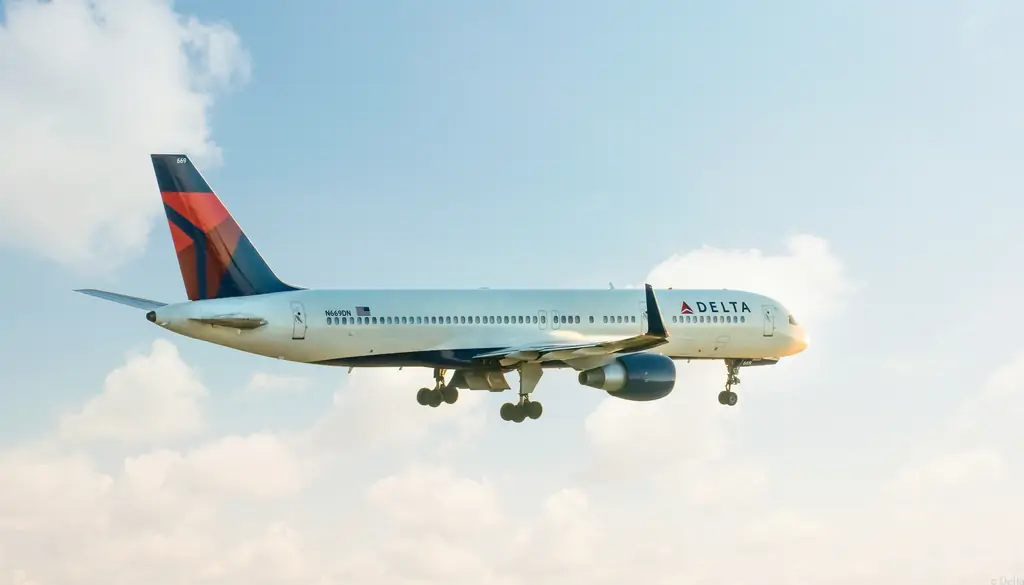
Airframe cracks have been a matter of concern for aviation authorities and operators worldwide. The Boeing 757, a popular narrow-body aircraft known for its reliability and efficiency, has come under scrutiny due to the discovery of cracks in certain components of its airframe.
In recent reports, the US Federal Aviation Administration (FAA) has been alerted to the presence of airframe cracks on Boeing 757 aircraft. In response to this safety concern, the FAA has taken a precautionary step and is recommending an Airworthiness Directive (AD) for the aircraft's operators.
Understanding Airframe Cracks on Boeing 757 Aircraft
Airframe cracks are structural imperfections that can occur in the aircraft's framework. They can develop over time due to various factors, including metal fatigue, stress, and operational conditions. Identifying and addressing these cracks is crucial to ensuring the continued airworthiness and safety of the aircraft.
The Precautionary Recommendation from the FAA
Instead of issuing an immediate order, the FAA has chosen to propose an Airworthiness Directive (AD) as a preventive measure. This allows operators of US-registered Boeing 757s the opportunity to address the issue through specified maintenance activities outlined in Boeing's service alert.
Differentiating the Airworthiness Directive (AD) from Immediate Orders
An Airworthiness Directive is a regulatory instrument issued by aviation authorities to address potential safety issues in an aircraft type or component. It outlines specific actions that operators must take to rectify the problem and ensure continued safe operation. Unlike an immediate order, which requires immediate action, an AD provides operators with a timeframe to comply.
Obligations for US-Registered 757 Operators
Operators of Boeing 757 aircraft registered in the US are obligated to follow the recommendations stated in the Airworthiness Directive. This includes thorough inspections, repairs, or part replacements, as deemed necessary based on the findings of maintenance checks.
Boeing's Service Alert
Boeing, as the manufacturer of the aircraft, plays a vital role in addressing airframe cracks. The company issues Service Alerts to notify operators of potential issues and provide guidance on the necessary actions to be taken. Collaborating with the manufacturer is crucial for an effective and efficient resolution.
Boeing's service alert requires operators to execute repetitive surface high-frequency eddy current inspections to detect and repair any potential cracks. However, it is worth mentioning that the FAA issued actions to be implemented in 2018 and 2020 to address probable cracks in the same regions of 757 aircraft.
However, considering that Boeing ceased manufacturing the type in 2003, the youngest of the type would currently be roughly 20 years old. According to reports, these cracks were discovered on aircraft with 30,200 flight cycles and 89,000 flight hours, as well as another aircraft with 40,200 flight cycles and 90,500 hours of flight time.
Importance of Timely Maintenance
Timely maintenance is paramount in the aviation industry. Regular inspections and prompt repairs help identify and rectify issues before they escalate into serious safety concerns. This preventive approach ensures passenger safety and operational efficiency.
Identifying Potential Causes of Airframe Cracks
Understanding the root causes of airframe cracks is essential to developing effective mitigation strategies. Factors such as flight cycles, operating conditions, and material fatigue are some of the elements that contribute to the development of cracks. While the cracks were initially identified on the Boeing 757-200, the AD pertains to a total of 419 aircraft, including the Boeing 757-300.
During maintenance, cracks became apparent on the left and right wings, encompassing the liner holes between stringers within the wings. According to reports, Boeing observed that certain liner holes were not plugged, causing concentrated stress in the region. If not rectified, this could result in the formation of cracks.
The FAA's Safety Measures and Regulations
The FAA, along with other aviation regulatory bodies, continuously monitors and evaluates aircraft safety. They enforce strict regulations and conduct thorough investigations to identify potential hazards and implement appropriate safety measures.
The Role of Technology in Aircraft Maintenance
Advances in technology have revolutionized aircraft maintenance. Advanced monitoring systems, data analytics, and predictive maintenance techniques help identify potential issues proactively, enabling timely intervention.
Impact on Air Travel and Passenger Safety
Safety concerns can impact passenger confidence and air travel. By addressing airframe cracks promptly and transparently, the industry can maintain the trust of its customers and ensure a safe flying experience.
Conclusion
In conclusion, the discovery of airframe cracks on Boeing 757 aircraft has prompted the FAA to recommend an Airworthiness Directive for US-registered operators. This proactive approach ensures the safety and airworthiness of the aircraft. By collaborating and staying vigilant, the aviation industry can maintain its commitment to safety, providing passengers with a secure and enjoyable flying experience.
With Inputs from FlightGlobal, Federal Register
Read next
Air India CEO Visits Apple Headquarters; Explores Potential Collaboration

Radhika Bansal
24 Jul 2023
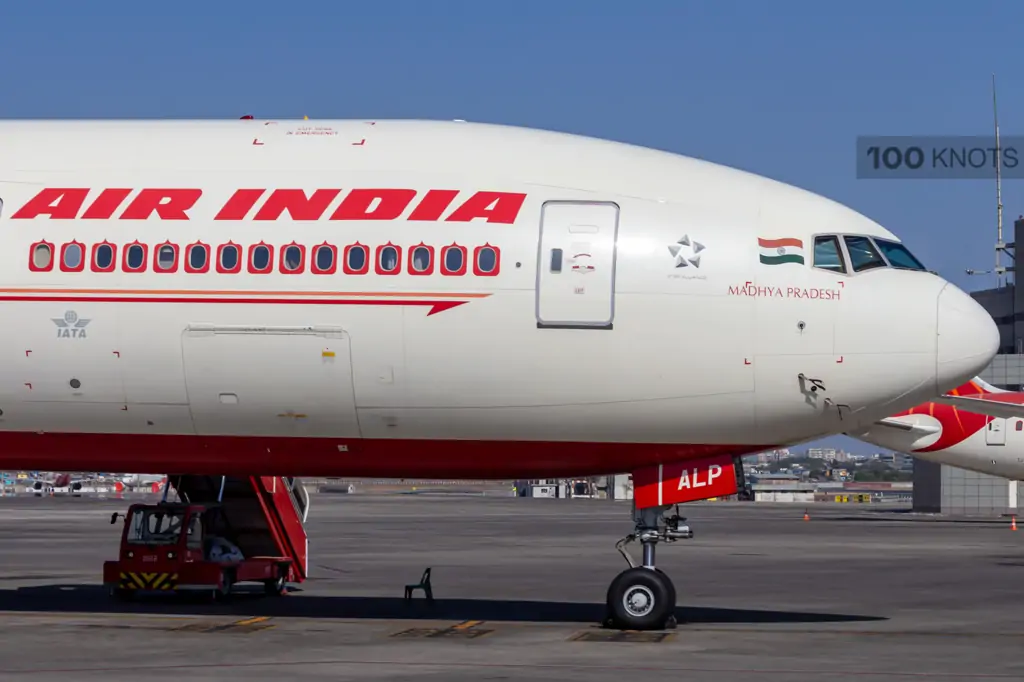
Air India's CEO, Campbell Wilson, visited the headquarters of tech giant Apple in Palo Alto, USA, to explore potential collaborations with the company. During the visit, discussions were held to identify opportunities for deeper collaboration between Air India and Apple. Wilson also visited Stanford University to discuss the latest ideas in inventory and pricing optimisation, as well as improved engine and emissions performance. Air India also finalised an agreement with CFM, a US-based engine manufacturer, for the supply of 800 engines.
Wilson mentioned in a message to his employees that he and certain other Air India executives went to Apple’s head office in Palo Alto to explore opportunities "for even deeper collaboration". They also went to Stanford University "to discuss some of the most advanced thinking in areas such as inventory and pricing optimisation, improved engine and emissions performance, and other cutting-edge topics", he added.
“Ramaswamy and I, together with some of our colleagues, spent time at Apple’s head office in Palo Alto to explore opportunities for even deeper collaboration, as well as at Stanford University to discuss some of the most advanced thinking in areas such as inventory and pricing optimisation, improved engine and emission performance, and other cutting-edge topics,” Campbell said in an email to employees.
Flight Planning Software & Fleet modernisation
Wilson had in May said that Air India is exploring collaboration with Apple on various issues, including improvement in flight-planning software used by pilots. The airline is becoming one of Apple’s largest iPad customers in India, Wilson had noted. Flight planning software is a tool that allows pilots to input information such as departure and destination airports, preferred routes, weather conditions, and aircraft performance data to generate a flight plan that meets their needs. Apple has not built any flight planning software to date and it is unclear what the aforementioned proposed collaboration with Air India will entail.
Backed by the Tata Group, Air India plans to expand its wide-body fleet significantly by the end of the current financial year in March 2024. The airline aims to acquire six new Airbus A350s, lease five Boeing B777-LR aircraft, and add nine more Boeing B777-ER planes, resulting in a 30% increase in its wide-body fleet. Air India plans to initiate an interior refit for the remaining fleet at a budget of USD 400 million. The airline will launch a quarterly pulse check better to understand the suggestions and concerns of its workforce.
Air India Inducting its first A350
Moreover, the airline received a letter of type acceptance from the Indian civil aviation regulator Directorate General of Civil Aviation (DGCA), for its Rolls Royce-powered A350s. This acceptance paves the way for Air India to prepare for the induction of these wide-body aircraft into its fleet. These A350-900 aircraft feature a brand-new elegant cabin design. The aircraft has a spacious three-class cabin layout with 316 seats: 28 private Business Class suites with full-flat seats, 24 Comfort Class with extra legroom and 264 Economy Class. In addition, the aircraft has the Panasonic eX3 in-flight entertainment system, HD screens and Wi-Fi connectivity.
Air India is also developing in-house engineering capabilities and interviewing its cabin crew as it prepares to receive the Airbus A350 aircraft starting this November. It will become the first airline in the country to operate the A350. The A350 aircraft is part of 470 planes ordered by Air India in February. Air India’s order comprises six A350-900 and 34 A350-1000 variants that operate on long-haul routes. Air India is training its engineers, cabin crew, and pilots to operate the Airbus A350 aircraft that are due to join its fleet starting this November. According to a report by Businesslike, the carrier is developing its engineering capabilities to maintain the aircraft.
Some engineers from other Tata Group carriers, such as Vistara and AirAsia India, have already received training on the A350 plane at an Airbus facility. While engineers handle routine Tata Group carrier aircraft maintenance in India, planes are often sent overseas for extensive MRO services. Until other MRO companies in India offer services for the A350, Air India will have to rely on its engineers. A source was quoted as saying, “No Indian MRO has the ability and approval to carry out maintenance for A350 planes currently. No one will invest in that until there is a long-term business commitment from an airline.”
Read next
Air India Gets Clearance from DGCA to operate A350 Aircraft; Fleet Modernisation Process Going On
Radhika Bansal
22 Jul 2023

The Directorate General of Civil Aviation (DGCA) has granted Air India the letter of type acceptance for the Airbus A350s, which is a significant achievement for the Tata Sons-owned airline. When the aircraft satisfies the required airworthiness requirements, the aviation regulator provides the letter. Air India has 50 wide-body aircraft in its fleet of 124 planes. It has 15 B777-300s, 8 B777-200s and 27 B787-800s, while the rest are narrow-body ones.
Air India has become the first airline in the country to induct the A350 wide-body aircraft. Earlier this year, the airline placed an order for 470 new aircraft, including six A350s, “The letter by DGCA paves the way for us to initiate various activities related to the induction of this aircraft, the first of which is now only a few months away," Air India MD & CEO Campbell Wilson told employees in an internal communication. The six A350s will be powered by Rolls-Royce engines.
These A350-900 aircraft feature a brand-new elegant cabin design. The aircraft has a spacious three-class cabin layout with 316 seats: 28 private Business Class suites with full-flat seats, 24 Comfort Class with extra legroom and 264 Economy Class. In addition, the aircraft has the Panasonic eX3 in-flight entertainment system, HD screens and Wi-Fi connectivity.
Air India will have 20 new wide-body aircraft as part of its fleet by the end of this financial year. It is expected to receive six new A350s, five leased Boeing B777 - 200LR and nine Boeing B777 - 300ER. The airline is expected to see a 30% growth in its wide-body aircraft in its fleet. These aircraft are likely to have modern seats and in-flight entertainment systems, while the rest of the fleet is expected to see a refit of new systems and seats.
Air India which has embarked on a transformation plan said that a third of its wide-body fleet will have modern seats and inflight entertainment systems by March 2024. Earlier this year, the Tata Group-owned airline placed orders for 470 aircraft, including 70 wide-body ones, with Airbus and Boeing. Air India’s CEO said that by March 2024, around a third of the total wide-body fleet will feature modern seats and inflight entertainment systems.
On Thursday, July 20, Air India finalised its order of LEAP engines that will power its new fleet of 210 Airbus A320/A321neos and 190 Boeing 737 MAX family aircraft. Air India announced a record order of more than 800 LEAP engines in February. The airline & CFM also signed a multi-year services agreement to cover the entire fleet of LEAP engines.
Employee Training for A350 Begins
Air India is developing in-house engineering capabilities and interviewing its cabin crew as it prepares to receive the Airbus A350 aircraft starting this November. It will become the first airline in the country to operate the A350. The A350 aircraft is part of 470 planes ordered by Air India in February. Air India’s order comprises six A350-900 and 34 A350-1000 variants that operate on long-haul routes.
Air India is training its engineers, cabin crew, and pilots to operate the Airbus A350 aircraft that are due to join its fleet starting this November. According to a report by Businesslike, the carrier is developing its engineering capabilities to maintain the aircraft.
Some engineers from other Tata Group carriers, such as Vistara and AirAsia India, have already received training on the A350 plane at an Airbus facility. While engineers handle routine Tata Group carrier aircraft maintenance in India, planes are often sent overseas for extensive MRO services. Until other MRO companies in India offer services for the A350, Air India will have to rely on its engineers. A source was quoted as saying, “No Indian MRO has the ability and approval to carry out maintenance for A350 planes currently. No one will invest in that until there is a long-term business commitment from an airline.”
Air India hasn’t operated Airbus widebody aircraft in many years. It has selected some of its most experienced Airbus A320 pilots for a cross-crew qualification course to operate the A350. According to Businessline, four pilots have already undergone training in Singapore. Because of cockpit compatibility, A320 pilots are being selected as the initial batch of pilots to operate the A350, but Air India will eventually also select some of its Boeing pilots to train for it.
The airline is also busy selecting its cabin crew members for the new aircraft. It is conducting written tests and interviews and will narrow down the candidates based on merit. This is the first time Air India has introduced a written assessment and interview for something like this.
Read next
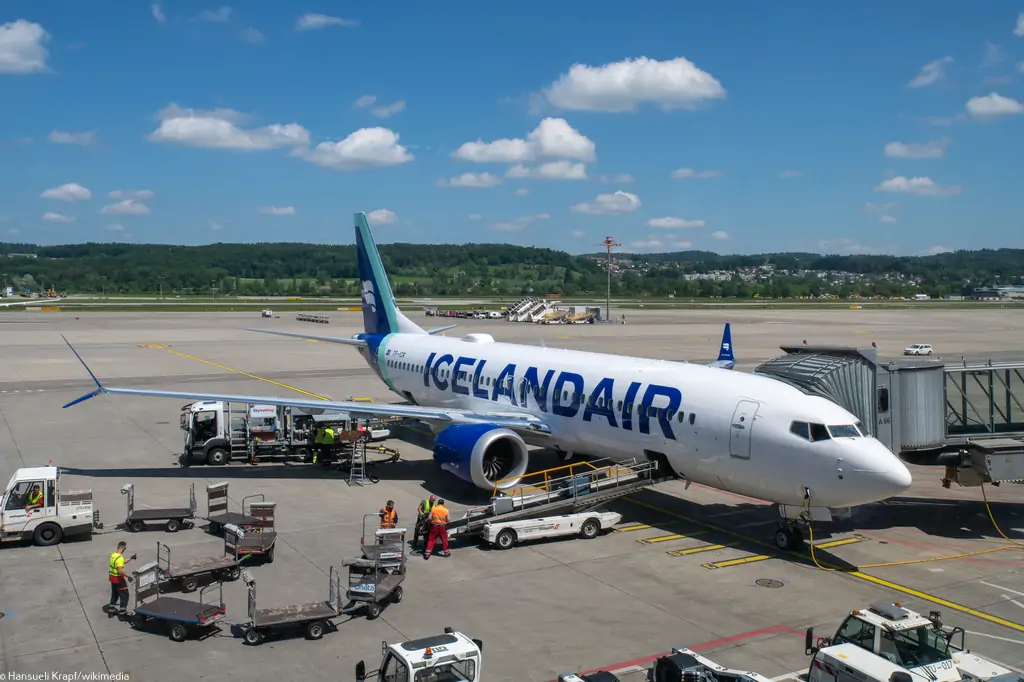
In the wake of an exceptional second-quarter performance, Iceland's flag carrier, Icelandair, is poised to achieve a remarkable net profit for the entire year. The airline reported outstanding statistics for the second quarter, surpassing previous records and demonstrating strong growth.
Record-Breaking Second-Quarter Performance
In the second quarter of the current year, Icelandair delivered an exceptional performance, surpassing all expectations. This achievement marked the best second-quarter performance for the airline since 2016. The outstanding results were attributed to a combination of factors that worked synergistically to boost the company's performance.
Bogi Nils Bogason, President and CEO of Icelandair, credited much of the airline's success to its employees: "We are proud to deliver the strongest second-quarter results since 2016 thanks to the outstanding work of our employees." The second half of the year looks promising, with ongoing solid reservations, particularly from North America.
Unveiling the Key Contributors to Success
Record Passenger Revenue
Icelandair experienced a surge in passenger revenue during the second quarter. The airline's strategic marketing efforts, coupled with an increased demand for travel, led to a substantial rise in bookings. The post-pandemic travel rebound and pent-up wanderlust further contributed to the growth in passenger numbers, elevating Icelandair's revenue to new heights.
Historically High Load Factor
Another factor that played a pivotal role in Icelandair's success was the historically high load factor. The load factor measures the percentage of seats occupied on a flight, and Icelandair managed to achieve impressive load factors during the second quarter. This indicates efficient capacity utilization, ensuring that more flights operate near full capacity, maximizing revenue opportunities.
Increased Yields
Icelandair also experienced an increase in yields, which refers to the average earnings per passenger per mile flown. The airline optimized its pricing strategies, managed inventory efficiently, and attracted higher-paying customers, resulting in improved yields. This rise in yields positively impacted the airline's overall revenue and profitability.
Cost-saving Measures with Boeing 737 MAX Aircraft
The introduction of Boeing 737 MAX aircraft into Icelandair's fleet brought about cost-saving benefits. These aircraft are known for their fuel efficiency, which reduces operational costs significantly. The upgraded technology and enhanced performance of the aircraft allowed Icelandair to optimize fuel consumption, leading to substantial savings.
Sustainable Growth Strategies
Customer-Centric Approach
Icelandair's customer-centric approach played a vital role in fostering loyalty and attracting new customers. The airline prioritized passenger comfort, safety, and satisfaction, leading to positive word-of-mouth and repeat business. By understanding and catering to the needs of their customers, Icelandair managed to build strong relationships that drive long-term growth.
Expanding Routes and Alliances
To expand its market reach and capture new opportunities, Icelandair actively pursued the expansion of its flight routes and alliances. By connecting more destinations and forming partnerships with other airlines, Icelandair could tap into new markets and broaden its customer base. Such strategic collaborations also bolstered the airline's competitiveness in the industry.
Enhancing Passenger Experience
Icelandair invested in enhancing the overall passenger experience, both in-flight and on the ground. From modernizing their aircraft interiors to providing personalized services, the airline aimed to differentiate itself from competitors and create a memorable journey for travelers. These efforts contributed to higher customer satisfaction rates and increased brand loyalty.
Icelandair's Financial Progress
First-Half Profit Overview
In the first half of the year, Icelandair reported an impressive net profit of $13.7 million. This marked a significant improvement compared to the previous year and laid a strong foundation for continued financial success. The company's ability to adapt to changing market conditions and capitalize on emerging opportunities contributed to this notable financial achievement.
Projections for the Rest of the Year
With the momentum gained from a stellar second quarter, Icelandair is well-positioned to achieve sustained growth for the remainder of the year. The airline's robust financial position and strategic initiatives are expected to drive continued profitability, even in the face of challenges posed by the dynamic aviation industry.
Challenges and Opportunities Ahead
Competing in a Dynamic Market
The aviation industry is highly competitive, with numerous airlines vying for market share. Icelandair will need to maintain its focus on innovation, customer experience, and cost management to stay ahead of the competition. By identifying and capitalizing on unique selling points, the airline can carve out a niche for itself in the global market.
Navigating the Post-Pandemic Era
While the post-pandemic era has seen a resurgence in travel demand, uncertainties still prevail. Icelandair must remain agile and adapt to changing travel trends and regulations. Continued vigilance and flexibility will be essential to navigate the evolving landscape and ensure sustained growth.
Environmental Sustainability Initiatives
With growing concerns about climate change, airlines are under increasing pressure to implement sustainability initiatives. Icelandair has an opportunity to demonstrate its commitment to the environment by investing in eco-friendly practices such as adopting biofuels, optimizing flight routes, and reducing waste.
Conclusion
Icelandair's outstanding second-quarter performance is a testament to the airline's resilience, strategic planning, and customer-centric approach. The record passenger revenue, historically high load factors, increased yields, and cost-saving measures with the Boeing 737 MAX aircraft have set the stage for a profitable year ahead. By focusing on sustainable growth strategies, financial progress, and navigating challenges proactively, Icelandair is well-positioned to soar to new heights in the aviation industry.
With Inputs from Icelandair
Read next
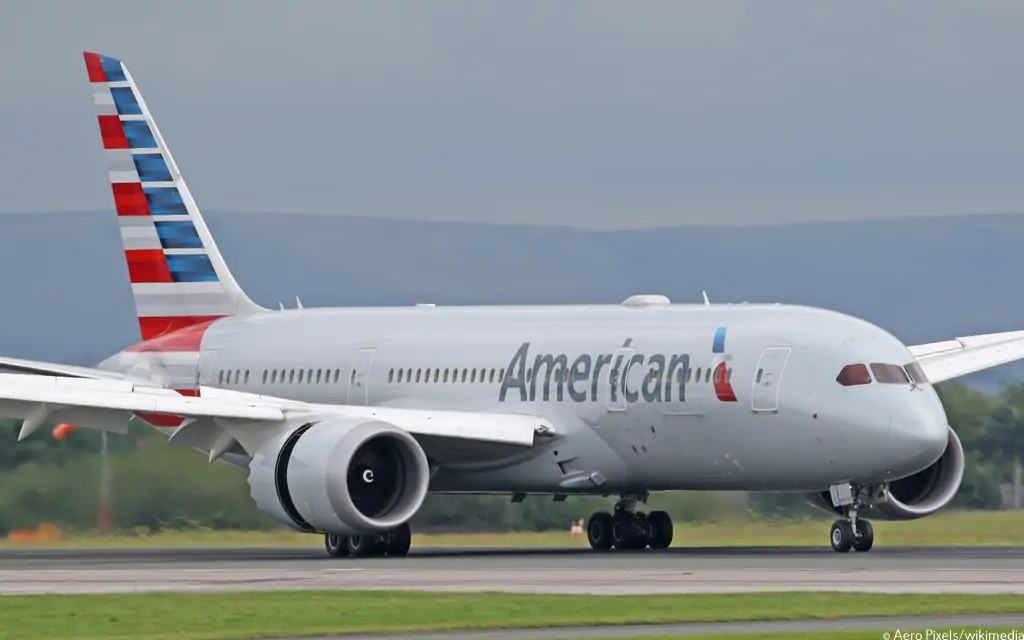
American Airlines Group Inc. made headlines on Friday, July 21, 2023, when it announced a significant increase in the value of its contract offer to pilots. The decision came in response to a more lucrative agreement offered by United Airlines after the union representing American Airlines’ pilots expressed concerns about the initial proposal's ratification.
Background
American Airlines, a prominent Texas-based airline, has been in negotiations with its pilots' union for a new contract for several months. These negotiations are a common occurrence in the airline industry, as contracts typically have a fixed duration before they must be renegotiated.
The Revised Contract
In an effort to address concerns raised by its pilots and the looming threat of a rejected contract, American Airlines decided to revise its offer. The company has increased the total value of the proposed four-year deal to an impressive $9 billion. By doing so, the airline hopes to match the more attractive agreement put forth by its competitor, United Airlines.
Implications for American Airlines
The decision to raise the contract's value by over $1 billion showcases the airline's commitment to resolving the negotiation impasse. American Airlines aims to secure an agreement that will not only satisfy its pilots but also support the company's long-term growth and stability.
A successful agreement could lead to improved labor relations, which can have a positive impact on the airline's overall performance and reputation in the industry. On the other hand, a failure to reach a satisfactory agreement might result in disruptions to flight operations and potential reputational damage.
Impact on Pilots
For American Airlines' pilots, the revised contract represents a critical turning point in their relationship with the company. The new terms and conditions could significantly affect their working conditions, pay, benefits, and job security for the next four years.
The Ratification Vote
The upcoming vote on the revised contract is of utmost importance. If the majority of the pilots vote in favor of the agreement, it will be ratified, and the new terms will take effect. However, if the majority votes against it, further negotiations or labor actions could ensue, leading to uncertainty for the airline and its customers.
Company and Industry Perspective
From a corporate perspective, American Airlines is under pressure to strike a balance between offering competitive compensation and maintaining financial sustainability. The airline industry is highly competitive, and labor costs can significantly impact profitability.
Pilots Union Response
The pilots' union plays a crucial role in advocating for the interests of its members. Throughout the negotiations, it has a responsibility to safeguard the pilots' welfare, job security, and overall well-being.
The Importance of Collective Bargaining
Collective bargaining is a fundamental aspect of labor relations, allowing both management and workers to have a voice in the decision-making process. It helps establish a fair and equitable agreement that considers the needs of both parties.
The Significance of Competitor Agreements
The influence of competitor agreements cannot be understated in the airline industry. Airlines often monitor their rivals' contracts to remain competitive in attracting and retaining skilled pilots. The revised offer from United Airlines likely played a substantial role in motivating American Airlines to revise its contract.
The Future of Airline Labor Negotiations
The outcome of this negotiation can set a precedent for future labor discussions within American Airlines and across the industry. Other airlines and their pilot unions may look to this case as an example, impacting their own future negotiations.
Public Perception and Reputation Management
For American Airlines, public perception is vital. How the airline manages the negotiation process and communicates with its stakeholders can affect its reputation and image. Striking the right balance between meeting financial objectives and treating employees fairly is essential for maintaining a positive brand image.
Financial Analysts' Views
Financial analysts and investors closely watch labor negotiations, as they can significantly impact a company's financial performance. Positive news on the negotiation front may boost investor confidence, while uncertainty may have adverse effects on the airline's stock performance.
Airline Safety Considerations
Throughout the negotiation process, ensuring airline safety remains paramount. Pilots must remain focused on their duties to provide a safe and reliable flying experience for passengers.
Conclusion
The American Airlines Group Inc.'s decision to increase the value of its contract offer to pilots by over $1 billion reflects the company's commitment to finding common ground with its workforce. As the revised contract awaits the pilots' vote, both the airline and its employees face a critical moment that will shape their working relationship for the next four years.
With Inputs from Reuters
Comment