
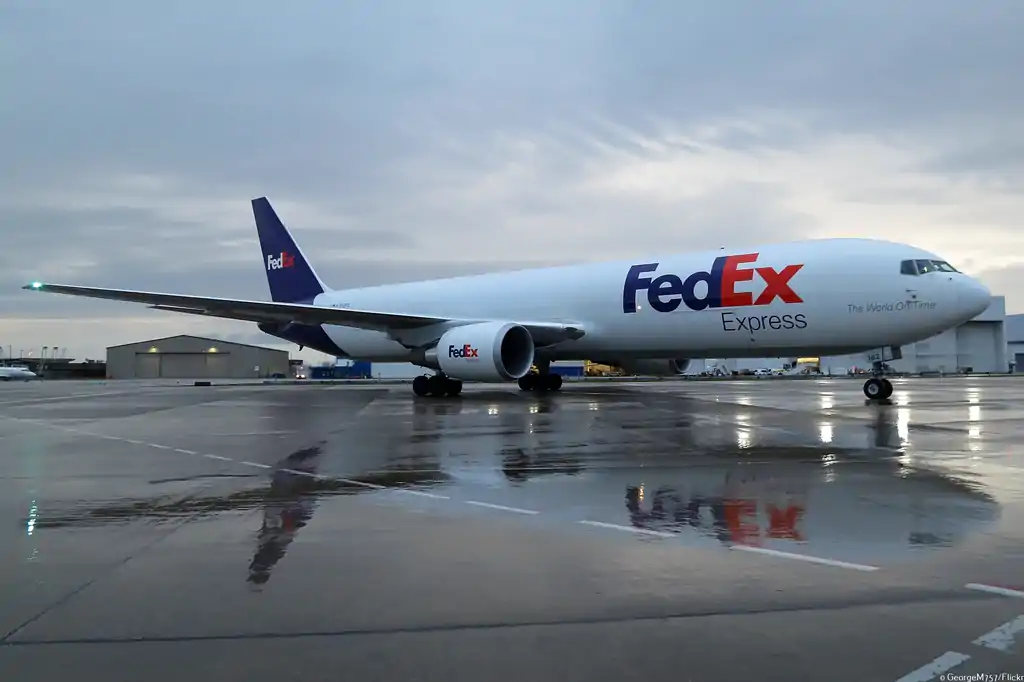
In the dynamic landscape of global logistics, FedEx Express, a leading player in the air cargo industry, continues to adapt its fleet strategy in response to evolving market conditions. Recent announcements from the company shed light on its adjustments to aircraft orders and the optimization of its network, reflecting a proactive approach to meet future challenges head-on.
FedEx's Fleet Adjustments
According to its quarterly statistical report, FedEx Express has made strategic modifications to its fleet composition. Notably, the company reduced its purchase rights for the Boeing 767-300F aircraft from 50 to 43 during the course of 2023. This decision underscores FedEx's commitment to aligning its fleet size with anticipated operational needs and market demands.
Scheduled Deliveries and Expansion Plans
Despite the adjustment in purchase rights, FedEx Express remains steadfast in its fleet expansion endeavors. The carrier is poised to take delivery of three firm-ordered Boeing 767-300Fs by the end of May 2024, with an additional ten slated for delivery by May 2025 and the final two scheduled for receipt by May 2026. These acquisitions will augment FedEx's already impressive fleet, boosting the number of Boeing 767 aircraft to 152.
Strategic Evaluation and Network Optimization
In a statement to Cargo Facts, FedEx Express emphasized its ongoing evaluation and balancing of future aircraft orders to optimize its network operations. This strategic reassessment reflects the company's proactive stance in navigating the complex interplay of market dynamics, regulatory changes, and environmental considerations.
Industry Dynamics and Environmental Concerns
FedEx Express' fleet adjustments occur against the backdrop of broader industry trends and environmental imperatives. Boeing's decision to cease production of the Boeing 767-300F freighter by 2027 underscores the evolving landscape shaped by environmental and noise restrictions. While FedEx and rival UPS Airlines remain the primary customers for this aircraft type, both companies are confronting the imperative to modernize and optimize their fleets in line with sustainability goals.
Diversification and Future Outlook
Beyond its Boeing 767 fleet, FedEx Express is diversifying its aircraft portfolio to enhance operational flexibility and efficiency. The firm's firm orders encompass a range of aircraft types, including the Cessna 408F and ATR72-600F, alongside options for the Boeing 777-200F, Cessna 408F, and ATR72-600F models. This strategic diversification reflects FedEx's commitment to leveraging a versatile fleet tailored to meet evolving market demands.
Conclusion
As FedEx Express recalibrates its fleet strategy and expands its aircraft portfolio, the company reaffirms its commitment to operational excellence, network optimization, and environmental stewardship. By proactively addressing industry shifts and embracing technological advancements, FedEx positions itself for sustained success in the dynamic landscape of global logistics.
With Inputs from ch-aviation

Read next
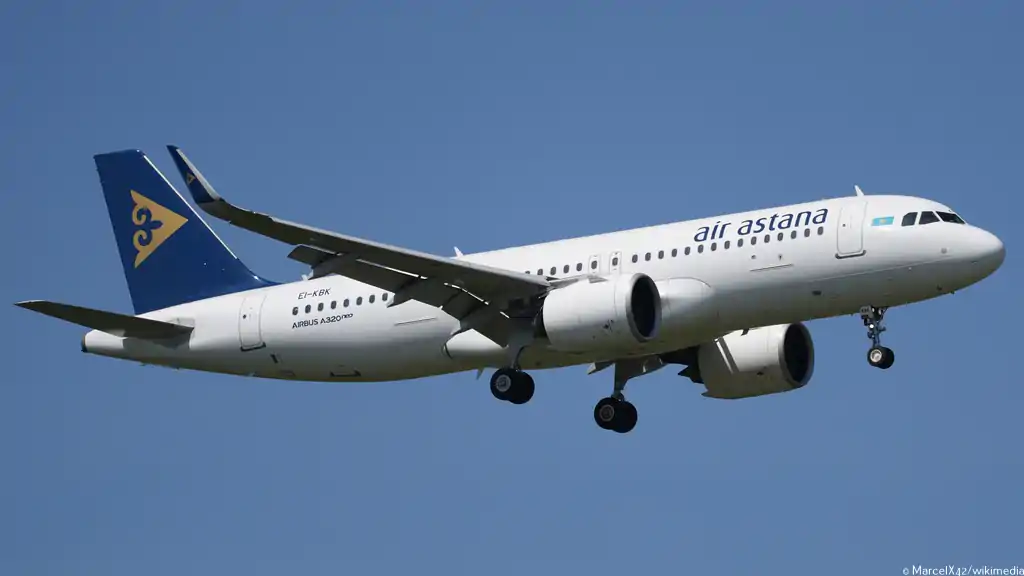
In a recent development, Air Astana Group has reached a settlement with Pratt & Whitney regarding its PW1100G engines, which power the carrier's A320neo aircraft. The agreement, detailed in a filing on the Kazakhstan Stock Exchange on March 27, marks a significant step in resolving the maintenance challenges that have plagued the airline's fleet. But what led to these issues, and how is the airline addressing them?
Settlement with Pratt & Whitney & Background on Engine Troubles
The settlement with Pratt & Whitney is expected to alleviate the financial burden associated with addressing maintenance issues related to the PW1100G engines. While the exact figure of the settlement remains undisclosed, Air Astana Group expressed optimism that it will help manage costs and complement existing operational strategies aimed at sustainable solutions.
The PW1100G engines, installed on the group's twenty-nine A320neo Family aircraft, have been a source of concern due to ongoing maintenance issues. The airline anticipates as many as 34 engine removals throughout 2024, highlighting the magnitude of the challenge it faces in maintaining its fleet's airworthiness.
Mitigation Measures & Recent Developments
To mitigate the impact of these maintenance challenges, Air Astana Group has adopted a multi-faceted approach. This includes maintaining a stock of spare engines, with plans to acquire additional units by 2028. The airline also benefits from access to Pratt & Whitney's pool of spare engines, providing further support in managing maintenance requirements.
In a bid to bolster its capacity and operational resilience, Air Astana Group has undertaken strategic initiatives. This includes securing a purchase agreement with International Aero Engines for an additional spare PW1100 engine, slated for delivery in April. Additionally, the group has signed a lease agreement for two A320-200 aircraft, scheduled to arrive in the first quarter of 2025, to offset capacity issues arising from the grounding of A320neo aircraft.
Previous Legal Dispute
This settlement marks Air Astana Group's second major engine-related dispute in recent years. In 2023, the airline withdrew an appeal at the New York Supreme Court after losing a damages claim against Embraer. The dispute stemmed from allegations regarding the airworthiness of E190-E2 aircraft leased from AerCap in 2018, highlighting the complexities and challenges inherent in aircraft maintenance and contractual agreements.
Looking Ahead
As Air Astana Group navigates through these challenges, its focus remains on ensuring operational stability and passenger safety. By implementing proactive maintenance strategies, securing spare engine provisions, and exploring alternative capacity solutions, the airline aims to overcome the hurdles posed by engine-related issues and emerge stronger in the competitive aviation landscape.
In conclusion, while the settlement with Pratt & Whitney represents a significant step forward for Air Astana Group, the journey towards resolving its engine maintenance challenges continues, underlining the importance of strategic planning and collaborative partnerships in navigating the complexities of the aviation industry.
With Inputs from ch-aviation
Read next

Gulfstream Aerospace Corp., a General Dynamics subsidiary, has achieved a significant milestone in the world of business aviation with the Federal Aviation Administration (FAA) granting type certification to its latest marvel, the Gulfstream G700. This certification not only marks the green light for customer deliveries but also underscores the aircraft's remarkable performance enhancements.
FAA Certification: A Testament to Excellence
The Gulfstream G700 has completed a rigorous certification program, setting new standards in the industry. With a balanced field length takeoff distance of 5,995 feet/1,827 meters and a landing distance of 3,150 ft/960 m (standard ISA day, sea level), the G700 showcases enhanced flexibility and accessibility, surpassing initial expectations.
Mark Burns, President of Gulfstream, expressed his gratitude towards the team behind this achievement, highlighting the dedication of the flight test, certification, and engineering professionals. He emphasized the G700's ability to deliver unparalleled performance and cabin comfort while meeting the highest certification standards.

Performance Enhancements Unveiled
In a move to redefine the boundaries of business aviation, Gulfstream announced significant performance enhancements for the G700 in September 2023. The aircraft's range soared to 7,750 nautical miles/14,353 kilometers at Mach 0.85 or 6,650 nm/12,316 km at Mach 0.90, exceeding original projections by 250 nm/463 km at both speeds.
Moreover, the G700's maximum operating speed surged from Mach 0.925 to Mach 0.935, cementing its position as the fastest in the Gulfstream fleet. These enhancements not only extend the aircraft's capabilities but also offer customers unparalleled speed and range for their journeys.
Elevated Comfort and Experience
Gulfstream's commitment to passenger comfort is evident in the G700's cabin design. With a further reduction in cabin altitude to 2,840 ft/866 m while flying at 41,000 ft/12,497 m, passengers experience optimal comfort even during long-haul flights. The cabin boasts whisper-quiet noise levels, 20 Gulfstream Panoramic Oval Windows, and 100% fresh air circulation, ensuring a luxurious and rejuvenating travel experience.
Looking Ahead: Delivering Excellence
With FAA certification secured, Gulfstream is poised to commence customer deliveries of the G700, marking a new era in business aviation. Mark Burns extended his gratitude to the FAA G700 certification team and expressed pride in Gulfstream's global workforce of over 20,000 employees.
The Gulfstream G700 represents the pinnacle of innovation, offering unmatched performance, comfort, and luxury in the business aviation sector. As deliveries commence, the G700 is set to redefine the expectations of discerning travelers worldwide, setting new standards for excellence in the skies.
With Inputs from Gulfstream
Read next
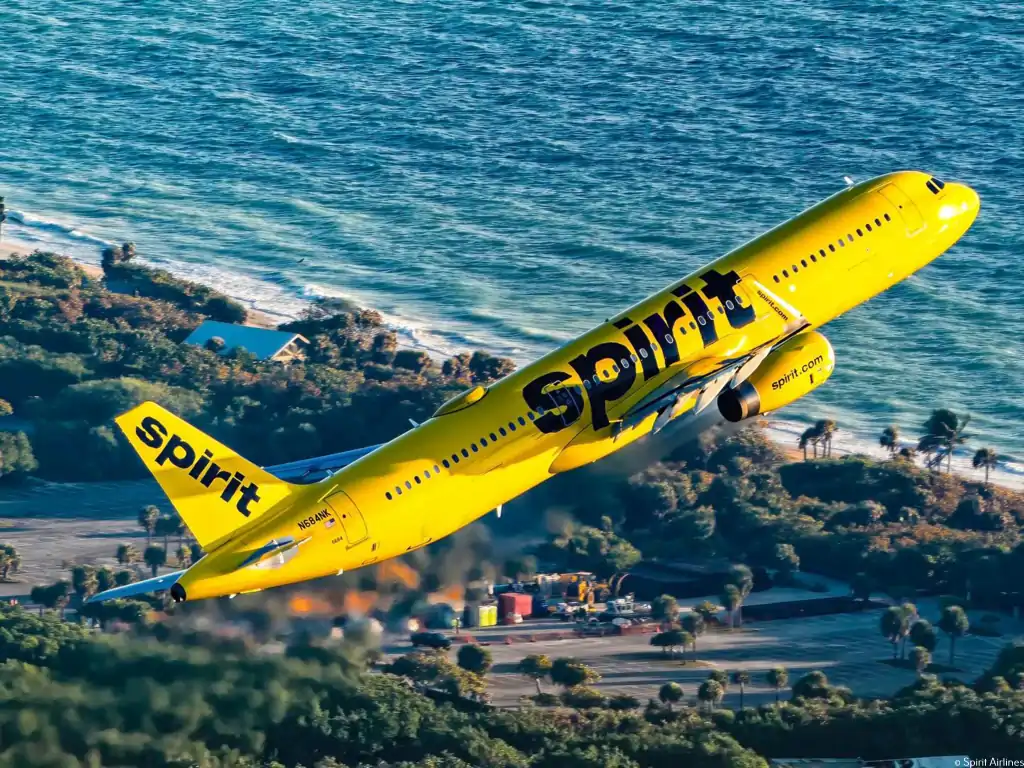
Spirit Airlines, a prominent player in the U.S. aviation sector, finds itself navigating through turbulent skies as it grapples with a series of challenges ranging from engine issues to liquidity concerns. With significant disruptions caused by engine problems and mounting financial pressures, the airline is facing a critical juncture in its journey.
Engine Woes and Compensation Deal
The troubles for Spirit Airlines stem primarily from engine issues plaguing its fleet, particularly those equipped with Pratt & Whitney's Geared Turbofan (GTF) engines. Since July of the previous year, Spirit has been forced to ground several of its A320neo aircraft due to a rare condition in the powdered metal used in certain engine parts. This setback prompted the carrier to seek compensation from International Aero Engines (IAE), an affiliate of RTX Corp's Whitney, resulting in a monthly credit arrangement until the end of 2024. This compensation, estimated to boost liquidity by $150 million to $200 million, is contingent upon the number of days aircraft remain unavailable due to engine issues.
Financial Strain and Liquidity Concerns
In addition to grappling with engine woes, Spirit Airlines faces mounting financial challenges exacerbated by rising operating costs and persistent supply chain disruptions. The airline's liquidity has been under strain, raising concerns about its ability to repay debt maturing next year. The cancellation of a proposed $3.8 billion merger with JetBlue Airways further compounds Spirit's woes, leaving it without the anticipated boost to its financial stability.
Impact on Operations and Future Outlook
The repercussions of engine-related disruptions are already being felt by Spirit Airlines, with the average number of grounded neo aircraft expected to steadily rise throughout 2024. This operational setback poses significant challenges for the carrier, particularly in maintaining service reliability and meeting customer demands. Looking ahead, Spirit intends to explore arrangements with Pratt & Whitney to address any lingering issues beyond 2024, underscoring the ongoing uncertainty surrounding its fleet's airworthiness.
Conclusion
As Spirit Airlines grapples with engine woes and financial turbulence, the road ahead appears fraught with challenges. While the compensation deal with International Aero Engines provides some reprieve, the airline's ability to weather the storm hinges on its capacity to address operational disruptions, shore up liquidity, and chart a course towards sustainable profitability. In a landscape marked by uncertainty, the fate of Spirit Airlines hangs in the balance as it strives to navigate through the headwinds buffeting the aviation industry.
With Inputs from Reuters
Read next
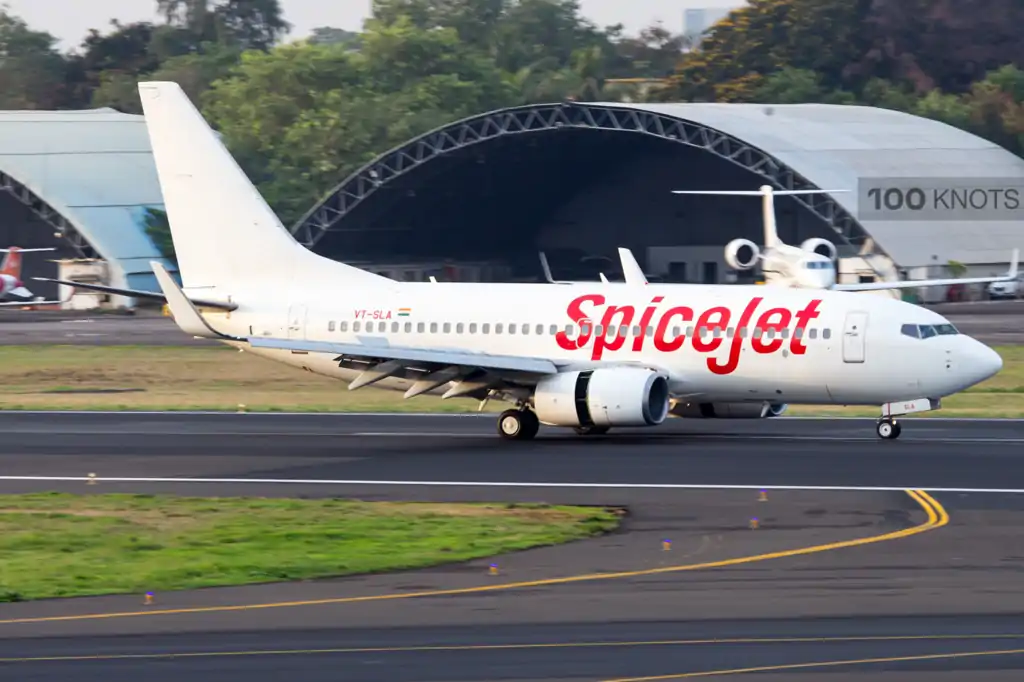
In a dynamic aviation landscape, SpiceJet continues to make strategic moves aimed at bolstering its operations and solidifying its position in the market. With recent developments including aircraft acquisitions, route expansions, and financial settlements, the budget carrier demonstrates resilience and foresight in navigating challenges and seizing opportunities.
Expansion in Fleet and Operations
SpiceJet's recent acquisition of two A320-200s on an ACMI (Aircraft, Crew, Maintenance, and Insurance) basis for the IATA 2024 northern summer season marks a significant step in its fleet expansion strategy. These aircraft will cater to various routes, enhancing connectivity and flexibility for travelers. Notably, one A320 will operate a multi-leg route spanning Ahmedabad, Goa, Ayodhya International, and Dubai International, while the other will serve routes connecting Ahmedabad, Chennai, Hyderabad International, and Varanasi.
Moreover, SpiceJet's decision to wet-lease two A340s for its 2024 Hajj flights underscores its commitment to meeting seasonal demands and ensuring seamless travel experiences for pilgrims.
Fleet Profile and Utilization
While SpiceJet primarily operates Boeing aircraft, including a mix of B737 models and B737-700(BDSF)s for cargo operations, its recent ventures into leasing Airbus aircraft demonstrate its agility in meeting diverse operational requirements. With a fleet comprising both owned and leased aircraft, SpiceJet optimizes its resources to efficiently serve domestic and international routes.
Additionally, the acquisition of full ownership of thirteen DHC-8-Q400s through a settlement with Export Development Canada reflects SpiceJet's strategic financial management. This landmark agreement not only resolves outstanding liabilities but also empowers the airline with greater control over its fleet. By refurbishing and reintroducing grounded Q400s into service, SpiceJet aims to expand its regional and UDAN (Ude Desh ka Aam Nagrik) route network, thereby tapping into underserved markets and enhancing connectivity across India.
Financial Implications and Future Prospects
The settlement with Export Development Canada represents a significant milestone for SpiceJet, alleviating financial burdens and unlocking long-term cost savings. With liabilities amounting to almost USD 91 million resolved, SpiceJet's managing director, Ajay Singh, emphasizes the positive impact on the airline's financial health and operational efficiency. The freed-up resources enable SpiceJet to invest in fleet modernization, route development, and customer-centric initiatives, positioning the airline for sustained growth and competitiveness in the industry.
Conclusion
SpiceJet's recent endeavors exemplify its strategic vision and adaptability in navigating the complexities of the aviation sector. From fleet expansion and route diversification to financial restructuring and operational enhancements, the airline demonstrates resilience and innovation in pursuing growth opportunities while addressing challenges head-on. As SpiceJet continues to evolve and expand its footprint, stakeholders can anticipate further contributions to India's aviation landscape and enhanced travel experiences for passengers.
With Inputs from ch-aviation
Read next
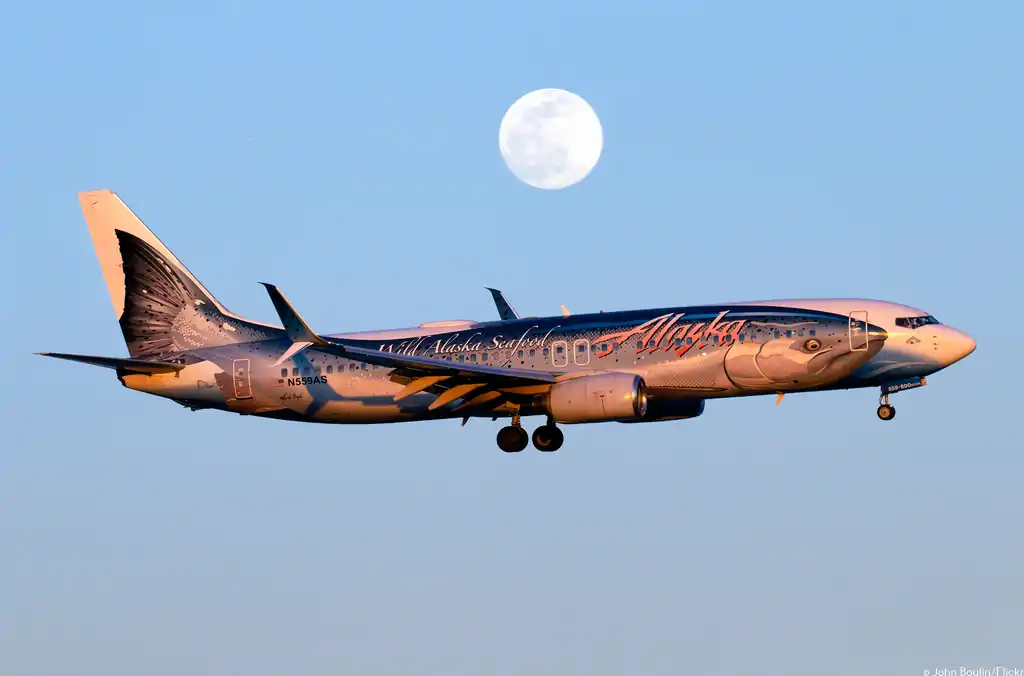
Alaska Air Group finds itself navigating turbulent skies as it grapples with the fallout from the temporary grounding of its Boeing 737 Max 9 fleet. The repercussions extend beyond immediate financial impacts, potentially denting the company's long-term profit growth targets. This article delves into the challenges faced by Alaska Air amid the ongoing saga with Boeing.
Capacity Crunch and Profit Projections
The temporary grounding of its Boeing 737 Max 9 fleet has dealt a significant blow to Alaska Air's operational capacity. This loss of capacity has led the airline to revise its profit growth projections, indicating a potential deviation from its target range of 4% to 8%. Such a setback underscores the profound impact that external factors, such as aircraft grounding, can have on airlines' financial outlooks.
Financial Forecasts vs. Reality
Alaska Air's forecast for the first quarter highlights the discrepancy between its projections and analysts' estimates. Despite anticipating an adjusted loss per share of 55 cents to 45 cents, the actual figures are markedly better, with analysts expecting a loss of $1.18 per share. This variance is attributed in part to unspecified partial compensation received from Boeing following a mid-air incident involving a door plug panel.
Compensation and Consequences
The compensation received from Boeing partially mitigates the financial strain resulting from the mid-air incident and subsequent grounding of MAX 9 jets. However, the impact on earnings remains palpable, with Alaska Air citing a 30 cent-per-share reduction attributable to the temporary grounding. Such financial implications underscore the intricate interplay between airlines and aircraft manufacturers, wherein operational disruptions can reverberate throughout an airline's financial performance.
Uncertainty Looms Over Capacity Expectations
Alaska Air's full-year capacity expectations remain in flux, primarily due to uncertainties surrounding aircraft delivery timings. Heightened scrutiny from regulatory bodies, including the Federal Aviation Administration and the Department of Justice, towards Boeing's operations adds another layer of complexity to the situation. The evolving regulatory landscape underscores the challenges faced by airlines in planning their operations amidst external uncertainties.
Navigating Turbulent Skies
As Alaska Air endeavors to weather these challenges, effective navigation of the current landscape is paramount. The airline must adopt a flexible approach to capacity planning, considering the fluidity of regulatory and operational dynamics. Moreover, maintaining transparent communication with stakeholders, including investors and passengers, is crucial in fostering trust and confidence amid uncertainty.
Conclusion
The confluence of events stemming from the temporary grounding of its Boeing 737 Max 9 fleet presents formidable challenges for Alaska Air Group. Navigating through these challenges requires a strategic approach that balances financial prudence with operational agility. As the airline charts its course forward, it remains to be seen how effectively it can mitigate the impacts on its long-term profitability amidst the turbulence caused by external factors beyond its control.
With Inputs from Reuters
Comment