
FAA Surpasses Hiring Target Amid Aviation Personnel Shortages: What's Next for Air Travel Safety

Abhishek Nayar
25 Aug 2023
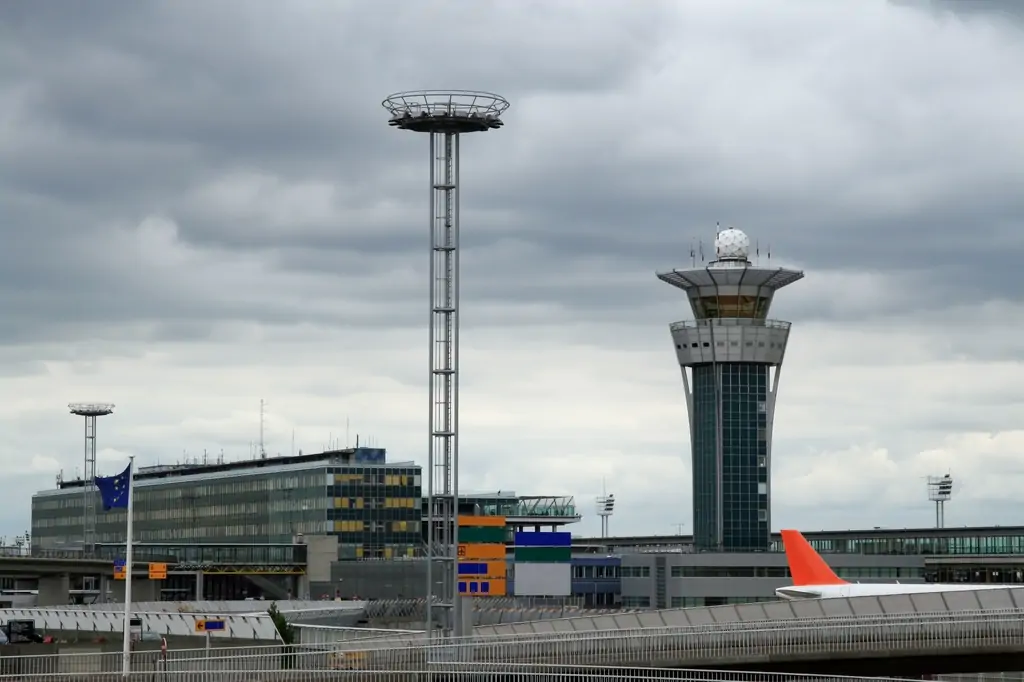
In the fast-paced world of aviation, the safety and efficiency of air travel rely heavily on the dedicated professionals who operate behind the scenes - the air traffic controllers (ATCs). These unsung heroes of the skies play a crucial role in ensuring the safe takeoff, landing, and navigation of aircraft, making air travel one of the safest modes of transportation.
However, the shortage of ATCs has been a persistent concern, with implications for passenger safety and aviation operations. In a significant development, the United States Federal Aviation Administration (FAA) announced on Thursday, August 24, 2023, that it had successfully fulfilled its goal of hiring 1,500 air traffic controllers for the year.
This achievement comes against the backdrop of ongoing personnel shortages and safety concerns that have loomed over the aviation industry.
The State of Air Traffic Controllers
A Vital Role in Aviation
Air traffic controllers are the silent sentinels of the sky. They work tirelessly to ensure that planes take off, land, and navigate safely, all while managing a complex web of airspace. Their responsibilities include coordinating aircraft movements, preventing collisions, and providing critical information to pilots. It's a high-stakes job that demands precision, quick thinking, and unwavering focus.
Ongoing Shortages
The shortage of air traffic controllers in the United States has been a growing concern. It's a multifaceted issue driven by retirements, an aging workforce, and the need for more controllers to meet the increasing demands of air travel. The shortage has not only strained the existing workforce but also raised concerns about safety, as overworked controllers can lead to lapses in judgement and potential aviation near-misses.

The FAA's Ambitious Hiring Effort
Despite the challenges posed by the shortage, the FAA embarked on an ambitious mission to bolster its ATC workforce. The agency set out to hire 1,500 air traffic controllers in 2023. This recruitment drive was a response to the increasing demands of the aviation industry and the pressing need to ensure safety in the skies.
Surpassing Expectations
On Thursday, August 24, 2023, the FAA made a remarkable announcement - it had not only met but exceeded its goal of hiring 1,500 air traffic controllers for the year. This achievement is a testament to the agency's commitment to the safety and efficiency of air travel in the United States.
According to the OIG report, the FAA currently employs 10,700 certified controllers, up slightly from 10,578 in 2022, which was practically the same as in 2021 and down 10% from 2012.
The Path Forward
While this achievement is undoubtedly a cause for celebration, it's just one step in addressing the broader issue of ATC shortages. The FAA currently has approximately 2,600 controllers at various levels of training, and there is still much work to be done to ensure that the skies remain safe and efficient.
The Financial Aspect
Seeking Additional Funds
Recognizing the urgency of the situation, the Transportation Department took action earlier in the year. In March, it requested $117 million in funding to hire an additional 1,800 personnel for air traffic control next year. This funding request is in addition to the 1,500 controllers the FAA had aimed to hire by September 30.
High Demand for the Position
The need for air traffic controllers is evident in the overwhelming response to job openings. More than 12,000 individuals applied for these positions earlier in the year, highlighting the strong interest in this critical profession.
Conclusion
In a world where aviation safety and efficiency are paramount, the United States Federal Aviation Administration's successful hiring of 1,500 air traffic controllers in 2023 is a significant milestone. It demonstrates the agency's unwavering commitment to addressing the shortage of ATCs and ensuring the safety of air travel in the United States. However, challenges still remain, and further efforts are needed to bolster the ATC workforce and keep our skies safe.
Read next
Game-Changer in the Skies: Dassault's Falcon 6X Earns Dual Global Certifications After Epic 2-Year Testing Odyssey
Abhishek Nayar
25 Aug 2023
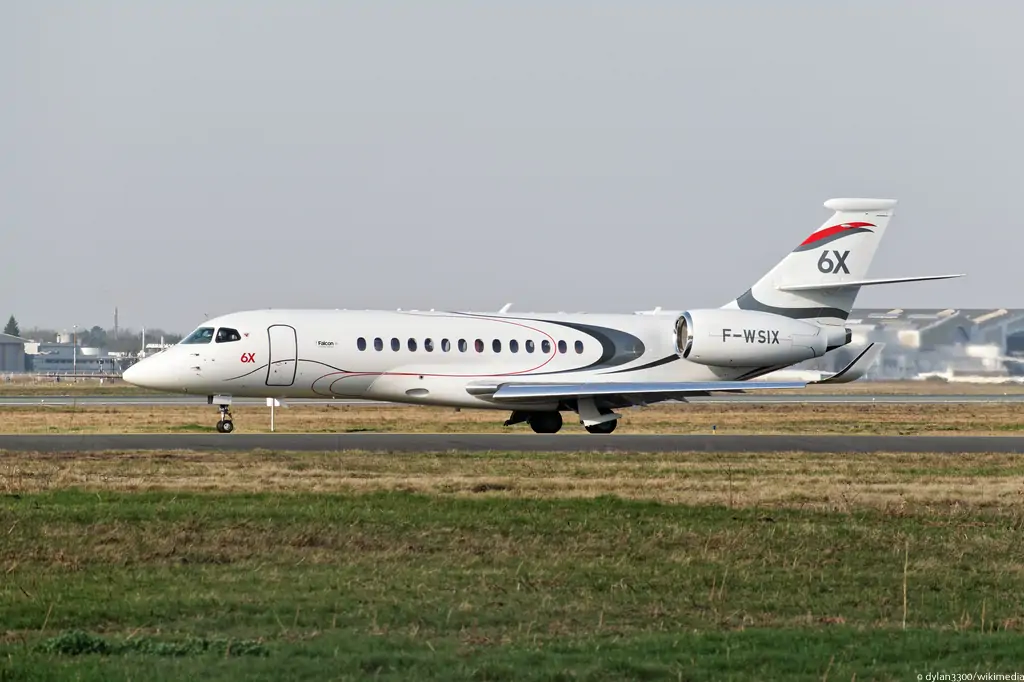
In a monumental moment for aviation enthusiasts and industry insiders alike, the European Aviation Safety Agency (EASA) and the Federal Aviation Administration (FAA) in the United States jointly granted the coveted type certificate to Dassault's Falcon 6X on August 22, 2023.
This watershed moment culminated a rigorous two-year testing campaign that witnessed an impressive 1,500 flight hours logged worldwide. It marks a significant leap forward in the journey towards the Falcon 6X entering commercial service, with the first units now in the final stages of production.
The Genesis of Falcon 6X
A Brief Overview of Dassault Aviation
Before we delve into the details of this remarkable achievement, let us take a moment to understand the context. Dassault Aviation, a renowned French aircraft manufacturer with a rich history dating back to 1929, has a track record of delivering exceptional aviation solutions. They are known for their commitment to innovation, safety, and performance.
The Birth of Falcon 6X
The Falcon 6X, the latest gem in Dassault's aviation crown, was conceived to fill a vital niche in the business jet market. This ultra-long-range twin-engine jet was designed to provide the utmost in comfort, efficiency, and performance for discerning travelers and business leaders.
The Testing Odyssey
A Herculean Effort
Securing EASA and FAA certifications is no small feat. It demands an exhaustive testing process that scrutinizes every aspect of an aircraft's design, performance, and safety. The Falcon 6X testing campaign was no exception.
1,500 Hours in the Sky
Over the course of more than two years, the Falcon 6X took to the skies for a staggering 1,500 hours of testing. This extensive flight time encompassed various terrains, weather conditions, and scenarios to ensure the aircraft's reliability and safety under all circumstances.
A Worldwide Endeavor
The testing wasn't confined to a single location. It was a global effort, with flight hours logged across continents. This approach allowed Dassault to assess the Falcon 6X's adaptability to diverse environments, further enhancing its reputation as a versatile, world-class aircraft.

The Significance of Certification
A Stamp of Approval
EASA and FAA certifications are more than just pieces of paper; they are endorsements of an aircraft's integrity and airworthiness. These regulatory bodies rigorously evaluate an aircraft's design, construction, and performance to ensure it meets the highest safety standards.
Opening New Horizons
With these certifications, the Falcon 6X can now spread its wings and serve international markets with confidence. It can be operated by commercial airlines, corporate fleets, and private individuals, offering a seamless travel experience that combines luxury and efficiency.
The Road Ahead
The Falcon 6X Takes Flight
As the Falcon 6X enters the final stages of production, anticipation is building among aviation enthusiasts and prospective buyers. The aircraft's spacious cabin, cutting-edge technology, and exceptional range make it a compelling choice for those seeking the ultimate in long-haul travel.
A Promising Future
The granting of EASA and FAA certifications paves the way for Dassault to fulfil orders and start delivering these exquisite aircraft to customers worldwide. It is a testament to the dedication and expertise of the Dassault team, who have crafted an aircraft that promises to redefine the standards of business aviation.
Comments
"The Falcon 6X certification is a remarkable milestone for Dassault Aviation." We would like to recognize the EASA and FAA certification teams for their commitment to this demanding process, as well as our customers for their confidence. "The Falcon 6X is the first brand new business jet to comply with the latest regulations, which will improve the safety and security of all new aircraft," stated Dassault Aviation Chairman and CEO Eric Trappier.
"The Falcon 6X, with a range of 5,500 nautical miles (10,200 kilometers), combines the best qualities of Dassault Aviation's world-leading business and fighter aircraft expertise to create the longest-range jet in its class, with unparalleled passenger comfort and maximum mission flexibility."
Conclusion
In conclusion, the EASA and FAA certifications represent a crowning achievement for Dassault's Falcon 6X. These endorsements underscore the aircraft's safety, performance, and global appeal. As the Falcon 6X inches closer to entering service, it heralds a new era in long-range business aviation.
With Inputs from Dassault
Read next
IndiGo's Ingenious Solutions: How India's Top Airline is Battling Grounded Aircraft to Soar Back into Profitability
Abhishek Nayar
25 Aug 2023
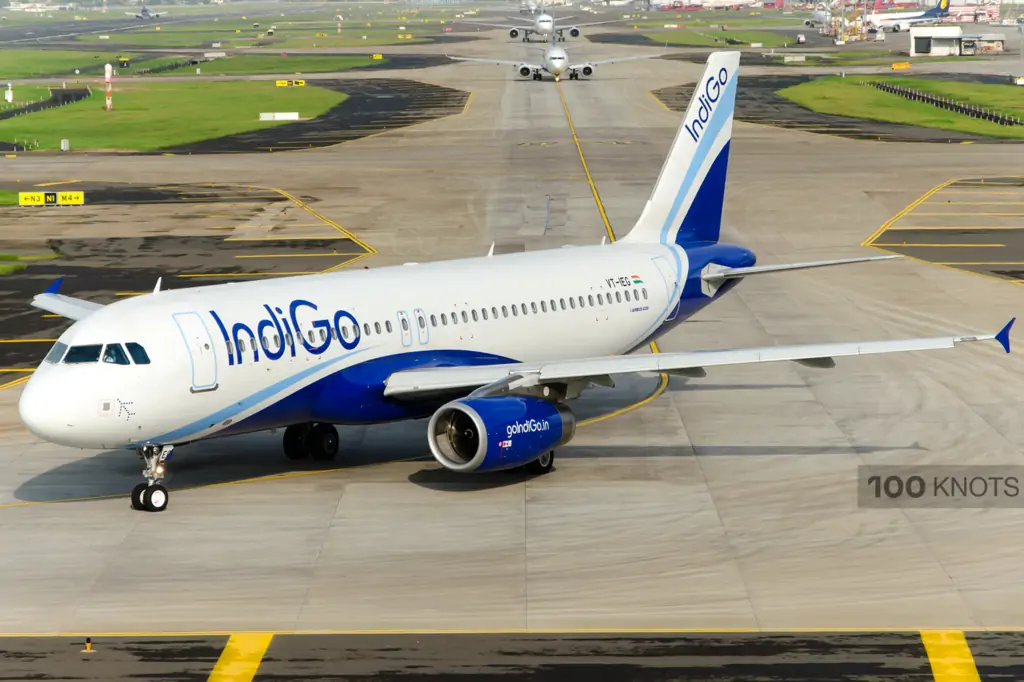
In a recent shareholder update on Thursday, August 24, 2023, IndiGo, the country's largest airline, shed light on the array of mitigating measures being employed to tackle the challenges posed by grounded aircraft. CEO Pieter Elbers addressed shareholders at InterGlobe Aviation's 20th annual general meeting, outlining the company's ambitious goal to "welcome 100 million customers" this fiscal year.
As the parent company of IndiGo, InterGlobe Aviation's strategic moves are crucial, considering IndiGo's dominant 63% domestic market share and its expanding international operations.
Grounded Aircraft: The Challenge
The aviation industry, like many others, has been rocked by the unanticipated challenges brought on by the global pandemic. Grounded aircraft, a byproduct of reduced demand and travel restrictions, have significantly impacted airlines' operations worldwide. IndiGo, too, has faced its share of challenges as it grapples with a fleet of grounded planes.
In response to a shareholder inquiry about Aircraft on Ground (AOG), Elbers stated that a variety of mitigating measures, including collaboration with Turkish Airlines, are being implemented to resolve the problem.
"We're working with some AOG issues... AOG is being dealt with by a variety of mitigation strategies. These measures were announced at the end of last year and have proven to be successful in ensuring that we execute on our capacity forecast that we offered to the market and shareholders previously'," stated IndiGo CEO, Pieter Elbers. He did not specify how many planes were on the ground.
The Impact on IndiGo
IndiGo's financial health took a hit as grounded aircraft translated into substantial losses. However, the company's leadership is determined to steer the airline back on course.
During a call with analysts on August 2 to review the June quarter results, Elbers stated that the number of aircraft impacted by supply-chain challenges was in the high thirties. "I would actually put it around 40 now." Due to engine problems, planes have been grounded.

Mitigating Measures
To overcome these challenges, IndiGo has adopted a multi-pronged strategy aimed at reviving its fortunes.
Fleet Optimization
IndiGo is strategically optimizing its fleet by retiring older aircraft and investing in fuel-efficient, modern planes. This move not only reduces maintenance costs but also aligns with the airline's commitment to environmental sustainability.
Route Diversification
Recognizing the need to diversify revenue streams, IndiGo is expanding its international operations. By exploring new routes and destinations, the airline aims to tap into untapped markets while reducing its reliance on the domestic sector.
Cost Rationalization
To enhance operational efficiency, IndiGo is rigorously examining its cost structure. This includes renegotiating contracts, streamlining operations, and seeking innovative solutions to reduce overheads.
Passenger Experience Enhancement
IndiGo is also focusing on improving the passenger experience. From revamped cabin interiors to enhanced in-flight services, the airline is committed to ensuring that customers have a memorable journey.
The Vision for the Future
CEO Pieter Elbers expressed optimism during the annual meeting, highlighting the airline's aspiration to welcome 100 million customers in the current fiscal year. This bold vision reflects IndiGo's determination to not only recover from the challenges but to emerge stronger and more resilient.
Conclusion
In the face of adversity, IndiGo remains resolute. The strategic measures outlined by CEO Pieter Elbers signify a commitment to not only weather the storm of grounded aircraft but to soar higher than ever before.
Read next
Are Air India Pilots Flying Towards Fatigue? Concerns Raised Over New Rostering Tool
Abhishek Nayar
25 Aug 2023
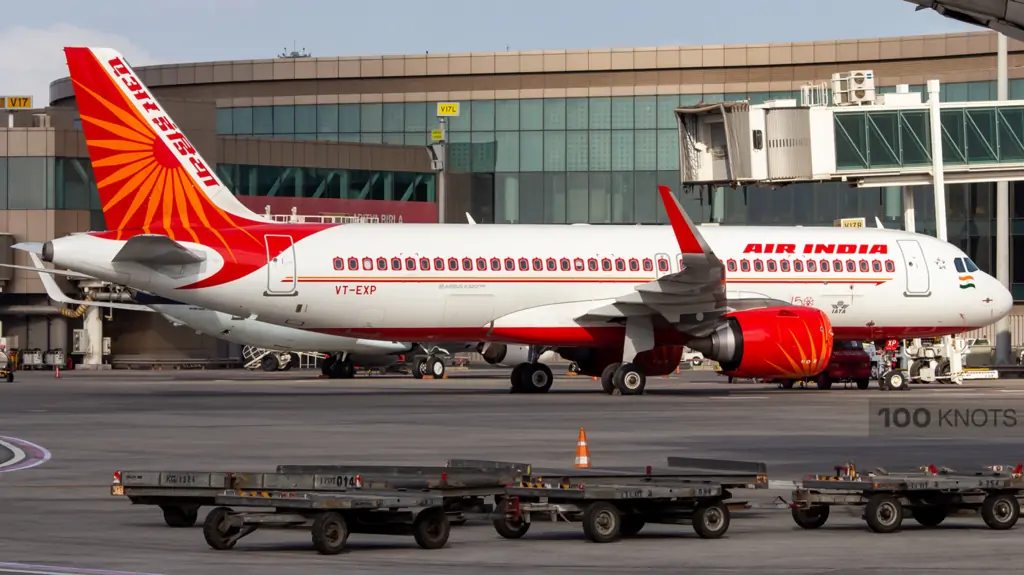
In recent developments, the Indian Pilots Guild (IPG), representing Air India pilots, has voiced serious concerns over the impact of a new rostering tool on the fatigue levels of flight crews. This tool, designed to optimize scheduling, has inadvertently led to prolonged waiting periods between duty hours, raising alarm bells about crew alertness and overall performance.
The IPG contends that extended waiting periods before active flight duties may not only hinder crew readiness but also contribute to the accumulation of fatigue over time.
The Evolution of Rostering Tools
Before we delve into the IPG's concerns, it's essential to understand the role of rostering tools in the aviation industry. These tools are designed to streamline crew scheduling, ensuring that airlines can operate efficiently while adhering to safety regulations. Traditionally, rostering was a manual task, prone to human errors and inefficiencies. However, with advancements in technology, sophisticated software solutions were introduced to automate this process.
The Promise of Efficiency
The introduction of automated rostering tools was greeted with enthusiasm within the aviation industry. Airlines were promised increased efficiency, reduced operational costs, and improved crew utilization. These tools use complex algorithms to assign flight duties, taking into account factors like crew availability, legal rest requirements, and aircraft schedules. On the surface, it appeared to be a win-win situation for both airlines and their flight crews.

The Unintended Consequences
However, as the IPG has pointed out, the implementation of such tools has not been without unintended consequences. One of the most significant concerns raised by the union is the extended waiting periods that pilots and cabin crew now face between their duty hours. While these gaps are not technically considered "rest" periods, they are extended enough to raise concerns about crew alertness and readiness.
IPG stated in a letter to Air India Head of Safety Henry Donohoe last week that the constant pursuit of operational efficiency and economic advantages has resulted in an unintentional overshadowing of the principal goal of Flight Duty Time Limitation (FDTL) regulations.
The Directorate General of Civil Aviation establishes Flight Duty Time Limitation (FDTL) to ensure adequate recuperation periods for pilots and cabin crew personnel.
Following the unfortunate passing of an IndiGo pilot, the issue of pilot fatigue has been brought to the forefront. Last week, the pilot collapsed and died at the boarding gate at Nagpur airport while preparing to operate a flight from Nagpur to Pune.
The Impact on Crew Alertness
Prolonged waiting periods can have a detrimental effect on crew alertness. Imagine being on standby for several hours before your actual flight duty begins. During this time, crew members are neither fully at rest nor actively engaged. This state of limbo can lead to fatigue and reduced alertness, which are two factors that must be rigorously managed in the aviation industry to ensure passenger safety.
"The current practice of scheduling extended waiting periods within flight duty periods undermines the very essence of these regulations, jeopardizing crew alertness and performance," the grouping added.
"In light of these concerns, we humbly request the elimination of these gaps in duty schedules and urge pilots and crew to be rostered in such a way that flight time is aligned as closely as possible with the flight duty period," the statement added.

The Accumulation of Fatigue
The IPG rightly argues that these extended waiting periods can contribute to the accumulation of fatigue over time. Fatigue is a serious concern in aviation, as it can impair cognitive functions, reaction times, and decision-making abilities. The safety of both the crew and passengers depends on the crew's ability to perform at their best, especially during critical phases of flight.
The Human Factor
In the quest for efficiency, it's crucial not to overlook the human factor in aviation. While automated tools can optimize scheduling to a great extent, they must also take into account the well-being of the flight crews. Fatigue management is not just a regulatory requirement; it's a fundamental aspect of ensuring safe and reliable air travel. According to IPG, the rostering approach has a dual detrimental impact since it "compromises with safety while also harboring sentiments of neglect and humiliation among our uniformed crew members."
Addressing the Issue
To address these concerns raised by the IPG and other stakeholders, airlines and aviation authorities must work together to strike the right balance between efficiency and crew well-being.
Dynamic Scheduling
Implement dynamic scheduling that takes into account crew preferences and bio-rhythms. This could reduce the waiting periods by aligning crew duty hours more closely with flight departures.
Better Rest Facilities
Invest in improved rest facilities at airports, allowing crew members to rest more comfortably during extended waiting periods.
Regular Feedback Mechanisms
Establish regular feedback mechanisms with flight crews to assess the impact of scheduling changes on their alertness and performance.
Conclusion
Efficiency is undoubtedly vital in the aviation industry, but not at the expense of crew well-being and passenger safety. The concerns raised by the IPG regarding the extended waiting periods due to the new rostering tool should serve as a wake-up call. It's imperative that airlines and aviation authorities reevaluate their scheduling practices and prioritize the health and readiness of their flight crews.
Read next
Honeywell Inaugurates Airfield Ground Lighting Manufacturing Facility in Gurugram

Radhika Bansal
24 Aug 2023
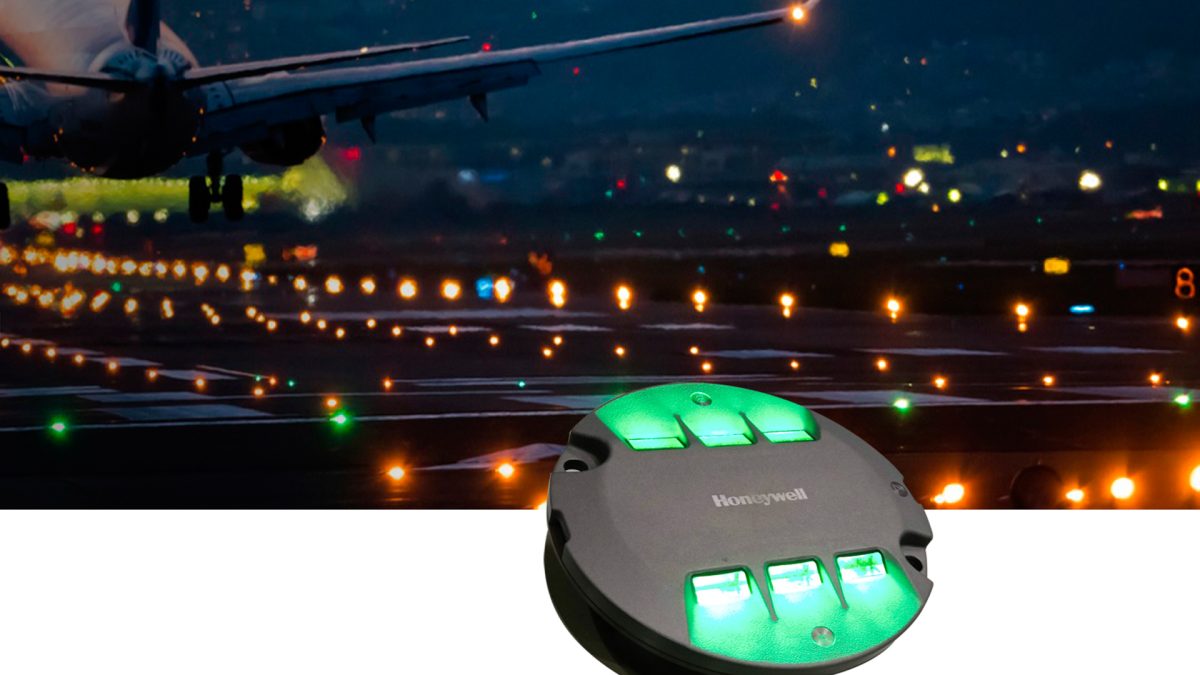
Honeywell Aerospace, a global technology leader, inaugurated its cutting-edge Airfield Ground Lighting (AGL) manufacturing facility in Gurugram. This innovative AGL solution, conceived under India’s ‘Make in India’ initiative, is set to transform airport operations, making aircraft landings safer and more efficient. Adhering to rigorous global aviation standards and regulations, Honeywell’s AGL is poised to redefine the aviation industry landscape.
Located within a sprawling 41,000-square-foot facility in Gurugram, Honeywell’s AGL takes centre stage as a beacon of technological advancement. Representing a comprehensive suite of ground-installed luminaires and associated components, AGL plays a pivotal role in guiding aircraft during landings and ensuring seamless navigation to their designated stands. This breakthrough innovation holds particular significance in adverse weather conditions, facilitating uninterrupted operations.
An outstanding feature of Honeywell’s AGL solution is its revolutionary low-wattage, LED-based lighting technology. Not only does this technology elevate the efficiency of airport operations and enhance regulatory compliance, but it also champions sustainability by significantly reducing energy consumption and extending the longevity of crucial assets. With an unparalleled combination of durability, extended lifespan, and exceptional energy efficiency, Honeywell’s LED lights outperform conventional halogen lamps. This technological leap ensures improved visibility, simplified replacement procedures, and substantially reduced maintenance demands, ultimately optimizing overall airport operational costs.
Ashish Modi, President of Honeywell India, expressed his enthusiasm about this significant achievement. He emphasized, “We take immense pride in manufacturing state-of-the-art airfield ground lighting systems entirely within India. Our advanced solutions strike the perfect balance between compliance, safety, and environmental standards. The introduction of Honeywell’s LED lighting solution for runways and taxiways, coupled with our comprehensive range of aviation solutions, promises to dramatically enhance safety and operational efficiency for airfield ground lighting operations.”
The new LED Lighting Solution
In a rapidly growing Indian aviation landscape, projected to channel up to USD 12 billion in investments and encompass as many as 220 airports by 2025, Honeywell’s contributions stand as a cornerstone of this transformative journey. The AGL solutions engineered and developed in India boast Federal Aviation Administration (FAA) certification and adhere meticulously to the International Civil Aviation Organization (ICAO) standards. With a unique patented three-light window design, these solutions offer not only operational flexibility but also structural stability to withstand the dynamic stresses imposed by aircraft movements.
The groundbreaking six-window design offers significant advantages, including a substantial reduction in dirt and rubber deposits, decreased water and dust accumulation, and a minimized risk of landing-induced electronic failures. Moreover, this design ensures an extended light lifecycle, mitigates mechanical damage resulting from snow ploughing, reduces the need for inventory, and amplifies operational reliability under all weather conditions. The system ensured approximately 50% less rubber deposits, decreased water and dust accumulation, and reduced potential landing-induced electronic failures.
This pioneering initiative seamlessly aligns with the essence of the ‘Make in India’ program, underscoring Honeywell’s steadfast commitment to domestic manufacturing and technological innovation. The successful launch of the first batch of FAA-certified LED Airfield Ground Lights serves as a testament to Honeywell’s unwavering dedication to India’s aviation sector and its enduring adherence to the ‘Make in India’ ethos. The project was nurtured and developed by Honeywell’s Technology Solutions team in India, further emphasizing the local impact and expertise.
As Honeywell takes monumental strides in this technological advancement, India’s aviation infrastructure is primed for unparalleled growth, backed by a steadfast commitment to sustainable practices. Honeywell’s indomitable dedication reshapes the aviation landscape while fortifying India’s position as a global hub for cutting-edge aviation technology.
Notably, on June 1, 2023, Indian-origin business executive, Vimal Kapur became the new CEO of Honeywell International. Kapur, who has more than three decades of experience in leading the diversified manufacturer's various businesses succeeded Darius Adamczyk as chief executive.
About Honeywell Aerospace
Honeywell Aerospace is a manufacturer of aircraft engines and avionics, as well as a producer of auxiliary power units (APUs) and other aviation products. Headquartered in Phoenix, Arizona, it is a division of the Honeywell International conglomerate. It generates approximately USD 10 billion in annual revenue from a 50/50 mix of commercial and defence contracts. The company experienced a boom during World War II when it equipped bomber planes with avionics and invented the autopilot. After the war, it transitioned to a heavier focus on peacetime applications. Today, Honeywell produces space equipment, turbine engines, auxiliary power units, brakes, wheels, synthetic vision, runway safety systems, and other avionics.
Read next
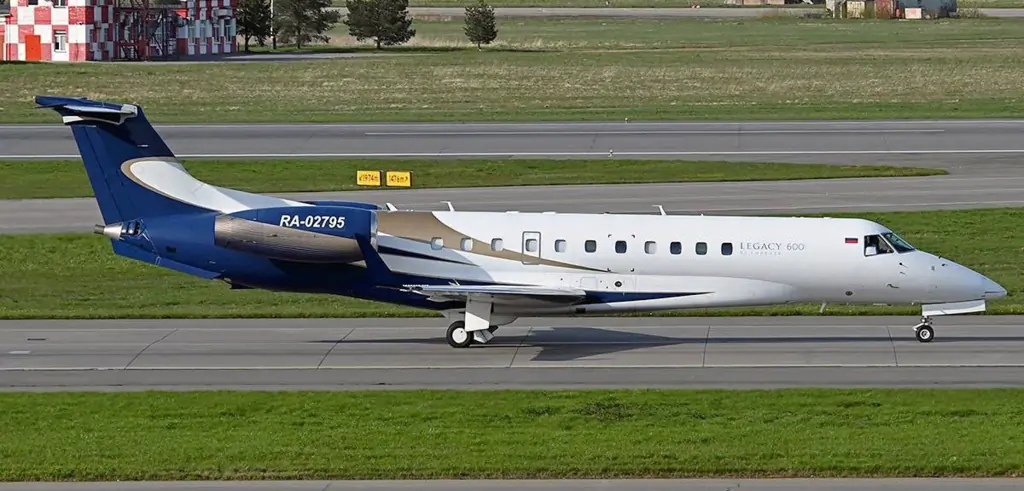
In a tragic incident that sent shockwaves through the aviation world, an Embraer Legacy 600 plane crashed and burst into flames in a field in Kuzhenkino, Tver Region, Russia, approximately 300 kilometres northwest of Moscow. What made this incident even more intriguing and concerning is the revelation that the RA-02795 business jet was owned by none other than the infamous Wagner Group, a Russian private military corporation.
The ill-fated flight was en route from Moscow Sheremetyevo (SVO) to Saint Petersburg Pulkovo (LED). While the aircraft displayed no apparent issues during most of its flight, a precipitous dive in the final 30 seconds of its journey led to this catastrophic outcome.
The Legacy 600: An Overview
Introduction to Embraer Legacy 600
Before delving into the details of the crash, let's familiarize ourselves with the Embraer Legacy 600. Manufactured by the Brazilian aerospace company Embraer, the Legacy 600 is a luxurious, high-performance business jet designed for long-range travel. Known for its spacious cabin, impressive range, and cutting-edge avionics, it's a popular choice among business executives and private individuals who demand both comfort and efficiency in their air travel.
The Ill-Fated Flight
Flight Route and Ownership
The RA-02795 business jet, which met with the tragic accident, was owned by the Wagner Group, a Russian private military corporation with a controversial reputation. The flight was scheduled to travel from Moscow Sheremetyevo International Airport (SVO) to Saint Petersburg Pulkovo International Airport (LED), a route that is typically smooth and uneventful for commercial flights.

The Embraer jet carrying Yevgeny Prigozhin, and his commander, Dmitry Utkin, had fallen off the radar, i.e., the transponder signal vanished, at 6:11 p.m. (1511 GMT), according to the Flightradar24 online tracker. Unverified video footage shared on social media shows a plane resembling a private jet plummeting from the sky. Another unconfirmed video showed the plane's flaming wreckage on the ground. The collision killed all 10 people on board, including three crew members and seven passengers. Only eight bodies were recovered.
The Unusual Descent
However, the flight took a horrifying turn in its final moments. According to flight-tracking data, the aircraft experienced no apparent malfunction or distress signals until the last half-minute of its journey. The sudden and precipitous dive during this period sent shockwaves through the aviation community and raised several questions. Aviation accidents are typically the result of a chain of events, including technical malfunctions, pilot error, or a combination of factors.
According to flightradar24 data, a second Wagner aircraft of the same type, RA-02748, flew the opposite route from Saint Petersburg and successfully landed at Moscow Ostafyevo International Airport (OSF) minutes after the crash.
Exploring the Aviation Angle
The Role of Flight Data
In the investigation that followed the crash, flight data became a critical piece of evidence. It offered insights into the aircraft's speed, altitude, and trajectory during the ill-fated flight. Aviation experts analyzed this data meticulously to understand what led to the abrupt descent. The absence of any reported malfunction until the final 30 seconds suggests that there was no apparent technical issue leading to the crash.
Weather Conditions
Weather conditions play a pivotal role in aviation safety. Analyzing meteorological data for the day of the crash is essential. Were there any unexpected weather patterns or turbulence that could have affected the flight? This is a key question aviation experts must address.
Mechanical Failure
Despite initial reports indicating no signs of mechanical failure, thorough examinations of the aircraft's systems and engines are essential. Even the smallest malfunction can have catastrophic consequences at high altitudes.
Human Factors
Human error is another critical aspect that investigators must consider. Did the flight crew make any unusual decisions or encounter unexpected challenges? Understanding the actions and decisions of the pilot and crew in the final moments of the flight is vital.
Passenger Identity
The presence of Yevgeny Prigozhin, the reported boss of the Wagner Group, among the passengers adds complexity to the aviation angle. The identity of passengers on board a private aircraft is typically not publicly disclosed. Whether the presence of specific individuals on the aircraft had any relevance to the crash is a question that investigators will likely explore.
Conclusion
The crash of the Embraer Legacy 600 in Kuzhenkino, Russia, is a tragic event that has left many questions unanswered. As aviation experts and investigators work tirelessly to uncover the truth, the aviation angle of this incident remains complex and multifaceted. Factors such as flight data, weather conditions, mechanical failure, and human factors all play a role in understanding what led to this catastrophic event. The aviation community mourns the loss of lives and is committed to preventing such incidents in the future through rigorous safety measures and investigations.
Comment