
Emirates Introduces Downtown Dubai Check-in and World’s First Robot Check-in Assistant

Abhishek Nayar
29 Apr 2023
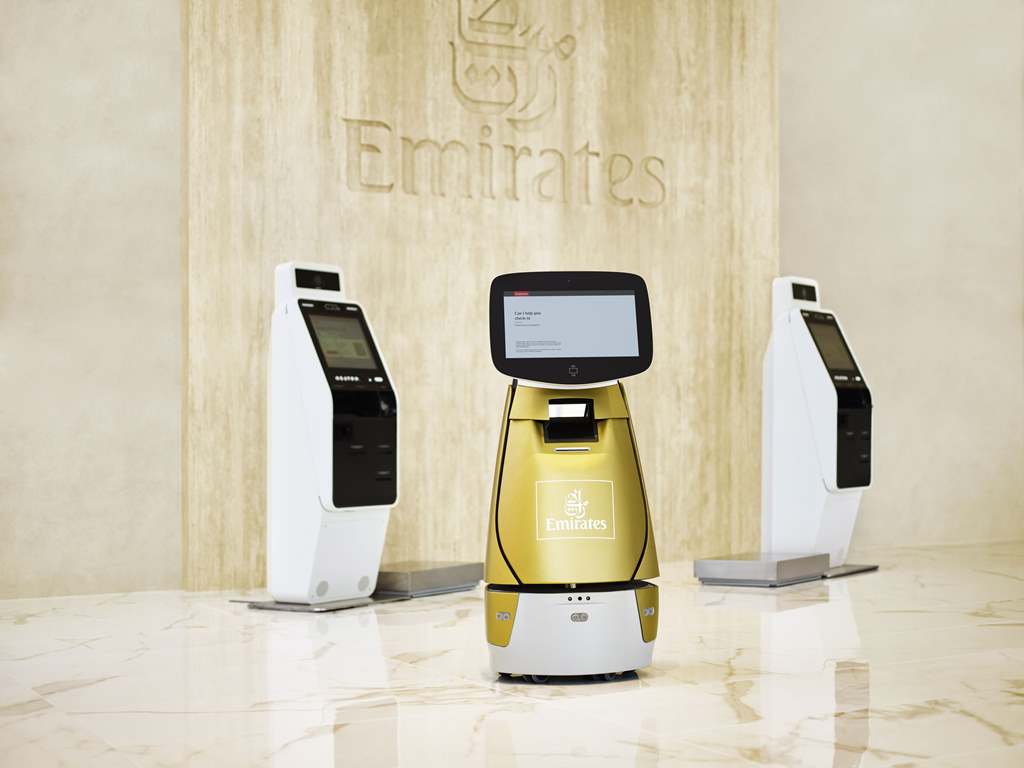
Air travel can be a stressful experience for travellers, particularly during the check-in procedure. Long lines, perplexing processes, and restricted space may all contribute to a stressful and time-consuming experience. To address these concerns, Emirates Airlines has introduced a new downtown Dubai check-in service that claims to revolutionize the way travellers check in for flights.
What is the Procedure
The downtown Dubai check-in service allows customers to check-in for flights at the mall rather than the airport. Passengers may check in and drop off their baggage at the special Emirates counter, which is located near the movie entrance. After checking in, travellers may go to the airport, where they can go immediately through security and then to their boarding gate.
What Are the Advantages of Checking in Downtown Dubai
The downtown Dubai check-in service has various advantages, including:
Convenience: For travellers who live or work in the city centre, the downtown Dubai check-in service is incredibly handy. Instead of going to the airport to check in, travellers may go to the Dubai Mall and finish the transaction there.
Time-saving: The downtown Dubai check-in service might help customers save time, especially during peak travel days. Passengers may avoid long lines and delays at the airport by completing the check-in process inside the mall.
Passenger Experience Enhancement: The downtown Dubai check-in service is intended to improve the entire passenger experience. Emirates Airlines improves its customers' travel experiences by providing a more convenient and faster check-in procedure.
Current Situation
Travellers who need to catch a flight but do not want to arrive at the airport too early may take advantage of Emirates' new check-in experience. The airline has announced the launch of its downtown Dubai check-in, which will feature bag drop. From 08:00 to 22:00, the Emirates City Check-in and Travel Store is open daily. Bags can be dropped off up to 24 hours and up to 4 hours before flights. The centre, which is located in ICD Brookfield Place in Dubai International Financial Centre (DIFC), will open on April 27, 2023. The city check-in centre allows Emirates clients to plan travel, check-in for flights, drop bags, shop for travel supplies, and save time at Dubai International Airport (DXB) for optimal convenience. It should be ideal for travellers who have flights later in the day but still want to explore Dubai without carrying their luggage. Customers of the airline are then free to arrive at the airport closer to the time of their flight departure with their luggage checked and the check-in process done. Passengers can take a cab, use Emirates chauffeur service, or take a short 10-minute walk to Financial Centre Metro Station, which connects to Airport Terminal 3 Metro Station, immediately from the city check-in centre.
Emirates is also introducing 'Sara,' a portable robot that replaces an airline check-in agent. According to Emirates, 'Sara' can match passengers' faces to scanned passports, check them in, and direct them to the luggage drop area. Self-service kiosks and human airline personnel will still be available for more sophisticated check-in procedures. "Emirates City Check-In is our most recent addition to the Emirates travel experience, demonstrating our commitment to offering customers a variety of check-in options." Our new site is the first ultra-convenient check-in and baggage-drop station in the DIFC area. People will be able to avoid crowded periods at the airport and reduce queues," said Adel al Redha, Emirates' chief operations officer, in a statement. "We are thrilled to welcome Emirates City Check-In and Travel Store to ICD Brookfield Place, further enhancing our ecosystem as an attractive destination for workers, visitors, and residents," said Rob Devereux, CEO of ICD Brookfield. This exciting new addition will bring city check-in convenience to the core business district, giving Emirates passengers more time to go about their daily routines, work productively, and enjoy the fantastic lifestyle Dubai has to offer."
The Check-in Assistant Robot
Emirates Airlines has unveiled a new robot check-in assistant as part of its downtown Dubai check-in service. Sara, the robot at the Dubai Mall check-in desk, is meant to assist travellers with the check-in procedure.
What is the Procedure
The robot check-in assistant interacts with passengers and guides them through the check-in process by utilising powerful artificial intelligence (AI) and natural language processing (NLP). Passengers may ask the robot questions and get real-time replies, which can eliminate confusion and improve the entire experience.
The Advantages of the 'Sara'
Sara has several benefits, including:
Increased Efficiency: The robot can assist in speeding up the check-in process, lowering passenger wait times.
Personalized Assistance: The robot may give personalized assistance to passengers, thereby improving the entire customer service experience.
New Technology: The robot is an example of how Emirates Airlines is using new technology to improve its services and passengers' travel experiences.
ICD Brookfield Place Information
The distinctive, prismatic design of ICD Brookfield Place, centrally located on Al Mustaqbal Street, is instantly recognizable as a vibrant hub of business and leisure, where Emirates customers can access everything from fine dining restaurants to fitness centres, art galleries, beauty, and hair salons, or simply relax in the five-story Summer Garden filled with abundant natural light and year-round climate control. ICD Brookfield, built by world-renowned architects Foster + Partners and named 'World's Best Architecture' at the International Property Awards, has 990,000 square feet of office and retail space spread across 53 stories. ICD Brookfield Place is also known as one of the most sustainable buildings in Dubai, having received LEED Platinum certification and committing to achieving Net Zero Carbon status by 2030.
Concerning the Dubai International Financial Centre (DIFC)
Dubai International Financial Centre (DIFC) is the Middle East, Africa, and South Asia (MEASA) region's major global financial and innovation hub, playing a crucial role in leading and influencing the future of finance via innovation, sustainability, and inclusion. Gate Avenue, located near the Emirates City Check-in and Travel Store, is an innovative retail and fashion experience that stretches from The Gate Building to Central Park Towers, offering a seamless walkway that connects the Centre's community year-round, including an outdoor promenade and over 370 retail options, including dining, fashion, global brands, regional designers, and lifestyle concepts.
How to Use the Check-In Service in Downtown Dubai
Passengers who want to use the downtown Dubai check-in service need to take the following easy steps:
- Book your Emirates flight as normal, and when offered, pick the downtown Dubai check-in option.
- Visit the Emirates check-in counter at the Dubai Mall on the day of your flight. The desk is near the cinema's entrance.
- Check in at the counter, drop off your luggage, and collect your boarding pass.
- Proceed to the airport and proceed to security before proceeding to your boarding gate.
It is vital to remember that the downtown Dubai check-in service is only offered to Emirates customers flying out of Dubai International Airport.
Emirates Home Check-In
Emirates also provides a home check-in service in Dubai and Sharjah, which is provided by DUBZ. DUBZ agents perform the check-in procedure at the client's home, hotel, or workplace and transport the luggage to the aircraft while the consumer is free to browse the airport afterwards. Book and pay for the service at least 24 hours before the trip, and travellers can check in at the airport up to six hours before departure. For First-Class travelers, the Home Check-In service is free.
Conclusion
The downtown Dubai check-in service and the robot check-in assistant, Sara, are two intriguing inventions that are destined to revolutionize flight travel. Passengers may expect smoother and more comfortable travel thanks to the service's convenience and time-saving benefits, as well as the unique technology of the robot helper. Emirates Airlines' dedication to improving the customer experience is admirable, and we hope to see more inventive solutions in the future.
With Inputs from Emirates
Read next
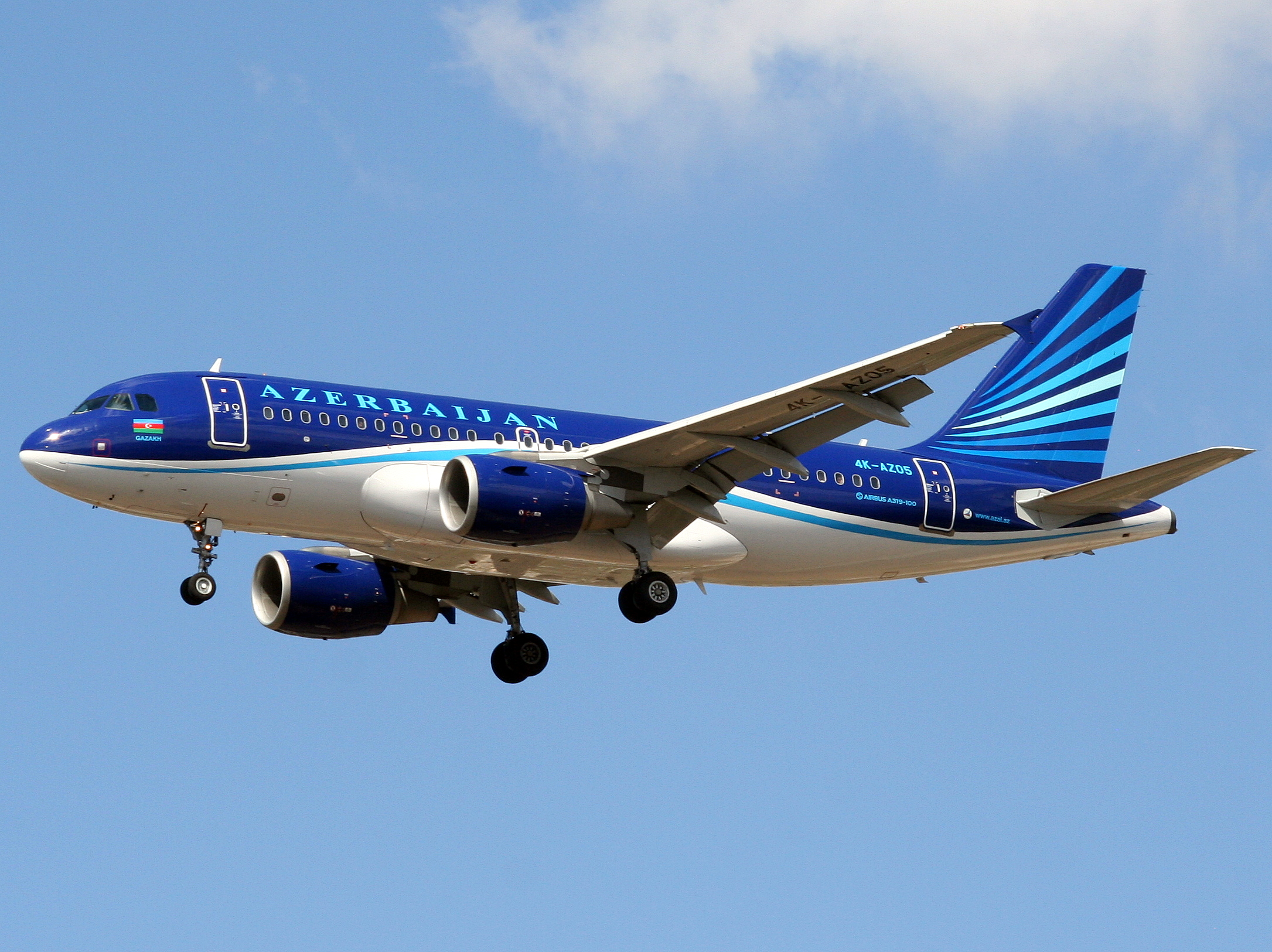
Azerbaijan Airlines, the country's flag carrier, has increased its order for Boeing 787 Dreamliner aircraft from four to eight. The airline's decision to expand its order demonstrates its trust in the aircraft's performance as well as its dedication to offering the greatest degree of comfort and service to its customers.
Azerbaijan Airlines' History
Azerbaijan Airlines was established in 1992, shortly after the country won independence from the Soviet Union. The airline has a fleet of just over 20 aircraft and serves over 40 locations across the world. In recent years, the airline has made significant investments in modernizing its aircraft and enhancing service quality.
Present Scenario
Azerbaijan Airlines announced that it has placed an order for eight Boeing 787-8 Dreamliners. This follows Azerbaijan's flag carrier is first pledge to acquire four 787s last summer. Azerbaijan Airlines presently has a fleet of just over 20 planes, split across seven distinct categories of aircraft. A319s, A320s, A340s, 757s, 767s, and 787s are included.
"The 787 has helped position Azerbaijan Airlines as the leading carrier across Central Asia, with the airplane's flexibility and capability opening Azerbaijan up to increased tourism and economic growth," Stan Deal, president, and CEO of Boeing Commercial Aeroplanes, noted. We have had a fantastic connection with Azerbaijan Airlines for over 20 years, and this order for Dreamliners demonstrates the strength of our product family and the relationship between our companies."
Expanding the Fleet
The Grand Prix is not the only thing making headlines in Baku this weekend. While the Formula One world prepares for an exciting race this Sunday, Azerbaijan Airlines and Boeing announced a partnership just before the checkered flag.
Advantages of the Boeing 787 Dreamliner
The Boeing 787 Dreamliner is a cutting-edge aircraft that provides several advantages to both carriers and passengers. The sophisticated design and materials of the aeroplane result in increased fuel economy, cheaper operating costs, and a lesser environmental impact. Furthermore, the aircraft's spacious interior and advanced features, such as larger windows and improved cabin pressurization, make the flight more comfortable and enjoyable for passengers.
The Commitment of Azerbaijan Airlines to Passenger Comfort
Azerbaijan Airlines' decision to expand its order for Boeing 787 Dreamliner aircraft demonstrates the airline's commitment to provide the highest level of comfort and service to its customers. The airline recognizes that passenger comfort is an important aspect of customer happiness and loyalty, and it is investing in cutting-edge technology and equipment to provide the greatest possible experience for its customers.
Conclusion
The decision by Azerbaijan Airlines to expand its order for Boeing 787 Dreamliner aircraft is beneficial for both the company and its passengers. The innovative design and characteristics of the aircraft make it a good alternative for airlines aiming to enhance efficiency, minimize environmental impact, and give a superior travel experience to their customers. As Azerbaijan Airlines continues to modernise its aircraft and improve its service, it will undoubtedly remain a top choice for international travellers.
With Inputs from Onemileatatime
Read next
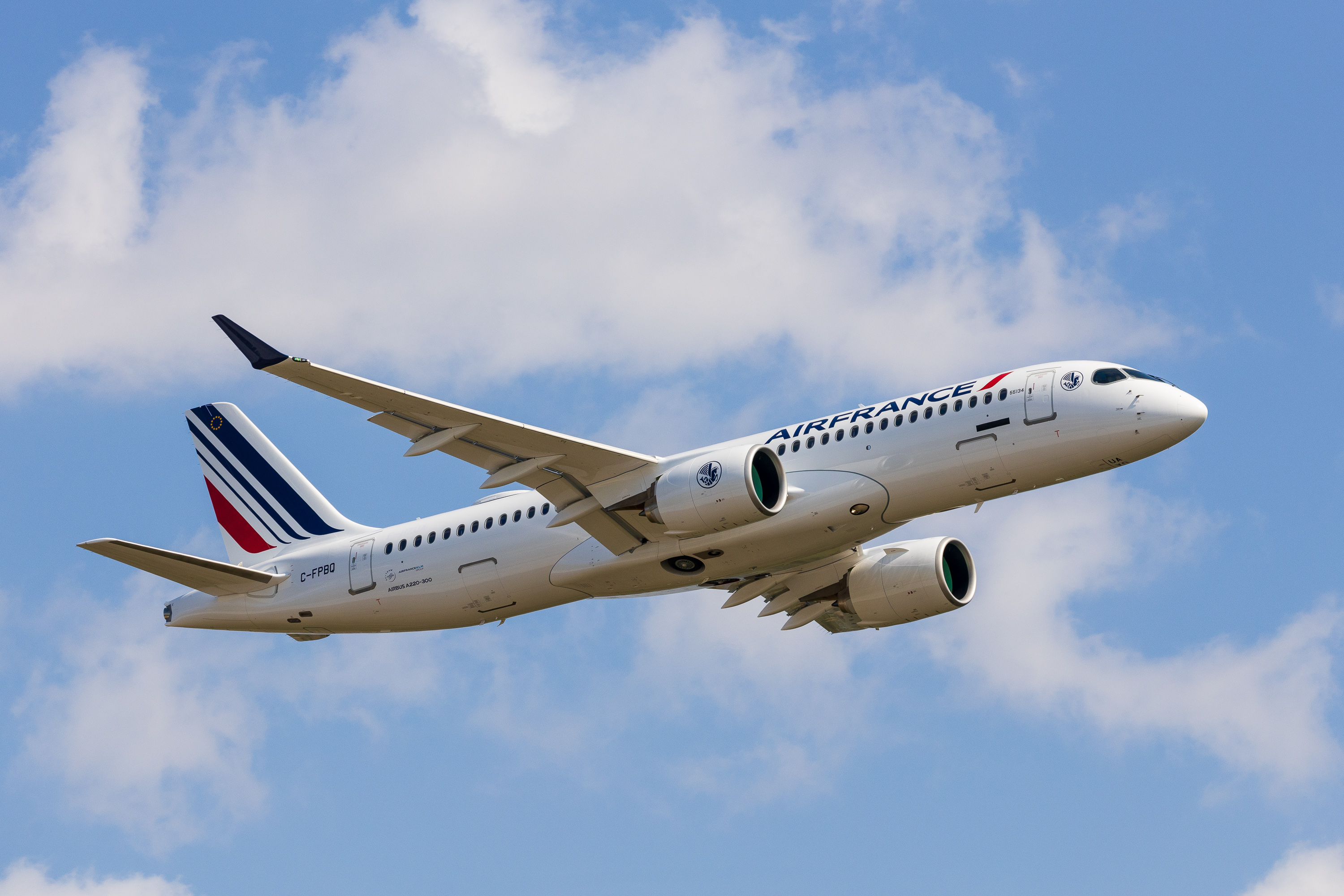
After two successful test flights, Air France, France's flag carrier airline, has just added its 22nd Airbus A220 aircraft to its roster. The airline bought 60 Airbus A220s in 2019 to replace its ageing fleet of A318s and A319s, and the latest delivery represents a key milestone in the carrier's modernization efforts.
An Overview of the Airbus A220
The Airbus A220, formerly the Bombardier CSeries, is a series of narrow-body, twin-engine medium-range jet airliners. It was designed and manufactured by Bombardier Aerospace, a Canadian company, until it was purchased by Airbus in 2018. The aircraft is available in two types, the A220-100, and the A220-300, with seating for 100 to 150 people. It has various sophisticated characteristics, including a fuel-efficient engine, a large cabin, and cutting-edge avionics, which make it one of the most popular aircraft among airlines across the world.
The Airbus A220 Specifications
The Airbus A220-100 measures 35.1 metres in length, 35.0 metres in wingspan, and 11.5 metres in height. It has a maximum range of 3,450 nautical miles (6,400 km) and a top speed of Mach 0.82. Two Pratt & Whitney PW1500G geared turbofan engines, recognized for their fuel economy and low noise levels, power the aircraft. In a standard two-class configuration, the A220-100 has a maximum seating capacity of 135 people.
Air France's Acquisition of an Airbus A220
Air France confirmed a 2019 purchase of 60 Airbus A220s as part of its fleet modernization strategy. The plan was for the airline to replace its ageing Airbus A318s and A319s with the more fuel-efficient and modern A220s. Air France received the first A220 aircraft in September 2021, and the latest delivery of the 22nd aircraft demonstrates the airline's dedication to modernization initiatives.
Present Situation
Air France's latest Airbus A220 delivery is a delightful case for number-lovers, resembling Lufthansa's LH2222 flight from Munich to Toulouse. On April 26th, the French flag airline received its 22nd Airbus A220. The 148-seater plane went into service the next day, with a flight to Madrid.
On April 7th, the A220 with MSN 55218 was sighted doing a taxi check and a rejected take-off. The aircraft conducted its maiden test flight on April 12th, after many further ground tests. Its second and final test flight is scheduled for April 17th. The two test flights lasted a total of six hours and 21 minutes.
The Airbus A220's Importance for Air France
The procurement of the Airbus A220 by Air France is noteworthy for various reasons. For starters, the aircraft's fuel-efficient engine and modern avionics will allow Air France to save on operational expenses and lower its carbon footprint. The airline has established a goal of reducing CO2 emissions by 50% per passenger-kilometer by 2030, and the advanced features of the A220 will help it meet that objective.
Finally, the versatility and range of the Airbus A220 make it suitable for both short- and medium-haul flights. The aircraft's low noise levels and fuel-efficient engines make it ideal for use at busy airports and noise-sensitive areas. Because of its capacity to fly vast distances, it is also suited for linking minor cities to big hubs, allowing airlines to extend their route networks and generate income.
The Implications of Air France's Acquisition for the Aviation Industry
The procurement of the Airbus A220 by Air France is a significant step in the aviation sector. It demonstrates the rising tendency among airlines to replace ageing fleets with more fuel-efficient and modern aircraft. The sophisticated characteristics of the A220, including its fuel-efficient engines and low noise levels, make it a popular choice for airlines aiming to save operating costs and minimize their carbon imprint.
Conclusion
Finally, Air France's purchase of the 22nd Airbus A220 aircraft represents a significant milestone in the airline's fleet modernization strategy. The sophisticated characteristics of the A220, like its fuel-efficient engines and low noise levels, will allow Air France to lower its operating expenses and carbon footprint, while the roomy interior and comfortable seats will improve the passenger experience.
Read next

SAS, the Scandinavian airline, has announced the introduction of additional Airbus A321LR flights to Newark Airport from Aalborg and Gothenburg. The airline has added the new plane to its fleet in order to increase its services in the United States, notably to Newark Airport, which is one of the busiest in the world. This extension is part of the airline's continued ambition to improve connectivity between Scandinavia and North America.
The Airbus A321LR
The Airbus A321LR is a long-range variant of the popular A321neo. Its range of up to 7,400 km makes it excellent for transatlantic journeys. The aircraft is divided into two classes: 22 business class seats and 154 economy class seats. It has more overhead storage, wider windows, and a quieter cabin.
Features
- Range of up to 7,400 kilometres
- Two-class configuration
- 22 business class seats and 154 economy class seats
- Larger overhead bins
- Larger windows
- Quieter cabin
Advantages of A321LR Flights
SAS's new Airbus A321LR flights provide passengers with various advantages, including:
- Greater interconnection between Scandinavia and North America
- Wider overhead bins, wider windows, and a quieter interior provide a better passenger experience.
- Travel that is more environmentally friendly, with lower fuel usage and emissions
- Passengers now have more options, with the option of selecting between two levels of service.
Present Scenario
SAS has begun a very unique long-haul service from Aalborg, Denmark, to Newark. The 3,729-mile (6,001-kilometer) airport pair has obviously never experienced nonstop flights. SAS' low-density, 157-seat A321LRs allowed for such unconventional thinking, as well as the inclusion of a second new route: Gothenburg to Newark. This follows SAS's recent relaunch to JFK after more than 30 years.
- Aalborg-Newark: SK921, 18:35-21:05, Mondays, Thursdays, and Saturdays.
- Newark-Aalborg: SK922, 23:30-13:05+1, Wednesdays, Fridays, and Sundays.
The first Newark-Gothenburg service began on April 27th, followed by the reverse on April 28th.
- Gothenburg-Newark: SK917, 18:30-21:05, Wednesdays, Fridays, and Sundays.
- Newark-Gothenburg: SK918, 23:30-13:15+1, Tuesdays, Thursdays, and Saturdays.
In mid-July, Aalborg has the same number of flights to Newark ( three weekly ) as it has to London. Ryanair is taking them to Stansted. This is, of course, deceptive. When Billund is included, Ryanair offers 29 weekly flights. There are 33 Ryanair flights when Aarhus is included.
Why Aalborg and Gothenburg
Aalborg is Denmark's third-largest municipality, despite having a population of less than a quarter of a million people. The new route serves the entire state of Jutland, which has a population of over two million people. Billund, Denmark's second-busiest airport, was beaten out by Aalborg for Newark flights.
The Effect on the Airline Industry
The introduction of SAS's new Airbus A321LR flights represents a significant advancement in the airline sector. It reflects the increased desire for environmentally friendly and flexible air travel, particularly on transatlantic trips. The greater fuel economy and lower emissions of the aircraft make it an appealing alternative for airlines aiming to lessen their environmental imprint. Furthermore, the aircraft's larger windows and quieter cabin provide a better passenger experience, which is critical for airlines looking to attract more customers.
Conclusion
SAS's new Airbus A321LR flights from Aalborg and Gothenburg to Newark Airport represent an important step forward in improving connectivity between Scandinavia and North America. The aircraft's characteristics and benefits, such as higher fuel efficiency, lower emissions, and a better passenger experience, make it an appealing alternative for airlines wishing to extend their transatlantic flights. This action also demonstrates the rising desire for environmentally friendly and flexible air travel.
Read next

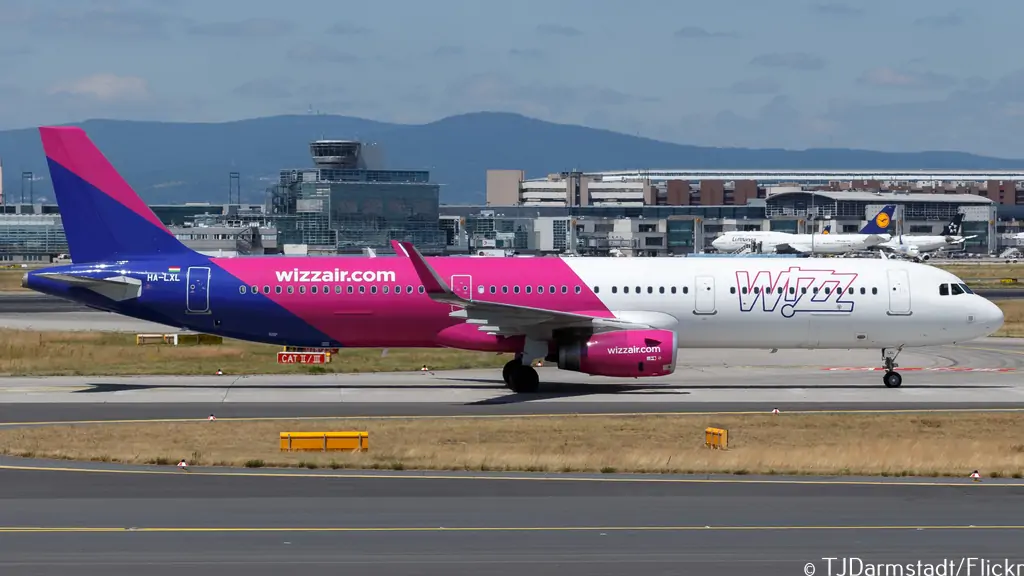
Wizz Air Holdings Plc said the expansion into India will become possible with its new long-range Airbus SE A321 models, potentially opening up a lucrative vein of future growth as demand for air travel surges in the world’s most populous nation. “There’s great potential in India, as the country has seen an immense development,” Wizz Chief Executive Officer Jozsef Varadi said in an interview in Budapest. “I think it may help Europe tackle its employment issues, while its emerging middle class will boost tourism. We’re looking into opportunities there, but this is more a medium-term issue.”
Wizz Air, a 20-year-old budget carrier from Hungary, may not have neem heard of in India but the airline plies a fleet of 121 Airbus aircraft to 155 cities in 45 countries primarily in Europe, the Middle East and Central Asia. Wizz Air has 47 of the long-range Airbus A321 XLR on order, with deliveries set to start sometime in 2024. The aircraft will allow the budget carrier to expand its operating parameter further east to markets including the Middle East, where Varadi said there’s also greater demand.
Varadi said the low-cost airline has seen growth in all its key markets, including Western Europe as well as the eastern part of the European Union and the Middle East. Predicting a busy summer and a return to higher capacity, the CEO said he doesn’t expect a slump into the latter part of the year during the seasonal downturn. Business travel is also rebounding as conferences pick up again and people resume face-to-face meetings after the pandemic.
One of the factors holding back Wizz is a “slight lag” in Airbus deliveries, Varadi said. The European planemaker has struggled with output, a combination of parts shortages and a lack of skilled workers. Airbus CEO Guillaume Faury said this week that supply-chain snags may extend into next year, while he’s confident he can maintain the company’s annual delivery goal of 720 jets.
By region, Varadi expects to see growth in the Middle East, particularly in the United Arab Emirates and Saudi Arabia. Wizz, which traditionally connected destinations in Eastern Europe, has expanded to the Middle East with a local unit in Abu Dhabi and is exploring options for a venture in Saudi Arabia. “There is a much bigger demand than what we can fulfil, but we need airplanes and staff for that, these are more of the restricting factors,” Varadi said.
Learning from a difficult last year, the company is now hedging its fuel costs, while the environmentally friendlier alternative, dubbed sustainable aviation fuel, is poised to burden the industry in coming years, the CEO predicted. “There are two issues: it’s expensive and unavailable,” Varadi said of SAF fuel, adding it’s unclear which entity would pay for the higher cost of the green option.
About Wizz Air
Wizz Air was legally incorporated in Hungary as Wizz Air Hungary, its headquarters is in Budapest, while parent company Wizz Air Holdings is in Jersey and listed on the LSE FTSE 250 Index. It has the largest fleet for any Hungarian airline but is not the national carrier and serves 44 countries.
Established in September 2003, it began operations in May 2004. It began trading on the LSE in February 2015. It employs around 5,500 people and is among the leading low-cost airlines in Europe, and the largest in Central and Eastern Europe, as per the company’s LinkedIn page. In 2016, it carried a milestone of 34 million passengers and followed it up with a new milestone of 200 million passengers in 2019, on its 15th birthday, the company website states.
It has a fleet of 153 Airbus A320 aircraft with an average age of 5.2 years, the company website says. These include 59 A320-200s, 41 A321ceos and 47 A321neos. It functions at more than 190 airports across 51 countries through over 1,100 routes, the website added.
In 2017, the airline launched Wizz UK and opened its London offices. In May 2019, the airline claims to have recorded the smallest environmental footprint per passenger in Europe at 56.5g CO2 per passenger/km. It expects to further cut emissions by CO2 emissions per passenger by a third by 2030. In 2020, Wizz was named the "Best Low-Cost Airline in Europe" by Airlineratings, an airline safety and product rating review website.
(With Inputs from Bloomberg)
Read next
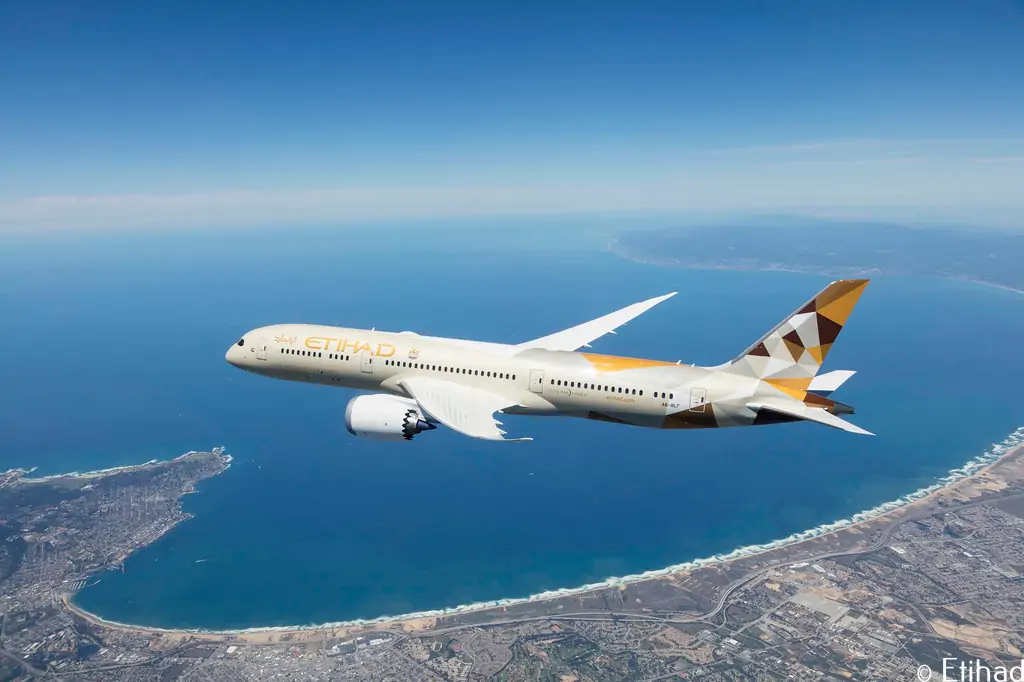
India is set to become the third-largest aviation market in the world in a period of the next four years, according to Etihad Airways Chief Executive Officer Antonoaldo Neves. Etihad has been operating in India for the last 19 years, and the country remains "one of the most important markets for us", Neves said. The airline wants to be "part of the India story", the Etihad CEO said, adding that its commitment to the Indian market is "solid".
Etihad is looking at expanding its capacity in India by increasing the frequencies and destinations. Further, it expects 20% growth from India in the next year. Although, it is not looking at any inorganic growth opportunities via the merger and acquisition route at this juncture. About 10 million passengers have travelled via Etihad in 2022 and it expects to clock 30% growth in 2023 owing to growth in China, Europe, the US, South East Asia and India.
Earlier in March, Etihad said it plans to restart direct flights between Kolkata and Abu Dhabi from March 26th onwards. With the restart of these services to Kolkata, Etihad will now fly to 14 destinations across the region — India, Pakistan, Bangladesh, Sri Lanka, and Maldives, the airline said in a statement. Etihad connects 10 Indian cities and has 185 weekly flights to India while the airline now looks to tap into the economic and tourism potential of the India-UAE FTA. Further, it is looking at deploying the remaining 10,000 weekly seat capacity in the next one year.
The Etihad CEO's remarks come a couple of months after Prime Minister Narendra Modi said India would soon emerge among the top three international aviation markets. "Shortly, India would become the third biggest market in the world in the aviation sector," Modi had said on February 14, when Indian private carrier Air India announced the mega deal to acquire 250 aircraft from Airbus.
As per a recent report released by the Directorate General of Civil Aviation (DGCA), the cumulative market share of Indian airlines - in terms of passengers carried on international flights - stood at 43.5% in October-December 2022, which is significantly higher than 39.2% in the corresponding pre-Covid period of 2019. According to the report, the maximum number of passengers 32.4% are carried to and from the UAE. The second on the list is Singapore (7.9%), Thailand (7%), Saudi Arabia (6.7%) and Qatar (6.3%).
Etihad’s Strategy Shift
Etihad Airways aims to triple the number of passengers it carriers to 30 million and nearly double its fleet to 150 planes by the end of the decade, the airline's chief told Reuters in an interview in New Delhi on Thursday. Etihad's plans come amid a shift in its strategy to focus on medium to long-haul destinations, moving away from operating ultra-long-haul flights where competition is intense and profitability challenging, CEO Antonoaldo Neves said.
Neves said that the idea is to connect places like China, Southeast Asia, India and GCC (Gulf Cooperation Council) countries to Europe and the East Coast of the United States. Air travel in India is surging with domestic passenger numbers reaching pre-COVID levels and international traffic gathering pace as the country's economy grows. Etihad, which flies to places like Delhi and Mumbai, has identified six other Indian cities it does not serve but wants to launch flights to, he said.
Last October, Abu Dhabi's sovereign wealth fund ADQ took full control of the airline, appointing Neves who had previously led a turnaround at Portugal's TAP. "Our mandate is very clear. We don't fly to places where we don't make money," he said.
Air travel in India is surging with domestic passenger numbers reaching pre-Covid levels and international traffic gathering pace as the country's economy grows. The deeper push into India also comes as Tata Group-owned Air India is mapping out an aggressive expansion with non-stop flights to Europe and the U.S. Budget carrier IndiGo is growing its international network through its codeshare deal with Turkish Airlines. Neves said the competition did not worry him and there is space for everyone in the world's fastest-growing aviation market.
However, Etihad has about 10,000 seats a week of unutilised flying rights between India and Abu Dhabi, he said, which puts it in a better position compared with rivals that are clamouring for more access amid government pushback to open its skies further. Etihad's growth will also be organic, Neves said, and while it wants to do more codeshare and interline agreements, it will not look at mergers or equity partnerships.
The CEO plans to capitalise on the US pre-clearance facility in Abu Dhabi in a big way to attract Indian customers, among other things. “When you fly to the US with Etihad, your immigration and customs check happens in Abu Dhabi. You arrive in the US as a domestic traveller. This is a big plus.”
The group has worked out a three-pronged plan to revamp Etihad in the next seven years. These include improving the customer experience. “We are now offering free WhatsApp to guests on our aircraft that have onboard WiFi. Etihad is now offering one-price unlimited onboard WiFi for prices starting at USD 9. We are bringing back our Airbus A380 for a short period of 4-5 years in which we expect to get our new planes like Dreamliners and Airbus A350s with brand new interiors,” Neves said. The other two strategies are to improve efficiencies across the board and having the “best team in the region”.
Comment