
Emirates Group Launches Recruitment Drive to Fill More than 180 Different Roles

Abhishek Nayar
05 Jul 2023

The Emirates Group, recognized globally for its excellence in aviation and travel services, is embarking on a new phase of expansion. By capitalizing on emerging market opportunities, the Group aims to reinforce its position as a leader in the industry. To achieve this, the Emirates Group is committed to securing the best talent worldwide and leveraging their expertise to propel the organization forward.
The Global Talent Acquisition Drive
Cabin Crew Recruitment
As the face of Emirates and dnata, cabin crew members play a pivotal role in delivering exceptional customer experiences. The Emirates Group is actively seeking individuals who epitomize hospitality, possess strong interpersonal skills, and have a genuine passion for customer service. By joining the Emirates Group's cabin crew, professionals gain access to a dynamic and diverse work environment where they can contribute to creating memorable journeys for passengers.
Pilots: Nurturing Aviation Experts
Emirates and dnata place great emphasis on attracting and developing talented pilots. The Group seeks individuals who demonstrate exceptional flying skills, professionalism, and dedication. Through extensive training programs and mentorship opportunities, the Emirates Group nurtures and hones the skills of aspiring pilots, enabling them to excel in their careers and become industry leaders.
- A380 Direct Entry Captain: Designed for captains with recent command experience on Airbus fly-by-wire Wide Body aircraft such as the A330, A340, A350, and A380.
- Accelerated Command: For experienced Airbus Captains who currently operate narrow-body regional aircraft.
- First Officer: Designed for those who have multi-engine, multi-crew aircraft experience, and a valid Airline Transport Pilot License (ATPL).
Engineers: Innovators Driving Technological Advancements
To maintain its technological edge, the Emirates Group is actively recruiting skilled engineers who can drive innovation and implement cutting-edge solutions. These professionals contribute to the development and maintenance of state-of-the-art aircraft and ground support systems. The Emirates Group recognizes the importance of continuous learning and offers engineers opportunities to expand their knowledge and expertise through specialized training programs.
IT Professionals: Digitizing the Travel Experience
In an increasingly digital world, the Emirates Group acknowledges the significance of technology in enhancing the travel experience. As part of its talent acquisition drive, the Group is seeking IT professionals who can leverage their skills to create innovative solutions. These individuals will work on projects ranging from developing intuitive customer interfaces to implementing advanced analytics for operational efficiency.
The Group's IT team works on B2C, B2B, support services, and operations projects for over 40 brands and enterprises in Dubai and throughout the world. Cloud services, robotics, DevOps, biometrics, web and native mobile development, and modern programming languages are among the sophisticated tools, technologies, and patterns used by the team.
Customer Service Agents: Enhancing Passenger Satisfaction
Customer service forms the foundation of the Emirates Group's commitment to excellence. To further elevate passenger satisfaction, the Group is recruiting talented individuals with exceptional communication and problem-solving skills. These agents will engage with passengers, addressing their needs and ensuring a seamless travel experience from check-in to departure.
Overcoming Challenges in the Labor Market
Despite challenging labor market conditions worldwide, the Emirates Group remains undeterred in its pursuit of exceptional talent. Recognizing the importance of attracting the right individuals, the Group offers competitive compensation packages, comprehensive benefits, and a supportive work environment. By fostering a culture of inclusivity and recognizing the value of diversity, the Emirates Group welcomes applicants from all backgrounds and nationalities.
The Emirates Group's Impressive Employee Count
As of the financial year-end on March 31st, the Emirates Group boasted a staggering workforce of over 102,000 employees. This figure reflects the Group's continuous growth and commitment to attracting skilled professionals across various domains. Throughout the year, the Group successfully onboarded 17,160 individuals in diverse roles, contributing to its robust employee count.
Comments
"The Emirates Group has built an extraordinary reputation as an employer of choice and as a trailblazing force in aviation," said Oliver Grohmann, Senior Vice President Human Resources of the Emirates Group. People aspire to be a part of the Group's success story and to live and work in Dubai, one of the world's safest, most multicultural, and most vibrant cities. We received over 2.7 million applications for employment across the firm in the previous fiscal year. To shortlist, select, and respond to applicants in the most efficient and effective manner, we employ cutting-edge technology such as digital assessments, artificial intelligence, and other top-tier recruiting tools. Our priority is to hire the best talent, the brightest brains, and those who are most suited for numerous positions that will support and drive our future development and expansion."
Conclusion
The Emirates Group's ambitious talent acquisition strategy is the cornerstone of its vision for future growth. By actively seeking the best minds and talent worldwide, the Group ensures its ability to innovate, lead, and provide unparalleled services to its customers. Through strategic recruitment efforts, the Emirates Group aims to maintain its position as a global leader in aviation and travel.
With Inputs from The Emirates Group
Read next

Last week, Air India flight AI 112, from London to Delhi, made a precautionary diversion to Jaipur due to bad weather. The flight had received permission to resume its journey to Delhi after about two hours. Still, the pilots refused to continue the flight, upsetting 350 passengers who were left stranded till the airline arranged for alternatives. The airline said, "While the aircraft was waiting for Delhi weather to improve and take off, the cockpit crew came under Flight Duty Time Limitations (FDTL). Pilots cannot operate a flight once they come under the FDTL.”
What is FDTL?
Flight Duty Time Limitations (FDTL), are guidelines and restrictions imposed on pilots and cabin crew to ensure they are adequately rested and alert while performing their duties. It refers to the maximum amount of time that flight crew members, can remain on duty or operate an aircraft during a specific period. FDTL regulations are designed to mitigate the risks associated with fatigue-related impairments, such as decreased alertness and reduced cognitive abilities, which can compromise flight safety.
FDTL includes the following key elements:
• Flight Time Limitations
• Duty Time Limitations
• Rest Period Requirements
• Cumulative Limits
• Allowances in case of Unforeseen circumstances
Why FDTL?
Pilot fatigue has long been a source of concern in aviation. American International Airways Flight 808 crashed in 1993 as it approached Leeward Point Field in Guantánamo Bay, Cuba. Later examinations after the incident determined that extreme pilot fatigue hampered their correct judgment. This was the first occasion in aviation history where the primary cause of a crash was reported as "pilot fatigue." This forced the FAA to reexamine the regulations governing flight duty periods.
The FDP has changed since then, becoming more limited than it was in the 1990s. Modern FDP criteria are based on the most recent scientific research and are subject to change in response to new discoveries.
According to EASA Air Ops, part ORO.FTL.105:
Flight Duty Period (FDP) means a period that commences when a crew member is required to report for duty, which includes a sector or a series of sectors, and finishes when the aircraft finally comes to rest. The engines are shut down, at the end of the last sector on which the crew member acts as an operating crew member.
What are the Limits?
To maintain uniformity and safety across the aviation industry, regulatory bodies, such as the International Civil Aviation Organization (ICAO) and Directorate General of Civil Aviation (DGCA), have established guidelines and standards for FDTL. These regulatory bodies collaborate with airlines and industry experts to develop scientifically supported regulations that are regularly updated to reflect advancements in fatigue management research.
DGCA : Flight Time & Duty Period Limitations
| Consecutive Day Period (Days) | Maximum Flight Time (Hours) | Maximum Duty Time (Hours) |
| 7 | 35 | 60 |
| 14 | 65 | 100 |
| 28 | 100 | 190 |
| 90 | 300 | 600 |
| 365 | 1000 | 1800 |
DGCA: Minimum Rest Periods (Higher of)
| Rest Period | Time Zones Crossed |
| 12 Hours | Crossing <3 Time Zones |
| 18 Hours | Crossing 3 -7 Time Zones |
| 36 Hours | Crossing > 7 Time Zones |
OR
As long as the previous duty period |
Maximum Flight and flight duty period (24-hour period)
Single Pilot

Two Pilot Operation

Augmented Crew (Long Haul)

Factors Influencing FDTL
Circadian Rhythm and Time Zones
The human body follows a natural circadian rhythm, which regulates the sleep-wake cycle and affects physiological functions. Crossing multiple time zones can disrupt this rhythm, leading to jet lag and increased fatigue. FDTL regulations consider these factors to ensure crew members have adequate rest and adjustment time before operating flights.
Duration of Duty Periods
Flight duty periods encompass various activities such as pre-flight preparations, flight operations, and post-flight responsibilities. The duration of these duty periods is carefully regulated to prevent excessive fatigue buildup and ensure crew members have sufficient time for rest and recovery.
Rest Periods and Sleep Opportunities
FDTL regulations include mandatory rest periods and sleep opportunities to combat fatigue. The duration of these rest periods is determined by factors such as the length of the duty period, previous rest periods, and time zone transitions.
Type of Operation and Aircraft
Different types of operations and aircraft may entail varying levels of demand and fatigue-inducing factors. FDTL regulations consider the characteristics of the operation, such as long-haul flights or high-density schedules, and the aircraft's capabilities to establish appropriate limitations that promote safety.
FDTL Implementation in Practice
Pre-flight Planning
Before each flight, airlines engage in comprehensive pre-flight planning to allocate appropriate crew members and manage duty time effectively. This process involves assessing various factors, such as flight duration, time zones crossed, and available rest facilities, to develop duty rosters that comply with FDTL regulations.
Adhering to Limitations
Flight time refers to the actual time spent operating an aircraft, while duty time includes all activities related to flight operations. By adhering to these limits, airlines ensure that crew members are not excessively fatigued during their duties.
Mandatory Rest Periods
Mandatory rest periods provide crew members with dedicated time for sleep and relaxation, enabling them to recover from fatigue and maintain high levels of alertness. Airlines carefully schedule these rest periods to align with duty periods and flight schedules.
Adaptation to Schedule Changes
Flight schedules are subject to changes due to various factors, including weather conditions, air traffic, and passenger demands. Airlines have robust mechanisms in place to manage schedule changes while ensuring FDTL compliance. These mechanisms involve crew rescheduling, additional rest periods, or alternative assignments to mitigate the impact of schedule disruptions.
Managing Fatigue for Enhanced Safety
Fatigue Risk Management Systems (FRMS)
Fatigue Risk Management Systems (FRMS) are proactive approaches that airlines utilize to identify, assess, and mitigate fatigue-related risks. FRMS integrates various strategies, such as fatigue training, data analysis, and crew feedback, to continuously monitor and manage crew fatigue levels. By adopting FRMS, airlines can take a proactive stance in combating fatigue-related issues.
Crew Resource Management (CRM)
Crew Resource Management (CRM) is a training program that emphasizes effective communication, teamwork, and decision-making skills among flight crews. CRM training equips crew members with the necessary tools to recognize and manage fatigue-related challenges during flight operations. CRM fosters a culture of open communication and collaboration and contributes to a safer and more efficient aviation environment.
Benefits of FDTL Compliance
Compliance with FDTL regulations benefits airlines, flight crew members, and passengers. Some key advantages include:
• Enhanced flight safety through reduced fatigue-related risks.
• Improved crew performance and decision-making capabilities.
• Minimized chances of human errors during critical flight phases.
• Increased passenger confidence in airline operations.
• Better overall operational efficiency and resource management.
Balancing Safety and Operational Efficiency
Achieving a balance between safety and operational efficiency is paramount in the future of FDTL regulations. While mitigating the risks associated with pilot fatigue is crucial, overly restrictive regulations can lead to increased costs, operational disruptions, and limited flexibility. Collaborative efforts between regulators, airlines, and pilot associations are necessary to strike the right balance and ensure that safety remains the top priority without compromising the industry's viability.
Current Challenges
While current FDTL regulations have contributed significantly to aviation safety, several challenges must be addressed. One key issue is the varying regulatory frameworks across different countries and regions, leading to inconsistencies and potential gaps in safety measures. Harmonization efforts are necessary to ensure a standardized approach that prioritizes safety while accommodating the unique needs of different operations.
Another challenge is the increasing demand for air travel, which pressures pilots to operate more flights within limited timeframes. This can lead to fatigue accumulation and compromise safety. Striking the right balance between operational efficiency and safety is crucial to address this challenge effectively.
The Future
Fatigue Monitoring Systems
Emerging technologies, such as wearable devices and biofeedback systems, enable real-time monitoring of crew fatigue levels. These systems provide valuable data for assessing fatigue risks and making informed decisions regarding duty assignments.
Artificial Intelligence and Predictive Analytics
Artificial intelligence and predictive analytics hold immense potential for optimizing crew scheduling and predicting fatigue-related risks. By analyzing historical data, crew performance metrics, and external factors, AI-powered systems can help prevent fatigue-related incidents.
Conclusion
Flight Duty Time Limitation (FDTL) regulations are vital safeguards that promote safety and mitigate the risks associated with crew fatigue in aviation operations. By establishing maximum duty and flight time limits, providing mandatory rest periods, and incorporating fatigue risk management practices, airlines prioritize the well-being of their crew members and enhance overall flight safety. Adhering to FDTL regulations ensures that flight operations are conducted with optimal levels of alertness, attentiveness, and decision-making capabilities.
With Inputs from
FDTL, FAA, ICAO, DGCA, Aviation News
Read next

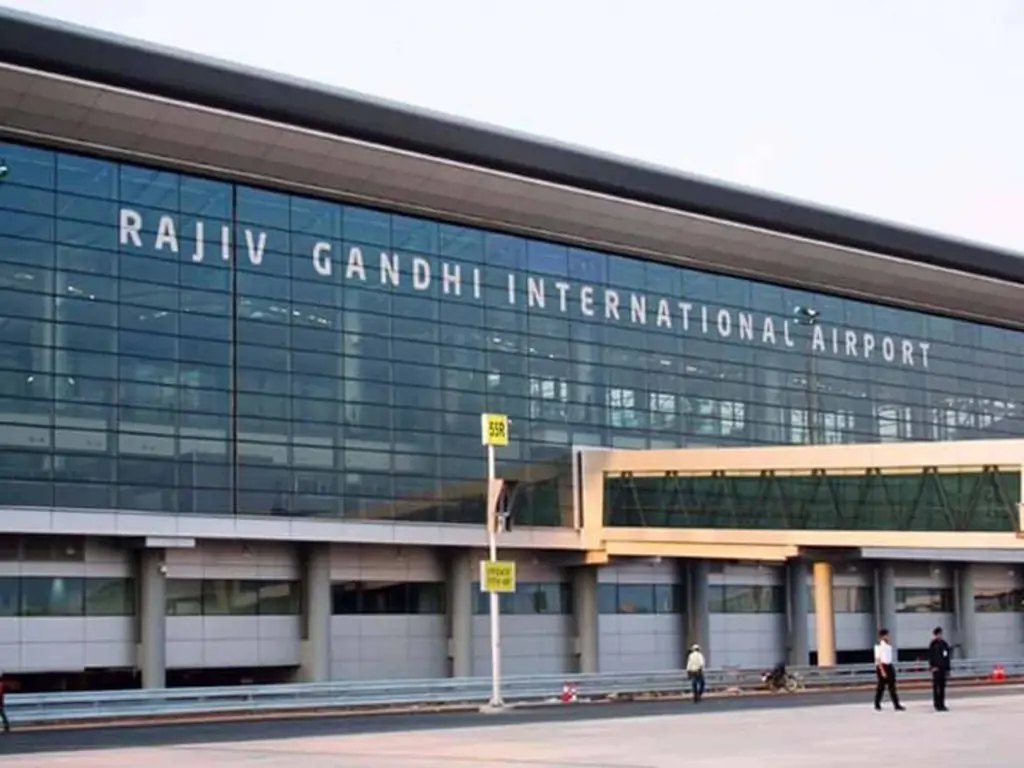
Taking a big step towards sustainability, the GMR Hyderabad International Airport Limited (GHIAL) announced that the energy consumption at the airport and across its ecosystem is now fully powered by green energy. Inaugurated in 2008, Hyderabad’s Rajiv Gandhi International Airport will be able to reduce its carbon footprint by approximately 9,300 tons of carbon dioxide annually, GHIAL said.
The airport is spread across 675 acres of land and serves as a natural carbon emissions sink, absorbing 240 tons of carbon dioxide from the environment annually. This has been done in partnership with Telangana State Southern Power Distribution Company Limited (TSSPDCL).
According to GHIAL, the move will revolutionise the airport’s operation by harnessing the power of green energy through a combination of its own 10 MWp (megawatt peak) solar power plant and green energy supplied by TSSPDCL. Hyderabad Airport’s environmental and sustainability policy aligns with the commitments outlined by the International Civil Aviation Organization (ICAO) to limit or reduce greenhouse gas emissions (GHG) from aviation, thus contributing to global climate efforts.
According to Pradeep Panicker, CEO of GHIAL, the achievement was a significant step towards their commitment to adopt environmentally friendly practices across the airport ecosystem. “Hyderabad Airport is now powered by 100% renewable energy. We have systematically worked on reducing our carbon footprint through the years by implementing various measures and will continue to do so,” he said.

A statement released by the GHIAL said that it is a proud Carbon Neutral Airport, having received Level 3+ “Neutrality” Accreditation from the Airports Council International as part of its Airport Carbon Accreditation programme. It added that the company’s operations have also resulted in significant energy savings of around 15.5 million units (MU).
The Hyderabad Airport also has implemented a comprehensive set of commitments in line with its Environmental and Sustainability Policy. These measures have been carefully designed to contribute to the International Civil Aviation Organization’s (ICAO) environmental goal of limiting or reducing the impact of greenhouse gas emissions (GHG) from aviation on the global climate.
Some of these commitments include:
- Incorporating green building designs
- Adopting eco-friendly refrigerants with the latest technological advancements
- Implementing progressive generation and utilization of renewable energy sources to power airport operations
- Practising energy management techniques to optimize energy usage and promote conservation
- Encouraging behavioural changes to foster energy-saving habits.
- Procuring energy-efficient equipment.
The CII honoured GHIAL with the “National Energy Leader Award” in 2019, 2020, and 2021. It has also clinched the ‘Excellency-Gold Award’ in Telangana State Energy Conservation Awards in 2020 and 2021. Furthermore, in 2021, GHIAL got the BEE’s Certificate of Merit for attaining the highest NECA score of 89.26%.
Hyderabad Airport
Rajiv Gandhi International Airport is an international airport that serves Hyderabad, the capital of the Indian state of Telangana. It was opened on 23 March 2008 to replace Begumpet Airport, which was the sole civilian airport serving Hyderabad. It is named after Rajiv Gandhi, former Prime Minister of India. Built over an area of 5,500 acres (2,200 ha), it is the largest airport in India by area. It is owned and operated by GMR Hyderabad International Airport Limited (GHIAL), a public–private consortium, owns and operates it. Rajiv Gandhi International Airport, Hyderabad was the first airport in India to launch a domestic e-boarding facility in December 2015 and an international e-boarding facility in October 2020. It has also ranked in AirHelp's list of top 10 airports in the world. The fourth busiest airport in India by passenger traffic, it handled almost 21 million passengers and over 140,000 tonnes (150,000 short tons) of cargo between April 2022 and March 2023.
Rajiv Gandhi International Airport is India's first greenfield airport built under a public-private partnership model. The airport has an integrated passenger terminal, a cargo terminal and two runways. There are also aviation training facilities, a fuel farm, a solar power plant and two maintenance, repair, and operations (MRO) facilities. The airport is a hub for Alliance Air (India), Blue Dart Aviation, SpiceJet and IndiGo. It is a focus city for Air India.
Read next
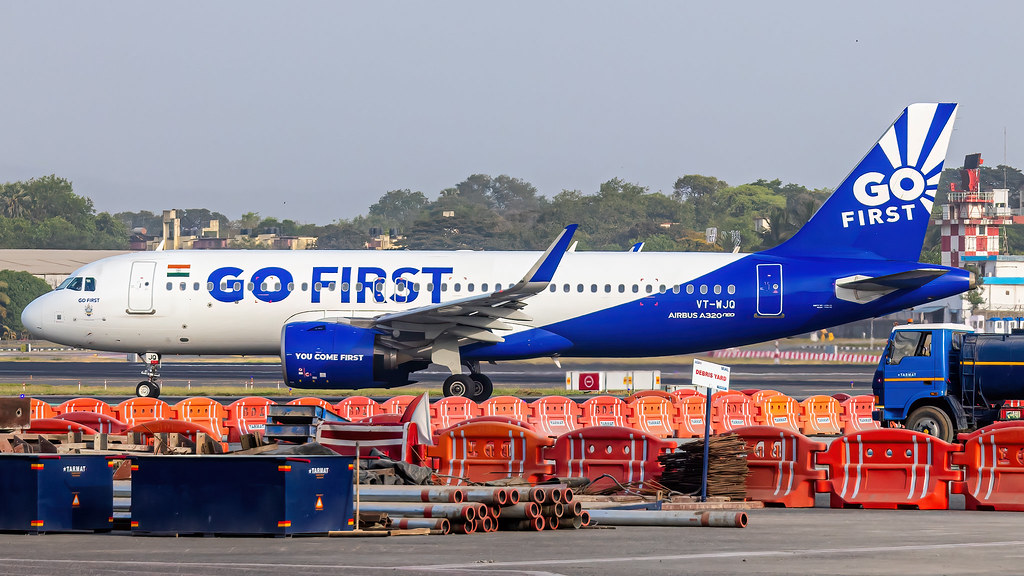
Crisis-hit Go First will likely induct CFM engine-fitted Airbus A320 family aircraft when the bankrupt airline resumes flight operations, said a media report by Mint. This is because these have proven to be more reliable for the airline in the past, Mint reported citing two people aware of the development.
Cash-strapped Go First stopped flying on May 3 and is undergoing a voluntary insolvency resolution process. The airline is open to evaluating the CFM option, and preliminary discussions have taken place on the matter given the current scenario, one of the officials cited above said.
When Go First suspended its operations in May, it blamed the US engine maker Pratt & Whitney for its situation leading to bankruptcy. The Wadia Group-owned carrier had said that the non-supply of engines forced the airline to ground around half of its airplanes, leading to a cash crunch and revenue losses.
“The airline has experienced a reliable phase of flight operations with CFM-powered aircraft in the past. They have been rugged and solid as compared to Pratt & Whitney engines for Go First. Hence, CFM engines are being considered,” a second person aware of the development told the publication. CFM engines are produced by CFM International, an equal joint venture between France’s Safran Group and General Electric Co. of the US.
Lawsuit Against Pratt & Whitney
Go First has also filed a lawsuit against P&W in a Delaware federal court, seeking enforcement of an arbitration award that requires the engine manufacturer to supply engines to the airline. Failure to comply with this order poses a risk of the carrier shutting down. P&W has challenged this order in the Singapore-based tribunal, which is currently awaiting a decision. Once the tribunal issues its ruling, Go First will need to approach the Delaware court again to enforce it.
The geared turbofan engines manufactured by P&W, which power Go First's A320 Neo aircraft, have exhibited significantly lower life expectancy than initially promised, especially under the dusty and harsh conditions in India. Over the past two years, engines in India have typically been removed from the wing before reaching an average of 7,000 operating hours, significantly lower than the projected 12,000-hour lifespan.
Go First's outstanding debt to creditors, primarily led by the Central Bank of India, amounts to over INR 6,500 crore. The Central Bank holds Rs 1,987 crore in outstanding loans, including approximately INR 650 crore in post-Covid emergency lines of credit.
Separately, a senior official said that the aviation watchdog Directorate General of Civil Aviation (DGCA) will conduct a special audit of grounded airline Go First's facilities in the national capital and Mumbai from July 4 to 6 before approving the revival plan for resumption of flights.
A senior executive at the airline expressed hope of resuming ticket sales -- which were paused by DGCA following the grounding of the carrier -- from July 7 or July 8 and subsequent relaunch of the operations from the middle of next month, according to a PTI report. Currently, the airline has cancelled all its flights till July 6.
Audit & Funding
The fresh dates for the audit were announced days after senior representatives of the current management of Go First discussed various aspects of the revival plan with officials of the Directorate General of Civil Aviation (DGCA) in New Delhi.
The airline has also secured lenders’ in-principle approval for interim funding of INR 450 crore. While the approval for interim funds has been granted, the plan is subject to approval from the respective boards of the banks. Central Bank of India, Bank of Baroda, and IDBI Bank are part of the lenders’ consortium of Go First. To be sure, bankers have analysed Go First’s readiness to fly again and feel that since it retained 50-60% of pilots and a majority of ground staff, it will soon be able to resume services.
It is to be noted that the resolution professional of the airline, Shailendra Ajmera, made a presentation on the lenders-approved revival plan on 28 June to the DGCA. The regulator had then asked the resolution professional to submit a formal plan on the same.
In its latest plan submitted to the DGCA, the airline has said that it can recommence approximately 160 daily flight operations with 26 aircraft. Out of the 26 aircraft, nearly four aircraft are to be kept in reserve to be prepared for a backup plan in case there are issues related to technical glitches in any of the operational aircraft. It will be including four planes for chartered operations and over 150 daily flights to and from 23 destinations.
According to DGCA’s data for April, Go First had a 6.4% share in the domestic market and carried 829,000 passengers. The National Company Law Tribunal admitted the airline’s insolvency proposal on 10 May. The airline has a moratorium on all payments for six months.
Flight Cancellation Extended
Go First on Tuesday, July 4 announced extending the cancellation of its scheduled flights till July 10. The airline, which is undergoing an insolvency resolution process, stopped flying on May 3 and since then it has extended the cancellation of flights multiple times. Earlier, it had cancelled all flights till July 6. In a statement, the airlines said, "We regret to inform you that due to operational reasons, Go First flights scheduled till 10 July 2023 have been cancelled. We apologise for the inconvenience caused by the flight cancellation." "As you are aware, the company has filed an application for immediate resolution and revival of operations. We will be able to resume bookings shortly. We thank you for your patience," it said. The company however assured that it would be able to resume bookings shortly.
(With Inputs from Mint)
Read next
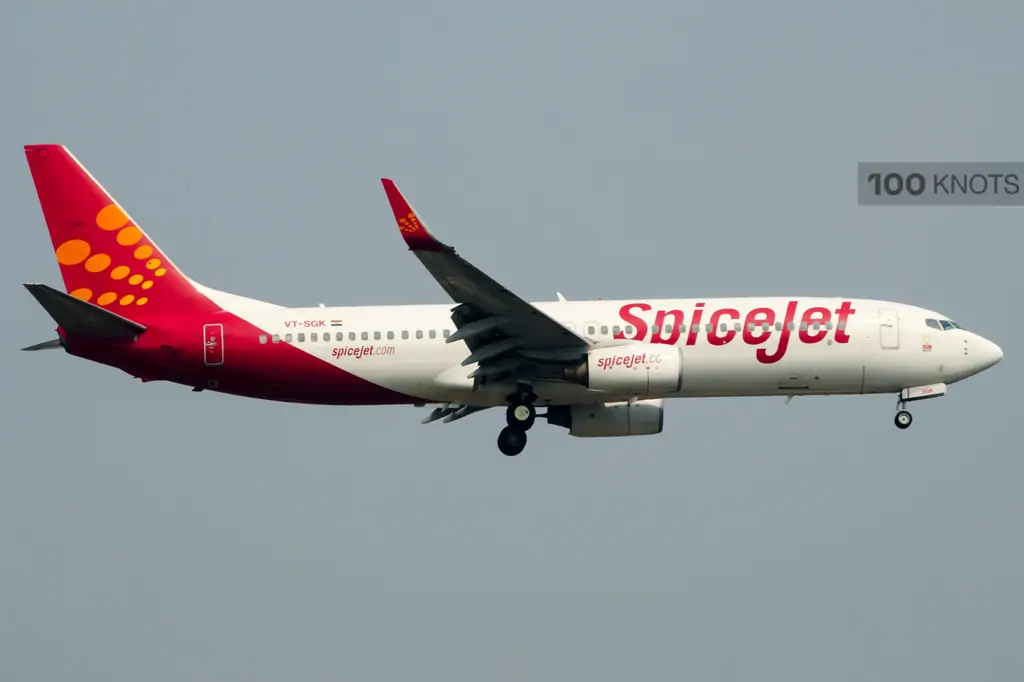
Passengers on cash-strapped SpiceJet Ltd. are experiencing the most flight disruptions in India, the world’s fastest-growing aviation market. Bloomberg reports that with the busy summer travel season arriving, only 61% of SpiceJet’s flights departed on time from the country’s four biggest airports — Mumbai, Delhi, Bengaluru and Hyderabad — in May, according to the Directorate General of Civil Aviation. That’s down from the already trailing figure of nearly 70% in April, the agency’s data showed.
SpiceJet, which is operating about 250 flights a day, isn’t alone. Air India, the nation’s second-largest carrier, slid to fifth from second in the punctuality ranks, with almost twice as many flight delays in May as a month earlier. Akasa Air, launched less than a year ago, was the most on-time, though its performance also slipped.
The punctuality of Air India’s flights declined by over 13% in June, which was the steepest fall month-on-month for any Indian airline, according to the Ministry of Civil Aviation’s data. The airline, run by the Tata group, saw its average daily on-time performance (OTP) drop from 83.27% in May to 69.92% in June, according to the data. SpiceJet remains at the bottom of the OTP chart with its punctuality dipping from 66.91% in May to 63.38%.
Frequent delays underscore the challenges of the post-pandemic boom in India’s intensely competitive aviation market. Travel surged during the school holidays in May and June, and carriers struggled to keep pace. Demand for some routes was higher than normal after the insolvent Go First stopped selling tickets in May, placing a greater burden on the country’s flight networks.
Air Traffic Soars
Domestic passenger traffic climbed 15% to 13.2 million in May from the month earlier. The airlines, meanwhile, are dealing with shortages of workers and planes after both were sidelined during the pandemic. A global issue with Pratt & Whitney engines is adding to the tension by grounding dozens of planes that normally serve the Indian market.
One basis point is one-hundredth of a percentage point. Low-cost airline SpiceJet carried 7.2 lakh passengers in May to garner a market share of 5.4%, while India's newest airline Akasa Air carried 6.29 lakh passengers to record a market share of 4.8% in May. Akasa Air also had the best on-time performance, for the third straight month in a row, with 92.6% at four metro airports — Delhi, Bengaluru, Hyderabad, and Mumbai.
“There is a huge pressure on airlines to expand services,” said Harsh Vardhan, chairman of New Delhi-based Starair Consulting. “The traffic has suddenly come back with a vengeance. But airlines are still in the process of streamlining operations.”
The weather also isn’t helping, and social media is awash with complaints. Some 350 Air India passengers en route to New Delhi from London spent hours stranded in Jaipur at the end of June. The airline’s pilot timed out after clocking the maximum work hours allowed while waiting for the Indian capital’s weather to clear. A SpiceJet flight from Pune to Dubai departed 10 hours late. A school teacher in Bengaluru missed her uncle’s funeral when an AirAsia India flight was delayed.
For SpiceJet, deteriorating punctuality comes hand-in-hand with financial challenges. It hasn’t made money for four years, losing USD 40 billion over that period, and has delayed releasing its latest fiscal year results. More than two dozen of the budget carrier’s aircraft were grounded at the end of May when its market share plunged to 5.4% from 7.3% at the start of the year. SpiceJet is “striving hard to continuously improve performance on all aspects, including our on-time performance,” a spokesperson said.
Airlines on Hiring Spree
The repair further adds that it’s not universally bad across India, which is experiencing fewer flight delays than other top aviation markets. Some 15% of flight departures were delayed from January through June 20, compared with 30% in the UK and 20% in the US, according to data obtained from FlightAware.
There are signs of improvement as airlines add staff and capacity. Market leader IndiGo, which placed a record order for 500 Airbus SE jets in June, plans to hire 5,000 workers in fiscal 2024. Air India will recruit more than 4,200 cabin crew and 900 pilots as it gears up for a fleet expansion, following its order of 470 Airbus and Boeing Co. jets. SpiceJet aims to introduce 10 additional Boeing 737 jets that it has leased by October.
(With Inputs from Bloomberg)
Read next
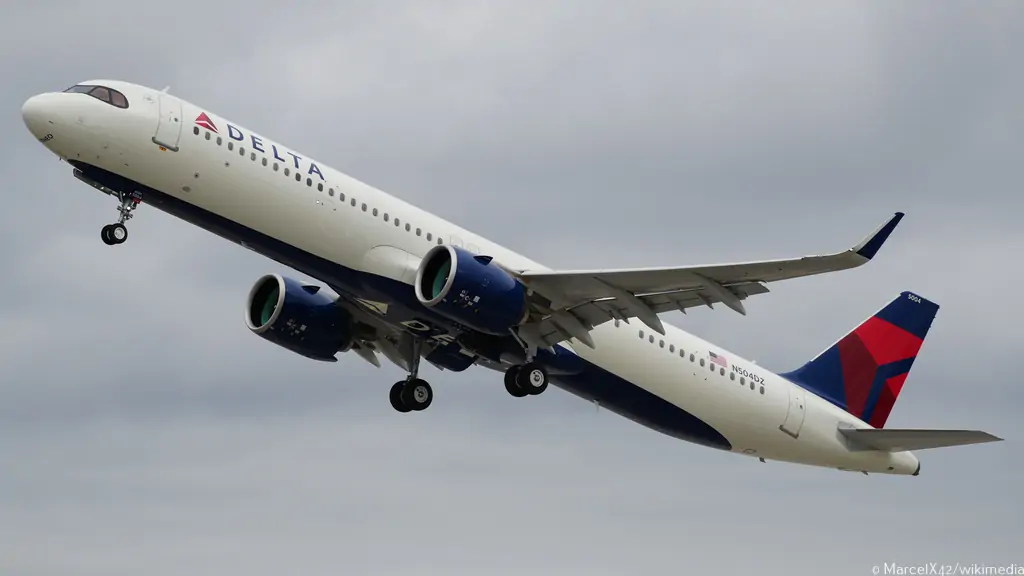
The resumption of transatlantic flights at pre-pandemic levels is an encouraging development for the airline industry, signaling a gradual recovery from the challenges posed by the COVID-19 crisis.
Current State of Transatlantic Flights
As of the latest data by Cirium, there are 152 daily flights connecting the United Kingdom to the United States compared to 145 daily flights in 2019. When comparing the two years, this represents a 5% rise. These flights provide a significant capacity of approximately 40,000 seats for travelers crossing the Atlantic. This figure represents a remarkable rebound from the reduced flight schedules and capacity constraints witnessed during the height of the pandemic.
Ten different airlines will be travelling from the UK to the US on the 152 flights scheduled for Independence Day. British Airways leads the way with 47 flights, with its most popular route connecting seven times from London Heathrow International Airport (LHR) to John F. Kennedy International Airport (JFK).
Factors Contributing to the Increase
Several factors contribute to the anticipated surge in transatlantic flights. Firstly, the successful rollout of vaccination programs in both the United Kingdom and the United States has instilled confidence among travelers, making them more willing to undertake long-haul journeys. Vaccinated individuals now have an added sense of security and reassurance when it comes to air travel.
These initiatives have made it easier for travelers to meet entry requirements and have minimized the inconvenience associated with international travel.
Implications for Travelers
The resurgence of transatlantic flights has significant implications for travelers. With more flight options available, passengers can enjoy increased flexibility when planning their journeys. The greater number of seats available across the Atlantic translates into improved accessibility and increased opportunities for travelers to secure tickets at competitive prices.
Conclusion
The anticipated surge in transatlantic flights between the United Kingdom and the United States on July 4 is a positive indication of the recovery taking place in the aviation industry. With 152 daily flights and approximately 40,000 seats available across the Atlantic, the number of flights is expected to exceed pre-pandemic levels, symbolizing a return to a more normalized state of air travel. The successful vaccination campaigns, the easing of travel restrictions, and the pent-up demand for international travel are all contributing factors behind this recovery.
Comment