
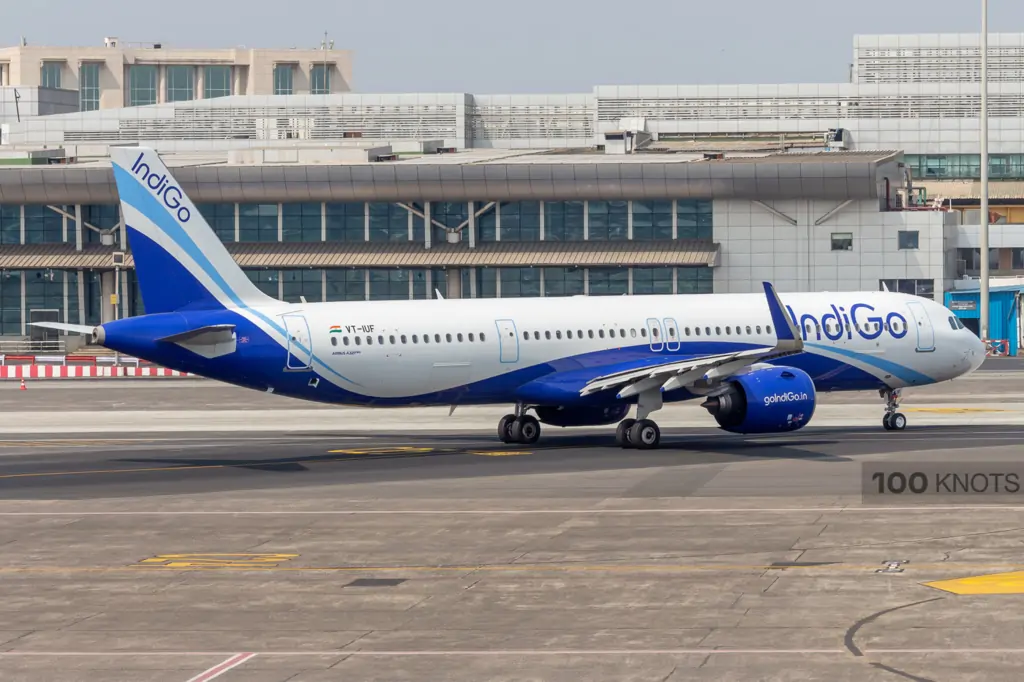
In a recent turn of events, IndiGo Airlines found itself grappling with yet another mid-air scare, further fueling concerns over the safety of its flights. This incident unfolded during a routine flight from Kolkata to Bengaluru when one of the aircraft's engines, specifically engine number two, unexpectedly shut down. Unfortunately, this wasn't an isolated occurrence, as earlier on the same day, another IndiGo flight, this time from Madurai to Mumbai, encountered a similar engine-related issue.
A Mid-Air Nightmare
The affected aircraft, an Airbus A321neo bearing the registration VT-IUF, encountered a distressing mid-air situation when engine number two experienced a sudden stall, accompanied by a warning signal indicating the detection of an oil chip. In adherence to standard safety protocols, the engine was promptly shut down, and the aircraft, along with its passengers, safely returned to Kolkata.
Parallel Incident in Madurai
Coincidentally, the day witnessed a parallel incident involving another IndiGo flight. This flight, operated by an Airbus A321 registered as VT-IUJ, also faced an engine stall during its journey from Madurai to Mumbai. However, in this case, the pilot skillfully managed the situation, ensuring the safety of everyone on board. The flight landed smoothly at its scheduled destination.
IndiGo's Response
In response to these alarming incidents, IndiGo released a statement acknowledging the technical issues faced by both flights. They expressed their commitment to passenger safety and reassured the public that all necessary actions were being taken.
The statement read, "VT-IUJ operating flight 6E-2012 from Madurai to Mumbai had a technical issue prior to Landing in Mumbai. The pilot prioritized landing in Mumbai. The aircraft is held in Mumbai and will be back in operation after necessary maintenance. We regret the inconvenience caused to the passengers."
Grounded for Maintenance
As a precautionary measure, both aircraft involved in these incidents have been grounded for thorough maintenance. This decision aligns with IndiGo's uncompromising dedication to safety standards and ensuring that its fleet operates in prime condition.
The Persistent Engine Woes
These recent events add to the growing list of troubles that IndiGo has faced with its Pratt & Whitney (PW) engines. This ongoing saga has led to the grounding of approximately 40 aircraft within the IndiGo fleet, primarily due to engine problems. The airline has also grappled with a shortage of replacement engines, further exacerbating the situation.
Conclusion
The incidents involving engine troubles on IndiGo flights from Kolkata to Bengaluru and Madurai to Mumbai serve as stark reminders of the critical importance of aviation safety. IndiGo's commitment to addressing these issues, grounding aircraft for maintenance, and ensuring passenger safety is commendable. However, the recurring nature of engine-related problems underscores the need for a comprehensive and long-term solution to prevent such incidents in the future.
With Inputs from Times of India

Read next
Air India's Boeing Simulator Training Facility Suspended Amidst Alleged Violations: What Went Wrong?
Abhishek Nayar
30 Aug 2023
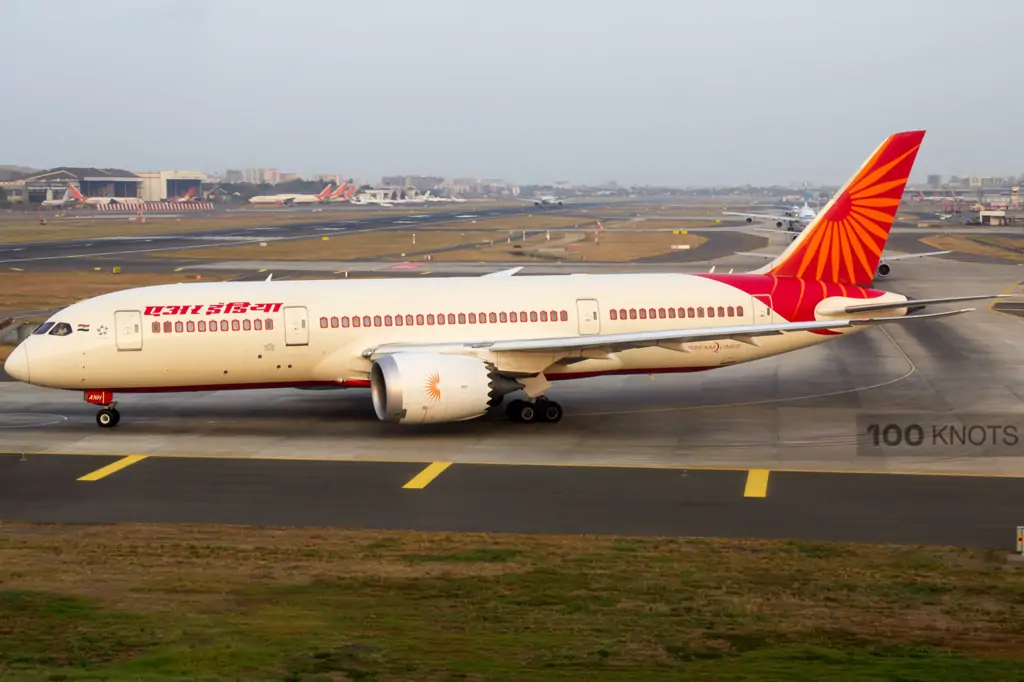
In a recent turn of events, the aviation safety regulator, the Directorate General of Civil Aviation (DGCA), has taken the decision to temporarily suspend Air India's Boeing simulator training facility. This decision follows a series of alleged violations that have come under scrutiny in recent days.
Understanding the Situation
Alleged Violations Unveiled
The controversy surrounding Air India's Boeing simulator training facility arose when allegations of non-compliance with safety regulations came to light. The DGCA, responsible for ensuring the safety and security of civil aviation in India, initiated a closer examination of the matter.
DGCA's Verification Process
As part of its due diligence, the DGCA began the process of verifying various documents and reports related to the functioning of Air India's training facility. This meticulous investigation aims to ascertain the veracity of the alleged violations and the extent to which they may have compromised safety standards.

The Regulatory Response
Temporary Suspension
In response to the alleged violations, the DGCA took the unprecedented step of temporarily suspending Air India's Boeing simulator training facility. This suspension serves as a precautionary measure to prevent any potential safety hazards that may arise from the alleged lapses.
"Due to certain lapses, the DGCA has temporarily suspended Air India's Boeing simulator training facility." "The regulator is verifying some documents related to the matter," according to the source.
Pending Decision
While the suspension is in effect, the DGCA has refrained from making any hasty decisions. Instead, it has opted for a thorough review of the documentation and reports in question. The regulatory body intends to make an informed decision on the reinstatement of the training facility once this meticulous process is complete.
Uncovering the Triggers
Safety Audit Reports Under Scrutiny
The suspension of Air India's training facility stems from concerns raised during a safety audit conducted by the DGCA. A two-member inspection team reportedly discovered discrepancies in the airline's internal safety audit reports. These findings prompted the DGCA to launch a full-fledged investigation into the matter.
The Need for Clarity
The DGCA's decision to suspend the training facility underscores the critical importance of adherence to safety regulations in the aviation industry. Safety audits and regulatory actions serve as crucial mechanisms to maintain the highest standards of safety for both passengers and crew.

The Way Forward
As the DGCA's investigation unfolds, the aviation industry watches with bated breath. The suspension of Air India's Boeing simulator training facility serves as a stark reminder of the uncompromising commitment to safety that is imperative in the aviation sector.
Conclusion
In conclusion, the temporary suspension of Air India's Boeing simulator training facility by the DGCA due to alleged violations highlights the unwavering dedication to safety in the aviation industry. This proactive measure underscores the importance of adherence to safety regulations and the critical role of regulatory bodies in ensuring the highest standards of safety.
Read next
Startling Revelations: European Pilots Expose Alarming Fatigue Risks in New ECA Report
Abhishek Nayar
30 Aug 2023
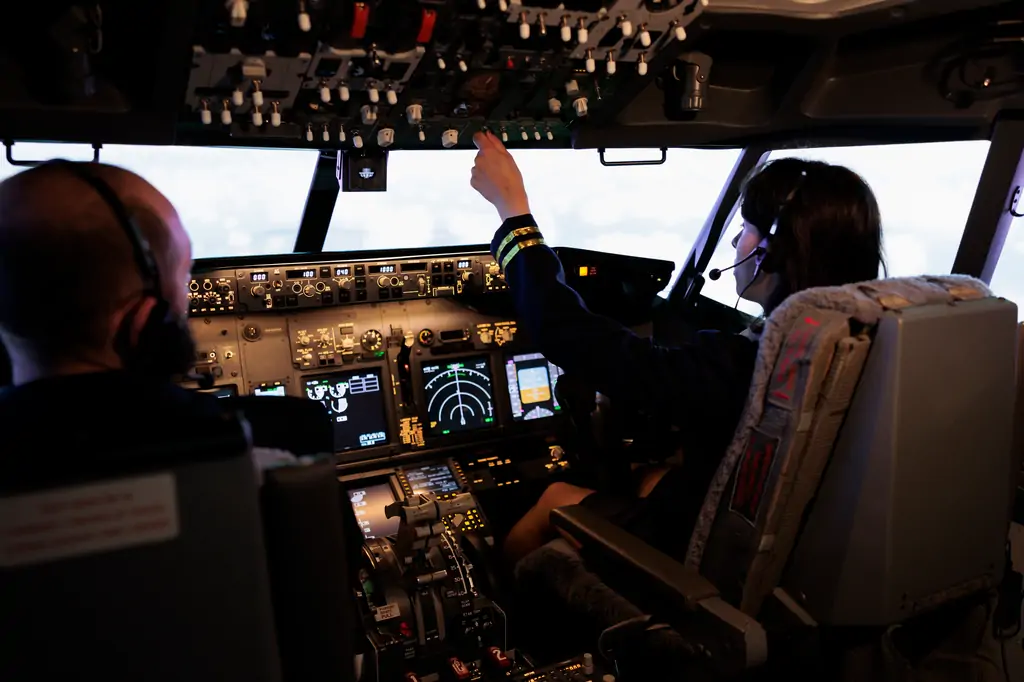
In a recent report that has sent shockwaves through the European aviation community, the European Cockpit Association (ECA), a prominent representative body for pilots, shed light on the concerning issue of fatigue-related risks within the European aviation system. This groundbreaking report serves as a clarion call, warning of significant safety management deficiencies that demand immediate attention and corrective action.
The ECA Report: A Wake-Up Call
Understanding the Scope
The report, commissioned by the ECA, was meticulously executed by the aviation safety management consultancy firm, Baines Simmons. Published on August 28, 2023, it represents a comprehensive investigation into the state of pilot fatigue across Europe. The scale of the survey is noteworthy, with almost 6,900 European pilots from 31 different countries participating. This extensive reach ensures that the findings are not isolated incidents but a reflection of a broader, systemic concern.
Survey Period and Participant Engagement
The survey was conducted between July 1 and July 22, 2023, during which Baines Simmons posed a series of questions to the participating pilots. These questions delved into the heart of the matter, addressing issues related to fatigue and its associated safety factors. The sheer number of respondents surpassed the initial expectations of the ECA, underscoring the urgency of the matter.
Key Findings: A Disturbing Reality
Prevalence of Fatigue
The ECA report unequivocally highlights that fatigue is not an isolated problem but rather a pervasive issue affecting pilots across Europe. The survey results reveal alarming statistics, with a substantial portion of respondents admitting to experiencing fatigue-related symptoms during their duties.
"The report shows that fatigue was building up in the cockpits already ahead of the summer peak season," according to the ECA, with three out of four pilots experiencing at least "one microsleep" while flying an aircraft in the past four weeks. Meanwhile, one-quarter of active-duty personnel experienced five or more microsleeps. "Furthermore, 72.9% of pilots reported having insufficient rest to allow them to recover from fatigue between duties," the ECA added.
Despite the fact that many surveyed pilots reported insufficient rest periods, nearly one in every five utilized "Commander's Discretion (CD) to extend flight duties twice or more within the past four weeks." Worryingly, more than 60% of pilots surveyed were worried about the ramifications of refusing to prolong their flight duty times.
"These are worrying signs and clear indications that fatigue safety risks are not well managed in many European airlines," ECA president Otjan de Bruijn stated, labelling the findings "concerning."
Safety Management Deficiencies

Perhaps even more concerning are the safety management deficiencies brought to light by the report. It underscores the inadequacy of current safety protocols in addressing fatigue-related risks. The ECA asserts that these deficiencies pose an imminent threat to the safety of both passengers and crew members.
The data in the analysis "demonstrated that there are challenges and inadequacies in the fatigue risk management arrangements of operators across all countries represented, as well as gaps in the oversight provided by regulators," according to de Bruijn. Looking at the report, 53.2% of the pilots surveyed stated that "fatigue risk was either 'mostly not well managed' or 'not well managed' within their airline."
"The UK (72.0%), Malta (66.5%), Spain (63.1%), and Ireland (61.7%) had the highest proportion of crew who indicated [Fatigue Risk Management (FRM)] was mostly not or inadequately managed," the report continued.

Impact on Decision-Making
Fatigue doesn't merely manifest physically; it also impairs cognitive function. The report indicates that a significant number of pilots have had to make critical decisions while battling exhaustion, potentially compromising safety standards. This aspect is particularly worrisome, as it hints at the potential for accidents or near-misses caused by impaired judgement.
The Call for Action
Urgent Reforms
In response to these disturbing findings, the ECA is calling for urgent and comprehensive reforms within the European aviation industry. They advocate for a complete overhaul of safety management systems to address the issue of pilot fatigue effectively.
"We hope that [the European Union Aviation Safety Agency (EASA)] and national authorities across Europe will take a careful look at the report and take the necessary action to ensure that airlines provide effective fatigue reporting systems and manage properly their fatigue-related safety risks," ECA secretary general Philip von Schoppenthau concluded.
Improved Work Conditions
One of the primary steps towards mitigating fatigue-related risks is to enhance the working conditions of pilots. This includes optimizing duty schedules, allowing adequate rest between flights, and implementing stringent guidelines to ensure pilots are well-rested and mentally alert.
Training and Awareness
Furthermore, the ECA is stressing the importance of ongoing training and awareness programs. These initiatives are aimed at equipping pilots, airlines, and aviation authorities with the knowledge and tools necessary to identify and combat fatigue effectively.
Conclusion
The ECA's report serves as a stark reminder of the critical role played by well-rested and alert pilots in ensuring the safety of air travel. Addressing fatigue-related risks is not a luxury but an imperative for the aviation industry. It's now up to airlines, aviation authorities, and policymakers to heed this warning and take immediate action to safeguard the lives of passengers and crew.
With Inputs from European Cockpit Association
Read next
High-Stakes Showdown: Aircraft Lessor's Appeals Challenge NCLT Verdict in Go First Airline Case
Abhishek Nayar
30 Aug 2023
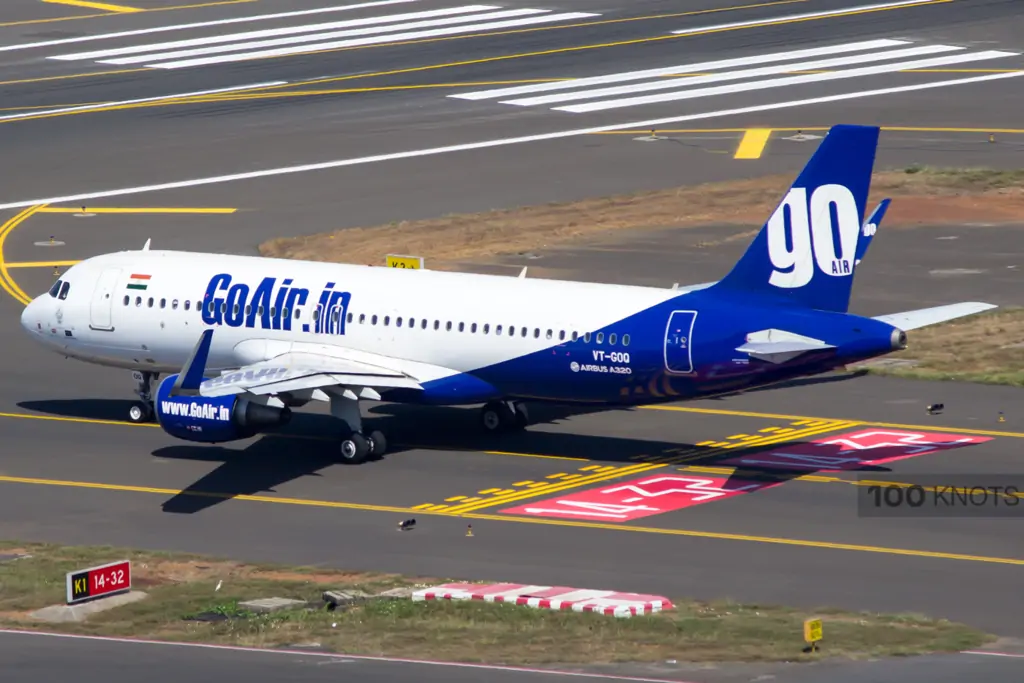
In a significant legal development, Jackson Square Aviation Ireland Ltd., a lessor that provides aircraft to the grounded airline Go First, has taken a decisive step by filing an appeal with the National Company Law Appellate Tribunal (NCLAT). This move comes as a response to the NCLT's recent judgement, which permitted Go First to continue utilizing the leased aircraft despite its financial turmoil.
The Appeal in Context
The NCLT Ruling
The National Company Law Tribunal (NCLT) had previously issued a ruling on July 26, 2023, that allowed Go First, formerly known as 'GoAir,' to maintain access to the aircraft leased from various lessors, including Jackson Square Aviation Ireland Ltd.
According to the tribunal's decision, "The DGCA has not deregistered the aircraft, implying that they are available for use by Go First to resume operations. Therefore, as long as the aircraft/engines are registered, they can be utilized for operating or flying in order to keep Go First running, however, within the safeguards/safety norms prescribed by the regulators."
Jackson Square Aviation Ireland Ltd.'s Stand
Jackson Square Aviation Ireland Ltd. is now the second lessor, following in the footsteps of Engine Lease Finance BV, to challenge the NCLT's decision. This decision is expected to have far-reaching implications for both lessors and the airline industry in India.
Scheduled Tribunal Hearing
The appeal made by Jackson Square Aviation Ireland Ltd. was officially listed at the Registrar's Court on August 29, 2023. The Registrar's Court, responsible for ensuring the technical compliance of pleadings, is set to conduct the hearing on this matter in the coming week.

The Legal Battle Unveiled
Challenging Precedent
The decision to challenge the NCLT ruling underscores the lessor's strong disagreement with the current legal interpretation. Jackson Square Aviation Ireland Ltd is determined to protect its assets and interests in the face of Go First's financial instability.
Go First's Financial Struggles
Go First, like many airlines worldwide, has faced severe financial challenges due to the global pandemic. This has raised concerns about its ability to honor leasing agreements, leading lessors to seek legal remedies.
Impact on Leasing Industry
The outcome of this appeal could set a precedent for other lessors dealing with financially distressed airlines. It may shape how leasing companies navigate such situations in the future.
The Road Ahead
Legal Battle's Complexity
Legal experts anticipate a complex legal battle, with both parties presenting compelling arguments. The outcome will depend on the interpretation of the law and contractual obligations.
Airline's Perspective
Go First is likely to defend its right to utilize the leased aircraft, citing the need for operational continuity. The airline's future may hinge on the tribunal's decision.
Industry Observers
Aviation industry observers are closely monitoring this case, as it may have implications for the broader industry. The ruling could influence how lessors engage with airlines facing financial challenges.
International Implications
The case also has international implications, as it involves a lessor headquartered in Ireland and an Indian airline. This intersection of jurisdictions adds complexity to the legal proceedings.
Conclusion
In the midst of turbulence in the aviation industry, the appeal filed by Jackson Square Aviation Ireland Ltd. adds another layer of uncertainty. As the NCLAT prepares to weigh the arguments and evidence presented, the fate of leased aircraft and the wider leasing industry hangs in the balance. This case underscores the challenges faced by lessors during these unprecedented times.
With Inputs from Money Control
Read next
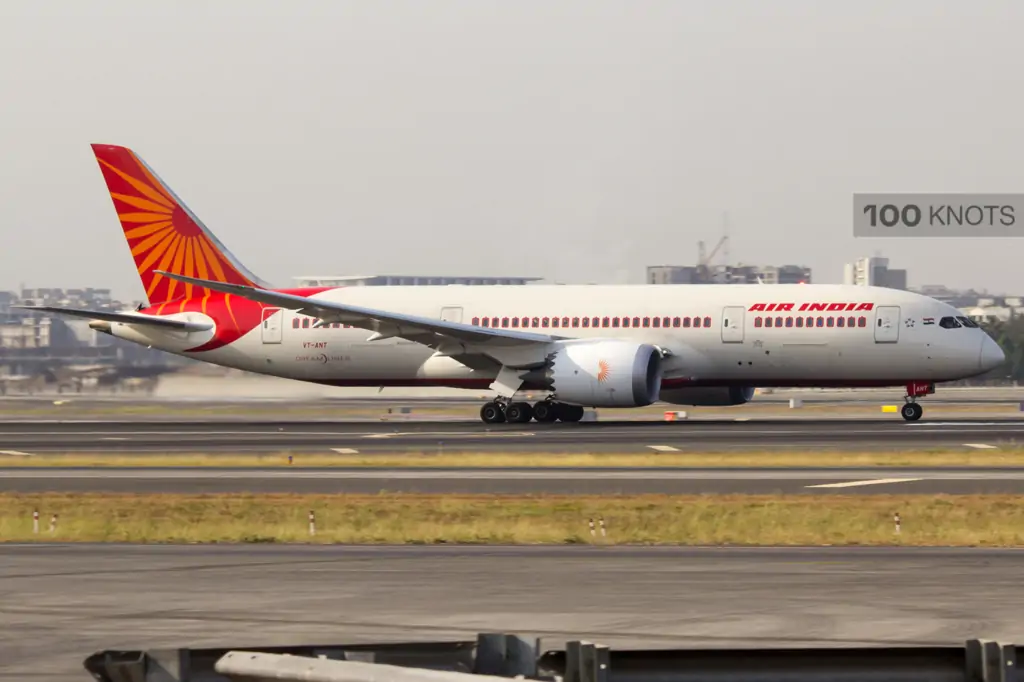
Air India on Monday, August 28 said there is no significant impact on its flights to and from the UK, where a technical issue has impacted air traffic services, and that the airline is actively monitoring the situation. NATS, which provides air traffic control services in the UK, has put in place certain traffic flow restrictions to maintain safety. In an update at 1515 hours GMT, NATS said it has identified and remedied the technical issue affecting its flight planning system.
Air India and Vistara, both part of the Tata Group, are the only Indian carriers operating flights to the UK. While Air India flies to London, Gatwick and Birmingham, Vistara operates services to London. "There is no significant impact on our flights to and from the UK, as of now. We are actively monitoring the situation," an Air India spokesperson said.
Air India operates 98 weekly flights between India and the UK. On August 28, the airline is scheduled to operate 14 flights between India and the UK. Vistara operates two flights between the two countries daily.
"We have identified and remedied the technical issue affecting our flight planning system this morning. We are now working closely with airlines and airports to manage the flights affected as efficiently as possible. Our engineers will be carefully monitoring the system's performance as we return to normal operations. The flight planning issue affected the system's ability to automatically process flight plans, meaning that flight plans had to be processed manually which cannot be done at the same volume, hence the requirement for traffic flow restrictions...," NATS said in its update at 1515 hours GMT.
What Happened with Britain’s Air Traffic Control?
UK's Air Traffic Control's computer systems faced technical glitches which affected airlines, both domestic and international. According to reports, thousands of air travellers faced delays on Monday after Britain's air traffic control system was hit by a breakdown. The National Air Traffic Service (NATS) of Britain had to impose restrictions on aircraft movement on Monday due to an ongoing technical issue that the service is actively addressing.
British Airways said passengers due to travel on Monday or Tuesday could move their flights free of charge, while Heathrow on Monday evening urged passengers to come to the airport only if flights were confirmed as operating. At Gatwick, where about 150 flights were scrapped, easyJet cancelled virtually all departing international flights on Monday afternoon. The airline could not yet confirm what flights would operate on Tuesday but it is understood to expect some continuing impact on its schedules.
After announcing it had fixed the original issue, Nats said: “We are now working closely with airlines and airports to manage the flights affected as efficiently as possible. Our engineers will be carefully monitoring the system’s performance as we return to normal operations.
“Our priority is always to ensure that every flight in the UK remains safe and we are sincerely sorry for the disruption this is causing. Please contact your airline for information on how this may affect your flight.” According to data from the analytics firm Cirium, 232 outbound flights from the UK and 271 inbound flights had been cancelled by 2:30 PM, just under 10% of all services.
Read next
Jet Airways' Bidder Gets Extension to Make Payment of INR 350 Crore by NCLAT

Radhika Bansal
29 Aug 2023
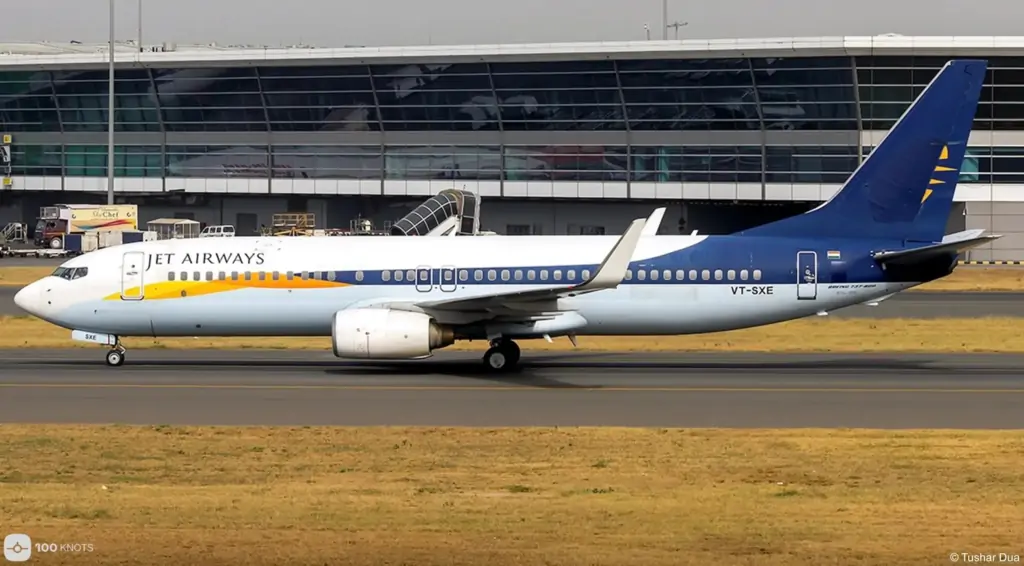
Jalan Kalrock Consortium, the successful resolution applicant of the defunct Jet Airways on Monday, August 28 got an extension from the National Company Law Appellate Tribunal (NCLAT) to make the payment of INR 350 crore to its lenders. The appellate tribunal has granted time till September 30 to make the payment. The appellate tribunal has also permitted an adjustment of INR 150 crore from an existing performance bank guarantee towards the INR 350 crore payment. The case will now come up on October 4 for further consideration.
The consortium, comprised of Jalan and Kalrock Capital, was initially required to make a payment of Rs 350 crore to the Committee of Creditors (COC) by August 31, 2023. The consortium sought an extension of time until September 30 to pay INR 350 crore. They intend to deposit INR 100 crore by August 31 and another INR 100 crore by September 30. They have urged the Committee of Creditors (CoC) to utilize a performance bank guarantee (PBG) of INR 150 crore towards the remaining amount.
The NCLAT will now address pending pleas, including one by workmen seeking to recover around INR 224 crore, after September 30. The CoC objected to encashing the bank guarantee. The consortium argued that they have the authority to modify the terms of the Request for Resolution Plan (RFRP) to adjust the performance bank guarantee towards the INR 350 crore payment.
The consortium, however, emphasised their commitment to restarting Jet Airways. They have urged the CoC to initiate regulatory procedures for transferring ownership. The consortium’s proposed payment schedule was presented on August 18, and the appellate tribunal requested an official application within 24 hours. Jet Airways was grounded in April 2019 due to substantial losses and debts of about INR 8,000 crore. In October 2020, the CoC endorsed the revival plan from the Jalan-Kalrock consortium.
Lenders noted that while they have a claim of nearly INR 8,000 crore against the airline, the consortium is facing difficulty in paying the INR 350 crore. Out of this amount, INR 175 crore is allocated to clear the airline’s dues at the airport, and the remaining sum is intended to settle the airline’s debts to lenders.
Previous Judgements
On 5 July, the Committee of Creditors (CoC) of Jet Airways, led by the State Bank of India, had told the Supreme Court that it might be more prudent to wind up the airline, given they have not been repaid, and no funds infused into the debt-laden airline. Lenders have infused approximately INR 400 crore of public money into the airline, which includes settling airport dues. On July 10, the committee of creditors of Jet Airways told the Supreme Court that the Jalan-Kalrock resolution plan approved by the National Company Law Tribunal (NCLT) was not working and called for the liquidation of the grounded airline. This came after the NCLAT on May 26 granted the JKC a 97-day extension to pay a guarantee of INR 150 core to the State Bank of India (SBI).
On 13 January, the National Company Law Tribunal (NCLT) allowed the transfer of the beleaguered airline to the consortium. However, the lenders to the airline opposed the transfer.
On 22 June 2021, the NCLT approved the resolution plan for Jet Airways submitted by the Jalan-Kalrock consortium, comprising UAE-based non-resident Indian Murari Lal Jalan, who will hold shares in Jet Airways in his capacity, and Florian Fritsch who will hold shares through his investment holding company Kalrock Capital Partners Ltd., Cayman. Jet Airways was grounded in April 2019 after running into financial difficulties and growing losses and a debt of about INR 8,000 crore. However, ownership transfer has been hanging fire amid continuing differences between the lenders and the consortium.
Comment