
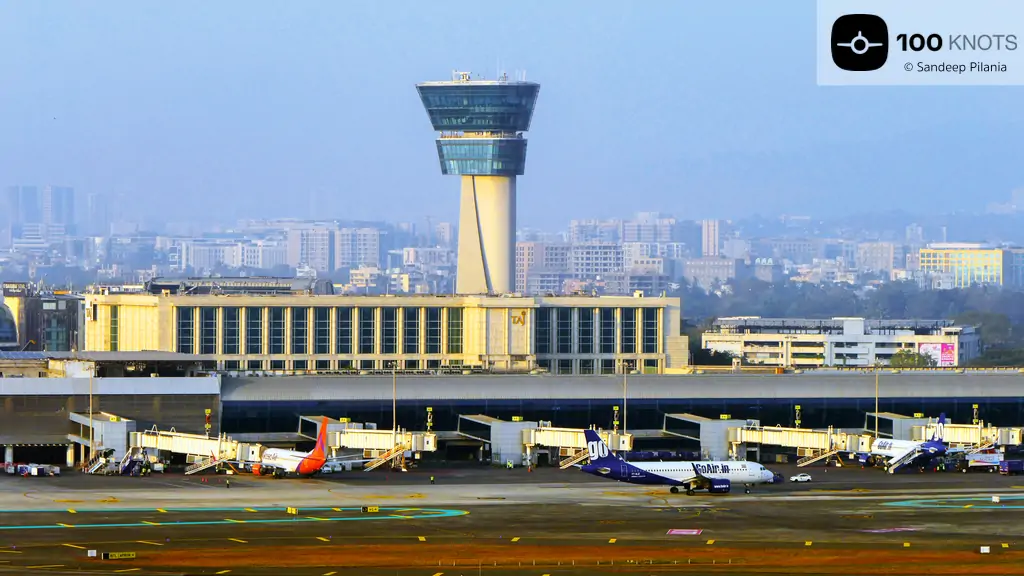
The domestic air passenger traffic for January 2024 is estimated to be up 4.5% at 125 lakh over last year's same time but decline 5% over December 2023's 138 lakh, according to an estimate by rating agency ICRA.
The January 2024 figure was also higher 3% over the pre-covid levels of January 2020's 127 lakh.
"For April 2023-January 2024, the domestic air passenger traffic stood at 1,276.35 lakh, reflecting a year-on-year growth of 15% over 10M (April 2022-January 2023), wherein the traffic stood at 1,110.31 lakh and 5% higher than pre-Covid levels (April 2019-January 2020) of 1,213.85 lakh.
"It is estimated that the domestic aviation industry operated at a passenger load factor (PLF) of 91% in January 2024, against 85% in January 2023 and 86% in January 2020 (pre-Covid levels)," Icra said.
Fuel prices, which make up 45% of the airline costs, also went up and down.
In FY2024, the ATF prices witnessed a sequential decline till June 2023. Post which, it increased sequentially till October 2023. However, they decreased sequentially again by 6% in November 2023, 5% in December 2023, 4% in January 2024, and 1% in February 2024, it added.

Read next
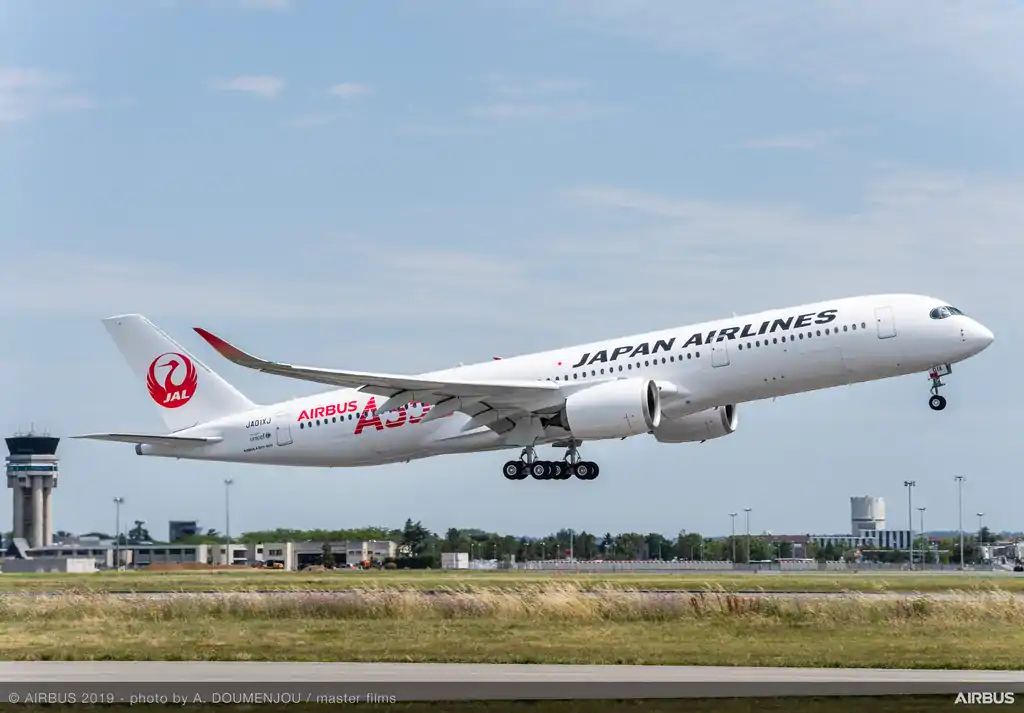
Given the accident on January 2, 2024, at Haneda Airport in Tokyo due to runway incursion by Japan Coast Guard DHC-8 aircraft, while Japan Airlines Flight 516 was in the process of landing, DGCA has undertaken a review of its existing requirements and safety measures in place for runway safety and prevention of runway incursions.
The regulator has issued a new circular outlining mitigation strategies for runway incursion risk based on the analysis of safety data.
The circular has directed operators to do comprehensive training for Pilots, Air Traffic Controllers, Aircraft Maintenance Engineers (Clear to Taxi), and Drivers operating inside the airport, ensuring adherence to standard procedures by all involved personnel/ stakeholders, adopt technological interventions to improve situational awareness, thereby assisting Air Traffic Control (ATC) and other stakeholders to identify the traffic within the manoeuvering area.
For ATC the regulator has also asked that it ensure that stop bars are switched on to signal a stop and switched off to indicate traffic may proceed. In no case, aircraft or vehicles be instructed to cross illuminated red stop bars and Aerodrome, ATC, and airlines should implement contingency measures to cater to unserviceable stop bars.
It also asked airports to establish a Runway Safety Team at all aerodromes and ensure their effective functioning.
"The rate of runway incursions is on a decreasing trend," DGCA said in its note on India, "However, by adhering to the actions specified in this circular and maintaining a proactive approach among all stakeholders, the risk of runway incursions may be reduced further."
Read next
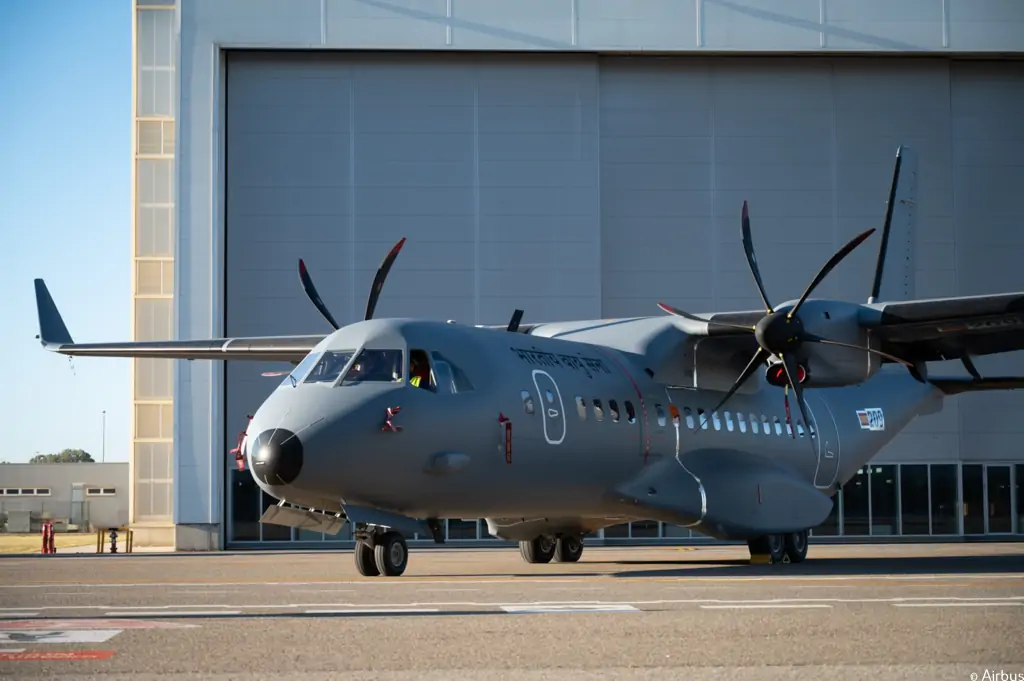
Airbus Defence and Space Quality Management System (QMS) has received approval from India's Directorate General of Aeronautical Quality Assurance (DGAQA) to produce detailed parts and sub-assemblies in India for the C295 aircraft
Airbus Defence and Space is working with Tata Advanced Systems Limited (TASL) to produce detailed parts and sub-assemblies at various locations in India.
"This certification demonstrates the continuing trust and confidence of DGAQA in Airbus quality standards. All detailed parts for the C295 will be manufactured in India under exacting Airbus quality standards. We continue to work in strong partnership with Tata Advanced Systems Limited to apply a robust and comprehensive quality framework for successful aircraft manufacturing in India for the C295 ‘Make in India’ programme under the policy of Aatmanirbhar Bharat,” said Jorge Tamarit Degenhardt, VP - Head of C295 India Programme, Airbus Defence and Space.
anjay Chawla, Director General of Aeronautical Quality Assurance (centre), presenting the certificate of approval to Michael Schoellhorn, CEO of Airbus Defence and Space (right) and Masood Hussainy, Head, Aerostructures and Aeroengines, Tata Advanced Systems Limited (left), at the C295 Main Components Assembly facility in Hyderabad.
India formalized the acquisition of 56 Airbus C295 aircraft to replace the Indian Air Force (IAF) legacy AVRO fleet, in September 2021. Under the contractual agreement, Airbus will deliver the first 16 aircraft in ‘fly-away’ condition from its final assembly line in Seville, Spain. The remaining 40 aircraft will be manufactured and assembled by Tata Advanced Systems Limited (TASL) in India as part of an industrial partnership between the two companies. The first C295 aircraft was delivered to the Indian Air Force in September 2023. This certification is part of this programme, which involves the full development of a complete industrial ecosystem: from the production of detailed parts to assembly, test, delivery and maintenance of the complete lifecycle of the aircraft.
Read next
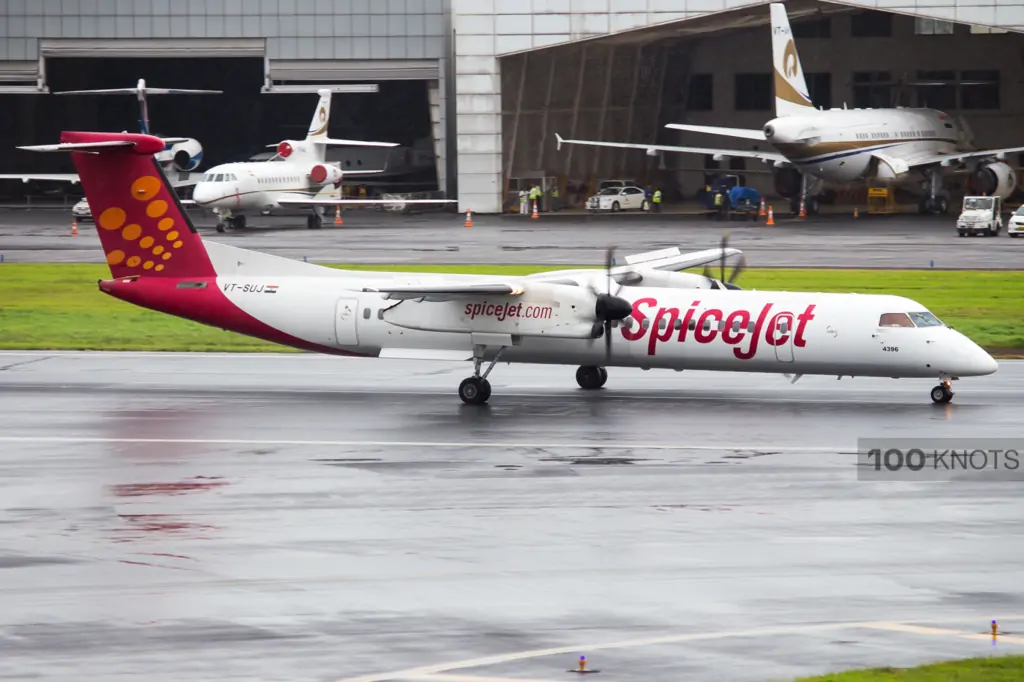
Budget airline SpiceJet which has decided to lay off over 1400 of its 9000 staff says the move was necessary to "turnaround" the airline.
"As part of our turnaround and cost-cutting strategy, following the recent fund infusion, SpiceJet has initiated several measures, including manpower rationalization, aimed at achieving profitable growth and positioning ourselves to capitalize on the opportunities in the Indian aviation industry. Through this initiative alone, we anticipate an annual saving of up to INR 100 crore,” the airline said on Monday after reports that the airline was finally going for the biggest layoffs in its history.
The airline with around 4% market share has been in the doldrums in the past few years with multiple court cases and vendor defaults.
Last month the carrier announced that it has received Rs 744 crore as the first tranche of the total Rs 2,250 crore proposed to be raised through the issuance of securities on a preferential basis. Some of the money has been delayed, reports say, while the airline said most investors are on track.
The airline has an operational fleet of around 33 planes, compared with 118 planes at its peak in 2019.
Read next
Ground Staff Strikes Disrupt Air Travel in Germany: Lufthansa Bears Brunt

Abhishek Nayar
13 Feb 2024
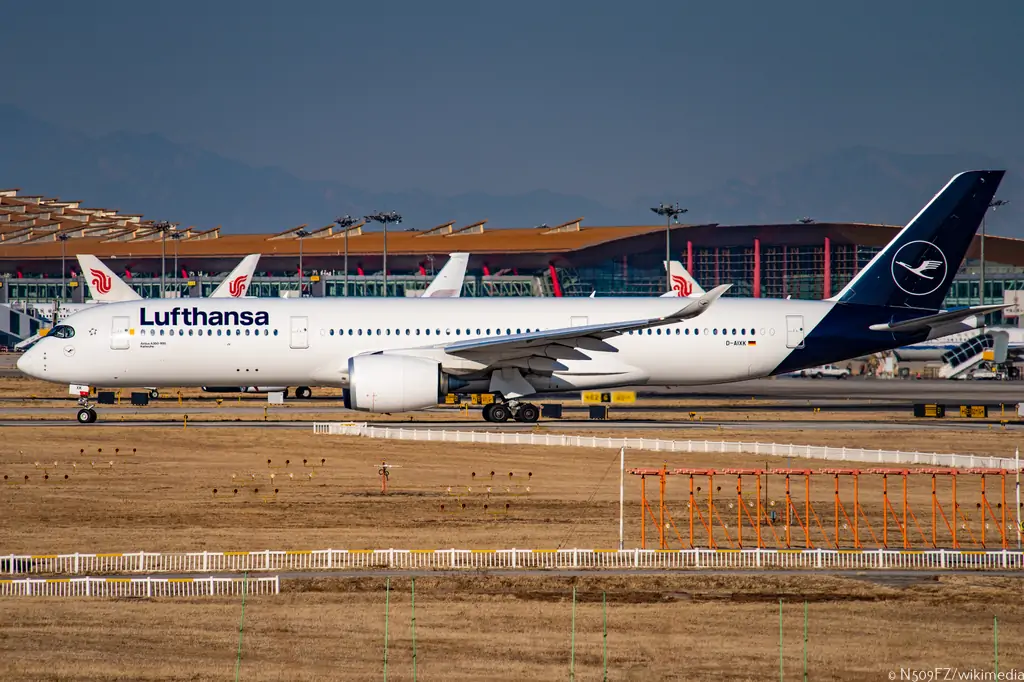
Germany's air travel landscape has been turbulent in recent weeks, with a spate of strikes among ground staff causing significant disruptions to flights across the country. The latest strike, which occurred on February 7 and 8, saw over 1,000 flights canceled, affecting more than 100,000 passengers. Lufthansa, Germany's flagship carrier, bore the brunt of the strike, with its operations severely impacted.
The Strikes: A Recap & Lufthansa Takes a Hit
The strike on February 7 marked yet another blow to Germany's aviation industry, following earlier disruptions caused by security worker strikes on February 1. This time, it was Lufthansa's own ground workers who walked off the job, demanding better pay as part of ongoing contract negotiations. The impact rippled across various German airports, with Frankfurt and Munich, Lufthansa's main hubs, bearing the greatest brunt.
Lufthansa, as the primary target of the strike, faced significant challenges. The airline had to cancel 896 flights, slashing at least 43% of its schedule during the strike period. This disruption not only inconvenienced passengers but also dealt a blow to Lufthansa's operations and reputation. The cancellations mainly affected short-haul European connections, while long-haul flights experienced fewer disruptions.
Air Dolomiti's Unexpected Role
Surprisingly, the Italian carrier Air Dolomiti found itself among the most affected airlines, with 82 flights canceled. As a wholly owned subsidiary of the Lufthansa group, Air Dolomiti operates within Lufthansa's network, often relying on Lufthansa's ground handling services. The close coordination between the two airlines explains the significant number of cancellations, highlighting the interconnectedness of airlines within the aviation industry.
Airport Impact: Frankfurt, Munich, and Beyond
Frankfurt and Munich, Lufthansa's major hubs, felt the strike's impact the most. Frankfurt Airport saw 593 cancellations, representing around 30% of its operations, while Munich Airport had 469 flights canceled, accounting for 33% of its schedule. Hamburg Airport also experienced disruptions, although to a lesser extent, with 54 flights canceled.
Mitigation Efforts and Customer Options
In response to the cancellations, Lufthansa offered affected passengers’ various options, including rebooking or converting their tickets to Deutsche Bahn train tickets free of charge. Such measures aimed to minimize the inconvenience caused to travelers and maintain customer satisfaction amidst the disruptions.
Conclusion
The recent ground staff strikes in Germany have once again highlighted the vulnerability of the aviation industry to labor disputes. With Lufthansa and its subsidiaries bearing the brunt of the disruptions, the need for effective negotiation and resolution mechanisms becomes apparent. As travelers navigate through such challenges, the importance of contingency planning and flexibility in travel arrangements cannot be overstated.
Read next
Is Omni Air International Facing Turbulence with Pilot Strikes Amidst Industry Standards?
Abhishek Nayar
13 Feb 2024
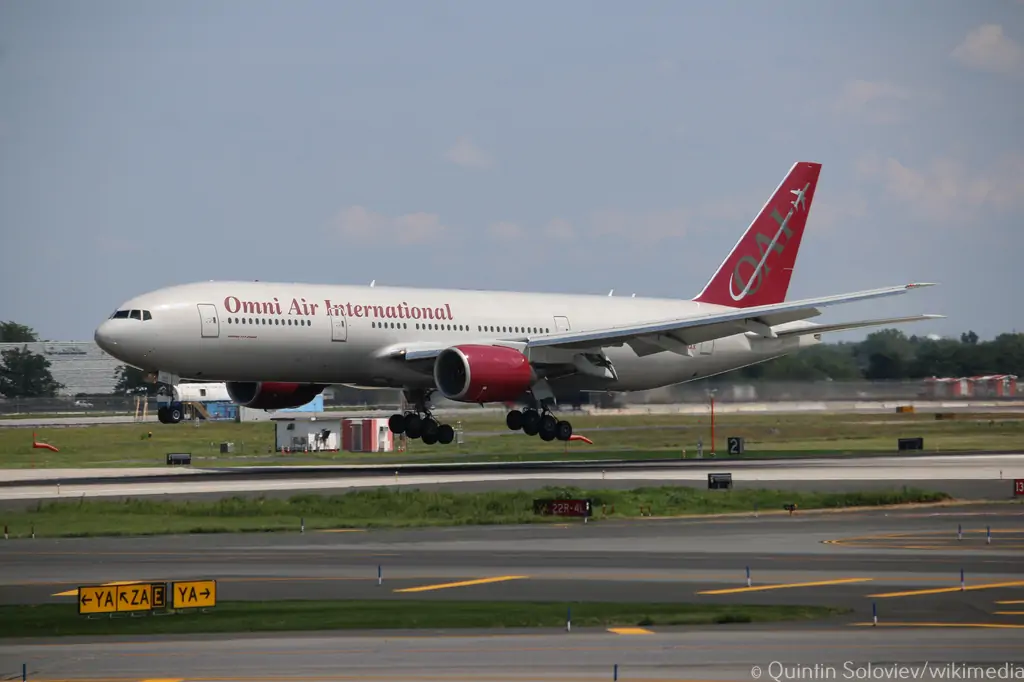
Omni Air International, a prominent player in the aviation industry, finds itself at a critical juncture as its 350 pilots, represented by the Teamster Union, vote to authorize a strike. This move underscores underlying issues within the company, primarily revolving around compensation and labor conditions. As discussions intensify, it prompts a closer examination of Omni Air's operational model and the challenges it faces in an ever-evolving aviation landscape.
Understanding the ACMI Model & Pilot Perspectives
At the heart of Omni Air International's operations lies the ACMI (Aircraft, Crew, Maintenance, and Insurance) model. Often referred to as wet leasing, this approach allows airlines to purchase additional capacity as needed. However, the recent labor dispute highlights the delicate balance between cost control and ensuring fair treatment for employees.
Captain Paul Rodell, a key figure within Omni Air's pilot community, emphasizes the urgency of addressing the current impasse. The failure to offer industry-standard pay not only jeopardizes morale but also undermines the airline's operational efficiency. With an increasing demand for experienced pilots, Omni Air risks losing its talent pool to competitors offering more favorable terms.
Competitive Landscape & Diversified Services
In an industry where talent acquisition is paramount, Omni Air's predicament is compounded by the need to remain competitive. Major players like United Airlines have set a precedent with record pilot hiring and comprehensive contract settlements. As the aviation sector continues to recover from the challenges posed by the pandemic, retaining skilled personnel becomes imperative for sustained growth.
While Omni Air is renowned for its military transport services and wet leasing capabilities, its charter operations present additional avenues for revenue generation. From entertainment and corporate charters to emergency evacuations and government missions, the airline's versatility is evident. Moreover, its role in facilitating the transportation of professional sports teams underscores its adaptability in meeting diverse customer needs.
Commitment to Safety & Navigating Forward
Amidst the ongoing discussions, Omni Air reaffirms its commitment to safety and passenger satisfaction. With an average of fifteen years of experience among its pilots and specialized training for flight attendants, the airline prioritizes excellence in service delivery. Furthermore, the presence of onboard mechanics underscores its proactive approach to addressing technical issues promptly.
As Omni Air navigates through these turbulent times, finding a resolution that balances cost considerations with employee welfare remains paramount. The airline's ability to adapt to evolving market dynamics while upholding its core values will determine its long-term viability. In a highly competitive industry, success hinges on fostering a harmonious relationship between management and labor.
Conclusion
The current labor dispute facing Omni Air International underscores broader challenges within the aviation sector. While the company's ACMI model offers flexibility and cost-efficiency, it also exposes vulnerabilities in labor relations. By prioritizing fair compensation and fostering a culture of collaboration, Omni Air can mitigate risks and position itself for sustainable growth in the years ahead. As stakeholders await further developments, the outcome of these negotiations will undoubtedly shape the future trajectory of the airline.
Comment