
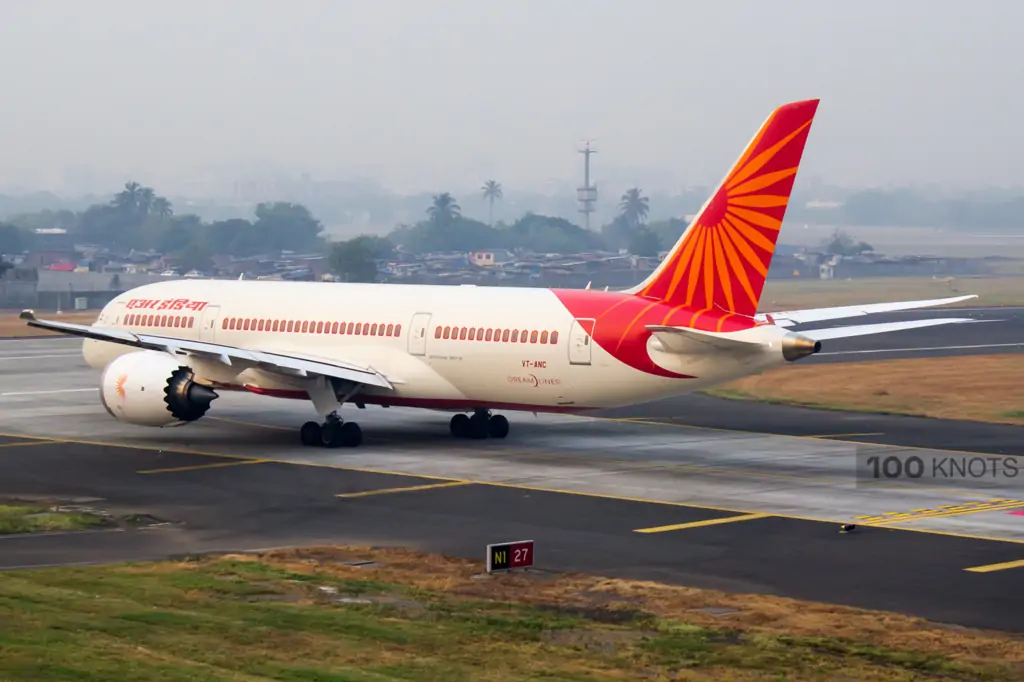
The Airline Pilots’ Association of India (ALPA India) has asked the Directorate General of Civil Aviation (DGCA) to withdraw its recent extension of allowable duty hours for two-pilot operations on the Boeing 787 Dreamliner — calling the move a “scenario ripe for fatigue-induced errors.” The pilots’ body says this isn’t nitpicking: it’s about human limits, science on fatigue, and real safety risk.
What changed (the boring-but-important numbers)
Under the DGCA adjustment, for two-pilot Boeing 787 operations:
- Flight Duty Time Limitation (FDTL) rose from 10:00 — 10:30 hours.
- Flight Duty Period (FDP) rose from 13:00 — 14:00 hours.
Those 30–60 minutes might look tiny on a spreadsheet — but aviation safety experts and crews treat them like the difference between a strong coffee and a nap that actually works.
The 787-seat problem: why those 30 minutes matter
This isn’t only about totals — it’s about rest quality. The FAA issued airworthiness directives around the 787 after finding that, in certain decompression scenarios, parts of the flight deck might strike the captain’s seat if it’s reclined. As a result, recline on some captain’s seats is restricted — which pilots say has a direct, severe impact on how well they can rest during controlled in-flight rest periods. Reduced recline + longer FDPs = a recipe pilots are warning against.
(Translation: you can’t sleep like a cat in those seats anymore — more like a slightly tired meerkat.)
Who’s affected: yes, that includes Air India

Tata Group’s Air India operates Boeing 787s on long-haul routes — the very routes where these duty limits and in-flight rest capability matter most. ALPA India specifically flagged concern because longer duties on Dreamliners without augmented crews could raise risk across those services.
Context matters — the regulator’s been under the microscope
This debate isn’t happening in a vacuum. DGCA has previously warned and audited airlines (including Air India) over duty-time and other operational lapses earlier this year; regulators and pilots are both sensitive to anything that might increase operational fatigue risk while oversight is already intense. That makes any change to duty limits politically and operationally charged.
ALPA India’s ask (short and sharp)
- Withdraw the FDTL/FDP extension for two-pilot Dreamliner ops.
- Perform a comprehensive fatigue risk assessment, with flight crew representatives, before approving any deviations from the established Civil Aviation Requirements (CAR).
Simple ask: don’t tinker with limits unless you’ve actually measured the human cost.
DGCA’s likely counter-arguments (and pilot rebuttals)
- DGCA might say: The extension is a limited operational tweak to help scheduling and connectivity.
- Pilots reply: If scheduling convenience increases human error risk, it’s not a tweak — it’s a gamble with lives.
- DGCA might say: There’s ongoing oversight and exemptions are common after risk analysis.
- Pilots reply: Oversight must mean inclusive risk analysis — not top-down exemptions that ignore crew experience.
What passengers should know
- Longer allowable duty hours could mean crews are scheduled for slightly longer on-duty blocks on some long flights.
- Pilots are asking for caution — their ask is grounded in fatigue science and recent operational problems.
- If you fly long haul: polite tip — pack patience, not extra expectations of a chirpy, wide-eyed crew at 03:00 local. (Also: maybe don’t try to make the seatbelt sign into a conversation starter.)

A little aviation humor (because we’re all human)
If a policy change had a frequent-flyer program, this one would earn the “midnight yawns” tier. Pilots want rest on flights; regulators want schedules to work; airlines want planes full and on time. Somewhere between coffee and nap time, common sense has to show up with the boarding pass.
Where this could go next
- DGCA may review ALPA’s letter and either roll back, keep, or condition the extension on mitigations (e.g., augmented crew, route-specific checks).
- Airlines might add crew or rework rosters where rest quality is impaired. Pilots pointed out that some carriers globally have already added crew after similar seat restrictions.
Final thought (less snooze, more sense)
Regulations are numbers on paper until they meet a tired human at 04:00 over the Atlantic. API-driven rostering and KPIs are great — but sleep science and frontline experience should be the co-pilots of any safety decision. If DGCA’s goal is zero-harm, then the path there should be measured in eye-opener science, not convenience-based clock changes.
TL; DR
- ALPA India has asked DGCA to withdraw the recent extension of Dreamliner duty hours for two-pilot operations.
- FDTL moved from 10:00 — 10:30 hrs; FDP moved from 13:00 — 14:00 hrs.
- Pilots warn seat-recline restrictions (FAA/AD) on some 787s have reduced in-flight rest quality, making longer duty periods riskier.
- Tata-owned Air India operates Dreamliners and is directly affected by the change.
- The DGCA and Air India have been under scrutiny for safety/audit findings earlier this year — adding heat to the debate.

Read next

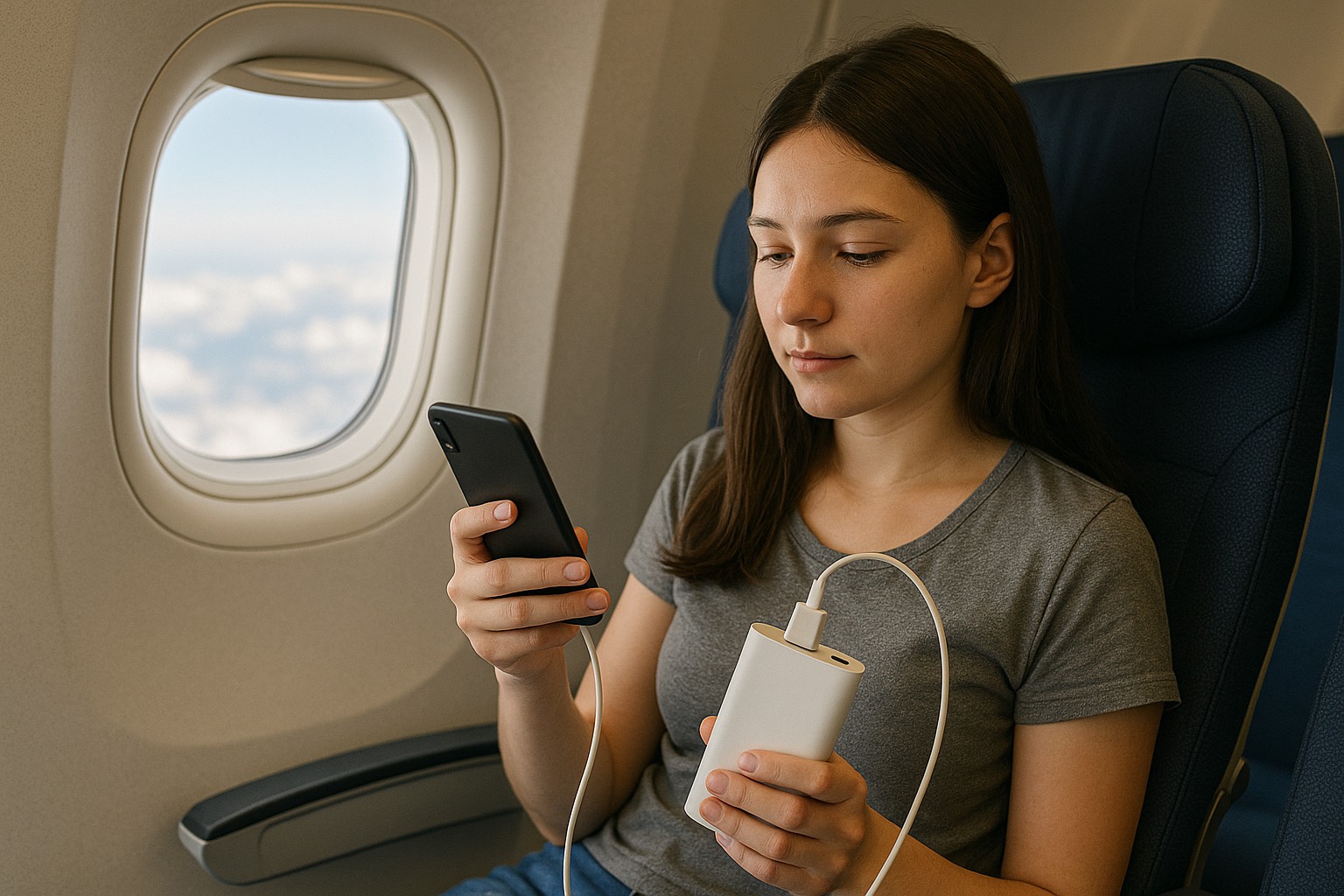
Aviation authorities across the globe are implementing stringent regulations on power bank carriage aboard commercial aircraft following a series of fire incidents that have raised critical safety concerns.
Airlines worldwide are responding with increasingly restrictive policies as lithium-ion battery-powered devices become ubiquitous among travellers, with the average passenger now carrying four such devices during air travel.
Recent Power Bank Incidents on Flights
The catalyst for India's regulatory review emerged on October 19, 2025, when IndiGo flight 6E 2107 experienced a fire incident during taxiing at Delhi's Indira Gandhi International Airport. The aircraft, bound for Dimapur, returned to the bay after a passenger's power bank stored in a seat-back pocket ignited. The cabin crew extinguished the flames within seconds using standard emergency procedures, preventing injuries and major damage.
1. Air China
Earlier in the week preceding the IndiGo incident, an Air China flight operating from Hangzhou to Seoul reported a lithium battery fire in an overhead compartment, adding to the growing list of thermal runaway events in commercial aviation.
2. Air Busan
This incident followed a devastating fire that occurred on January 28, 2025, aboard Air Busan flight 391 at South Korea's Gimhae International Airport. A power bank stored in an overhead luggage bin caught fire, spreading through the empennage and consuming nearly half of the fuselage. All passengers evacuated safely, but the aircraft sustained catastrophic damage.
3. Virgin Australia
Virgin Australia confronted a similar emergency on July 21, 2025, when flight VA1528 from Sydney to Hobart experienced a fire in an overhead locker during descent. Firefighters removed the bag containing the suspected power bank after the aircraft landed safely.

Technical Problems with Carriage of Power Banks on Flights
Lithium-ion batteries present inherent fire risks due to their chemical composition and energy density. These batteries store substantial energy in compact spaces using flammable electrolyte liquids that facilitate ion flow between the cathode and anode. When damaged, defective, or subjected to extreme conditions, they can enter thermal runaway—a dangerous state where internal heat buildup triggers a self-sustaining chemical reaction.
Thermal Runaway
Thermal runaway occurs when the heat generated inside the battery exceeds the amount that can be safely dissipated. The process begins with an internal short circuit, which generates excessive heat. As the temperature rises, the separator between the battery's anode and cathode melts or collapses, causing additional short circuits and releasing volatile, flammable gases. This chain reaction escalates rapidly, producing temperatures reaching 1,000 degrees Celsius, intense flames, toxic fumes, and potentially explosions.
Factors Triggering Thermal Runaway
- Physical damage from crushing or puncturing the battery compromises its structural integrity.
- Overcharging forces excessive current into cells beyond their capacity.
- Manufacturing defects create weak points in battery construction.
- Exposure to moisture can cause short circuits.
- Environmental factors such as extreme heat or cold stress battery components.
The FAA notes that thermal runaway can occur without warning, and once initiated, can continue for hours or days with burned-out batteries potentially reigniting.
Lithium battery fires present unique challenges for flight crews.
Standard halon fire extinguishers can temporarily suppress flames, but the fires typically reignite within moments. The batteries produce oxygen and flammable gases internally, meaning the removal of external oxygen does not stop combustion. Fire safety protocols require crew members to use halon extinguishers initially, then continuously pour water and non-alcoholic liquids from galley carts onto the device to manage heat and prevent reignition.

Airlines That Have Restricted Power Banks on Flights
Multiple international carriers implemented comprehensive restrictions throughout 2025 in response to escalating incidents.
Singapore Airlines & Scoot
Singapore Airlines announced on March 12, 2025, that passengers could no longer charge power banks via onboard USB ports. Effective April 1, 2025, both Singapore Airlines and its budget subsidiary Scoot prohibited using power banks to charge devices during flights, though passengers can carry units up to 100 watt-hours without prior approval.
EVA Air
EVA Air enforced a complete ban on using or charging power banks during flights starting March 1, 2025. The airline required passengers to fully charge devices before boarding and directed them to use AC outlets and USB Type-A ports if in-flight charging became necessary.
China Airlines
China Airlines implemented similar restrictions on the same date, requiring passengers departing from Incheon Airport to cover power bank ports with insulating tape or protective covers, or place them in clear zip-lock bags. The airline prohibited storing power banks in overhead compartments and banned their use or charging during flights.
China took action when the Civil Aviation Administration of China issued an emergency notice effective June 28, 2025, banning all power banks without China Compulsory Certification marks from domestic flights. The regulation prohibits power banks with unclear CCC marks or belonging to recalled models. Multiple leading manufacturers recalled various batches due to safety risks in battery cells, and the State Administration for Market Regulation revoked or suspended CCC certification for several power bank and battery cell manufacturers.

Thai Airways
Thai Airways International announced on March 10, 2025, that passengers would no longer be permitted to use or charge power banks throughout the entire flights starting March 15.
Air Busan
Air Busan implemented the most stringent policy following its January fire incident, completely banning power banks in overhead luggage bins. Passengers must carry portable power banks and spare batteries on their person to enable immediate detection and response to overheating, smoke, or fire.
Emirates
Emirates Airlines imposed restrictions in October 2024, allowing only power banks rated below 100 watt-hours and strictly prohibiting charging them or using them to power electronic devices while on board.
Southwest Airlines
In the United States, Southwest Airlines now requires all battery packs to remain in plain sight when being used, prohibiting passengers from charging devices in overhead bins. The policy aims to enable rapid detection and response to thermal events.
Virgin Australia and Qantas
Australian carriers Virgin Australia and Qantas mandate that power banks remain in hand luggage rather than checked baggage. Virgin Australia encourages passengers to keep power banks within sight and easily accessible during flights, discouraging their use for charging devices while airborne. Qantas explicitly states on its website that the airline does not recommend the use or charging of power banks onboard due to safety concerns.

DGCA Initiatives
The Directorate General of Civil Aviation initiated a comprehensive review of power bank handling procedures following the October 19 IndiGo incident. The regulatory authority is examining how passengers and airlines manage lithium battery-powered devices throughout all phases of flight operations.
The Ministry of Civil Aviation has been briefed and is coordinating closely with DGCA to establish new safety measures that minimise potential fire hazards associated with portable batteries.
DGCA's assessment acknowledges that nearly all airline passengers—96 per cent—typically bring at least one rechargeable product containing lithium-ion batteries aboard aircraft. However, 44 per cent of travellers admitted knowing nothing about lithium battery safety, and 76 per cent reported not recalling lithium-ion battery-related messages during online check-in.
The regulatory authority emphasised that aviation safety cannot tolerate continued exposure to thermal runaway risks at 40,000 feet, where confined spaces and limited firefighting resources magnify potential consequences.

Bottom Line
The aviation industry faces a complex challenge balancing passenger convenience against safety imperatives. While complete prohibition of lithium battery devices remains impractical given modern connectivity requirements, the status quo proves unsustainable.
DGCA's comprehensive review represents part of a broader international movement toward evidence-based regulations that acknowledge lithium battery fires constitute preventable risks requiring decisive regulatory intervention. The forthcoming restrictions will reshape passenger behaviour and device manufacturing standards, prioritising safety in an era where lithium battery hazards can no longer be dismissed as rare anomalies but must be recognised as systematic threats requiring systematic solutions.
Read next
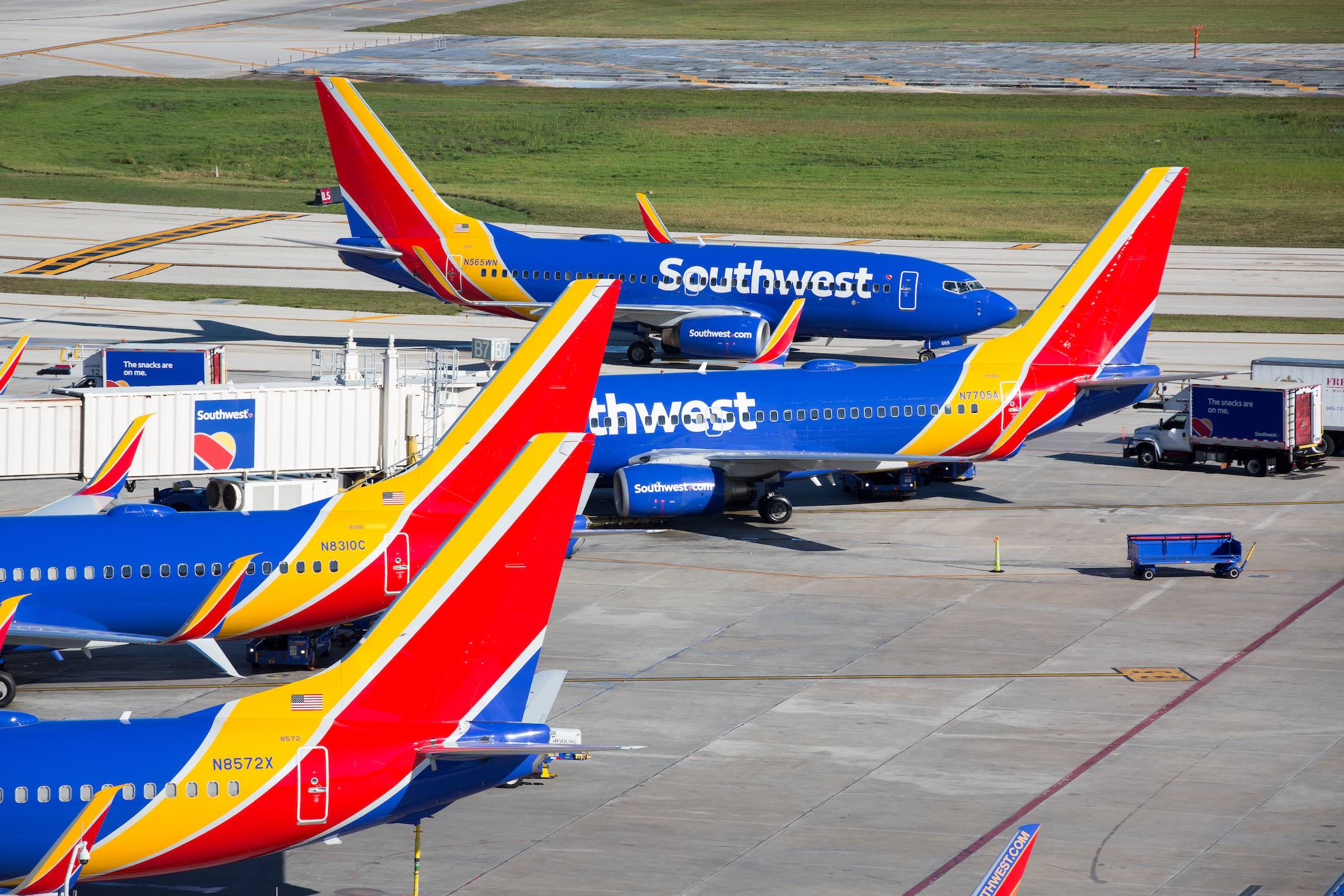
Southwest Airlines announced Monday that it will require plus-size travellers who cannot fit within their seat armrests to purchase an additional ticket in advance, starting January 27. The policy change represents a significant shift from the carrier's current customer-friendly approach and comes as part of broader operational transformations at the airline.
Departure from Current Flexibility
The airline currently offers plus-size passengers two options: purchasing an extra seat upfront with the possibility of receiving a refund afterwards, or requesting a complimentary additional seat at the airport. Under the new system, passengers who previously utilised the extra seat policy must purchase the second ticket during the booking process to guarantee space.
Southwest stated it made the change to ensure adequate seating availability for customers requiring extra space. However, the new policy eliminates the guarantee of refunds that passengers previously received, though refunds remain possible under specific conditions.

Strict Refund Requirements
The airline will issue refunds for second tickets only if three criteria are met: the flight must have available seats at departure time, both tickets must be purchased in the same booking class, and passengers must submit refund requests within 90 days of travel. This represents a more restrictive approach than the carrier's previous policy.
Passengers who fail to purchase an extra seat in advance will be required to buy one at the airport under the new rules. If the flight has reached capacity, the airline will rebook the passenger onto a different flight.
Industry Concerns
Jason Vaughn, an Orlando-based travel agent who operates Fat Travel Tested and shares travel advice for plus-size travellers, warned that the policy change will negatively affect passengers of all sizes. Vaughn explained that Southwest's existing policy created comfortable travel experiences for plus-size passengers while ensuring all travellers had sufficient personal space.
Vaughn characterised the change as another letdown for loyal Southwest customers, comparing it to recent brand alterations at Cracker Barrel that upset longtime patrons. He argued the airline has lost touch with its customer base and abandoned its distinctive identity.

Broader Transformation
The policy shift follows a series of changes at Southwest Airlines as the carrier faces pressure from activist investors to boost profitability and revenue. The airline ended its signature free checked baggage policy in May and introduced assigned seating on the same day as the extra seat policy announcement. These modifications mark a departure from the perks that previously distinguished Southwest from competing budget carriers.
Southwest also announced plans last year to charge fees for extra legroom seating and launch red-eye flights as it navigates financial challenges and investor demands for improved performance.
Read next
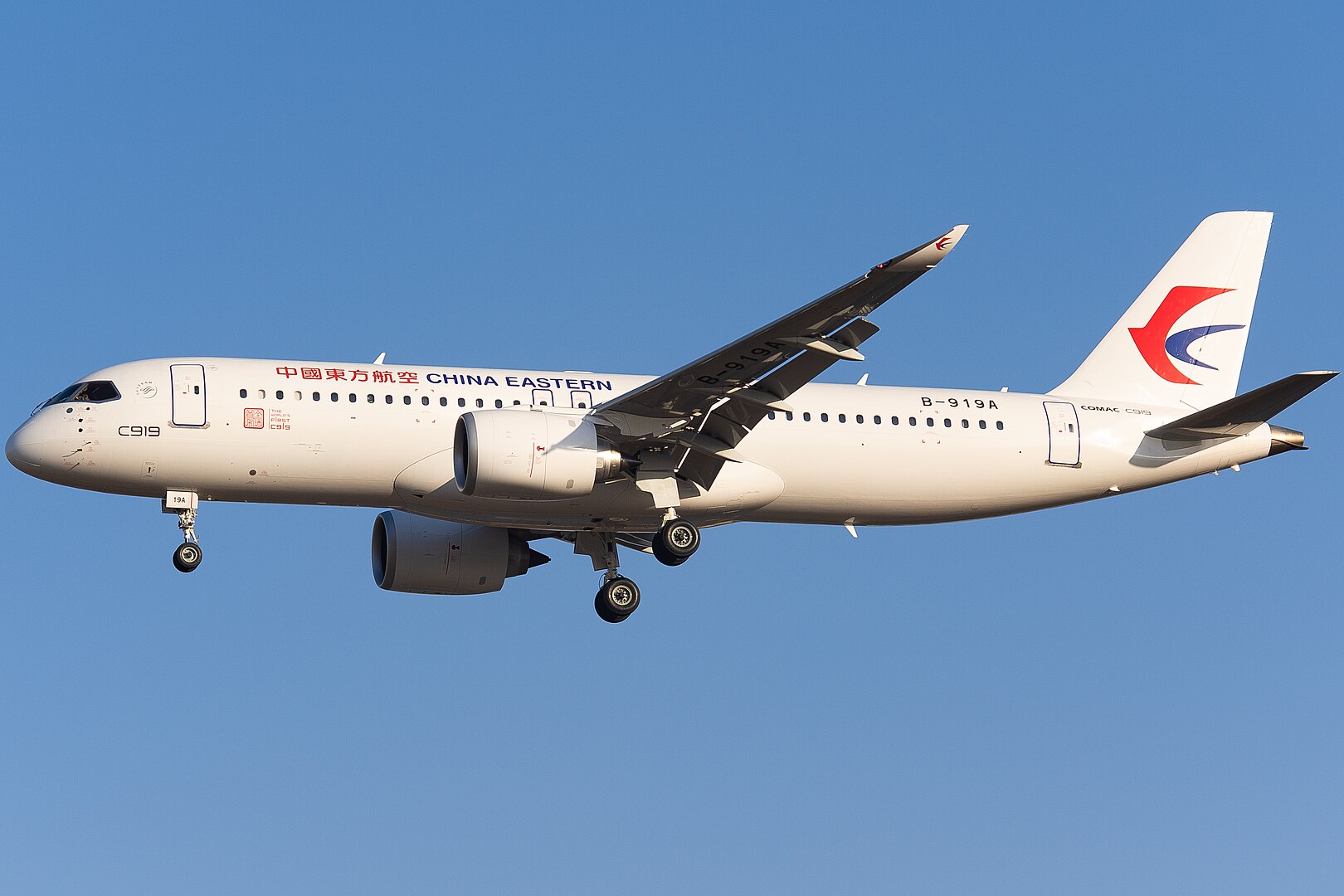
COMAC has secured the necessary approval from Brunei's aviation regulator to operate its aircraft in the Southeast Asian nation, marking another incremental step in the Chinese manufacturer's international expansion efforts. The regulator confirmed the certification through a recent publication, enabling COMAC to present its aircraft offerings to Brunei-based airlines.
Market Penetration Constraints
Brunei joins a small but growing list of countries authorising Chinese-manufactured aircraft operations. The approvals remain concentrated among nations considered Chinese allies and neighbouring markets rather than distant regions. This geographic limitation reflects COMAC's ongoing struggle to secure certifications beyond China's immediate sphere of influence, hampering its stated objective to capture market share from Airbus, Boeing, and Embraer.

Western Regulatories Block Major Orders
Western regulators maintain a cautious stance toward certifying COMAC aircraft, preventing the manufacturer from securing significant commercial orders outside China. This regulatory standoff stems from multiple concerns, including geopolitical tensions, spare parts availability, ongoing maintenance support capabilities, aircraft quality standards, and political considerations. Airlines cite these unresolved risks as primary reasons for avoiding COMAC purchases, despite the manufacturer's attractive delivery timelines resulting from smaller order backlogs compared to established competitors.
C919 Struggles to Challenge Airbus and Boeing Dominance
COMAC positions its C919 aircraft as a direct competitor to the Airbus A320neo and Boeing 737 MAX families. However, adoption remains overwhelmingly concentrated in China, with negligible international orders constituting the current backlog. The manufacturer's limited control over approval processes across different jurisdictions continues to restrict its global ambitions.

Recent Rejections
Korean Air rejected COMAC's proposal in 2025, citing unresolved operational hurdles and emphasising its established relationships with proven manufacturers, which it believed represented safer business decisions. Subsequently, U.S. lawmakers advised Ryanair against considering COMAC aircraft after Reuters revealed internal correspondence discussing potential purchases.
Despite Ryanair's frustration with Boeing's delivery challenges, as one of the American manufacturer's largest customers and a recipient of exclusively Boeing aircraft, the European low-cost carrier faces constraints due to a lack of European certification for Chinese aircraft. This regulatory gap prevents COMAC jets from operating across European markets and most Western territories, undermining any potential breakthrough with Western airlines, regardless of their dissatisfaction with current suppliers.
Read next
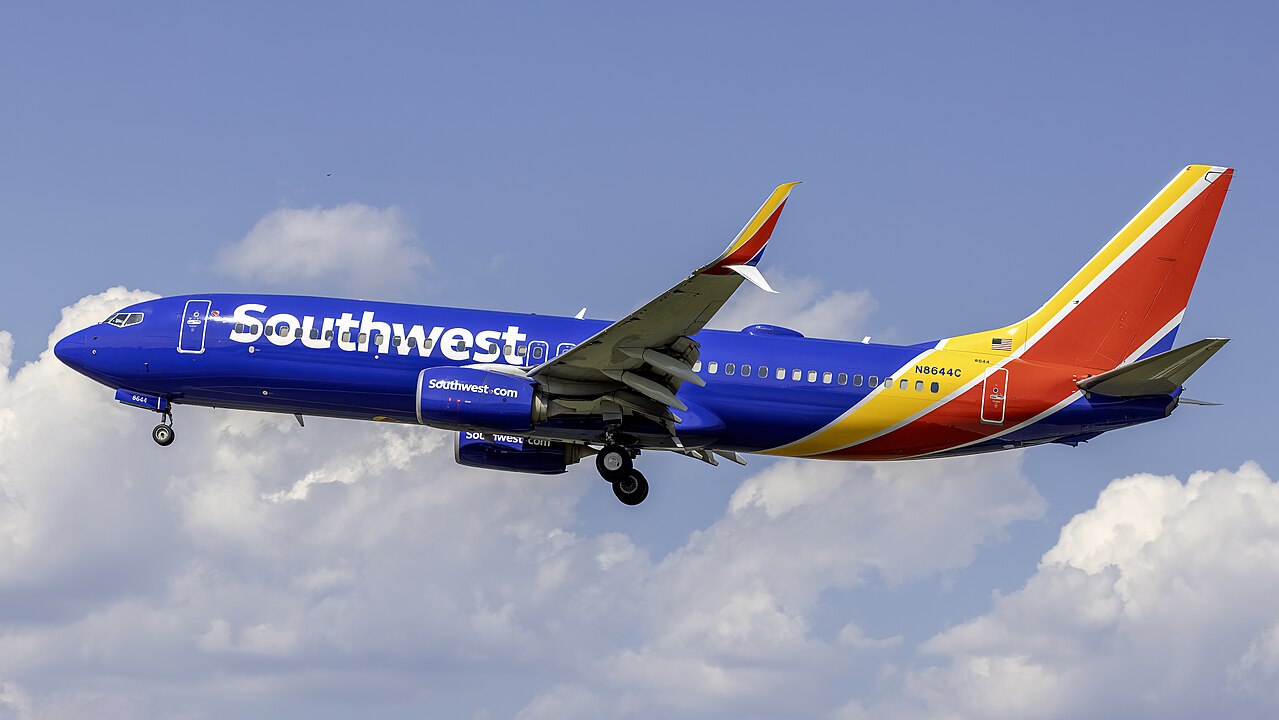
Southwest Airlines has launched its global innovation centre in Hyderabad, leveraging India's advanced technology talent and digital infrastructure to transform the city into a critical node in global aviation innovation.
The strategic expansion positions India as a leading aviation technology frontier while supporting Telangana's trillion-dollar economic vision through high-value job creation and increased foreign investment.
Southwest Airlines' Expansion into India
Southwest Airlines has established a global innovation centre in Hyderabad, marking a significant milestone in the airline's technology strategy. The facility solidifies Hyderabad's reputation as a dynamic technology hub and strengthens India's role in the global aviation ecosystem. The centre will advance next-generation solutions for business operations and technology-driven services while enhancing customer experience and operational efficiency.

Hyderabad: Aviation Technology Hub
Hyderabad has evolved from a vibrant technology centre into a preferred destination for aviation and technology collaborations. The city's strong infrastructure, world-class workforce, and forward-thinking policies attracted Southwest Airlines to establish its innovation base. This investment adds another major global brand to Hyderabad's growing portfolio and reinforces the state's ambition to become a trillion-dollar economy by 2034 through digital transformation and sustainable development.
Southwest selected Hyderabad for its deep pool of skilled IT professionals, seamless international connectivity, and government policies encouraging innovation-based investment. The city's reputation as a gateway to India's digital future makes it an ideal location for global companies expanding their technological presence.
Digital Transformation
The Hyderabad facility will focus on software development, data analytics, and operations research to enhance Southwest's digital evolution. These innovations will improve passenger service efficiency and sustainability while generating employment, boosting the local economy, and attracting further global investments in aviation technology. India's aviation industry has experienced consistent growth driven by increasing passenger demand, improved connectivity, and supportive regulatory frameworks, positioning the country as a global hub for aviation research and digital solutions.

Telangana's Trillion-Dollar Economic Vision
Telangana has outlined plans to achieve a USD 1 trillion economy by 2034 and USD 3 trillion by 2047 through innovation-led growth. Aviation technology partnerships like Southwest Airlines form an essential component of this vision. The state accelerates its transformation into an international digital innovation hub by attracting global aviation players, aligning with initiatives promoting smart infrastructure, sustainable development, and professional skill development.
Hyderabad's tech-driven economy, supported by policy reforms and a robust startup ecosystem, has established itself as a preferred base for innovation centres. Southwest Airlines' commitment demonstrates confidence in Telangana's potential to lead global digital transformation.
Technology Integration
The aviation sector increasingly depends on innovation, from predictive maintenance systems and digital flight planning to artificial intelligence-driven customer service platforms. Southwest's Hyderabad centre will integrate these technologies into operations while focusing on research that enhances safety, improves efficiency, and reduces environmental impact. The facility will develop technology minimising carbon footprints and optimising resource usage, supporting the airline's sustainability commitment.
The collaboration between international airlines and Indian technology experts will drive creative solutions shaping the future of air travel worldwide, highlighting Hyderabad's emergence as a leader in aviation technology.
Read next
In a pioneering move for the aviation industry, Qatar Airways has partnered with Grammy-winning music producer and entrepreneur Swizz Beatz to launch a revolutionary cultural platform. Announced at Art Basel Paris 2025, where Qatar Airways holds Premium Partner status across all five Art Basel exhibitions worldwide, this collaboration introduces the Qatar Airways Creative 100—an annual initiative designed to recognise the most impactful cultural influencers of our time.
Platform for Cultural Visionaries
The initiative stems from a collaboration with The Dean Collection, the art collective established by Swizz Beatz alongside Grammy-winning musician Alicia Keys. The platform will feature 100 creators spanning multiple disciplines, including art, design, music, technology, and sport.
The inaugural celebration is scheduled to take place during Art Basel Qatar in February 2026.
Initial inductees include South African DJ and producer Black Coffee, Olympic fencing champion Miles Chamley-Watson, Bang & Olufsen CEO Kristian Teär, AMBUSH co-founder and Dior Homme Jewellery Director Yoon Ahn, and Ferrari Chief Design Officer Flavio Manzoni. From the art world, sculptor Kennedy Yanko and visual artist Patrick Eugene have been recognised for their contributions exploring identity and cultural narratives.

Transforming the Travel Experience
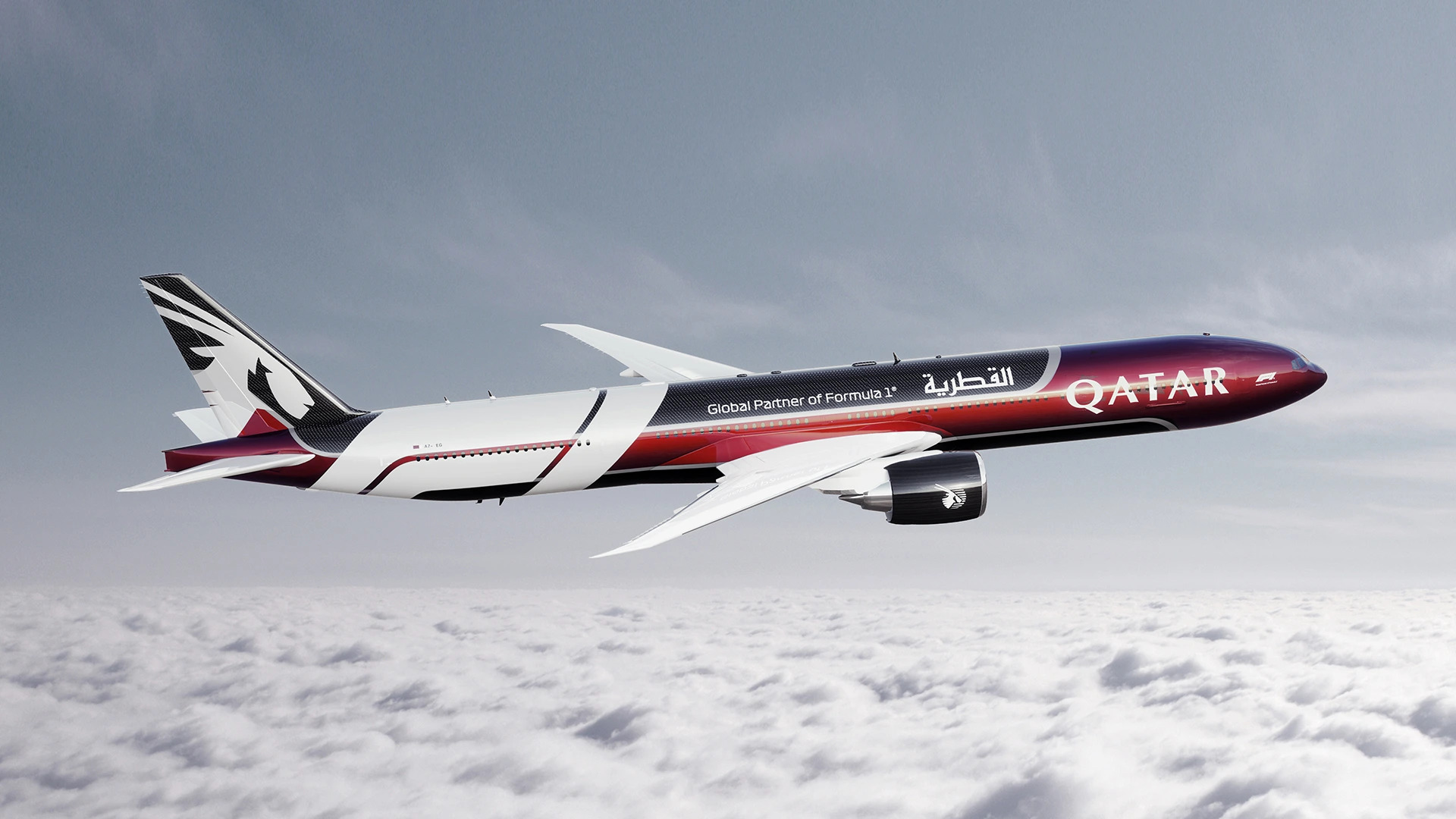
The partnership will influence passenger experiences through branded merchandise, onboard programming, and special activations. As their first creative expression, the collaborators unveiled a special Formula 1 livery design for the Boeing 777-300ER, honouring Qatar Airways' position as Global Airline Partner, with plans for a FIFA World Cup 2026 commemorative design to follow.
A dedicated digital platform will function as a cultural destination, presenting films, interviews, podcasts, and city guides curated by global creators. Privilege Club members will receive exclusive access to masterclasses conducted by Creative 100 honorees and priority invitations to prestigious cultural gatherings.
Industry Leaders Share Vision
Qatar Airways Group CEO Badr Mohammed Al-Meer emphasised that innovation drives every aspect of their operations. He stated that their alliance with Swizz Beatz embodies a mutual conviction that creativity possesses the capacity to inspire, connect, and revolutionise global connectivity. Swizz Beatz remarked that Qatar Airways transcends mere transportation, moving the entire world, making this collaboration feel organic.
Comment